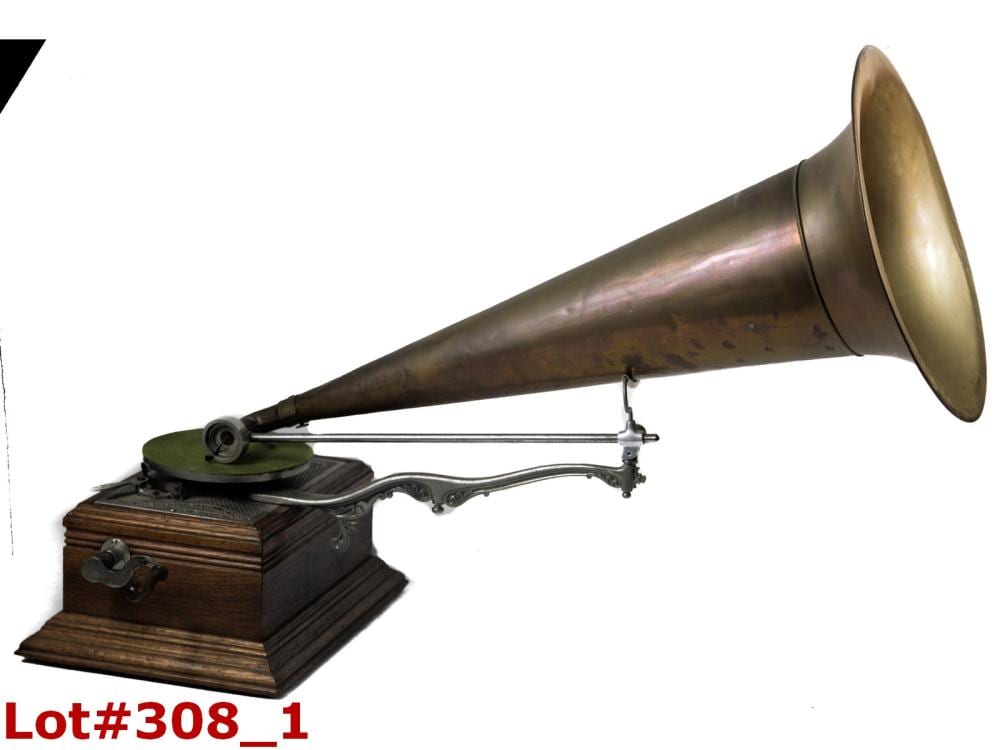
Unlocking the Worth a Comprehensive Guide to Determining Your Antique Phonographs Value: appraisal and value basics
Unlocking the Worth a Comprehensive Guide to Determining Your Antique Phonographs Value research should start with identification, condition, provenance, and item-specific market evidence. Use this guide to compare the signals that matter before paying for a formal appraisal or deciding whether to sell.
Antique phonograph appraisal checklist
Antique phonographs sit at the crossroad of engineering, design, and music history. Whether you inherited a Victrola, found an Edison cylinder machine at a yard sale, or are curating a collection, determining value requires more than a quick glance. Maker, model, originality, and current demand each push the number up or down. This guide walks you through a methodical, appraiser-style approach to identifying, grading, and valuing your machine with confidence.
The Phonograph Landscape: Formats, Eras, and Key Makers
Not all “phonographs” are the same. Understanding what you have sets the foundation for accurate valuation.
Formats
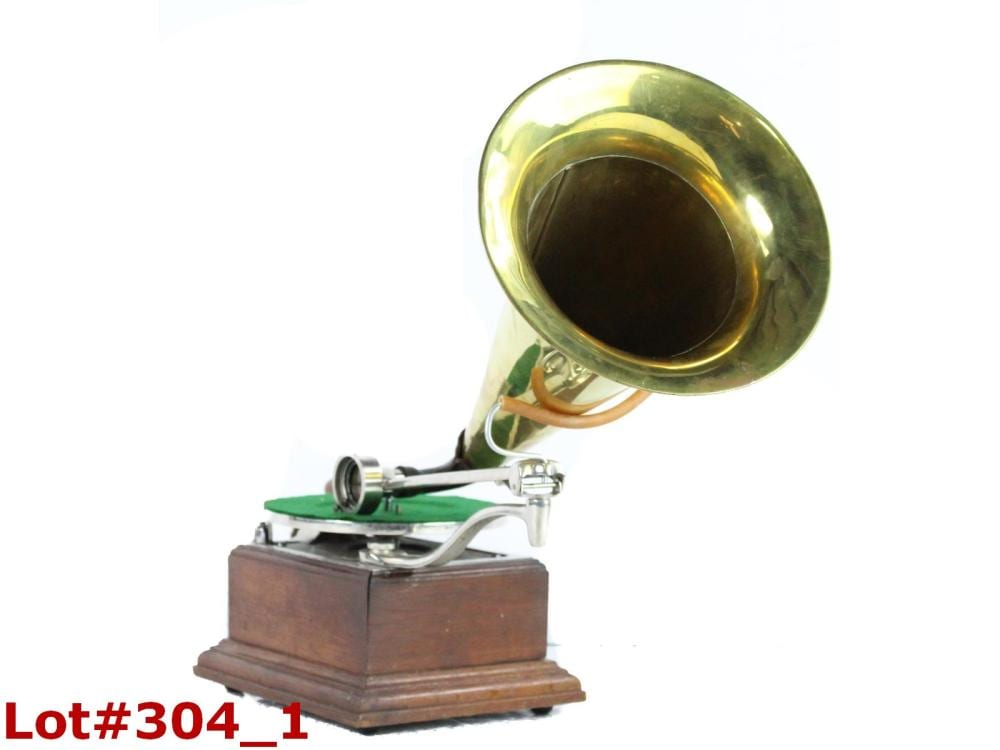
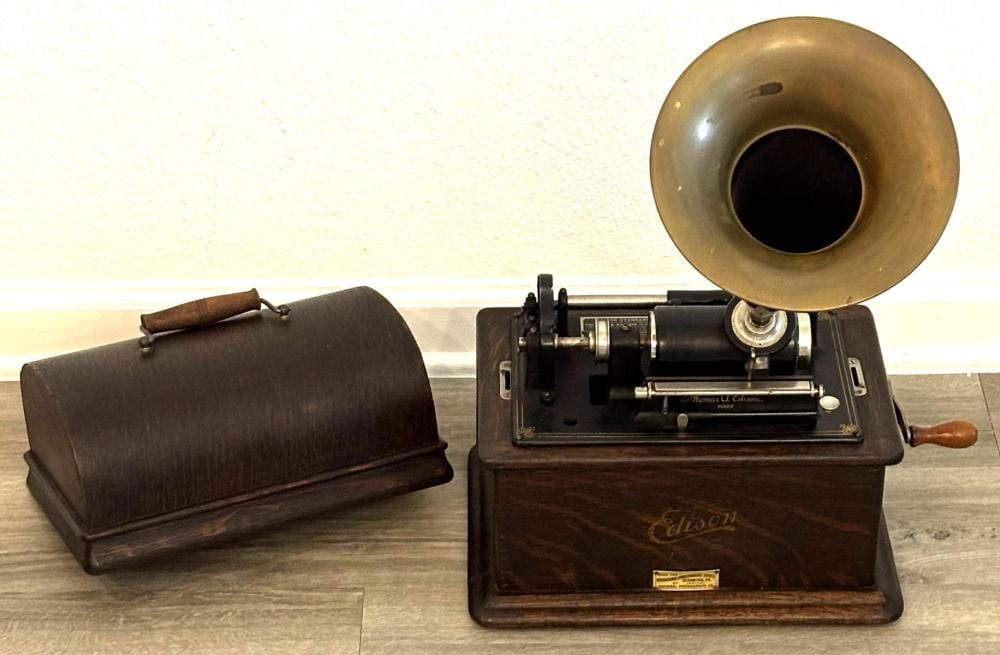
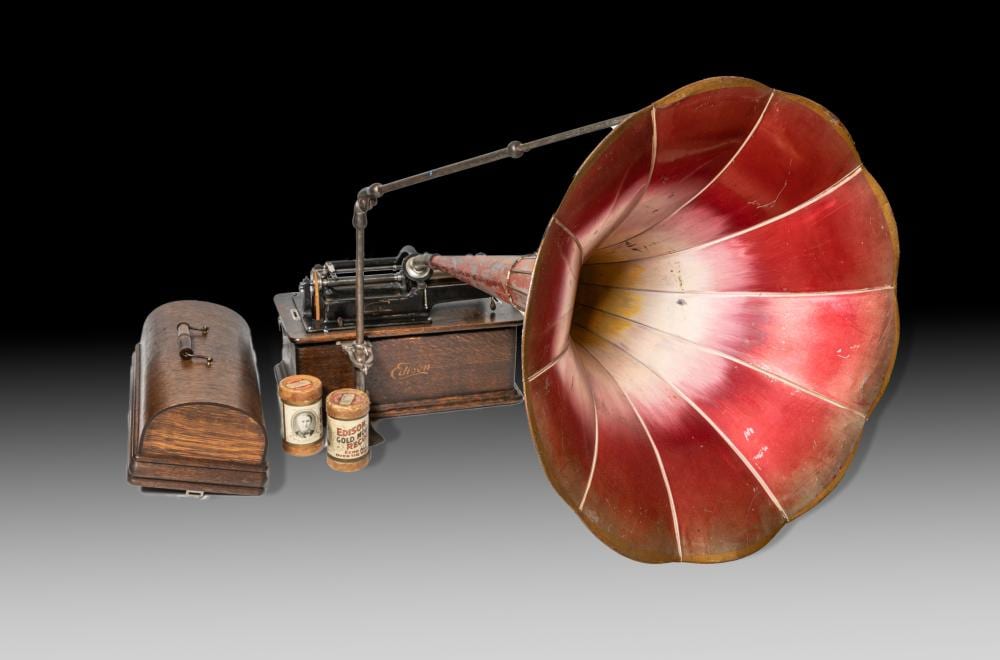
- Cylinder phonographs (c. 1890s–1910s): Use wax or celluloid cylinders. Staples include Edison (Gem, Standard, Home, Triumph, Opera, Amberola) and Columbia Graphophone. Early or deluxe models, and those with large cygnet horns, can be highly desirable.
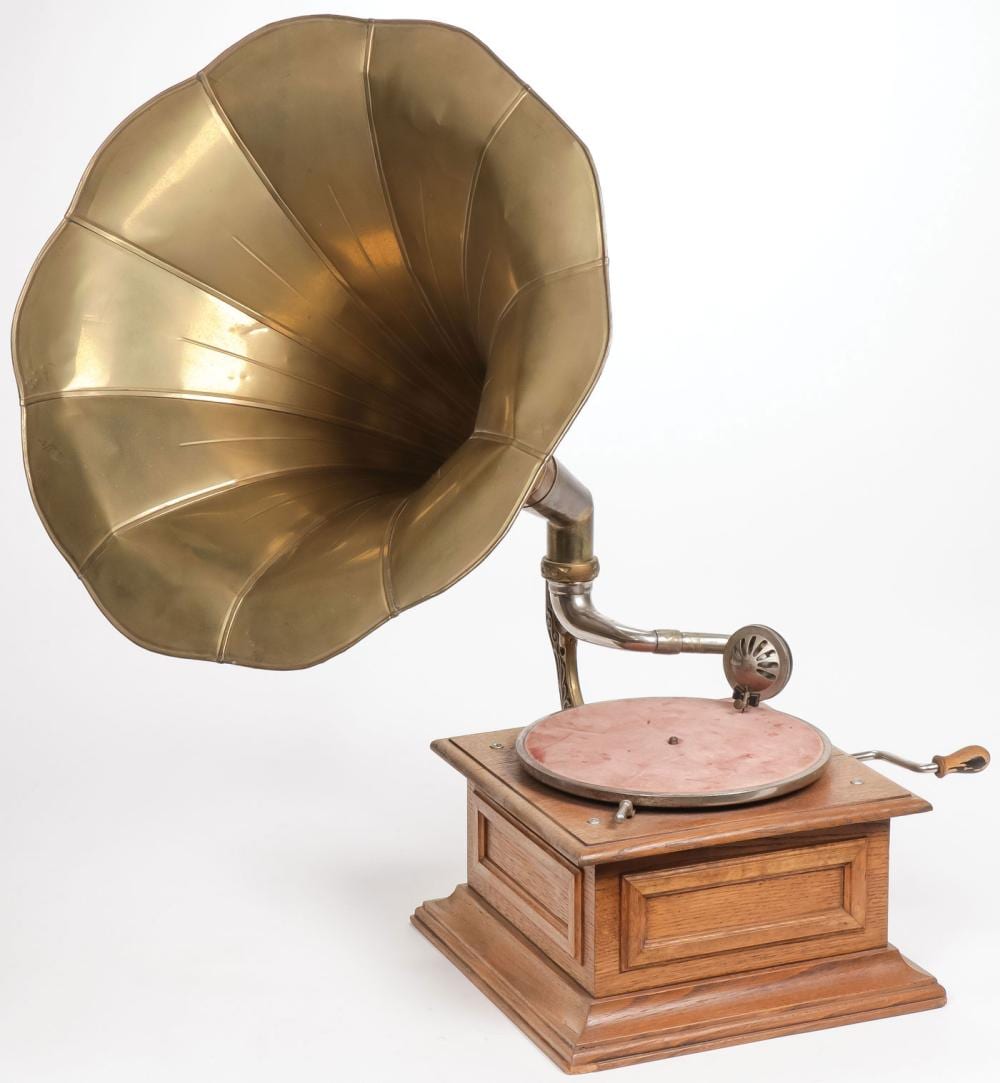
- Disc gramophones/phonographs (c. 1900s–1920s): Play flat shellac records (commonly 78 rpm). In the U.S., Victor (outside-horn Victors; internal-horn Victrolas) and Columbia were dominant. In Europe, HMV (His Master’s Voice), Pathé, and others led the market.
- Vertical vs lateral cut: Edison Diamond Disc and Pathé discs are vertically cut and require specific reproducers; most 78s are lateral cut. Machines optimized for one type are less versatile, affecting demand.
Eras
- Acoustic era (pre-1925): Sound is produced mechanically through horns and reproducers. Many collectible models are acoustic.
- Orthophonic and early electric (mid-1920s): Victor’s Orthophonic line (e.g., Credenza, VV 8-30) introduced improved acoustic design tuned for the new electrical recordings; shortly after, electric motors and pickups appeared.
Makers and reputations
- Edison: Cylinder machines and Diamond Disc consoles; Opera and high-end Amberolas are collector favorites.
- Victor/Victrola: Outside-horn Victors (e.g., Victor III, IV, V) and select internal-horn consoles (e.g., Orthophonic Credenza) command strong interest; mid-tier Victrolas (VV-X, VV-XI) are abundant.
- Columbia: Cylinder and disc machines; some early “Q” and ornate disc models are collected.
- HMV/Berliner: European outside-horn and quality internal-horn models with strong regional demand.
- Pathé/Brunswick/Zonophone and others: Desirable in certain models or markets; specifics matter.
Key takeaway: An outside-horn machine by a premier maker is generally more valuable than a common internal-horn console, but model-level identification and condition can invert that rule.
Identification Essentials: Models, Serials, Patents, and Parts
Value hinges on precise identification—down to model variants and production details.
Where to find model and serials
- Victor/Victrola: Look for a data plate on or under the turntable, inside the cabinet, or near the needle cup. Model codes (e.g., VV-XI) and serial numbers help date production. Some Orthophonic plates list “VV 8-30” (Credenza).
- Edison: Cylinder models often have a metal ID tag on the bedplate. Diamond Disc consoles have plates inside the cabinet (e.g., C-19, C-250). Cylinder phonographs may show patent dates and factory stamps on the motor bed.
- Columbia/Graphophone: Check plates on the bedplate or cabinet; early serials can be stamped into metal frames.
- HMV/European: Plates often reside on the motor board or inner cabinet; Berliner and Pathé follow similar placement.
Patent dates and production windows
- Patent plates and date ranges help confirm age. Beware: long patent date ranges can’t precisely pinpoint year of manufacture, but they establish era.
Components to verify as original
- Horn: Outside-horn machines need the correct size, shape, and finish. Painted/flower horns are often reproduced; examine paint, crimping, and weight for originality.
- Reproducer/soundbox: Victor Exhibition, No. 2, or Orthophonic heads; Edison Diamond or Model C/H/K/4-minute reproducers; Columbia and Pathé units. Replacements and modern rebuilds affect value.
- Tonearm and elbow: Material (brass vs pot metal), casting marks, and fit matter. Pot metal swelling or cracks are common and costly.
- Motor and spring barrels: Makers stamped motors; a mismatched motor hints at a “Frankenphone” assembled from parts.
- Cabinet and finish: Wood species (oak, mahogany), original shellac/varnish, veneer patterns, and hardware should match known factory styles.
Accessories and ephemera
- Original cranks, needle tins, record albums, record racks, horn supports (e.g., Edison cygnet crane), and paperwork often add value.
- Record compatibility: Edison Diamond Disc machines should have Diamond reproducers; Pathé machines need the sapphire ball. Mismatch reduces usability and price.
Document everything with clear photos: plates, serials, horn mount, reproducer, motor, and full cabinet views. These images become your “appraisal packet.”
Condition, Originality, and Completeness: What Drives Value
Collectors pay for originality and preservation. Appraisers typically weigh these factors:
Cabinet finish and structure
- Original finish in clean, presentable condition is prized. A high-quality, period-correct refinish can be acceptable, but heavy polyurethane, loss of detail, or wrong stain color is penalized.
- Veneer splits, missing trim, or warped doors reduce value, especially on high-style cabinets.
Plating and hardware
- Gold or nickel plating wear is expected but should be even. Deep pitting, flaking, or mismatched re-plated parts point to restoration or part swaps.
Mechanical health
- Motors should wind smoothly and run a side without grinding. Broken springs, gummy grease, or misaligned gears require work. A fully serviced motor adds confidence and value.
- Governor flutter (wow and flutter) indicates servicing needs; it affects usability and pricing.
Reproducer/soundbox condition
- Dried gaskets, hardened diaphragms, cracked pot metal, or damaged stylus assemblies are common. Professional rebuilding improves performance and can raise value, but non-original parts should be disclosed.
Completeness and correctness
- Missing cranks, album binders, horn elbows, or grills are detractors. Reproduction horns, cranes, or grills typically reduce value compared to factory originals.
- Mixed components from different models (Frankenphones) sell at a noticeable discount compared with a correct example.
Cleanliness and presentation
- Gentle cleaning, period-correct polishing, and tidy wiring (for electric models) improve marketability without over-restoring. Overzealous “shining” can look wrong and harm finish.
Grading shorthand used by sellers
- Excellent all-original: Top collector grade; strong premiums.
- Very good original with minor service: Solid collector quality.
- Refinished/restored: Fair market but less than comparable original.
- Parts/mixed project: Value primarily in components.
Valuation in Practice: Rarity, Demand, Market evidence, and Selling Venues
Establishing price is part research, part judgment. Follow a structured path:
Understand rarity and demand
- Production vs survival: High production Victrolas (VV-X, VV-XI) are common, so condition and local demand dominate. Outside-horn Victors (III, IV, V), Edison Triumph, and Edison Opera were costlier originally and are scarcer today.
- Cultural appeal: Large external horns, ornate cabinets, and marquee names (Victor, Edison, HMV) carry a premium.
- Playback versatility: Machines that play standard 78s are broadly appealing; Diamond Disc–only or Pathé-only machines attract narrower audiences (though still collectible).
- Regional factors: HMV demand is strong in the UK; certain U.S. regions support higher prices for early outside-horn models due to collector density.
Build comparables (market evidence)
- Seek recent sales of the same maker and model in comparable condition. Match horn type, finish, and originality. Weight sales from specialty auction houses and respected dealers higher than casual, poorly described listings.
- Separate “asking” from “selling” prices. A sit-for-months listing signals overpricing.
How common models compare (very general, varies by venue and condition)
- Common internal-horn Victrolas (VV-X, VV-XI): the most common and most affordable.
- Nice cabinets with better motors/soundboxes (VV-XIV and similar): a step above.
- Victor Orthophonic Credenza (VV 8-30), correct and clean: sought after for sound quality; exceptional examples higher.
- Outside-horn Victors (III, IV, V) with correct horns: generally above internal-horn models, depending on horn and finish; unusually fine or rare variants sell higher still.
- Edison Diamond Disc consoles (C-19, C-250): priced on cabinet and condition, with upscale cabinets higher.
- Edison high-end cylinder machines (Triumph with cygnet horn, Opera): among the more valuable Edisons, depending on originality and horn.
- Early/rare, coin-operated, or landmark models: four- to five-figure territory when documented and complete.
These are directional, not promises. Factors like provenance, standout originality, or a fresh service can push results up; missing parts, refinishing, or shipping-only sales can push down.
Choose the right venue
- Local specialty auctions and collector shows: Knowledgeable bidders, better hammer prices for advanced pieces; seller fees apply.
- Reputable dealers: Quicker sale; you trade some upside for a guaranteed offer and expert handling.
- Online marketplaces: Broad reach; strong descriptions and careful freight planning are essential. Large consoles are costly to ship; “pickup only” limits the pool.
- Consignment: Useful for high-end machines if the consignee markets to the right audience.
Timing and presentation
- List when comparable items are scarce, not when the market is flooded (e.g., after a local estate release).
- Provide crisp, well-lit photos; include plates, serials, motor, reproducer, horn, and any matching paperwork. Offer a brief, transparent service log.
Insurance vs resale value
- Insurance appraisals should reflect replacement cost in your region, often higher than a quick-sale price. Keep documentation and a dated photograph set.
Practical Valuation Checklist
Use this quick, appraiser-style checklist before you price or sell:
- Identify the format: cylinder, standard 78 disc, Edison Diamond Disc, or Pathé.
- Record maker and model from the ID plate; photograph the plate and serial.
- Date the machine using model guides and known production ranges.
- Verify horn type and size; assess whether it matches factory specifications.
- Confirm reproducer/soundbox type and compatibility with the records you intend to play.
- Inspect cabinet: original finish vs later refinish; veneer, trim, and grill condition.
- Check motor: winds smoothly, runs a full side, governor steady; note any noises.
- Examine plating and hardware for uniform wear vs replate/mismatch.
- Test the reproducer or have it evaluated; note gaskets/diaphragm condition.
- Inventory completeness: crank, horn elbow/crane, shelves, album binders, lid supports, needle cups.
- Note any reproductions or mixed parts; estimate impact (often a significant reduction).
- Gather market evidence of the exact model and configuration; refine by region and venue.
- Decide venue (local auction, dealer, online, show) based on size, rarity, and your timeline.
- Document everything in a short condition report with photos and service notes.
FAQ: Antique Phonograph Value Questions
Q: Are refinished cabinets always worth less? A: Usually yes. Collectors prefer original finishes with honest wear. A historically sensitive, high-quality refinish can still sell well, but it seldom equals a similar unrestored original.
Q: My Victrola plays fine but the soundbox was rebuilt. Does that hurt value? A: A professional rebuild with period-correct materials typically helps usability and doesn’t significantly harm value if the soundbox is the correct model. Disclose the work in your listing.
Q: Do records increase the value of the machine? A: A small, curated lot of clean, period-appropriate records can sweeten the package. However, common or worn records add little value and increase shipping complexity.
Q: How can I tell if my outside horn is original? A: Check weight, construction details, finish, and fit to the elbow. Factory horns have specific seam patterns, flares, and paint schemes. Reproductions tend to be lighter, with different crimps or paint texture. Compare closely to documented originals.
Q: What’s the best way to ship a floor console? A: If possible, avoid shipping—sell locally or use specialized art/antique movers. If shipping is necessary, remove and pack the reproducer and motor separately, brace the tonearm, and crate the cabinet. Standard parcel carriers are risky for these items.
Determining an antique phonograph’s value is a balance of detective work and market sense. Confirm the model, document components, grade the condition with a critical eye, and anchor your expectation in real comparables. With thorough documentation and a smart choice of venue, you’ll maximize both the accuracy of your appraisal and the result when it’s time to sell.