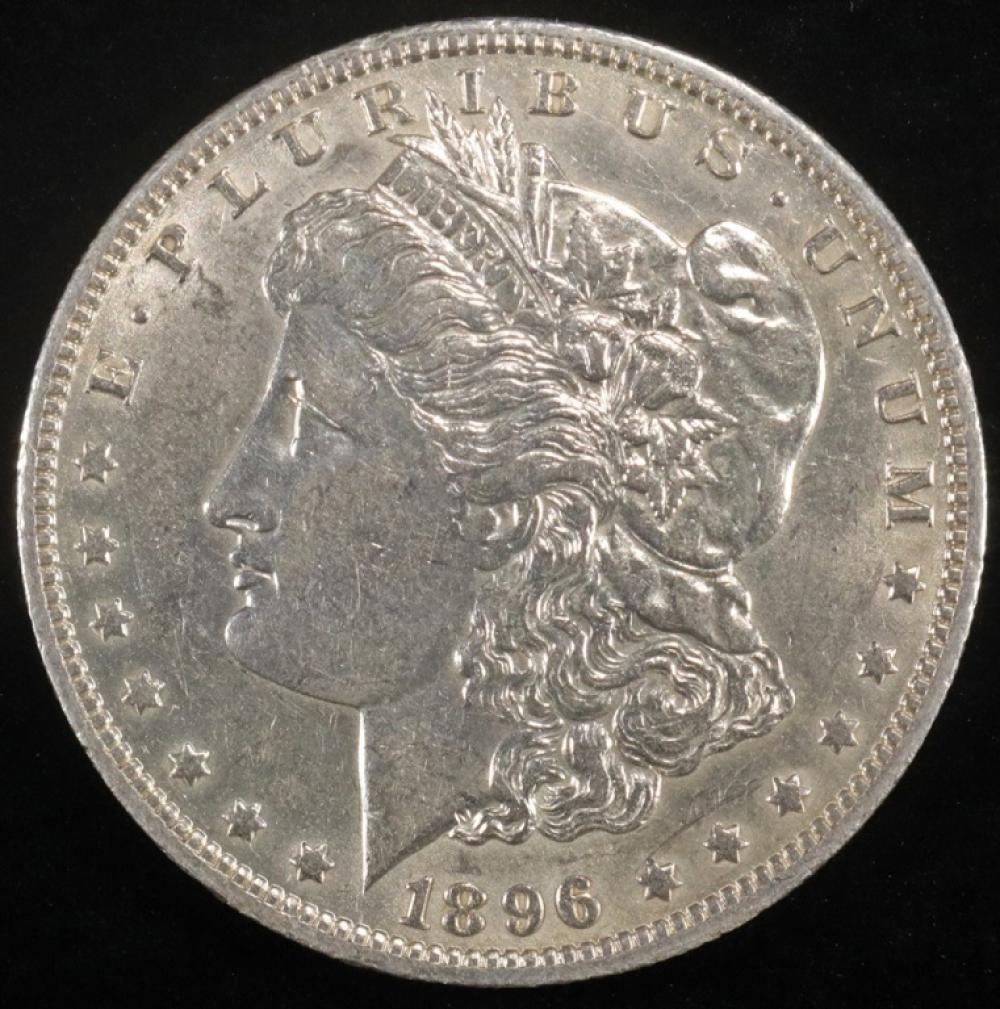
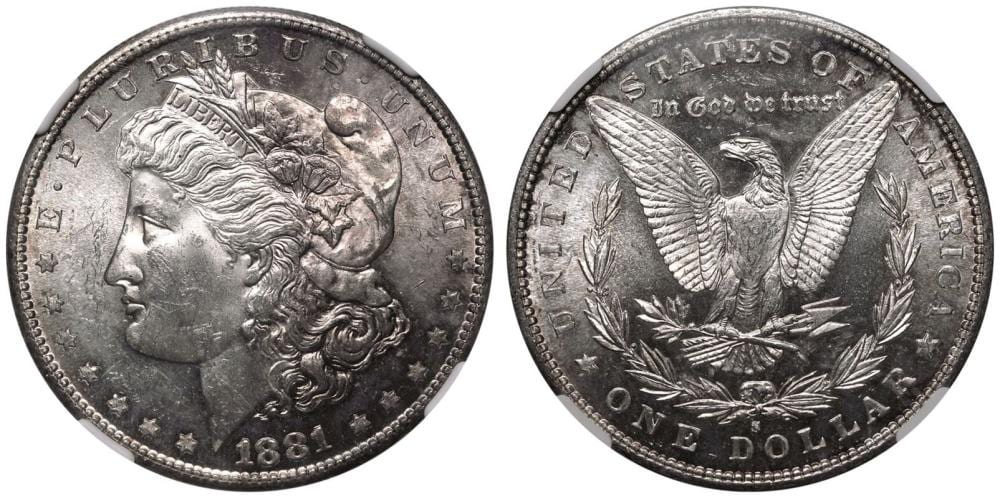
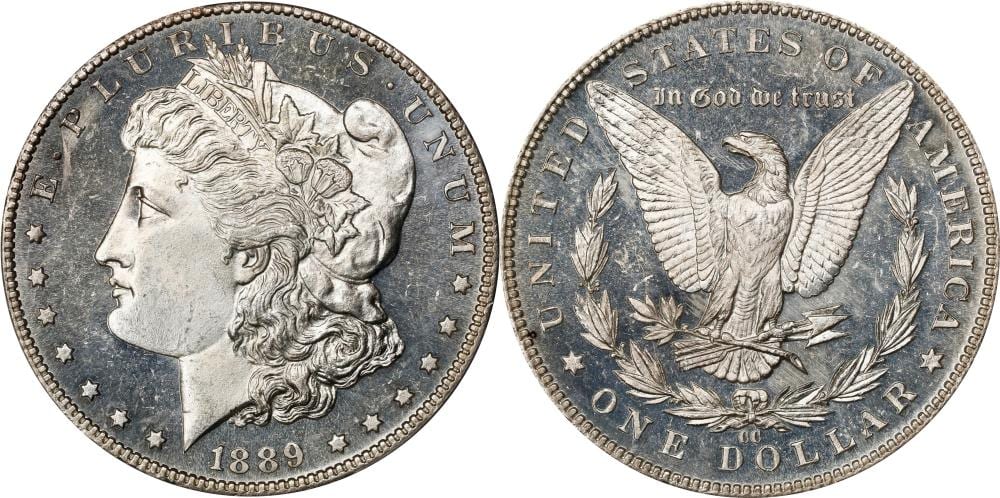
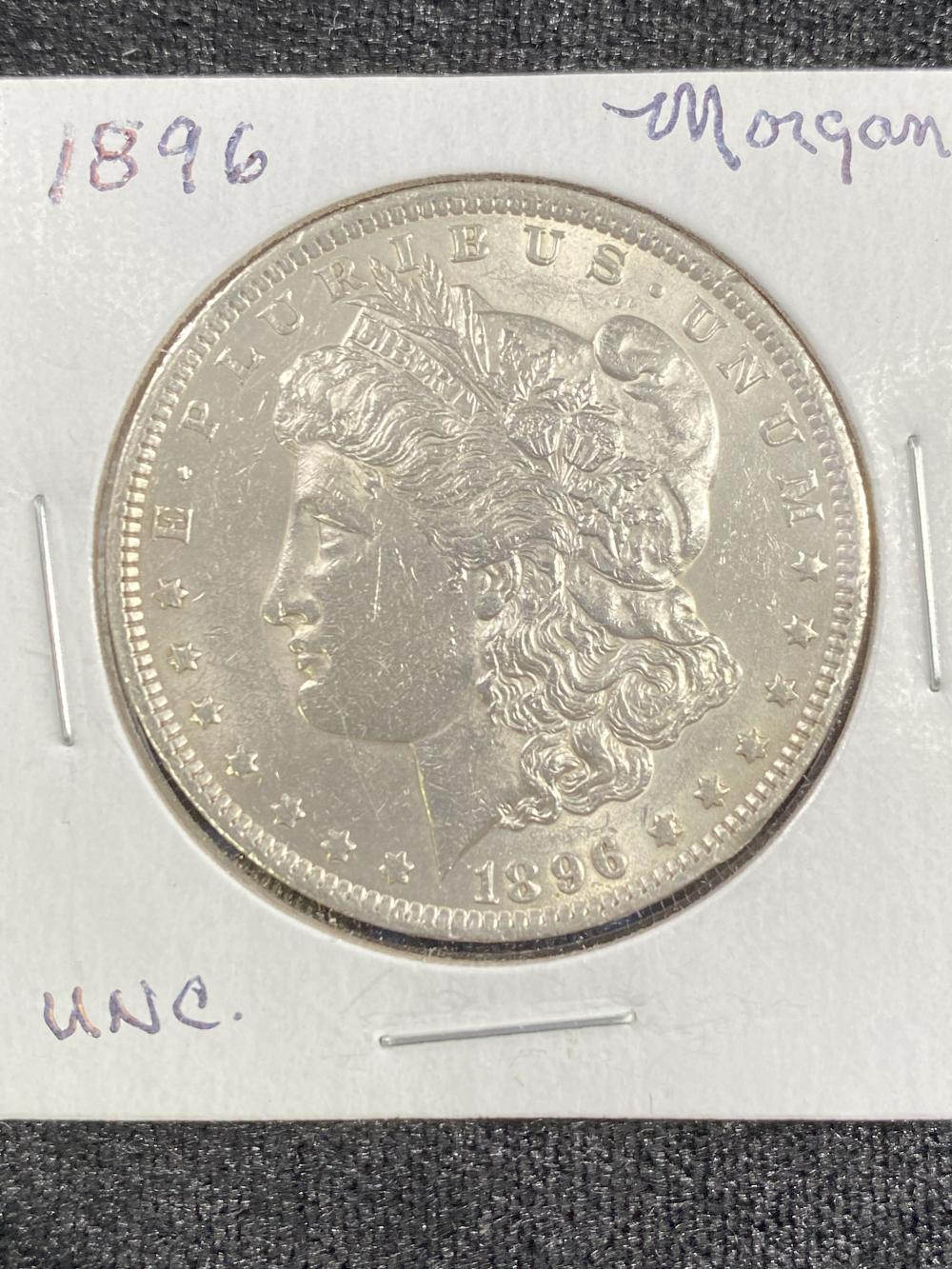
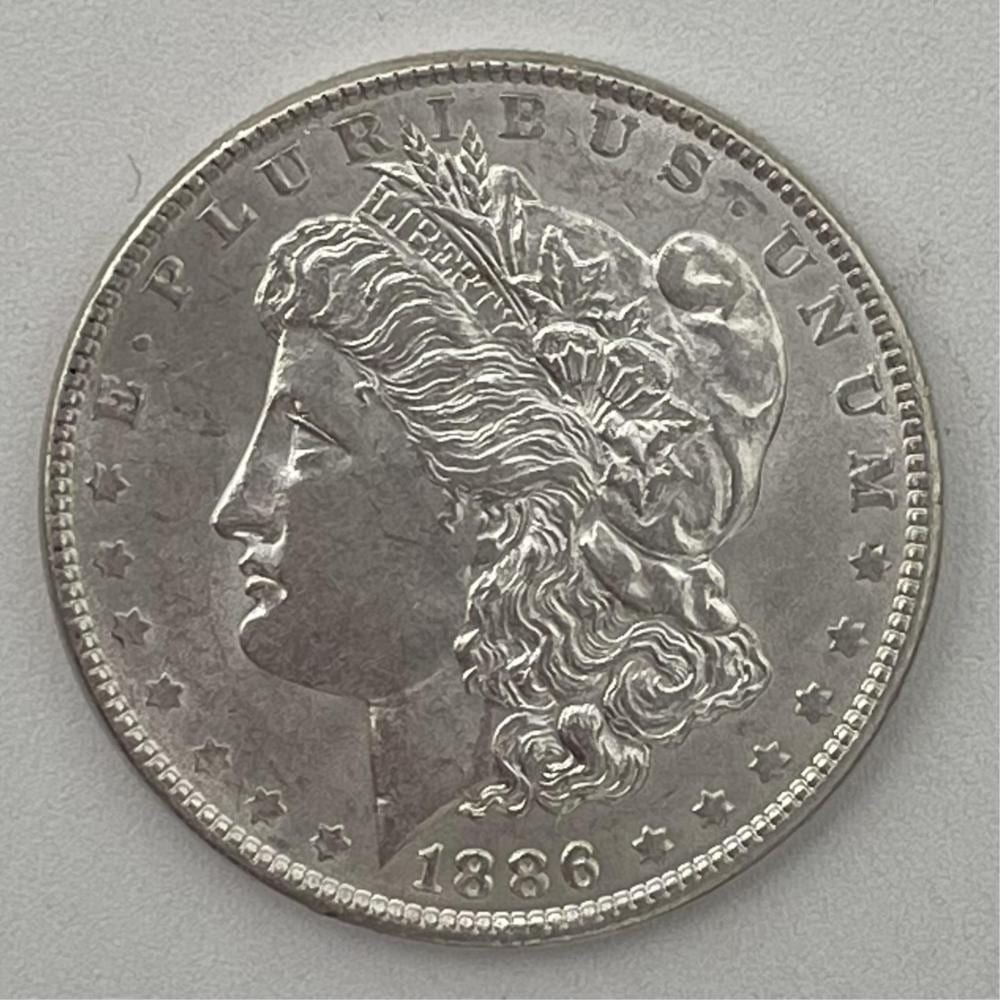
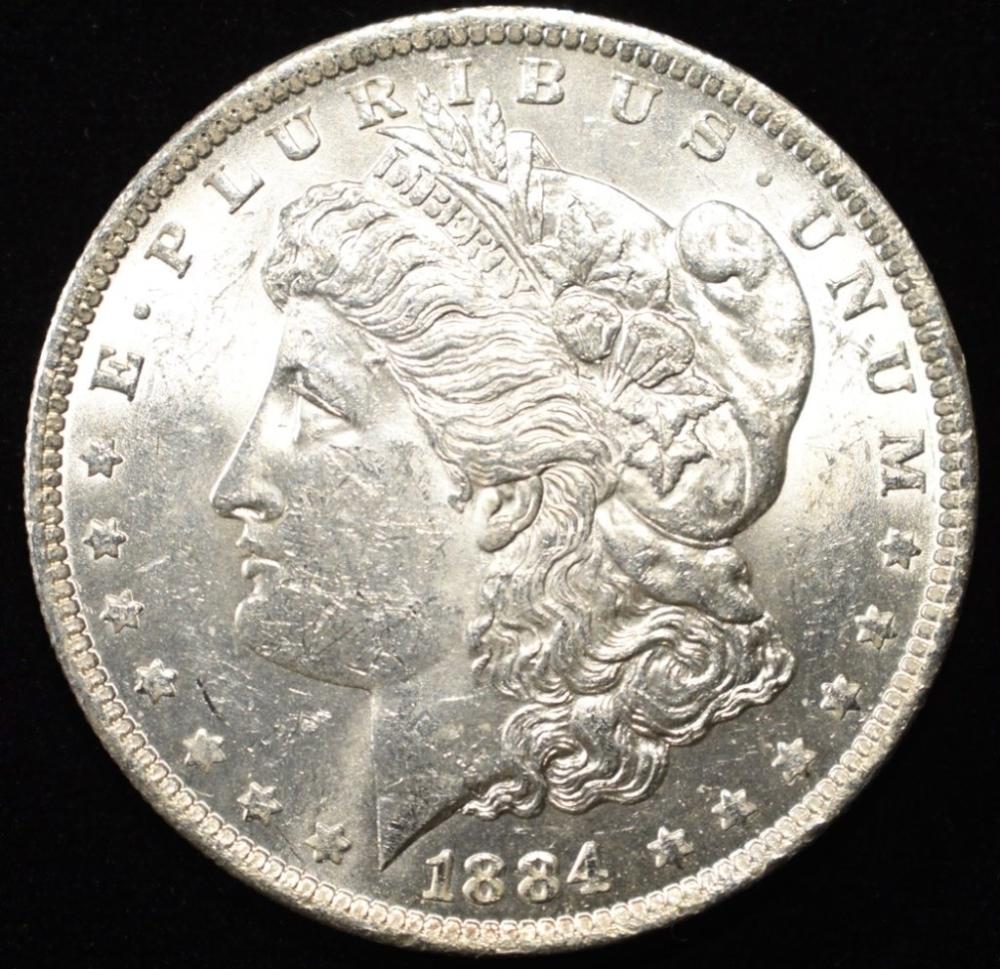
Unlocking the Worth a Comprehensive Guide to Determining Antique Coins Value: appraisal and value basics
Unlocking the Worth a Comprehensive Guide to Determining Antique Coins Value research should start with identification, condition, provenance, and item-specific market evidence. Use this guide to compare the signals that matter before paying for a formal appraisal or deciding whether to sell.
Antique coin appraisal checklist
Antique coins attract collectors and appraisers because they blend history, design, and scarcity into portable works of art. Yet their value is not just about age. Price emerges from a web of factors: precise identification, objective condition assessment, true rarity, current demand, originality, and market comparables. This guide provides a clear framework for determining antique coin value—whether you’re cataloging a household inheritance, valuing a dealer’s tray, or assessing a collection for insurance.
For our purposes, antique coins are those typically over 100 years old, including classical and medieval issues, early modern world coinage, and older United States pieces. The principles below apply broadly across regions and periods, with special notes for ancient coins where practices differ.
Identify the Coin Correctly
Accurate identification is the foundation of valuation. Errors here can multiply into wildly wrong prices.
Establish issuing authority and type:
- Country or city-state, ruler/monarch, and domain (e.g., Roman Republic, British George III).
- Denomination and metal (gold, silver, copper/bronze, billon).
- For ancients, identify obverse portrait, reverse type, legends, and mint symbols; transliteration may be needed for Greek or Cyrillic.
Confirm date and mint:
- Read the date where present; some series use regnal years or Hijri calendars.
- Locate mint marks and assayer initials. A subtle mintmark can swing value dramatically.
Note varieties:
- Overdates, repunched mintmarks, small/large date or letters, die pairings, or privy marks.
- Error types: off-center strikes, doubled dies, clipped planchets, wrong planchet, lamination errors. True errors can command significant premiums.
Measure and test:
- Weight to 0.01 g and diameter/thickness via calipers; compare to references.
- Simple magnet test for suspected steel-plated fakes; silver and gold are non-magnetic.
- Ring test is not recommended; it risks damage and is unreliable for antiques.
Use references and comparisons:
- Standard catalogs and regional references are essential: for example, widely used world coin catalogs, specialized works for ancients, and national guides.
- Cross-check multiple sources and look for plate matches on important varieties.
Watch for alterations:
- Added mintmarks, tooling to sharpen details, plugged mount holes, re-engraved dates, or edge reeding added later. Alterations usually decrease value sharply.
Proper attribution may add more value than any other single step. A coin dismissed as “old Roman” could be a rare provincial issue, or a common type from a key mint.
Grade the Condition and Eye Appeal
Condition drives value. Grading translates the physical state of a coin into a market language buyers and sellers understand.
Grading frameworks:
- For most modern and classic series, the Sheldon scale runs from Poor-1 through Mint State-70. In practice, 1–60 for circulated to uncirculated coins is most used.
- Ancient coins typically use adjectival grades (Good, Fine, Very Fine, Extremely Fine, About Uncirculated) with attention to strike and surface quality; numeric scales are sometimes applied by specialist services.
- Strike, luster, surfaces, and overall eye appeal can cause large price differences within the same technical grade.
What to look for:
- Wear: high points first; loss of hair detail, shield lines, laurel leaves, or dress folds.
- Strike quality: weakly struck centers or flat stars are mint-made and graded differently than wear.
- Luster: original cartwheel luster on silver and nickel; satiny or frosty blooms on gold.
- Toning and patina: natural rainbow toning or attractive ancient patina can add value; splotchy or artificial color can hurt.
- Surface problems: hairlines from cleaning, scratches, digs, corrosion, verdigris, porosity, edge knocks, rim filing, mount removal marks.
Problems and “details”:
- Cleaned, scratched, polished, bent, or holed coins typically receive “details” designations if certified. Expect substantial discounts versus straight-graded examples.
- For ancients, smoothing, tooling, and artificial patination are common. Tooling, even when skillful, usually reduces desirability and value.
Grade sensitivity:
- Many series have inflection points where value jumps between grades (for instance, from Very Fine to Extremely Fine), or between AU and MS where original luster is decisive.
- Registry competition in certain series sends high-grade population “top pops” to exceptional levels.
If you’re not confident in grading, compare your coin to high-resolution images of certified examples in auction archives and guidebooks. Practice and conservative judgments pay off.
Rarity, Demand, Metal, and Provenance
Price is where rarity and demand meet, filtered through metal value and the coin’s story.
Rarity components:
- Mintage: total struck. Useful but imperfect; many coins were melted or lost.
- Survivorship: how many coins actually exist today across grades. Population reports for slabbed coins help for some series; ancients rely on published hoards and scholarship.
- Condition rarity: common in low grades but rare in high grades is typical for 19th-century bronze and silver.
Demand drivers:
- Collector base size and income. Popular national series often command strong prices even for common dates in high grade.
- Cross-collecting appeal: coins tied to historic events, rulers, or artworks draw broader interest.
- Fashion and cycles: what’s “hot” changes. Market peaks occur around anniversaries or when notable collections sell.
Metal content:
- Intrinsic value sets a floor for precious-metal coins. In weak numismatic markets, prices may track melt value closely, especially for heavily worn or common types.
- However, numismatic premium can dwarf metal value for scarce dates and superior condition.
Provenance and legality:
- Documented ownership history (sales tickets, old collection tags, published plates) can enhance desirability and help with legal compliance.
- Ancient coins may be subject to cultural property laws, export/import restrictions, and findspot regulations. Clear provenance can be critical for saleability and insurance.
Varieties and errors:
- Genuine major doubled dies, notable off-centers, or rare die pairings can multiply value.
- Minor varieties may carry small premiums; the significant ones are well-documented in specialized references.
Consider rarity in the context of condition and demand. A scarce ancient bronze with exceptional surfaces and pedigreed provenance may outsell a more common silver coin in better technical grade.
Pricing With Market Data and Adjustments
Once you know what the coin is and how it grades, convert that knowledge into a price range using market evidence.
Gather comparables:
- Auction records: prioritize recent sales of the same type, grade, and problem status. Note hammer plus buyer’s fee for true realized price.
- Dealer retail and price guides: useful for asking-price context; many guides lag fast-moving markets.
- Certified population and census data: show supply pressure at each grade.
Make apples-to-apples comparisons:
- Match the exact type, date, mint, variety, and grade. Adjust for problems or plus grades.
- For ancients, weigh strike and surface notations, centering, flan cracks, and legend completeness.
Apply adjustments:
- Problems: subtract for cleaning, scratches, edge damage, or mount removal. Discounts run from small for light hairlines to severe for holes or heavy corrosion.
- Eye appeal: add premiums for superb toning, sharp strike, and attractive patina; subtract for splotchy color or off-center strikes that cut into key design elements.
- Provenance: add premiums for notable collections or literature plate coins, especially at the high end.
- Market venue: wholesale (dealer-to-dealer) is typically below public auction; retail storefronts may be higher due to overhead and guarantees.
Respect grade cliffs:
- If market evidence don’t exist for your exact grade, interpolate carefully. For instance, if VF sells for 200 and EF for 400, a nice VF/XF slider might be 275–325 absent problems.
Beware stale or aspirational prices:
- Asking prices are not realized prices. Always prioritize verifiable sales.
- Adjust for metal price changes if the coin’s value is melt-sensitive.
Set a range, not a point:
- Present a conservative low and optimistic high with rationales for each. Serious appraisals explain the assumptions behind the number.
This data-driven approach avoids common pitfalls like overreliance on a single catalog value or outdated dealer labels.
Attribution review, Conservation, and Risk Control
Originality underpins value. A rare coin that isn’t genuine is worth only the lesson it teaches.
Red flags for counterfeits:
- Wrong weight, diameter, or die axis for the type.
- Casting bubbles, granular surfaces, or a seam on the edge.
- Tooling lines around devices, especially hair and wreaths sharpened unnaturally.
- Inconsistent style: letterforms, portrait proportions, crude legends compared with genuine examples.
- Magnetic response in coins that should be non-magnetic.
Third-party certification:
- Recognized grading and specialist review services can encapsulate coins and assign grades; this aids liquidity and buyer confidence.
- For ancients and specialized series, consult experts familiar with regional forgeries and workshop styles. Opinion letters or tickets from respected dealers can carry weight.
Handling and storage:
- Use soft cotton or nitrile gloves; hold coins by the edge.
- Store in inert holders: Mylar flips, archival capsules, or acid-free envelopes. Avoid PVC.
- Control humidity and temperature; silica gel packs help. Keep documentation with the coins.
Cleaning caution:
- Do not clean antique coins. Even mild polishing can strip patina, reveal hairlines, and destroy value.
- Conservation is a specialty; only qualified professionals should stabilize bronze disease or remove harmful residues, and only when justified.
Insurance and documentation:
- Photograph both sides, edge, and any distinguishing marks. Record weights and diameters.
- Maintain invoices, auction listings, and prior appraisal notes. These support provenance and valuation.
Mitigating originality and conservation risks protects both price and the historical integrity of the coin.
Quick Valuation Checklist
- Identify type, date, mint, denomination, and metal; note any varieties or errors.
- Weigh and measure; compare to references; perform a simple magnet test if appropriate.
- Grade the coin conservatively; note strike, luster, patina, and any problems.
- Assess rarity: mintage (if known), survivorship, and condition rarity.
- Gauge demand: collector base, current trends, and cross-collecting interest.
- Verify production quality; seek expert opinions or certification when value or risk is high.
- Compile recent comparables; prioritize realized auction prices.
- Adjust for problems, eye appeal, provenance, and venue.
- Set a value range with a brief rationale; document your sources and assumptions.
Frequently Asked Questions
Q: Should I clean an antique coin to improve its value? A: No. Cleaning almost always reduces value by removing original surfaces or patina and creating hairlines. If active corrosion threatens the coin, seek professional conservation advice; otherwise, leave it as is.
Q: How can I quickly spot a fake? A: Start with weight and diameter checks against known standards, then examine style and surfaces under 10x magnification. Look for casting bubbles, edge seams, tool marks, and incorrect lettering. When in doubt, consult a specialist or submit for third-party attribution review.
Q: Why does the same date and mint vary so much in price? A: Condition sensitivity, eye appeal, and variety or error status can cause wide spreads. Two coins both labeled “VF” can differ sharply if one has superior strike and original color while the other shows scratches or cleaning.
Q: What’s the difference between book value and market value? A: Book value is a guide based on compiled sales and dealer input; it may lag the market. Market value reflects what comparable coins actually sell for today in your chosen venue. For appraisals, rely on recent realized prices adjusted for your coin’s specifics.
Q: Do auction or retail venues matter for valuation? A: Yes. Wholesale is usually lowest, retail asking can be highest, and auctions sit between with variability based on competition. For fair market value, recent auction realizations are often the most defensible benchmark.
By combining precise identification, careful grading, rarity analysis, and current market evidence—tempered by attribution review and conservation best practices—you can arrive at a robust, defensible value for antique coins. Keep notes, stay conservative where uncertain, and let the coin’s true merits guide the number.