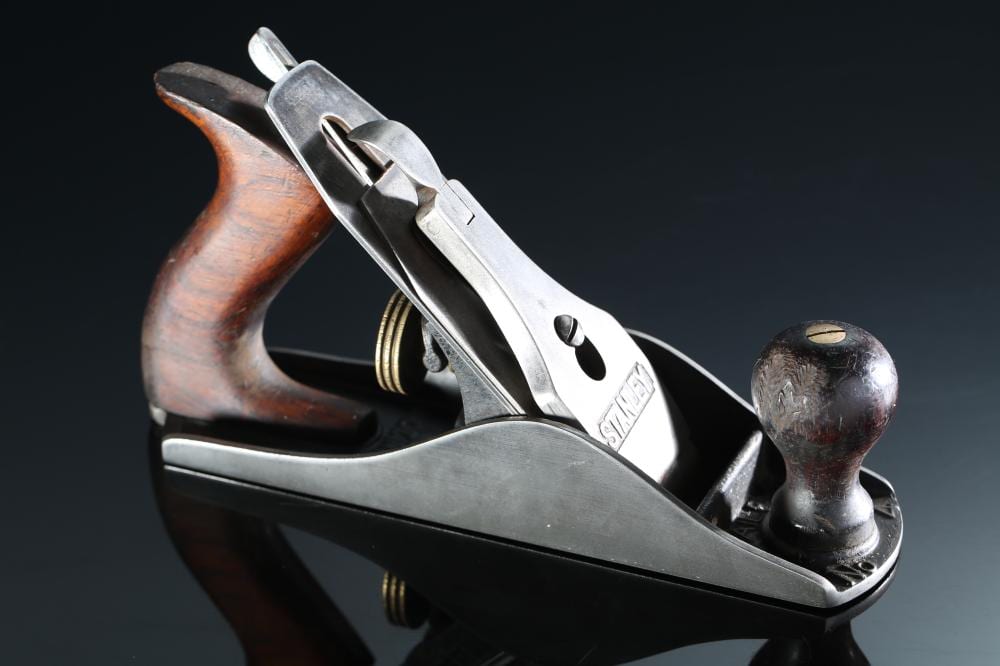
Unlocking the Worth a Comprehensive Guide to Antique Wood Planer Values: appraisal and value basics
Unlocking the Worth a Comprehensive Guide to Antique Wood Planer Values research should start with identification, condition, provenance, and item-specific market evidence. Use this guide to compare the signals that matter before paying for a formal appraisal or deciding whether to sell.
Antique wood planer appraisal checklist
Antique “wood planers” sit at the intersection of craftsmanship, design history, and functional engineering. Whether you’re a collector, a user, or an appraiser, understanding how to identify, grade, and price these tools is the key to unlocking their worth. This guide distills the essential market drivers, maker cues, and valuation strategies used by seasoned tool specialists.
What Collectors Mean by “Wood Planer”
In everyday speech, “wood planer” can mean two different things:
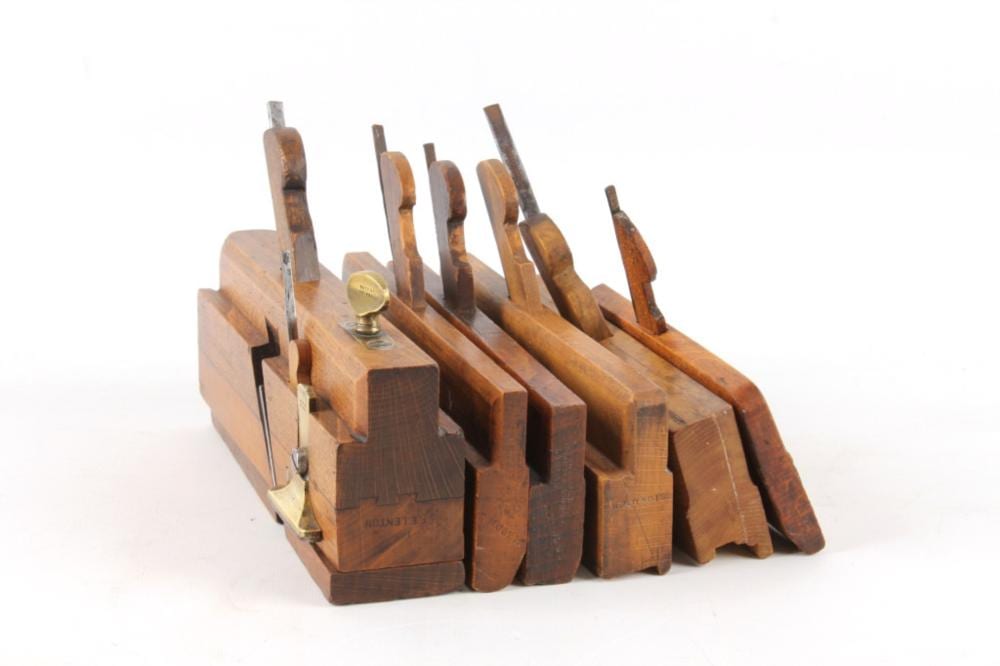
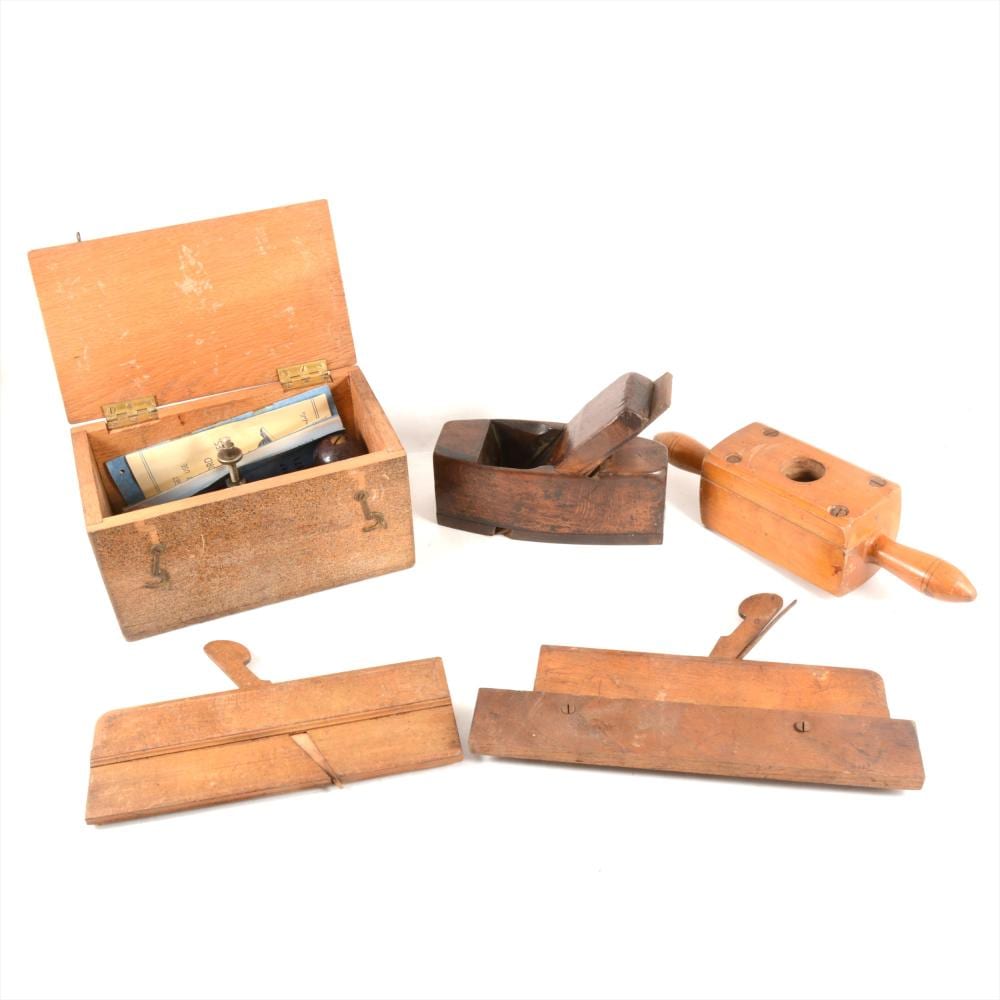
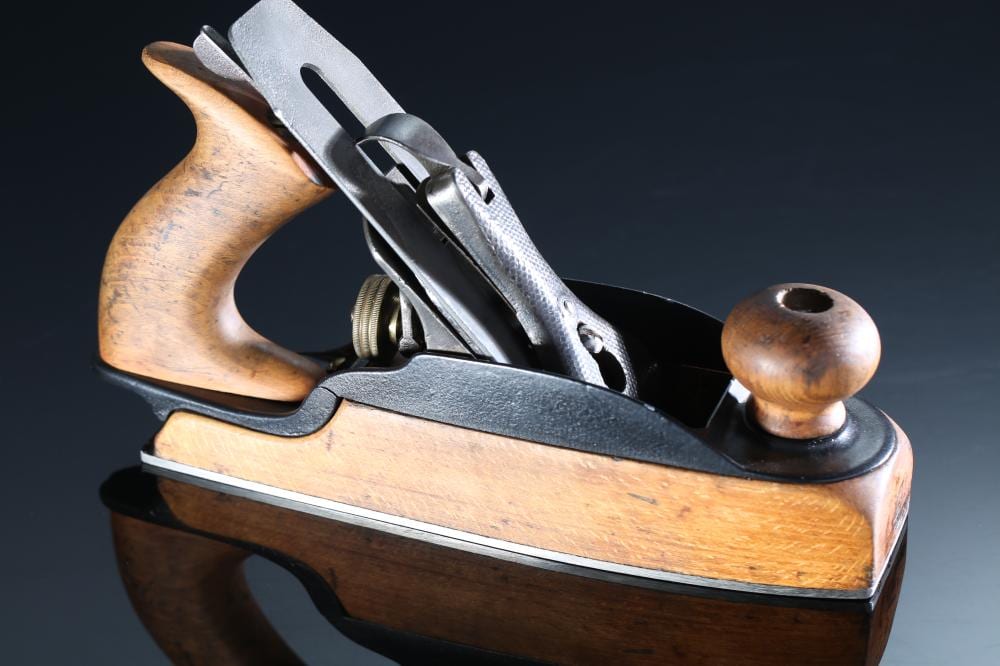
- Wooden-bodied hand planes: The primary focus for most collectors—beech, boxwood, or exotic-wood bodies used to shape, smooth, and profile timber. Types include smoothers, jacks, jointers, molding planes, plow/plough planes, dados, rabbets/fillisters, and specialty forms.
- Early mechanical or thickness planers: Bench-top or floor machines from the late 19th to early 20th centuries. These have a niche but less liquid market due to size and shipping challenges.
This guide focuses mainly on wooden-bodied hand planes, while noting where mechanical planers influence value.
Key Factors That Drive Value
Prices hinge on a set of recurring variables. The more of these you can confirm, the tighter your appraisal.
- Maker and mark strength
- Clear, original maker’s stamp on the toe or heel is crucial.
- Famed makers command premiums (e.g., Sandusky for center-wheel plows; Norris and Spiers for infills; Varvill, Moseley, Mathieson among British makers; E.W. Carpenter, Ohio Tool, Auburn, Greenfield among American firms).
- Type and complexity
- Complex molding profiles, plow/plough planes, moving fillisters, and rarities (spill planes, gunstockers, coachmaker’s planes) typically outvalue common smoothers and jacks.
- Completeness and original parts
- Original wedge, iron(s), nicker(s), depth stops, fences, rods, and nuts are central to value. “Married” or replaced parts can cut prices sharply, depending on the tool.
- Material and construction
- Boxwood fittings, boxwood or ebony boxing, double-boxed soles, and rosewood or ebony bodies bring premiums.
- Condition and originality
- Sound mouth, intact boxing, correct length, and honest patina matter more to collectors than perfect flatness. Over-cleaning and heavy sanding erode value.
- Age and regional style
- Early 18th–early 19th century examples (single-iron, longer bodies, early chamfer profiles) often sell higher than later mass-produced forms, assuming condition is strong.
- Provenance and sets
- Dealer labels, shop provenance, or owner’s stamps with documented history help. Matched pairs and boxed sets (e.g., hollows and rounds) draw strong bids.
- Usability
- User woodworkers pay for ready-to-work tools with sharp irons and true soles, especially for planes still practical in traditional shops (plows, moving fillisters, rabbet planes).
Identifying Makers, Models, and Period Cues
Reading a wooden plane begins with the toe stamp and ends with construction clues that frame its era and origin.
- Maker stamps
- Typically struck on the toe; sometimes on the heel or body. Legibility, font style, and presence of additional dealer or retail stamps (e.g., “Moseley & Son, London”) help date and place the tool.
- American makers to know
- Sandusky Tool Co. (notably center-wheel plow planes, often with rosewood/boxwood), Ohio Tool Co., Auburn Tool Co., Greenfield Tool Co., E.W. Carpenter (Lancaster), A. Howland & Co., Casey & Co., and others.
- British and Scottish makers
- Varvill & Sons (York), Moseley & Son(s) (London), Gleave (Manchester), Mathieson (Glasgow). British molding planes are abundant; exceptional condition or uncommon profiles drive value.
- Infill makers (metal-bodied with wooden infills)
- Norris (A5, A6, A7), Spiers of Ayr/Glasgow, Mathieson infills, Slater, Preston. Not strictly “wooden planers,” but frequently collected alongside them and integral to the market.
- Construction tells
- Chamfer styles, escapement shape, wedge form, and body length help date a plane. Single-iron planes and longer bodies often suggest earlier manufacture; double irons became common in the 19th century.
- Irons and cap irons
- Matching irons stamped by the same maker (or time-appropriate period makers, e.g., Ward, Butcher on British planes) add confidence. A mismatched or shortened iron impacts value, especially on molding planes.
Benchmark Price Ranges by Type
True values depend on maker, condition, and completeness. This is how the main types compare at retail or well-exposed auction, for documented pieces in collectible or good user condition:
- Common wooden smoothers and jacks
- Coffin smoothers and jack planes (14–16 in): common and usually inexpensive
- Long jointers (22–30+ in): modest as a rule; early long 18th-century jointers in strong condition sell for considerably more
- Molding planes (beech, common profiles)
- Beads, ogees, hollows/rounds: common and inexpensive individually
- Matched pairs of hollows and rounds: worth more as sets, depending on count and condition
- Complex molders (e.g., double ogee, quirked ogee with bevel): well above simple profiles, and exceptional examples higher still
- Rabbet and fillister planes
- Skew rabbets: common and modest
- Moving fillisters with depth stop and nicker: more, especially when the stop and nicker are original
- Dados, match, and tongue-and-groove planes
- Dados and match planes: priced on maker and completeness
- Tongue-and-groove pairs: more when both planes of the pair survive together
- Plow/plough planes
- User-grade beech screw-arm plows (with cutters): the entry point
- Boxwood-armed or finely boxed screw-arm plows: well above user-grade beech plows
- Sandusky center-wheel plow (rosewood/boxwood), complete and clean: among the most valuable wooden planes
- Specialty wooden planes
- Spill planes, coachmaker’s compass/sun planes, gunstockers, chamfer planes: usually above common smoothers and jacks; rarities and pristine examples sell for much more
- Infill planes (for context in mixed collections)
- Norris A5/A6: strong demand, depending on condition and originality
- Spiers smoothers/jointers: priced on size, condition and originality
- Chariot planes: small but collected, priced on maker and condition
- Patented metal combination planes (often cross-shopped)
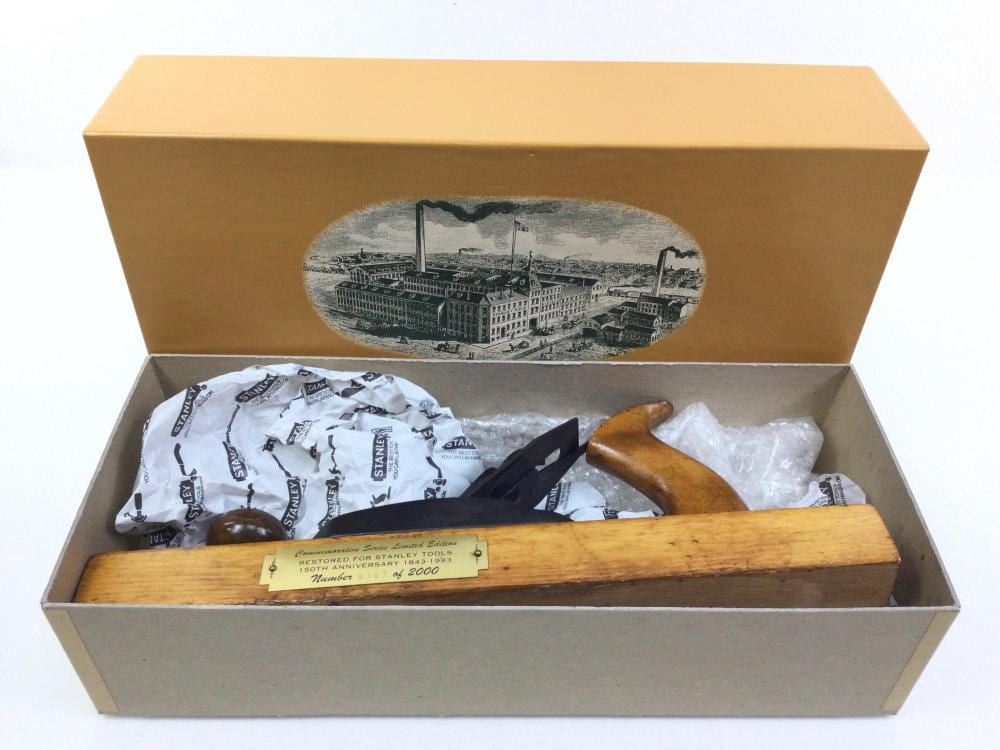
- Stanley No. 45: modest when incomplete; considerably more complete with cutters and original box
- Stanley No. 55: priced on completeness and condition, generally above the No. 45
- Early mechanical thickness planers
- Niche market; prices depend on maker, size, and local demand. Shipping/rigging costs heavily affect saleability.
Note: Region matters. British molding planes are plentiful in the UK and U.S.; prices can soften for common makers. Unusual profiles, boxed soles, and pristine stamps cut through that abundance.
How to Evaluate Condition in Hand
Move systematically to avoid missing high-impact details:
- Body and sole
- Look for cracks at the mouth or escapement, checks across the body, and evidence of shortening. A shortened toe reduces collector value, especially on early jointers.
- Inspect boxing: check for damage, looseness, and replaced sections. Double boxing is a plus; broken or missing boxing is a heavy deduction.
- Mouth and wear
- A blown-out or widened mouth cuts value sharply. Honest wear is acceptable; structural failure is not.
- Wedge and escapement
- Confirm the wedge is original and fits properly. Replaced wedges are common and noticeably reduce value on molding planes.
- Iron(s) and nickers
- Match iron maker to period or plane maker where possible. Short irons limit future use and hurt value. For fillisters and plows, ensure nickers and depth stops are present and functional.
- Threaded arms and nuts (plows)
- Check the threads for integrity and the nuts for matching materials. Damaged or cross-threaded arms are costly to remedy.
- Maker mark and owner stamps
- Crisp, legible maker stamps help; multiple historic owner stamps are neutral to positive if not overwhelming.
- Patina and finish
- Prefer original, dry or waxed surfaces. Avoid heavy sanding, wire-brush marks, or fresh varnish. Over-cleaning compresses prices.
- Infestation
- Old, inactive worm is common; active powder post beetle requires stabilization. Active infestation is a red flag for buyers.
- Function test (for user planes)
- Seat the wedge; test for chatter with light taps. On molding planes, confirm the iron matches the profile and projects evenly.
Buying, Selling, and Appraisal Strategies
- Use market evidence intelligently
- Seek market evidence by the same maker, type, material, and completeness. When market evidence are thin, triangulate using similar makers and condition.
- Target the right audience
- Collectors pay for rarity, originality, and provenance. User woodworkers pay for function and completeness. Decor buyers want visual appeal and named makers.
- Seasonality and venues
- Tool meets, estate sales, and dedicated tool auctions can outperform general venues. Interest often rises in fall/winter when shops are active.
- Photography that sells
- Provide sharp, well-lit images of: toe/heel stamps; sole and mouth; profile and boxing; wedge and iron; any accessories (cutters, nickers, depth stop, fence rods and nuts); and a scale or ruler for size.
- Ethical conservation
- Light cleaning with a dry cloth and paste wax is usually safe. Avoid sanding or recoating. Disclose any repairs or replaced parts explicitly.
- Shipping and storage
- Remove irons, protect cutting edges, immobilize wedges. Double-box heavy or rare items. Store in moderate humidity; avoid heat sources and damp basements.
- When to seek a formal appraisal
- High-value plows (e.g., Sandusky center-wheel), infills, rare specialty planes, and unusually early pieces merit professional appraisal or at least peer review within tool-collecting circles.
Quick Checklist Before You Buy or Sell
- Confirm a clear maker stamp and photograph it.
- Check mouth integrity, body length, and any cracks or checks.
- Verify original wedge, iron(s), and all accessories (nickers, depth stops, fences, rods, nuts).
- Inspect boxing: intact, tight, and not replaced.
- Assess threads on plow arms and condition of nuts.
- Note patina; avoid or disclose heavy cleaning and finishes.
- Look for active insect activity; stabilize or avoid if present.
- Measure and record critical dimensions (length, iron width, profile radius).
- Compare to recent sales of the same type and maker.
- Document any repairs or replaced parts in writing.
FAQ
Q: How much does a replaced wedge affect value? A: On common molding planes, expect a noticeable reduction. On rarities (early or complex molders, specialty planes), the hit can be larger if the replacement is poorly made or ill-fitting.
Q: Should I restore a plane before selling? A: Minimal conservation is best—remove loose dirt, apply a light wax, and sharpen the iron if selling to users. Avoid sanding, re-staining, or varnishing. Over-restoration often reduces collector value.
Q: Do owner’s stamps hurt value? A: Typically no. Multiple period owner’s stamps can add charm and provenance. Deep defacement, modern engraving, or obliteration of the maker’s mark is detrimental.
Q: How can I tell if a plane is 18th century? A: Look for single-iron construction, longer bodies, early chamfer styles, and early maker stamps. Early examples often show refined escapements and wedges unlike later mass-produced forms. Confirm with period maker directories and comparative examples.
Q: Are boxed sets of hollows and rounds worth more than singles? A: Yes. Matched pairs and larger graduated sets command premiums, especially when clean, boxed (with original cases), and by respected makers. Completeness and condition drive the jump in value.
Antique wooden planers reward careful observation. With a methodical inspection, an eye for maker and material, and realistic comp-based pricing, you can move confidently—whether you’re curating a collection, tuning a user kit, or writing a formal appraisal.