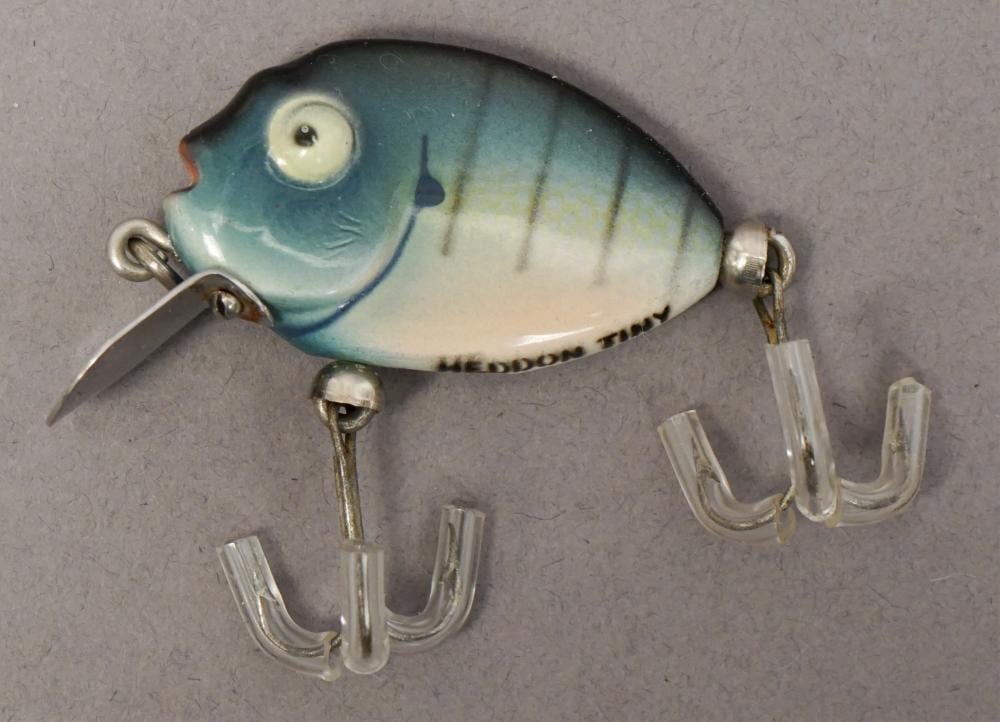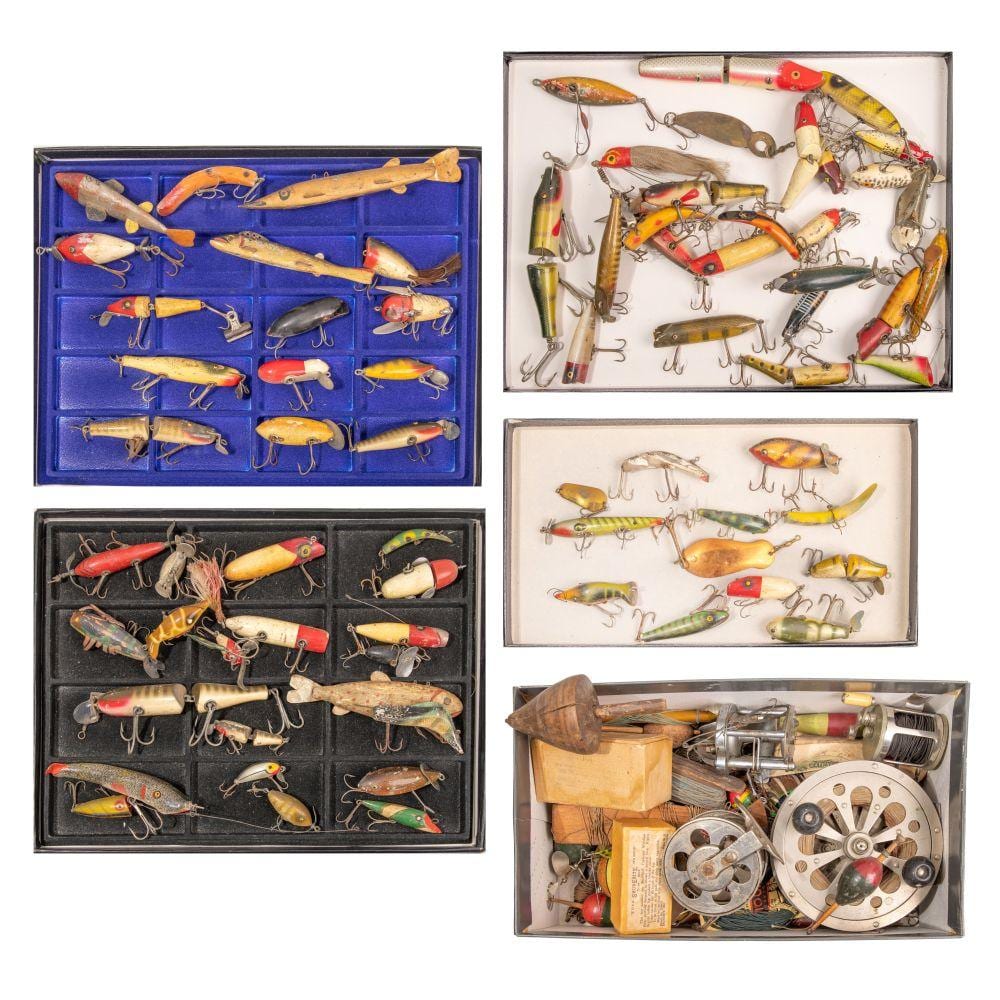
Unlocking the Hidden Treasure a Guide to Determining Old Fishing Lure Values: appraisal and value basics
Unlocking the Hidden Treasure a Guide to Determining Old Fishing Lure Values research should start with identification, condition, provenance, and recent comparable sales. Use this guide to compare the signals that matter before paying for a formal appraisal or deciding whether to sell.
Old fishing lure value checklist
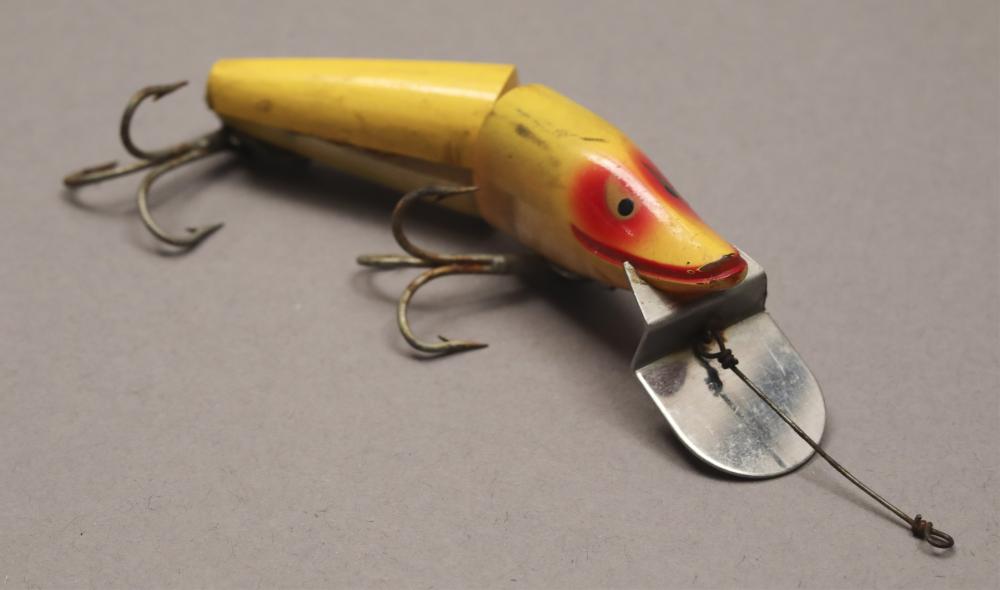
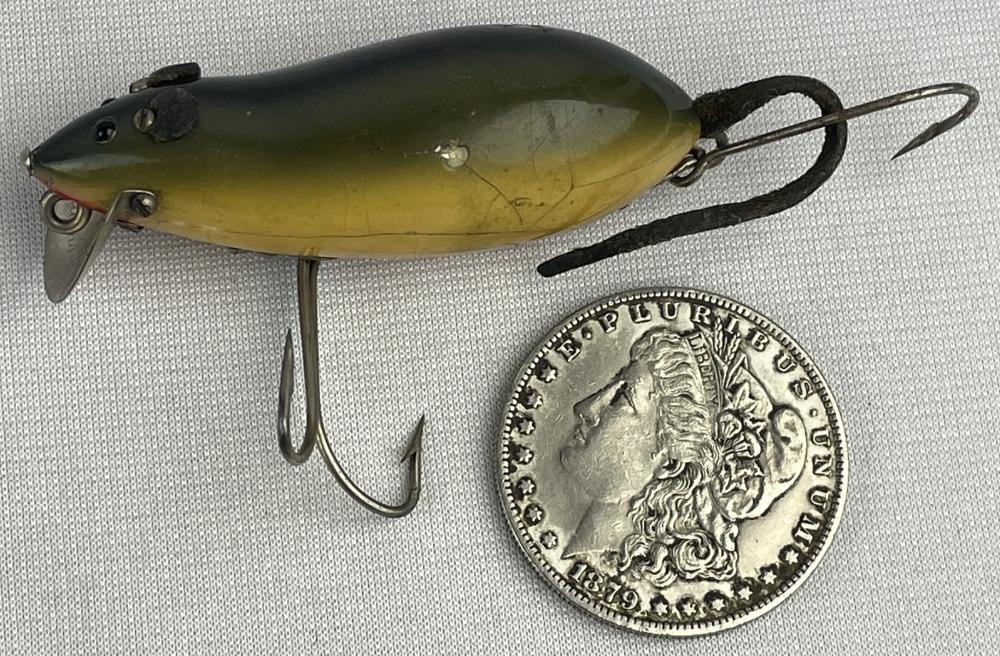
Old fishing lures are among the most compelling crossover collectibles—blending folk art, industrial design, sporting history, and vibrant surface paint. For appraisers and enthusiasts, determining value hinges on identification, authentication, condition, and market demand. This guide gives you a practical framework: what to look for, how to date and verify, where value is created (or destroyed), and how to assemble reliable comparables.
Think of valuation as a product of five forces: rarity, desirability, condition, completeness, and timing. A scarce lure without demand isn’t valuable; a common lure in dazzling mint condition with an original box can be. The discipline is in separating what truly drives price from what merely seems interesting.
Understanding the vintage lure market
While collectors exist for nearly every era, the sweet spot for high-end values typically spans from circa 1890 to the early 1960s—when wood, early plastics, and handcrafted finishes defined mainstream tackle.
- Core segments:
- Classic factory lures from makers like Heddon, Creek Chub Bait Co. (CCBCO), Pflueger, South Bend, Shakespeare, and Moonlight. Within these, certain models and color patterns lead the market.
- Regional and cottage makers, including southern or Midwestern “garage shop” baits with compelling folk-art appeal.
- Specialty categories: musky-size baits, saltwater plugs, early fly rod lures, and novelty designs.
- Demand drivers:
- Brand-driven collectors who specialize (e.g., Heddon Dowagiac Series).
- Pattern collectors who chase rare colorways and finish variants.
- Condition-first collectors who seek exceptional surfaces and original boxes.
- Pricing dynamics:
- Seasonality: Tackle show calendars and peak collecting seasons can influence prices.
- Fresh-to-market lots with strong provenance often outperform guidebook expectations.
- Large caches from long-held collections can temporarily saturate certain models or colors.
Your appraisal must consider not just the lure, but the collecting niche it serves.
Factors that determine old fishing lure values
Valuation isn’t a single lever; it’s a stack of measurable traits. Prioritize the following:
- Maker and brand recognition
- Legacy makers (Heddon, CCBCO, Pflueger) often carry a premium due to established collector bases, documented catalogs, and known rarity scales.
- Model, size, and purpose
- Flagship models and larger “musky” sizes usually fetch more than common mid-size baits. Early or short-run designs (e.g., experimental lips, prototype hardware) can be exceptional.
- Era and materials
- Hand-turned wood and early plastics (celluloid, Tenite) with glass eyes signal older production and, often, higher demand.
- Hardware evolution (cup rig, surface rig, screw eyes) helps frame production date ranges, which affects value.
- Color patterns and finishes
- Cataloged colors: Common finishes (perch, frog, red head/white) are sought-after in top condition but rarely rare.
- Special orders, short-run colors, or factory-experimental finishes can command significant premiums.
- Hardware and configuration
- Original props, spinners, hook hangers, and line ties matter. Unique early hardware variants are often a clue to rarity and age.
- Condition of paint and body
- Original, unfaded paint with minimal chips or crazing ranks highest. Even, original varnish is good; cloudy overcoats or brush lines suggest later “improvements.”
- Completeness and packaging
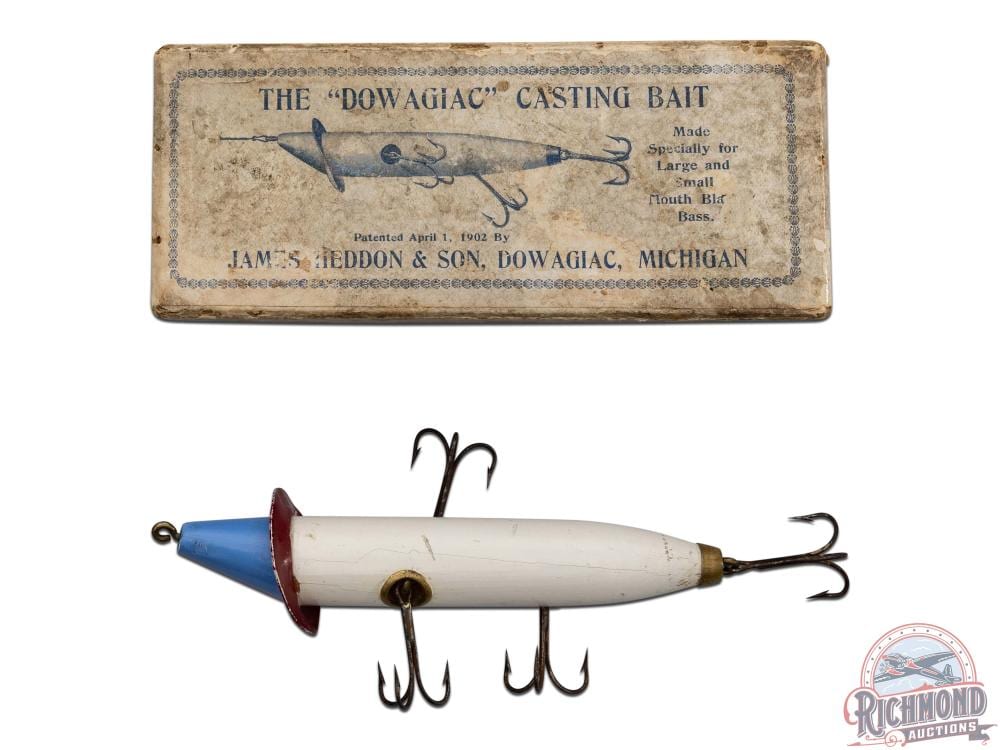
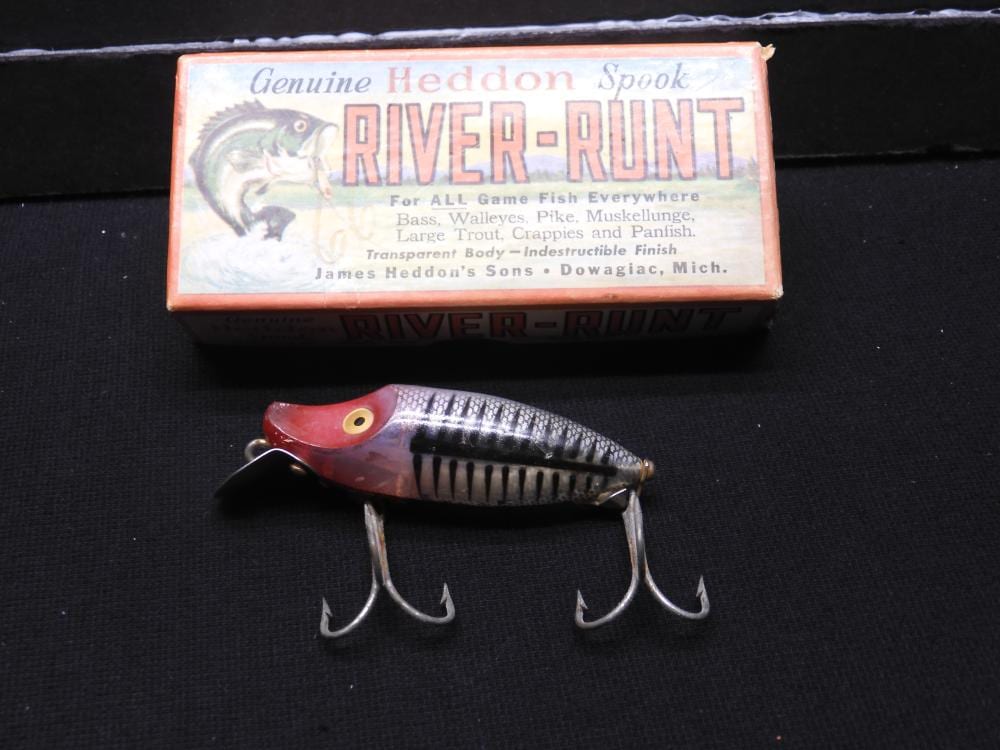
- Original box with matching end-label model/color, paper inserts, and store labels can multiply value. Box-only or lure-only situations are still valuable but typically less so.
- Provenance and documentation
- Named provenance (e.g., from a known maker’s estate or a notable collection), period photographs, or receipts add confidence and price power.
- Rarity versus desirability
- Scarce but visually plain baits may lag behind common models in spectacular color with full packaging. The market rewards the full package of look, story, and scarcity.
- Regional appeal
- Some regional baits command premiums near their origin. A niche local following can raise prices above national averages.
The strongest outcomes often combine high-demand brands/models, rare colors, top-tier original condition, and complete packaging with provenance.
Identification and dating: makers, models, and tells
Precise identification underpins any credible appraisal. Build a habit-driven workflow:
- Start with measurements and materials
- Length and diameter: Record in inches and millimeters. Small discrepancies can point to variant runs or specific models.
- Body material: Wood grain and weight versus early plastics (Tenite, Bakelite, celluloid). Wood dominates pre-1950; plastics proliferate afterward.
- Eyes: Glass eyes generally indicate earlier periods; later painted or pressed eyes suggest modern production phases.
- Examine lips, props, and spinners
- Stamped lips and spinner blades sometimes include patent numbers or maker stamps—vital dating clues.
- Prop shape and thickness can be model-specific. Note whether front and rear props match known factory forms.
- Study hook hangers and hardware
- Evolutionary cues: Early L-rig and two-piece hardware, cup rig, surface rig, then screw-eye hardware as a later standard.
- Screws and washers should look period-correct; modern replacements stand out under magnification.
- Analyze paint and color patterns
- Factory patterns have consistent brushwork, stencils, and masks. Recognizable finishes include bar perch, frog spot, rainbow, strawberry spot, and fancy back patterns.
- Match color terminology to maker-specific catalogs or known collector references. The same named color from different makers may present differently.
- Check boxes, labels, and papers
- Box end labels often encode model numbers, colors, and sometimes hardware revisions. The fit between lure and label is crucial: mismatches lower value or suggest swapped boxes.
- Instruction sheets, price cards, and warranty slips help anchor the production window.
- Use patent dates and catalogs to bracket age
- Patent numbers on metal components, and catalog model introductions/discontinuations, provide reliable date ranges.
- When in doubt, place your lure within a conservative bracket (e.g., “mid-1920s to early 1930s”) rather than over-claiming.
- Compare construction against known benchmarks
- For popular makers, reference features like lure nose shape, belly weight placement, belly hook spacing, or line-tie angles that distinguish one model from another.
The goal is to triangulate: no single clue is definitive, but consistent agreement across material, hardware, paint, and paperwork drives an accurate ID and date.
Authentication, condition, and restoration pitfalls
Originality is the line between a strong collectible and a problem piece. Approach with a conservator’s caution:
- Detecting repaint and overcoat
- Look for paint pooling in hook holes, screw heads, or under hardware—a red flag.
- Under magnification, factory paint shows layered, even application; modern touch-ups may appear glossy, streaky, or with pigment sitting on top of old varnish.
- UV/blacklight can reveal fluorescence in modern varnishes or clear coats not present in period finishes.
- Hardware swaps and reassembly
- Shiny screws, mismatched slot patterns, or tool marks around hardware indicate later work. Oxidation and patina should be consistent across metal parts.
- If a box is included, confirm the model/color on the label aligns with the lure’s hardware and finish; “close enough” matches don’t bring premium prices.
- Condition grading language
- Mint in box (MIB): As shipped, with correct box/papers. Tiny factory handling marks may be present.
- Excellent: Crisp paint, minimal wear. No structural issues.
- Very Good: Minor edge chipping, light hook drags, small crazing lines.
- Good: Noticeable chips, repaint spots, or hardware oxidation; still displayable.
- Fair/Poor: Heavy paint loss, structural cracks, missing components. Often valued for parts or as placeholders.
- Cleaning and stabilization
- Avoid polishing metal hardware; it removes original patina and can cut value.
- Never strip, clear-coat, or aggressively clean paint. Dry dusting and gentle, reversible methods only.
- Store away from direct sunlight and in stable humidity (roughly 40–55%). Early plastics can outgas; keep ventilated, and avoid sealed hot environments.
- Reproductions and fakes
- Modern reproductions can be well-made. Tells include incorrect screw threads, fresh wood smell, inconsistent aging (new rust next to pristine paint), or colors never cataloged for a model.
- Price too good to be true? Assume extra scrutiny is required.
Authenticity confidence adds real dollars. If a lure has issues, document them clearly; transparency earns trust in the appraisal and at sale.
Quick appraisal checklist
Use this concise, step-by-step checklist to standardize your process:
- Measure length and note body material (wood vs. plastic).
- Photograph all sides, close-ups of hardware, eyes, and any markings.
- Identify maker via shape, hardware, lip/spinner stamps, and paint pattern.
- Pin down the model and size; record catalog number if known.
- Date the lure using hardware evolution, patent numbers, and box label codes.
- Verify originality: check under hardware, hook holes, and seams for repaint/overcoat.
- Grade condition conservatively (MIB, Excellent, VG, Good, etc.).
- Confirm completeness: original box with matching end label, papers, and correct hardware.
- Note color pattern with maker-correct terminology; flag rare or special-order finishes.
- Record provenance: collection source, receipts, period photos, or exhibition history.
- Compile comparables from recent auctions, shows, dealer price lists, and respected guidebooks.
- Assign a value range (wholesale, fair-market, and retail) and state assumptions and uncertainties.
Consistently applied, this checklist improves both accuracy and credibility.
FAQ
Q: What’s the difference between rarity and value? A: Rarity measures how often an item appears; value is what the market will pay. A rare but plain lure can bring less than a common model in a coveted color with mint paint and an original box. Demand must meet rarity to generate high prices.
Q: Should I clean or restore an old lure before selling? A: No aggressive cleaning or restoration. Do not polish metal or recoat paint. Gentle dry dusting is fine. Collectors prize original surfaces and patina; over-cleaning can cut value dramatically.
Q: How important is the box? A: Extremely. A correct, matching box and papers can double or triple value, especially for desirable models and rare colors. Ensure the end label matches model and color; mismatched boxes add interest but not the premium.
Q: How do I spot a repaint? A: Check for paint in hook holes and screw slots, mismatched gloss, brush strokes over crazing, or new clear coat smell. Use magnification and blacklight. Compare to known factory patterns and sheens.
Q: Where can I find reliable price guidance? A: Assemble multiple comparables: recent auction results, dealer listings, show sales, and recognized price guides. Use comps with matching maker, model, size, color, condition, and completeness, and adjust for differences. Avoid relying on a single outlier sale.
—
Final tip: Record your methodology. In appraisals, notes about identification steps, authenticity checks, and comp selection are as valuable as the number on the last line. They make your value defendable—and that’s what turns hidden treasure into realized results.