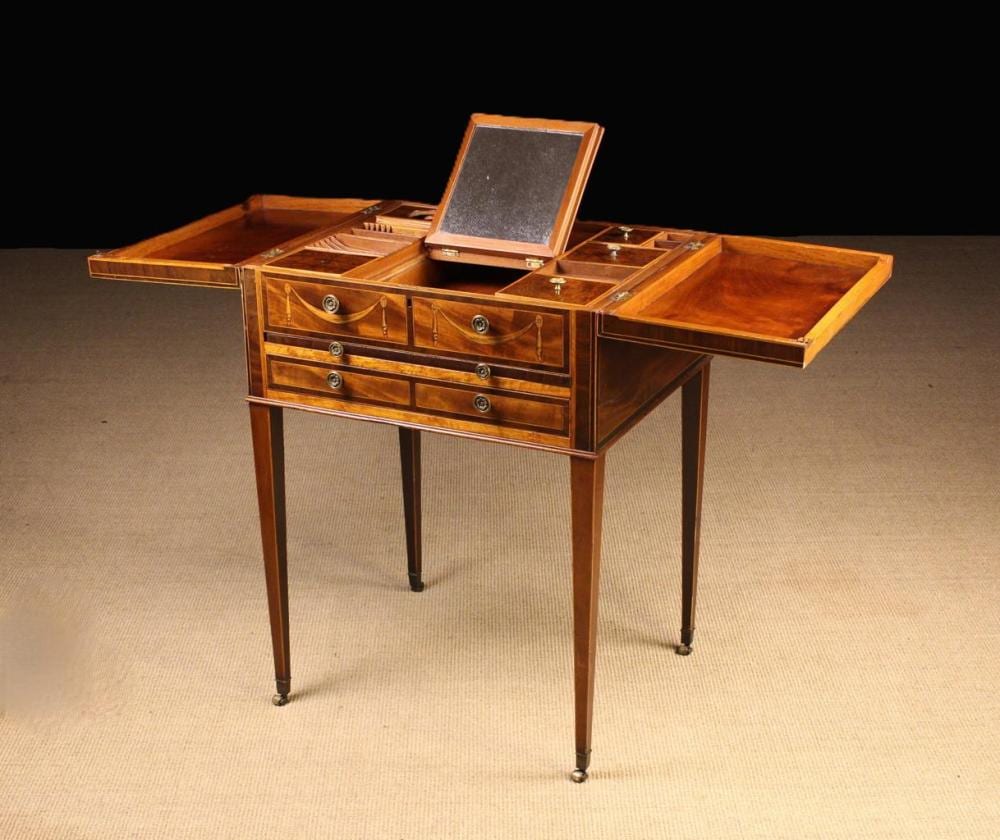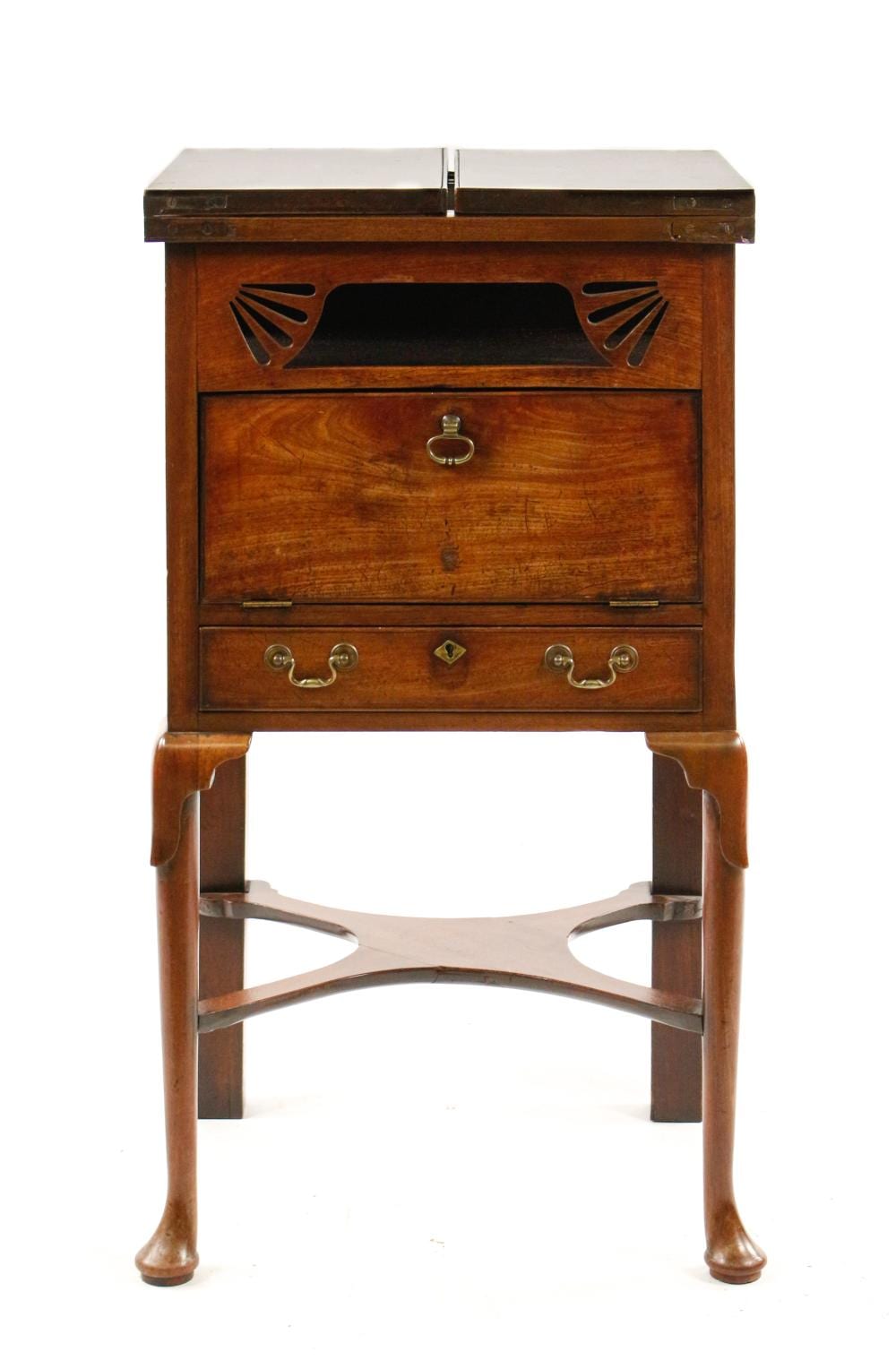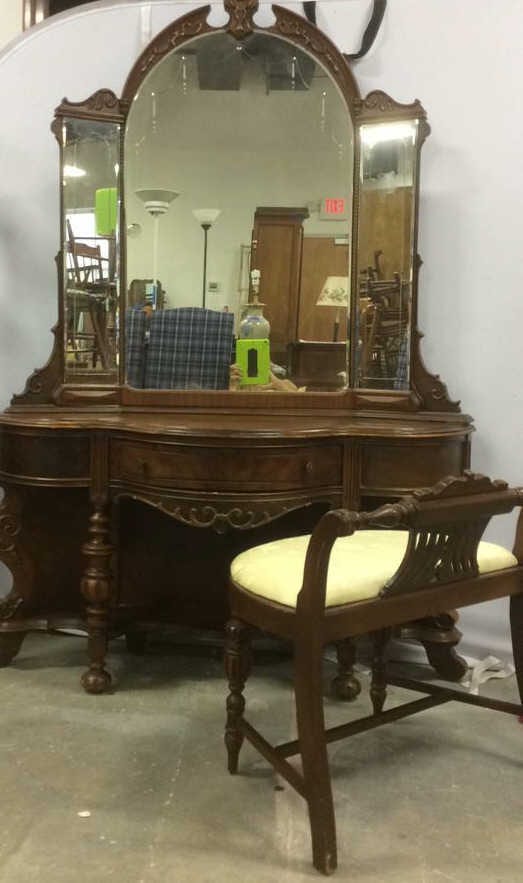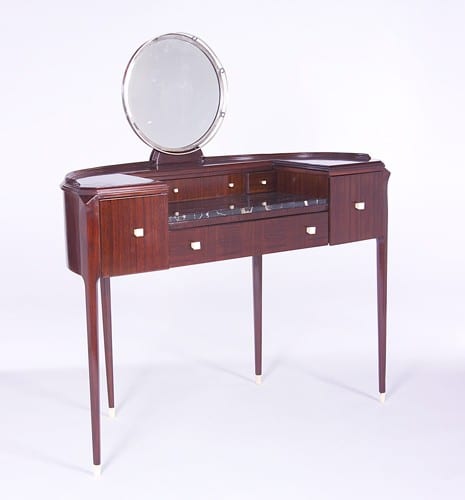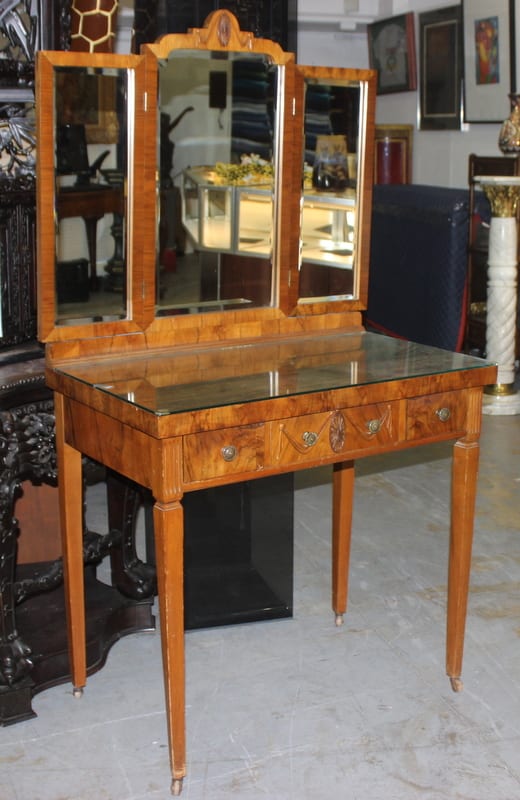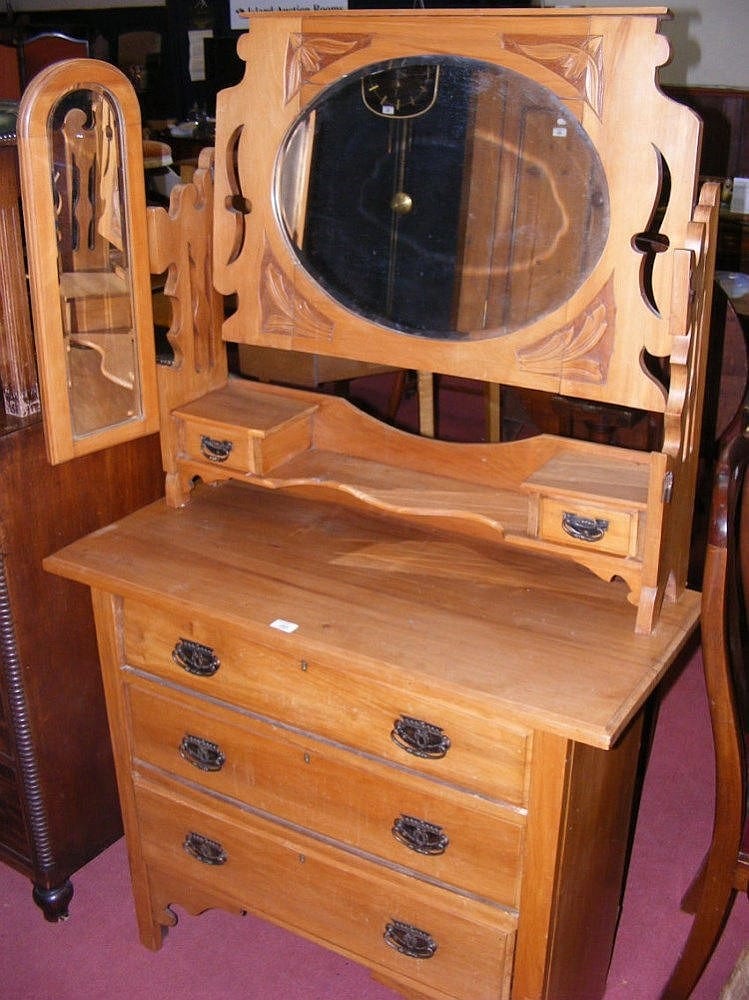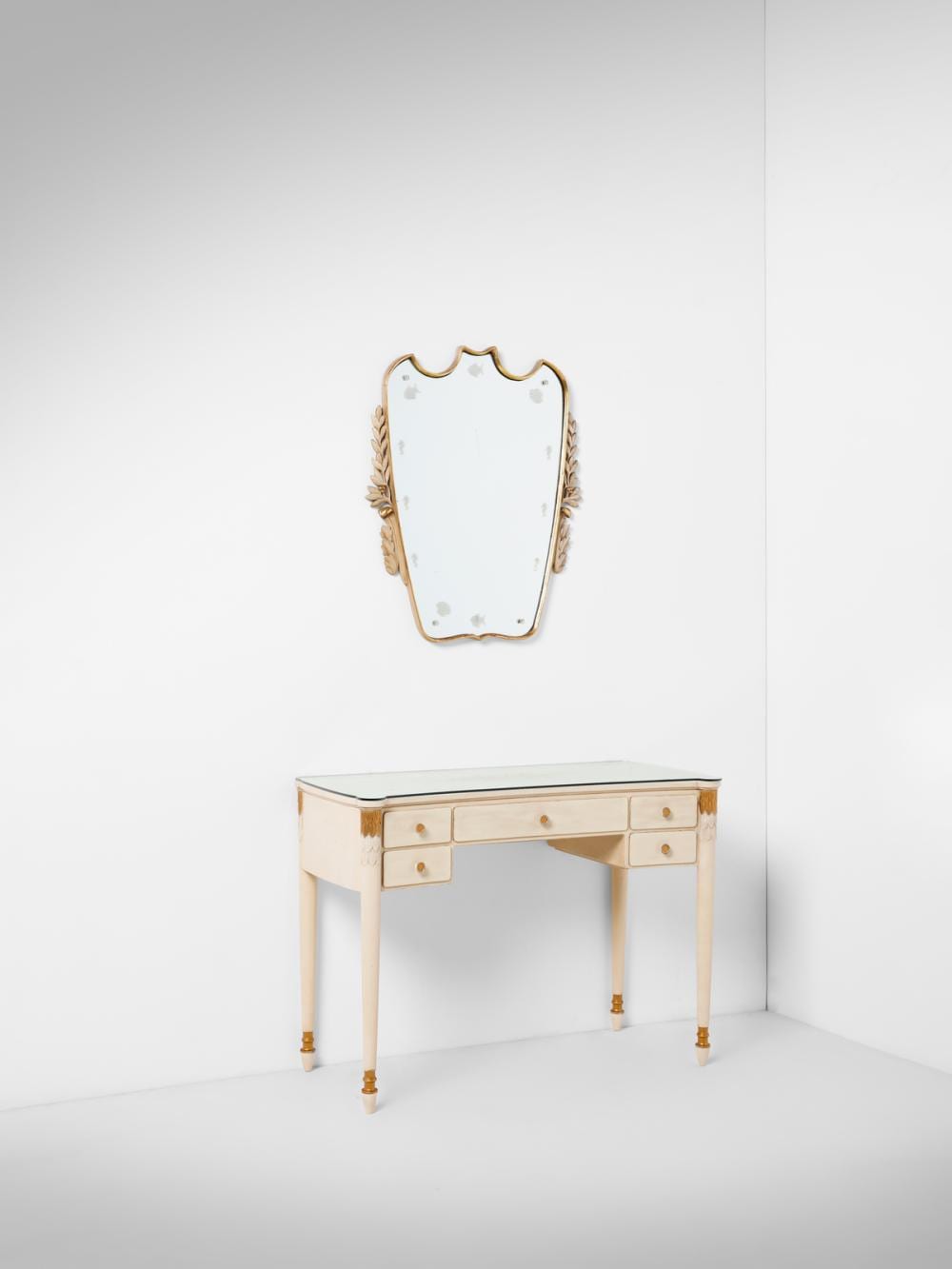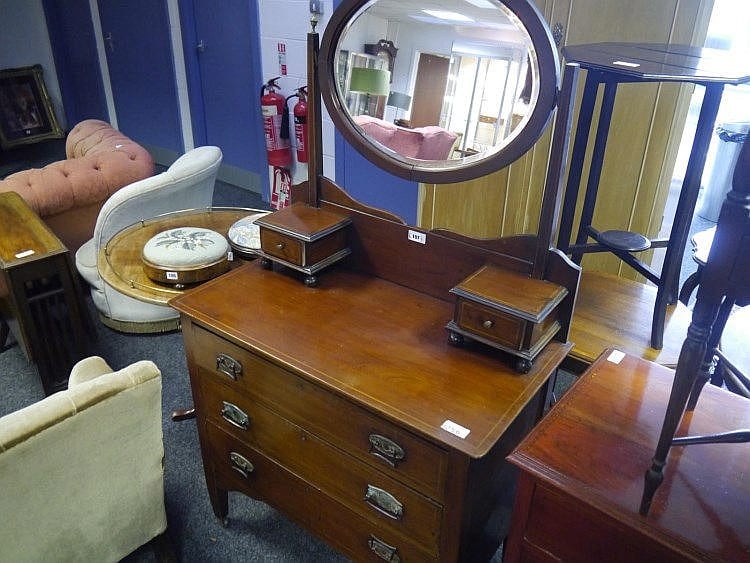
Unlocking the Hidden Charm Discover the Value of Your Antique Vanity with a Tri Fold Mirror: appraisal and value basics
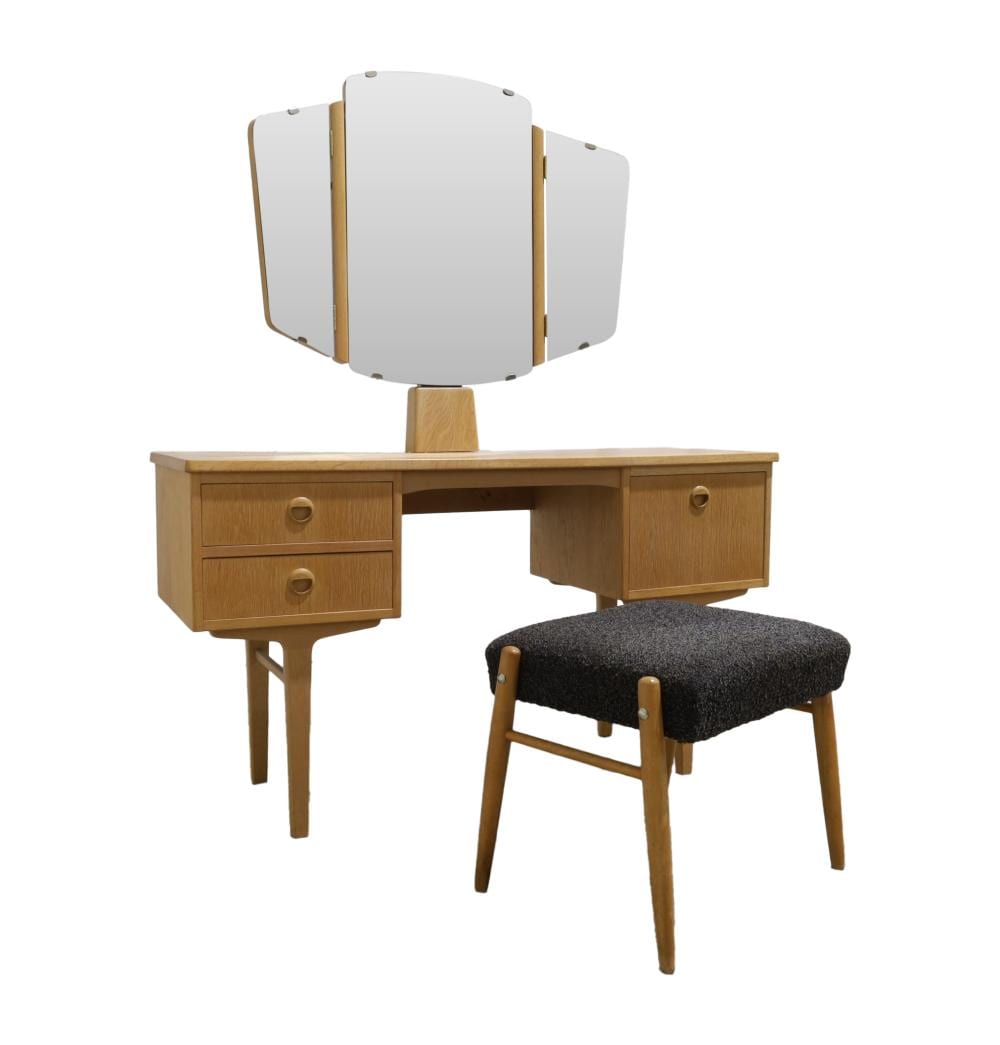
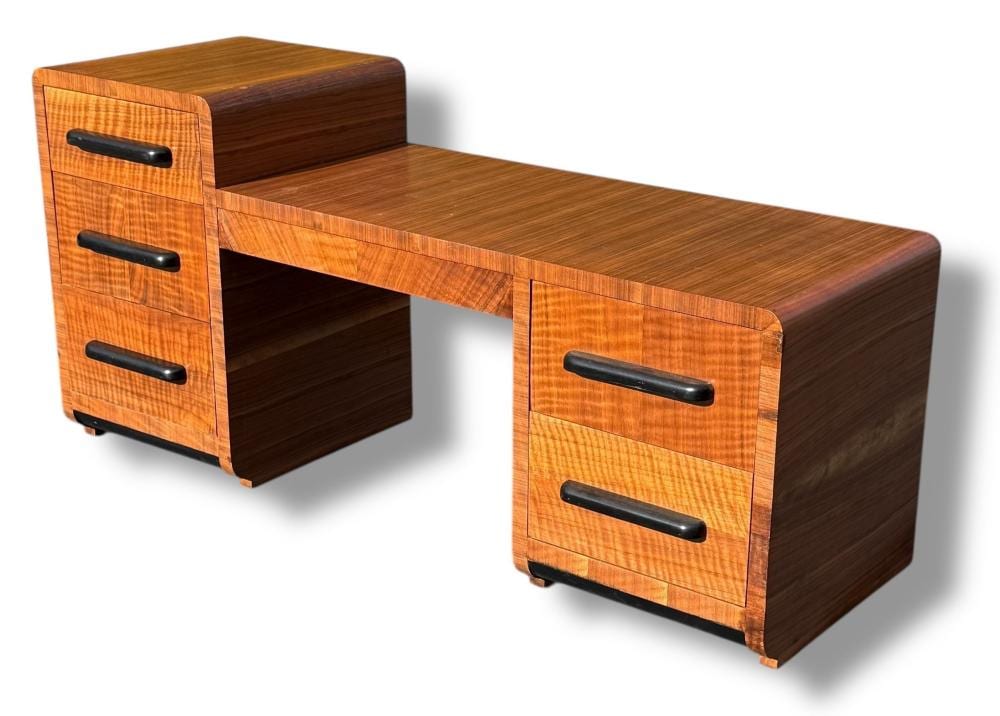
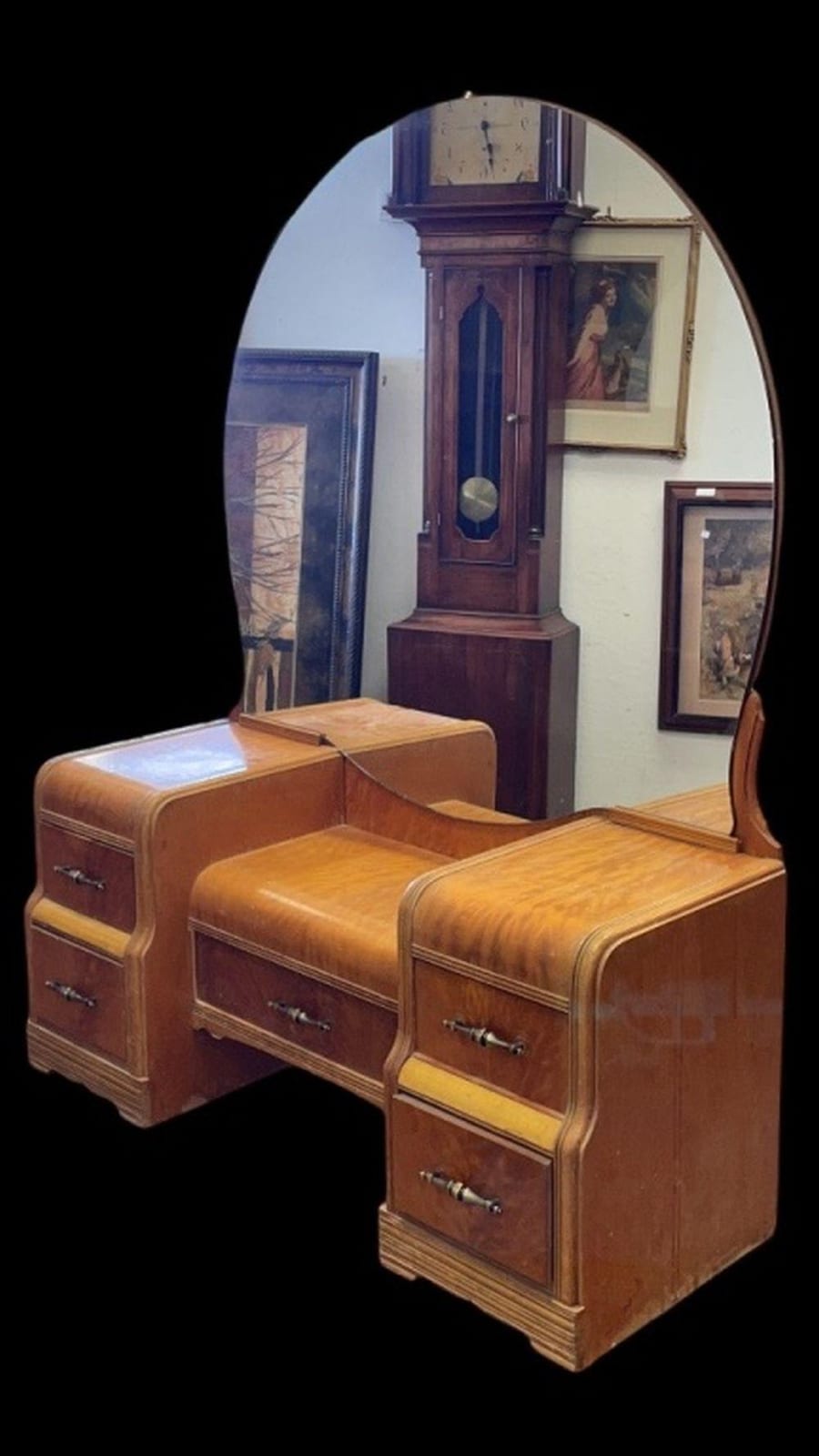
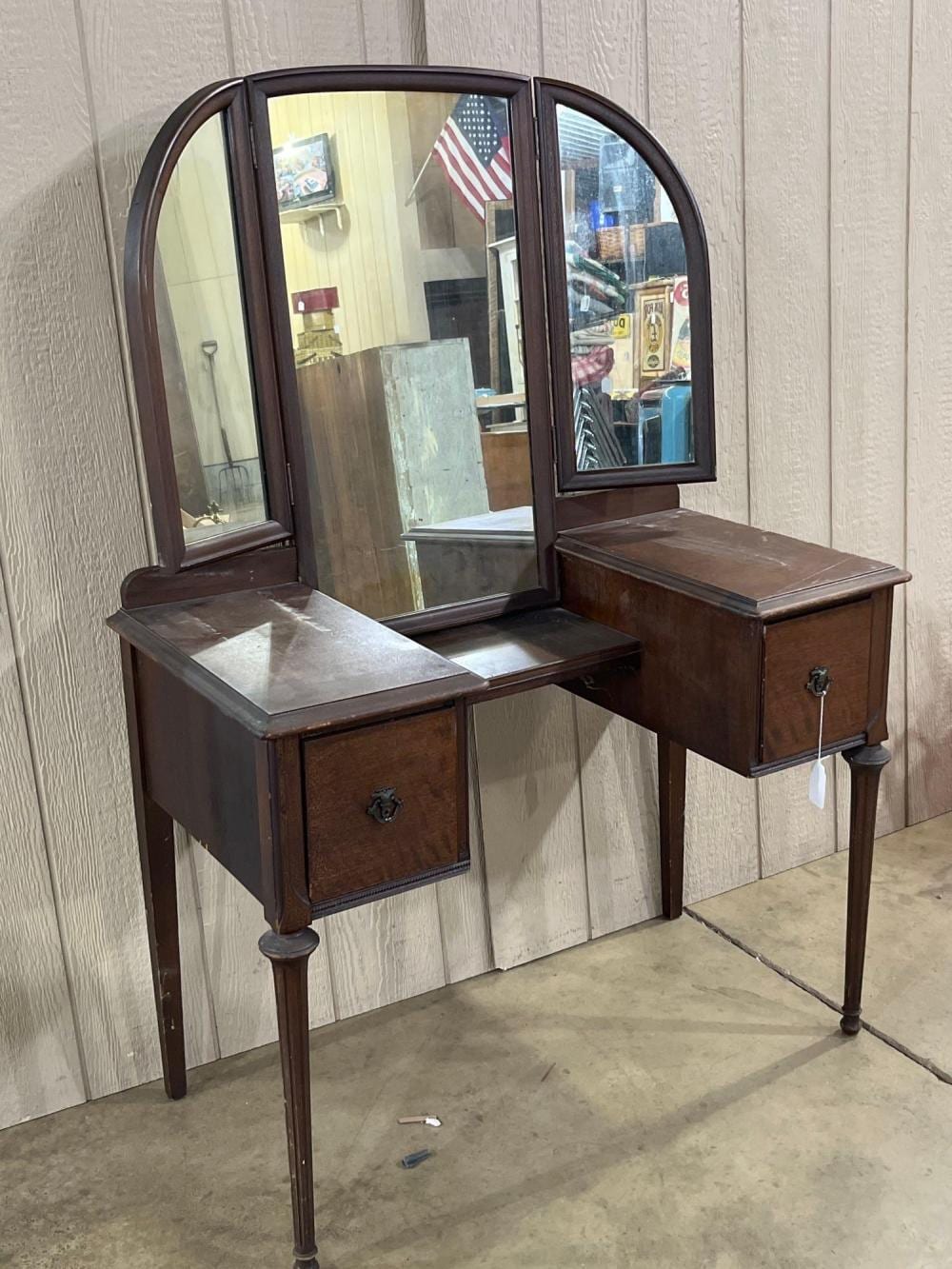
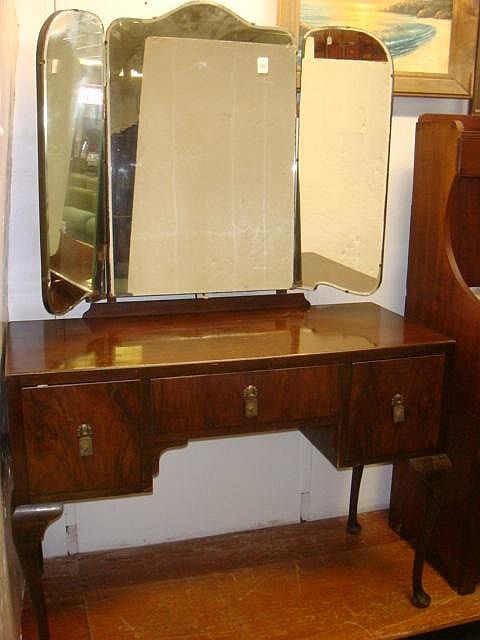
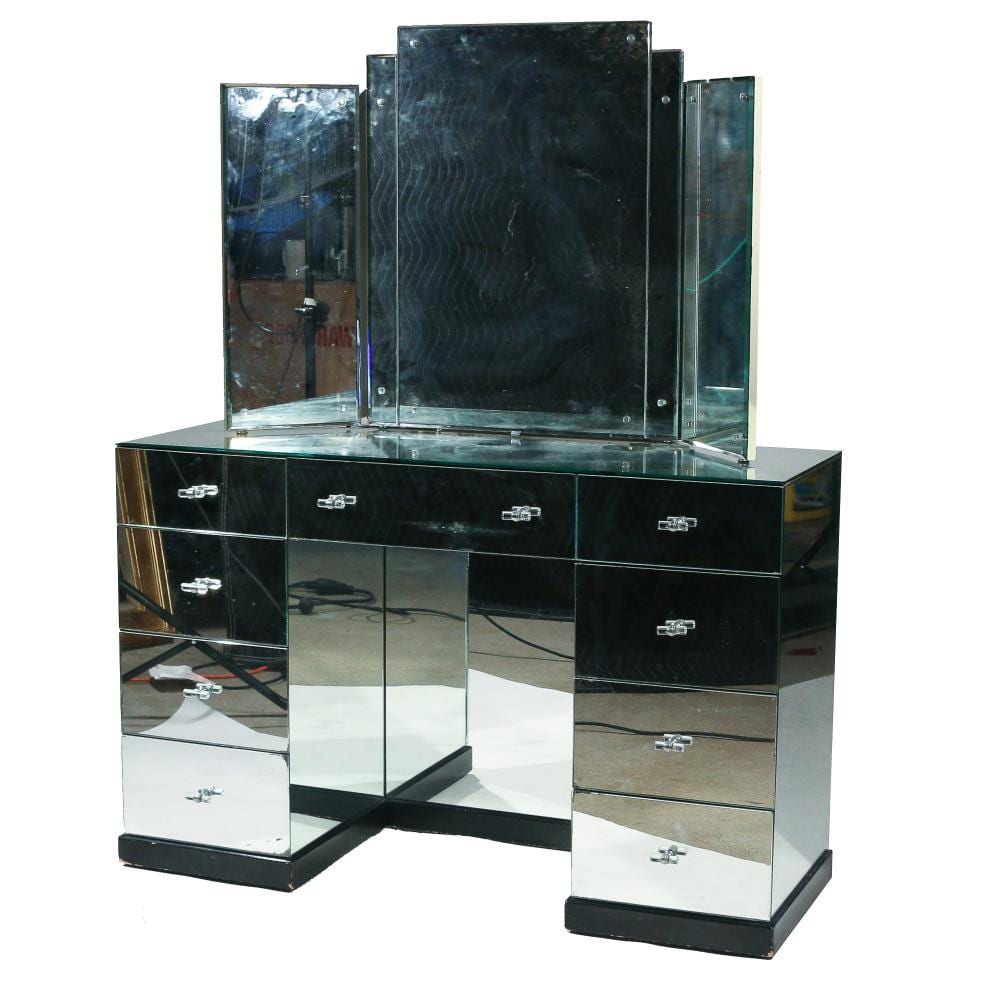
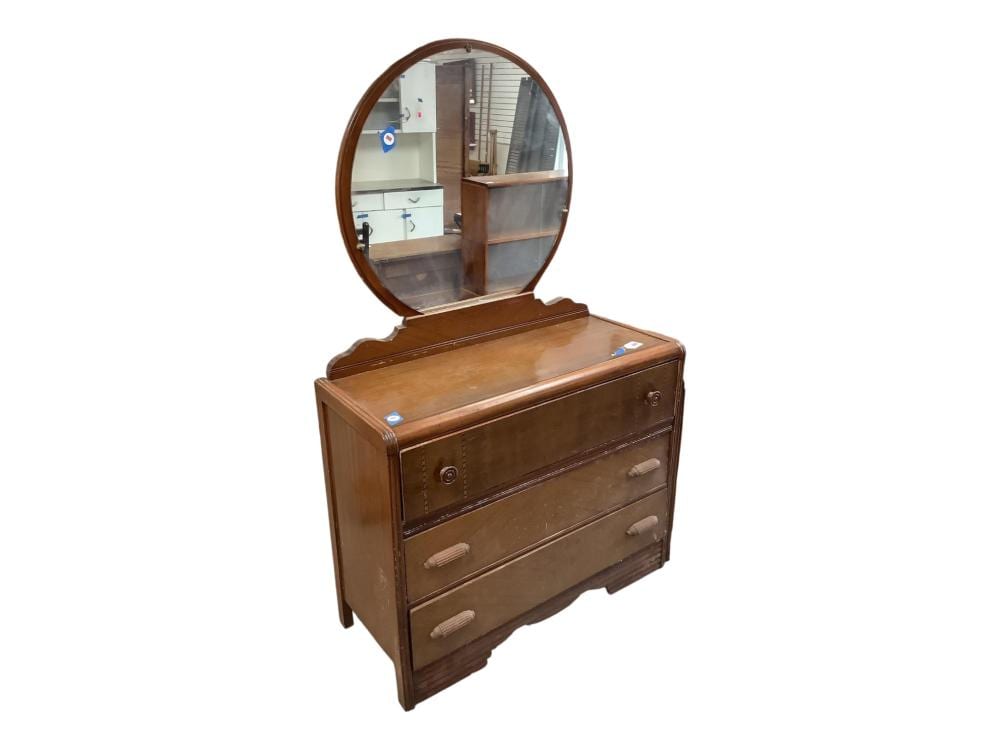
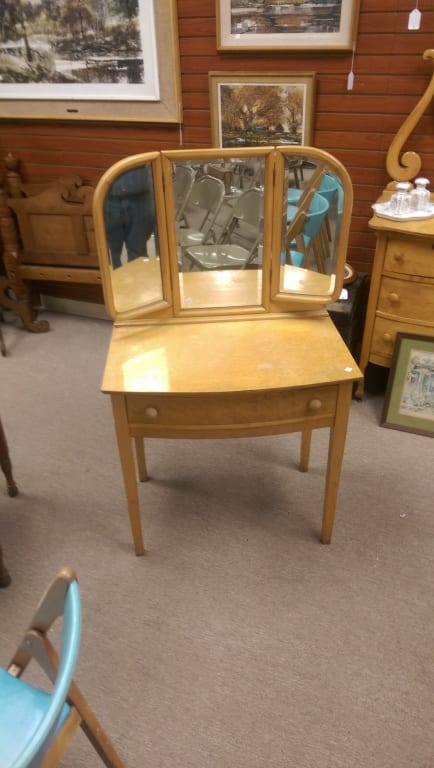
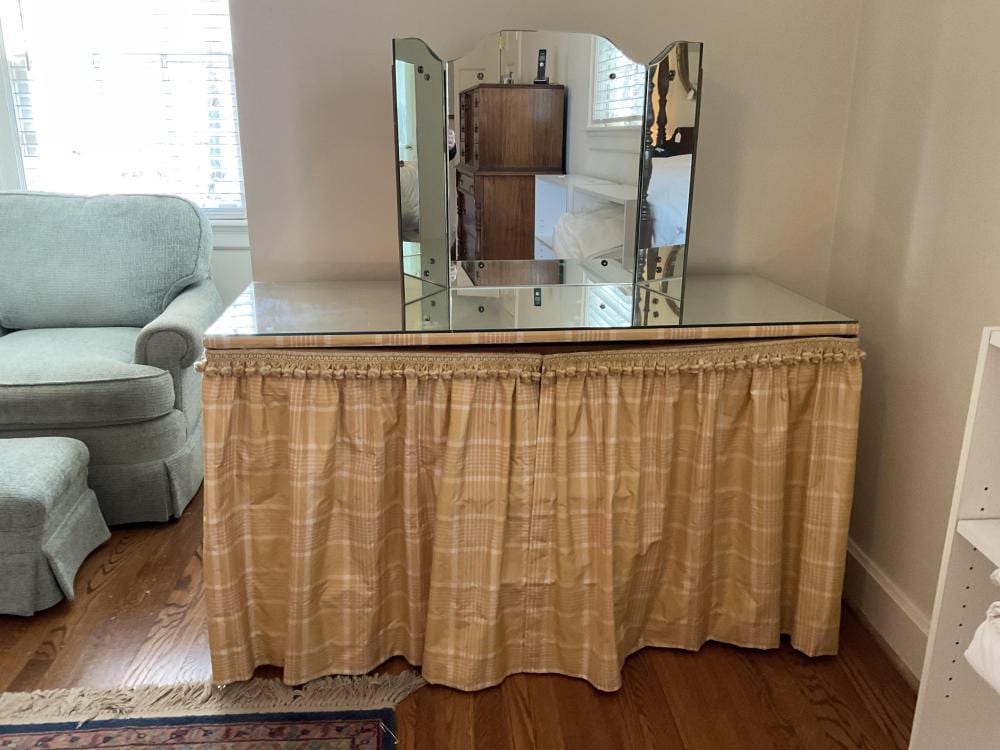
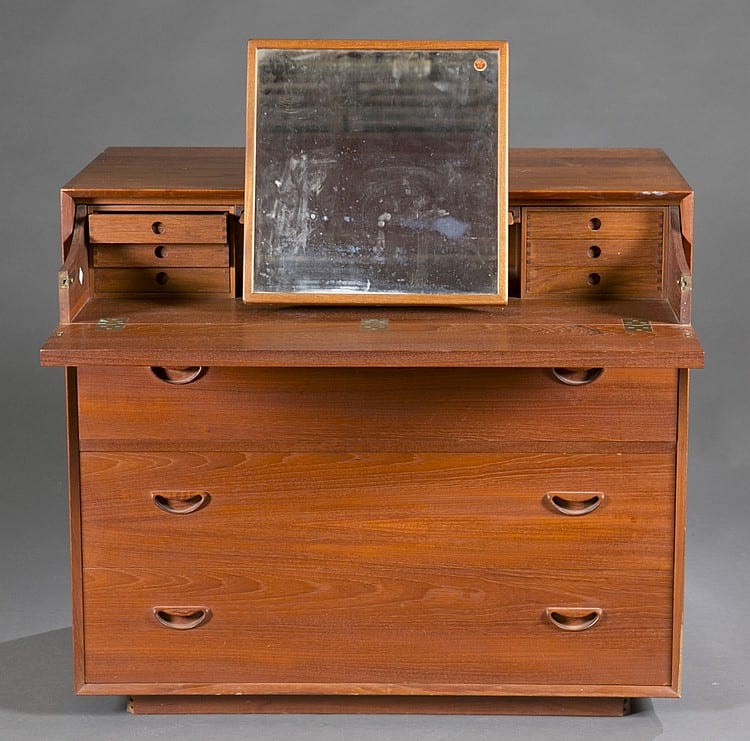
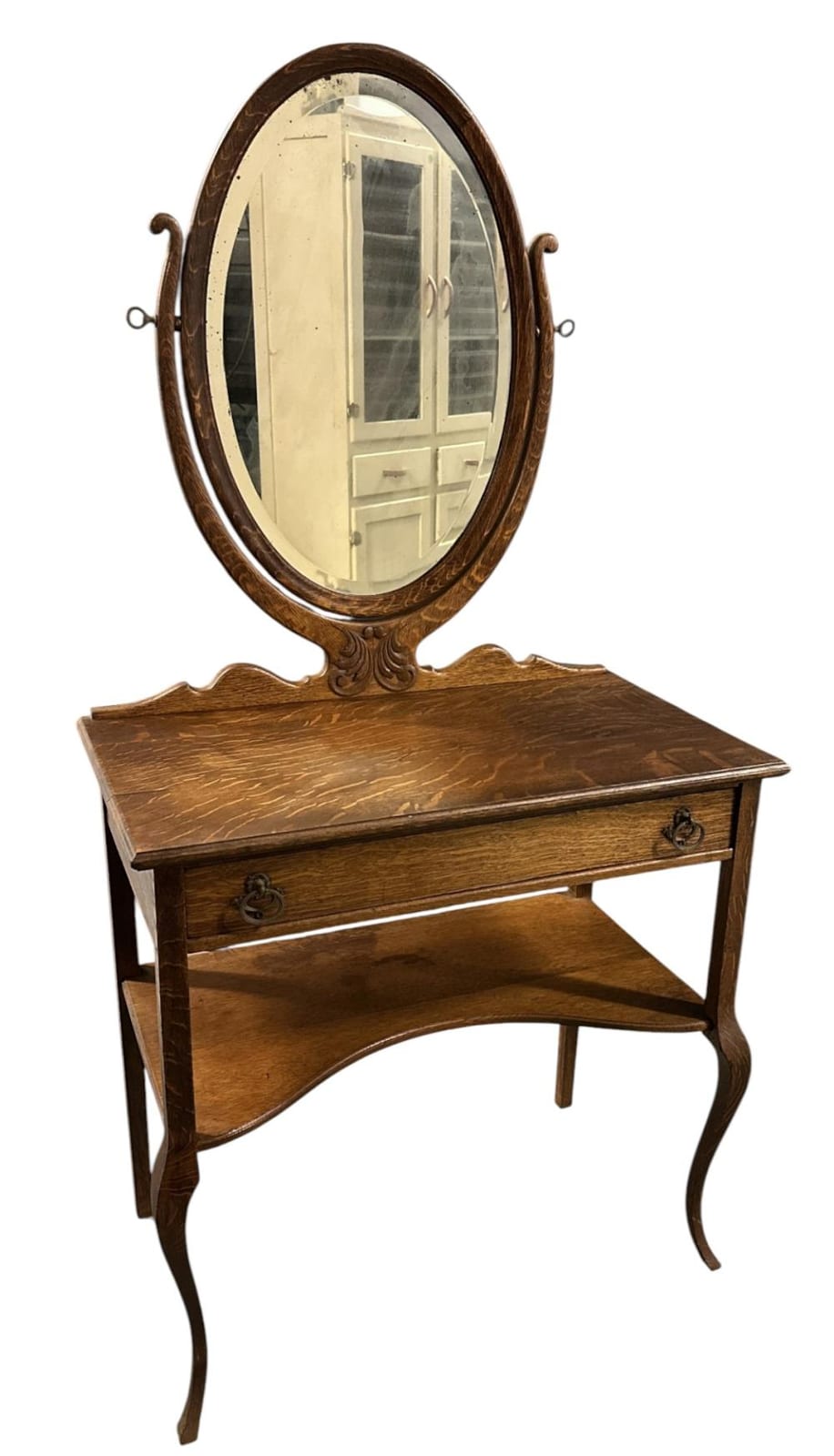
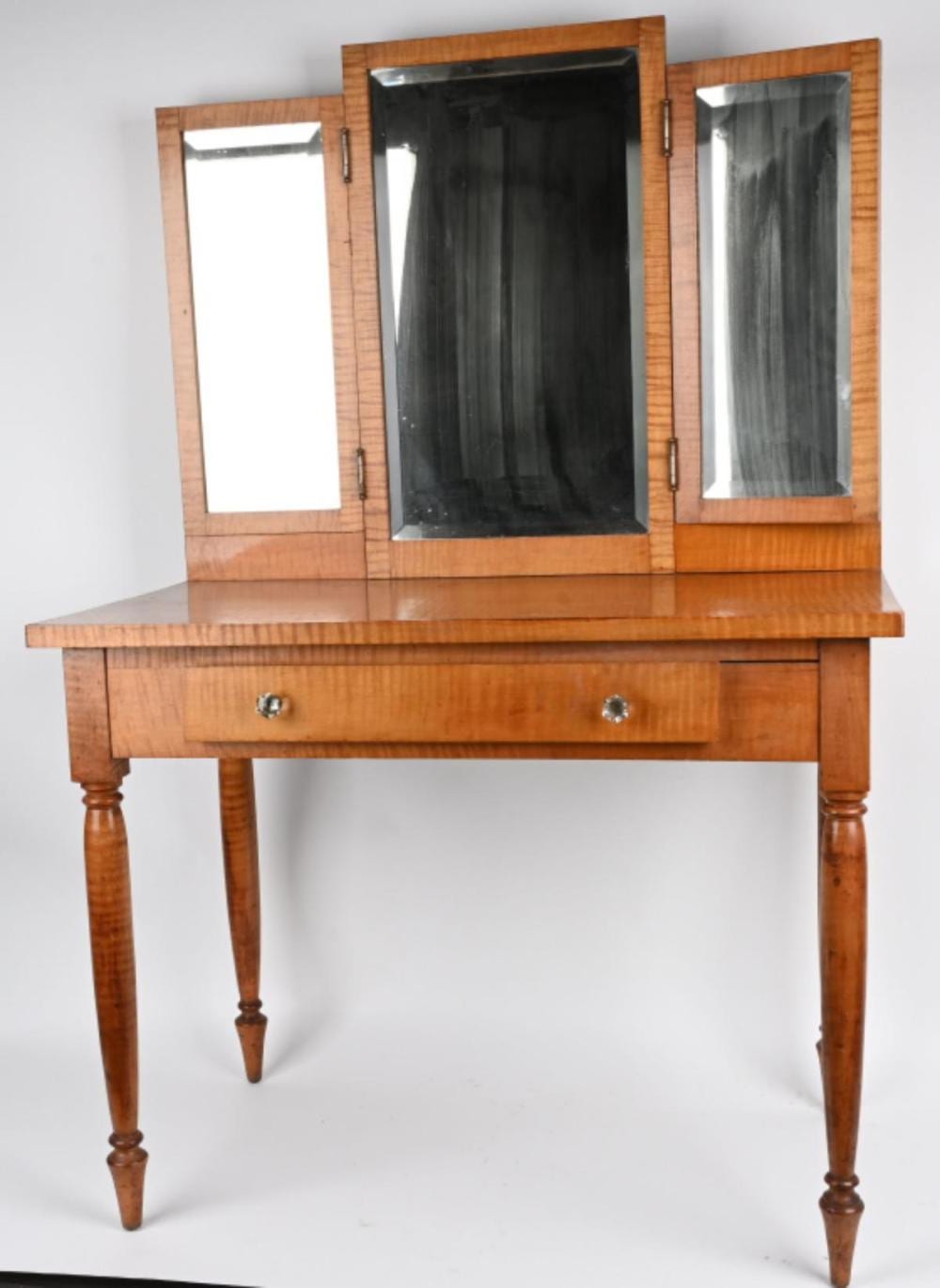
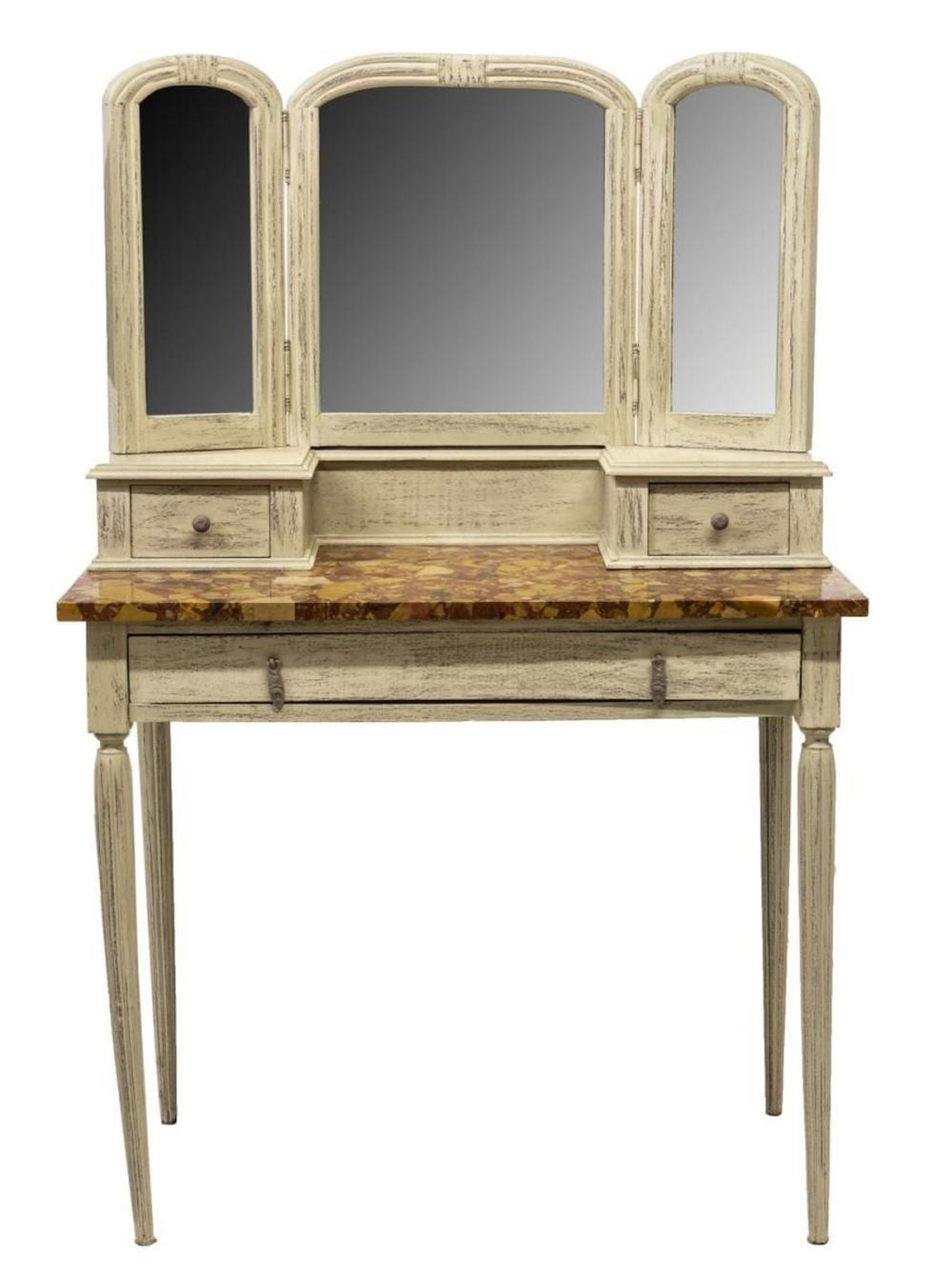
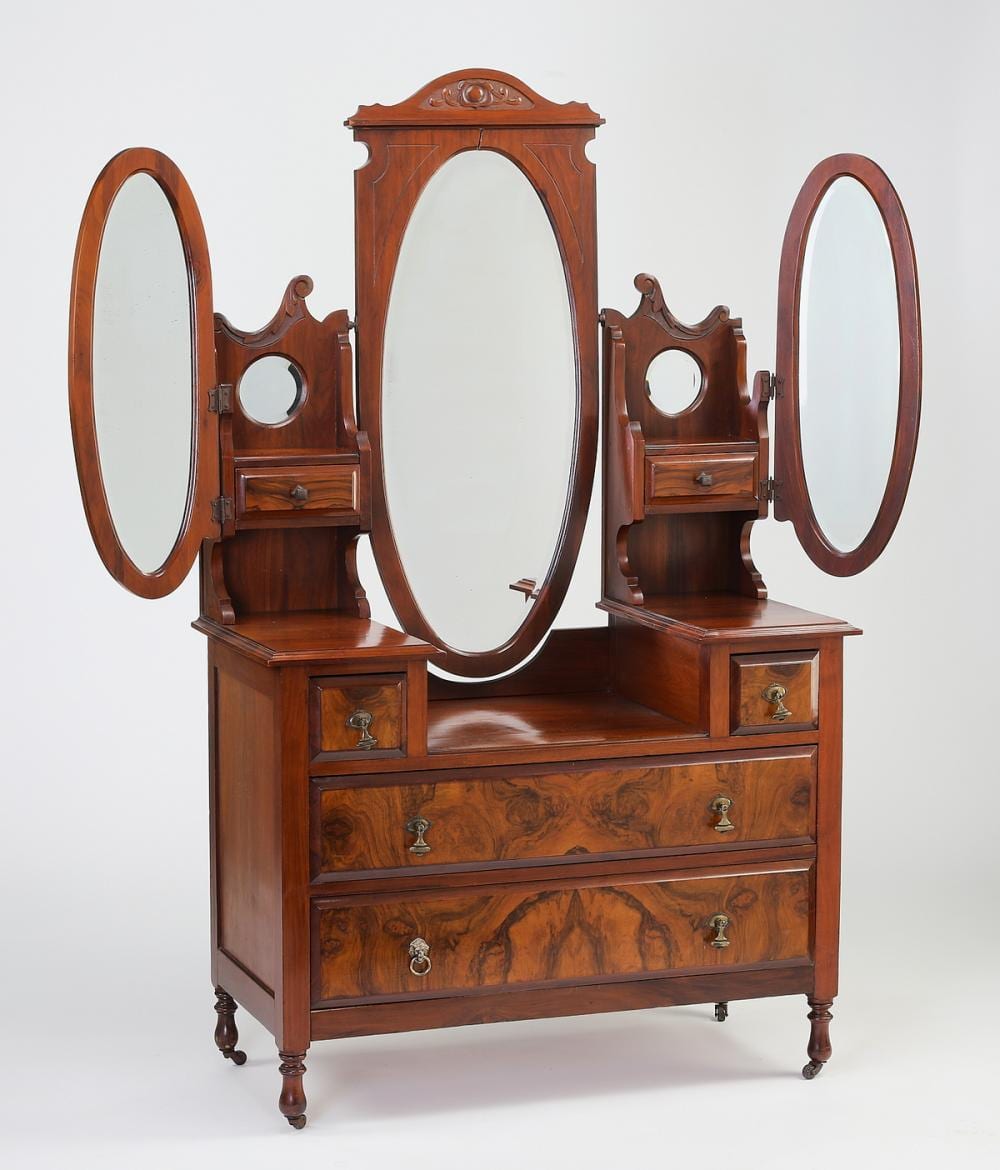
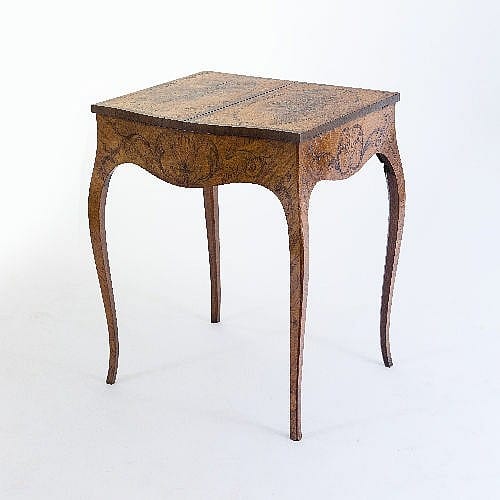
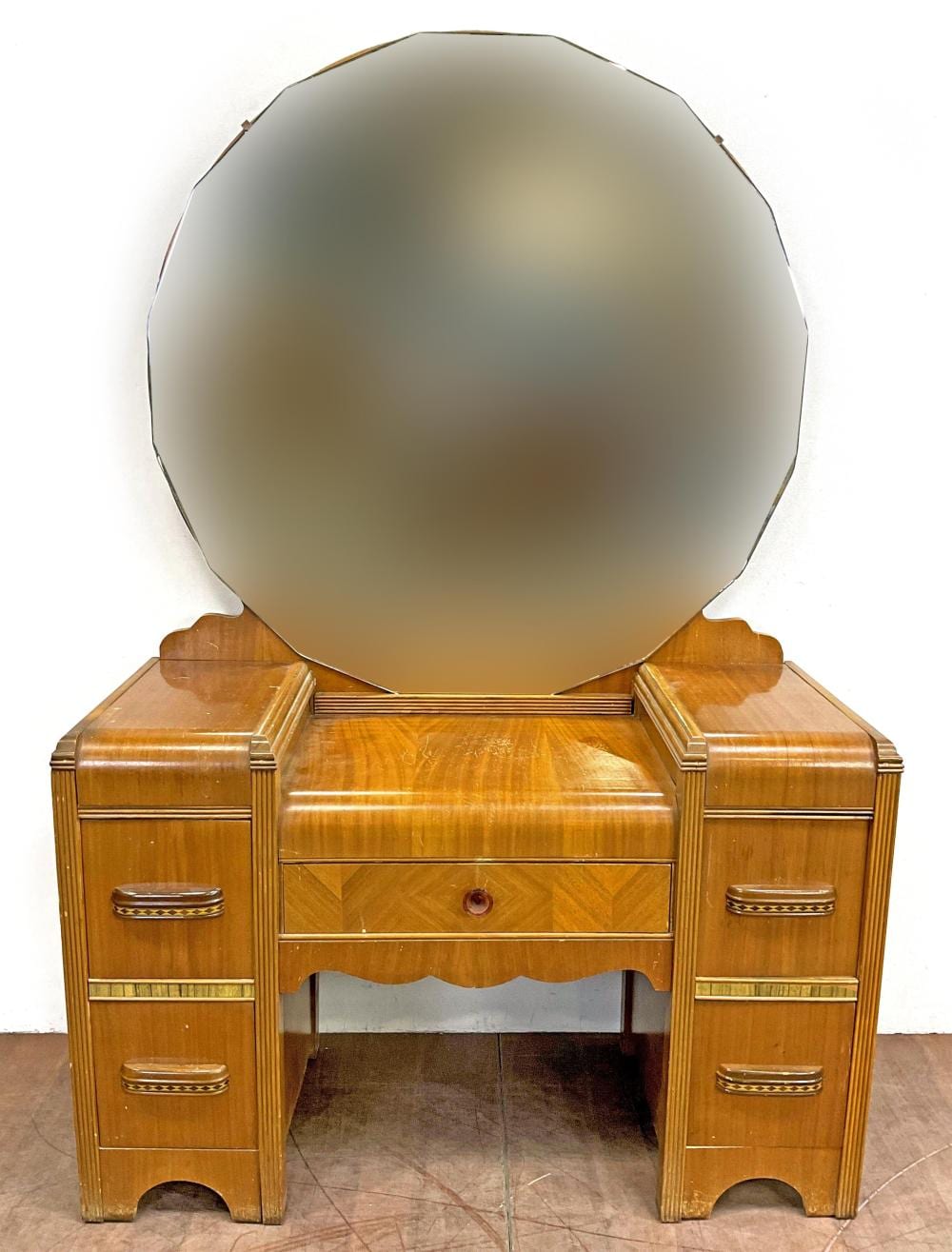
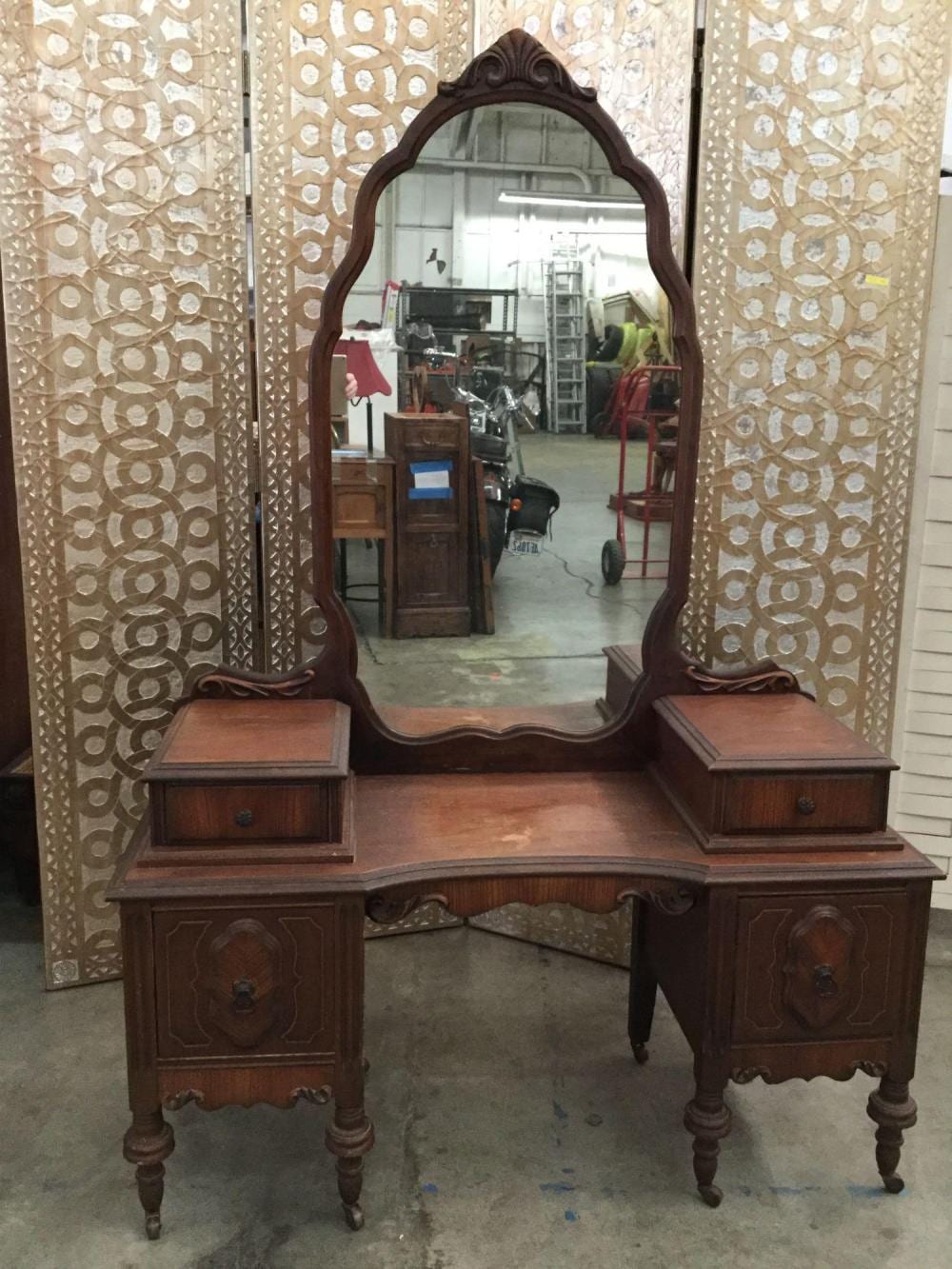
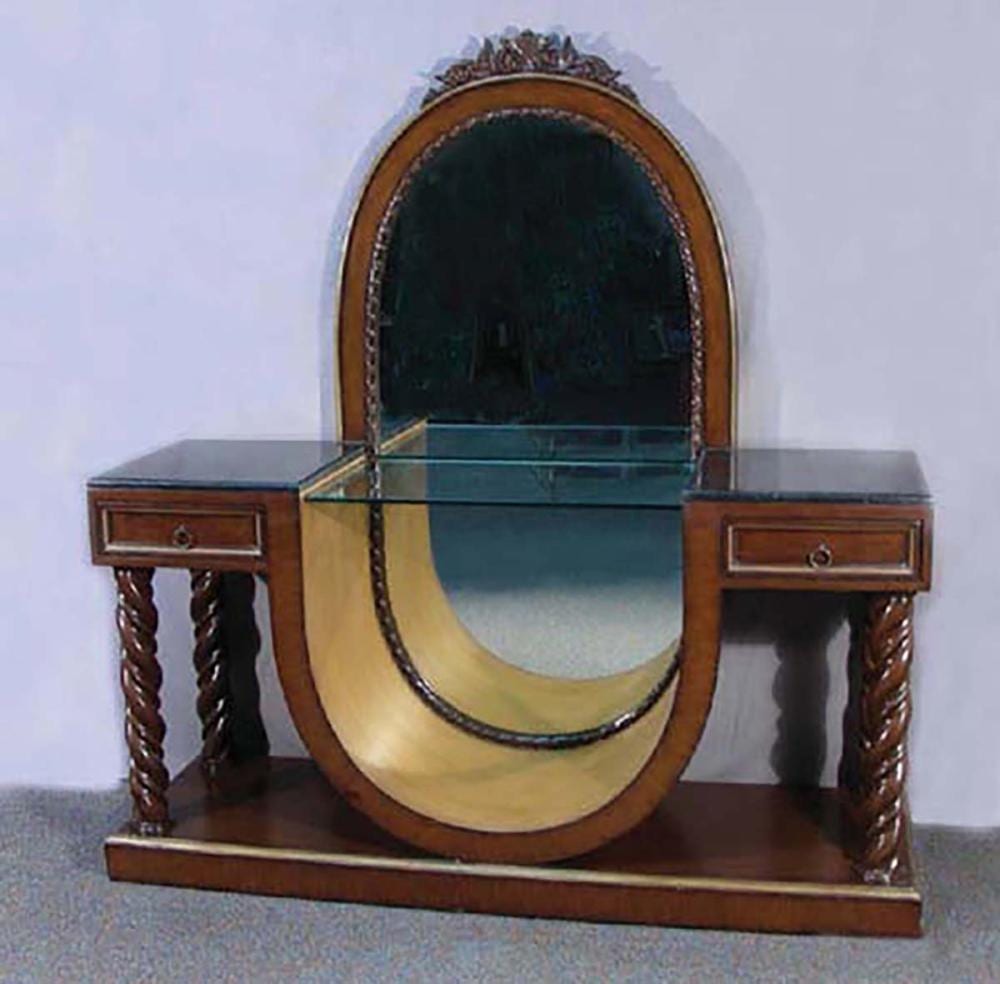
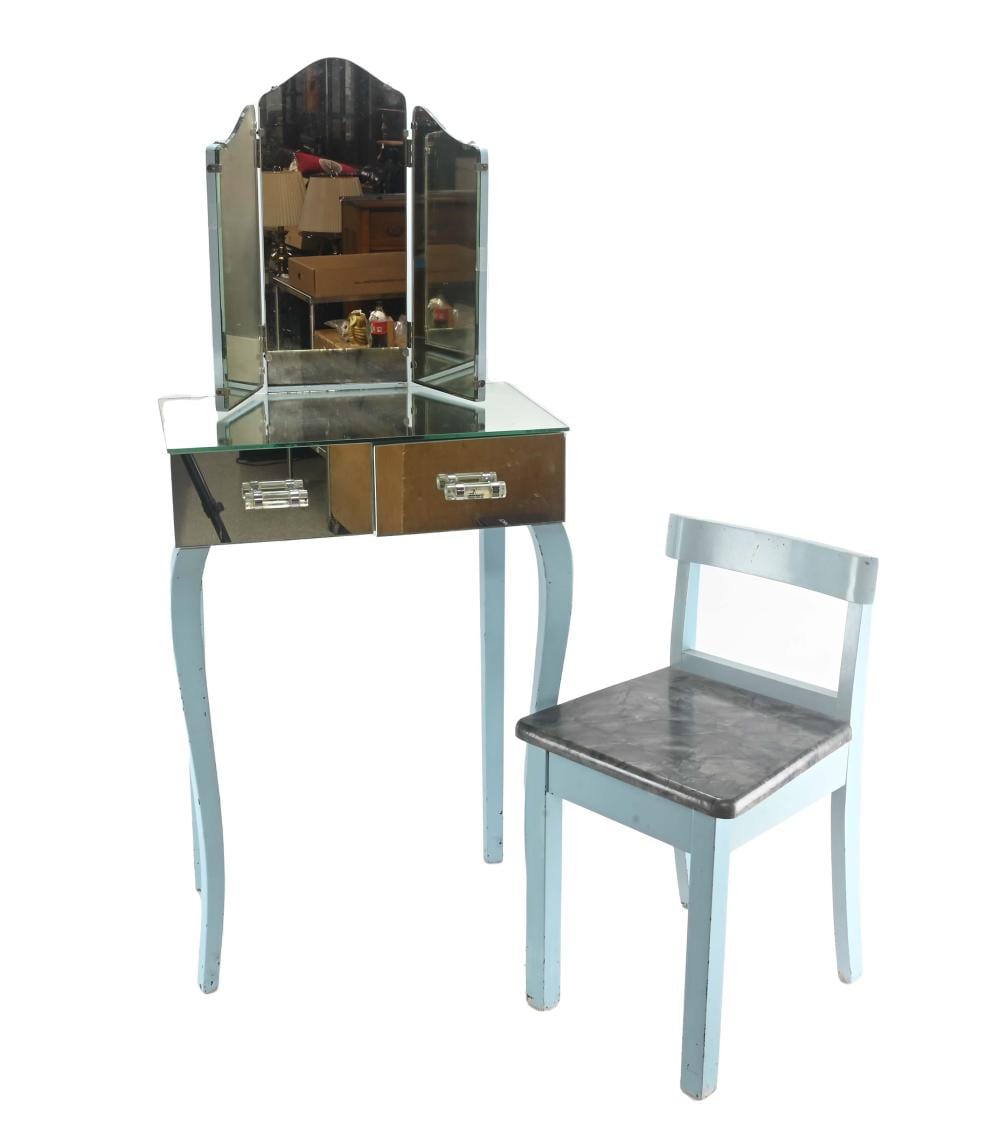
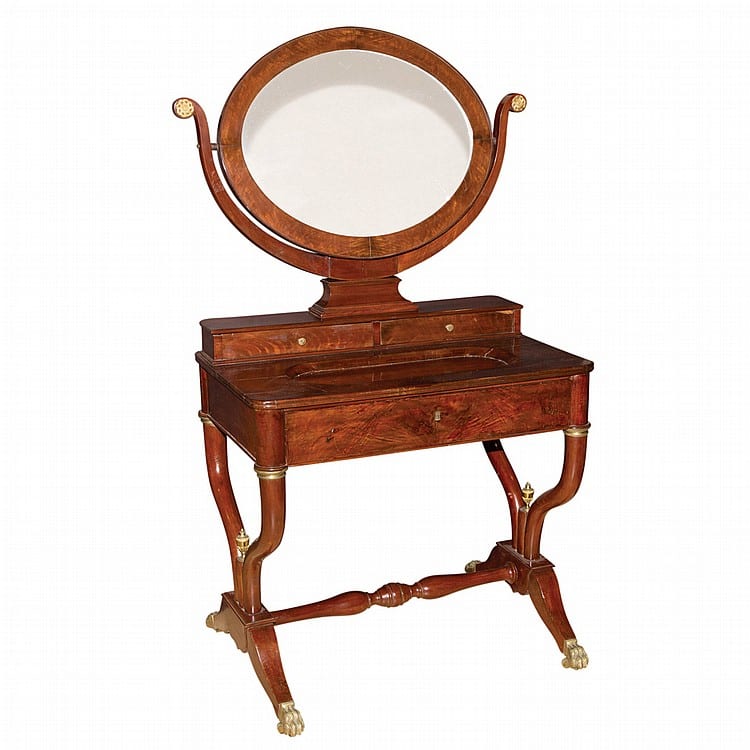
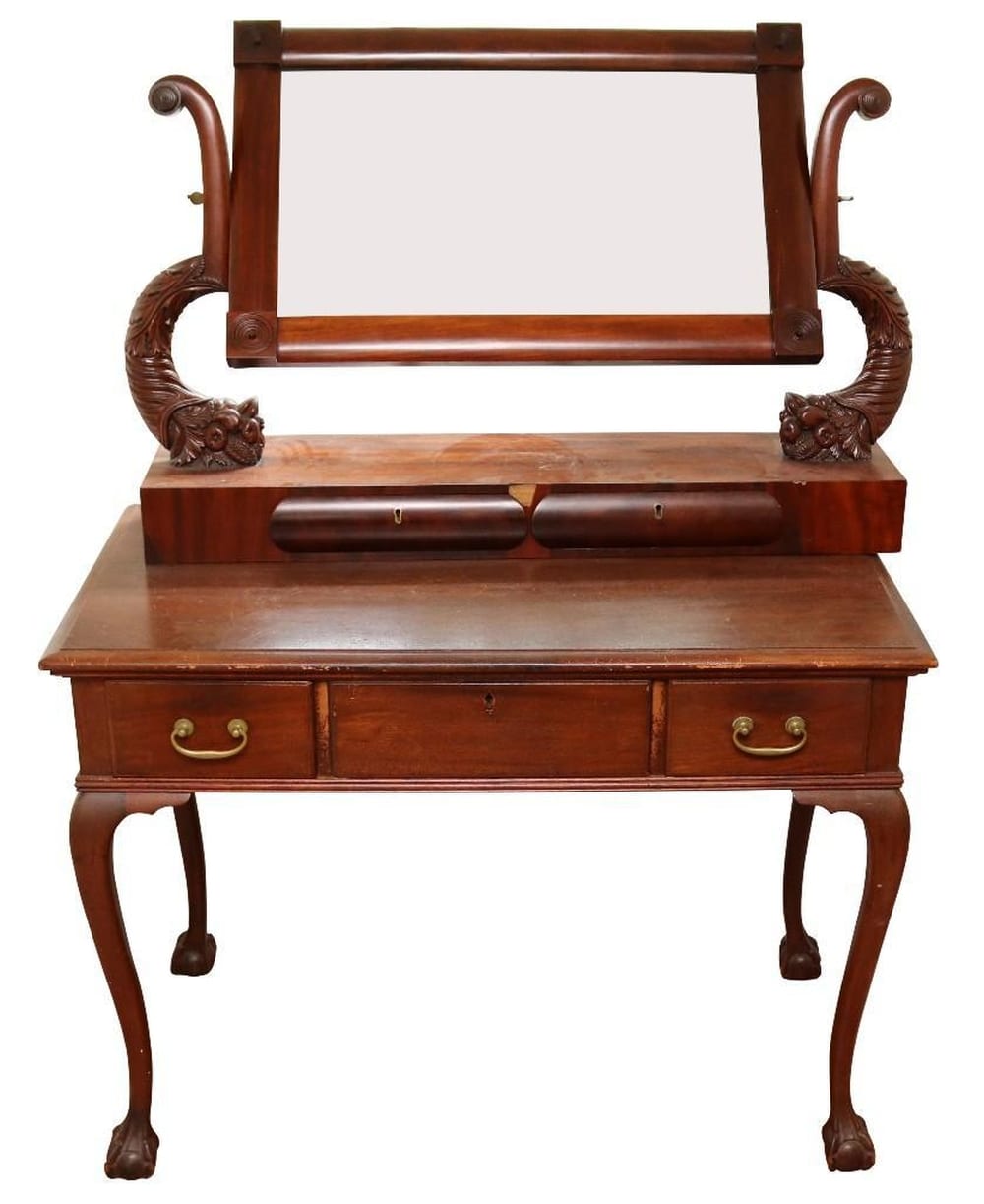
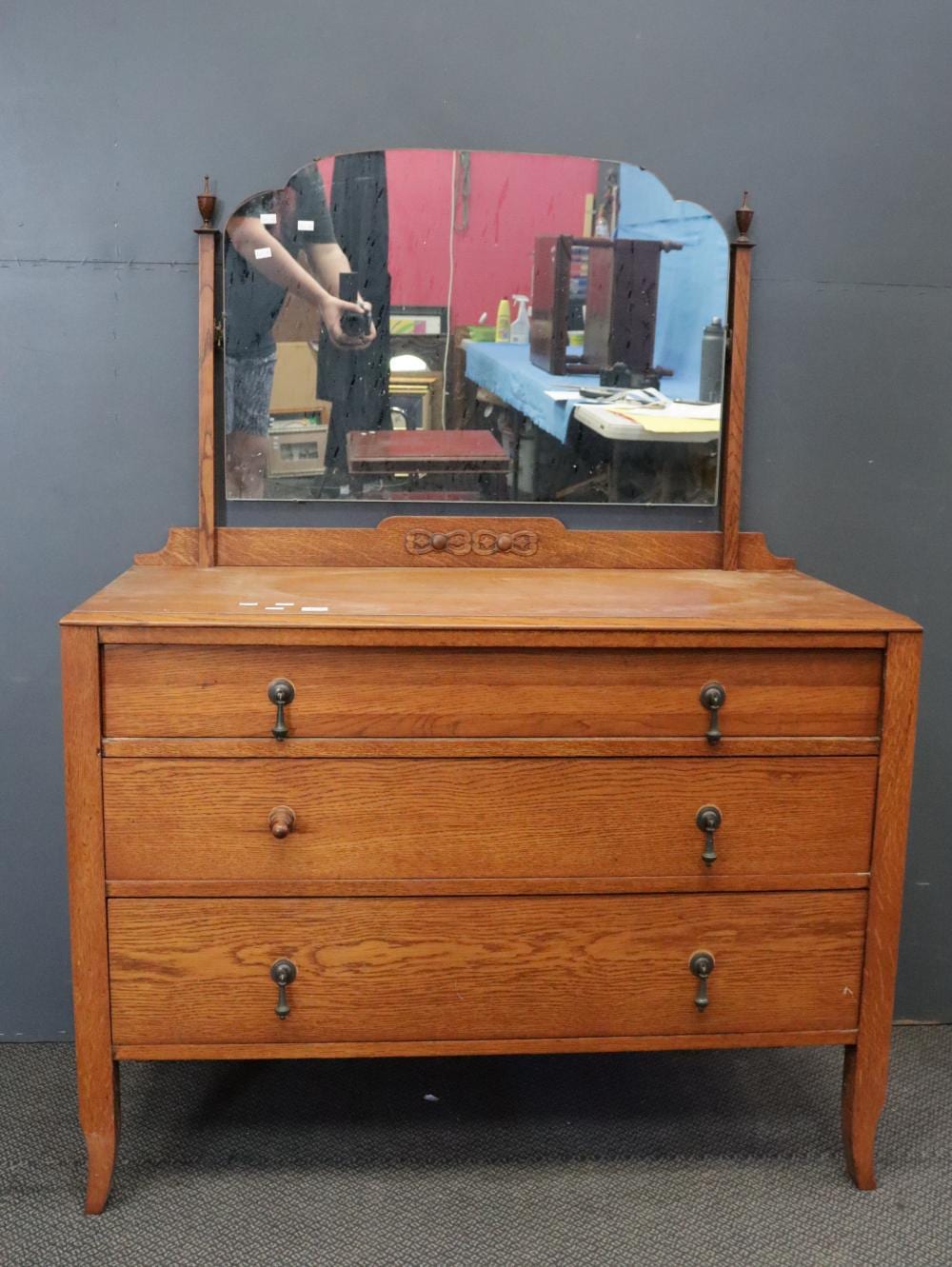
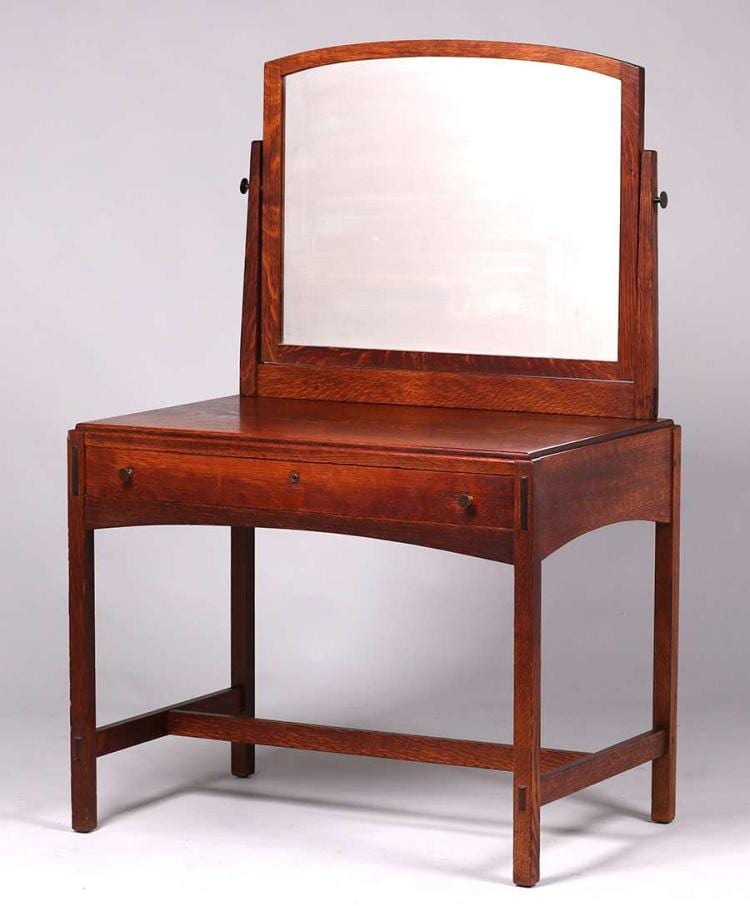
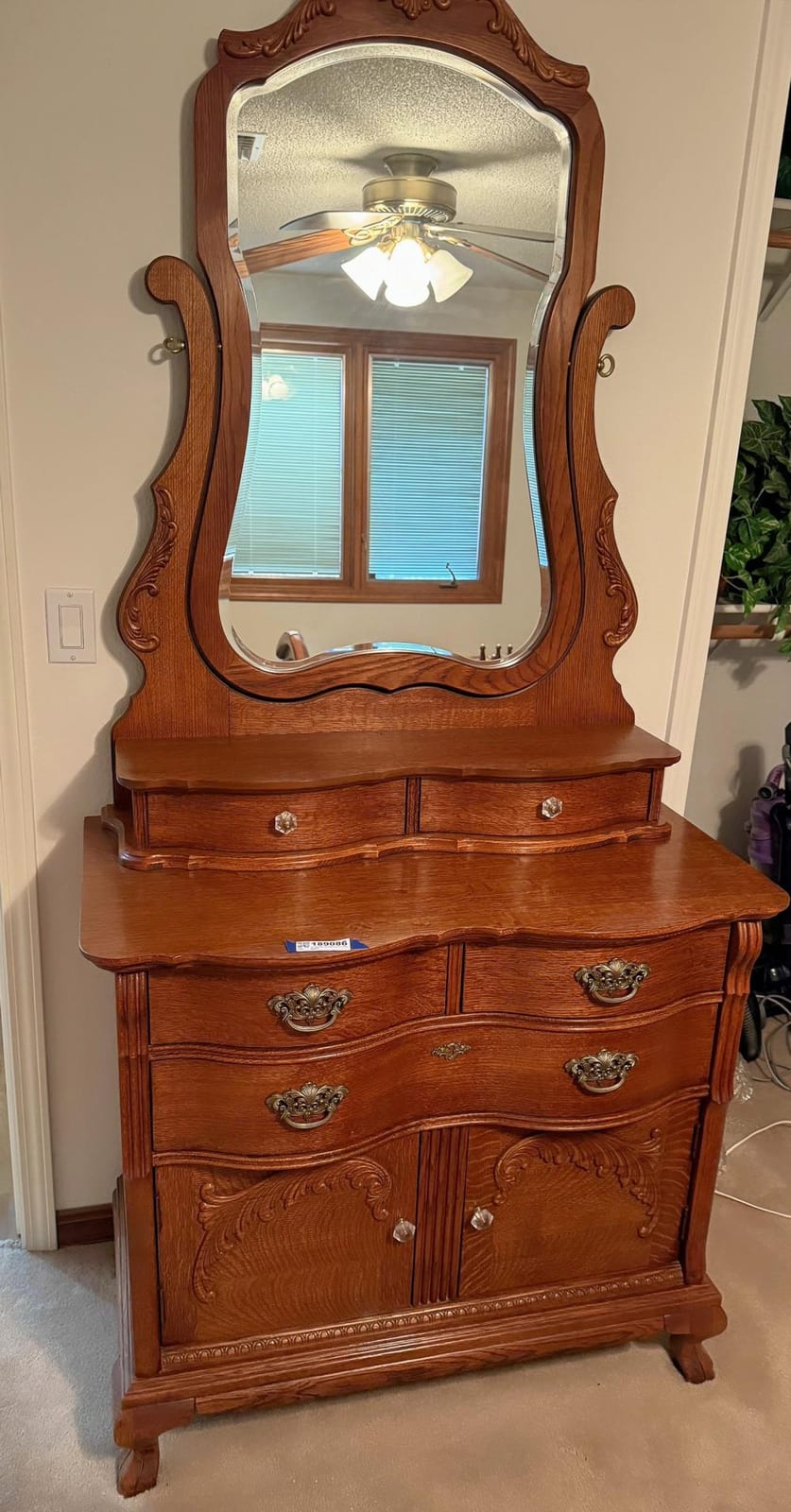
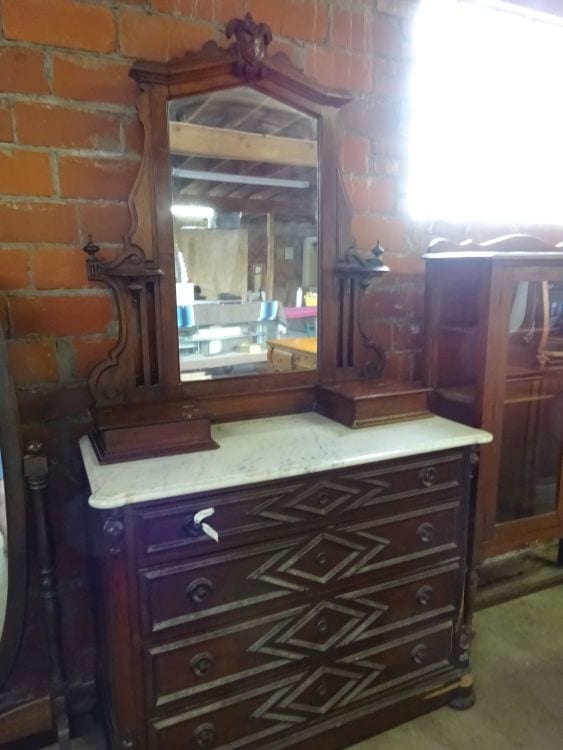
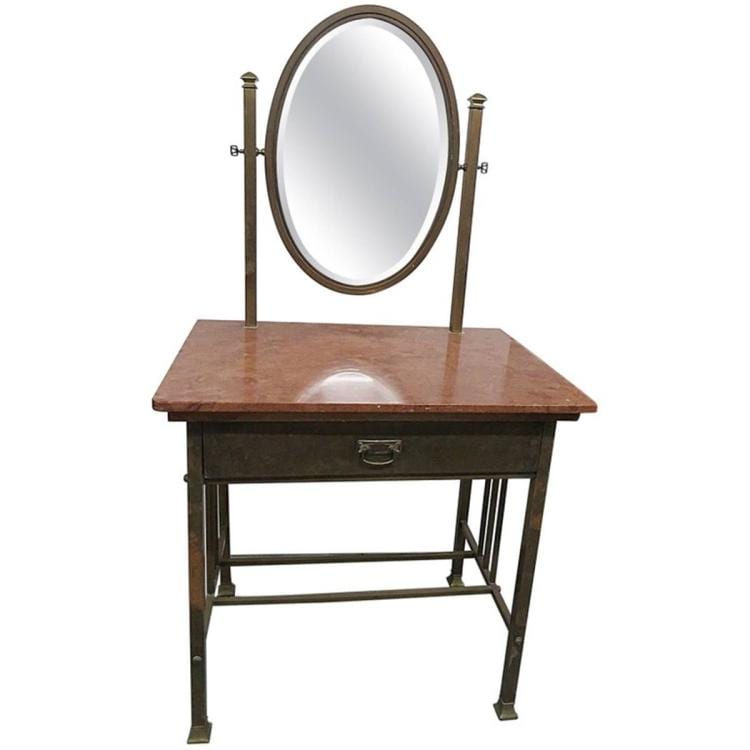
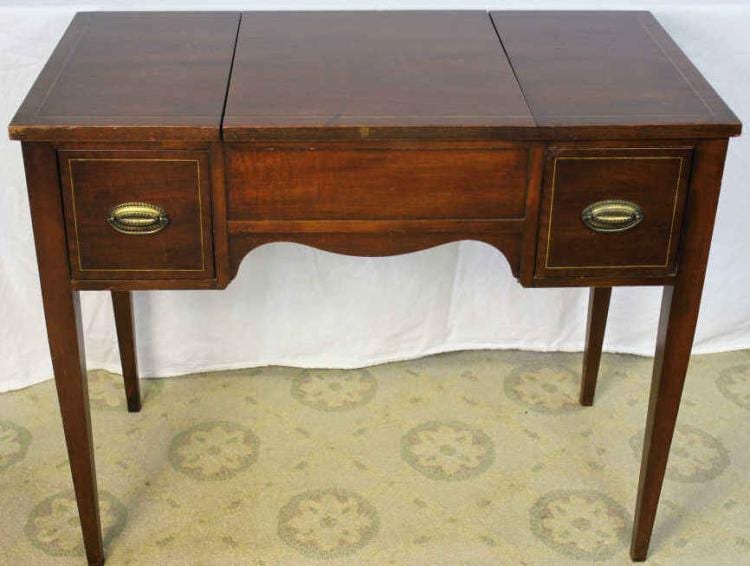
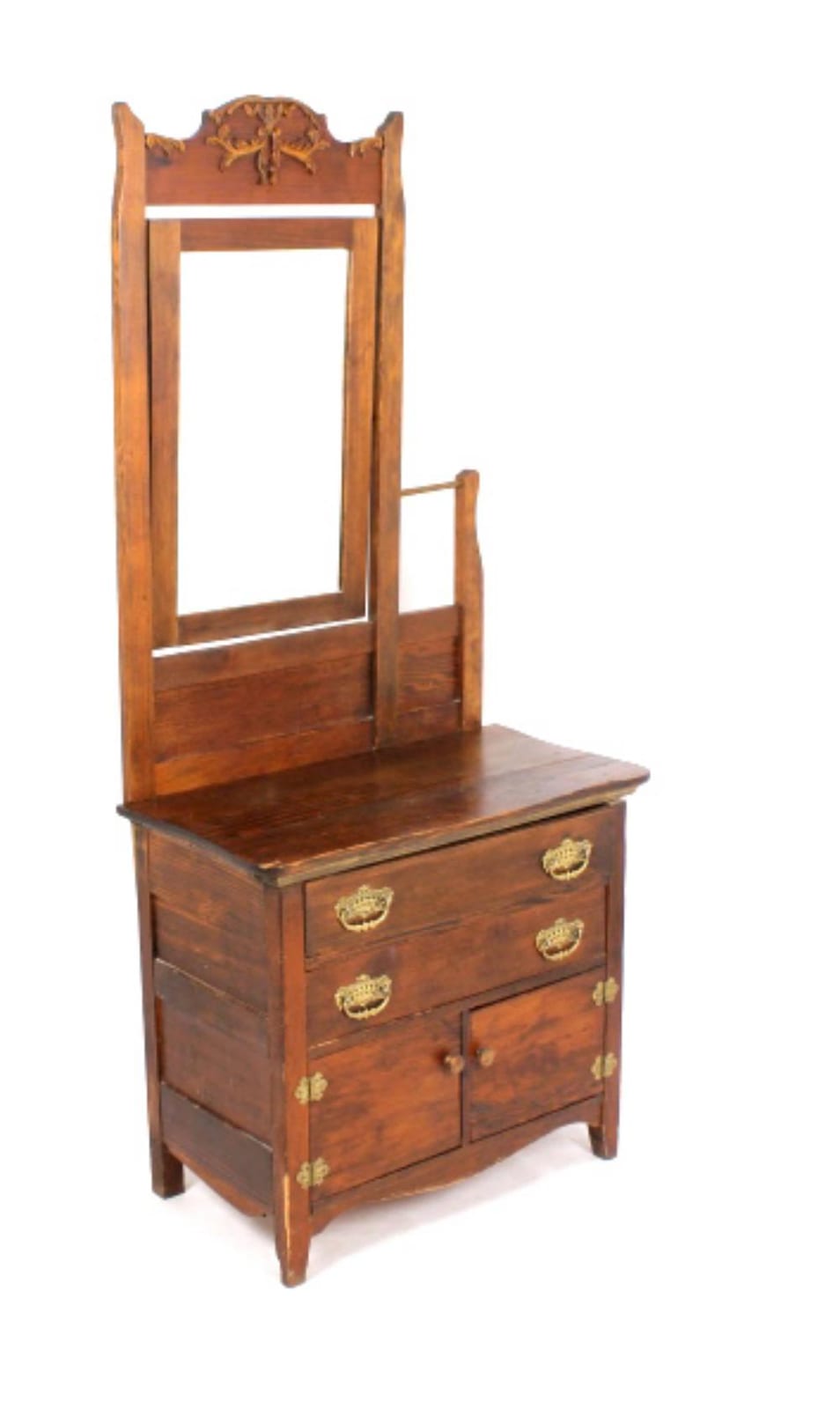
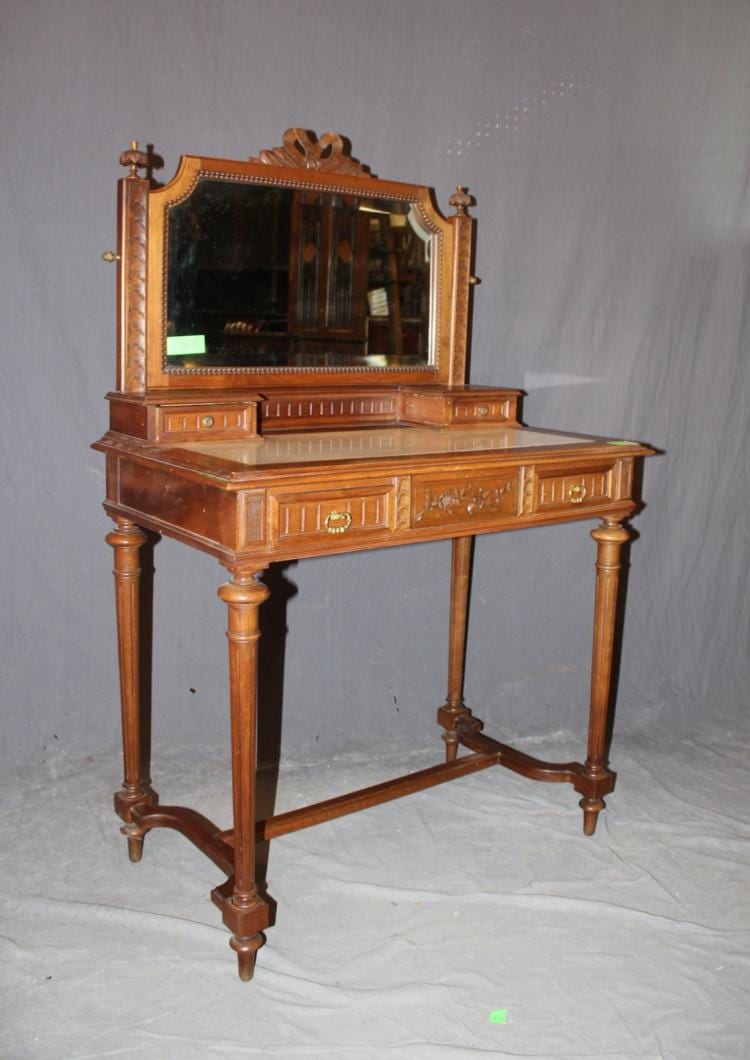
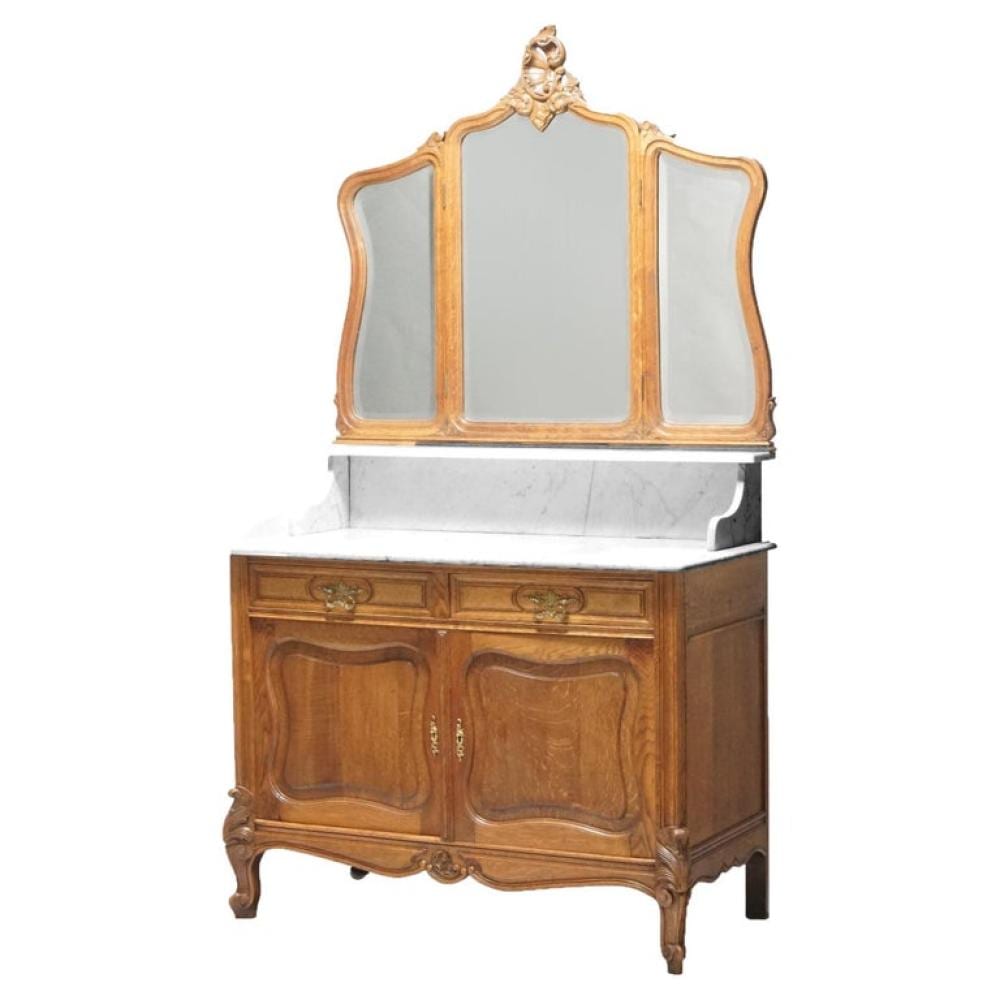
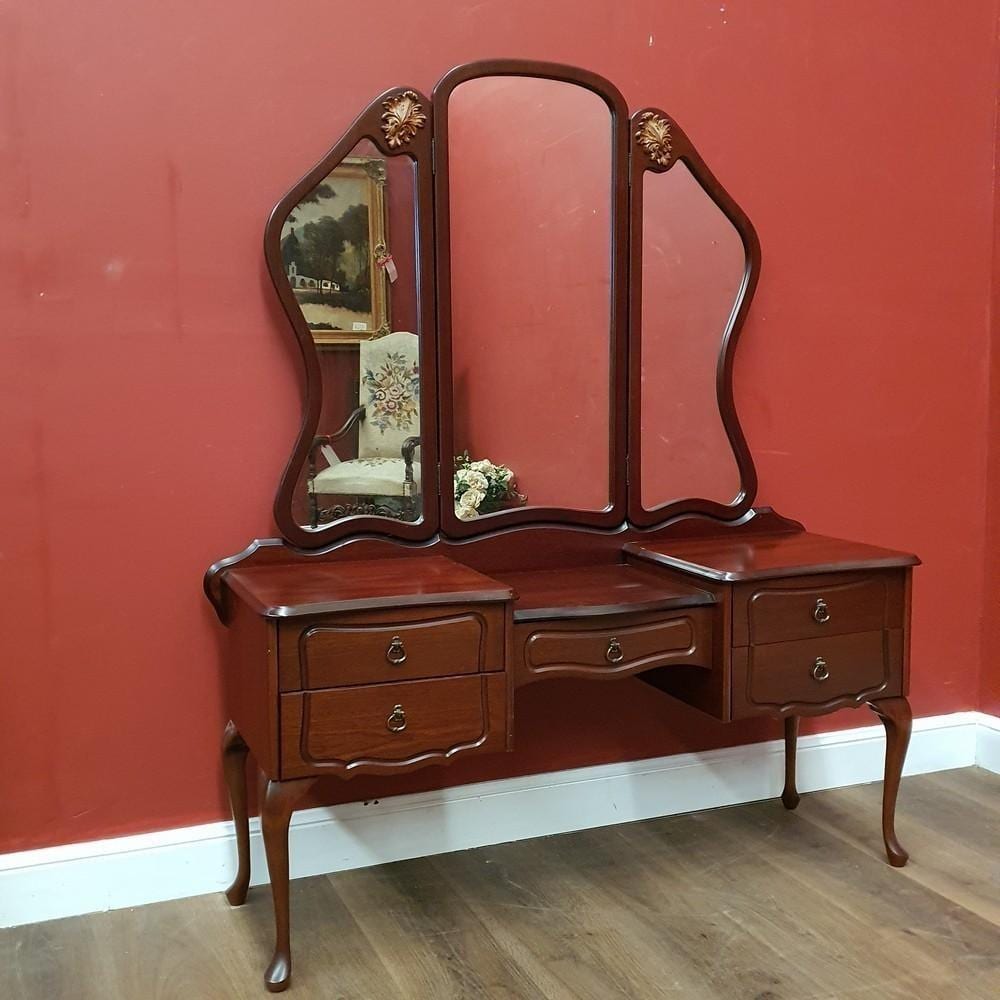
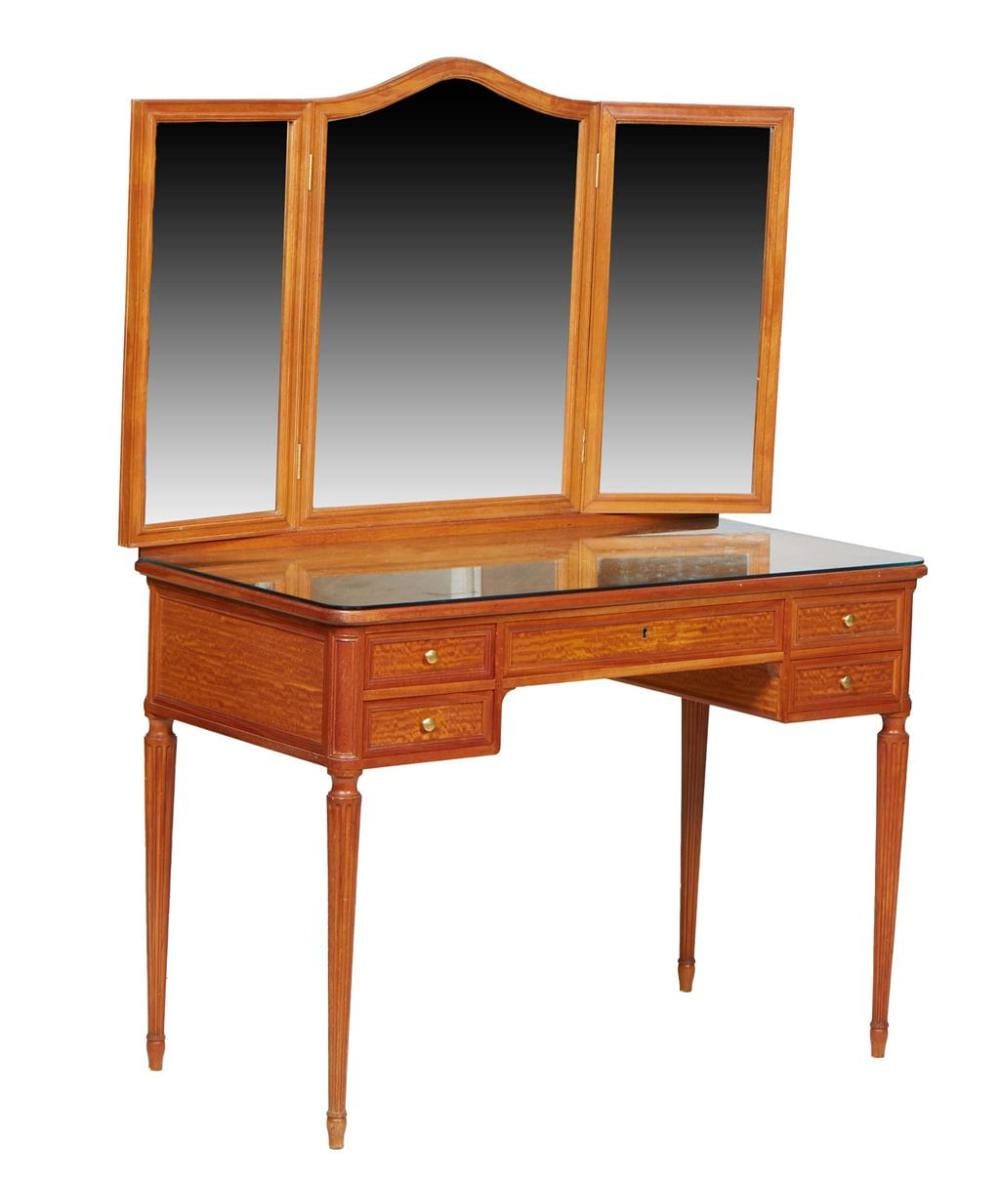
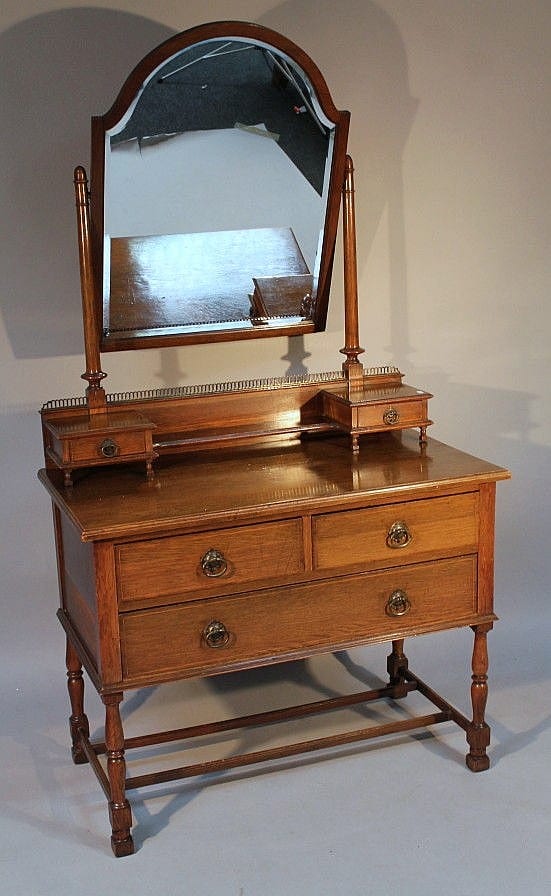
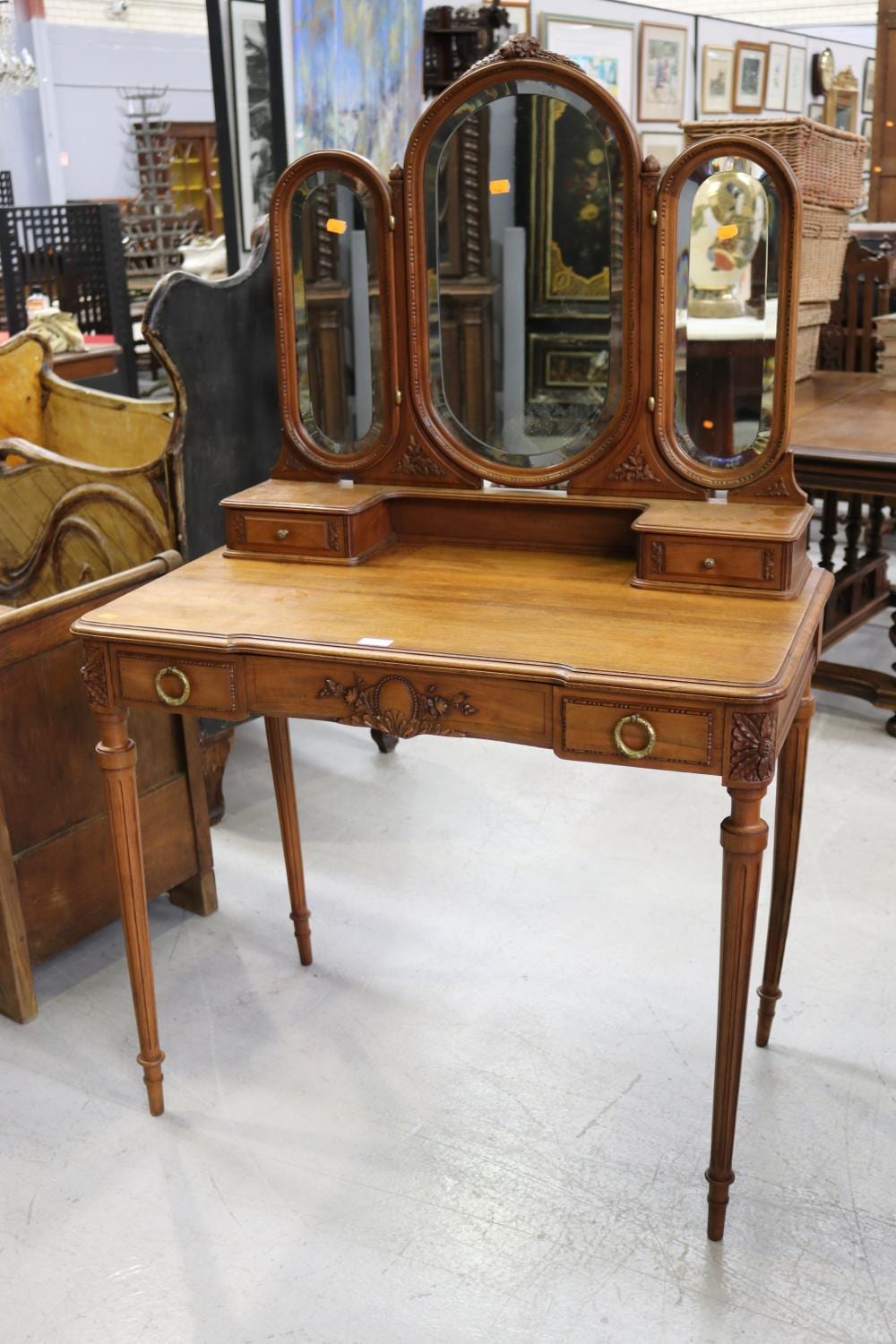
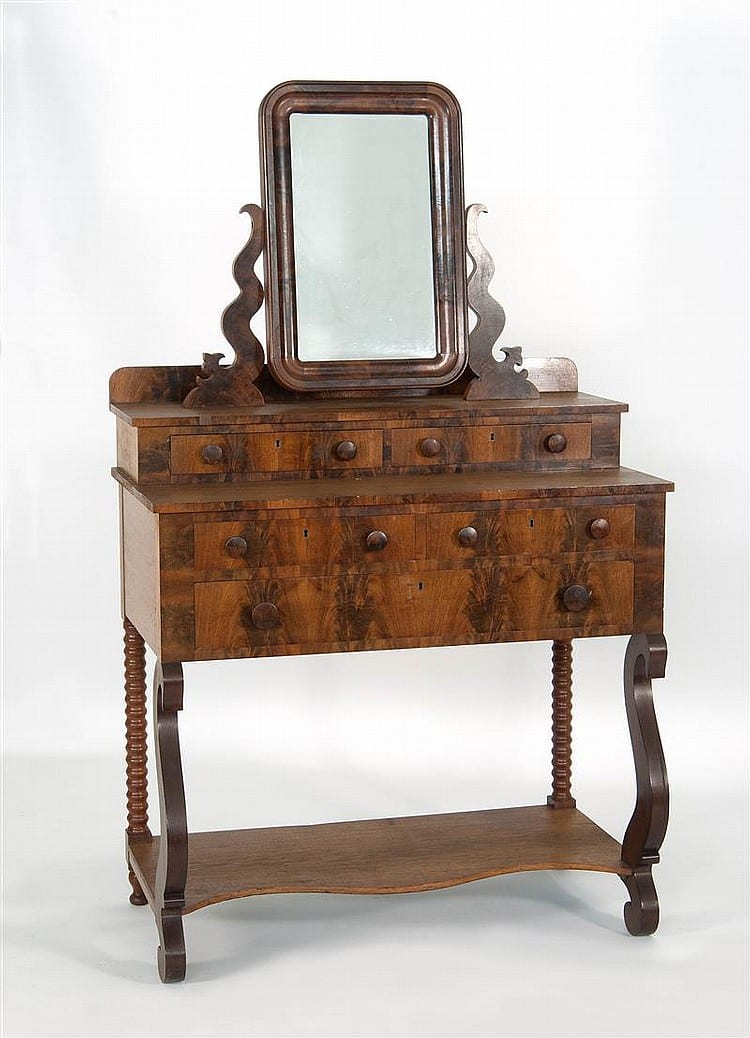
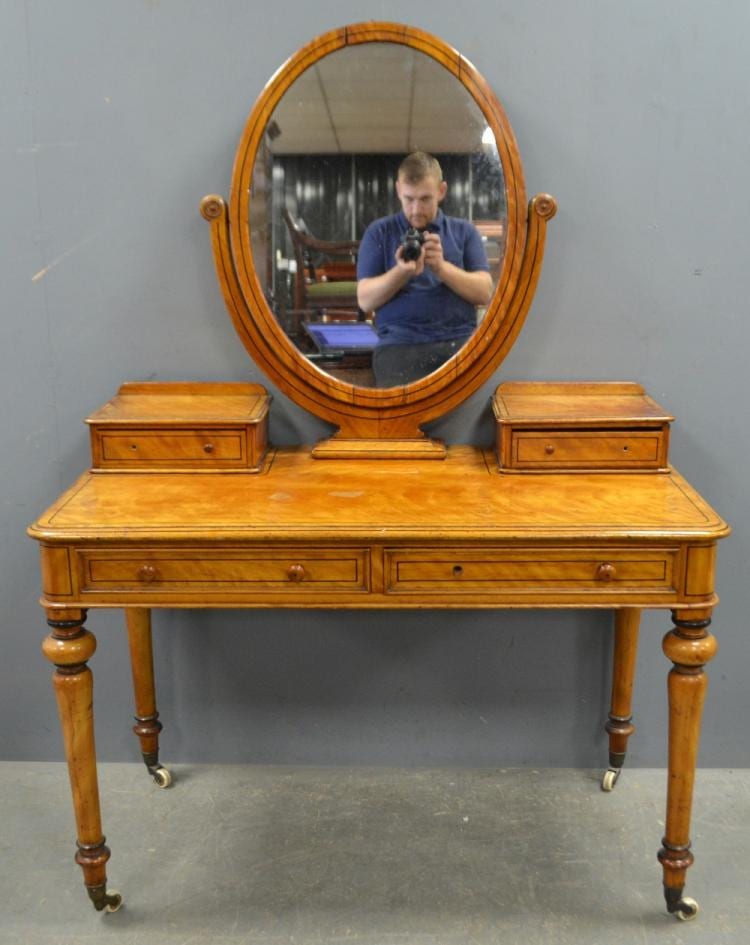
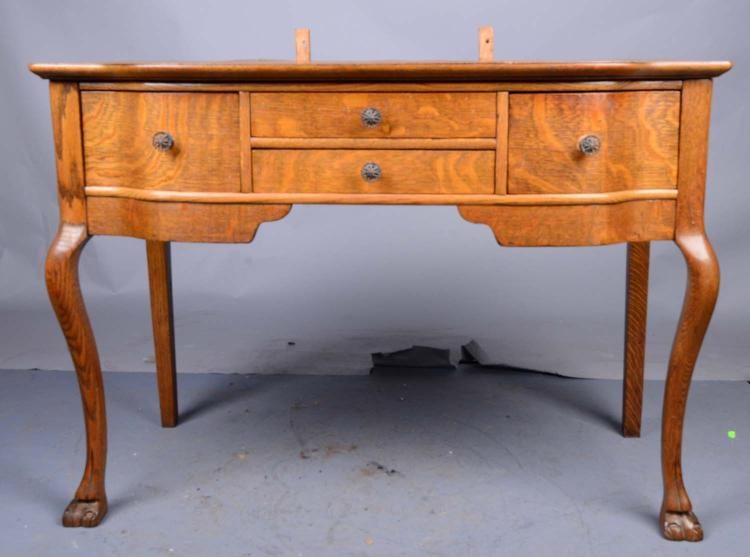
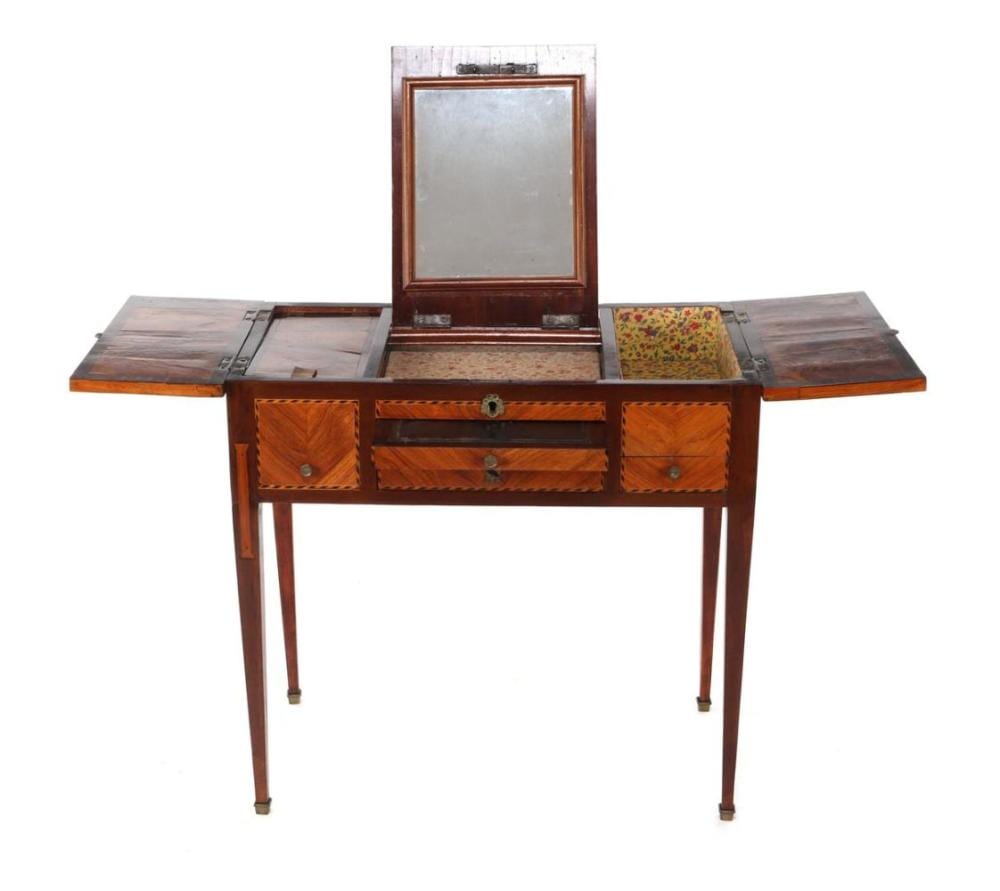
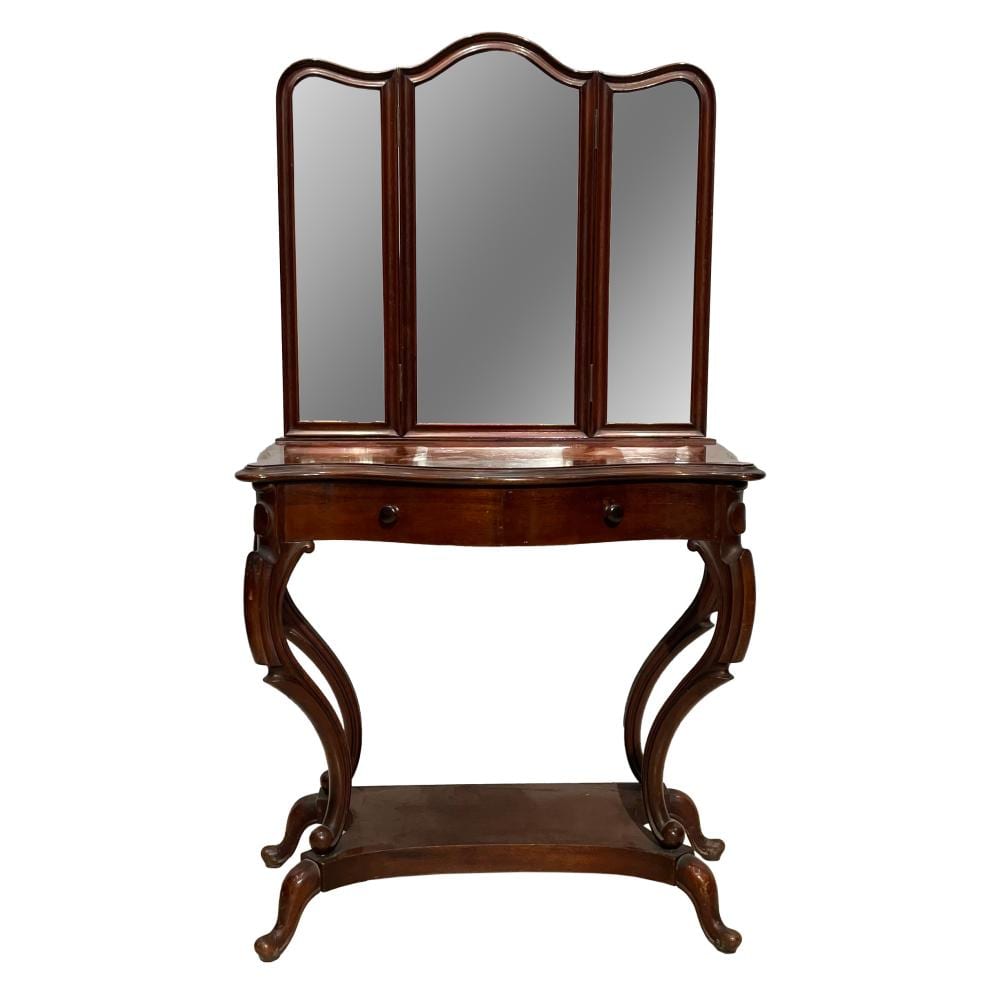
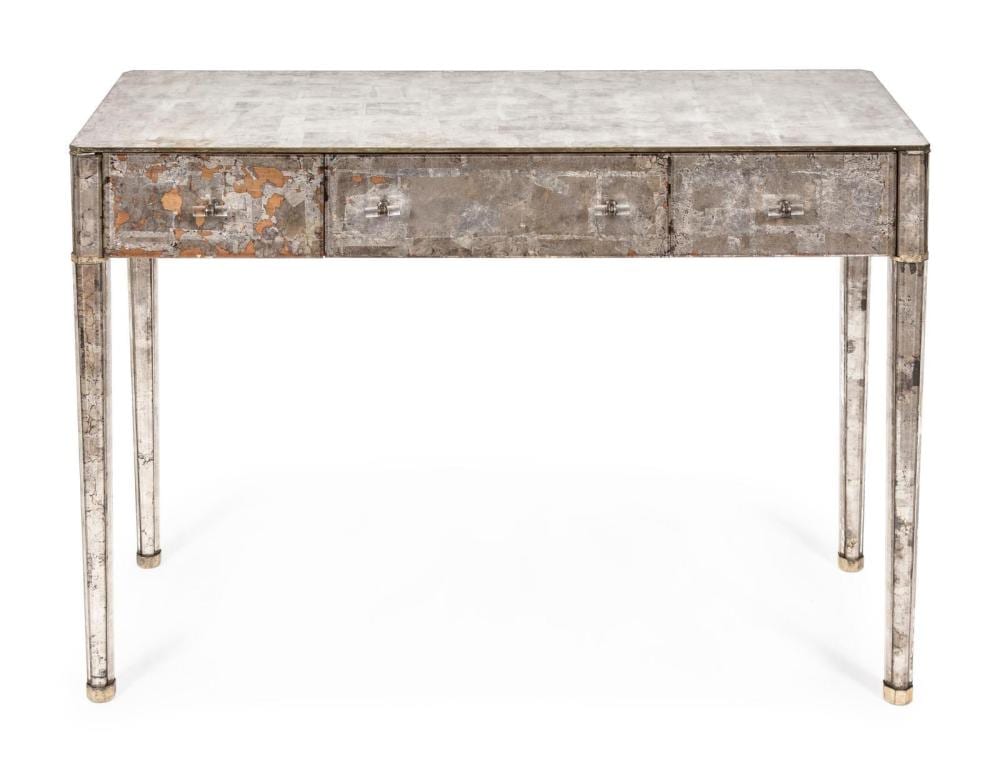
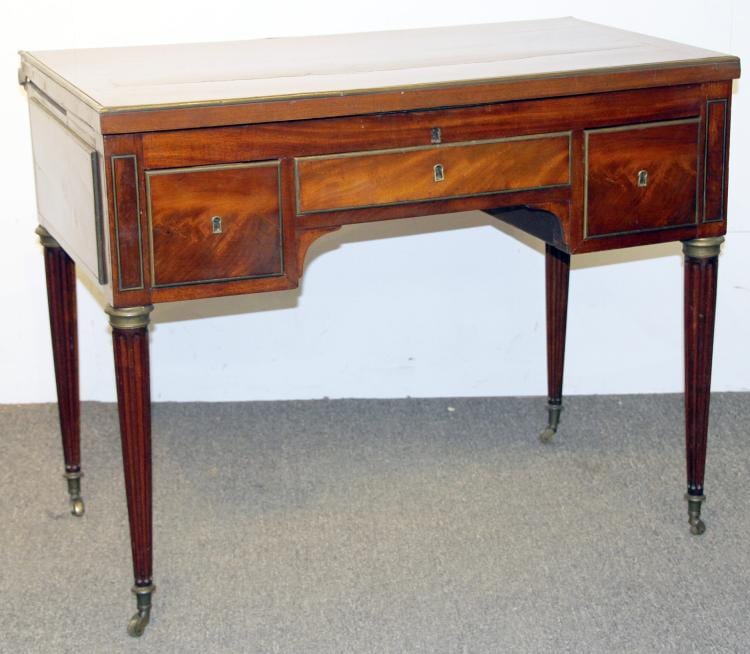
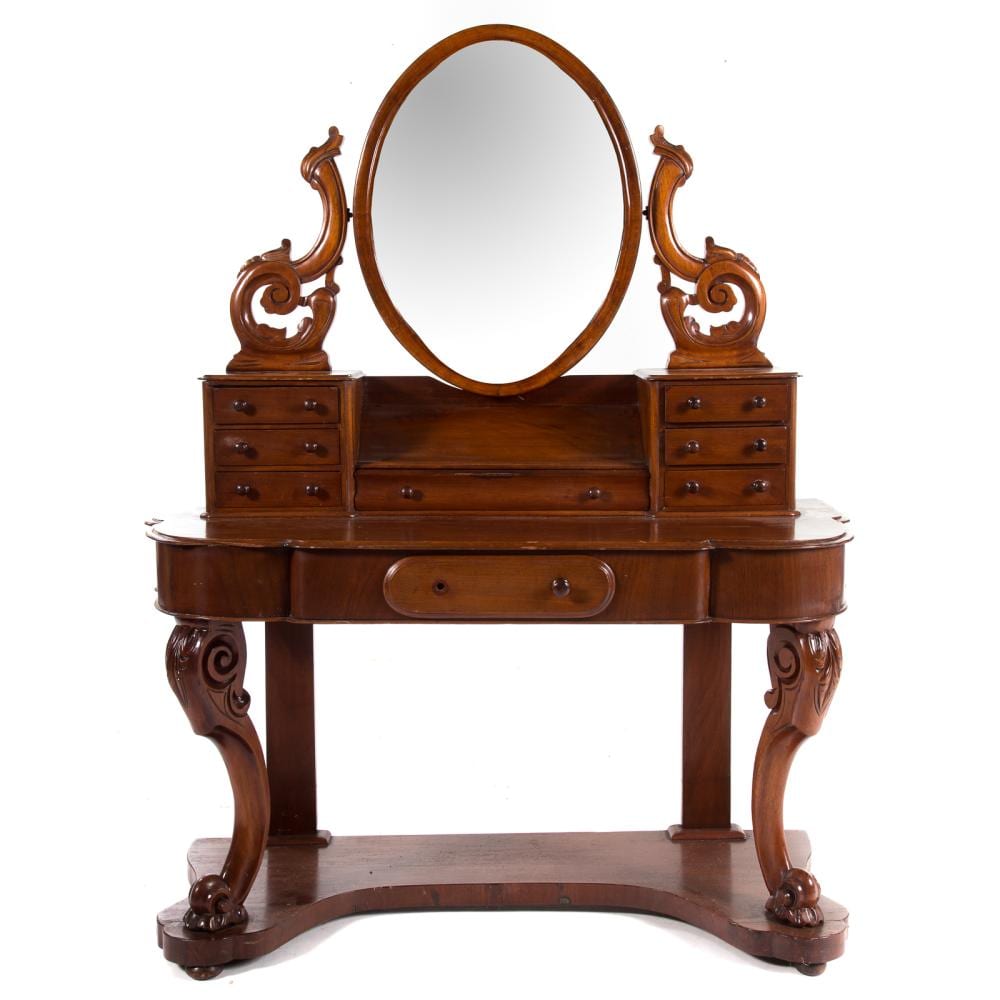
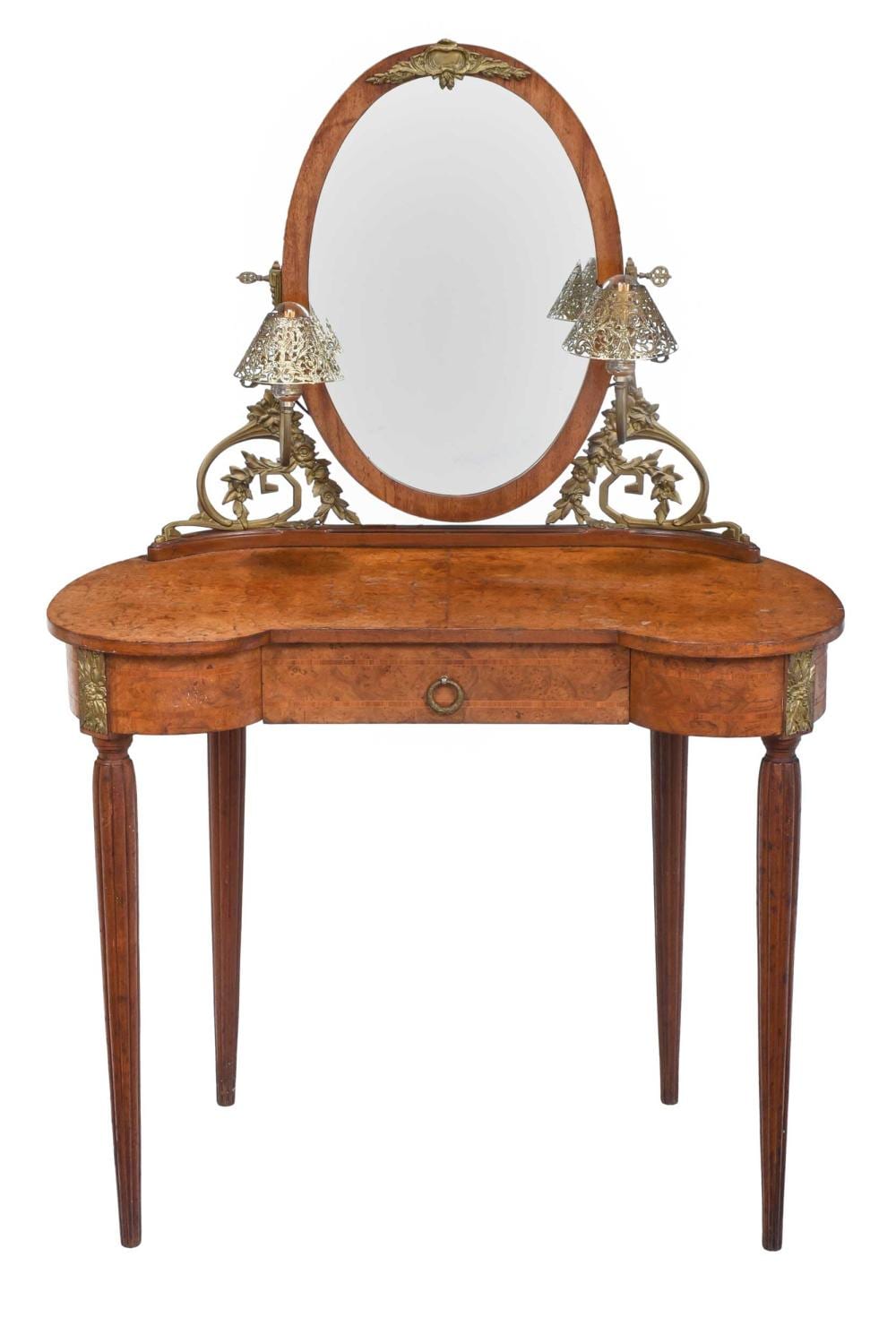
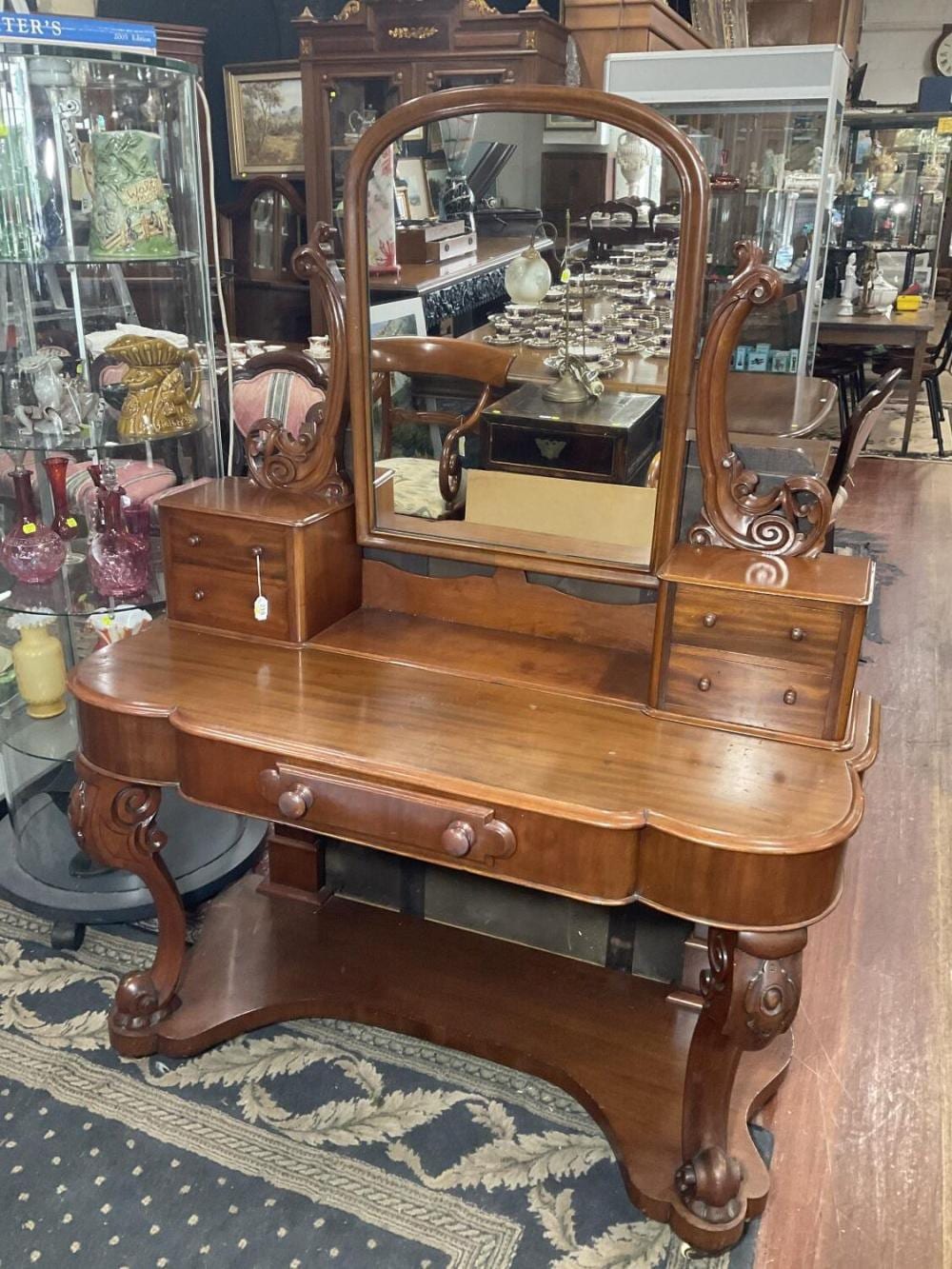
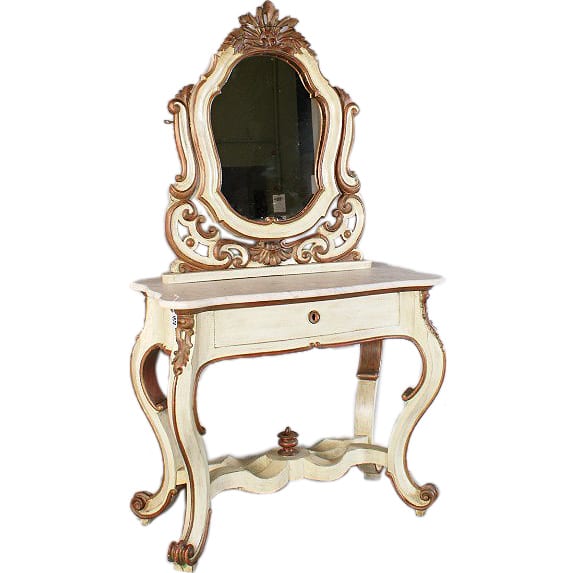
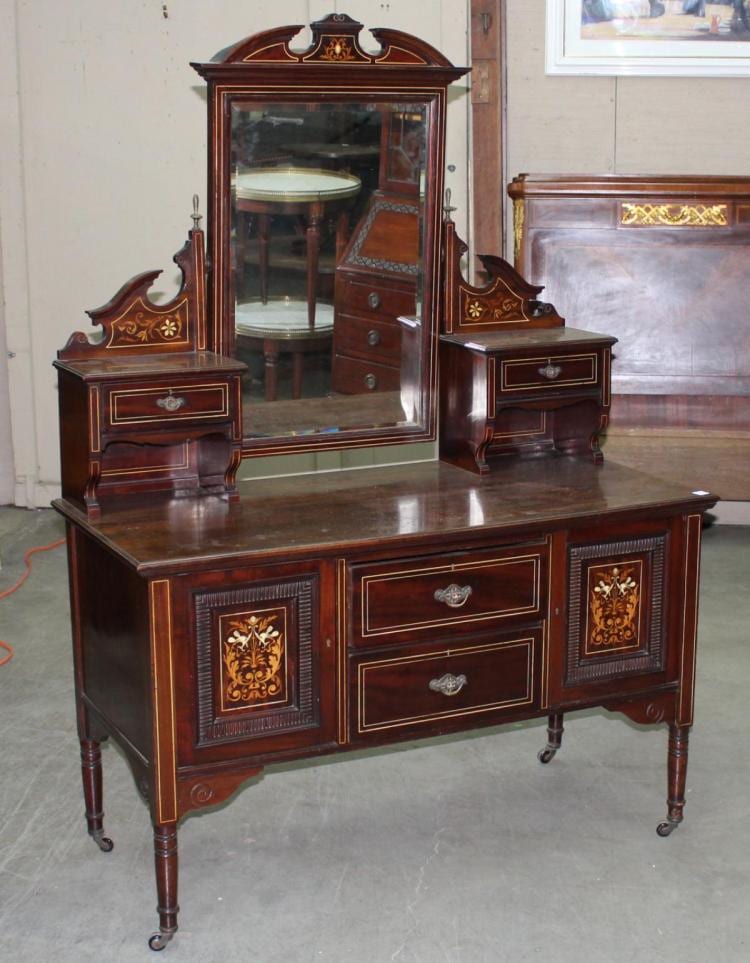
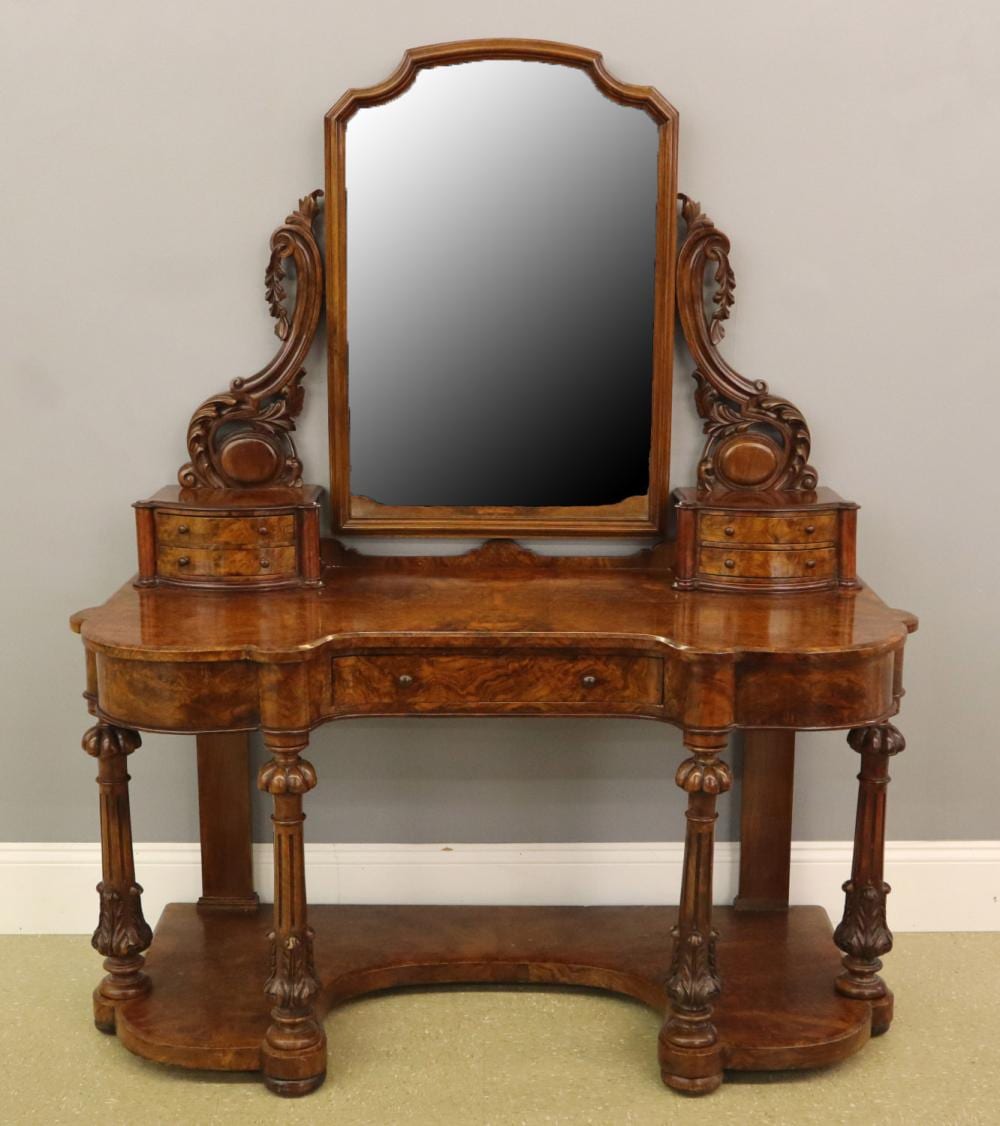
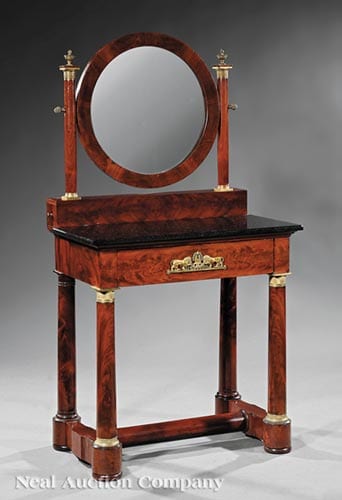
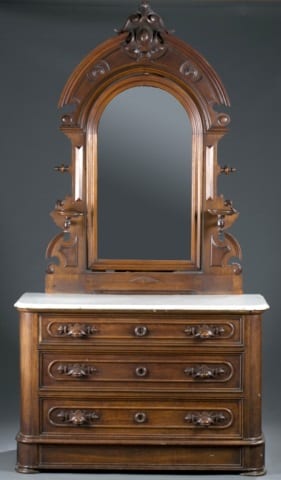
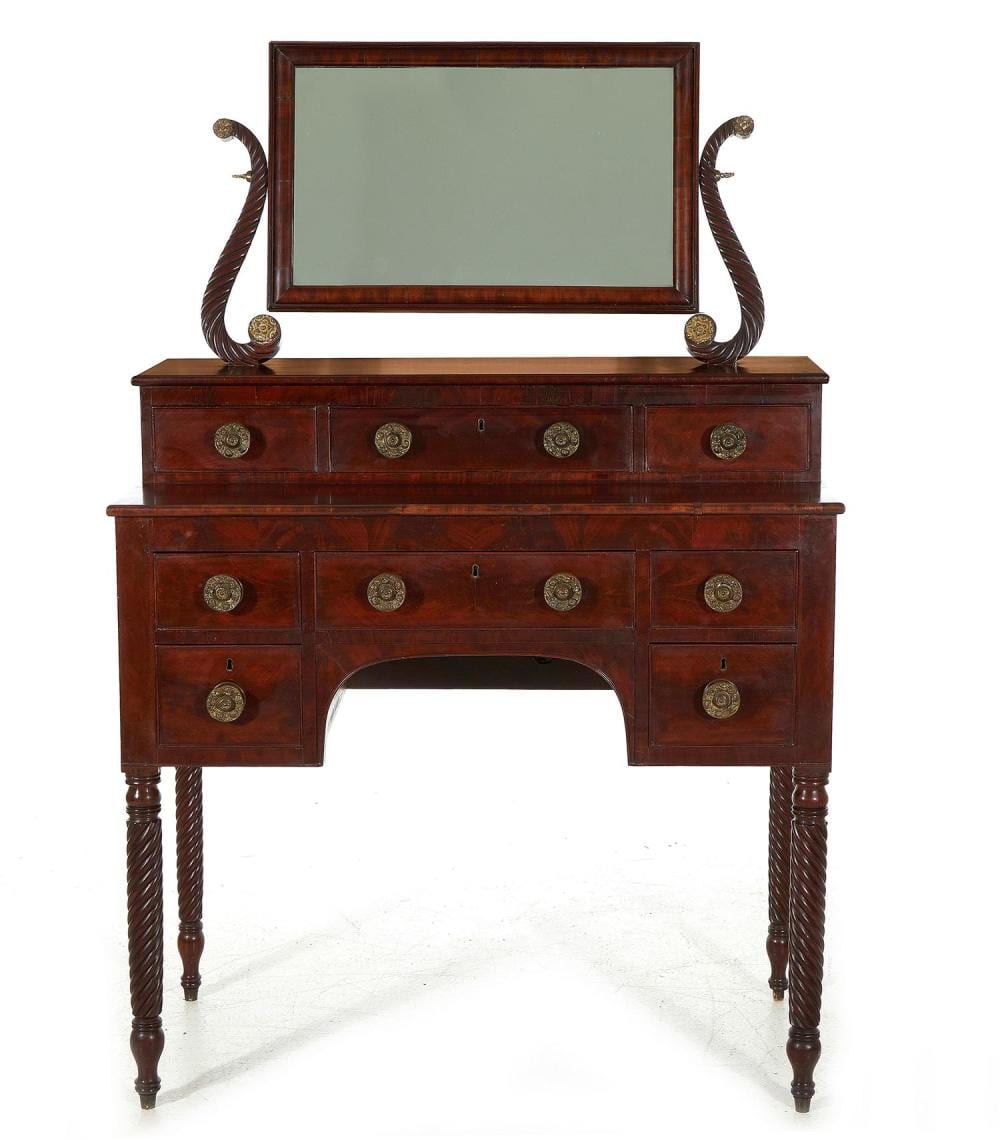
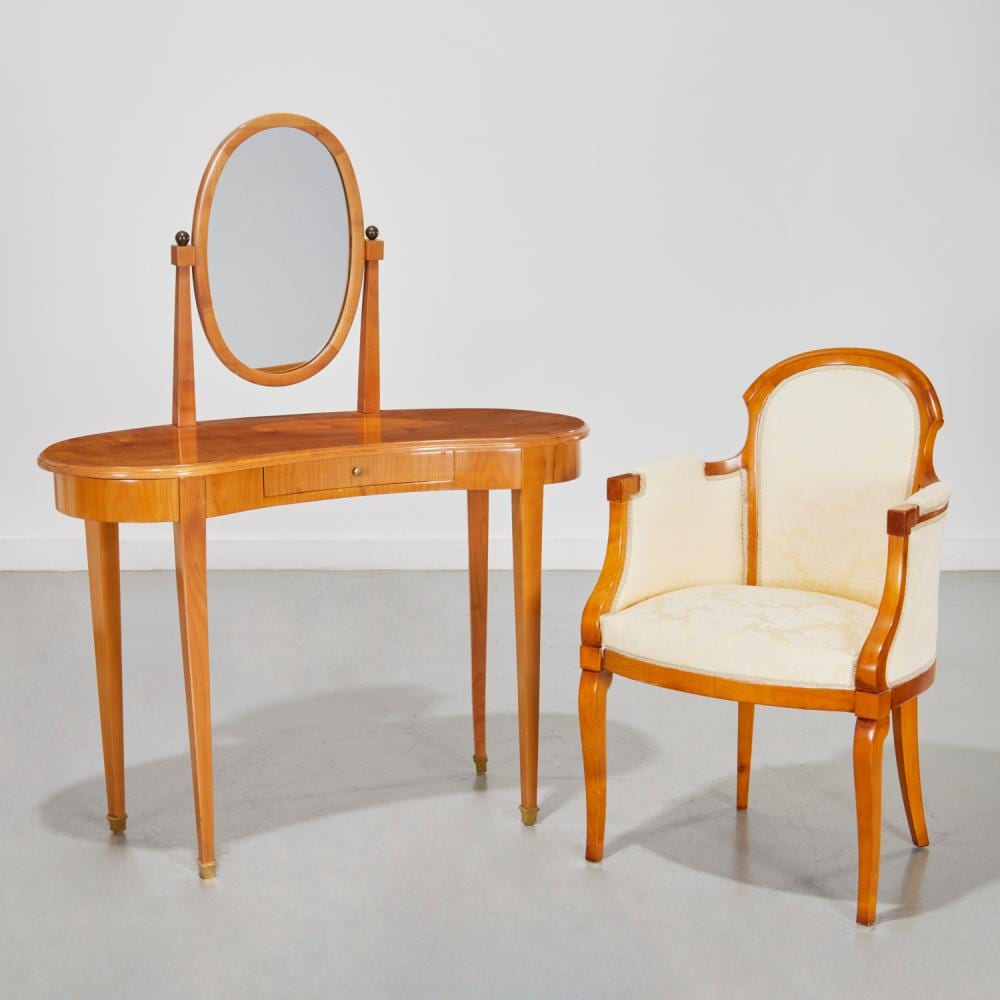
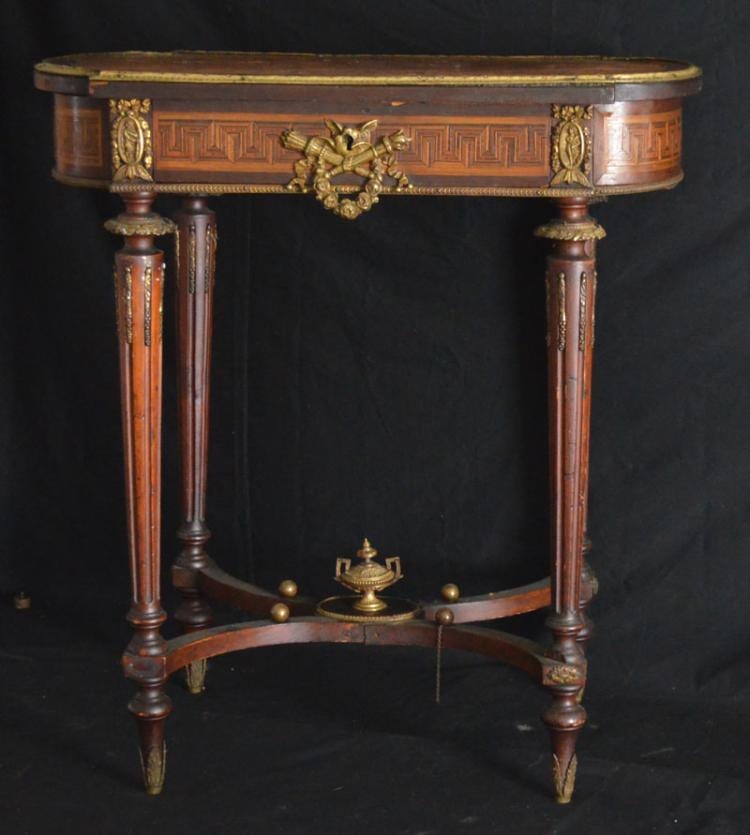
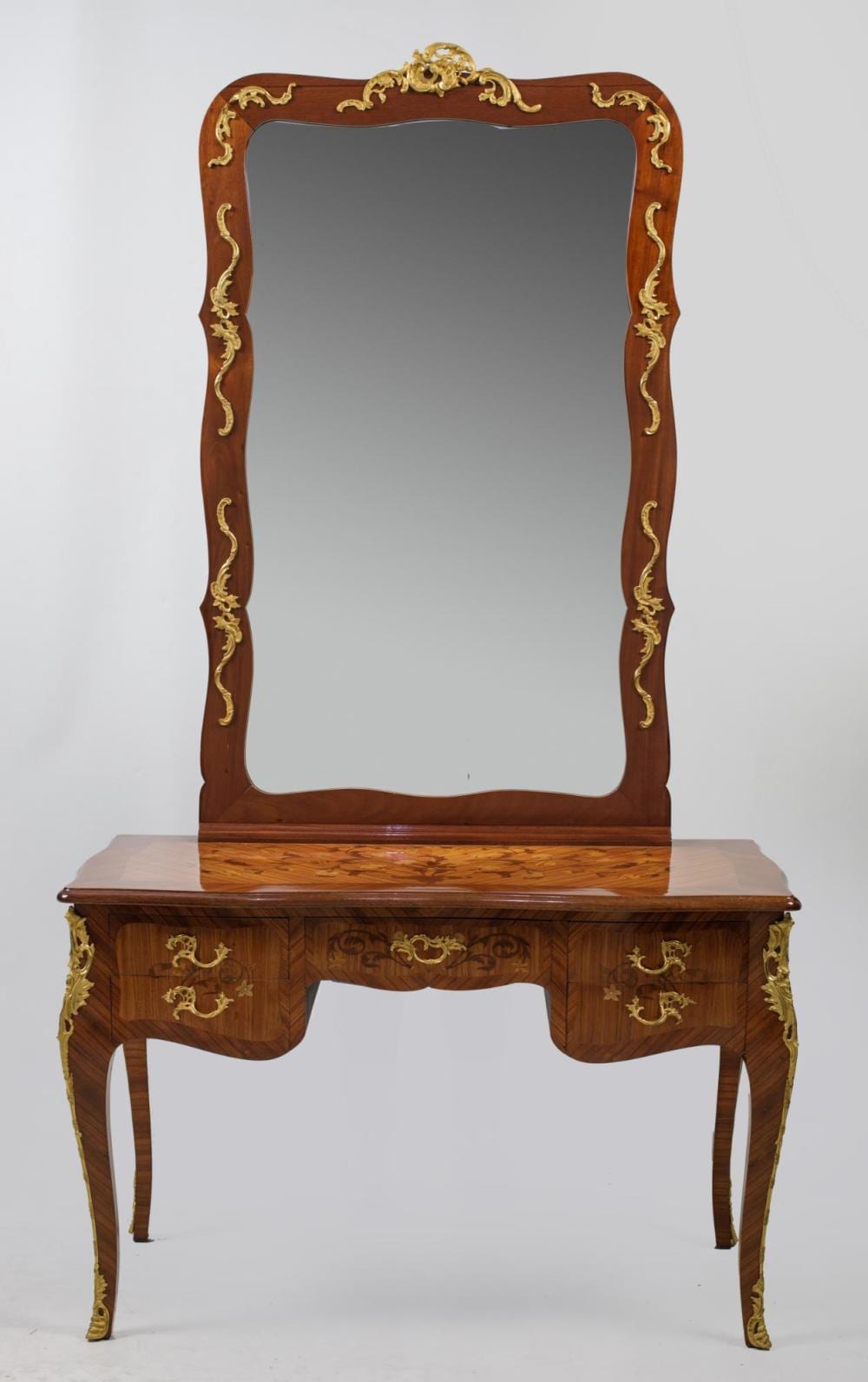
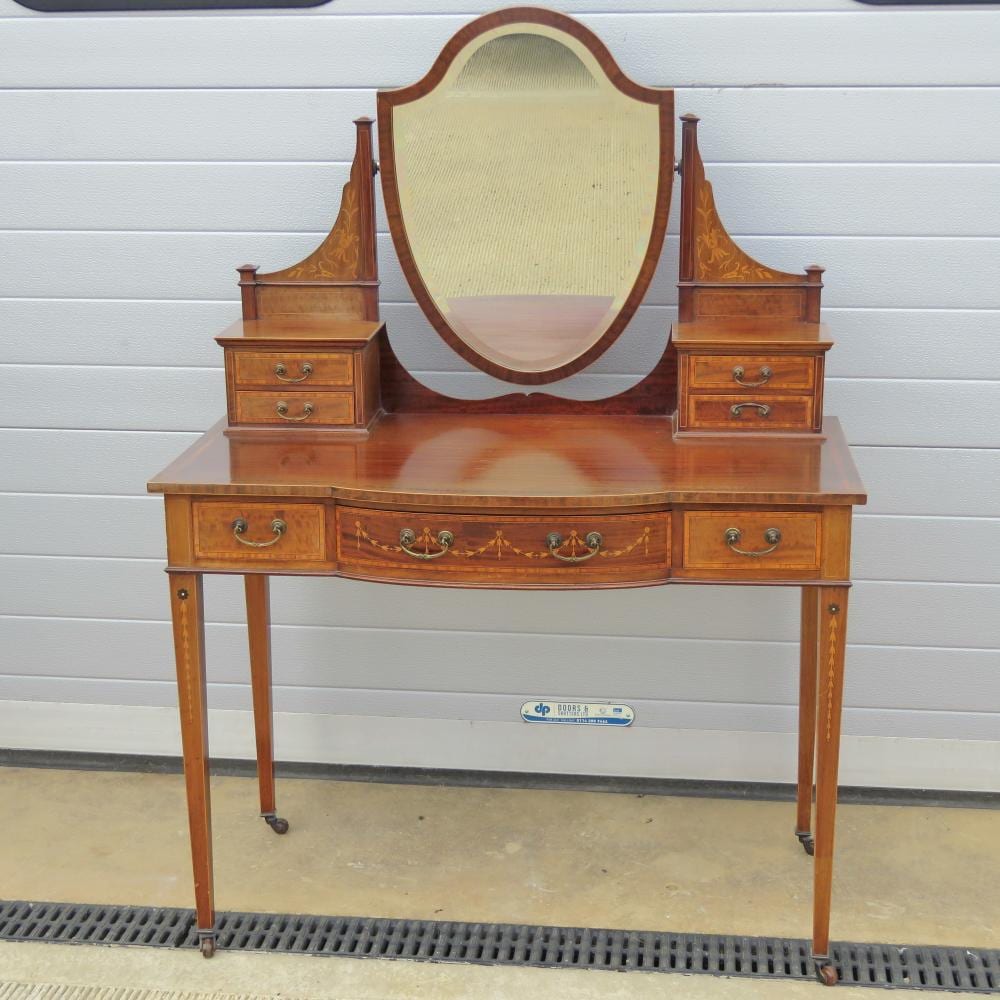
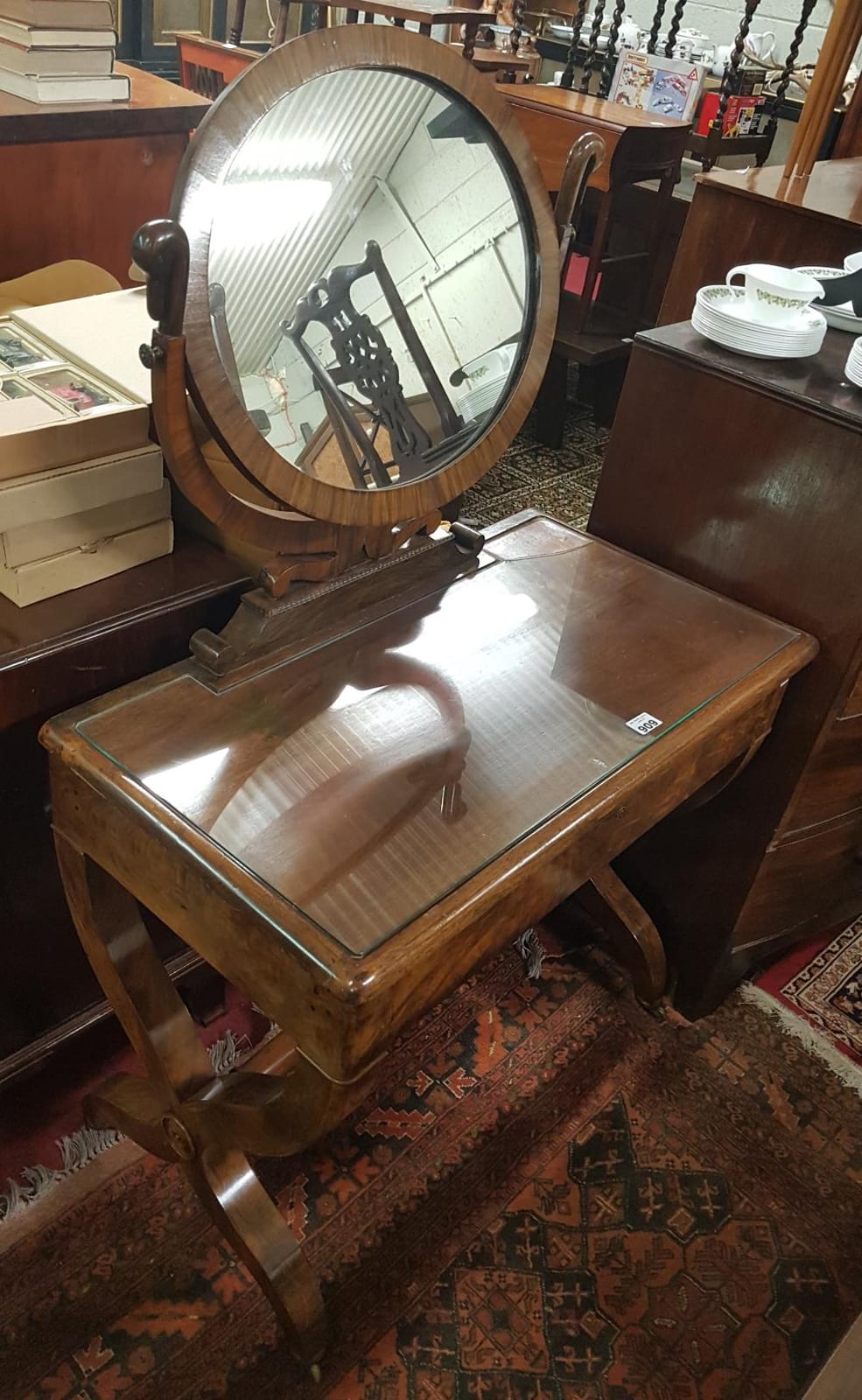
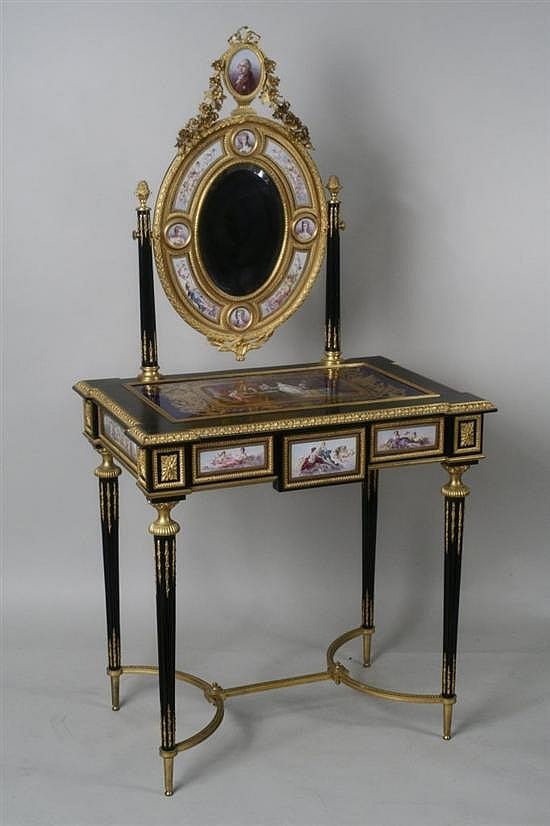
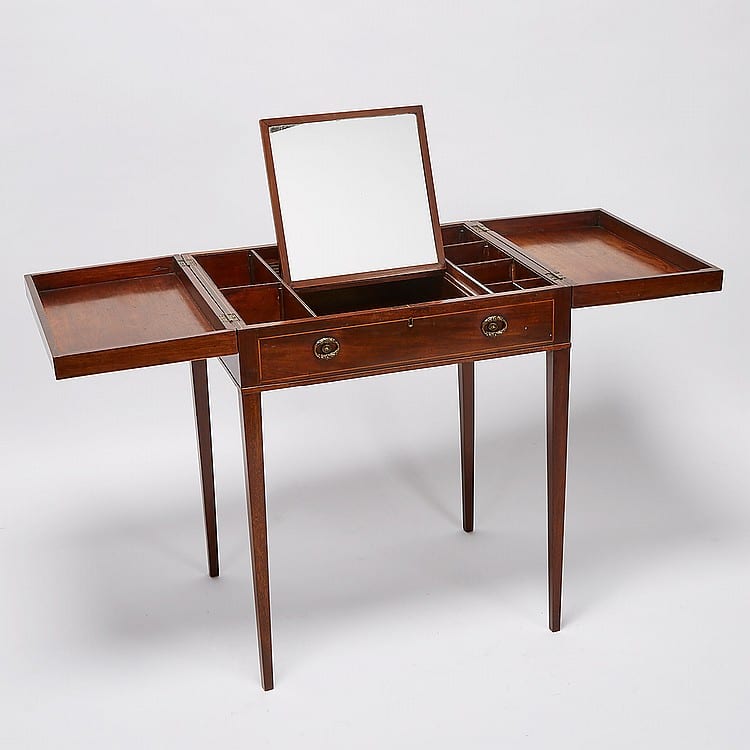
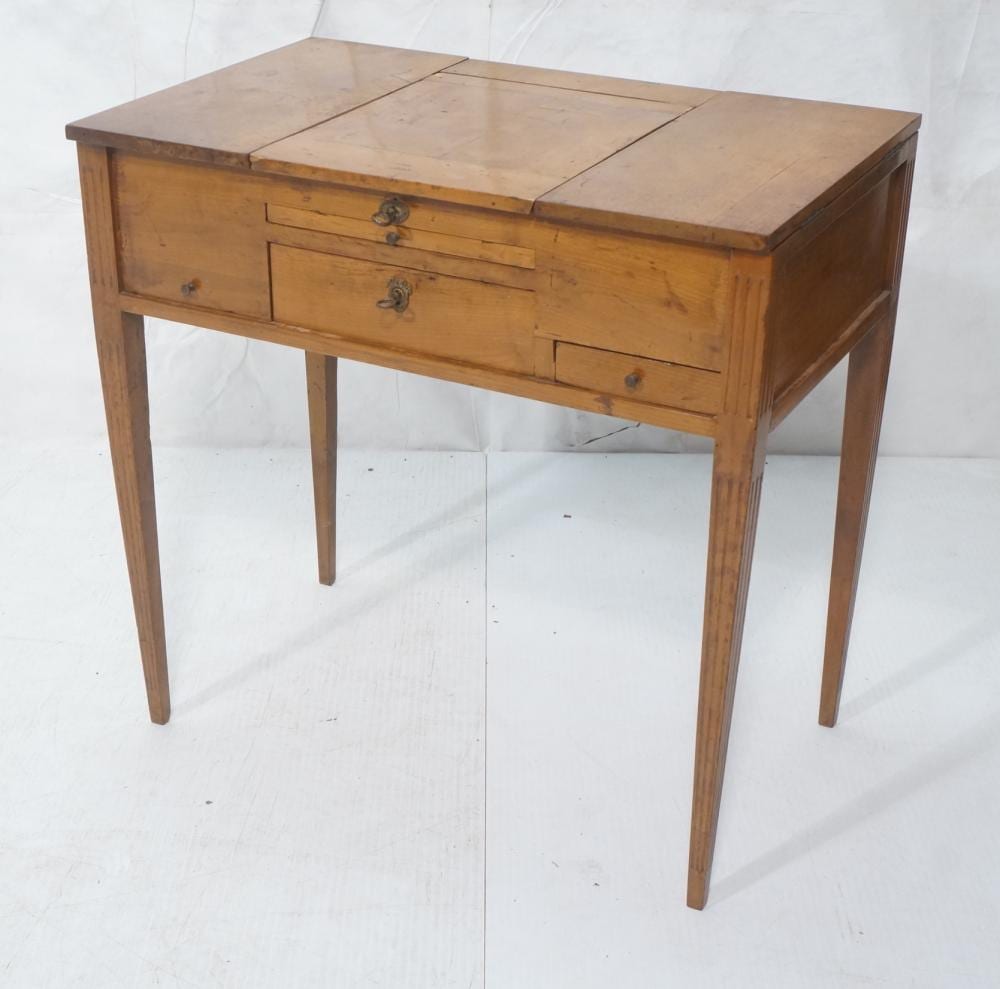
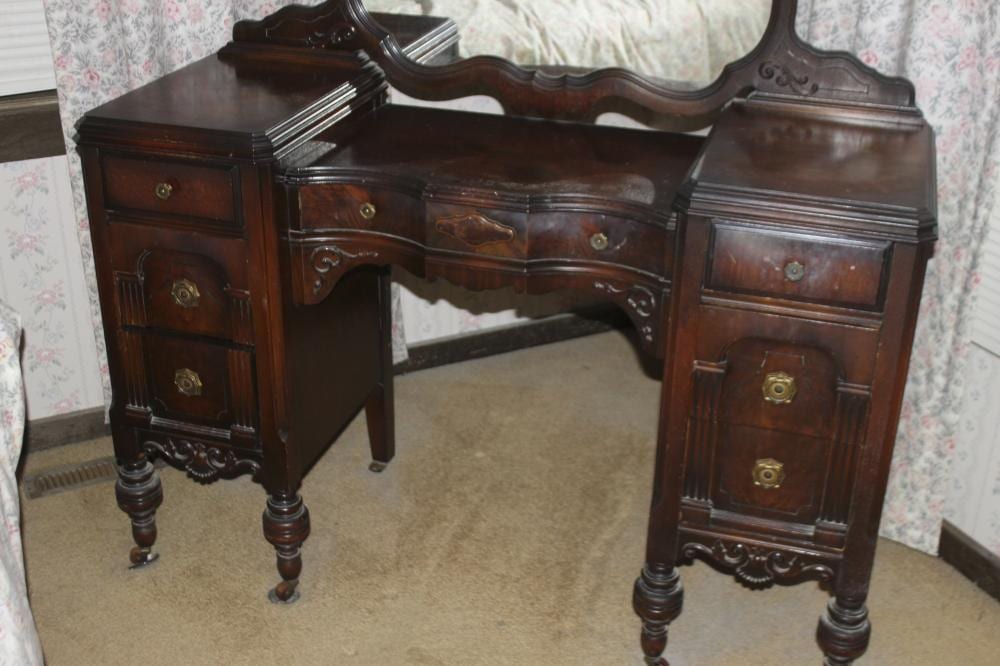
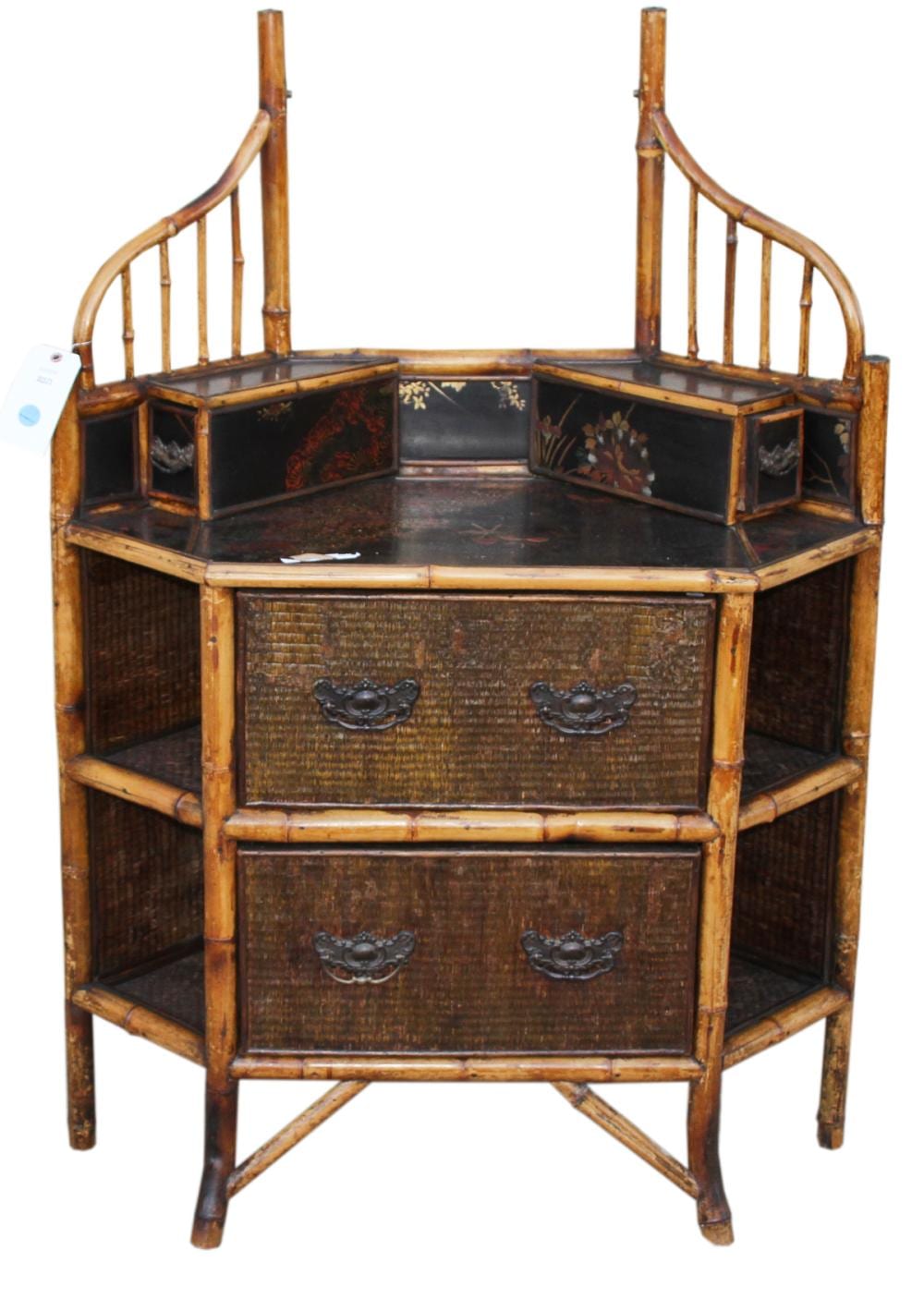
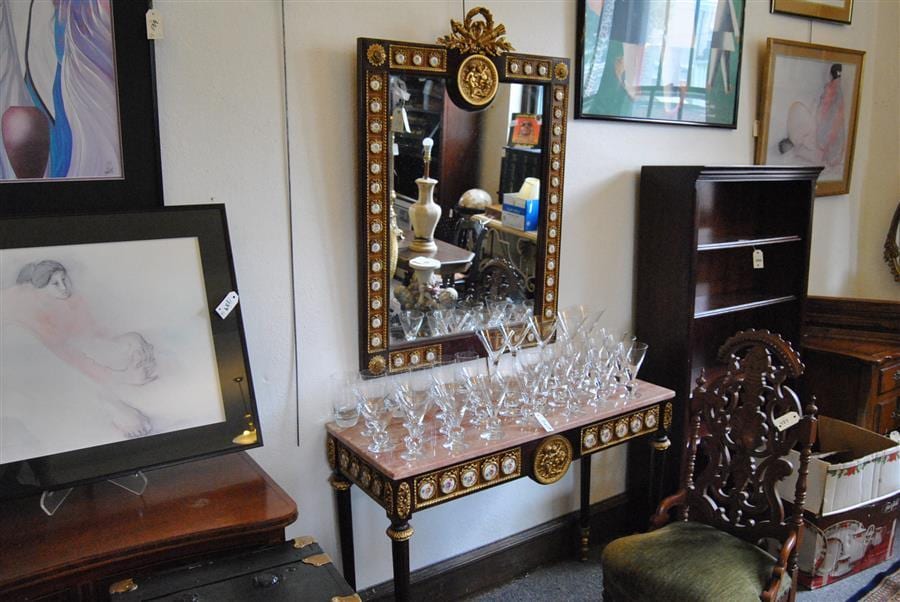
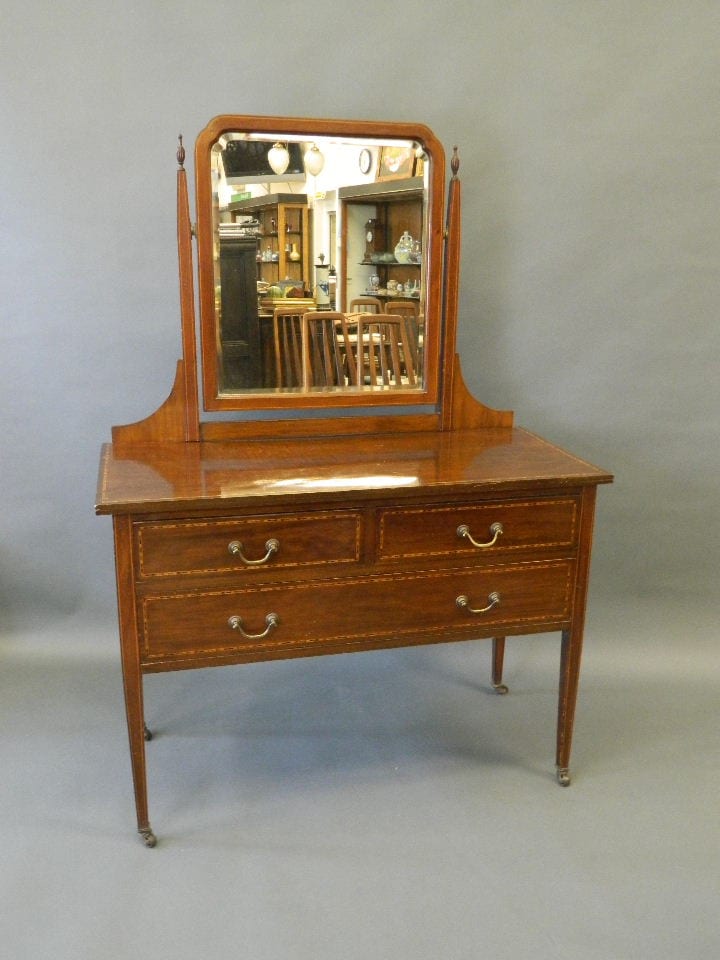
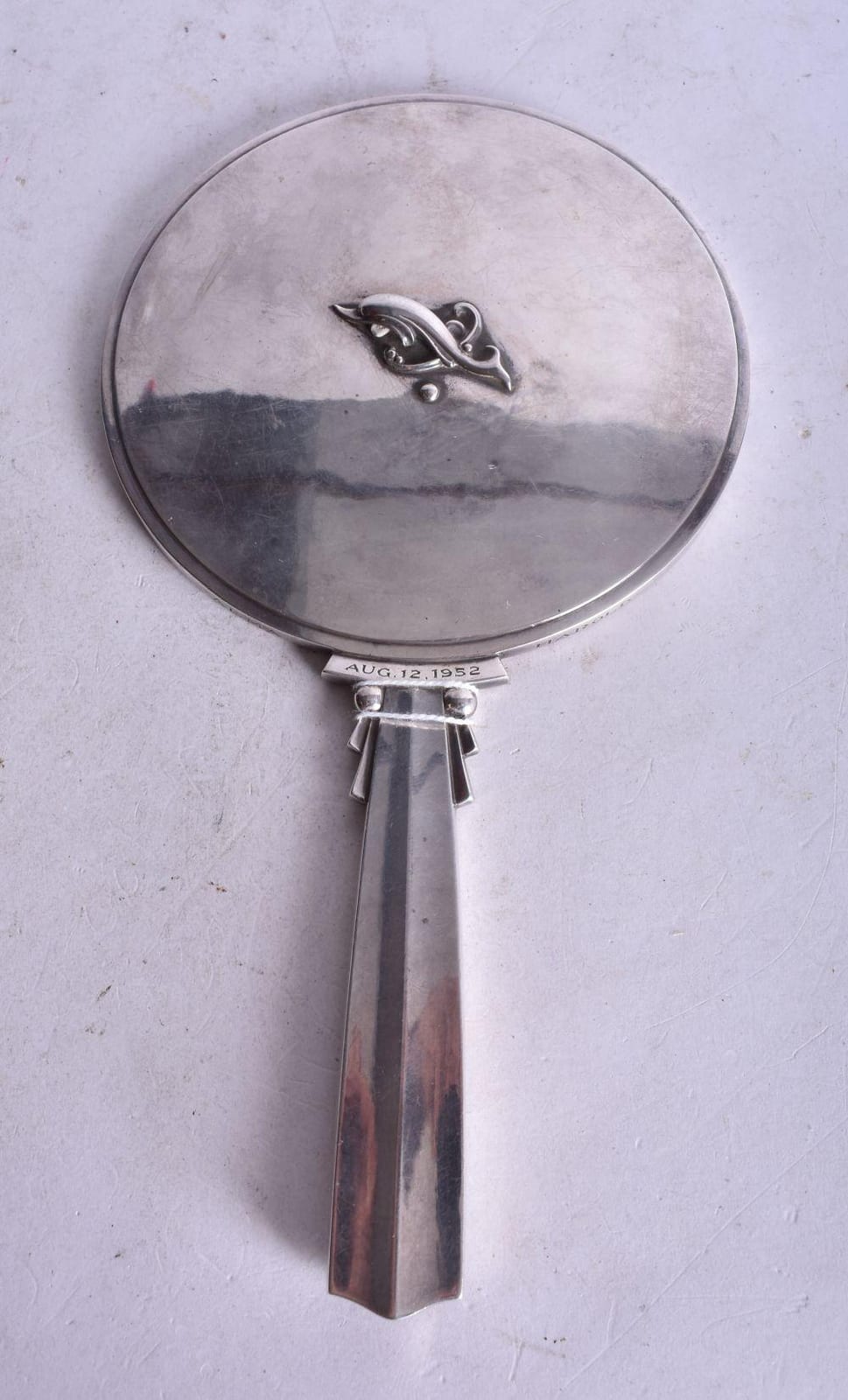
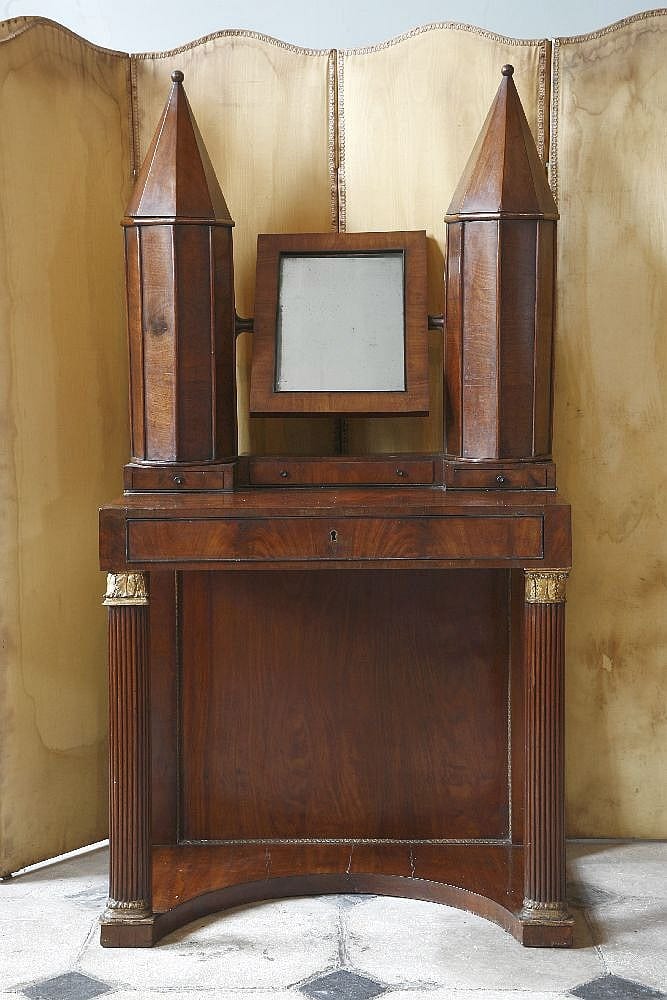
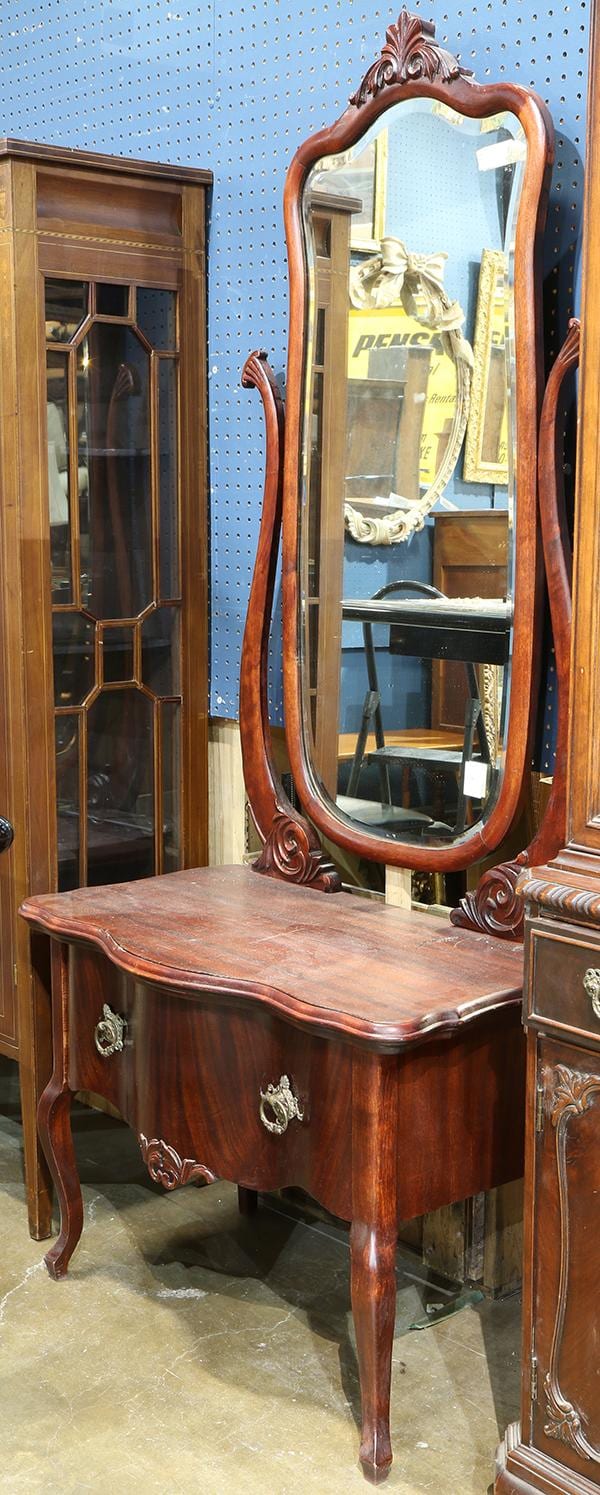
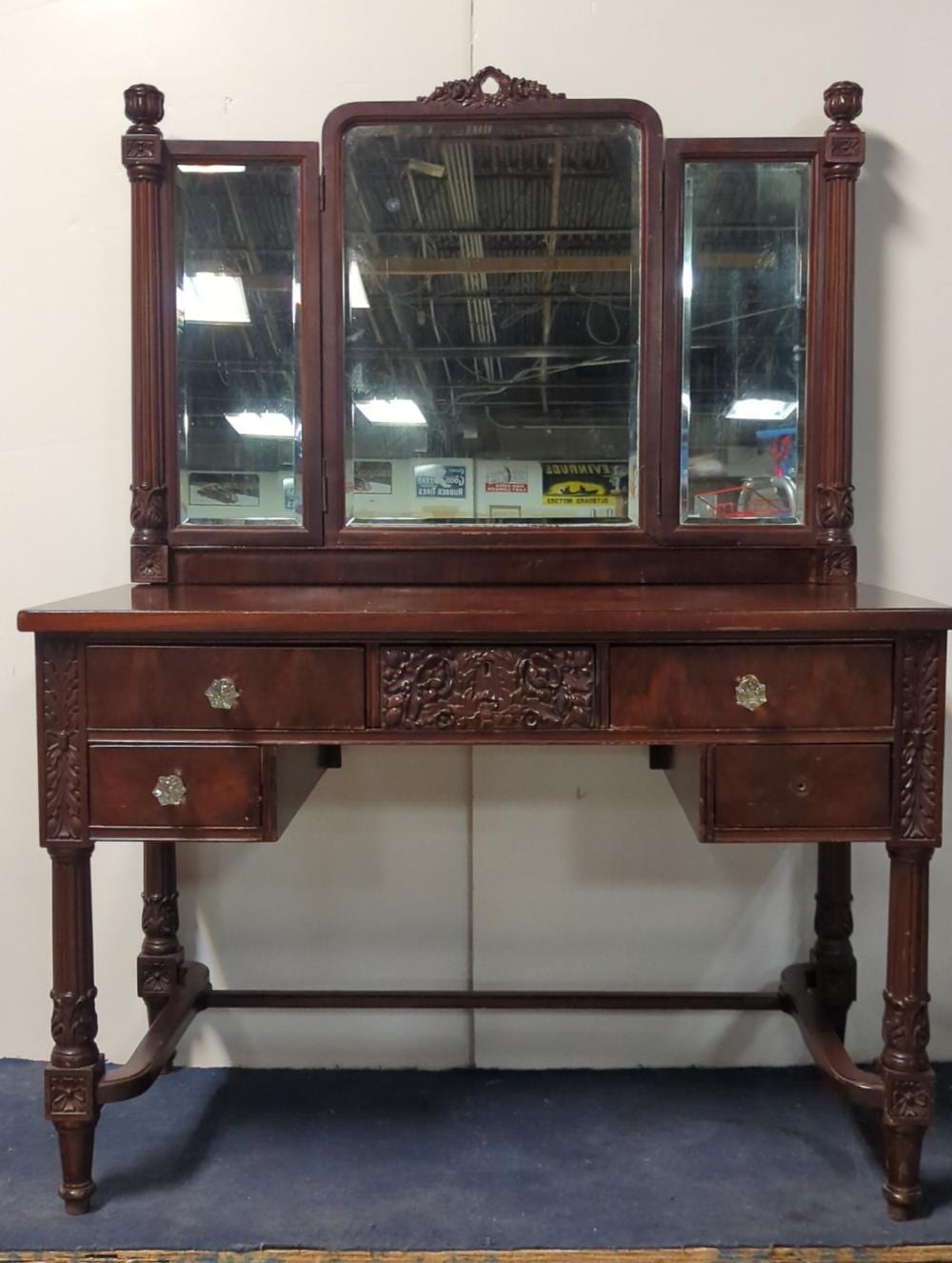
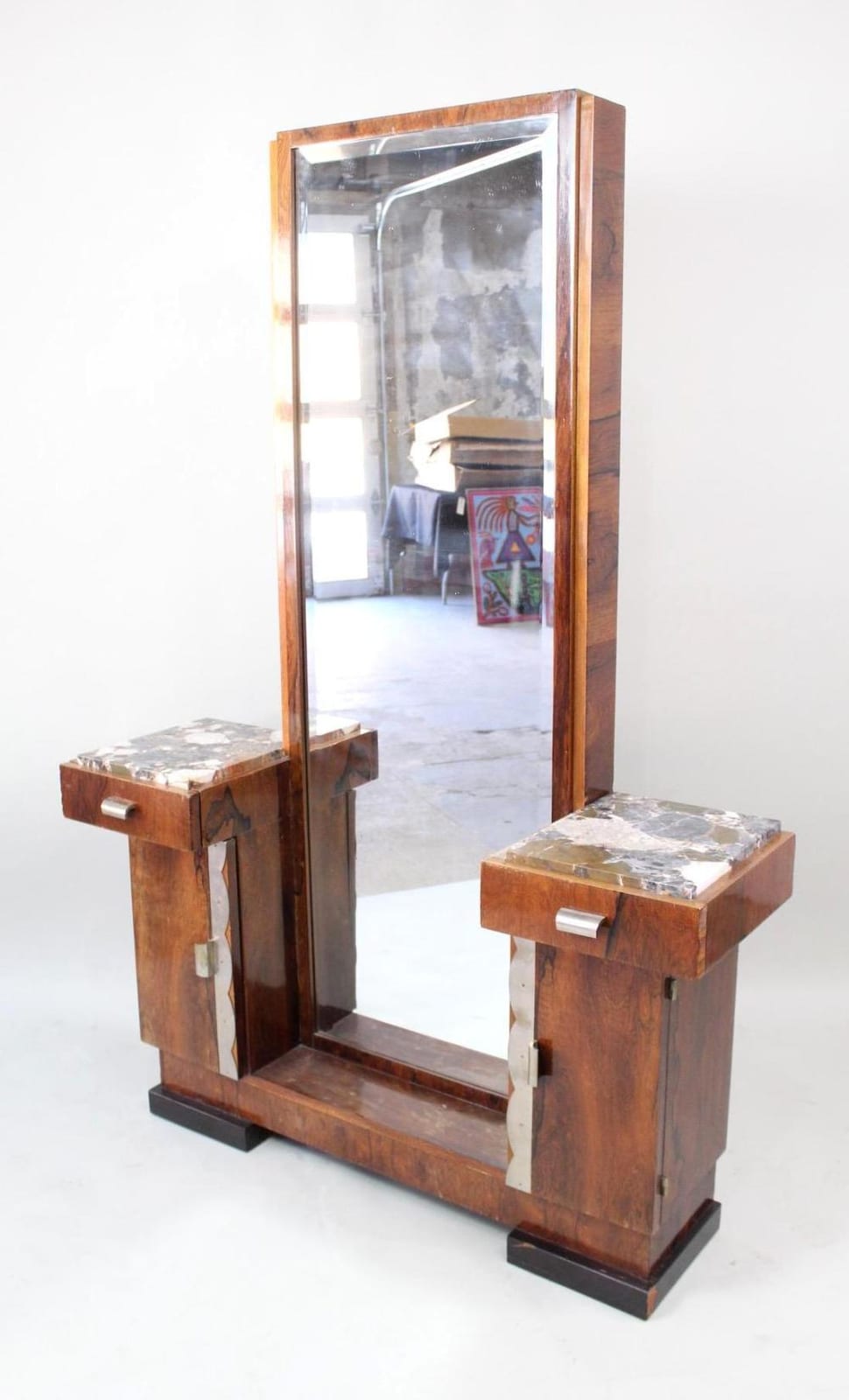
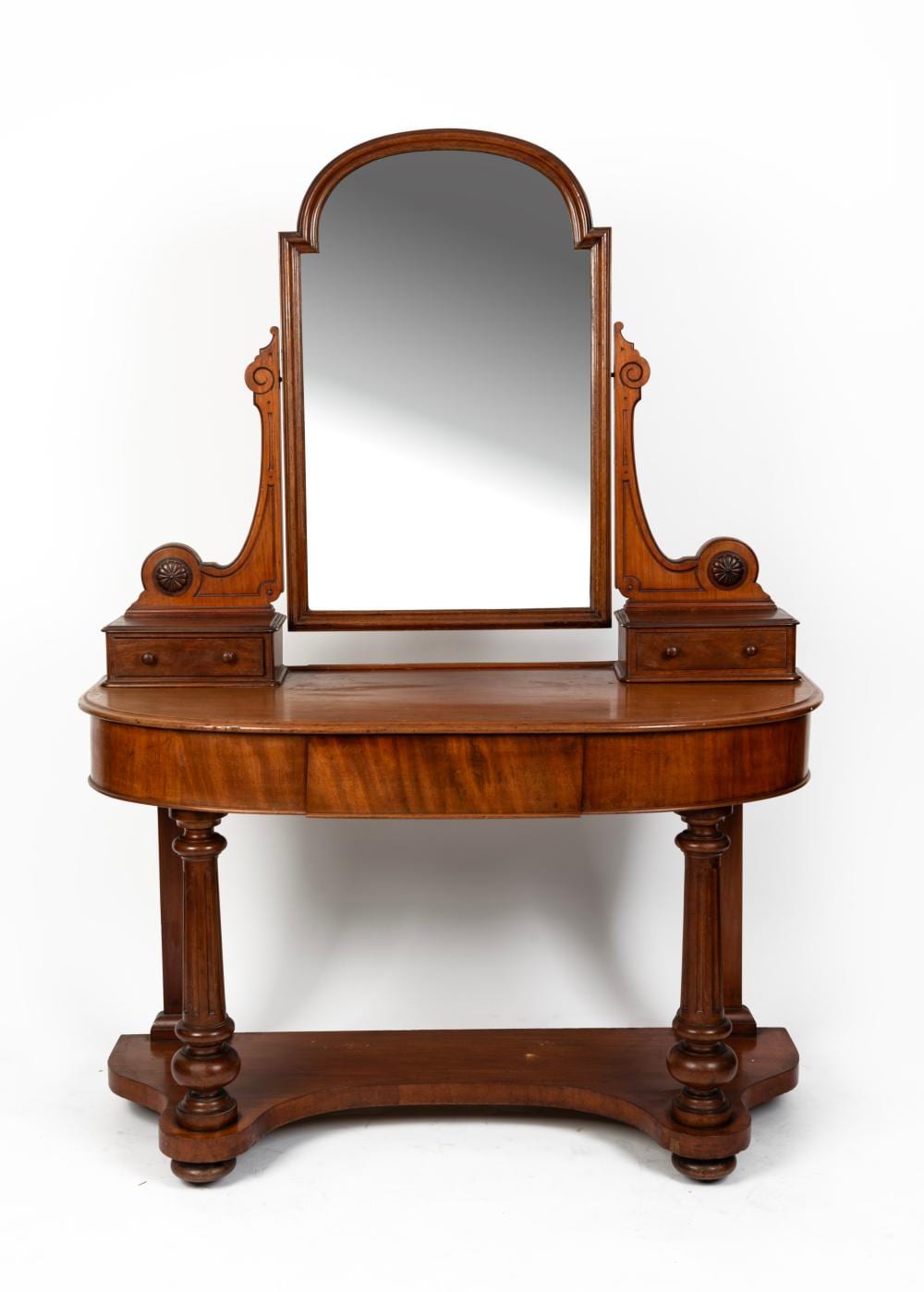
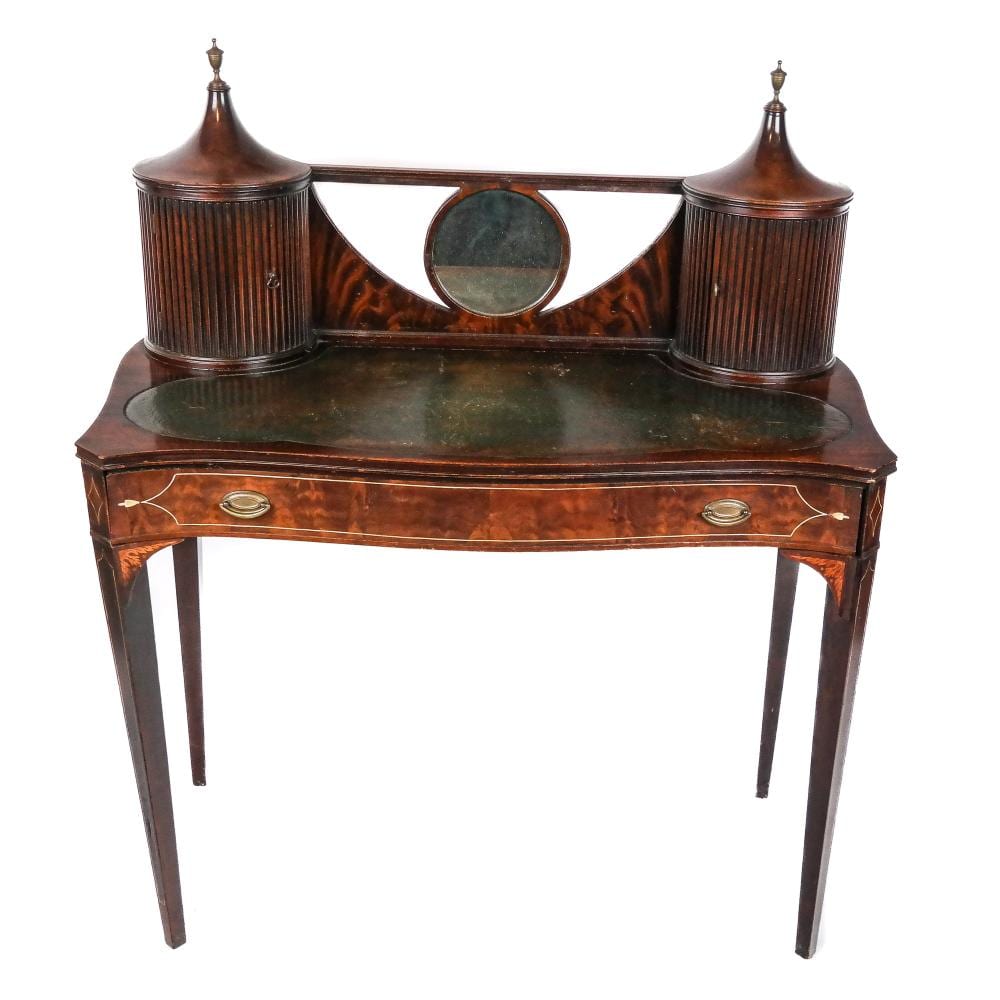
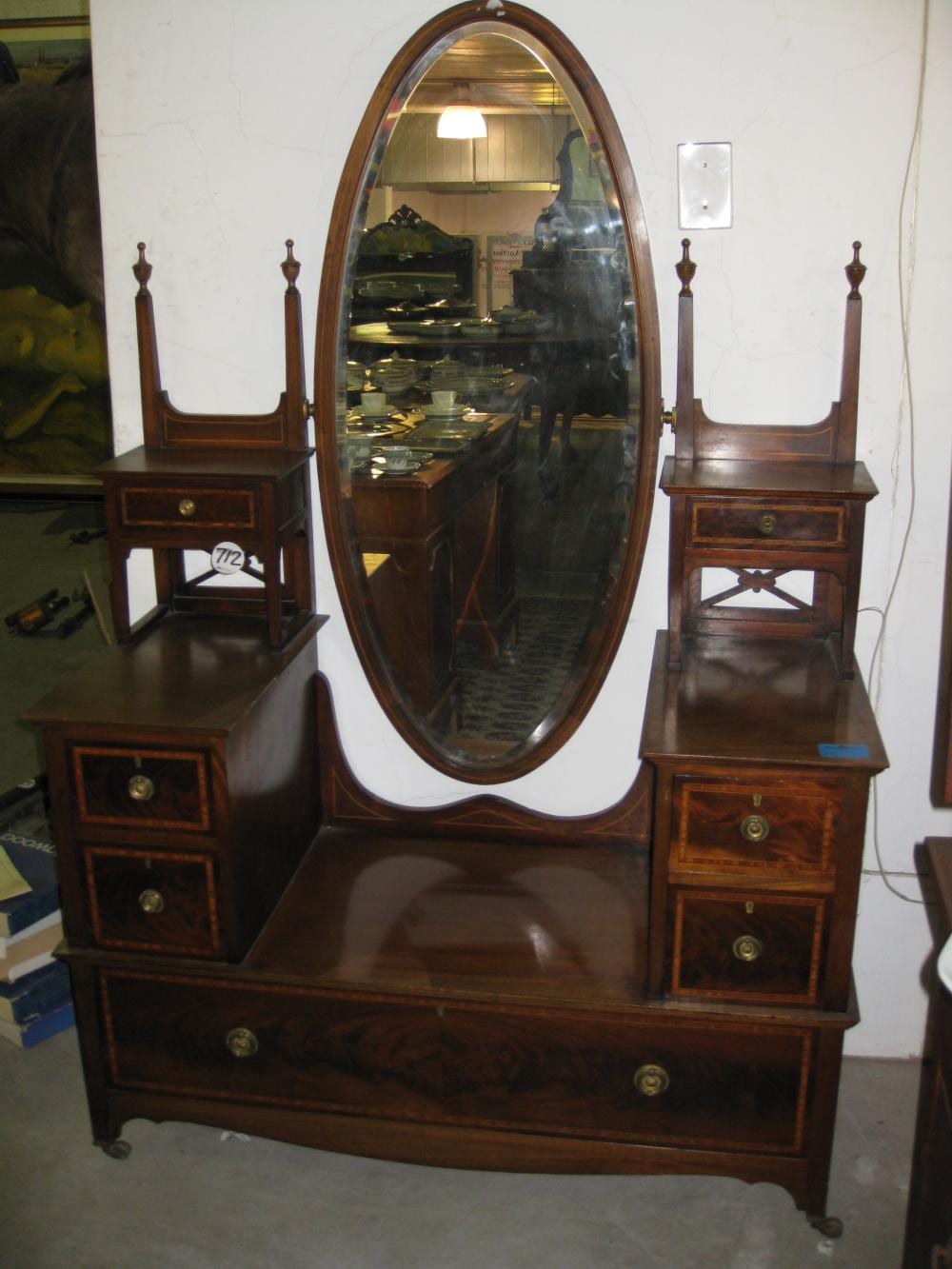
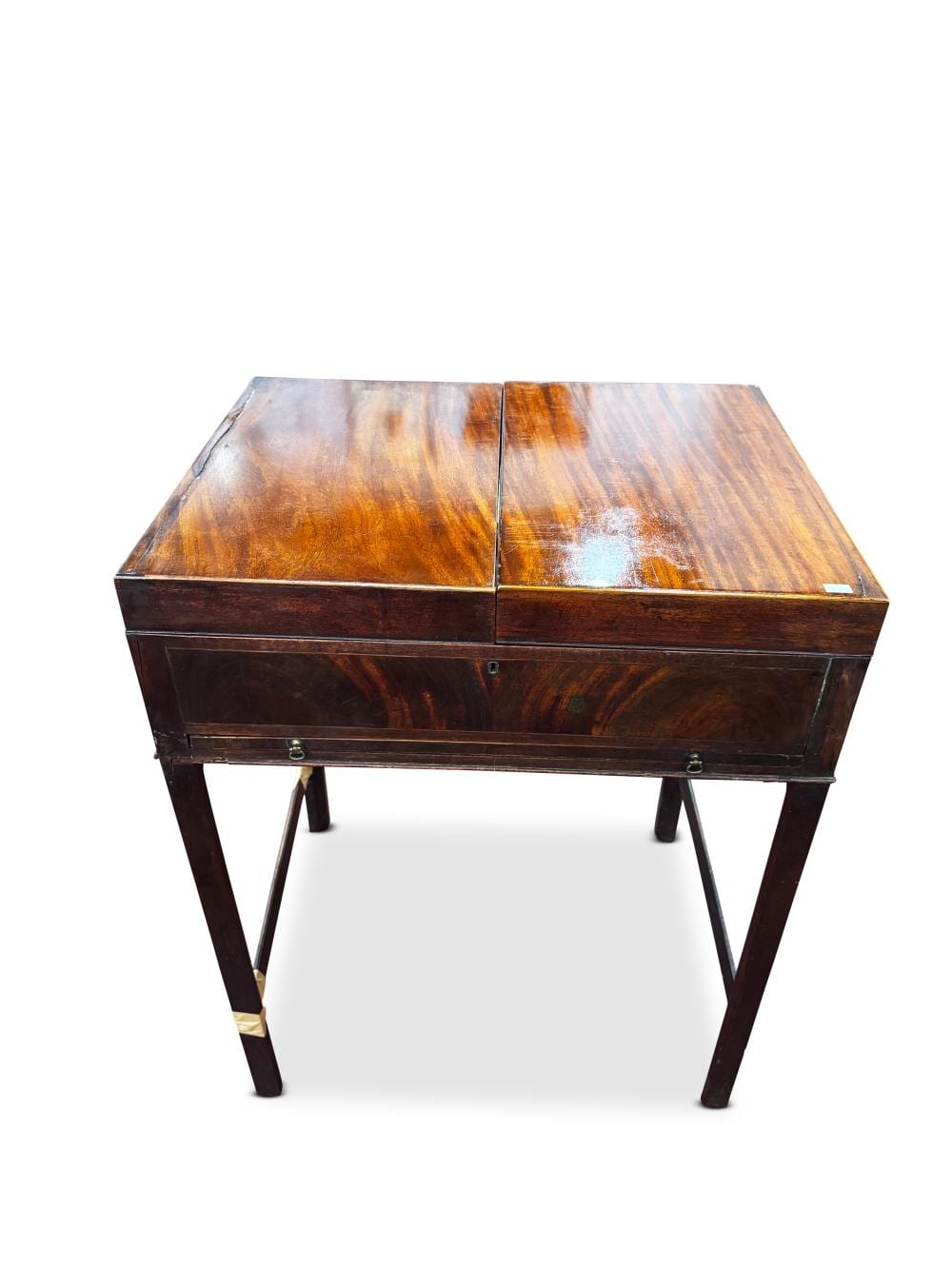
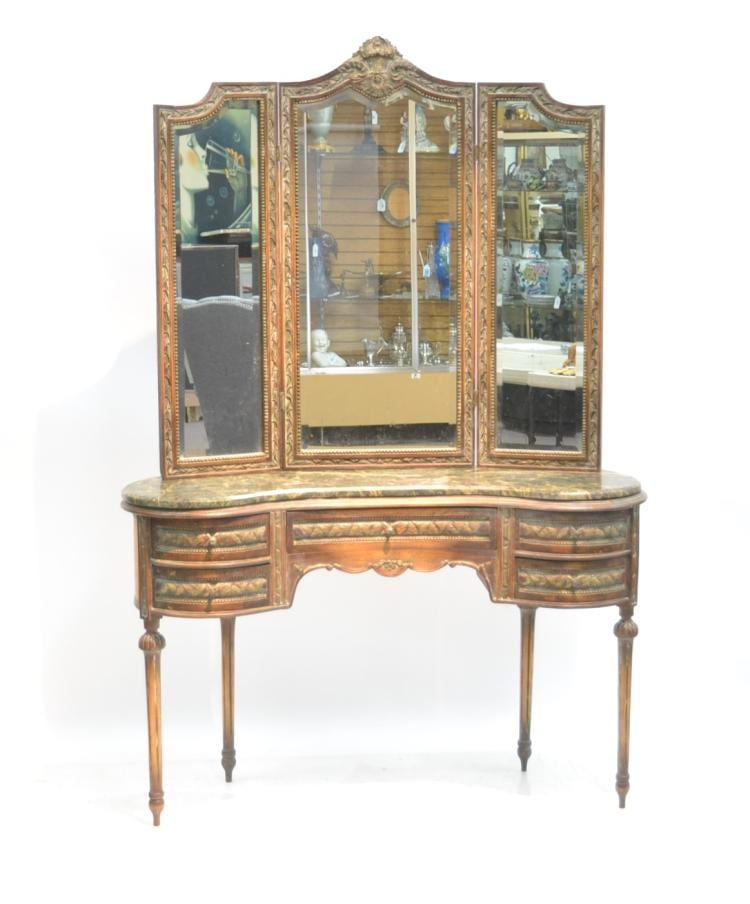
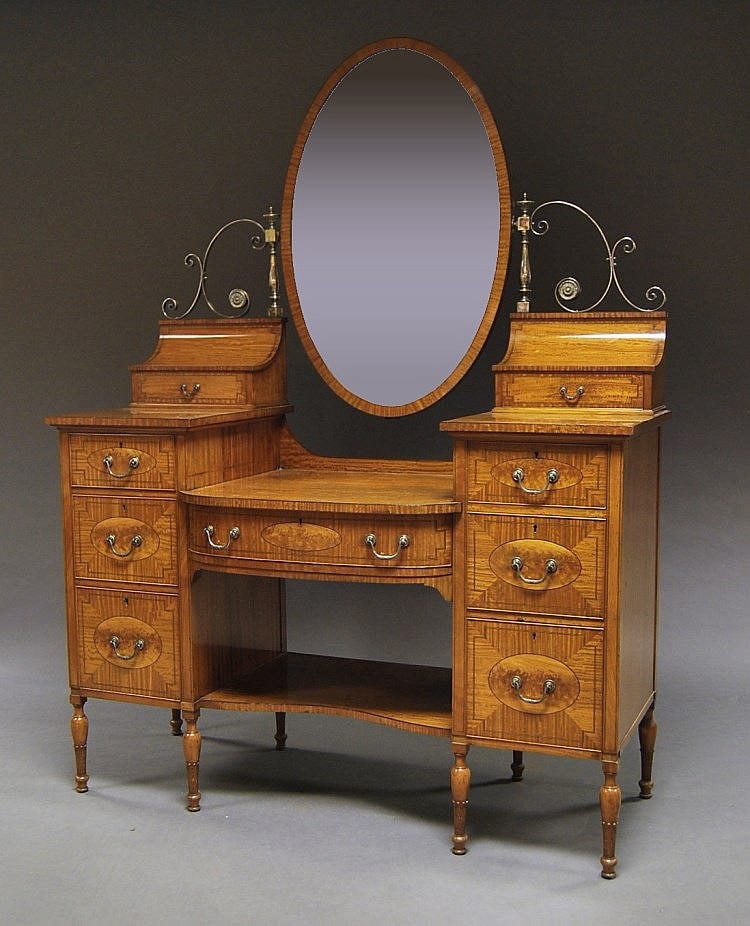
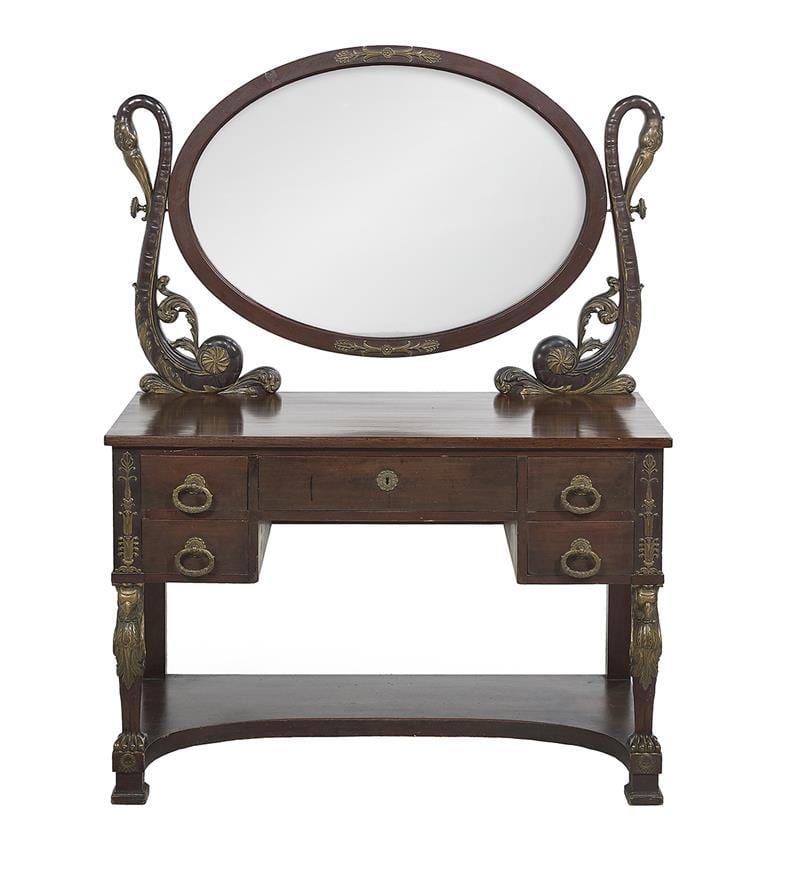
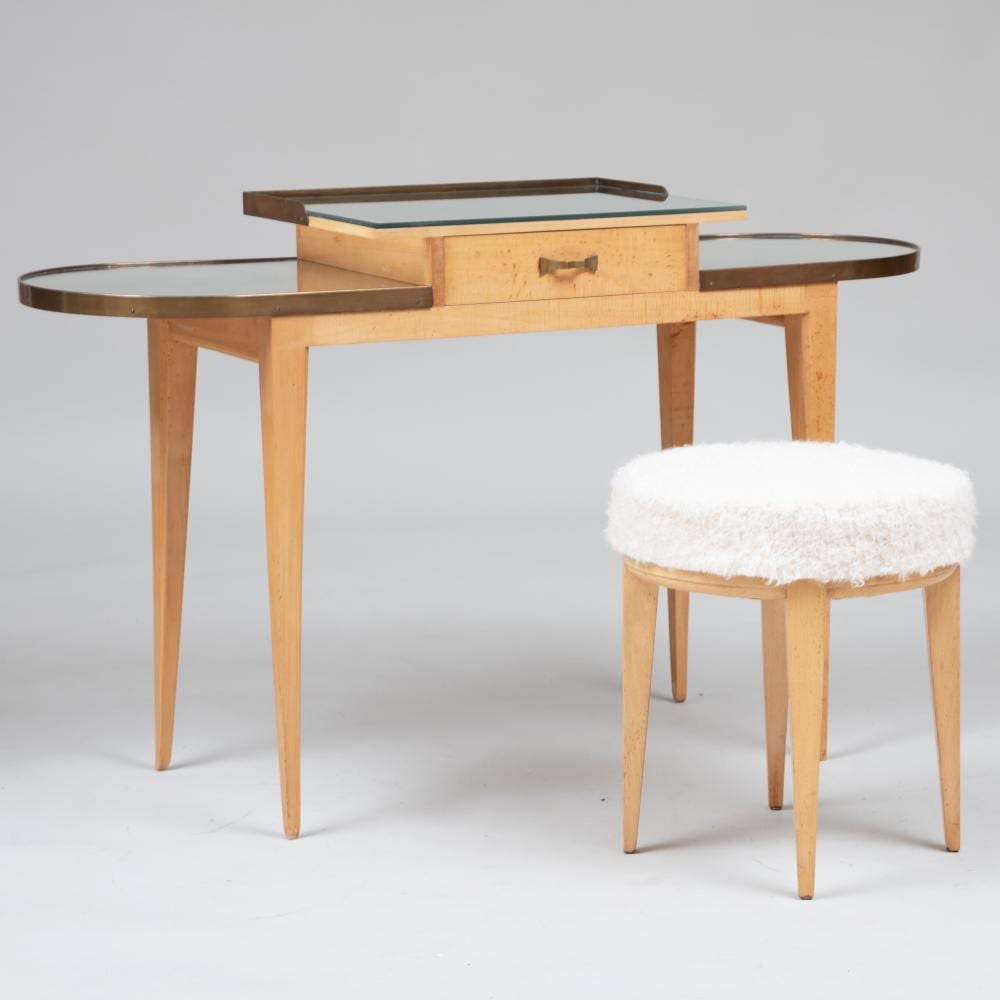
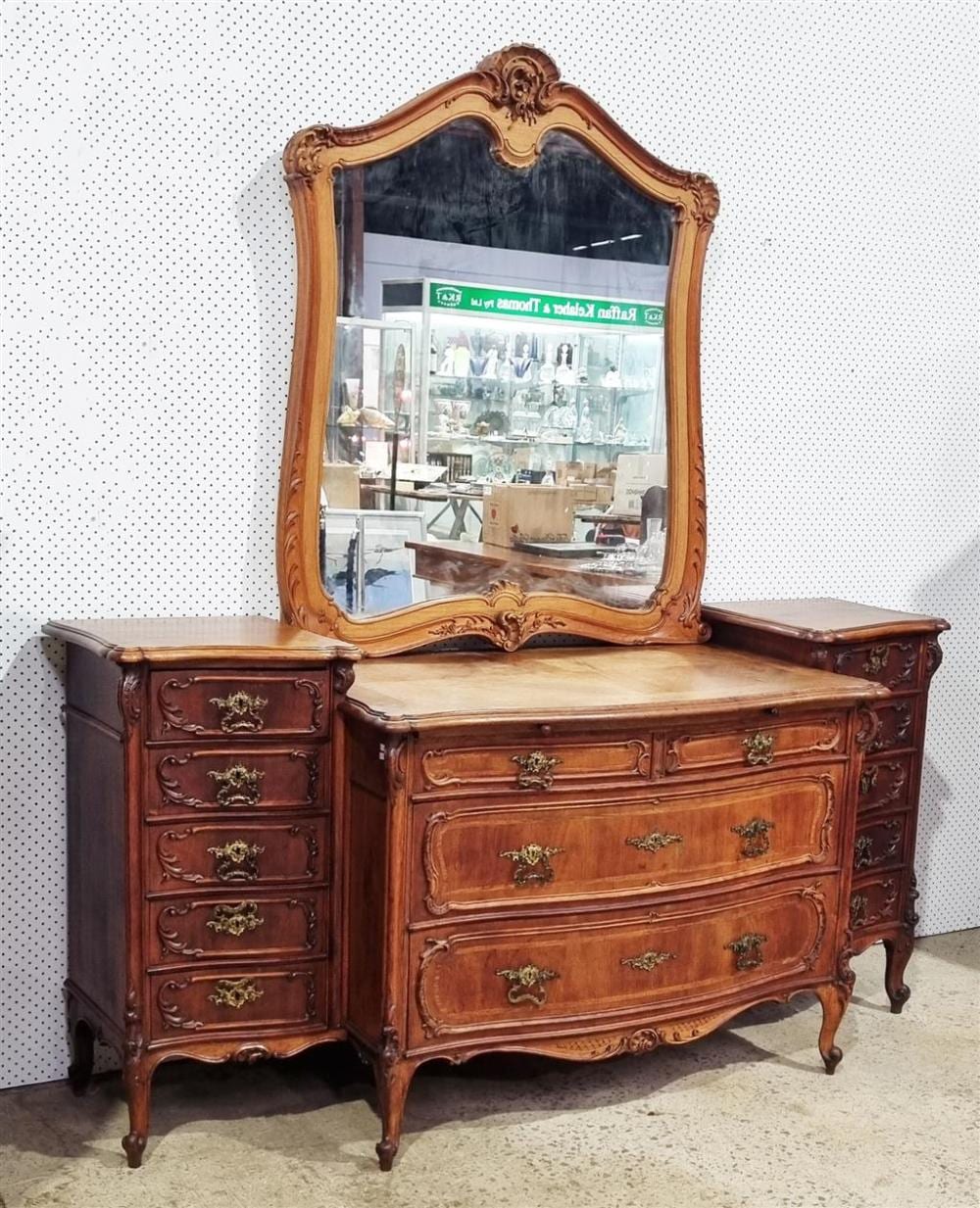
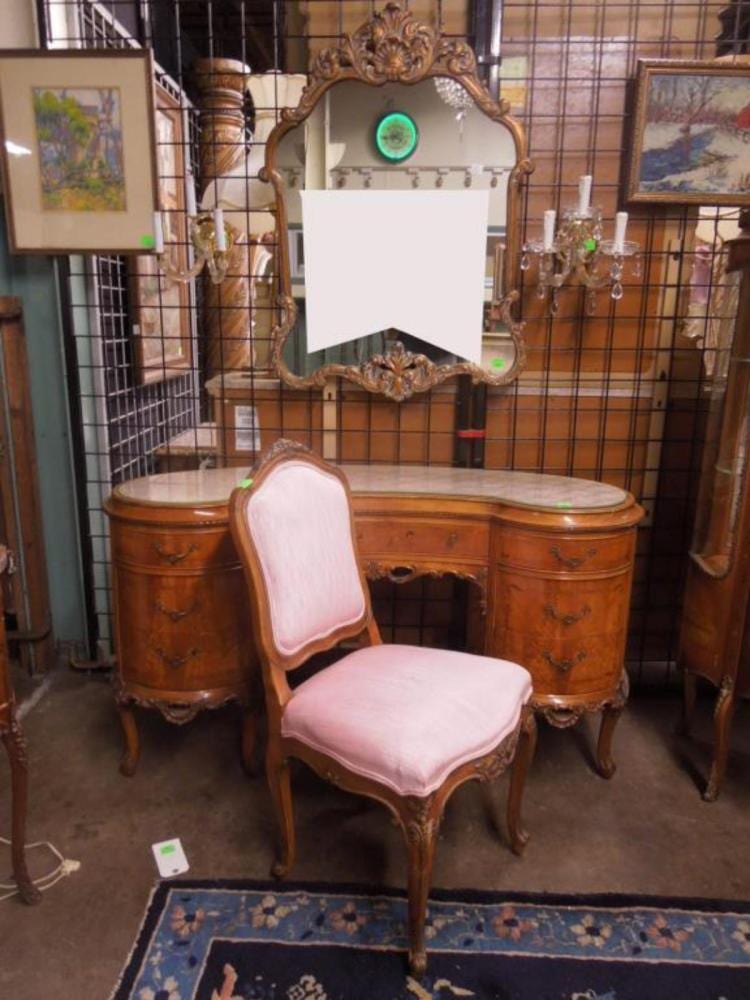
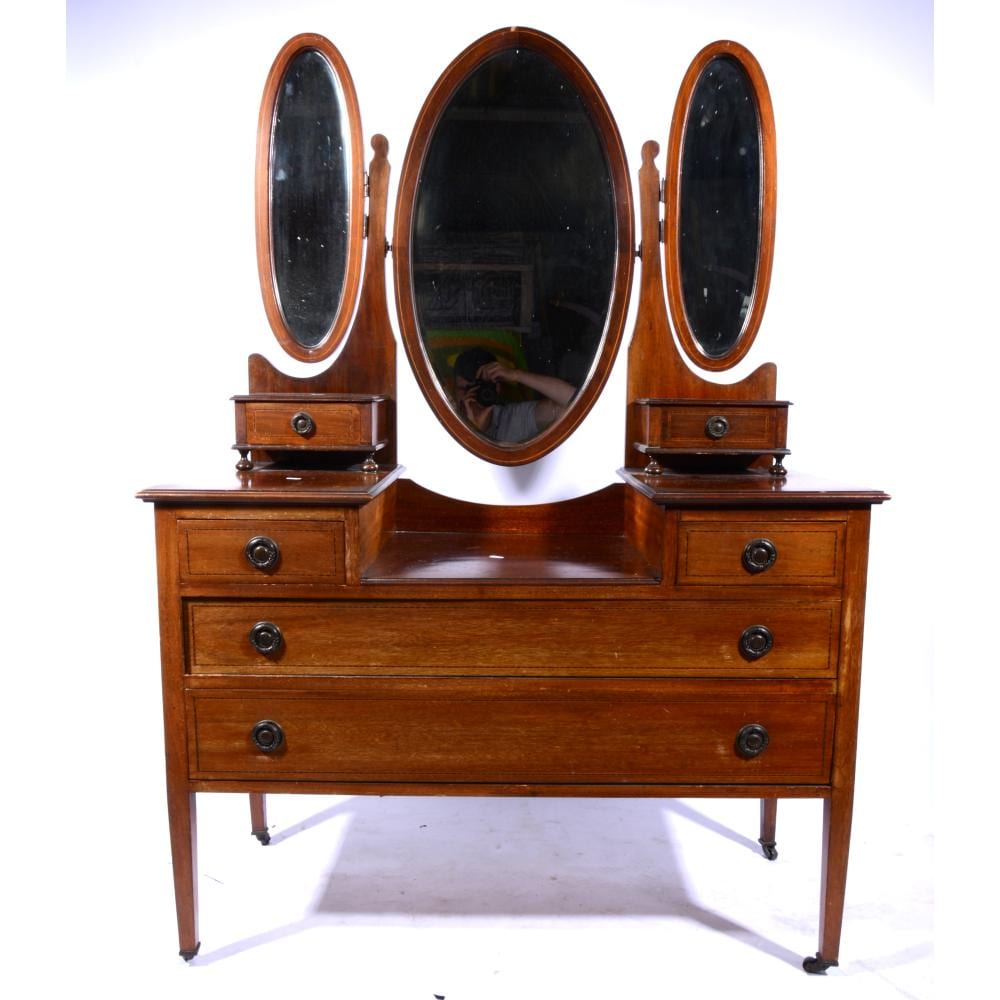
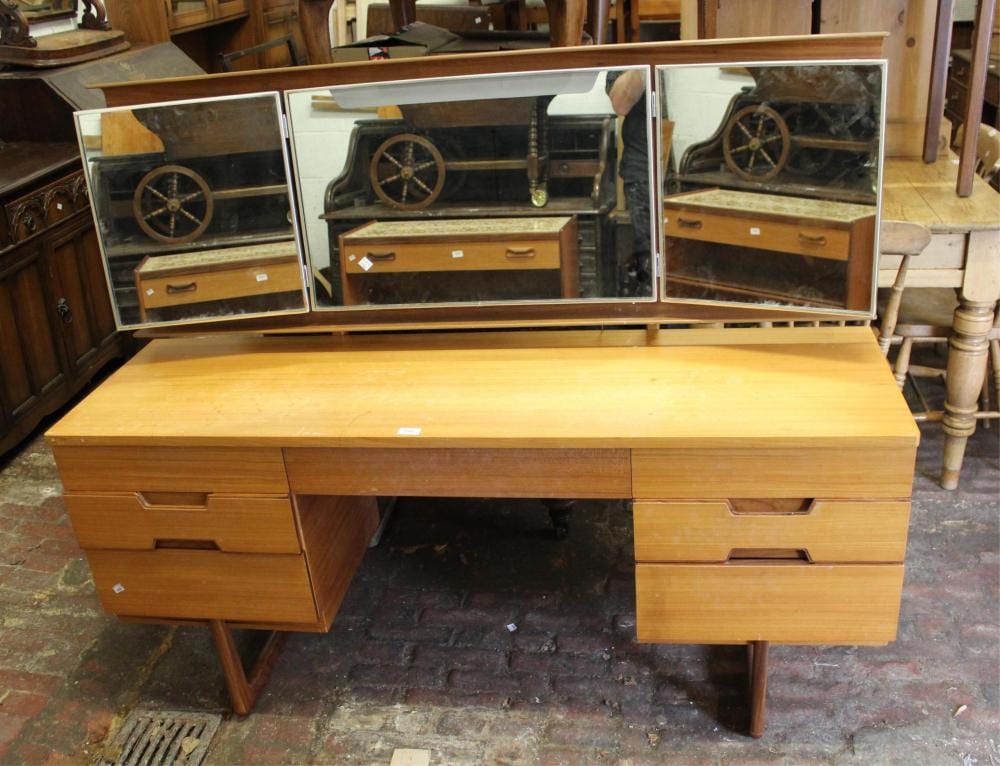
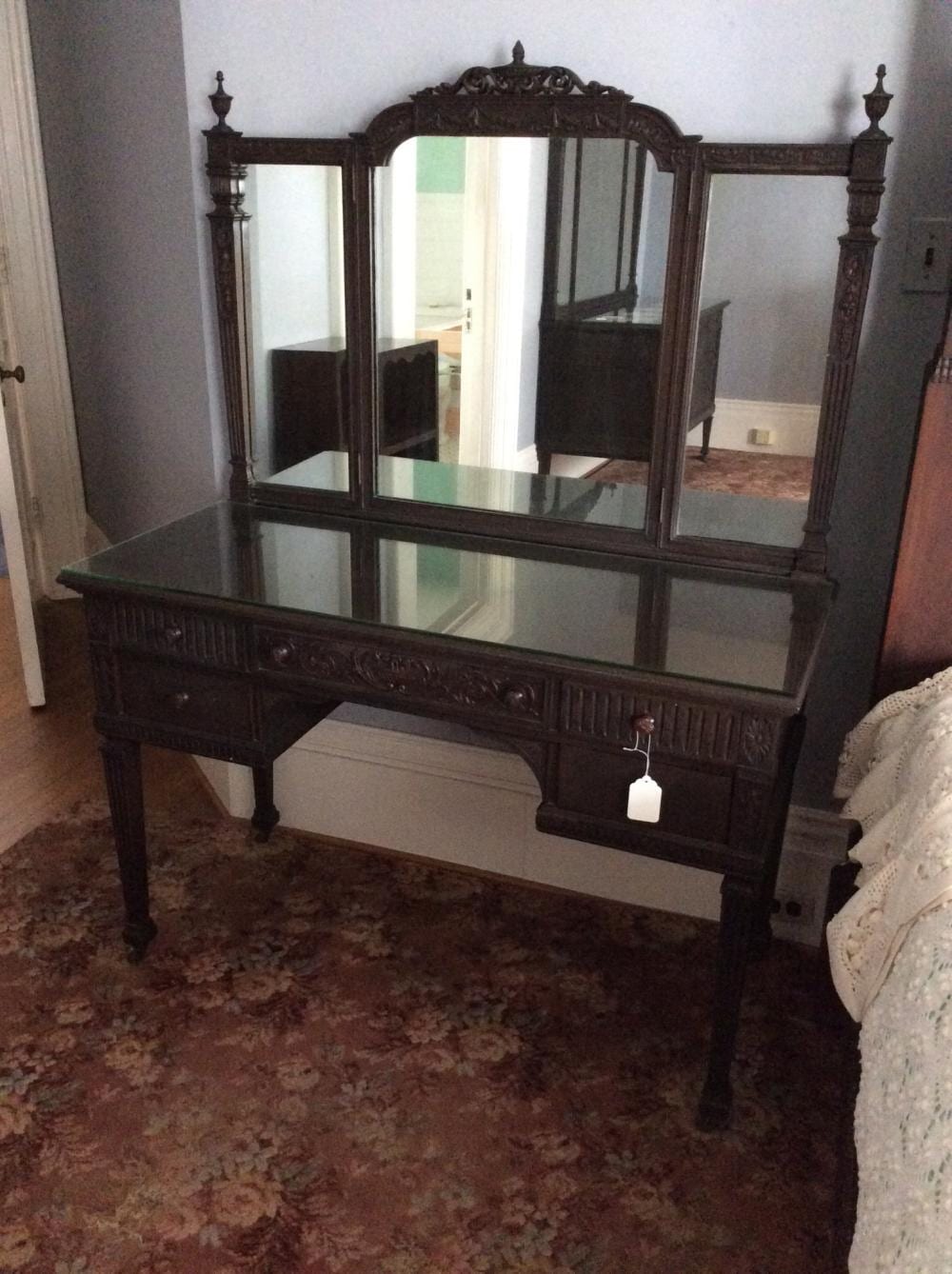
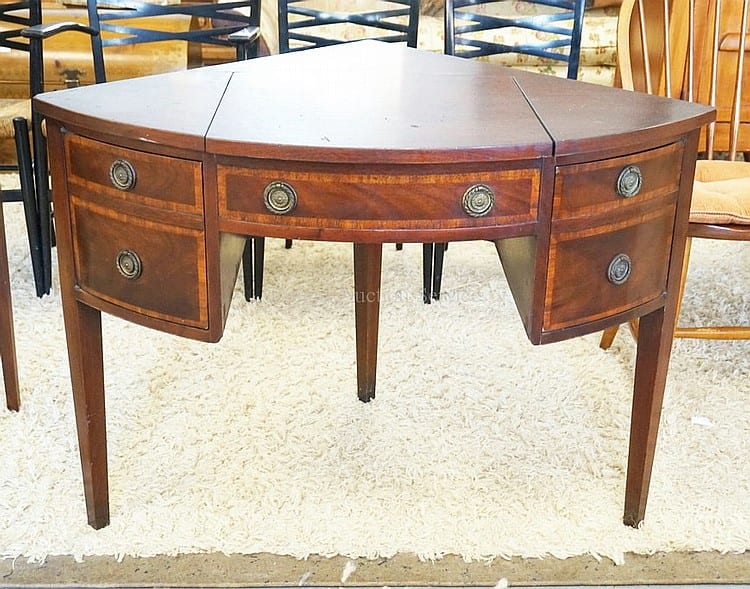
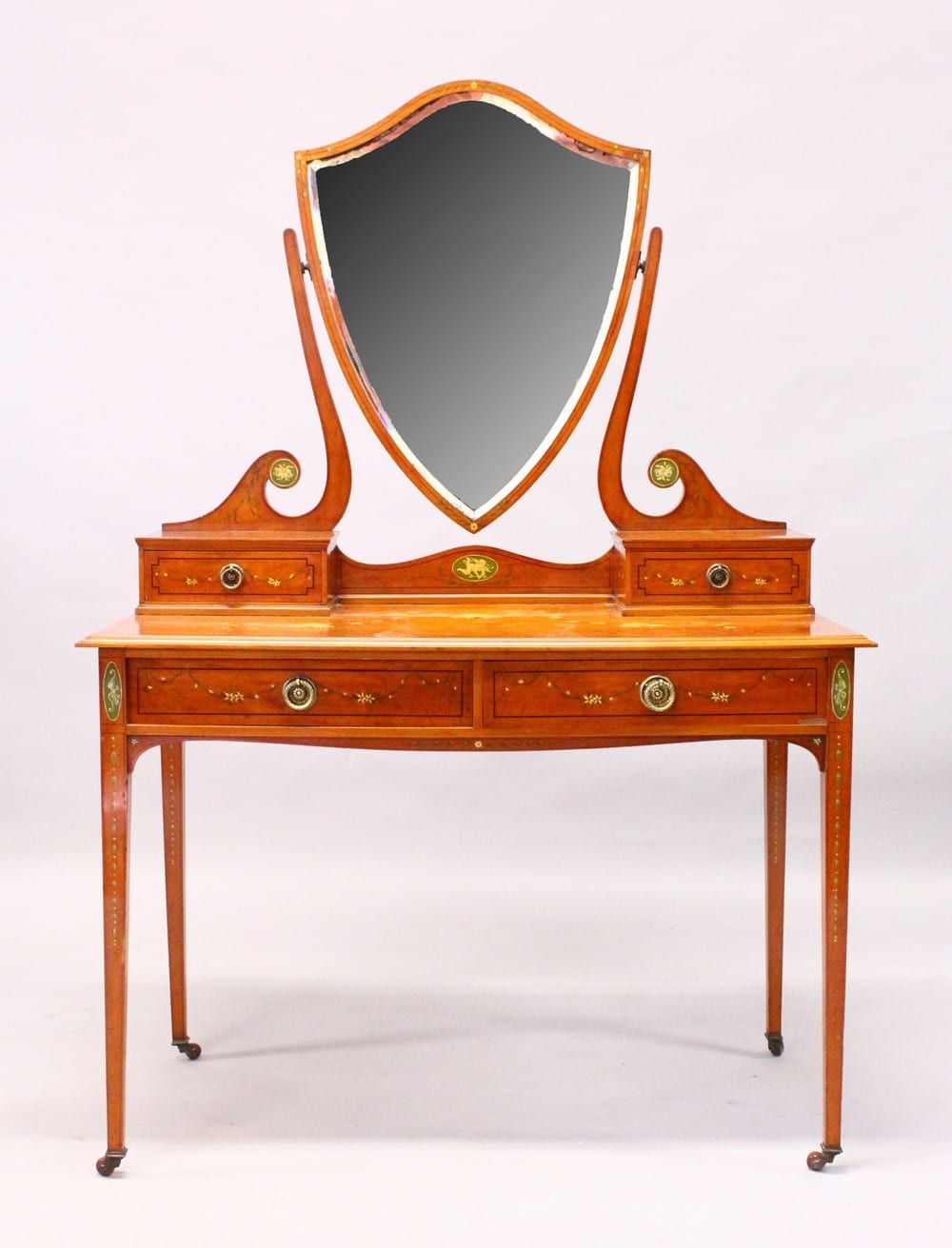
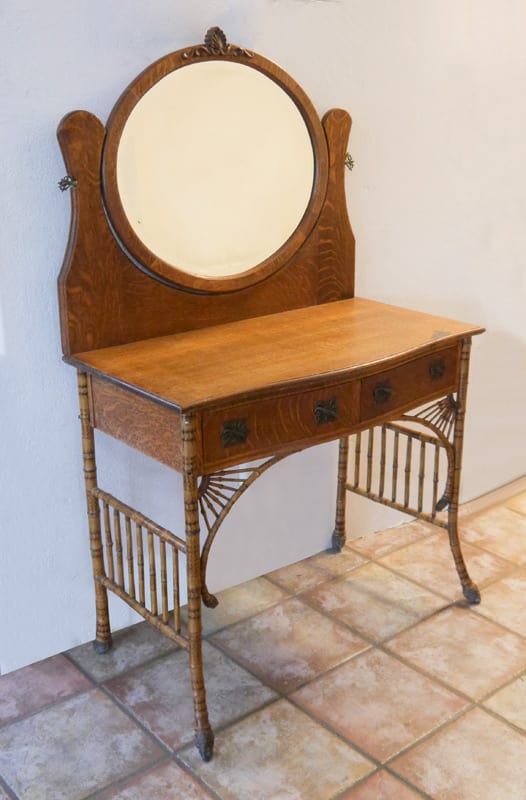
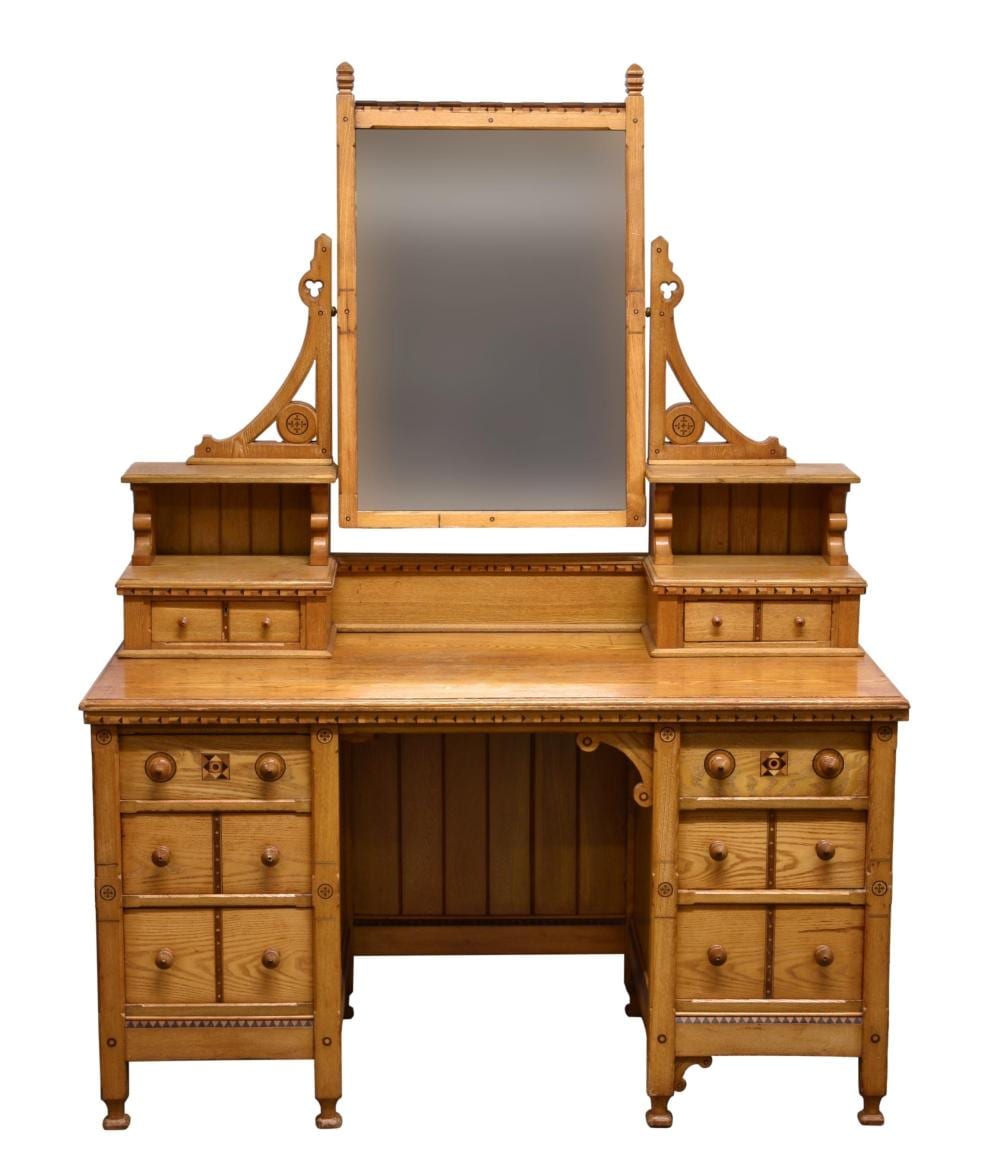
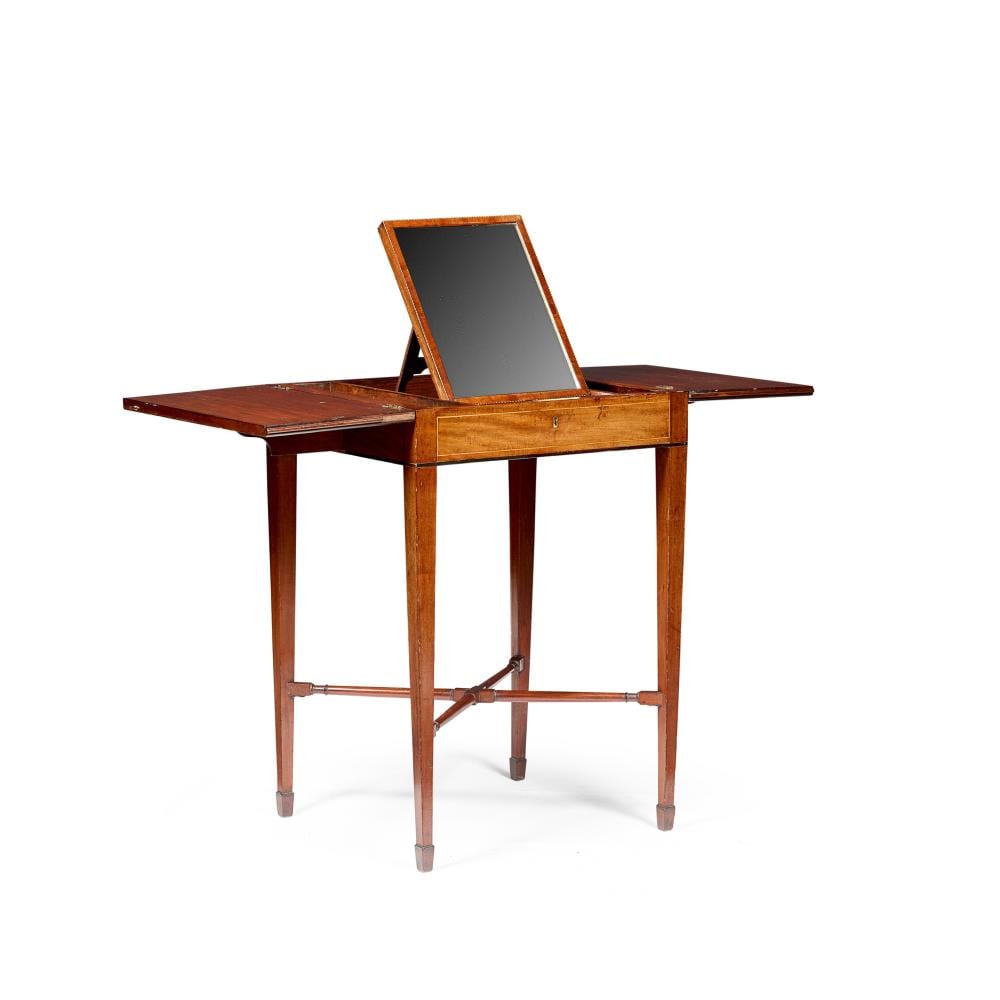
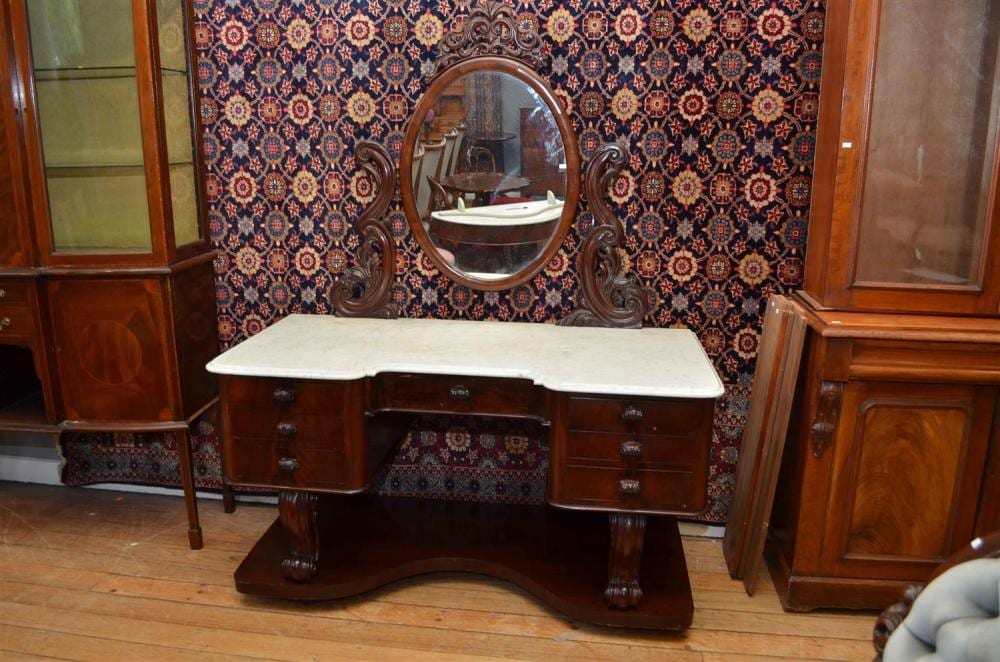
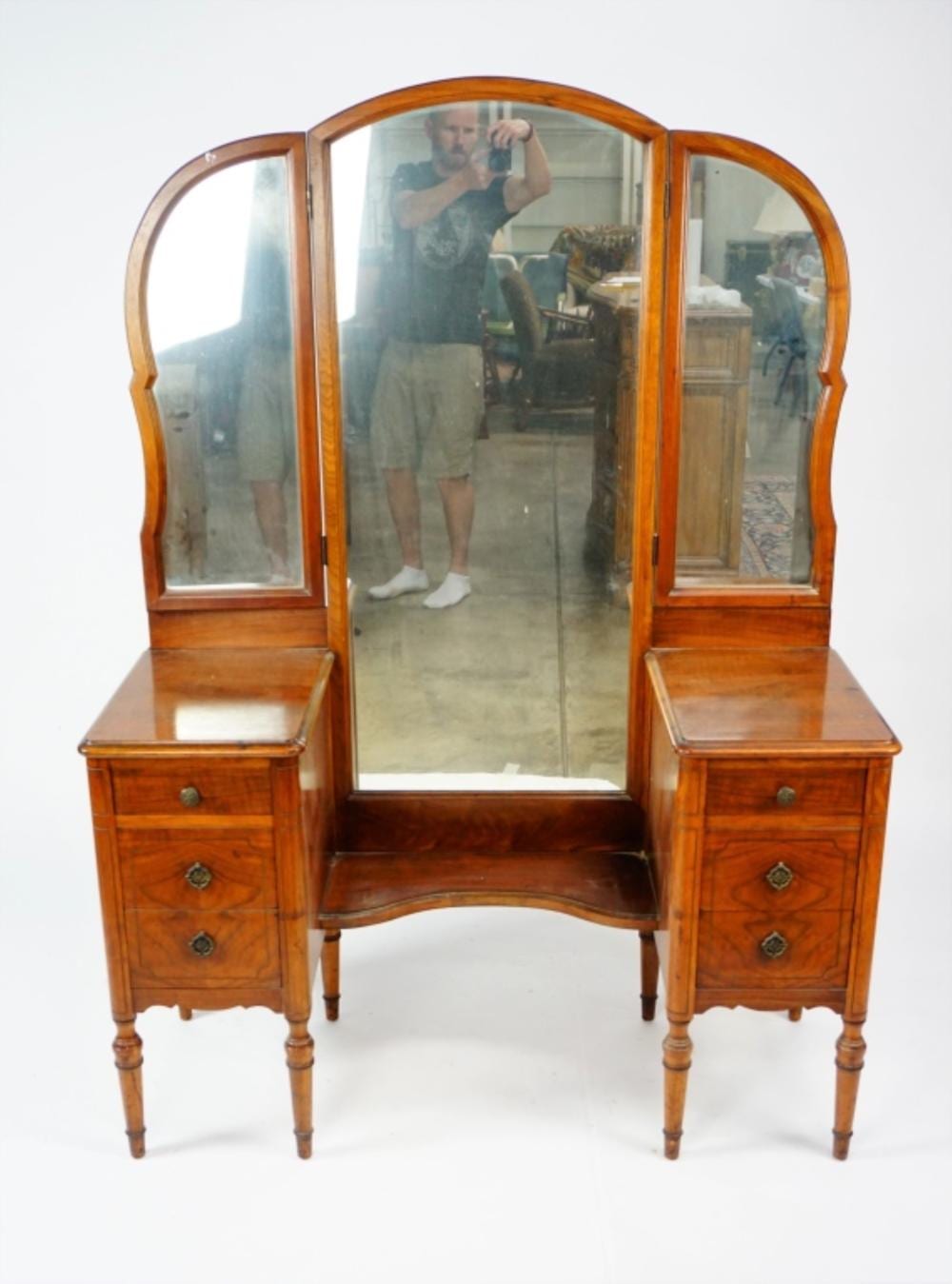
Comparable antique vanities in the auction sales listed on this page sold for $70 to $850.
Unlocking the Hidden Charm Discover the Value of Your Antique Vanity with a Tri Fold Mirror research should start with identification, condition, provenance, and recent comparable sales. Use this guide to compare the signals that matter before paying for a formal appraisal or deciding whether to sell.
Antique tri-fold vanity value checklist
If you’ve inherited or discovered an antique vanity with a tri fold mirror, you’re holding a piece of decorative history that blends utility and style. From Victorian mahogany to jazzy Art Deco waterfall forms, these dressing tables span a century of craftsmanship—and values range from modest to museum-worthy depending on era, condition, and design. This guide shows you how to identify, date, evaluate, and market your vanity confidently.
What Makes a Tri-Fold Vanity “Antique”?
Antique, period, and vintage are often used interchangeably, but they signal different age brackets and markets.
- Antique: Typically 100+ years old. Late Victorian and Edwardian vanities with three-part mirrors often fit here.
- Vintage: Generally 20–99 years old. Many tri fold vanities are from the 1920s–1940s (Art Deco, Streamline, Hollywood Regency).
- Reproduction/Revival: 1950s onward pieces mimicking earlier styles.
Tri fold mirrors became especially popular when dressing tables entered mainstream bedroom suites in the early 20th century. Three-part mirrors let the sitter see multiple angles, a must for hair and wardrobe, and designers used the extra surfaces to show off beveled edges, fancy frames, and dramatic shapes.
Key components to examine:
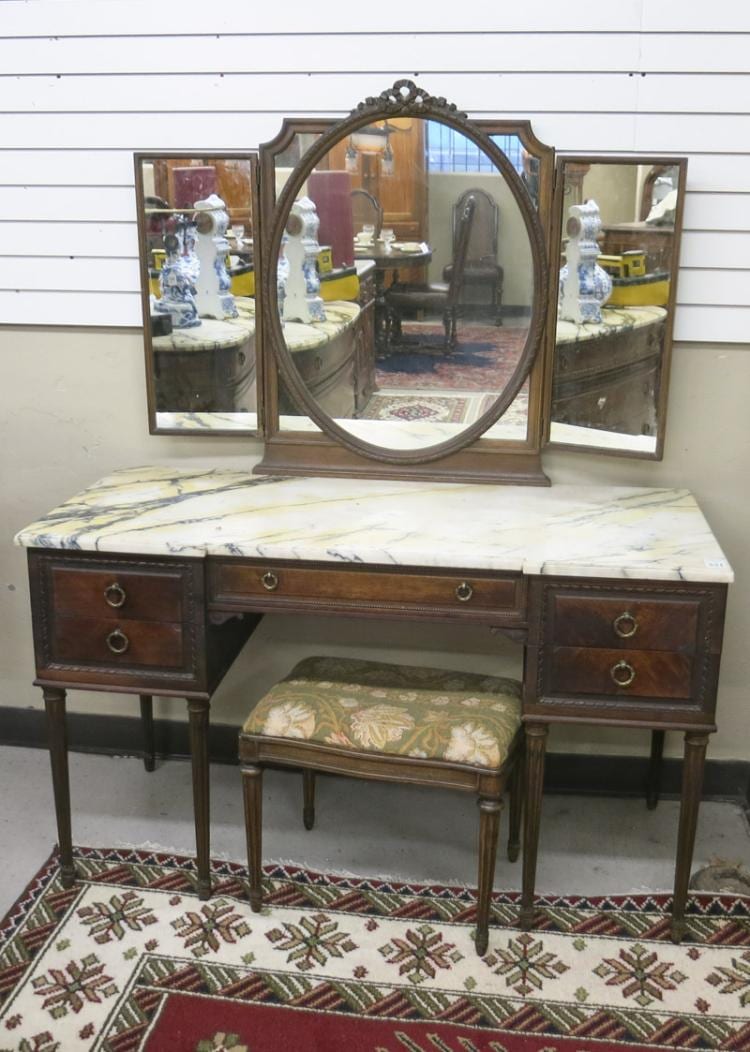
- The base: Single-case with kneehole or two pedestal chests with a bridging top.
- The mirror assembly: Central fixed or adjustable plate with two side wings on hinges; occasionally with adjustable arms or friction stays.
- Seat: Original bench or stool (often lost) can add value.
Style Periods and How to Date Yours
Dating your vanity starts with style language and construction details. Here’s a concise timeline of common tri fold forms.
Late Victorian (c. 1880–1900)
- Woods: Mahogany, walnut, oak; occasional ebonized accents.
- Forms: Heavier proportions, paneled sides, pierced or carved backsplashes, turned or fluted legs.
- Mirror: Beveled plates common; some mercury-backed mirrors still appear in earlier examples.
- Hardware: Cast brass pulls and escutcheons; hand-cut dovetails on drawers.
Edwardian/Transitional (c. 1900–1915)
- Woods: Mahogany and oak; lighter, more elegant lines.
- Forms: Simpler carving, satinwood or boxwood string inlay, tapering legs.
- Hardware: Refined brass, porcelain casters.
- Finish: Shellac; a warm, slightly amber look.
Arts & Crafts/Mission (c. 1900–1915)
- Woods: Quarter-sawn oak with visible ray flecks.
- Forms: Straight lines, exposed joinery look, minimal ornament.
- Hardware: Hammered copper or dark patinated pulls.
Art Deco and Streamline (c. 1925–1940)
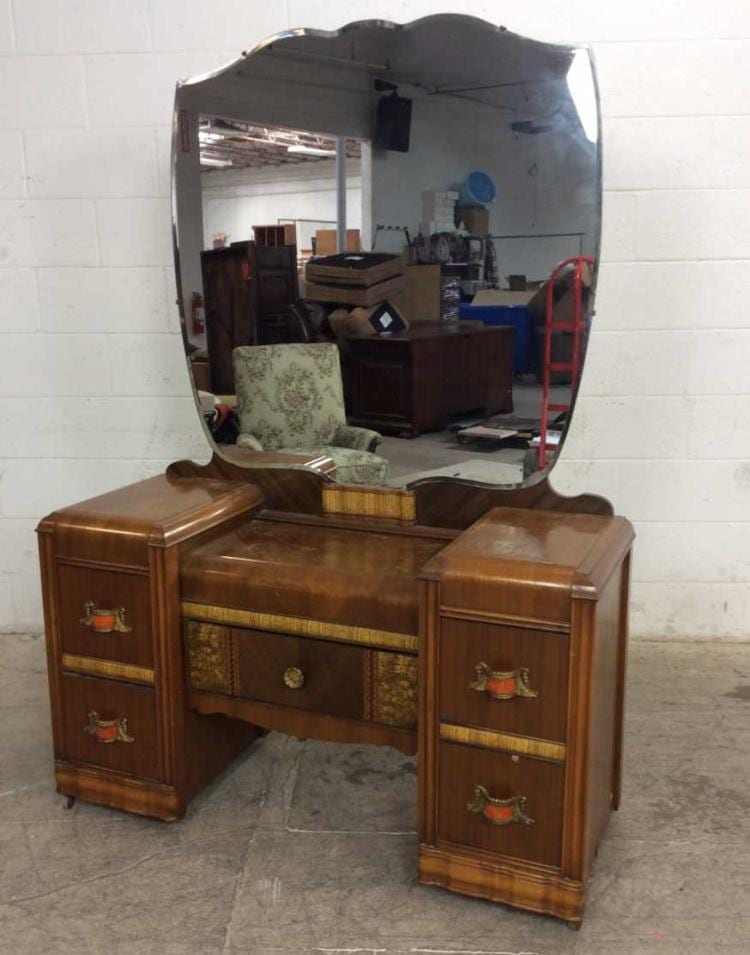
- Woods: Exotic veneers (walnut burl, Macassar ebony, zebrawood, amboyna), birds-eye maple; bent plywood waterfall edges (c. 1935–1942).
- Forms: Rounded corners, stacked or stepped drawer fronts, chrome or Bakelite pulls.
- Mirror: Larger tri fold sets, scalloped or shield shapes, pronounced bevels.
- Finish: Nitrocellulose lacquer with high gloss.
Hollywood Regency and Mid-Century (c. 1940s–1950s)
- Woods/Surfaces: Mirrored or verre églomisé panels, painted finishes, gilt accents.
- Forms: Glamorous silhouettes, metal accents.
- Hardware: Chrome and brass mix; elegant pulls.
Maker clues:
- American: Berkey & Gay, Rway, John Widdicomb, Kroehler, Mengel, Heywood-Wakefield (select designs), Bassett; department store labels (Sears, Montgomery Ward).
- British: Maple & Co., Waring & Gillow, Harris Lebus.
- Continental: French and Italian Art Deco with exotic veneers and higher-end cabinetmaker marks.
Look for:
- Paper labels inside drawers or on back boards.
- Branded or stenciled marks under tops or behind mirrors.
- Chalk or pencil assembly marks (numbers matching mirror to base).
- Pattern numbers on drawer bottoms.
Construction, Materials, and Hardware: An Appraiser’s Guide
To evaluate quality and originality, inspect the piece like a conservator. Document with well-lit photos from all angles, including the backs of mirrors and inside drawers.
Joinery and casework
- Dovetails: Hand-cut (irregular spacing) indicates pre-1900 craftsmanship; machine-cut (uniform) becomes common after c. 1890s.
- Drawer bottoms: Solid boards running front-to-back on earlier pieces; plywood appears after the 1910s–1920s.
- Secondary woods: Poplar, pine, or oak inside drawers and backs are period-appropriate; MDF or particleboard indicates later manufacture or repairs.
Woods and veneers
- Solid vs. veneered: High-style pieces often feature fine veneers laid over stable substrates.
- Figure: Quarter-sawn oak ray flecks (Arts & Crafts), crotch mahogany flame (Victorian/Edwardian), walnut burl and striped grains (Deco/waterfall).
- Veneer edges: Original veneers end cleanly at edges; later patch repairs often show mismatched figure or thicker glue lines.
Mirror glass and backing
- Beveled edges: Period-correct for many eras, but bevel width varies by design.
- Silvering: Black “foxing” or desilvering around edges suggests age; mercury-backed plates (pre-mid-19th century) show a colder, slightly rippled reflection with sparkly specks. Most 20th-century tri fold mirrors are silvered, not mercury.
- Replacement indicators: Modern mirror plate is flatter and clearer; new backing kraftex paper or shiny foil; mismatched bevel profile compared to wings.
Hardware and fittings
- Pulls: Cast brass (Victorian/Edwardian), hammered copper/iron (Arts & Crafts), chrome/Bakelite or Catalin (Deco), alloy or plated brass (mid-century).
- Screws: Hand-forged with off-center slots on early pieces; machine screws with uniform slots by late 19th/early 20th centuries; Phillips screws appear after the 1930s—often a sign of later repair.
- Hinges: Piano hinges for central mirror, leaf hinges on wings; friction stays or adjustable arms are a plus.
Finish and surface
- Shellac (pre-1920s): Dissolves readily with alcohol on a discreet cotton-swab test.
- Nitrocellulose lacquer (1920s onward): Harder, solvent-based; typical on Deco.
- Original finish brings a premium; aggressive sanding/refinishing can reduce value by softening crisp edges and removing patina.
Provenance and completeness
- Original stool/bench, glass tops, and vanity accessories (brush set, powder box) elevate completeness.
- Matching bedroom suite provenance (dresser, chest, bed) can significantly increase value if selling as a set.
Condition, Restoration, and Rarity: What Drives Value
Collectors and appraisers weigh four pillars: condition, originality, design quality, and rarity.
Condition grading (furniture shorthand)
- Excellent/near-original: Minor wear, clean finish, undisturbed hardware; mirrors with light, attractive age.
- Very good: Honest wear, small veneer nicks, minor finish touch-ups, tight joinery.
- Good: Noticeable veneer losses or repairs, refinish evident, replaced mirror plate; structurally sound.
- Fair/Poor: Loose joinery, missing parts, severe desilvering, deep water damage, amateur refinishing.
What helps value
- Strong design: Dramatic veneers (Macassar, amboyna), stepped Deco profiles, kidney-shaped tops, finely inlaid Edwardian examples.
- Original finish and hardware: Even with light wear, originality beats fresh refinish in most cases.
- Craftsmanship: Hand-cut dovetails, well-laid veneer, crisp moldings.
- Desirable makers: Cabinetmakers with documented catalogs or labels.
- Functional stability: Mirrors adjust and hold position; drawers run smoothly.
What hurts value
- Over-refinishing: High-gloss poly over old wood, sanded-through veneer edges, filled grain on oak.
- Mismatched repairs: New mirror plates without bevels, reproduction pulls that don’t match the period, ill-fitting hinges.
- Severe veneer failure: Lifting, missing chips, water rings penetrating to substrate.
- Structural issues: Racked cases, split legs, loose mirror frames.
Restoration guidance
- Stabilize before beautifying: Re-glue loose joints with reversible adhesives (hide glue on older pieces where possible).
- Veneer repairs: Save original fragments; patch with matching species and grain, feather edges, tone-in repairs.
- Mirror choices: Re-silvering original plates is specialized and often costly; replacing with period-appropriate beveled glass is acceptable if documented.
- Finish care: Clean with mineral spirits to remove grime before deciding on refinishing. French polish (shellac) is appropriate for 19th to early 20th century; careful lacquer repairs for Deco.
- Keep all removed parts bagged and labeled; provenance of replaced items helps future value.
Rarity notes
- Unusual forms: Kidney or bowfront vanities; asymmetrical Deco compositions; integrated lighted mirrors from the 1930s; mirrored Hollywood Regency surfaces.
- Complete suites: Matching vanity, dresser, and bed from a reputable maker can command a premium.
- Regional work: French or Italian Art Deco in exotic veneers often brings higher prices than mass-market American waterfall suites.
Value Benchmarks, Selling Strategies, and Market Trends
Values vary by region, supply, and fashion. The vanity market has evolved: mid-tier Victorian can be softer, while top-tier Deco and glamorous Regency pieces remain strong. The comparisons below are for retail-ready examples; private-sale or as-found pieces may trade lower.
How the main styles compare (retail/curated presentation)
- Late Victorian/Edwardian mahogany or walnut tri fold vanity: priced on carving, inlay, and condition; mid-tier examples have softened, while exceptional ones still sell well.
- Arts & Crafts quarter-sawn oak vanity: steady demand; notable makers or superb condition sell for more.
- Art Deco “waterfall” vanities (c. 1935–1942): common models are plentiful and moderately priced; high-style, pristine, or exotic-veneer examples sell for much more.
- High-style French/Italian Art Deco with Macassar/amboyna/chrome: the top of the market for designer-level, gallery-quality pieces.
- Hollywood Regency mirrored or gilt vanities: strong demand, with price depending on maker and surface condition.
Factors that move the needle
- Maker attribution: Labeled cabinetmakers outperform anonymous examples.
- Completeness: Original bench, matching suite pieces, intact bevels.
- Scale and function: Comfortable kneehole height (c. 26–28 inches), generous surface, sturdy mirror assembly.
- Photogenic appeal: Dramatic veneers and silhouettes perform well in online marketplaces and at design-savvy venues.
Where and how to sell
- Local antique dealers: Convenient; expect trade pricing (wholesale).
- Auction houses: Good for rare/designer pieces; factor in commissions and reserves.
- Online marketplaces: Broaden audience; invest in careful photography and thorough descriptions.
- Interior design consignment: Curated buyers; may take longer but achieve better retail prices.
Photography tips for maximum value
- Shoot against a neutral wall with natural light; avoid heavy reflections by angling mirrors slightly.
- Include close-ups of veneer figure, joinery, pulls, and maker’s marks.
- Show flaws honestly: a well-photographed repair earns trust and reduces haggling.
- Provide dimensions: overall width, depth, height to mirror crest, seat clearance, and mirror plate sizes.
Shipping and logistics
- Tri fold mirrors are fragile. Remove mirror wings and central mirror if possible; wrap each plate in glassine or foam plus corrugate; box and then crate for freight.
- For local delivery, strap mirrors closed with soft ties and use corner protectors.
Market trends to watch
- Deco remains interior-design friendly; clean-lined pieces sell faster than ornate late-Victorian in some markets.
- Sustainable design interest supports authentic, repairable furniture with original finishes.
- Complete bedroom suites are harder to place in small homes; single stand-out vanities with great veneers move better.
Quick Checklist and FAQ
Quick practical checklist
- Identify style: Victorian/Edwardian, Arts & Crafts, Art Deco/waterfall, Hollywood Regency.
- Look for labels: Undersides, drawer backs, mirror backboards; photograph any marks.
- Inspect joinery: Dovetails, drawer bottoms, case backs; note machine vs. hand-cut.
- Examine mirrors: Bevel width, silvering condition, replacement signs.
- Assess finish: Shellac vs. lacquer; avoid stripping unless necessary.
- Check hardware: Original pulls/hinges? Avoid modern Phillips screws in visible areas.
- Document condition: Veneer chips, water rings, loose joints, racking, wobble.
- Measure everything: Overall dimensions, kneehole height, mirror plate sizes.
- Photograph thoroughly: Front, sides, back, inside drawers, close-ups of grain and flaws.
- Decide strategy: Stabilize and clean; make reversible repairs; set pricing based on comps, maker, and condition.
FAQ
Q: How can I tell if the mirror glass is original? A: Original glass often shows slight waviness and edge desilvering, with bevels that match across all three plates. Check the mirror backs: older brown paper or oxidized backing versus modern reflective film or foil. Mismatched bevel widths or new mounting clips can indicate replacements.
Q: Should I refinish or leave the patina? A: In most cases, conserve rather than refinish. Clean gently, stabilize veneer, and tone-in small defects. Original finishes carry a premium. Refinish only when the surface is severely compromised, and choose period-appropriate materials (shellac for early pieces, lacquer for Deco).
Q: Do replaced mirrors or hardware kill the value? A: Sensitive, period-appropriate replacements are acceptable, especially for safety. Value may dip versus an all-original example, but clean, well-matched replacements are better than damaged components. Always disclose replacements.
Q: What’s the best way to price my vanity? A: Start with period and maker, weigh condition and completeness, and survey recent sale prices for comparable examples in your region. For common waterfall vanities in good condition, expect mid-hundreds; for high-style Deco with exotic veneers or labeled cabinetmakers, expect into the low thousands.
Q: How do I move it safely? A: Remove mirror wings and central plate if the frame allows, wrap each individually, and protect veneer edges. Move the base separately, padded and strapped. Never lift by the mirror frame or the vanity top alone.
With careful identification, honest condition reporting, and a light conservation touch, your antique vanity with a tri fold mirror can reveal both its hidden charm and its true market value.