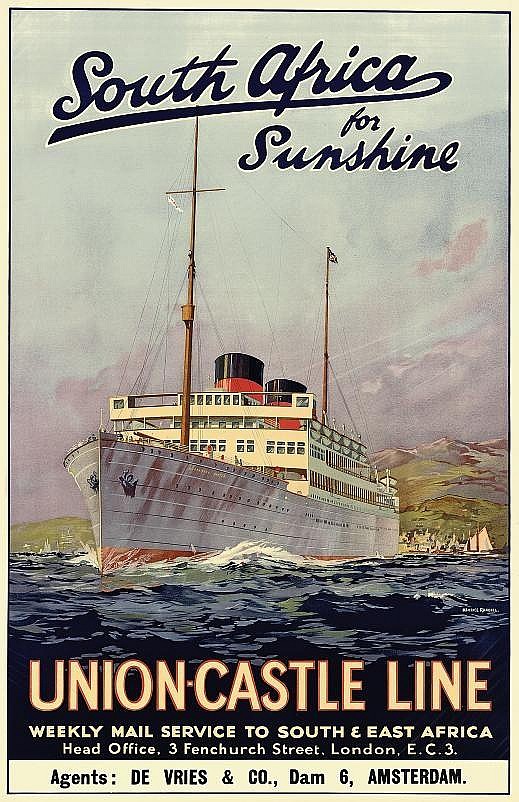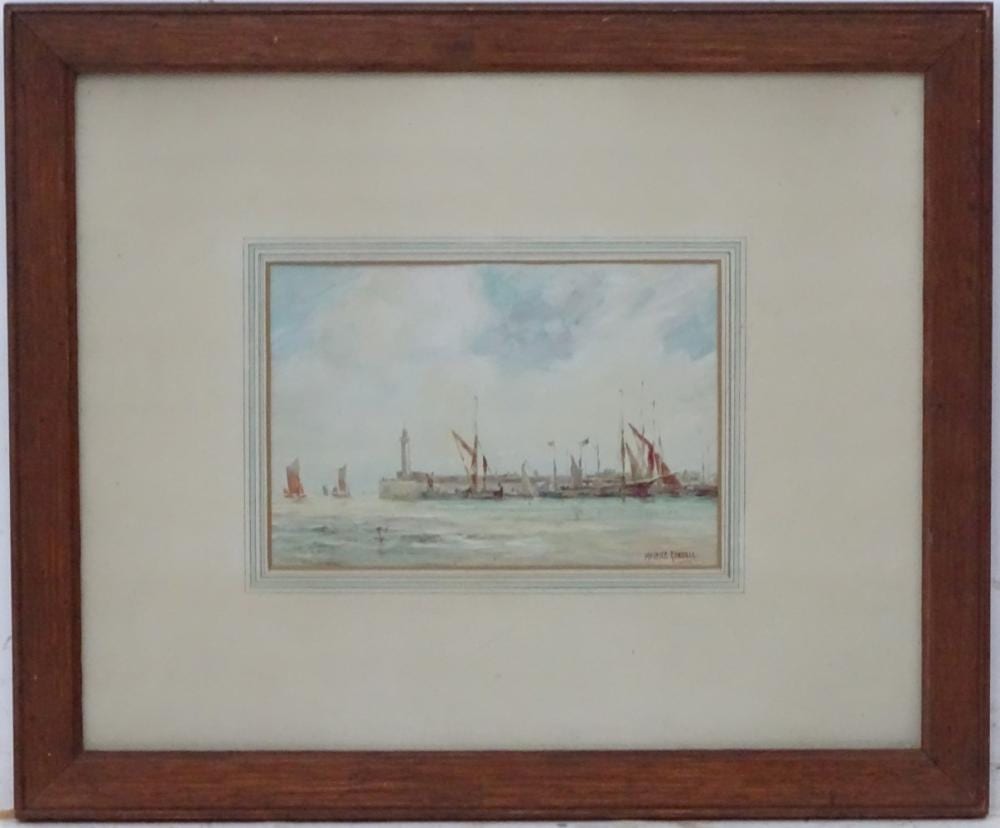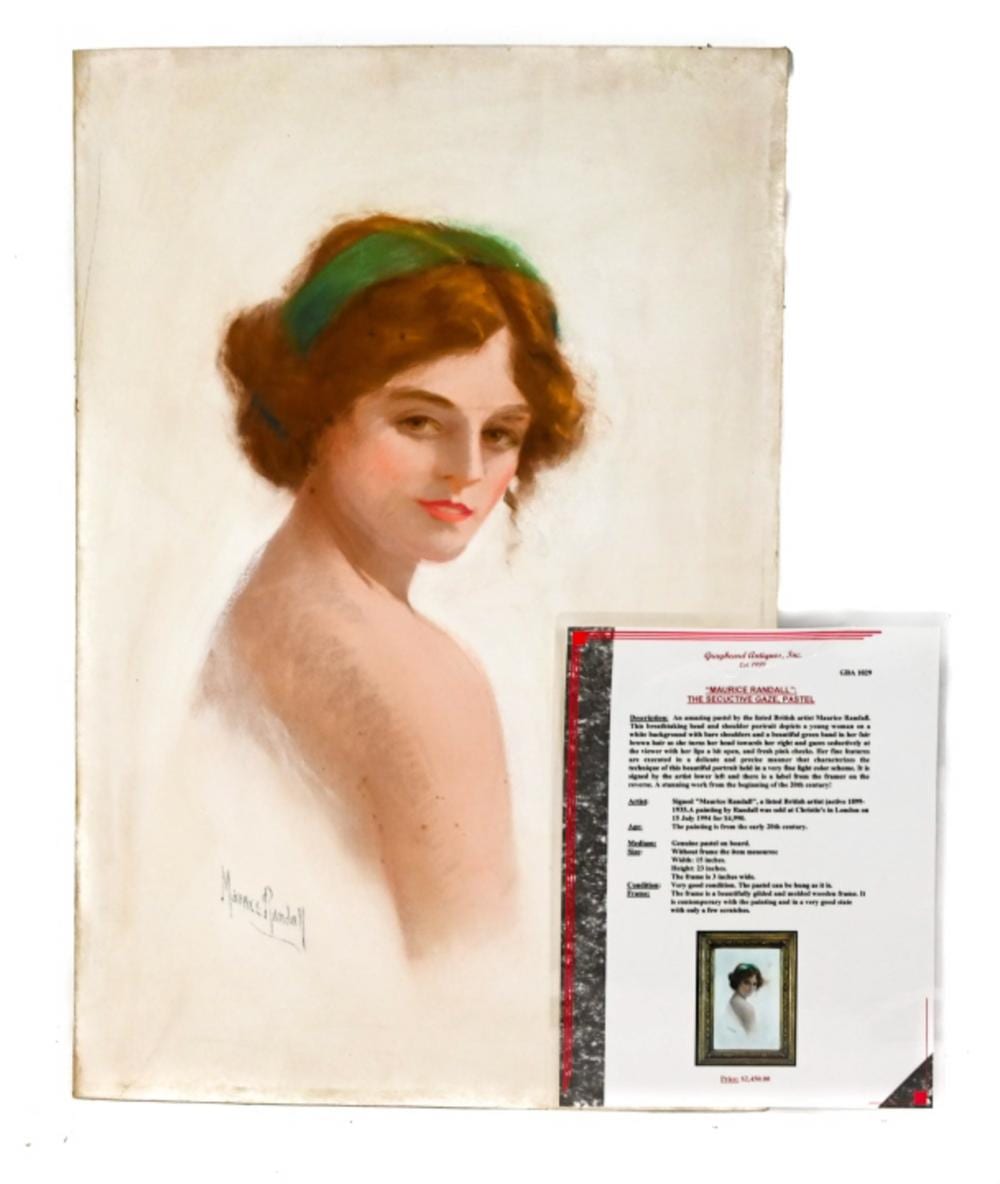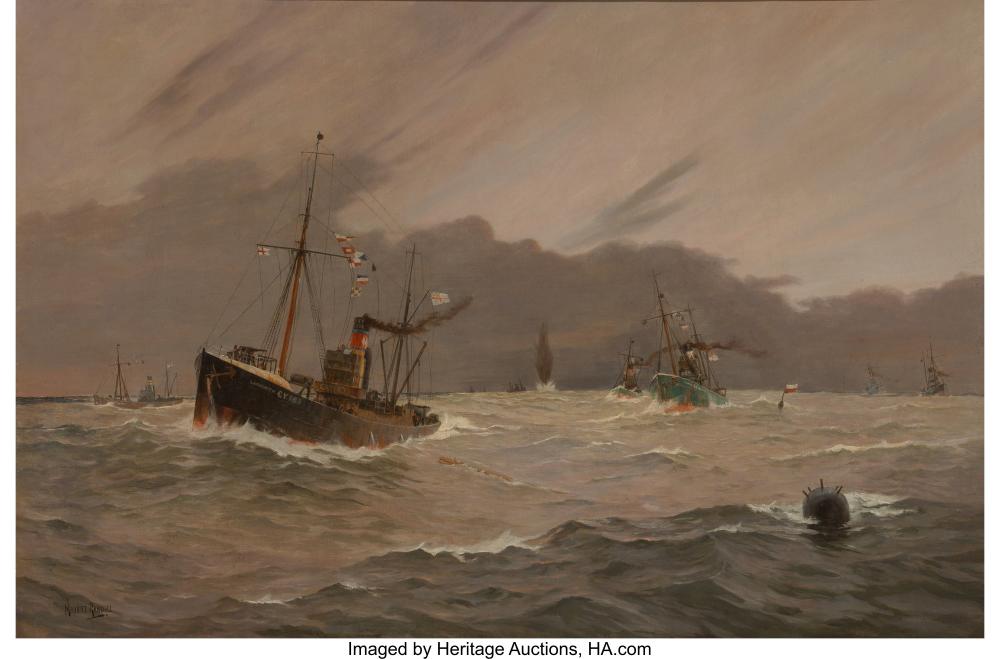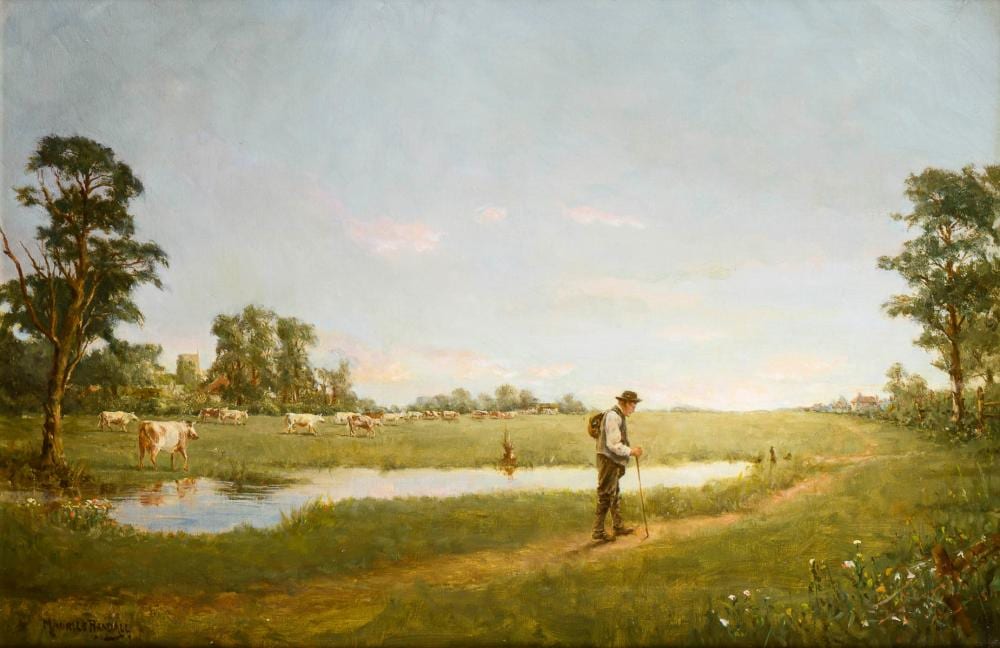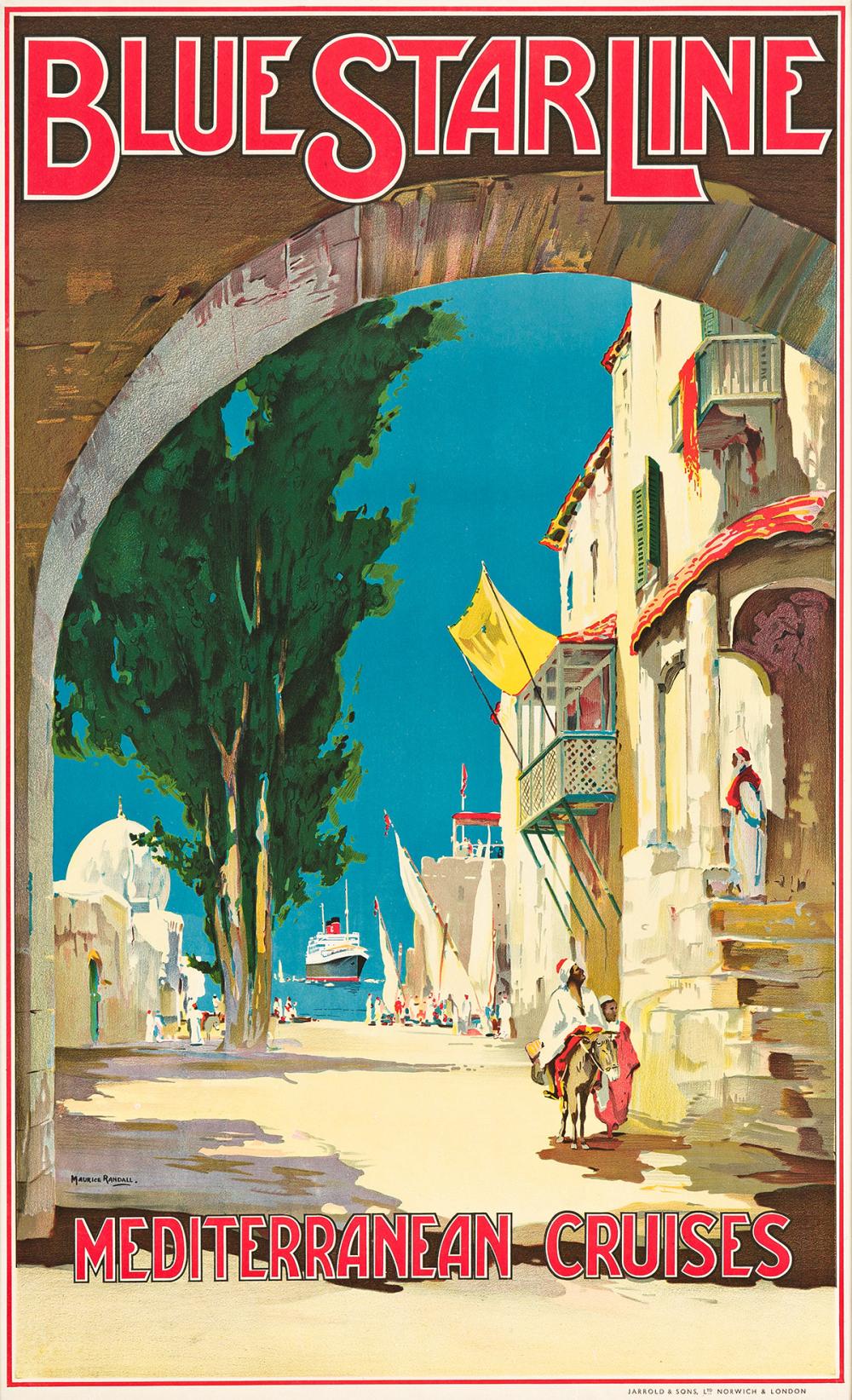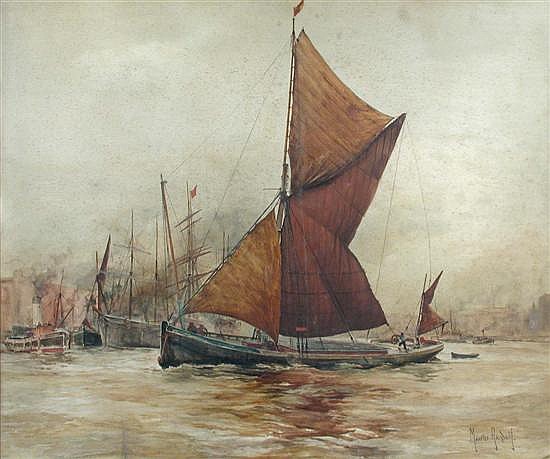
Maurice Randall artwork research checklist
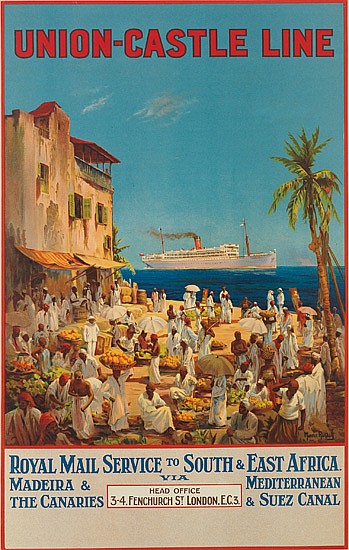
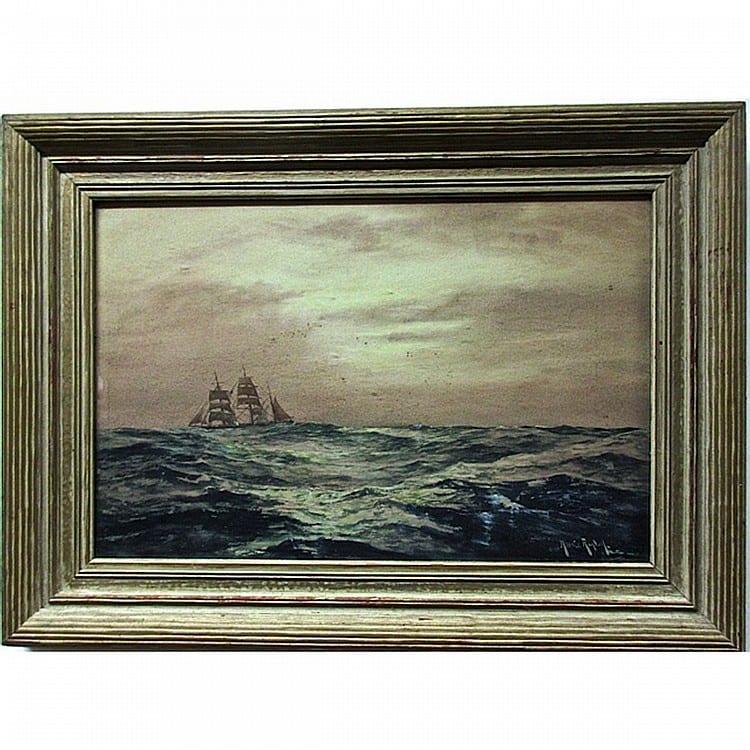
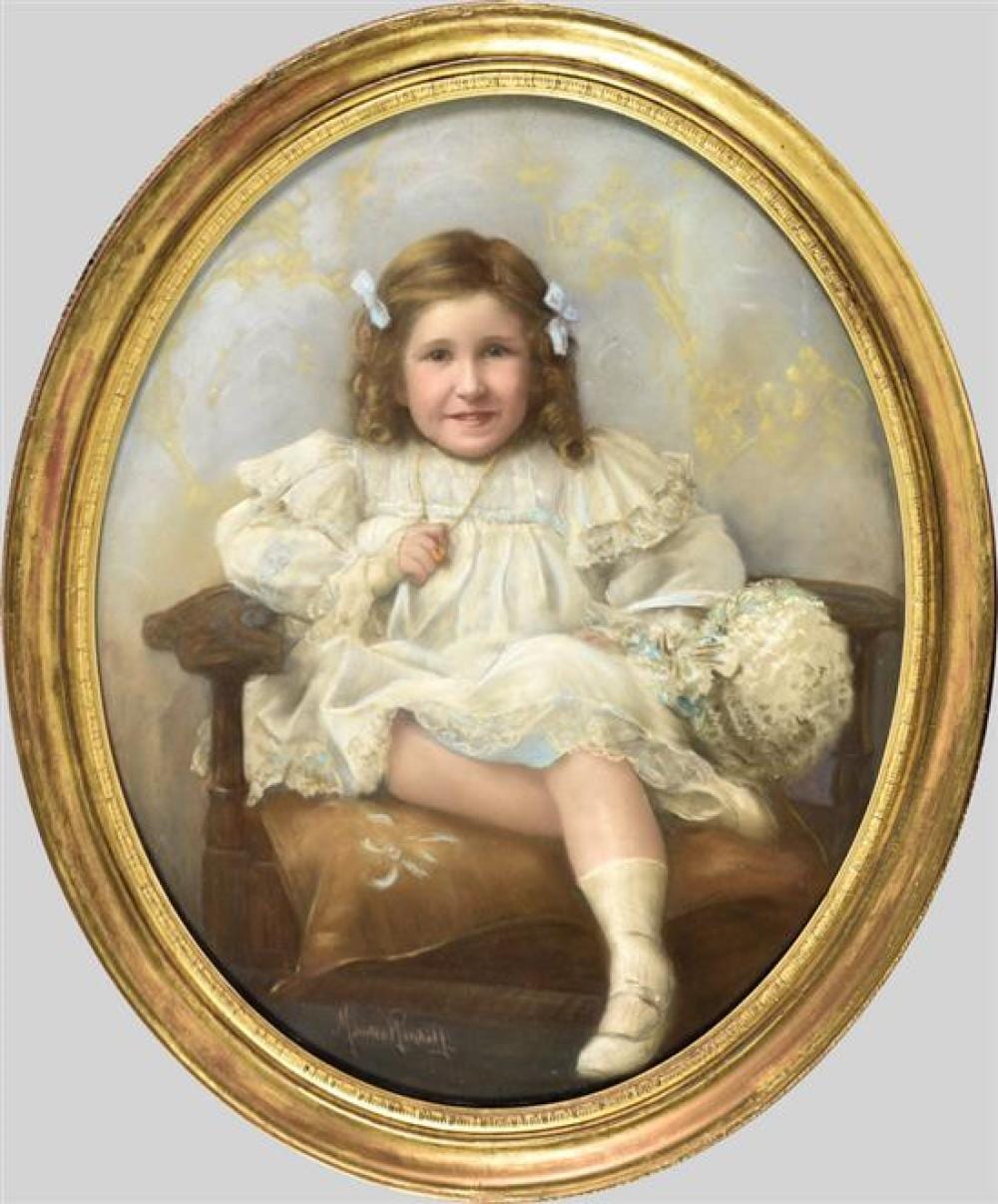
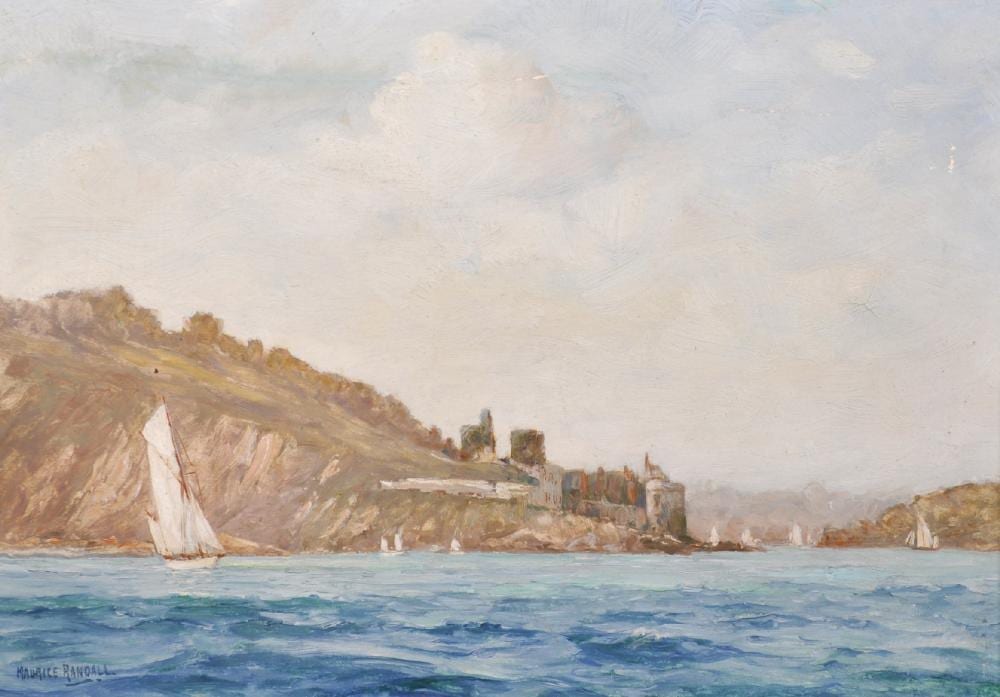
Collectors and appraisers occasionally encounter artworks signed “Maurice Randall,” “M. Randall,” or simply “MR.” Because more than one artist or artisan appears to have used this name across the 20th century—and because auction listings sometimes compress biographical details—proper identification relies on careful connoisseurship rather than a single biographical note. This guide focuses on how to assess paintings, drawings, and prints signed Maurice Randall, how to disambiguate authorship, and how to approach valuation with evidence-based methods.
Why “Maurice Randall” Requires Disambiguation
“Maurice Randall” is not a unique name in the art and antiques market. Several factors complicate attributions:
- Multiple creators: Auction and dealer records show works catalogued under the name in different mediums—watercolor, oil on panel or board, graphite sketches, and intaglio or lithographic prints—suggesting more than one individual used the name or that cataloguers applied the same attribution to stylistically disparate works.
- Variant signatures: You may see “Maurice Randall,” “M. Randall,” “Maurice R.,” “M.R.,” and stylized monograms that can be read as MR. Subtle differences in letterforms can signal distinct hands.
- Regional versus stylistic signals: Some works carry inscriptions or labels pointing to the British Isles (coastal and landscape subjects, framers’ labels from UK shops), while others seem North American in subject and materials. Without corroboration, place-based assumptions can mislead.
For a reliable appraisal, anchor your analysis in observable features—signature structure, materials, execution, labels, and provenance—before leaning on secondary biographical claims.
Signatures, Inscriptions, and Labels: What to Look For
Start with a photography-led, micro-to-macro inspection. Document with raking light and high-resolution images.
- Signature placement and tool:
- Watercolor and gouache: Look for graphite or watercolor inscriptions at the lower corners. Pigment signatures often show feathering along paper fibers.
- Oil on canvas or board: Brush-script signatures may sit in wet-over-dry layers. Under magnification, you should see the signature pigment integrate with the painted surface rather than floating as a later addition.
- Prints: Pencil signatures are typically below the platemark or image, often at lower right, sometimes paired with edition numbers at lower left.
- Letterform diagnostics:
- Examine how the R is formed (open-leg vs loop), whether the d in “Randall” ascends above the cap height, and the shape of the terminal “l.” Repeated patterns across confirmed works are useful; mismatches can indicate different hands or later additions.
- Consistency of spacing: Even spacing and confident pressure suggest a practiced autograph; halting or tremulous strokes can be later signings or studio/aftermarket additions.
- Inscriptions and verso notes:
- Titles, dates, and place names in the artist’s hand can be more revealing than the front signature. Compare hand styles: the numerals in a date often remain consistent across a body of work.
- Look for studio notations, palette tests, or paper dealer’s codes on the verso of drawings and watercolors.
- Labels, stamps, and frame clues:
- Framer’s or gallery labels help place and date an object. A UK framer active in the 1950s-1970s is a different research trail than a North American craft gallery label from the 1980s.
- For prints, check for publisher’s blindstamps, printer chops, and watermark positions (often along the deckle edge). Match these to known print workshops of a period or region.
Document every marking with scale references (ruler in frame), oblique light to reveal impressed stamps, and UV fluorescence images to expose later retouching.
Materials and Techniques: Dating and Differentiating Works
Attribution and dating benefit from materials analysis. Even without laboratory tools, connoisseurial checks narrow the field.
- Supports:
- Watercolor paper: Identify the sheet by watermark (Whatman, BFK Rives, Arches, J Whatman Turkey Mill, etc.). Watermark variants correlate to eras; for example, certain Arches watermarks with specific countermarks are typical post-1950.
- Canvas and board: Machine-woven cotton duck canvas and staple-mounted stretchers are common post-1960; tacked stretchers with cut nails often signal earlier mounting. Hardboard (Masonite) with specific back-stamp patterns can date to mid-century.
- Panels: Plywood layers and veneer styles changed across decades; edge oxidation and saw marks also help.
- Pigments and binders:
- Watercolors: Synthetic organics (e.g., phthalo blues/greens) appear mid-20th century onward. Bright, high-chroma greens often indicate post-1930s formulations.
- Oils: Alkyd-modified paints took hold later in the 20th century; quicker surface curing and a characteristic sheen may be evident.
- Print processes:
- Intaglio (etching/drypoint): Plate mark with beveled edges, burr evidence in drypoint lines, and ink tone in plate surface are diagnostic.
- Lithography: Absence of a platemark, greasy line quality, and even pressure. Offset lithography typically shows rosette patterns under magnification.
- Photomechanical prints sometimes carry a facsimile pencil signature. Check under magnification for dot patterns and whether the “pencil” indents the paper.
Combining these material indicators with inscriptions and labels can separate bodies of work likely created by different individuals named Maurice Randall—or distinguish original works from reproductions.
Market and Valuation: How to Build Defensible Comparables
Valuation of works signed Maurice Randall ranges widely because the attribution pathway impacts demand. Use a structured approach:
- Establish the object type:
- Unique work on paper (watercolor, gouache, drawing), unique painting on canvas/board, or original print (etching/lithograph) versus reproduction.
- Determine authorship confidence:
- Confirmed by provenance, labels, and matching signature/hand traits across multiple documented examples commands more value than an isolated signed piece.
- Build comparables (comps):
- Sort by medium: Compare watercolors to watercolors, oils to oils, original prints to the same process and edition tier.
- Control for size, subject, and date range: Coastal landscapes of similar scale and period are better comps than mixing portraits and cityscapes.
- Condition-adjust comps: Factor in paper staining, foxing, tears, overmat burn, abrasion, or retouching. For oils, consider craquelure severity, cupping, past restorations, or overcleaning.
- Consider subject desirability:
- Maritime/coastal scenes, architectural studies, and luminous landscapes often outperform generic subjects. Figures and portraits depend heavily on quality of likeness and mood.
- Venue and sale channel:
- Regional auctions yield different results than blue-chip houses. Retail gallery asking prices represent retail replacement value, not necessarily fair market value. For insurance, use retail replacement; for estate or charitable contributions, use fair market value supported by recent sales.
- Ranges and outliers:
- Expect modest to mid-market results for unsigned or ambiguous-attribution works, with stronger prices for cohesive bodies tied to a documented individual. Outliers occur when provenance connects a work to a known exhibition history or collection.
Where possible, corroborate comps with cataloguing notes, images of signatures, and condition reports rather than relying on title lines alone.
Authentication Pathways and Common Pitfalls
Because biographical data on “Maurice Randall” can be limited or conflated, authentication is a mosaic of clues.
- Build a dossier:
- Assemble high-resolution images (front, verso, signature, edges, details), measurements (sight size and sheet/panel size), and any frame/backing components before framing changes.
- Transcribe all inscriptions verbatim, including spelling quirks and punctuation.
- Seek provenance links:
- Sales receipts, gallery invoices, exhibition catalog references, or estate inventories are primary sources. Estate stamps or executor notes can corroborate timelines.
- Cross-check with institutional and trade references:
- Regional exhibition lists, art society catalogs, and trade directories sometimes list artist addresses and mediums. Align these with labels or inscriptions found on the work.
- Commission technical notes when warranted:
- Fiber ID for paper, pigment spot tests by a conservator, or IR/UV photography can confirm period consistency.
- Avoid these pitfalls:
- Assuming identical signatures equal identical artists; practiced copyists can emulate letterforms.
- Treating a printed signature on a reproduction as a true pencil signature—check for indentation and graphite sheen.
- Removing frames and labels without documentation; always photograph before disassembly to preserve context.
- Over-cleaning watercolors or varnishing drawings; such alterations harm value and erase evidence.
If multiple “Maurice Randall” creators are plausible, state attribution confidence clearly: “Attributed to Maurice Randall (mid-20th century),” “Circle of,” or “Follower of,” with rationale in your notes.
Care, Conservation, and Presentation
Preserving both the artwork and its evidentiary value is central to appraisal-minded collecting.
- Works on paper:
- Store and frame with 100% cotton or alpha-cellulose mounts, museum mats, and UV-filter glazing. Keep relative humidity around 40-55% and avoid direct sunlight.
- Never mount with pressure-sensitive tapes; hinge with Japanese tissue and reversible wheat starch paste when necessary.
- Retain original mounts if annotated; they may hold inscriptions or dealer stamps.
- Paintings:
- Maintain stable environment; avoid rapid temperature/humidity swings.
- If surface is dirty, consult a conservator rather than attempting household cleaning, which risks solvent damage.
- Keep original frames and labels. Even if you reframe, preserve the original assembly and document it thoroughly.
- Prints:
- Store flat in archival folders with interleaving. Avoid compressing deckle edges.
- Note edition numbers and any printer/publisher marks on storage sleeves for quick reference.
Museum-level care safeguards both aesthetics and the chain of evidence supporting attribution and value.
A Practical Checklist for Appraising a Work Signed “Maurice Randall”
- Photograph
- Front, verso, signature, inscriptions, labels, frame, and edges under normal and raking light.
- Record
- Exact measurements (image, sheet/panel, and frame); media and support; condition observations.
- Signature analysis
- Compare letterforms, pressure, and placement to documented examples you can verify by image, not title alone.
- Materials dating
- Identify paper watermarks, canvas mounting type, panel composition, pigments if feasible.
- Provenance
- Gather any receipts, gallery labels, exhibition numbers, or estate records; contact prior owners if possible.
- Comps
- Assemble 5–10 recent, closely matched sales with images and condition notes; normalize for size and condition.
- Attribution statement
- Write a clear, evidence-based attribution with a confidence qualifier and rationale.
- Care plan
- Recommend conservation steps and appropriate archival framing or storage.
- Valuation
- Provide fair market value and, if needed, retail replacement value with justification.
FAQ
Q: I have a watercolor signed “M. Randall.” How can I tell if it’s by the same Maurice Randall as an oil painting I saw online? A: Compare more than signatures. Look at paper type and watermark, palette choices, compositional habits, and handwriting in titles or dates on the verso. If only the signature matches but materials, subject, and hand differ markedly, consider that different artists may share the name or monogram.
Q: Do prints signed “Maurice Randall” have value? A: Yes, but value depends on whether the print is an original print (etching, lithograph, etc.) signed in pencil, with edition information and possible printer/publisher marks, versus a photomechanical reproduction with a printed signature. Original, low-edition prints generally carry higher value.
Q: What affects the price most: size, subject, or condition? A: All three matter, but condition and subject often drive demand. A well-preserved, compelling subject (e.g., atmospheric coastal scene) can outperform a larger but generic or compromised work. Provenance and exhibition history can move the needle significantly.
Q: Should I clean or reline a painting before sale? A: Not without professional advice. Uninformed cleaning or structural work can reduce value and erase evidence helpful for attribution. Obtain a conservator’s condition report; minor, reversible interventions are usually preferred.
Q: How do I phrase the attribution if I’m uncertain? A: Use standard qualifiers: “Attributed to Maurice Randall,” “Studio of,” “Circle of,” or “Follower of,” and explain your reasoning—signature comparison, materials dating, provenance gaps—to keep the appraisal transparent and defensible.
By approaching “Maurice Randall” as a research problem—balancing signature study, materials analysis, provenance, and market evidence—you minimize attribution risk and produce valuations that withstand scrutiny.