Maria Theresa Thaler Austrian 1780 Silver Coin Pendant: appraisal and value basics
Maria Theresa Thaler Austrian 1780 Silver Coin Pendant research should start with identification, condition, provenance, and recent comparable sales. Use this guide to compare the signals that matter before paying for a formal appraisal or deciding whether to sell.
Maria Theresa Thaler coin pendant appraisal checklist
The Maria Theresa Thaler (MTT) is one of the most recognized silver trade coins in the world, and the “1780” date has adorned millions of restrikes for more than two centuries. When these coins are mounted as pendants, they combine numismatic history with wearable design—often raising questions about authenticity, silver content, origin, and value. This guide gives appraisers and enthusiasts the tools to identify, evaluate, and document a Maria Theresa Thaler Austrian 1780 silver coin pendant competently and confidently.
The coin behind the pendant: history, design, and specifications
- What it is: The Maria Theresa Thaler originated in the mid-18th century under Empress Maria Theresa of the Habsburg Monarchy. It became a dominant trade coin in the Red Sea, Arabian, and East African markets well into the 20th century.
- Frozen date: After the Empress’s death in 1780, the coin continued to be struck with the date “1780” permanently, even on much later issues. Most pendants you encounter are restrikes made long after 1780.
- Where minted: Original and restrike production occurred in various mints over time, notably in Austria (e.g., Vienna), and by contract or imitation in other European and colonial mints. Many restrikes copy all original features—including date and certain mint-official initials—regardless of where or when they were made.
Key technical data (for the standard trade coin, which most pendants use):
- Composition: 0.833 fine silver (83.3%).
- Gross weight: approx. 28.07 g.
- Fine silver content: approx. 23.39 g (about 0.752 troy oz).
- Diameter: typically about 39.5–40 mm (some variance by issue).
- Edge: Raised Latin motto IUSTITIA ET CLEMENTIA (“Justice and Clemency”), often with ornamental separators (rosettes, stars, or pellets), in distinct segments.
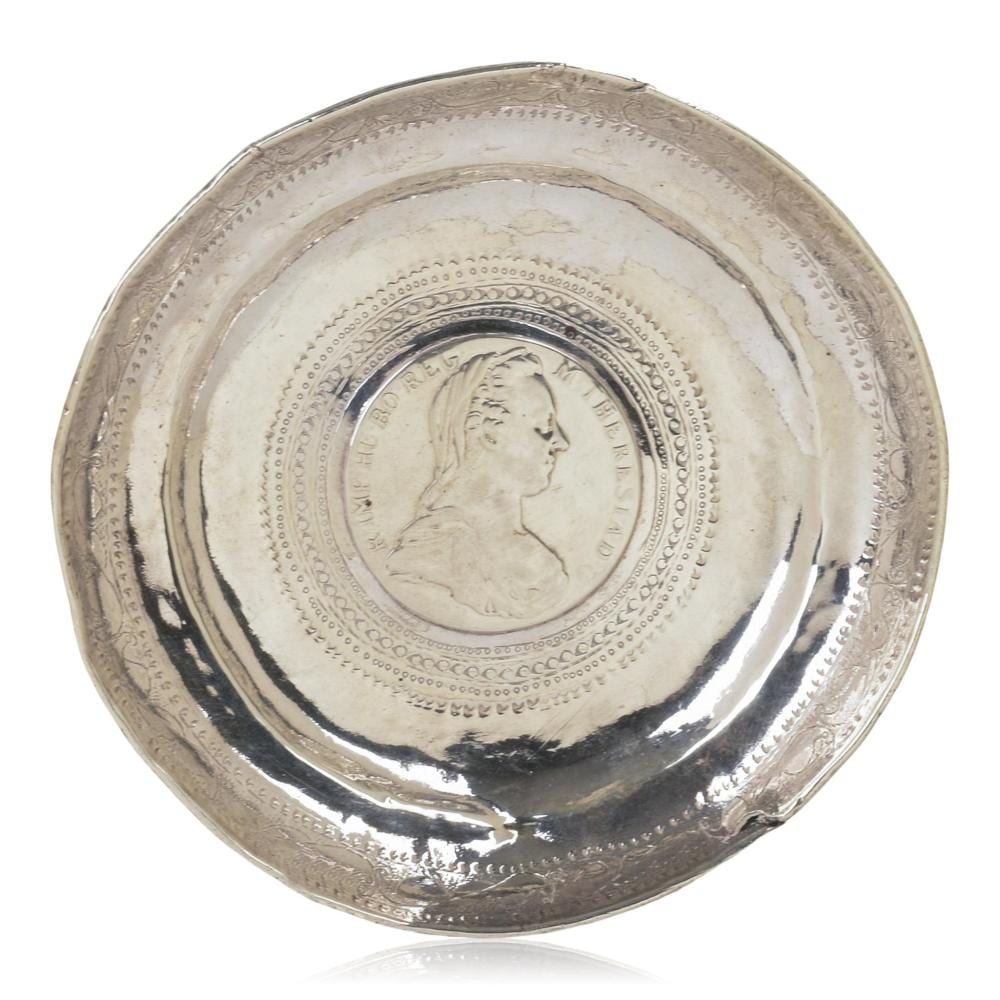
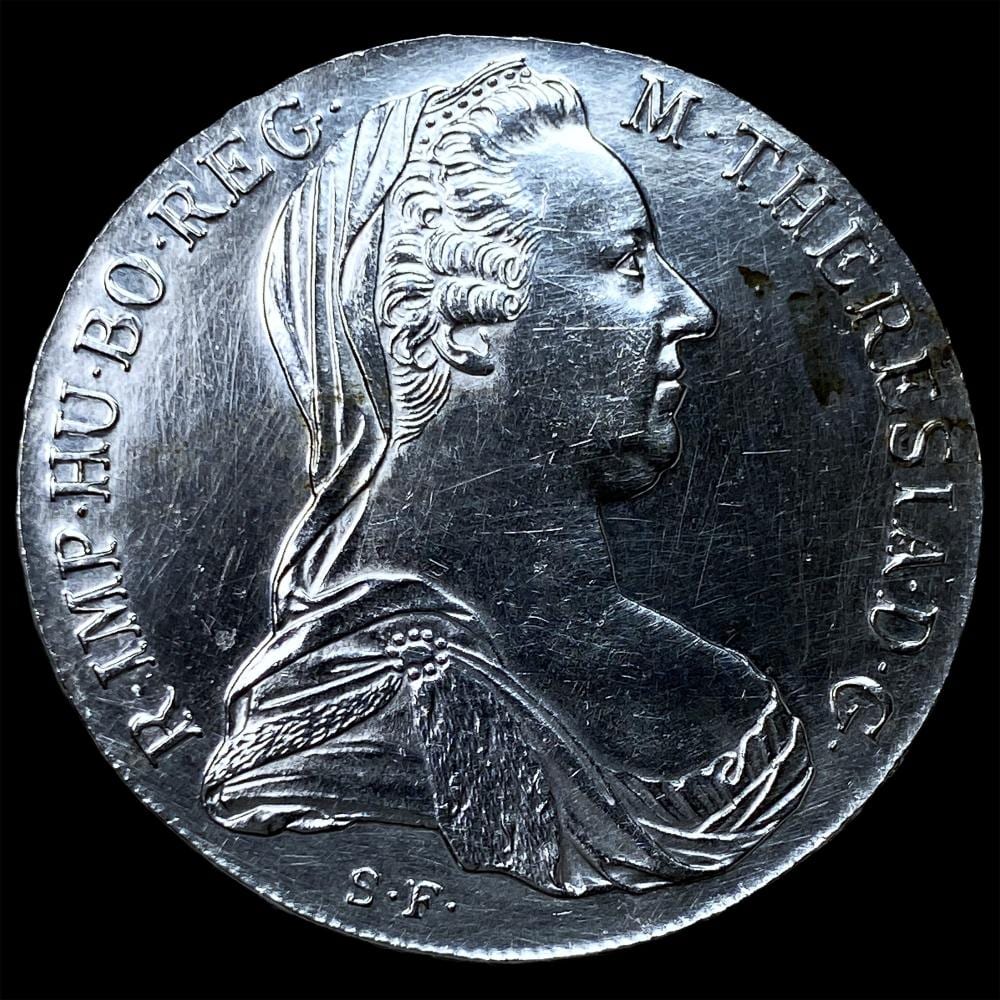
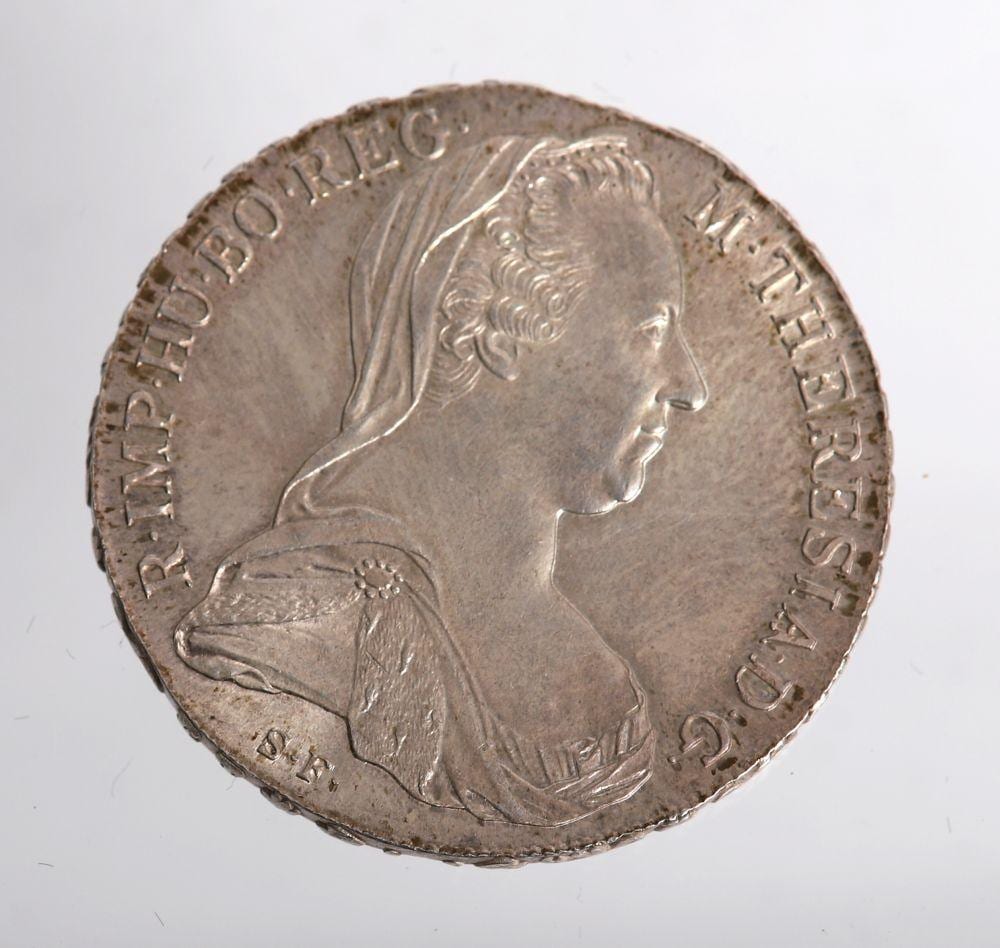
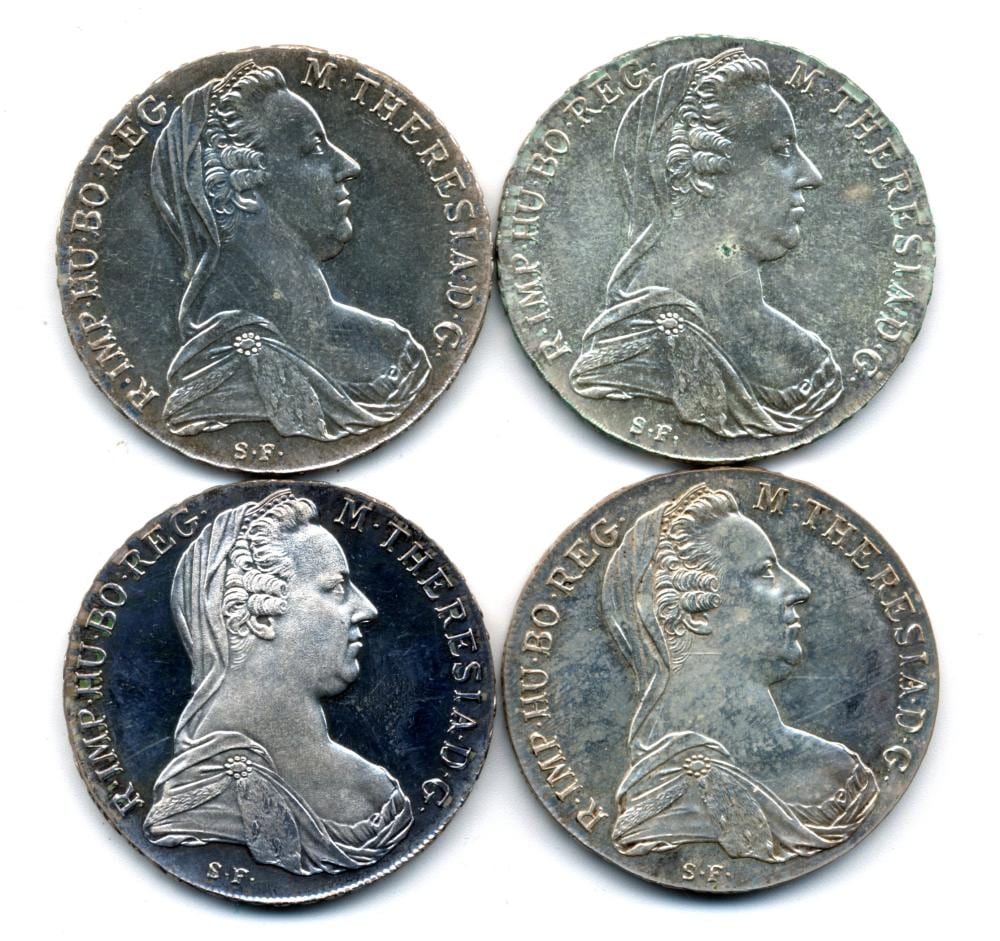
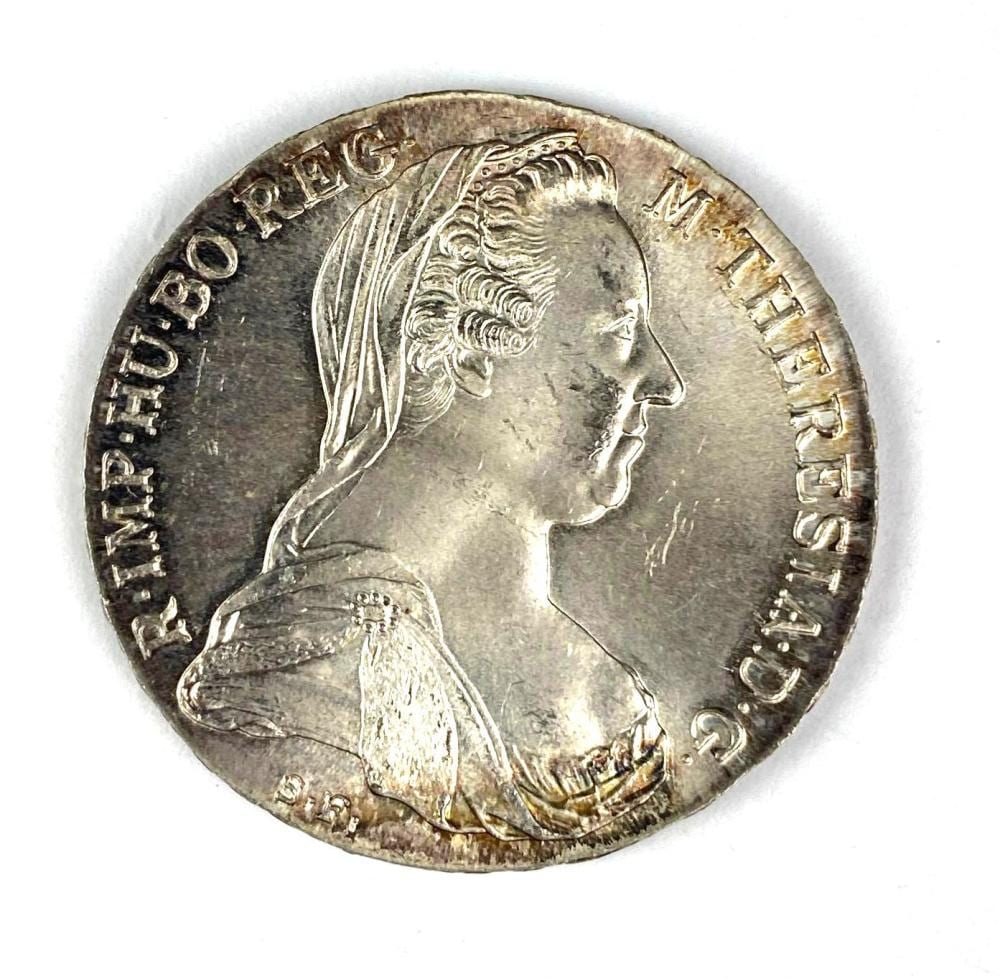
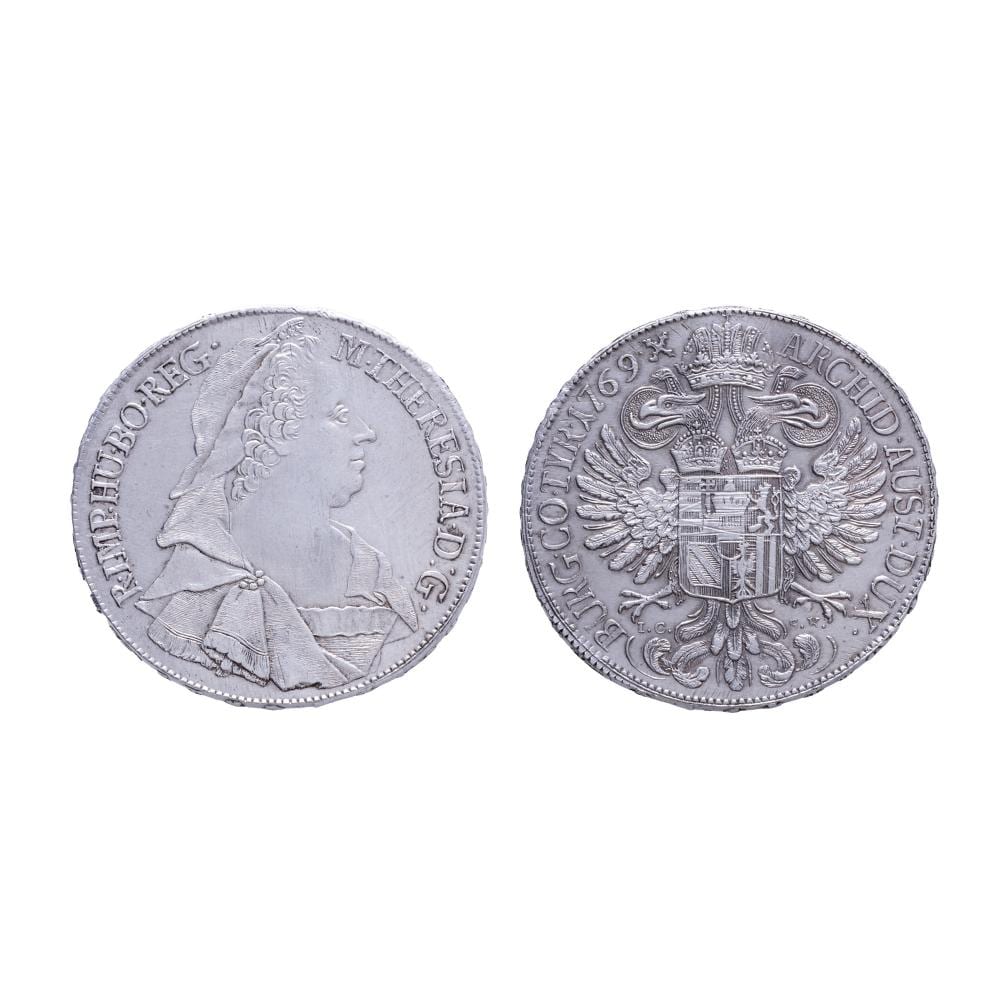
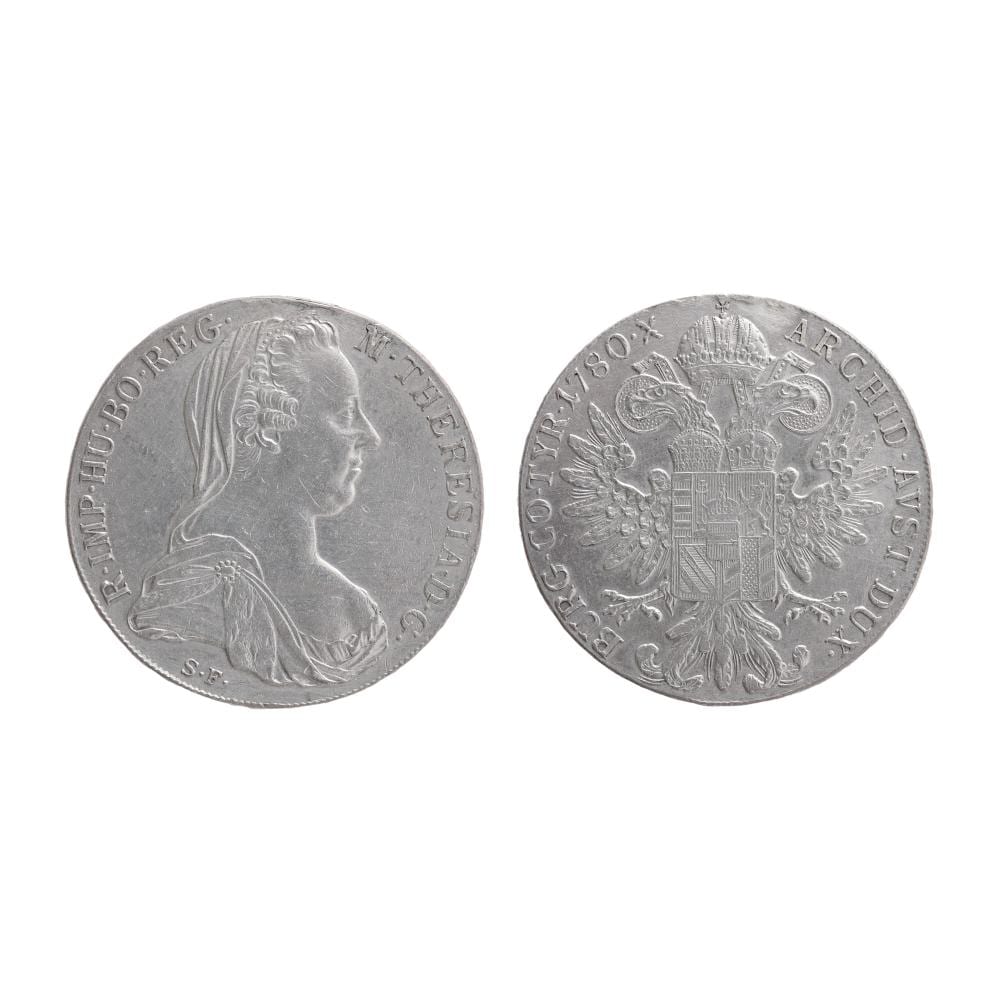
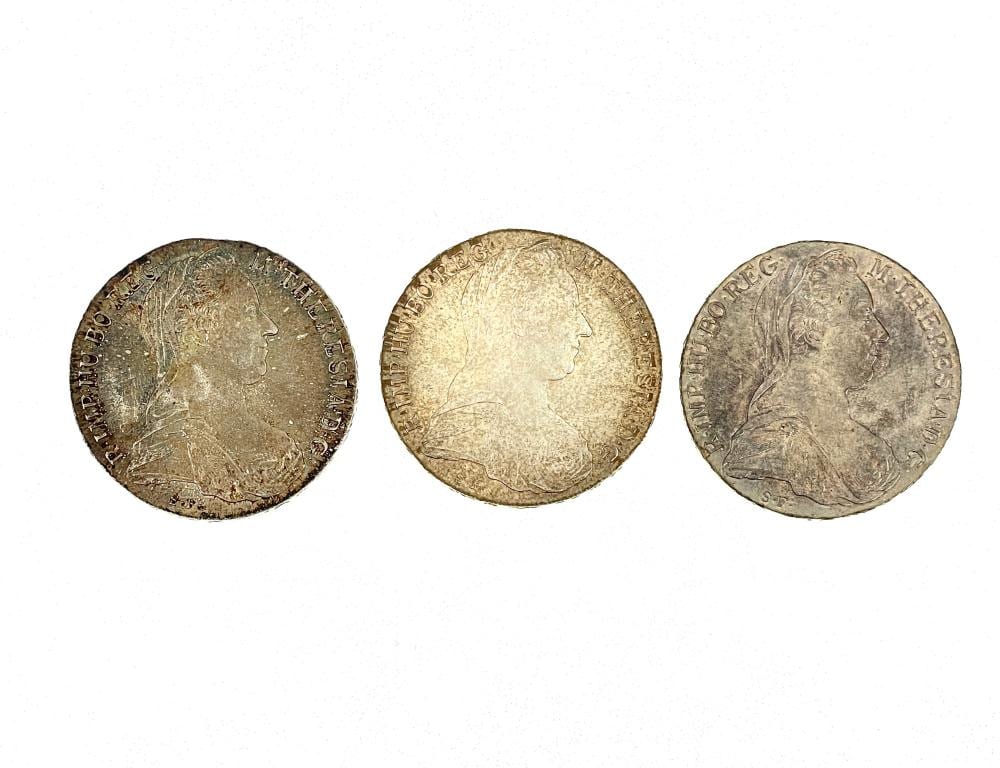
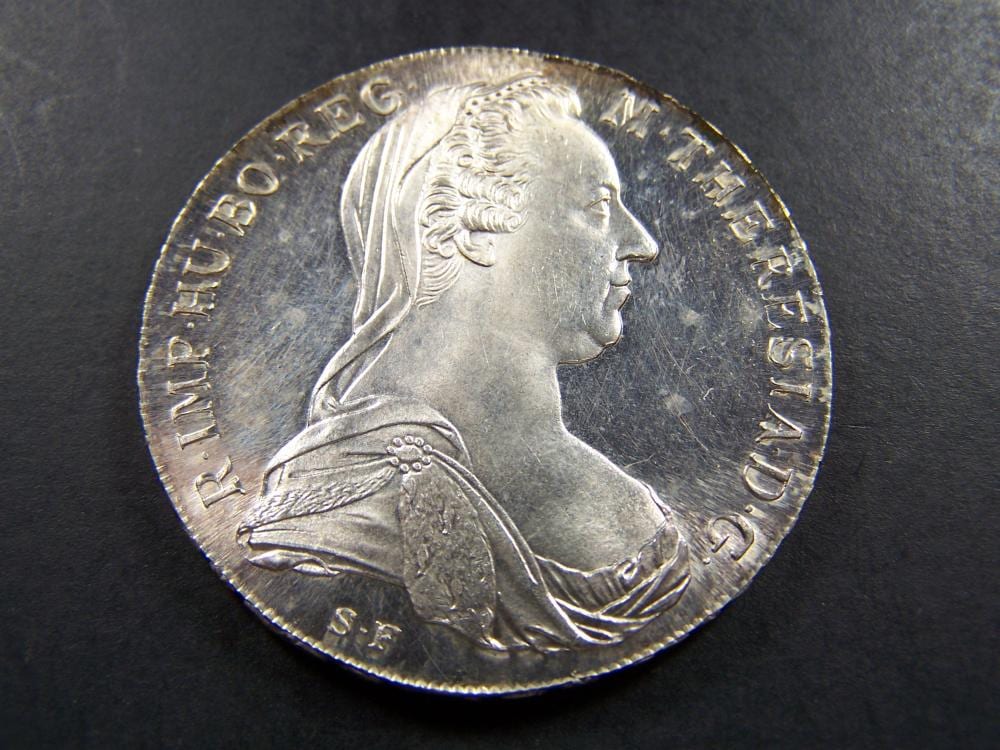
- Obverse: Draped and veiled bust of Maria Theresa facing right; legend usually reads M. THERESIA D. G. R. IMP. HU. BO. REG. (Maria Theresa, by the grace of God Roman Empress, Queen of Hungary and Bohemia).
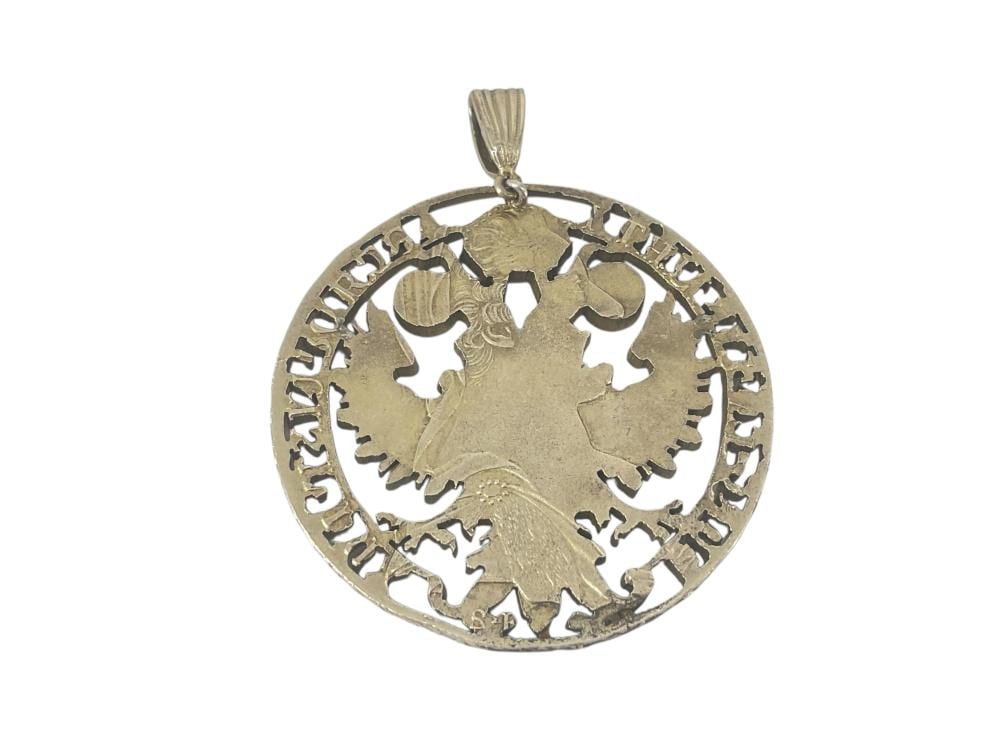
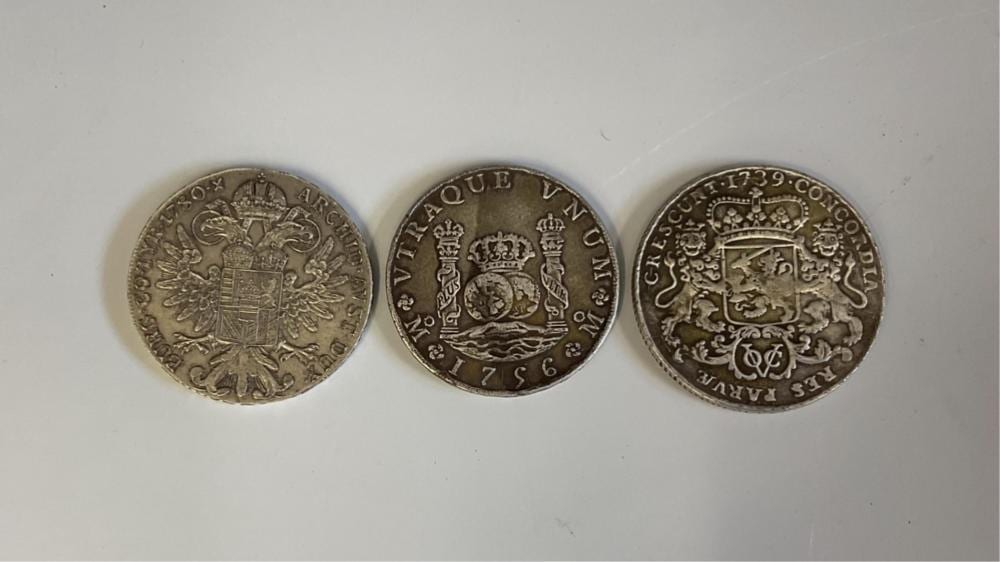
- Reverse: The crowned double-headed Habsburg eagle with central shield; legend typically ARCHID. AVST. DUX. BURG. CO. TYR. 1780 X (Archduchess of Austria, Duchess of Burgundy, Countess of Tyrol; 1780 and a value/pattern mark X).
- “S.F.” initials: Many 1780 restrikes include “S.F.” on the coin as carried over from historic mint officials and perpetuated on later restrikes; the presence of S.F. does not mean the coin was struck in 1780.
Because the MTT was a trade coin, minor design and fabric differences exist among periods and mints. For appraisal, verifying basic specifications, style, and edge lettering is the most effective first pass.
Distinguishing genuine MTTs from tourist copies when set as pendants
Pendants complicate authentication: settings can hide edges and solder can alter weight. Still, MTTs are well-documented, and a systematic check goes a long way.
- Weight and diameter
- Standard restrike: about 28.0 g and ~39.5–40 mm diameter.
- In a bezel: A tight silver or gold bezel can add a gram or more; a prong setting may add little.
- Red flags: A coin significantly underweight (e.g., <27 g without a setting), drastically off-diameter, or suspiciously thick/thin could be plated or cast.
- Composition and magnetism
- An MTT should be non-magnetic. A magnet reaction suggests steel or nickel-core fakes.
- Fine silver content should test around 0.833 using a reliable method (XRF preferred). Acid scratch tests can mar surfaces and are discouraged unless done on the bezel only (not the coin).
- Edge motto
- Genuine MTTs have a sharp, raised IUSTITIA ET CLEMENTIA with decorative separators in distinct segments.
- Cast copies often show mushy edges, uneven lettering depth, or a seam line instead of crisp segment breaks.
- Bezel coverage: If a solid bezel hides the edge, look for a tiny inspection gap, or request the piece be safely opened by a jeweler if warranted by potential value.
- Surface and style
- Struck coins exhibit flow lines, fine die polish, and consistent strike pressure; fields can be satiny or softly lustrous on later Austrian restrikes.
- Cast fakes show granular surfaces, bubbled pits, or loss of sharpness in high-relief areas (e.g., eagle feathers, hair details, pearls on the brooch).
- Lettering should be precise and uniform. Misshapen letters, uneven spacing, or “bleeding” edges suggest casting.
- Legends and common markers
- Obverse: M. THERESIA D. G. R. IMP. HU. BO. REG. with known punctuation patterns, small rosettes, or dots.
- Reverse: ARCHID. AVST. DUX. BURG. CO. TYR. 1780 X with shield and eagle details that remain largely consistent on restrikes.
- “S.F.” initials commonly appear and are not, by themselves, an authenticity guarantee. However, their absence or crude rendering on a 1780-dated piece can be a clue to a modern fantasy copy.
- Mounting clues
- Drilled coins: A punched hole at 12 o’clock reduces numismatic value and often indicates the coin was treated purely as adornment.
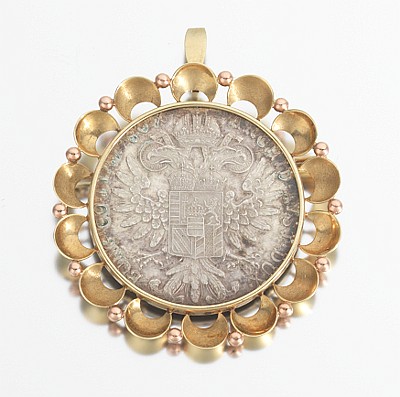
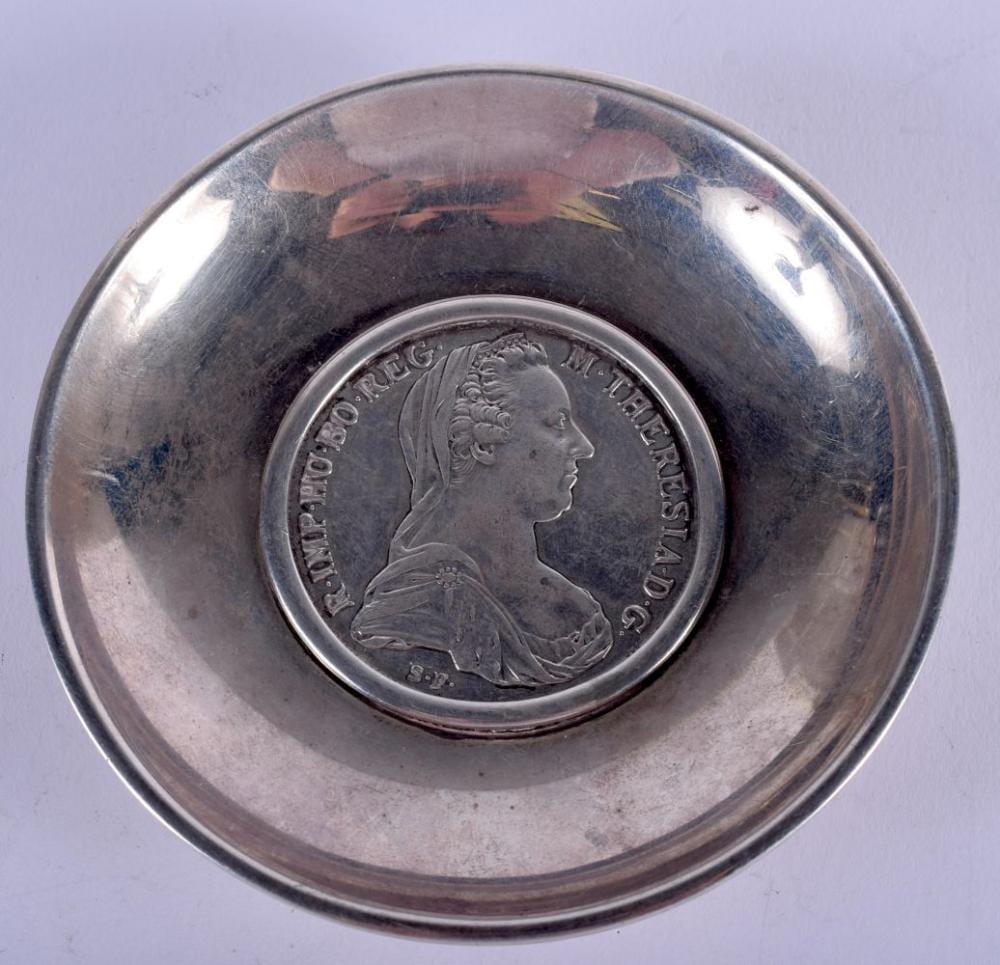
- Bezel-set coins: Better for preservation. Check for solder blobs, seam joins, and tool marks.
- Prong settings: Look for pressure flattening under prongs, which can obscure diagnostics.
- Hallmarks and metals in the setting
- Silver bezels may be stamped 800, 900, or 925. Gold bezels often bear 585 (14k) or 750 (18k).
- Mount hallmarks can contribute to value, provide dating evidence for the setting, and support provenance when maker’s marks are present.
Pendant settings: how they affect value, condition, and identification
- Value impact: Common 1780 restrikes typically trade close to their silver value. Mounting dramatically shifts value toward the jewelry component—especially in gold. For a drilled coin without a bezel, the numismatic premium (if any) is largely lost, though jewelry appeal may remain.
- Condition impact: Solder heat can discolor or soften surface detail along the rim. Prongs leave pressure marks. A tight bezel can protect edges but obscure the edge motto.
- Orientation: Collectors often prefer the loop placed at 12 o’clock on the obverse (bust side) so the bust faces upright when worn. While not a rule, this can guide replacement or repair decisions.
- Ethnographic settings: In regions where the thaler circulated widely (e.g., Ethiopia, Yemen), “souq silver” settings can be handmade, with regional motifs or twisted-wire frames. Such mounts, even in lower-purity silver, may have independent cultural/collectible value when well-crafted.
When documenting, photograph the coin both sides outside strong reflections, detail the loop/bezel join, and (if visible) the edge motto. Note any evidence of previous removals or re-soldering.
Appraising market value: coin, metal, and craftsmanship
- Silver melt baseline
- Fine silver content of the standard MTT is ~23.39 g, or approximately 0.752 troy oz.
- Melt value formula: 0.752 × current silver spot price (per troy oz) = silver value of the coin alone.
- Note: If the coin is heavily worn, weight may be slightly less.
- Numismatic premium
- Common restrikes (most 1780-dated pieces) usually carry a small premium above melt when unmounted and in attractive condition.
- Early, original strikes of the MTT series (pre-1780 or documented original 1780 strikes) can be scarce and valuable. However, pendants are rarely originals; mounting typically implies a later restrike intended for trade or tourist markets. If you suspect an original, have it examined by a specialist and, ideally, certified prior to any cleaning or remounting.
- Jewelry value
- Silver bezel: modest added value over melt, influenced by workmanship, maker’s marks, and design appeal.
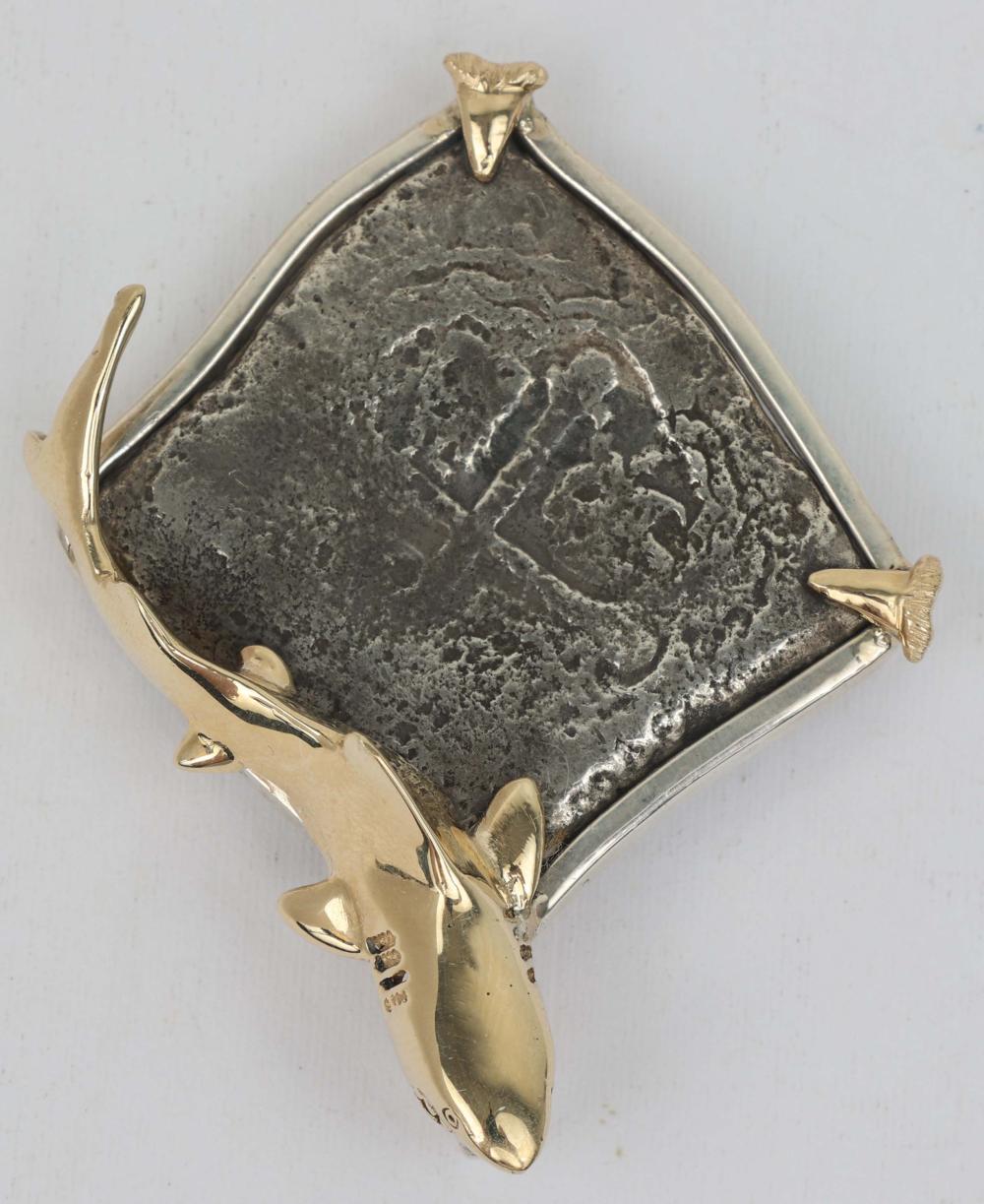
- Gold bezel: can significantly exceed the coin’s intrinsic value. Weigh the mount separately if possible, identify karat, and compute the mount’s gold content based on hallmark and weight.
- Brand or artisan premium: Signed mounts, period designs (e.g., Art Deco, Mid-century), or high-quality goldsmith work command higher prices.
- Condition and eye appeal
- Brightly polished coins lose collector interest but can be more marketable as jewelry. Thick, uneven polishing that rounds devices reduces both numismatic and aesthetic value.
- Attractive, even toning often enhances desirability—both as a collectible and a pendant—provided the piece remains clean and wearable.
- Provenance
- Documentation of purchase origin (e.g., Middle Eastern market in the 1930s), family history, or association with a known maker’s mark can add interest and value beyond materials.
Conservation, care, and documentation
- Cleaning: Avoid chemical dips, abrasive cloths, and ultrasonic cleaners—these can strip patina or loosen solder seams. Use mild, non-ionic soap and lukewarm water with a soft cloth for the bezel; avoid aggressive work on the coin itself.
- Storage: Keep dry, in a tarnish-resistant pouch or archival box. Separate from other jewelry to avoid edge dings and hairline scratches.
- Wearing: Remove before swimming, showering, or using cleaners that contain chlorine or sulfides. Perfumes and cosmetics can dull surfaces; allow them to dry before wearing.
- Repairs: Any re-soldering or bezel adjustments should be done by a jeweler familiar with antique mounts. Document repairs for appraisal records—before-and-after photos and invoices help.
Documentation checklist for appraisals:
- Full weight of pendant; weight of coin alone if separable.
- Diameter and thickness of coin.
- Metal content and hallmarks of the mount.
- Edge motto inspection (photos if visible).
- Condition notes: polishing, solder traces, prong pressure marks, rim nicks.
- Historical notes: when/where acquired, any maker’s marks, stylistic attributions.
Cultural context: why the 1780 MTT shows up so often in jewelry
The Maria Theresa Thaler functioned as a trusted store of value in the Red Sea and Horn of Africa trade for generations. Its silver content and familiar design made it ideal for hoarding, dowries, and portable wealth. In many areas it was woven into body adornment and civic display, evolving naturally into pendants, belts, and headdresses. Twentieth-century tourism further popularized coin jewelry, and the Austrian Mint continued to supply fresh restrikes—still bearing the historic 1780 date—to meet demand. Today’s pendants reflect both an imperial trade history and a living tradition of wearable silver.
Practical appraisal checklist
- Verify measurements:
- Weight around 28.0 g for the coin; adjust expectations for bezels.
- Diameter about 39.5–40 mm.
- Confirm composition:
- Non-magnetic.
- XRF target ~0.833 fine silver for coin; identify karat for gold mounts or purity for silver mounts.
- Inspect edge:
- Look for raised IUSTITIA ET CLEMENTIA motto with crisp ornaments; avoid cast seams or blurry letters.
- Examine design and legends:
- Obverse and reverse legends as expected; 1780 date and common “S.F.” presence on restrikes.
- Sharp relief in hair and eagle feathers; beware of granular cast surfaces.
- Assess mounting:
- Type (drilled, prong, or bezel), hallmarks, solder quality, and orientation.
- Evaluate condition:
- Note polishing, rim knocks, prong pressure, or heat discoloration.
- Establish value:
- Calculate coin melt value (0.752 × spot silver).
- Add or separate mount value by metal content and craftsmanship.
- Consider modest numismatic premium for clean, unmounted restrikes; expect little to none for drilled coins.
- Document thoroughly with clear, well-lit photos, including edge if visible.
FAQ
Q: Are all “1780” Maria Theresa Thalers restrikes? A: Most you will encounter are restrikes bearing the frozen 1780 date. True originals from 1780 exist but are far scarcer and are usually not found mounted as pendants.
Q: How much silver is in the coin? A: Approximately 23.39 g of fine silver, which is about 0.752 troy ounces. The standard coin is 0.833 fine and weighs about 28.07 g.
Q: Does a drilled hole ruin the value? A: It generally eliminates numismatic premium. As jewelry, however, a drilled coin can still have decorative value. A quality bezel is preferable for both preservation and resale.
Q: What sets apart a genuine coin from a cast copy in a pendant? A: Crisp edge motto segments, sharp lettering and device detail, proper weight/diameter, and non-magnetic 0.833 silver content are key. Cast copies often show soft detail, surface porosity, and poor edge definition.
Q: Should I clean my pendant to brighten the coin? A: Avoid chemical dips or abrasives. Light soap-and-water on the bezel and gentle drying are safest. Leave natural patina on the coin; it protects the surface and is preferred by collectors.
By combining hard measurements with close visual diagnostics, and by documenting the setting as part of the object’s history, you can appraise a Maria Theresa Thaler Austrian 1780 silver coin pendant accurately and presentably.