Lot description
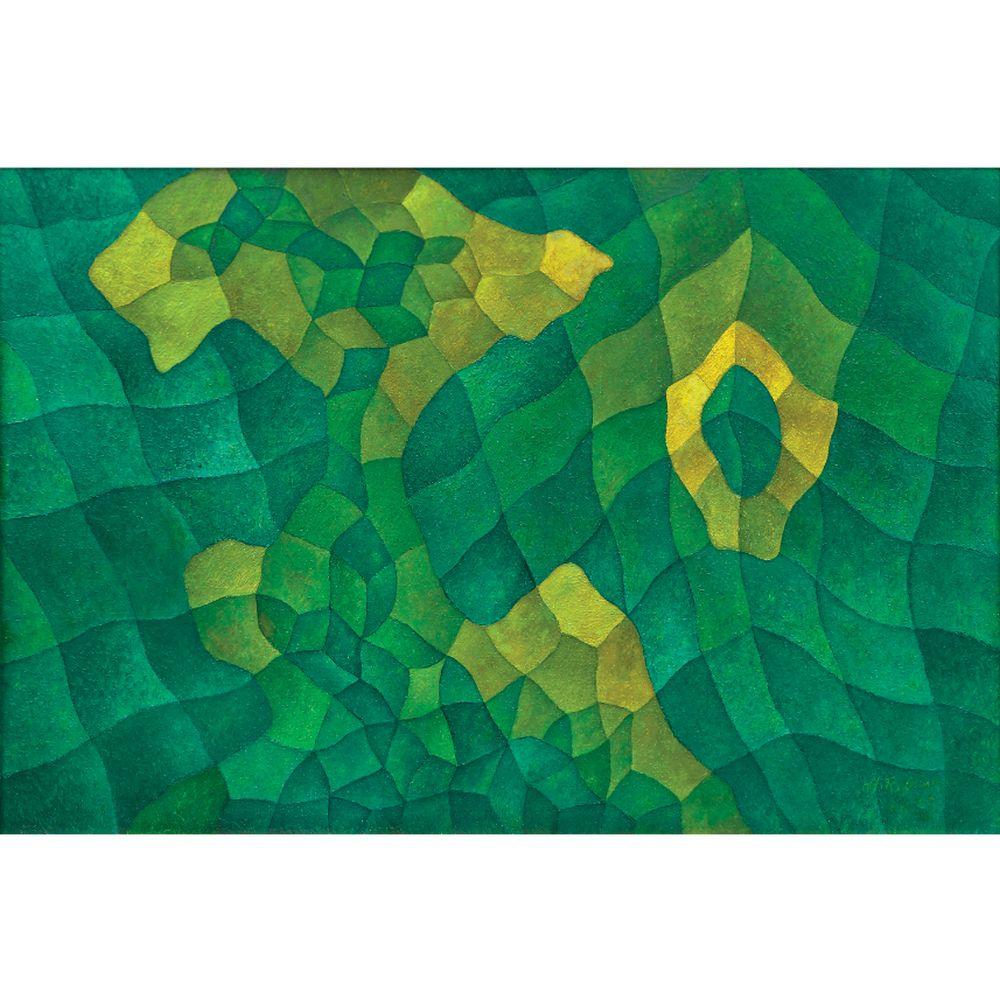
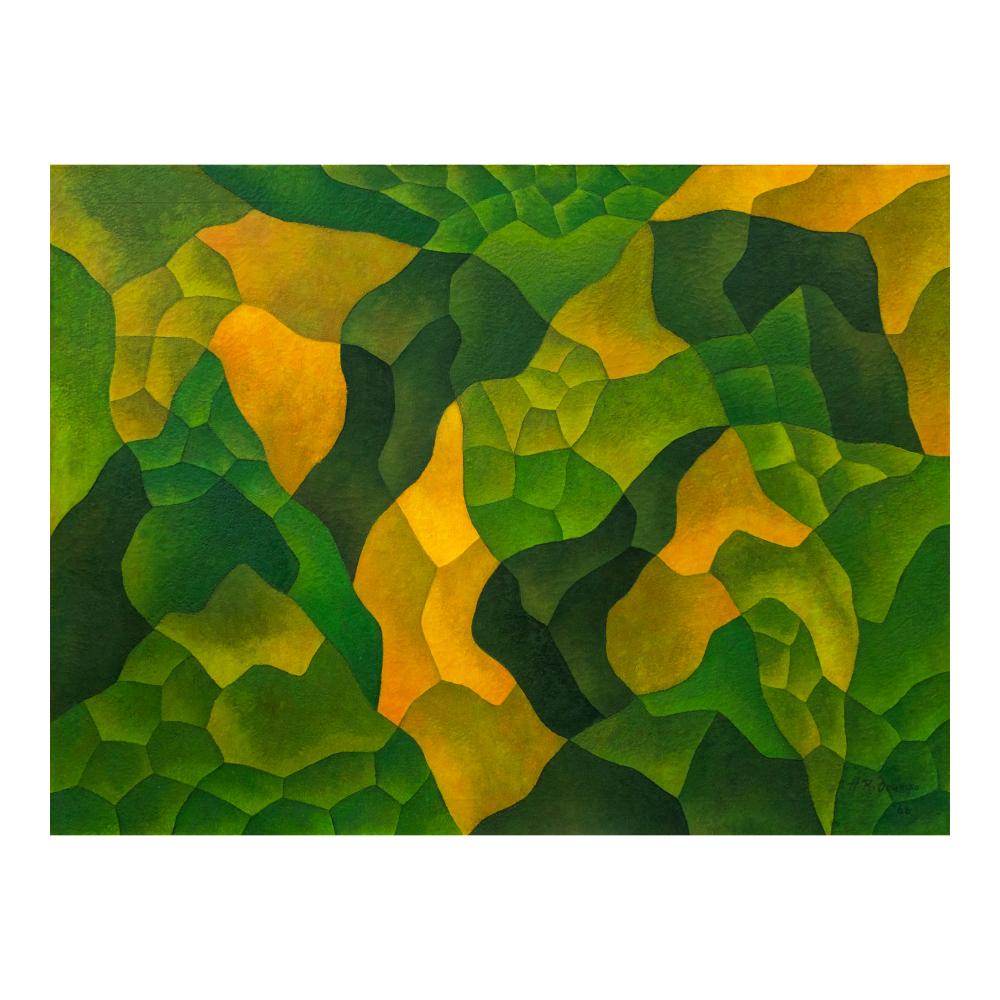
PROPERTY FROM THE NIKKI COSETENG COLLECTION Kalaanan signed and dated 1968 (lower right) oil on canvas 30" x 40" (76 cm x 102 cm) LITERATURE De Jesus, Angel G. H.R. Ocampo: The Artist as Filipino. Manila: Heritage Publishing, 1979. Black-and-white illustration and painting description on page 150. Villegas, Ramon N. and Lisa Guerrero Nakpil. Trove: The Coseteng Collection, The Life and Art of H.R. Ocampo. Published to accompany the exhibition of the same title at León Gallery on 21 January 2017. Makati City: León Gallery, 2017. Full-color spread on pages 72 - 73 and painting description on pages 70, 72. Hufana, Alejandrino G., ed. Pamana 13 June 1974: A Cultural Quarterly Published by the Cultural Center of the Philippines. Manila: Cultural Center of the Philippines, 1974. Listed on page 19 as “274. KALAANAN” under the artist's list of paintings. Tiongson, Nicanor G., ed. Artista ng Bayan 1991. Cultural Center of the Philippines. Manila. 1991. Listed on page 37 as "274. Kalaanan" under HR Ocampo's "List of Paintings (Partial)". EXHIBITED The Luz Gallery, Legaspi - Luz - Ocampo (Three-man Exhibit), Makati, 7 – 19 November 1968 León Gallery, Trove: The Coseteng Collection, The Life and Art of H.R. Ocampo, Makati City, 21 January 2017 industry, led by the famed and internationally exported Ang Tibay leather shoes and slippers, and its iconic Art Decostyle factory, which was once Asia's premier shoe factory. Its founder, influential industrialist Don Toribio Teodoro, was also born in Grace Park and would acquire the iconic Manila Grand Opera House during the war. Other shoe factories on 5th Avenue included Jacinto Rubber Shoes and El Porvenir (Elpo) Rubber Shoes, owned by Don Tomas Geronimo, who pioneered rubber shoe manufacturing in the country. Grace Park remains a major commercial center of Caloocan Representing a return to form The scintillating greens of Kalaanan capture the district's prime position as an economic lifeblood of Ocampo's beloved Caloocan. Contrasted with the somber and often disorienting palette of Ocampo's preceding Mutants Period, which spoke to the era's nuclear anxieties, his colors now seem "singing": luscious, warm, and sensual, resonating with the artist's newfound freedom. Kalaanan represents an emancipated Ocampo. Borrowing from the barrio legend of how Kalaanan got its name, the work resonates with Ocampo exalting his cherished Caloocan, dedicating an entire body of work symbolizing his elated return to painting, his own cherie amour. Caloocan was where Ocampo first experienced the searing realities of life, early on putting a heavy burden upon his juvenile shoulders as he went on the streets polishing the shoes of the nearby Maypajo and Lerma cabarets’ local and foreign customers, and later on working in the former as a cashier, regularly encountering rowdy American soldiers and sailors being beaten up by the local gangsters. When he started to become a writer before the war struck, Ocampo wrote two short stories dedicated to Maypajo and its people—“The Legend of Maypajo” and “Street Scene in Maypajo”—his own locality in Caloocan and the district southwest of Grace Park. The city would become the silent witness to all his vocational frustrations, familial struggles, his profound empathy for the working class manifested in his stories and early paintings, the regrets brought by the abandonment of dreams to study abroad just to prioritize his family’s immediate everyday needs (Ocampo was the original grantee of the 1950 French government scholarship that ultimately went to his friend, Manansala), and the little triumphs as he forged his dreams of pursuing his soul's creative passion into a fully realized truth. Once the target of vile criticisms for his compellingly original and daring blend of form and color, Ocampo is now celebrated for his oeuvre, which harmonizes with and is attuned to the agitating desires of a people towards the reclamation of agency, identity, and autonomy in a discordant, post-colonial society.