Have one like this?
Upload a photo for a free check of what yours may be worth.
Lot description
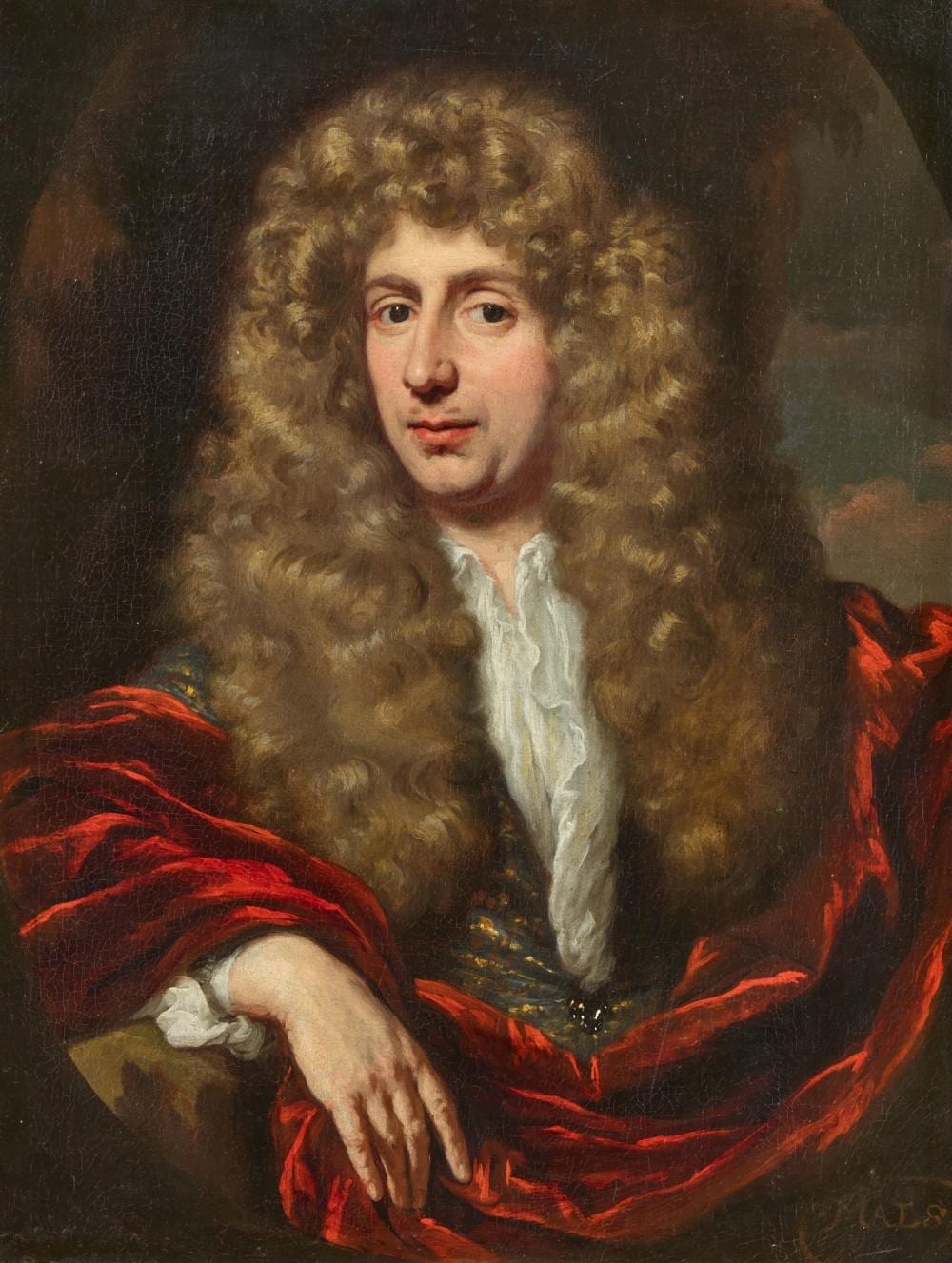
Signed lower right: MAES Framed under glass Nicolaes Maes received his first painting lessons at the age of twelve or thirteen from an unknown painter from Dordrecht. Immediately afterwards, however, the leap was enormous: Nicolaes Maes was accepted by Rembrandt for further training in his workshop. The ambition and influence of this giant of painting characterised the first decade of Nicolaes Maes' career. He created his important genre paintings, scenes from everyday bourgeois life, which are now represented in the world's great collections of paintings. A new phase in his work began in the 1660s. Maes moved away from Rembrandt and increasingly focussed on portrait painting. The demand was great, the bourgeoisie, now very wealthy, demanded representative self-portraits. Money had ennobled them, the portraits were to express a corresponding nobility and Nicolaes Maes mastered the necessary tools for this. With an unerring brush, he succeeds in striking a balance between individuality and status symbols in the form of magnificent wigs, velvet and silk robes or self-confident attitudes, characteristics that also characterise this painting. The lavish clothing and the pose of the unknown sitter with his arm resting casually indicate that the portrait was painted in the second half of the 1670s. It has been surmised that the portrait is identical to one listed in Hofstede de Groot (vol. VI) under no. 138, which depicts Christoffel van den Bergh (see H. Grape-Albers, Hanover 2000, p. 248). The painting, which is characterised by its particularly fine quality and bright colours, is fitted into a 17th-century South German moulding frame.