Lot description
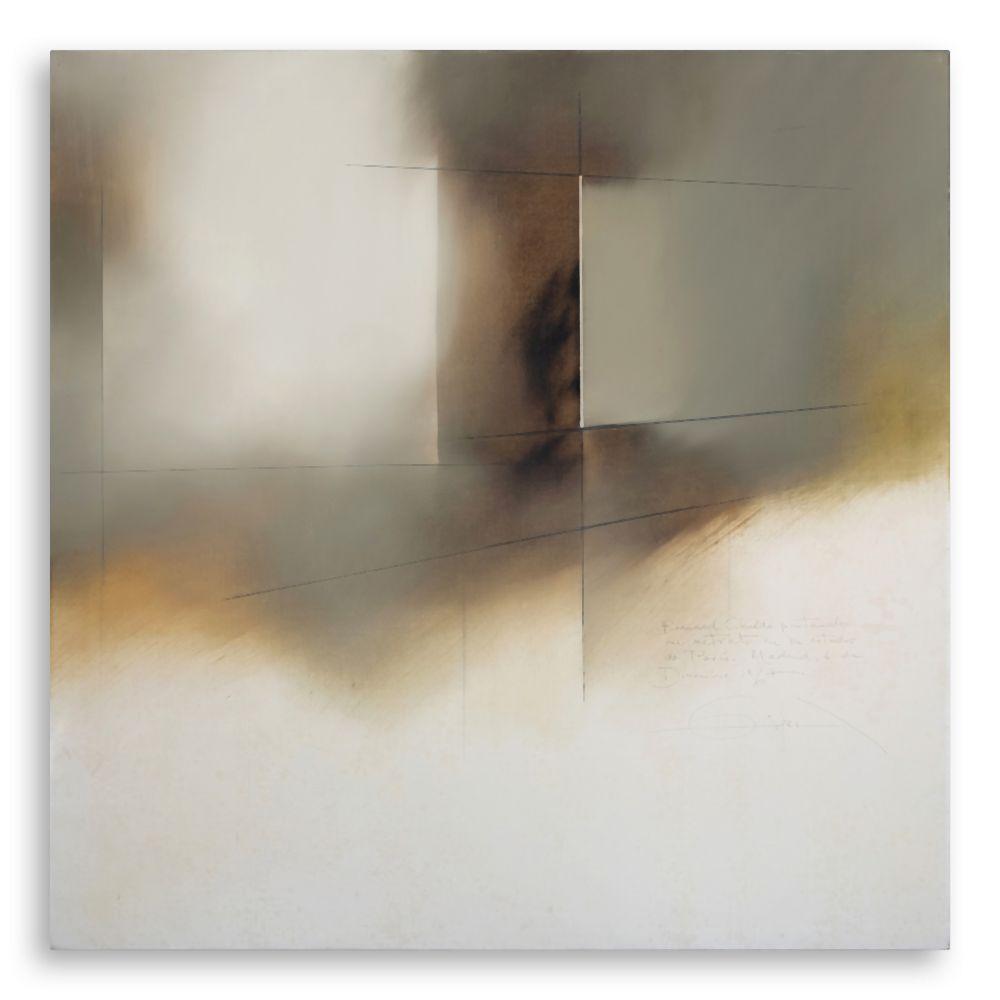
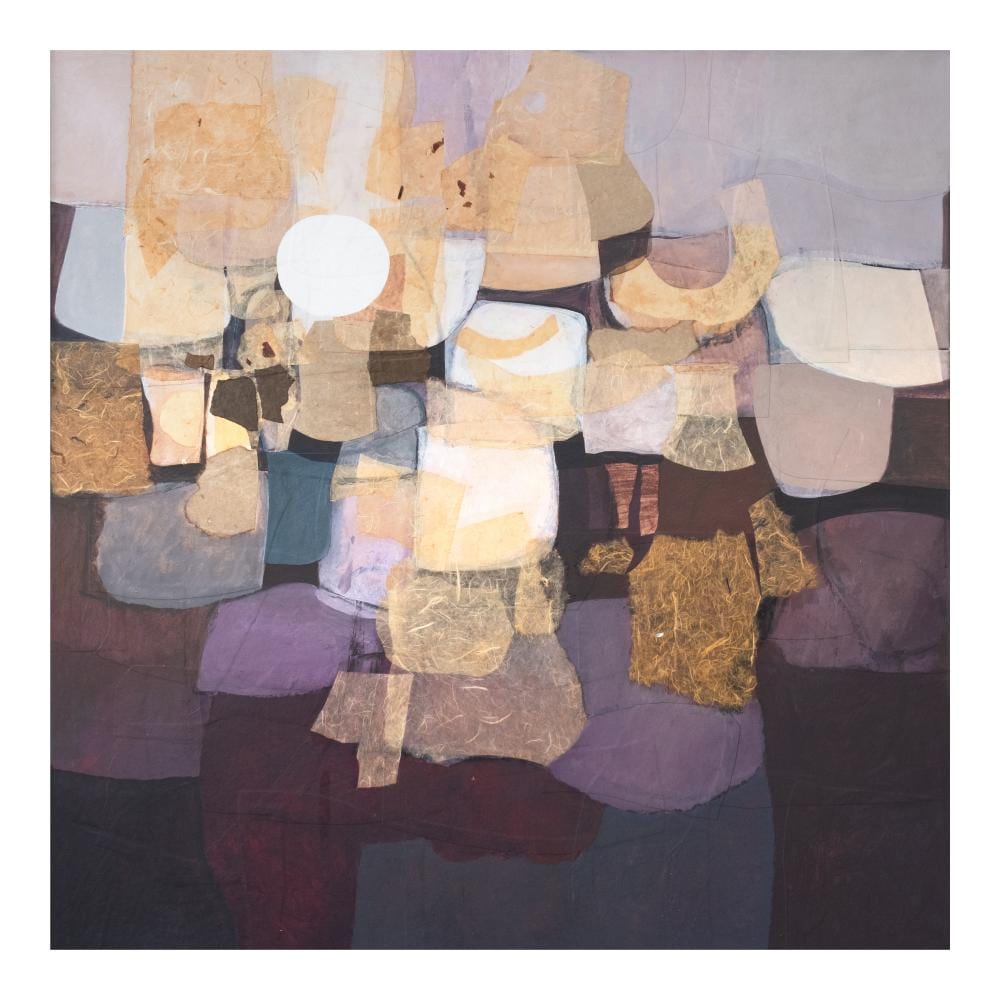
José Joya (1931 - 1995) - Glorious Work by ACC's First Grantee for the Visual Arts, 1967 Evening in Shanghai dated 1973 acrylic 48" x 48" (122 cm x 122 cm) Accompanied by a certificate issued by Mr. Alexander Richard Joya Baldovino confirming the authenticity of this lot Provenance: The Luz Gallery Exhibited: The Luz Gallery, Joya: New Paintings, Makati, 8 - 27 November 1973 A Painterly Pivot to China from the West Joya’s Historic Excursion to China before Diplomatic Relations 'Evening in Shanghai’ is an important historical artifact of the Philippines’ friendship with China — and the country’s pivot from the West to the East. Painted several years before the country would enter into formal diplomatic relations with the People’s Republic of China (PROC), Jose Joya was part of an important cultural mission to the “Mainland.” He would be among the first Filipinos to visit China during the Cold War. After all, it was only several years later or in June 1975, Premier Zhou Enlai and President Marcos signed the "Joint Communiqué of the Government of the People's Republic of China and the Government of the Republic of the Philippines" in Beijing. The painting is thus a cultural milestone. Notes the “Filipino Historian”, “Only four years earlier, the Philippines voted against the admission of PR China to the United Nations. However, this pivot towards a more independent foreign policy was believed to have been partly influenced by decreasing American presence in Asia, a major event which represented this being the withdrawal of the United States from Vietnam in April 1975. Meanwhile, the tenure of American military bases in the Philippines had been renegotiated from 99 years to 25 years in 1966, Marcos's first year in office as president. It was effectively ended by the year 1991.” 'Evening in Shanghai' depicts the European air of this colonial city, with an Italianate palette of greys and blues, a rare departure from Joya’s typical tropical and vivid colors. He retains his trademark composition and recognizable formation of rounded block shapes and captures the dusty hubhub of one of China’s biggest and busiest cities. (Lisa Guerrero Nakpil) José Joya (1931 - 1995), who was pronounced posthumously as National Artist in 2003, was without question one of the greatest colorists of the latter half of the 20th century. The indulgent richness of his color palette, the evocative brilliance of his hues, and the unique compositional medley of his visual tones offer a transcendent experience, toward a world of abstraction that vibrates and expands with fevered intensity. Amid this eventful background is a bouquet of shapes in their various sizes, silhouettes, and levels of transparency, blooming extravagantly and seeming to extend from a center outward. Thin lines dance across these shapes, providing a dynamic contrast to the stability of abstract forms. Through the interplay of the various elements, one senses an intuitive and rhapsodic energy that infuses the overall composition. If one is to characterize the style of Joya, one may say that it is the visual equivalent of jazz with its exuberant playfulness and improvisation. From a given element—whether it is a color, a shape, or a concept—Joya would work on and spun from it a bravura of associations until the canvas became a field rife with the visual ramifications of the artist’s way of thinking, with all the explorations, diversions, and discoveries intact. (Carlomar Daoana)