Lot description
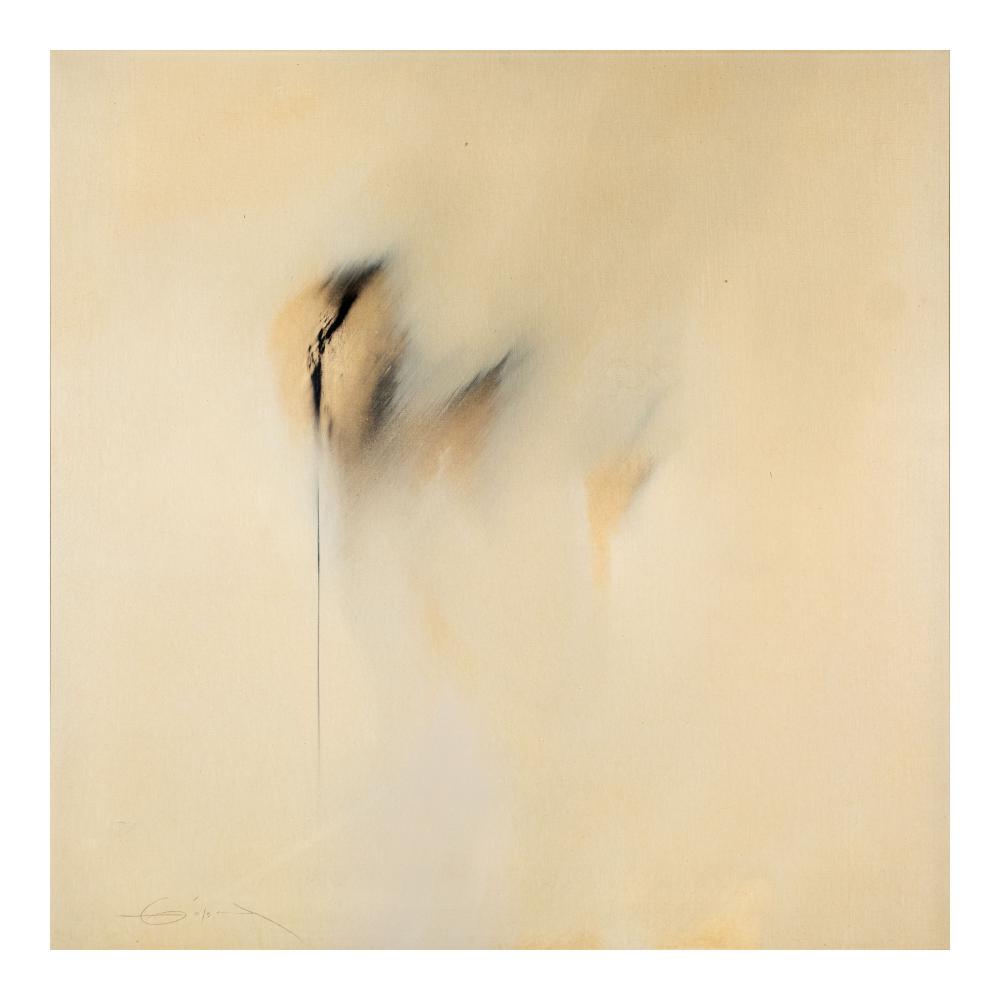
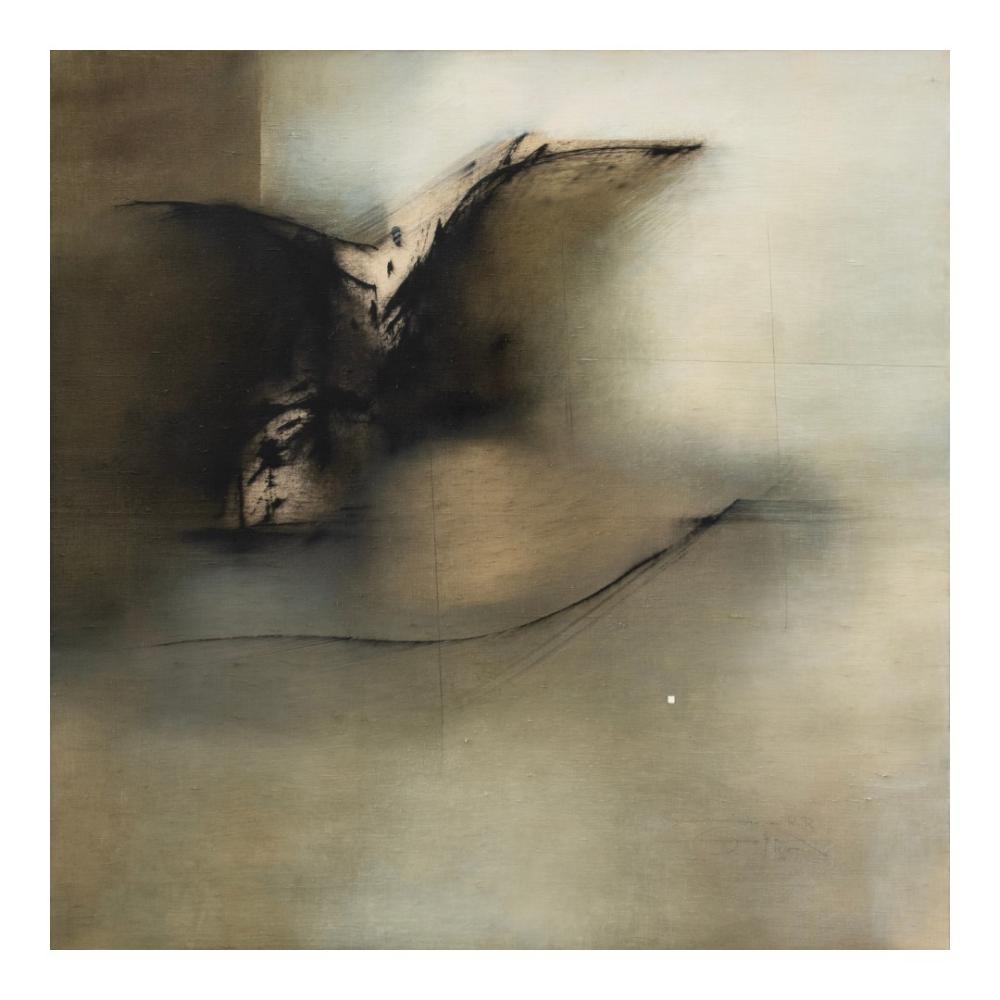
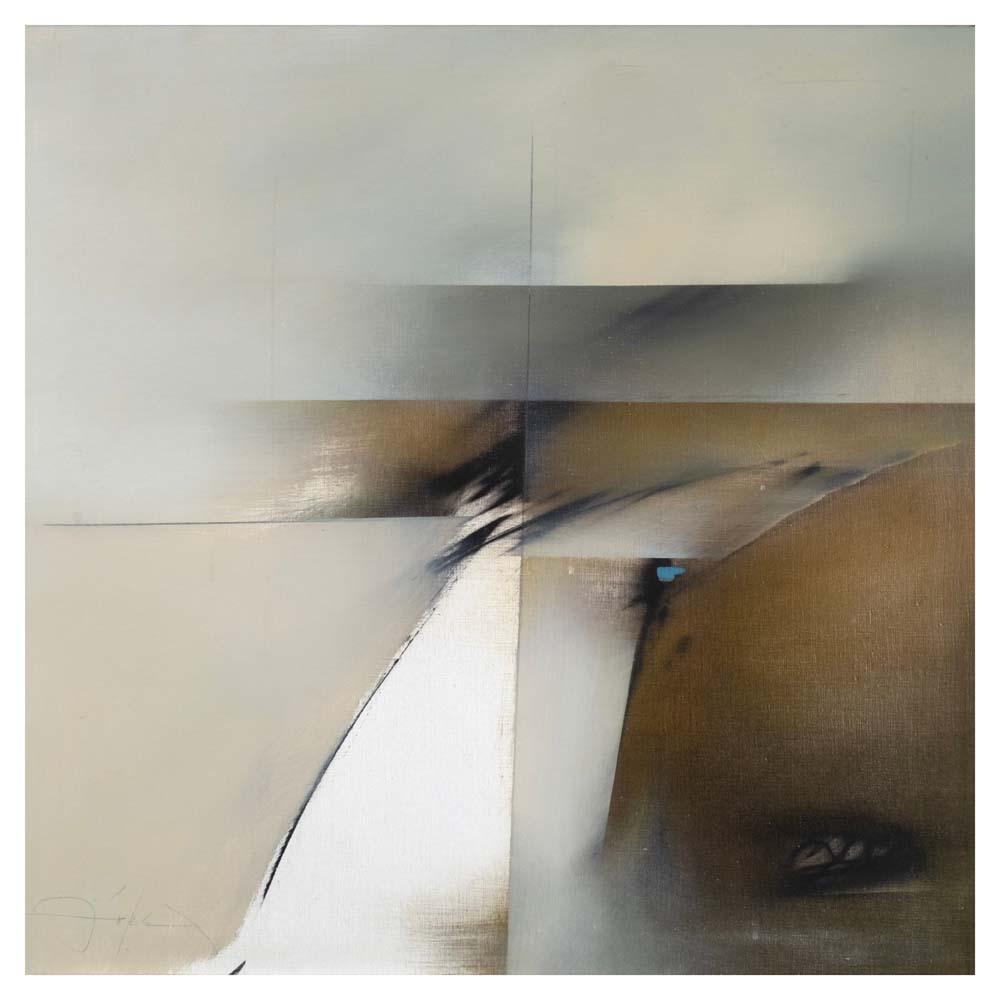
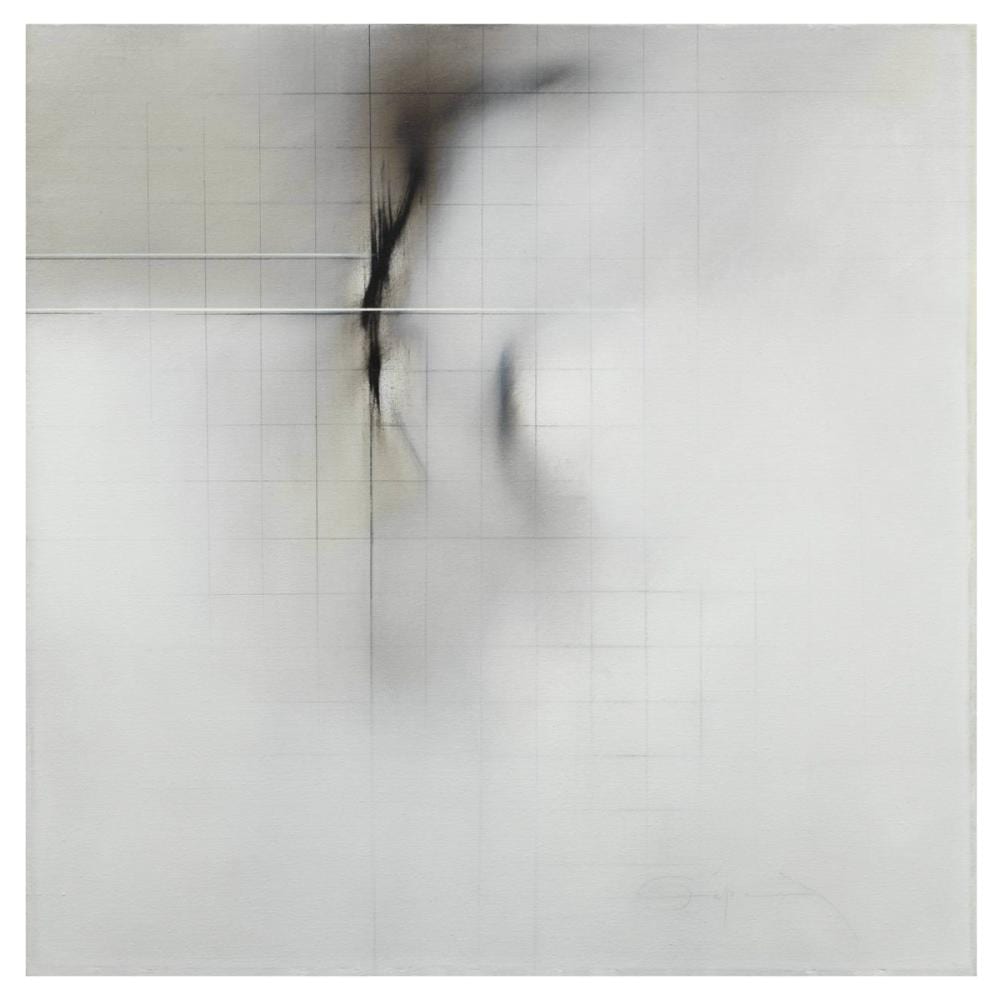
Fernando Zóbel (1924 - 1984) Orilla IX signed (lower right) and dated 1980 (verso) oil on canvas 31 1/2" x 31 1/2" (80 cm x 80 cm) PROVENANCE Private Collection, Madrid This work will be included in the catalog raisonné of Fernando Zóbel by Rafael Perez-Madero and Alfonso de la Torre which will be released soon. It may be said that Fernando Zóbel’s works embodied a certain international cool : Exactly the kind of sleek, aristocratic point of view that fit in with Manila’s new persona as a metropolis rebuilt, aggressively rising from the ashes of World War II as Asia’s premier economy. Fernando Zóbel was born into a family of landowners and industrialists. His father, Enrique, had in fact bankrolled Fernando Amorsolo’s art education at the Royal Academy of San Fernando in Madrid — so impressed was he by Amorsolo’s design of the Ginebra San Miguel gin label which is still in use to this day. Zóbel himself would study at Harvard and the Rhode Island School of Design and would return to Manila in 1951. He would be immediately accepted as a guru of modernity and would be elected president of the influential Art Association of the Philippines in back-toback years in 1953 and 1954. Also in 1954, he would participate in the landmark “First Exhibition of Non-Objective Art in Tagala” organized by art critic Magtanggul Asa at the already influential Philippine Art Gallery, the only gallery in the country to offer modern art exclusively. He would next devise the ‘Saeta’ (or ‘Arrow’) in 1957, brilliantly using a hypodermic syringe to shoot out the lines that, for him, symbolized the ultimate ‘improvisation’ and spontaneity. The works were unveiled at an exhibition at the Philippine Art Gallery, at a show simply called “An Exhibit of New Paintings.” Zóbel appears to have been much influenced by a trip to Japan in the previous year where he was struck by the zen-like quality of the patterns drawn in Tokyo’s sand gardens. Zóbel would go from strength to strength : In 1962, he would participate in the Venice Biennale for the Spanish pavilion, ante-dating the Philippines’ own first presence by two years. After a dozen years, experimenting with color, he begins The White Series in the 1970s. His biographer Angeles Villalba Salvador would describe these as, “characterized by infinitely degraded whites, which distribute spaces, volumes and are lost at the ends of the support. Whites that approach blues, grays or browns, merge with the white of the canvas itself or intact paper, making everything become a background. With the White Series the theme is expanded: light, volume, form, gesture, anatomies, still lifes and, of course, themes of art history. ” In 1980, however, Zóbel would suffer a reversal of his health but manages to recover. He becomes restless about his artwork and at this point, says Salvador. He would, however, “start using new materials, such as pencil for the base drawing and the pastel’ (which is apparent in this particular piece.) “As a result of depression (about his condition),” continues Salvador, “Zóbel destroys a large number of paintings and dedicates more time to photography, whose theme is again the Júcar River and its banks near Cuenca. With these photographs the last series of his painting was born, The Banks (Variations on a River) (1979-1982). Despite his health problems, this year he exhibits in several Spanish cities: Tenerife, Girona, Pamplona, Valencia.” The work at hand Orilla IX (The Banks No. 9) has echoes of his fascination with white and black. It is part of the series where he captures the outlines and the tones of the shores of the Jucar. But ‘orilla’ has a second meaning — it is “an announcement from the gods”; and in these sinuous curves and moody washes, one can sense the presence of a higher power. Indeed, for Zóbel this series, above all, was a balm for his soul.