Lot description
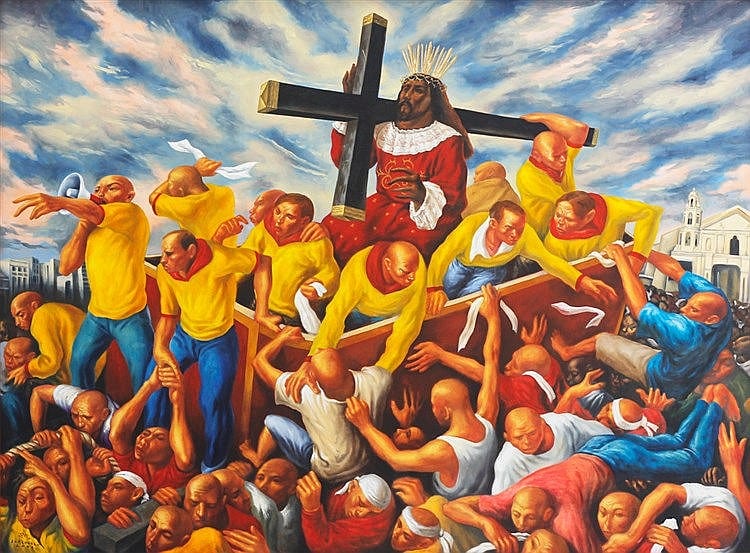
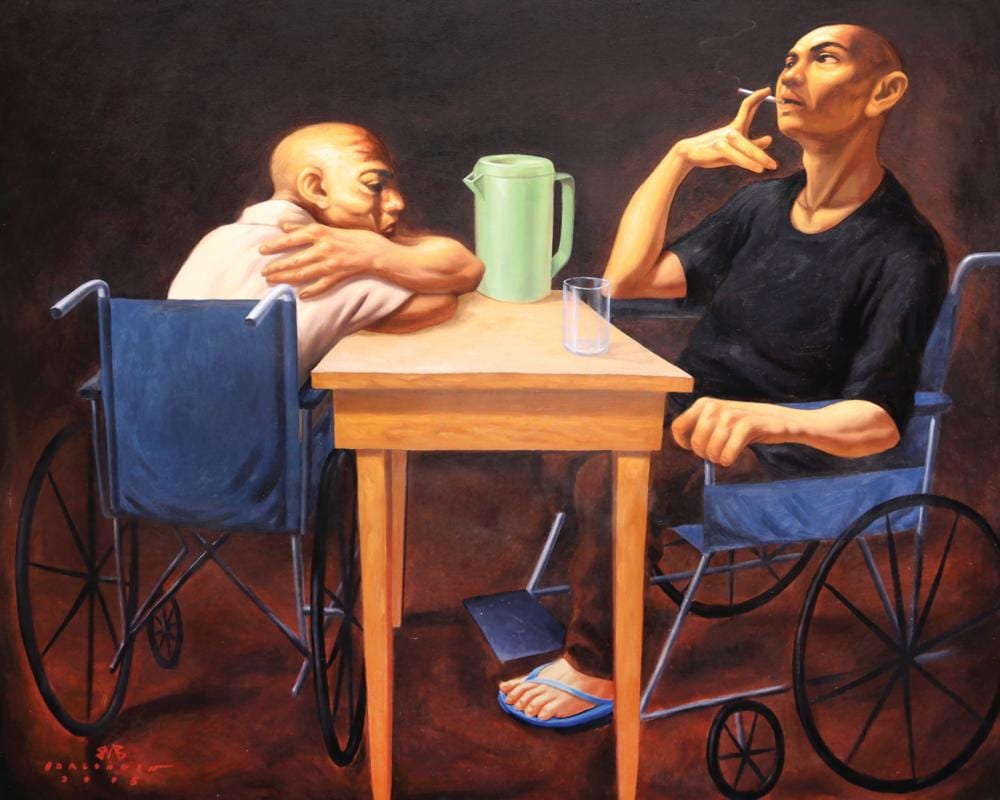
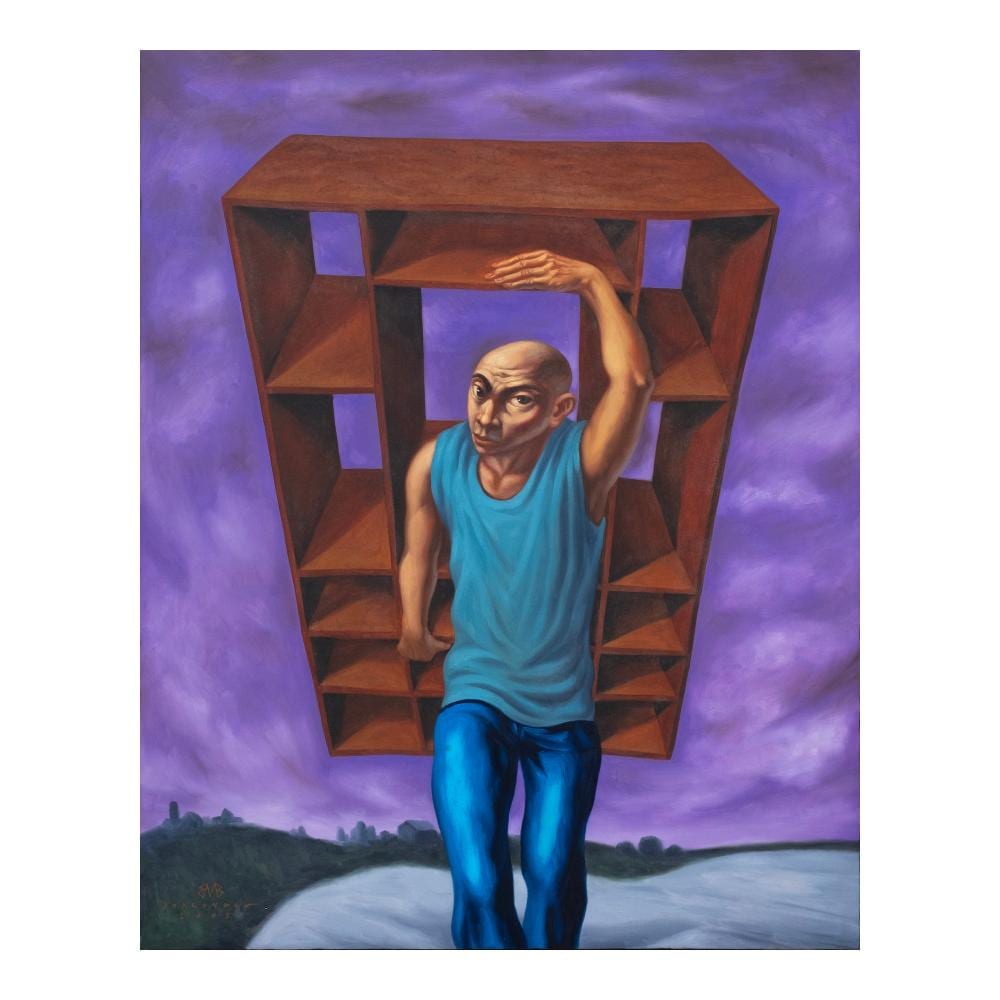
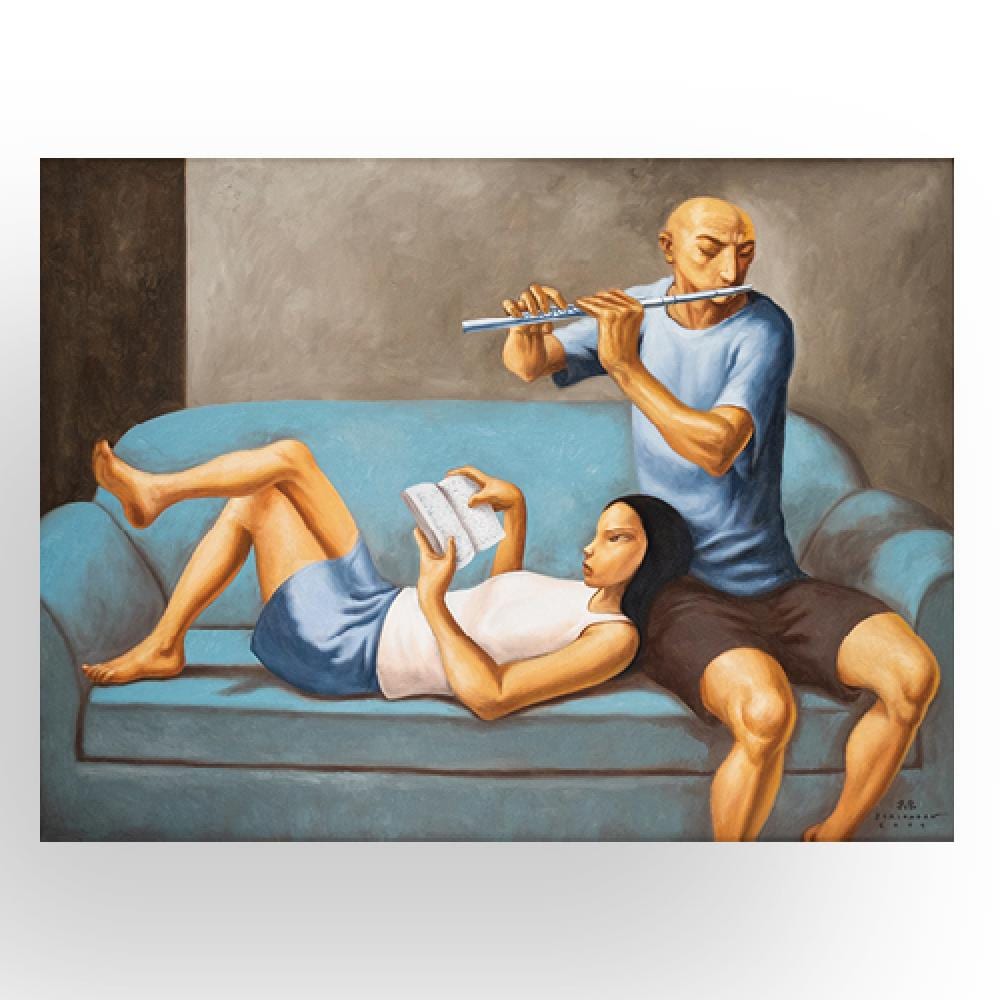
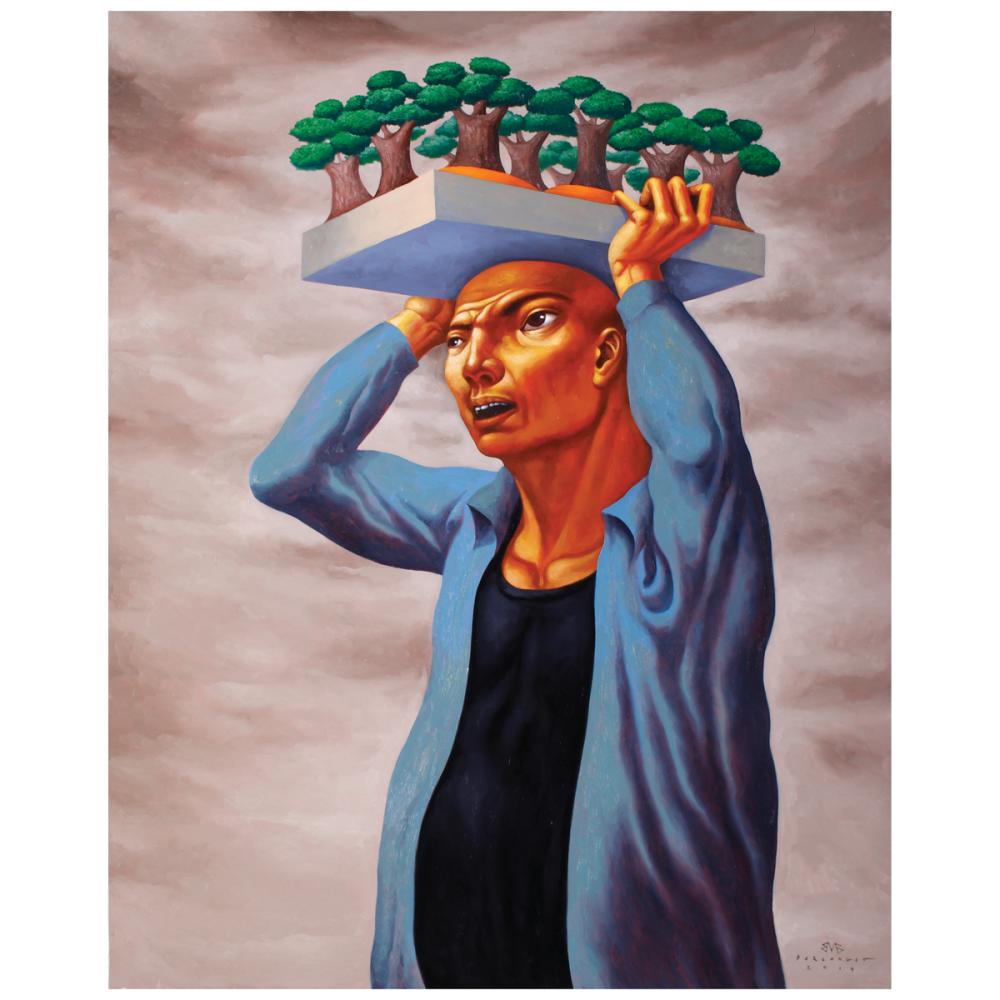
PROPERTY FROM an important private collection Elmer Borlongan (b. 1967) Bili na Kayo ng Bonsai signed and dated 2014 (lower right) oil on canvas 60" x 48" (152 cm x 122 cm) P 4,000,000 exhibited Pinto Art Museum, Labyrinth of Kinship, Antipolo City, February 1 - 15, 2015 One of the most renowned contemporary Filipino painters, Elmer Borlongan stood out among the Salingpusa artists when its members launched their respective careers in the mid-1990s. A recipient of the coveted CCP Thirteen Artists Award in 1994, Borlongan is remarkably admired for his “Social Realism meets Figurative Expressionism” – a style influenced by his most revered artists Onib Olmedo, Danny Dalena, and Jaime de Guzman. His themes are often associated with social realism due to his exposure to the turbulent political climate during his art education. He was first trained in art lessons under Fernando Sena during Martial Law, painted murals after the EDSA Revolution, and joined progressive art groups such as Artista ng Bayan (ABAY), Salingpusa, and Sanggawa. Regarding Olmedo’s influence on his style, he stated: “I admire his spontaneity and closeness to his subject matter. I love the freedom in his brushstrokes, without hewing to the correct proportion of human anatomy but capturing the soul of every figure.” Borlongan has always preferred distortions rather than realistic depictions, exploring the contortions “that light and lines exert on the human figure.” The Labyrinth of Kinship, where this piece was featured, exhibits the complexities of social realities and individuals in their daily circumstances. It is a phrase taken from Gabriel Garcia Marquez’s One Hundred Years of Solitude that delves deep into each character’s personalities and consciousness and their reactions to the world around them. Borlongan’s works traverse through the humanization of situations that may seem uncanny to those in positions of privilege but are confronted and endured by the masses. Borlongan’s portrayals of the masses at work, at play, or even at rest form his exemplary oeuvre, displaying a pageant of whimsical satire. His paintings are character studies represented by distorted, elongated figures juxtaposed with a monochromatic backdrop. “The figures in my paintings do not have different expressions, but the eyes can’t hide it. I want to portray my subjects with hope - that they still have the capacity to survive despite the situation they’re in,” said Borlongan. His paintings are among the most widely exhibited and highly coveted in local and Southeast Asian auctions.