Lemaire opera glasses value quick checks
Start with the Lemaire bee or Fr/Fabt mark, retailer engraving, country-of-origin wording, brass or gilt finish, mother-of-pearl panels, enamel, bridge and focus wheel, slotted screws, lens clarity, original case, repairs, over-polishing, provenance, and recent sold-comparable evidence. Compare related guides for online antique appraisal, how to value antiques, and antique eyeglasses value before pricing a pair.
Lemaire opera glasses appraisal checklist
Lemaire opera glasses are among the most recognizable and collectible 19th‑century theater binoculars. If you’re appraising a pair marked “Lemaire Fi,” you’re already encountering one of the most common quirks in the category: a misread maker’s mark. This guide explains exactly what those marks mean, how to identify authentic 1800s examples, what features help date them, and what drives value.
Lemaire Frères of Paris and the “Fi” Marking
The maker: Lemaire Frères (Lemaire Brothers) of Paris was one of the premier French producers of opera glasses from the mid‑19th century into the early 20th. Their output ranged from simple brass-and-leather models to exquisite mother‑of‑pearl and enamel pieces for the Belle Époque theater crowd.
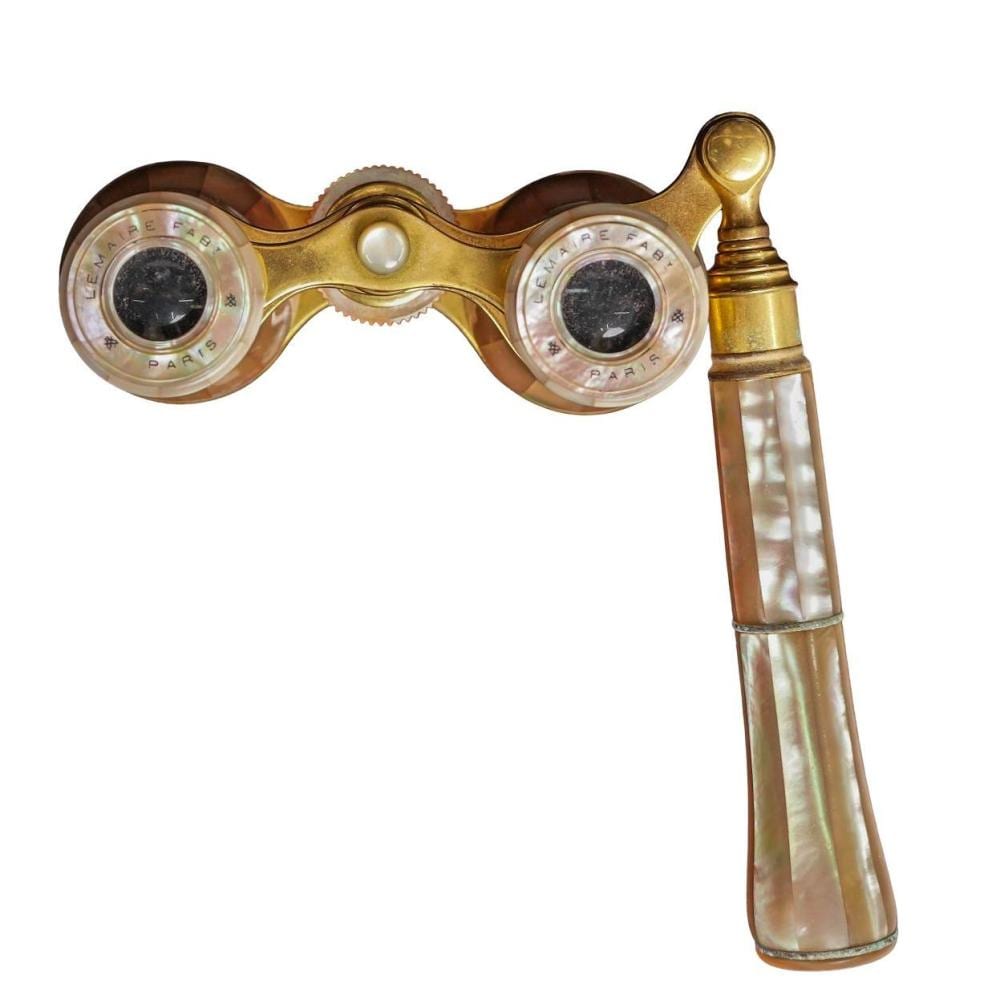
Why “Fi” appears: Many rims are stamped “Lemaire F r Paris” (the “r” standing for frères) in a tiny superscript. Others read “Lemaire Fab t Paris,” the “t” abbreviating fabricant (maker). Wear, serif fonts, and tiny superscripts often make “Fr” or “Fabt” look like “Fi.” In other words, a “Lemaire Fi” engraving is typically a visually ambiguous “Fr” or “Fabt,” not a separate brand.
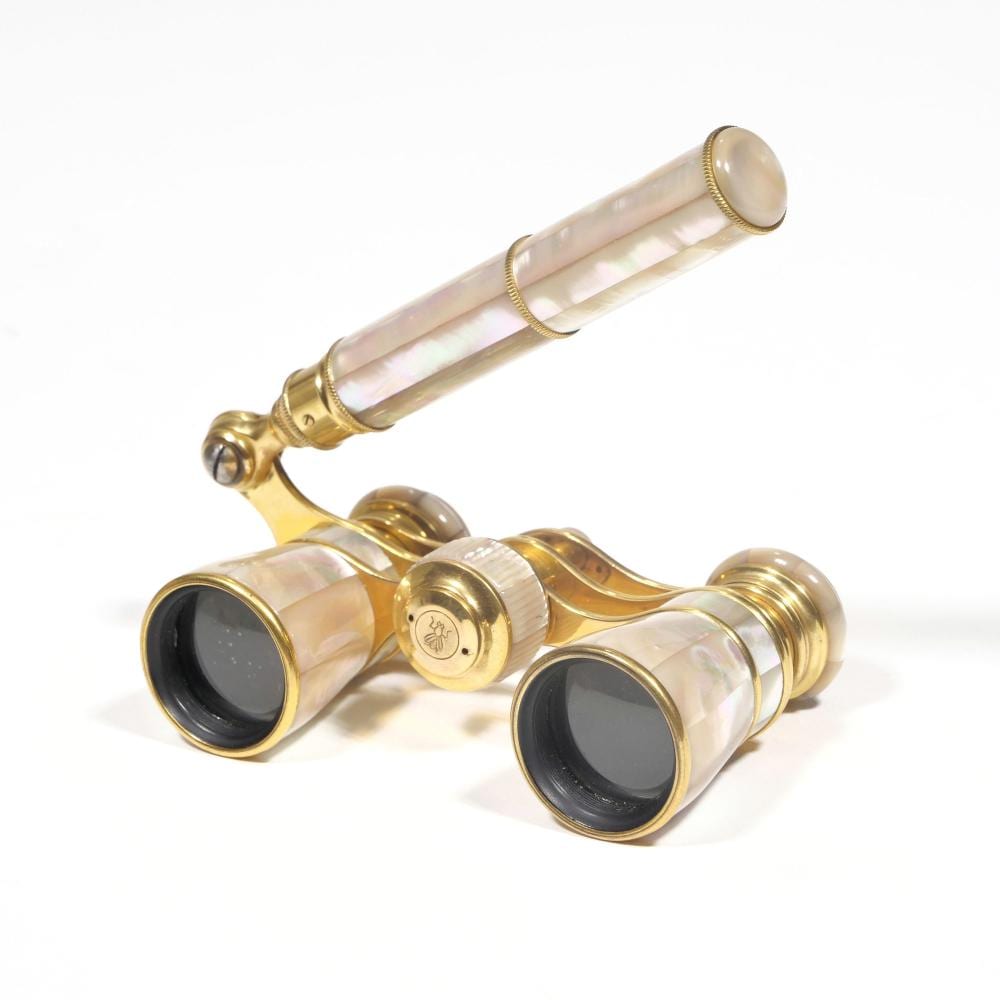
The bee trademark: Lemaire’s small bee logo often accompanies the name, either between “Lemaire” and “Paris” or nearby. Its execution varies but is generally a neat, compact bee. Crude or cartoonish bees can be a red flag for later copies.
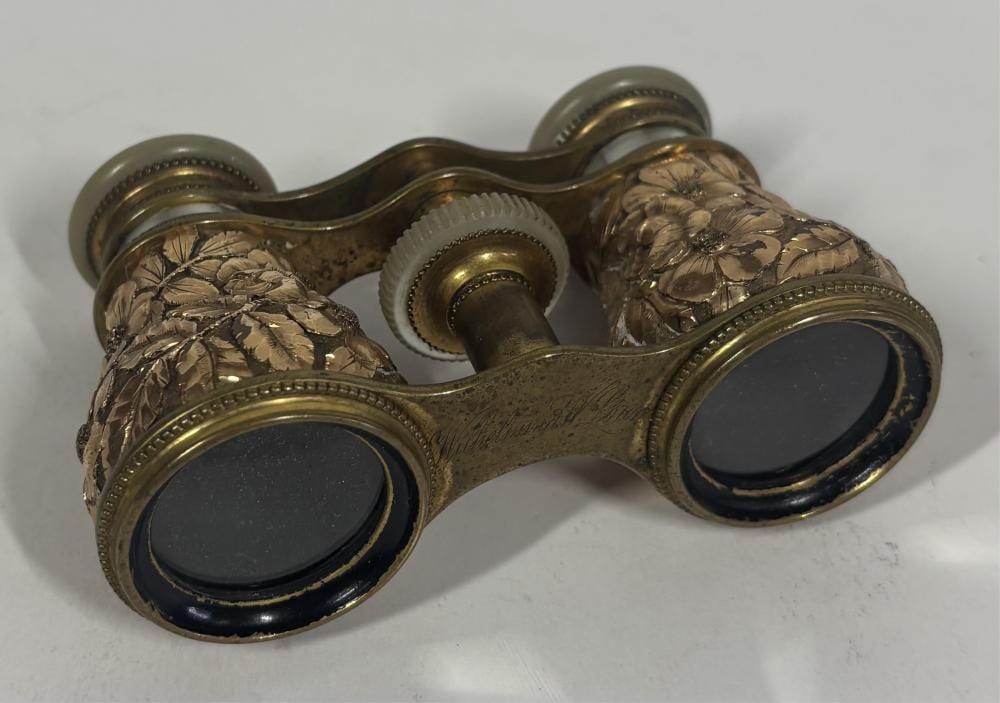
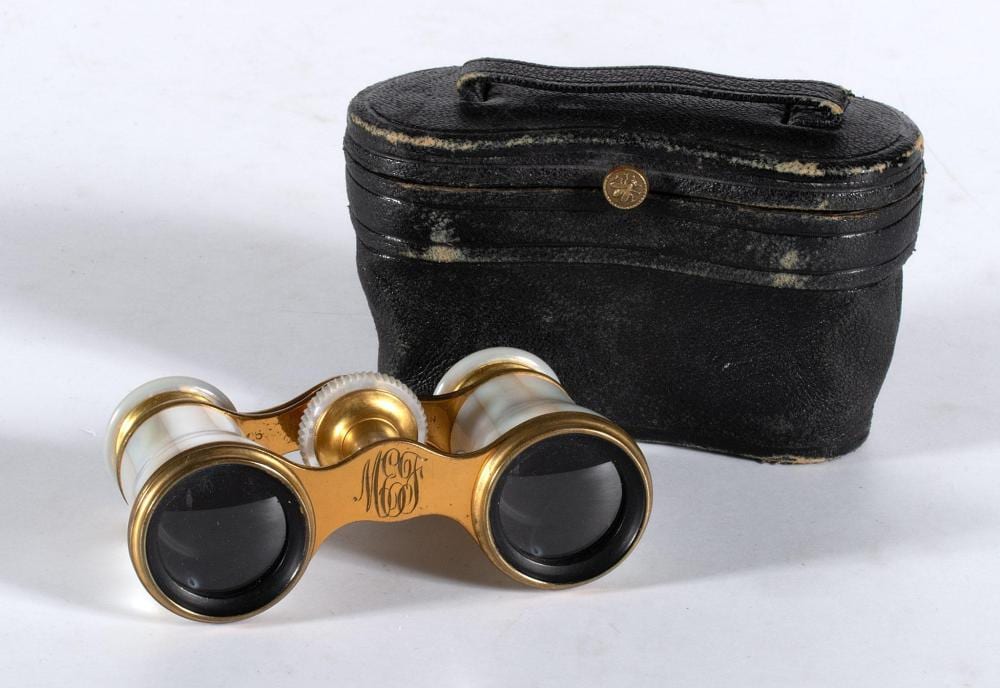
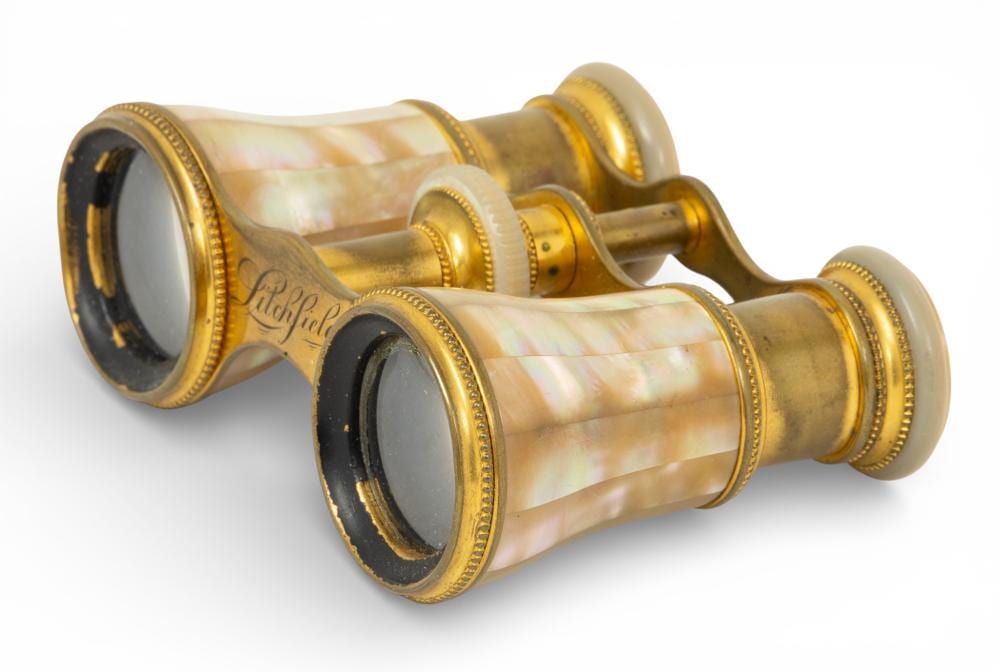
Co-branding: Lemaire supplied retailers worldwide. Eyepiece rims may be engraved with a shop name (e.g., a Parisian or London retailer) even while the bridge or focus wheel bears the Lemaire mark. Retailer names are normal and do not diminish authenticity.
Identification: How to Recognize 1800s Lemaire Opera Glasses
Opera glasses are simple Galilean binoculars—low-power (about 2.3x–3x) instruments designed to brighten and magnify the stage, not to reach distant horizons. Lemaire’s 19th-century construction has distinctive traits:
Core build
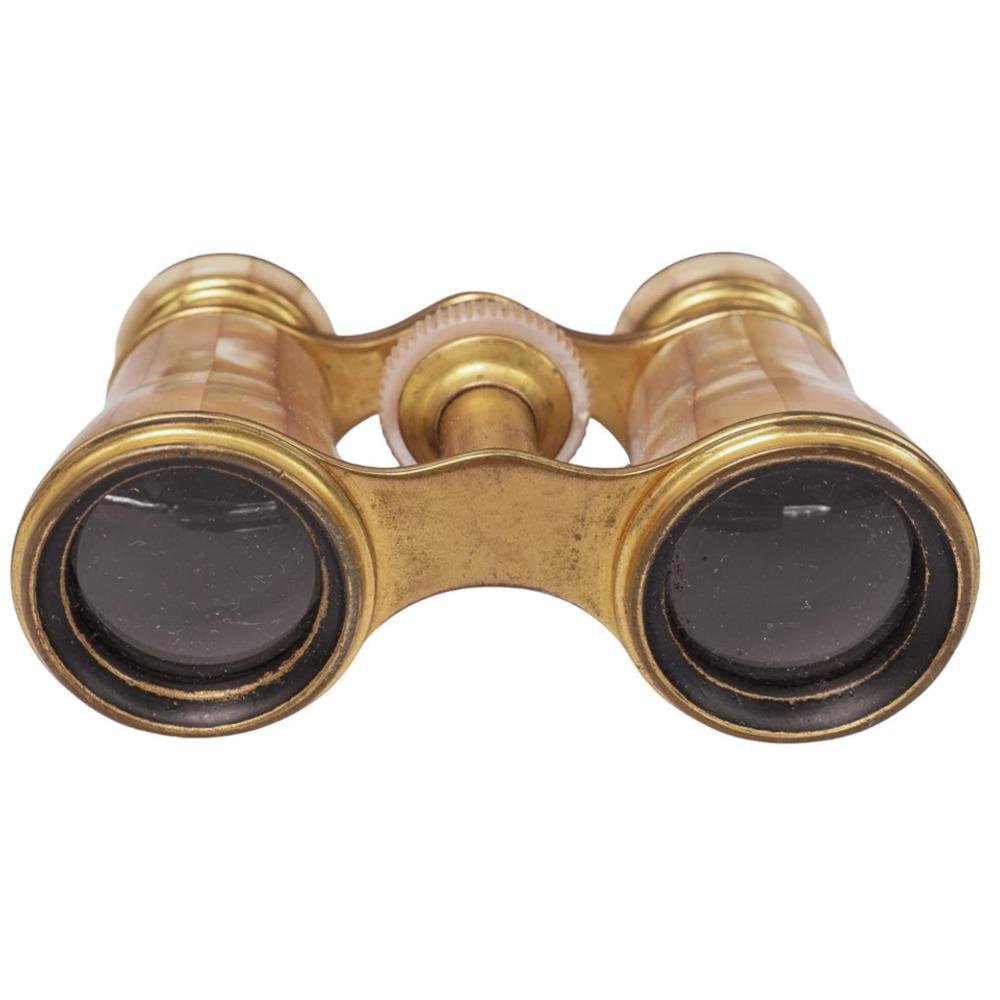
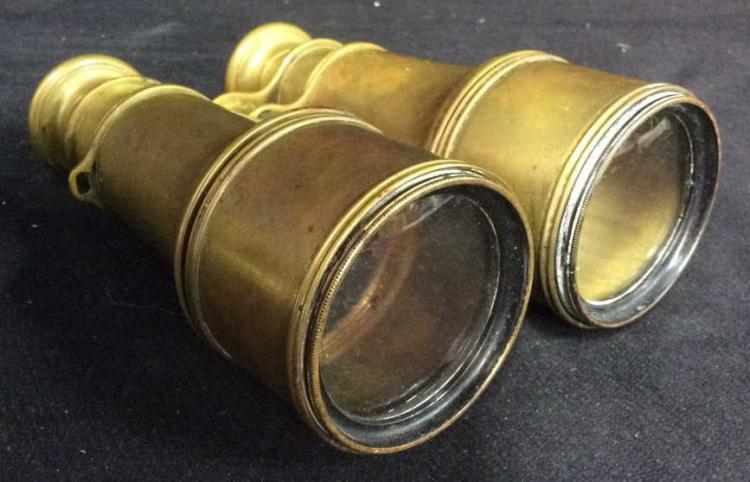
- Brass framework: Most 1800s Lemaire glasses have brass bodies, often gilt, nickel‑plated, or lacquered.
- Central focus wheel: A knurled or fluted wheel between the barrels advances and retracts the objectives on helical threads for focus.
- Slotted screws: You should see traditional slotted screws, not Phillips heads (a modern giveaway).
Coverings and finishes
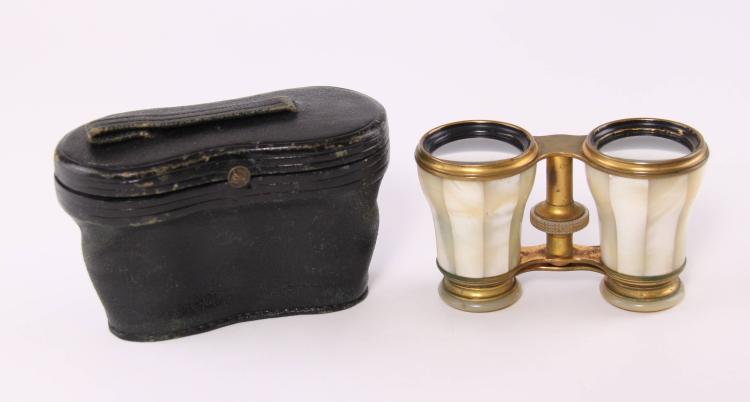
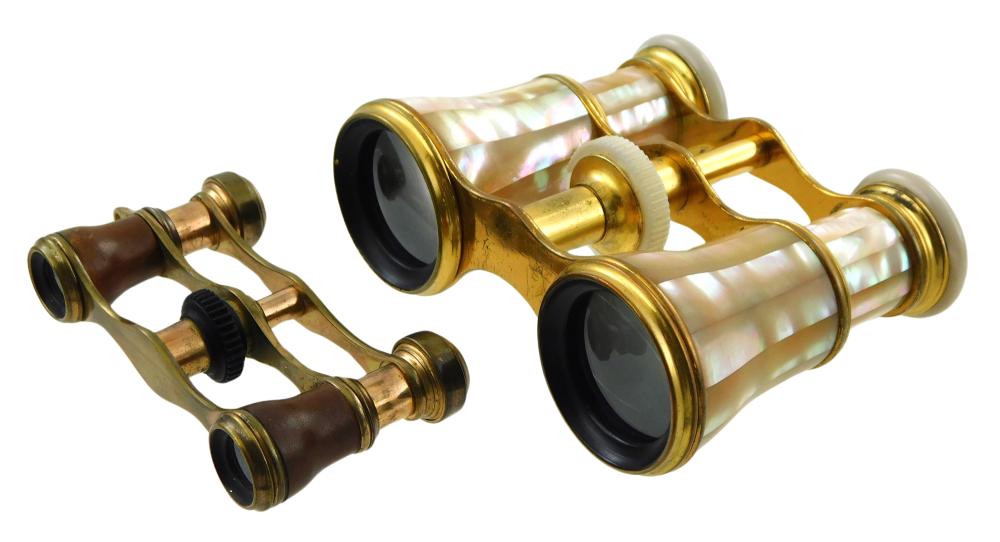
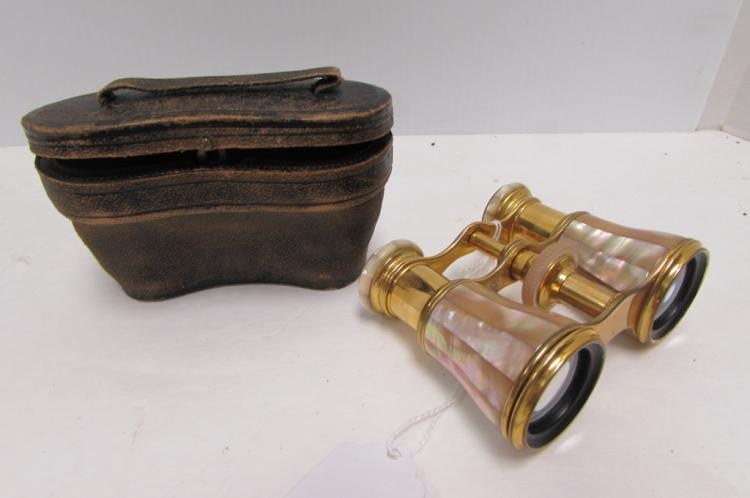
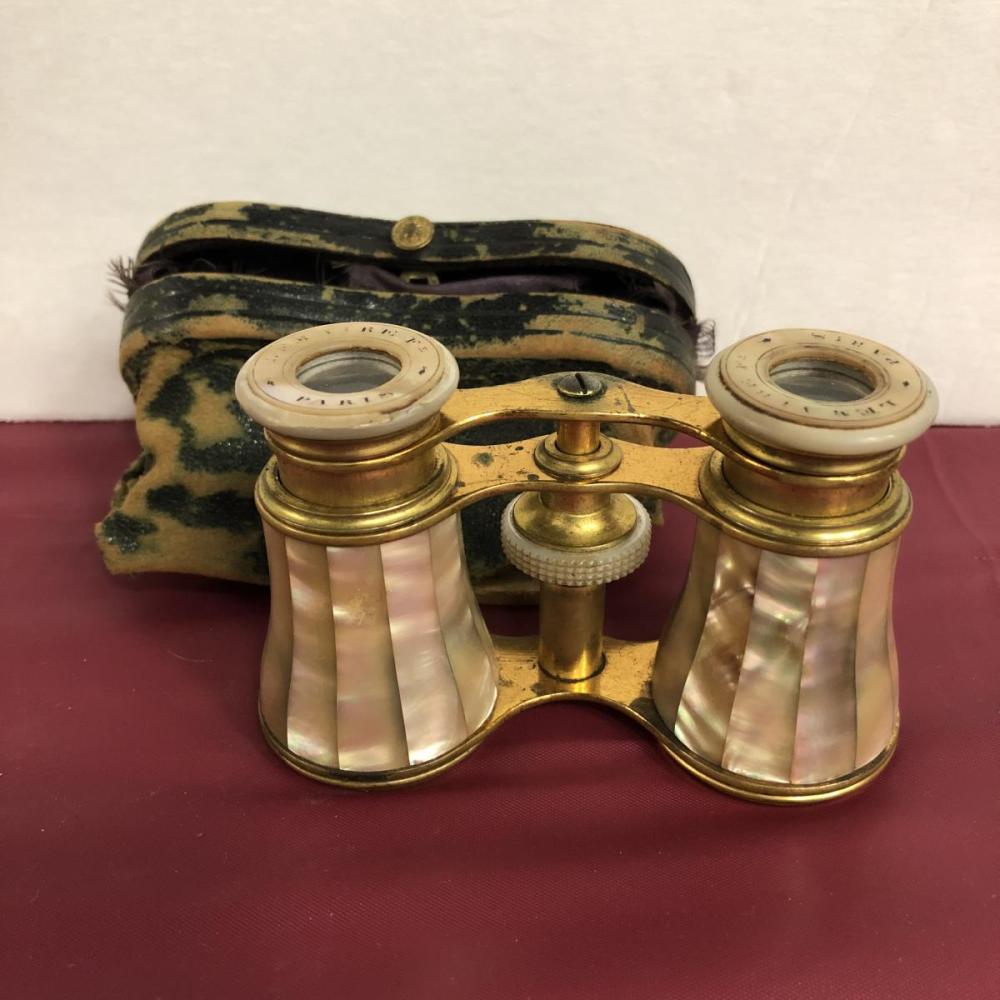
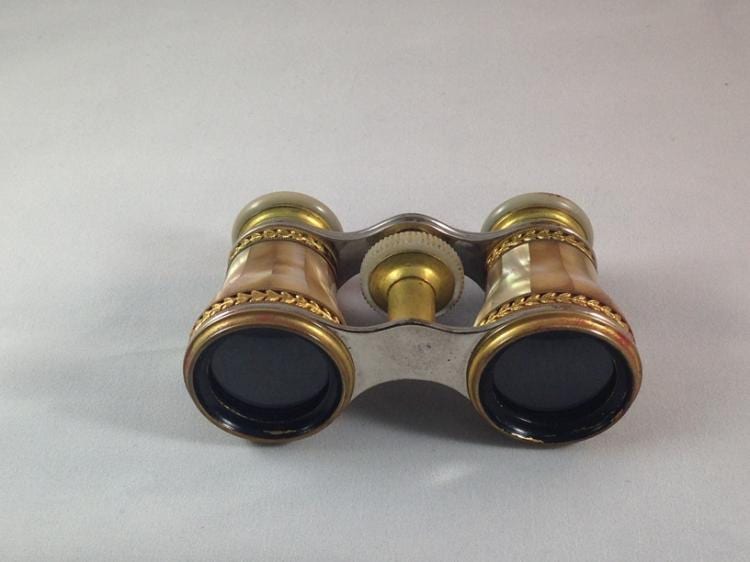
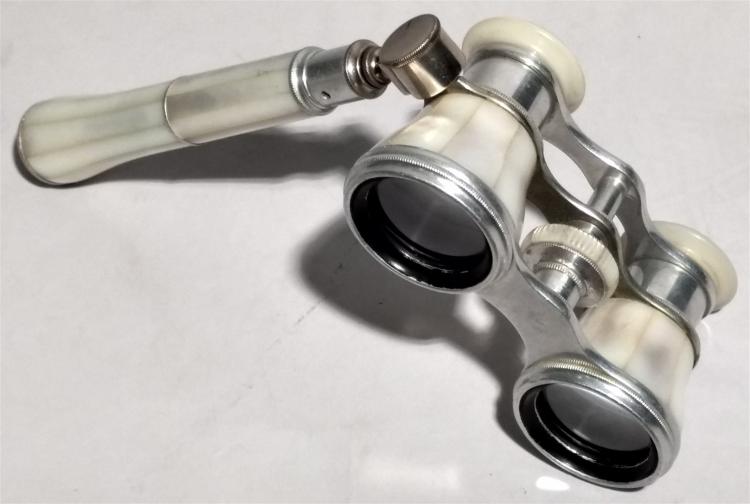
- Mother‑of‑pearl (MOP): Among the most sought-after. Genuine MOP appears as fitted, separate lozenges or panels with natural iridescence and slight variation; the sheen is deep, not plastic-like.
- Leather or shagreen: Fine leather wraps are common; true shagreen (stingray) was used on some higher-end Victorian pairs.
- Enamel and guilloché: Turn-of-the-century Lemaire pieces may feature enamel scenes or guilloché patterns, sometimes over silver or gilt metal mounts.
- Lacquered brass: Plated or lacquered finishes can mellow to a warm patina; uniform mirror-bright finishes on an “antique” can indicate over-polishing or reproduction.
Optics
- Objective lenses: Typically 25–35 mm diameter; edge bevels are fine. Internal surfaces were blackened to reduce glare.
- Eyecups: Often brass with MOP caps or all-brass; some later 19th‑century examples have gently concave eyecup tops.
Handles and lorgnettes
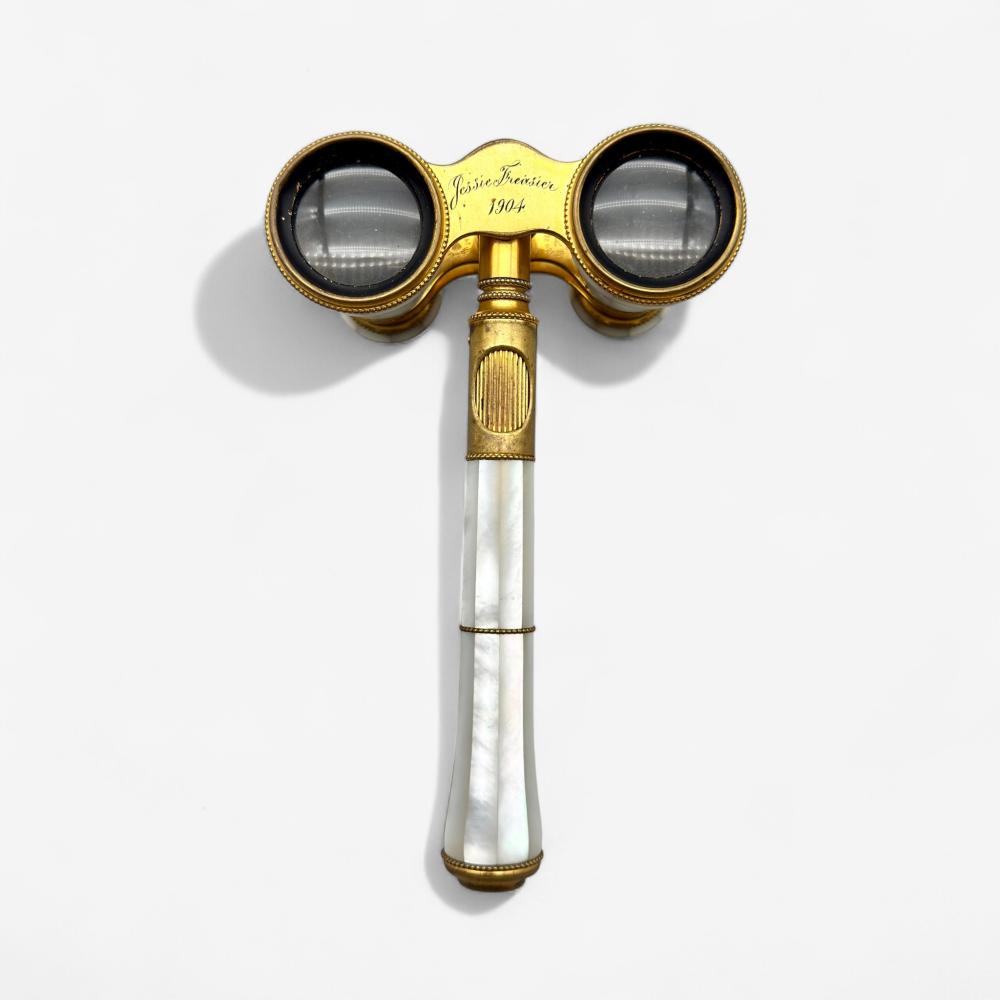
- Detachable or folding lorgnette handles appear on more decorative models. Look for firm, precise joints and possible “Depose” (registered design) stamps on the mechanism.
Markings to expect
- “LEMAIRE F r PARIS” or “LEMAIRE FAB t PARIS,” sometimes accompanied by a small bee.
- “Depose” (registered) and/or “Brevete S.G.D.G.” (patented, without government guarantee) appear on some mechanisms.
- “FRANCE” or “MADE IN FRANCE” country-of-origin marks on items exported abroad (helpful for dating; see below).
Signs of later reproductions or assembled pieces:
- Phillips screws; crude castings; mismatched parts with different patinas; resin “MOP” with uniform, glassy look; random serials or novelty fonts; superficial “bee” stamps that don’t match period style.
Dating Your Pair: Mid‑19th to Belle Époque
Precise dating is rarely possible without documentation, but you can bracket a time period with a few reliable clues:
Country-of-origin marks
- “FRANCE” alone generally indicates export after 1891 (U.S. McKinley Tariff) and before the widespread “Made in France” phrasing became standard in the 1910s.
- “MADE IN FRANCE” strongly suggests c. 1914 and later. Because Lemaire production continued into the early 20th century, this can help separate late 1800s from early 1900s examples.
Maker abbreviations and trademarks
- “Lemaire F r Paris” and the bee mark are consistent across the late 19th century. Absence of “FRANCE” doesn’t rule out export—many pieces never left Europe.
- “Fab t” (fabricant) is common on 19th‑century French goods and supports a Victorian/Belle Époque timeframe.
Style and materials
- Mid‑Victorian (c. 1850s–1870s): Slimmer bridges; smaller focus wheels; leather or early MOP coverings; austere brass finishes.
- Late Victorian to Belle Époque (c. 1880s–1900s): More frequent use of MOP, enamel, and decorative handles; slightly wider bridges and more refined eyecups; cases with shaped lids and push-button clasps.
- Enamel scenic or guilloché work is most often 1890–1910.
Patent/déposé indicators
- “Brevete S.G.D.G.” was used from 1844 to 1968, so it isn’t definitive, but in conjunction with “FRANCE” or stylistic cues it can help narrow to late 19th century.
Retailer engravings
- Engravings from U.K. or U.S. retailers plus “FRANCE” usually mean 1891–1914 exports. European retailers without country-of-origin wording can indicate earlier domestic sales.
A practical approach: Weigh at least three indicators—country-of-origin marks, stylistic features, and materials—before settling on a date range. Many well-preserved MOP Lemaire glasses with no “FRANCE” stamp but classic bee and “F r” marks comfortably sit in the c. 1870–1890 bracket.
Value and Market: What Collectors Pay and Why
Values vary widely with condition, materials, decoration, and completeness. Treat these as orientation ranges and verify against recent sold comparables:
- Common brass or leather-covered Lemaire opera glasses in good working order: typically $60–$150.
- Mother‑of‑pearl examples: $120–$300 depending on quality, color, and condition.
- Enamel-decorated or guilloché with fine mounts: $400–$1,200+; scenic enamel and exceptional workmanship can exceed this.
- Silver-mounted or gold-accented pieces, especially with French hallmarks (e.g., Minerva head): premiums apply; $600–$1,500+ depending on design and maker collaboration.
- Lorgnette-handle models or presentation pieces with cases and provenance: strong premiums.
Factors that move the needle:
- Condition of optics: Clear, chip-free lenses with smooth focusing significantly improve value.
- Original finish and coverings: Intact MOP panels, undisturbed patina on brass or gilt, and clean leather wraps are desirable. Over-polished brass or replaced panels reduce value.
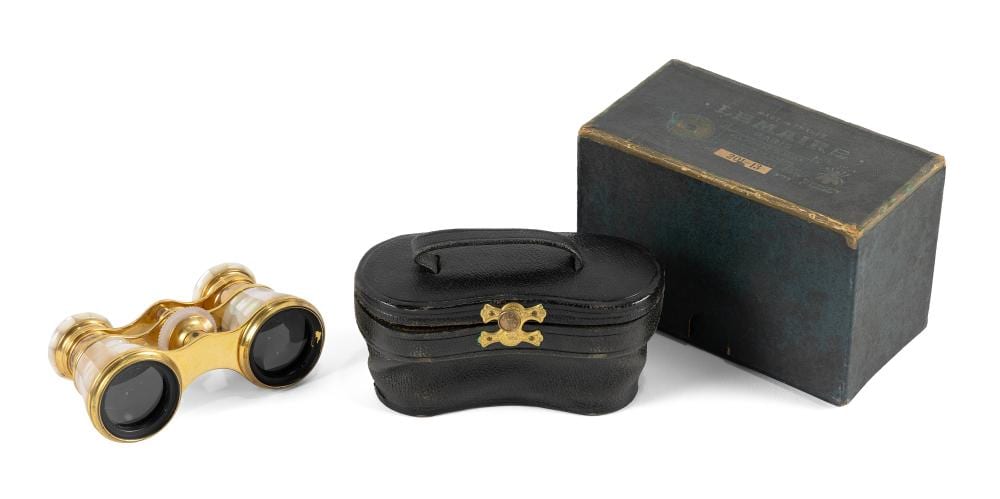
- Completeness: Original fitted case (often leather with silk/velvet interior), dust caps, and any retailer papers add appeal.
- Rarity and decoration: Hand-painted enamel scenes, unusual colors of MOP, or special-order mounts command collector interest.
- Provenance: A documented link to a notable theater, performer, or owner enhances desirability.
Beware pitfalls:
- “Marriage” pieces: Barrels, bridges, and focus wheels from different instruments assembled together. Look for mismatched finishes, fonts, or screw wear.
- Replating and heavy polishing: Can erase marks and melt detail, lowering collector value even if the piece looks “shiny.”
Practical Care and Light Restoration
These are 140‑plus‑year‑old instruments; thoughtful care preserves both function and value.
Cleaning optics
- Use a blower to remove dust, then a soft lens brush.
- Clean with lens tissue and a small amount of distilled water or isopropyl alcohol (70% or less). Avoid flooding; liquids can wick into threads.
- If you see fungus (spidery growth), isolate the piece and consult a professional conservator.
Metal surfaces
- Avoid aggressive polishing. A soft microfiber cloth is usually enough. If you must brighten brass, use a non-abrasive polish very sparingly, keeping it away from engravings and MOP.
- Never polish plated finishes to the point of exposing base metal.
Mother‑of‑pearl, enamel, and leather
- MOP: Wipe gently with a barely damp, soft cloth; no ammonia or abrasive cleaners.
- Enamel: Dust only; if necessary, a slightly damp cloth with distilled water—no solvents.
- Leather: Light clean with a dry cloth; a tiny amount of archival leather dressing only if dry and flaking.
Mechanics
- If the focus wheel is stiff, do not force it. Old lubricants harden; a watchmaker or instrument restorer can relubricate without damaging threads or optics.
- Loose barrels or wobbly bridges usually indicate missing shims or fatigued screws—again, a job for a conservator.
Storage
- Keep in a stable, dry environment away from heat sources. Use silica gel packets in the case to modulate humidity.
- Do not store in contact with newsprint or acidic papers; acids can attack finishes.
Practical Inspection Checklist
Use this quick checklist when assessing 1800s Lemaire opera glasses in the field or at auction:
Marks
- Look for “LEMAIRE F r PARIS” or “LEMAIRE FAB t PARIS” and the small bee logo.
- Note presence of “FRANCE” or “MADE IN FRANCE” to help date.
- Record any retailer engraving on the eyepiece rims.
Construction and authenticity
- Slotted screws only; consistent patina across parts.
- Genuine MOP panels with natural iridescence (not uniform plastic shine).
- Smooth, backlash-free focus; barrels advance together without wobble.
Optics
- Lenses free of chips and heavy haze; minimal dust.
- No fungus patterns or separation (rainbow “oil slick” edges).
Condition of finishes
- Brass/gilt/plate intact; no aggressive polishing over engravings.
- Leather or enamel intact, with only light, honest wear.
Completeness
- Original fitted case with working clasp, intact lining.
- Any accessories or documentation retained.
Red flags
- Phillips screws, mismatched fonts, crude bee stamp, resin “MOP,” or “novelty” bright finishes.
FAQ
Q: Does “Lemaire Fi Paris” mean I have a rare variation? A: No. “Fi” is almost always a misreading of “Fr” (frères) or “Fabt” (fabricant) in small serif letters. It’s still an authentic Lemaire mark, just poorly transcribed.
Q: How much magnification do Lemaire opera glasses provide? A: Most 19th‑century opera glasses are around 2.3x–3x. They brighten and slightly enlarge the stage rather than providing long‑distance power.
Q: Are serial numbers useful for dating? A: Lemaire opera glasses seldom carry usable serial numbers. Rely on marks (“FRANCE” vs. “MADE IN FRANCE”), style, materials, and construction details to bracket the date.
Q: Should I restore heavily tarnished brass or replace missing MOP panels? A: Minimal intervention is best. Over‑polishing or replacing original materials often reduces value. If structural repair is needed, use a professional familiar with historic optics.
Q: My pair is retailer‑marked but not “Lemaire.” Could it still be by Lemaire? A: Yes. Lemaire supplied many retailers who engraved their own names. Look for Lemaire’s bee, “F r,” or “Fabt” marks on the bridge or under the focus wheel to confirm.
With a careful eye for marks, materials, and mechanics, you can confidently identify and assess 1800s Lemaire Frères opera glasses—whether your interest is scholarly, practical, or collector‑driven.