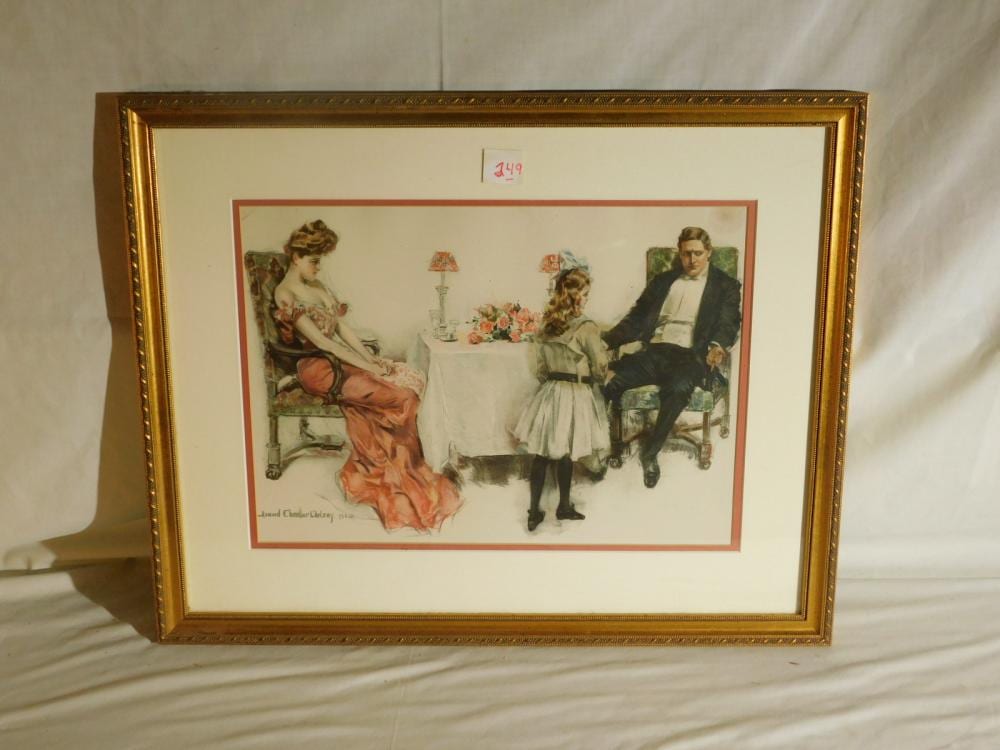
Howard Chandler Christy Signed in Plate Print: appraisal and value basics
Howard Chandler Christy Signed in Plate Print research should start with identification, condition, provenance, and recent comparable sales. Use this guide to compare the signals that matter before paying for a formal appraisal or deciding whether to sell.
Howard Chandler Christy Signed In Plate Print
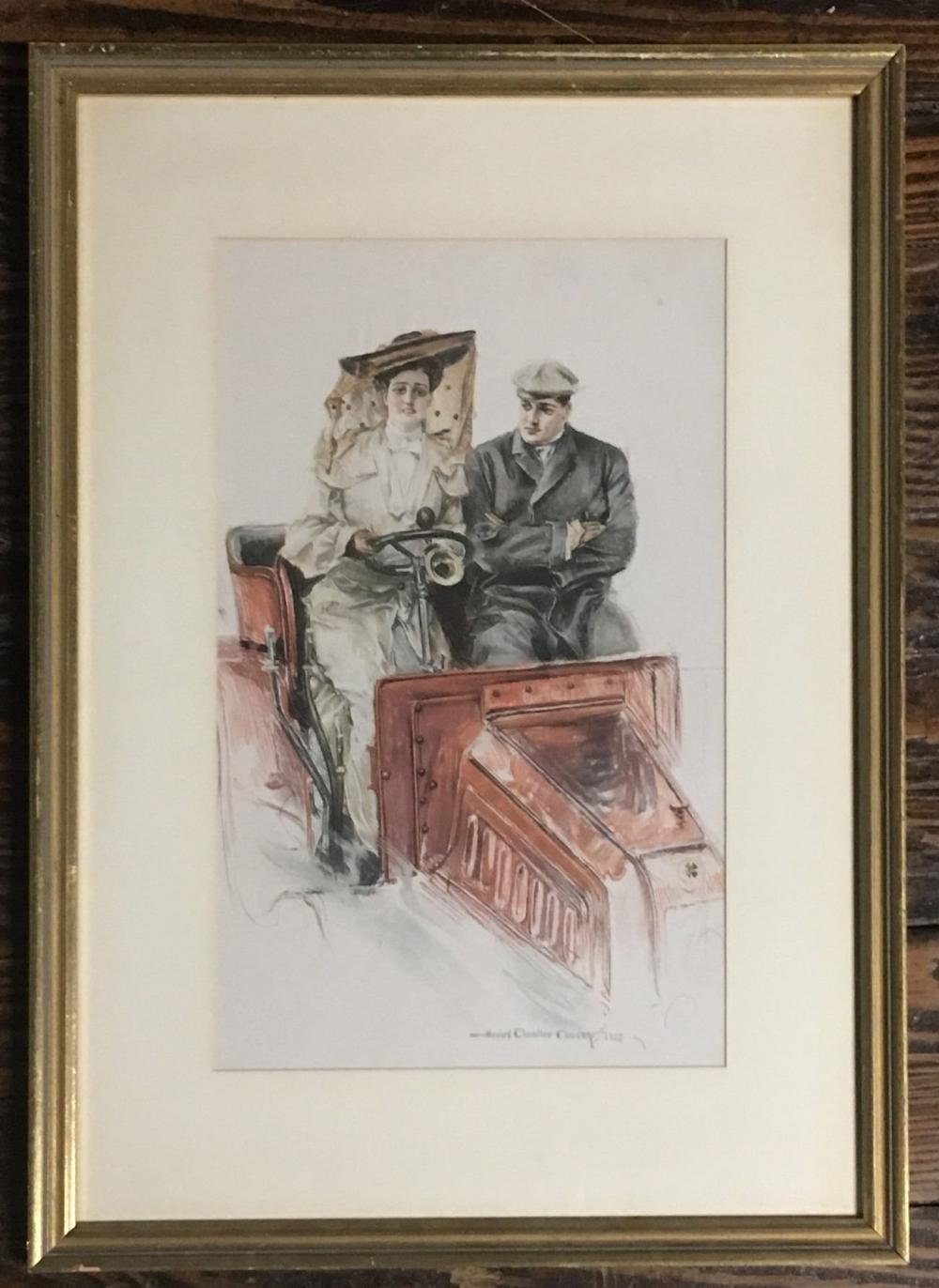
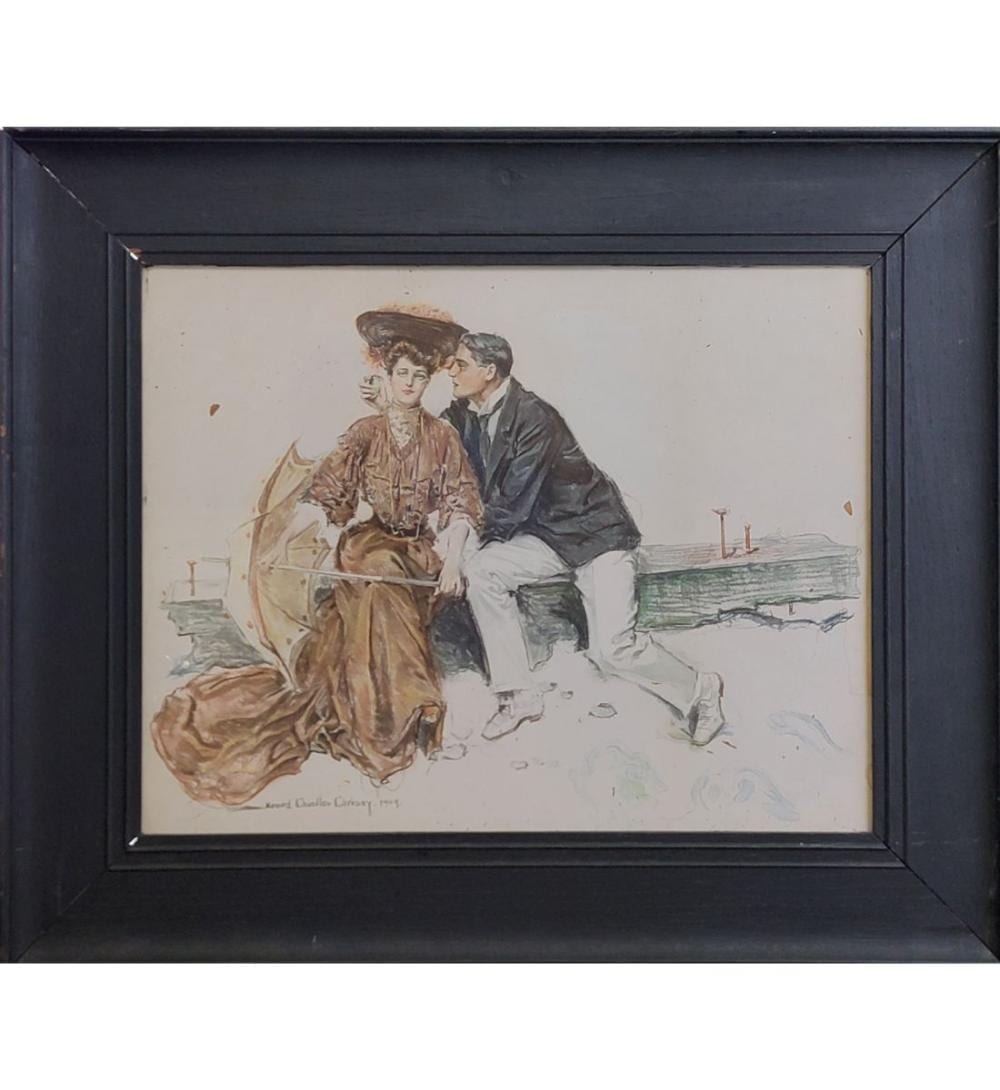
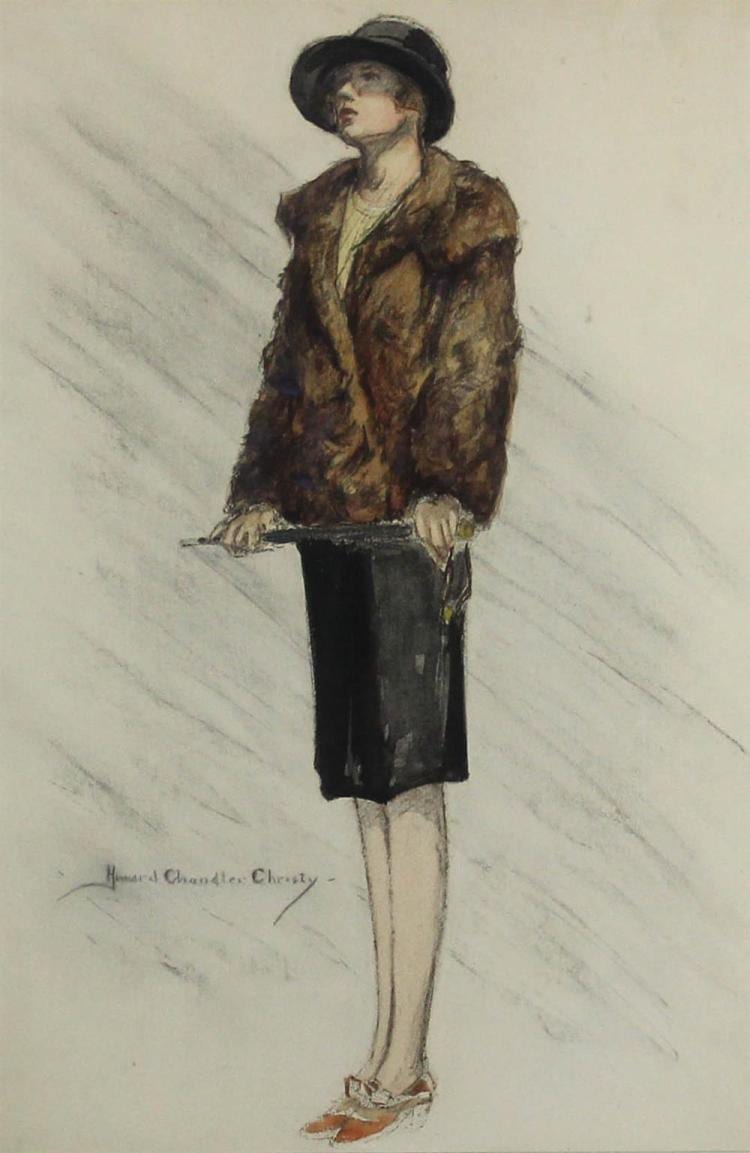
Howard Chandler Christy (1873–1952) was one of America’s most prolific illustrators and portraitists, famed for his “Christy Girl” ideal and World War I poster art. If you have a print “signed in plate,” you likely own a period or later reproduction that carries Christy’s printed signature as part of the image, rather than a hand-signed, limited edition. These pieces remain collectible, but their value depends on subject, printing method, date, publisher, and condition. This guide shows you what to look for and how to talk about it with confidence.
What “Signed In Plate” Means (and Why It Matters)
- Definition: An “in-plate” (also “plate-signed” or “printed signature”) signature is created on the printing plate or photographic screen, then transferred onto every print pulled from that plate. It is part of the image—ink on paper—rather than a graphite autograph added later.
- Not a hand signature: Because the signature is printed, it is not evidence of artist involvement at the moment of printing. In contrast, a pencil signature below the image margin indicates the artist personally signed that impression (far less common for Christy’s mass-market images).
- Where to find it: Christy’s in-plate signature typically appears as “Christy” or “H. C. Christy” in script, often woven into the artwork at the lower right or left, sometimes partially integrated into a shadow or fabric fold in his figure studies.
- Value implications: Plate-signed prints are, by design, open-edition or mass-market items. Desirability hinges more on the subject (e.g., “Christy Girl,” wartime motifs), printing quality (photogravure, chromolithograph), and period of issue than on the presence of the printed signature itself.
Formats, Publishers, and Common Subjects
Christy worked across magazines, posters, calendar art, and portraits of public figures. The reproductions you encounter most often include:
- Photogravure and collotype prints: Deep tonal range suited to drawings and wash effects. Often issued with wide margins and a plate mark (a faint indentation from the copper plate) around the image for photogravure; collotype lacks the plate mark.
- Chromolithographs and offset lithographs: Color prints used for posters, calendars, and decorator art. Early chromolithographs show layered color; later offset lithographs show halftone dot patterns under magnification.
- Magazine covers and inserts: Reduced-size reproductions from periodicals. Some were later removed from bound volumes and framed; these generally carry the in-plate signature but have trim lines and text on the reverse or margins.
- Calendar and art print publishers: Reinthal & Newman, P. F. Volland Co., and other early 20th-century art printers and calendar houses issued Christy images as standalone prints and postcard series. Publisher imprints and copyright lines help with dating.
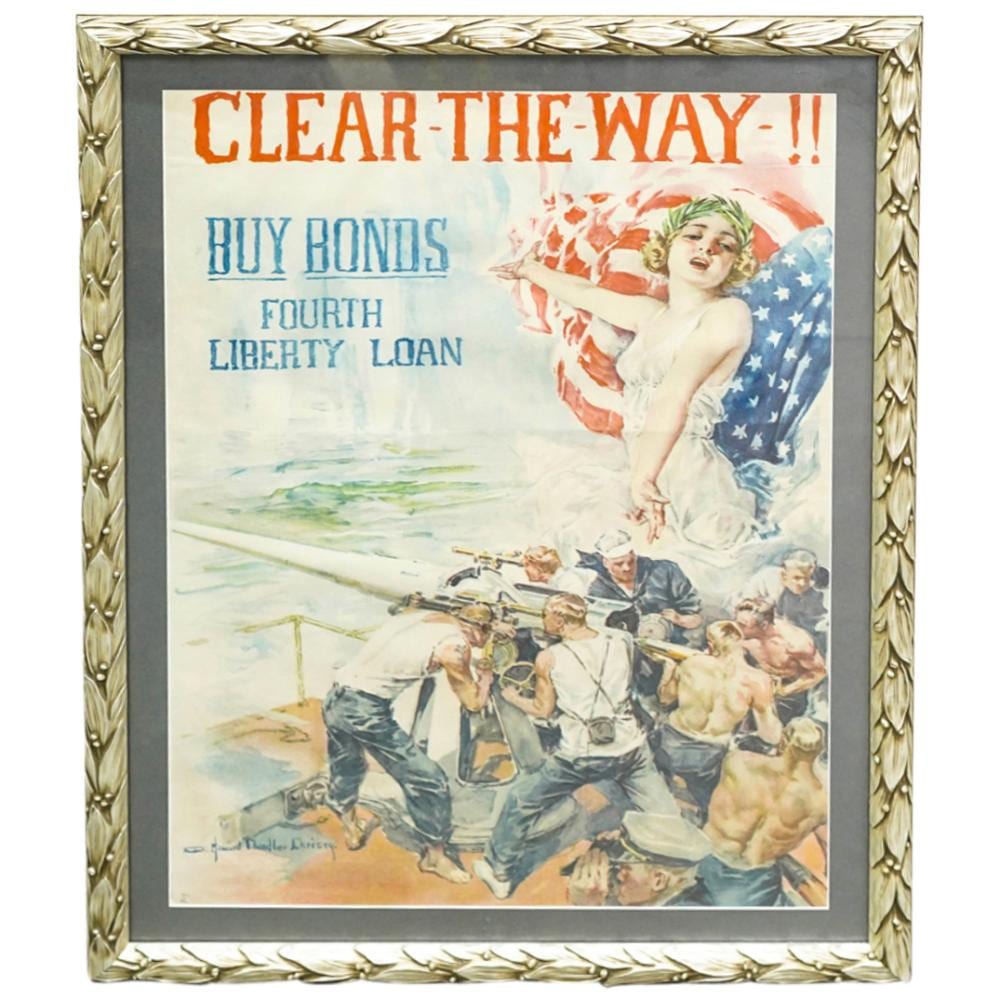
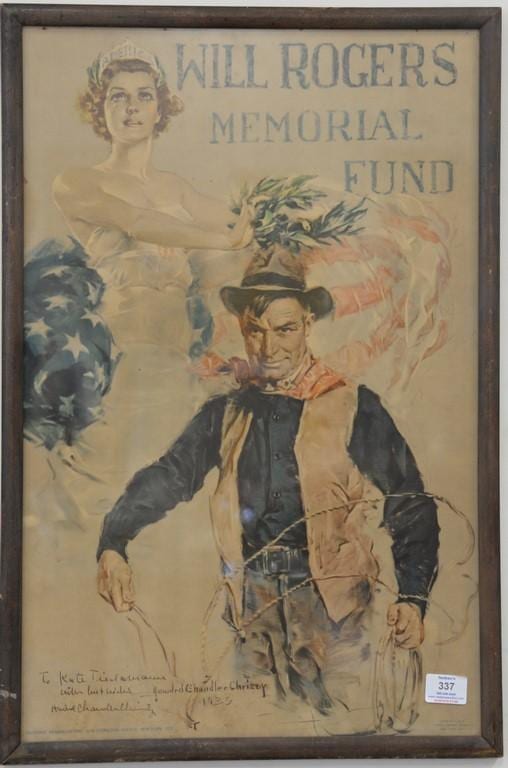
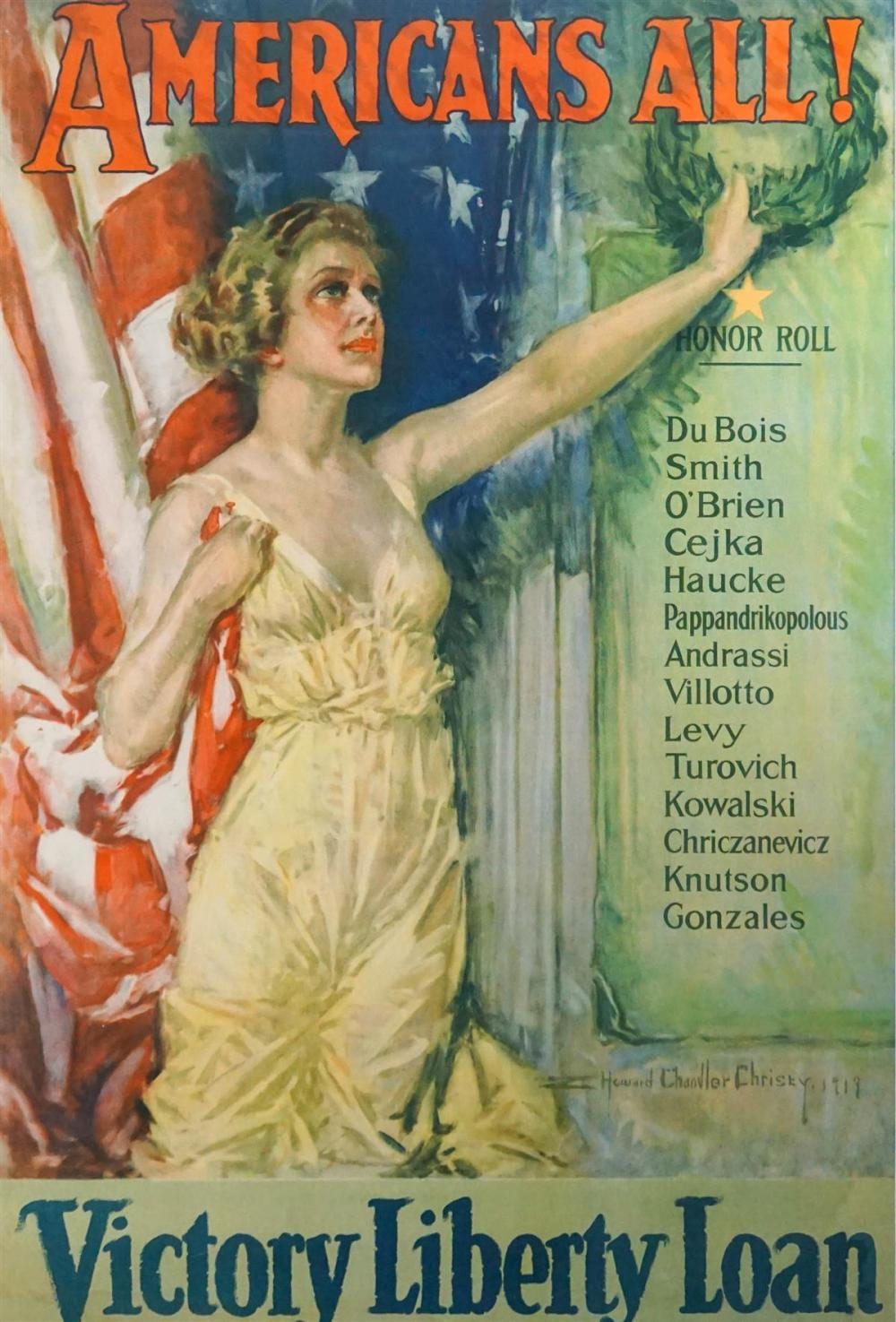
- Wartime poster imagery: Christy’s WWI propaganda, such as “Gee!! I Wish I Were a Man, I’d Join the Navy,” was issued as lithographic posters. Original posters are a different category—scarcer and typically more valuable—though they also have the signature within the image.
Typical subjects and what collectors notice:
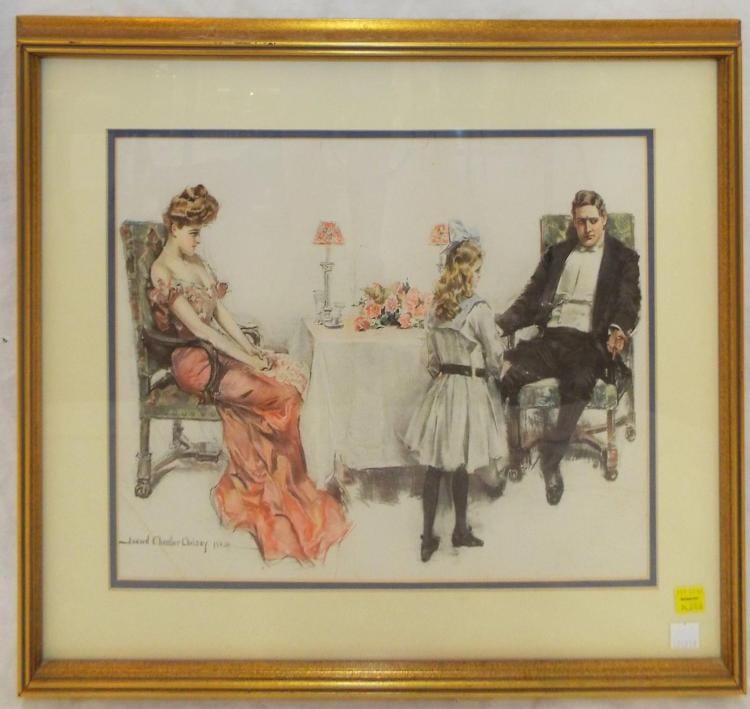
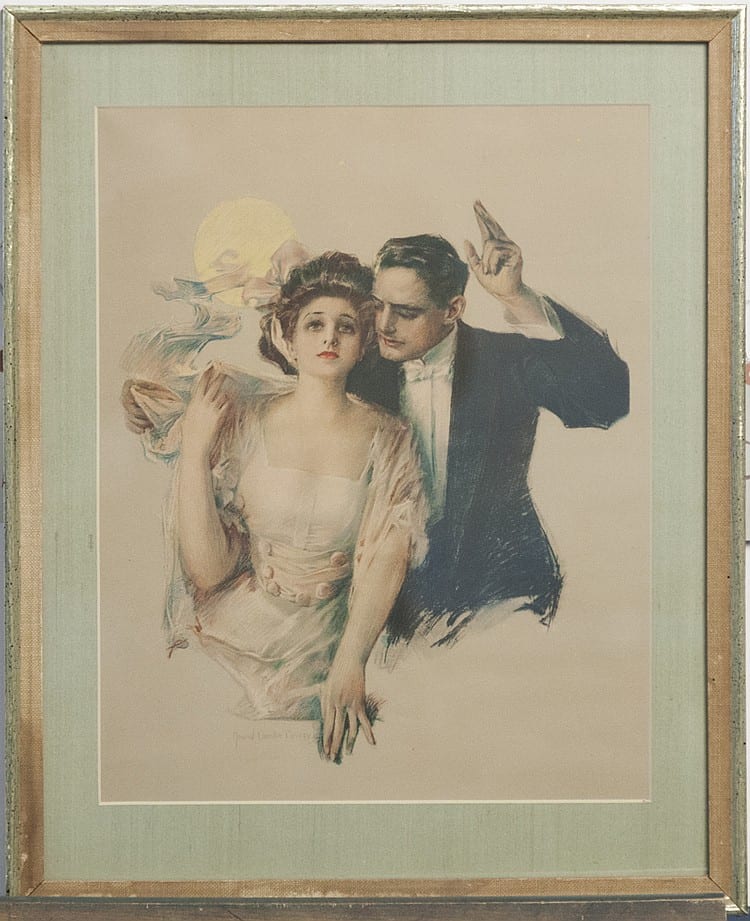
- The “Christy Girl”: Elegant, self-assured women with soft lighting, fashionable hats, and expressive eyes. These remain the most broadly collected prints.
- Society and romantic scenes: Ballroom or veranda vignettes, costume themes (e.g., masquerade, domino masks), and flirtatious glances are perennial sellers.
- Portraits of statesmen and celebrities: Popular historically but, as reproductions, usually trail glamour subjects on the secondary market unless linked to a major figure.
- Patriotic and service themes: WWI-era female figures in uniform or supporting the war effort command stronger demand if original posters; plate-signed reproductions remain mid-market unless particularly large and early.
Identification and Dating: Process, Paper, Imprints
A careful physical examination reveals what you have and when it was made. Use a good lamp and a 10x loupe.
- Printing process clues
- Photogravure (intaglio):
- Look for a plate mark—an impressed rectangle slightly larger than the image.
- Under magnification, tone is formed by tiny, irregularly shaped pits (not a regular dot grid).
- Black-and-white or sepia is common; color gravure exists but is less frequent for Christy.
- Chromolithograph (stone lithography):
- Early examples show overlapping patches of color; edges of color areas may be slightly misregistered.
- Under magnification, you won’t see a modern uniform rosette pattern; instead, you’ll notice grainy or stippled textures.
- Offset lithograph/halftone:
- Under a loupe, you’ll see a regular dot matrix (AM screen rosette) or, in later prints, a fine stochastic screen.
- No plate mark; edges are clean, and colors build from dots rather than solid washes.
- Collotype:
- Continuous tone, no visible dots, no plate mark, and a slightly reticulated texture under magnification. Often used for high-quality art reproductions in the early 1900s.
- Paper and aging
- Paper tone: Cream to light tan is common on period papers. Even, gentle toning is acceptable; dark overall oxidation (browning) suggests prolonged exposure.
- Watermarks: Less common on mass-market prints but occasionally present on higher-grade sheets; note any maker’s mark to aid dating.
- Fibers and surface: Rag content papers feel soft and resilient; wood-pulp papers are crisper and more prone to edge chipping and foxing.
- Imprints, margins, and text
- Copyright lines: Look along the lower margin for “Copyright [year] by…” or “Copr. [year]” followed by the artist or publisher. A visible 1905–1925 range often indicates period printings.
- Publisher imprint: Names like “Reinthal & Newman, N.Y.” or “P. F. Volland Co.” can place the print in a specific commercial stream typical of early 20th-century decorator art and calendars.
- Titles and plate numbers: Some series prints carry a printed title centered below the image and/or a plate number at the corner. Keep all margins intact; trimming reduces value.
- Backing clues: Calendar remnants, period cardboard, or old framer labels can corroborate the era. Acidic backers and brittle tape suggest early to mid-20th-century framing.
- The signature itself
- Placement: Typically lower right or left within the image. Christy’s sweeping “y” descender may align under letters, sometimes forming a partial underline.
- Style: Compare the letterforms across the image with other documented Christy signatures in the same period. Beware of later reproductions that “simulate” an earlier signature style but print via modern offset.
- Size expectations
- Photogravures: Common image sizes in the 9 x 12 in to 12 x 16 in range, with generous margins.
- Calendar/litho decorator prints: Often 16 x 20 in image area, sheets larger; wide variance exists.
- Magazine plates: Smaller, frequently around 8 x 11 in or smaller, sometimes with text verso.
Condition, Conservation, and Value
Condition can swing price by a factor of three or more for plate-signed Christy prints.
- Common condition issues
- Foxing: Rust-colored specks from paper impurities; scattered light foxing is acceptable, heavy blotches diminish appeal.
- Mat burn: Brown bands where acidic mats overlapped the image; visible even after reframing unless reduced by conservation.
- Fading: Blue and red pigments are the first to go; compare covered margins under a window mat to open areas to judge fade.
- Stains and tidelines: Water exposure leaves hard-edged tidelines; these are tough and expensive to treat.
- Tears and chips: Edge tears and corner losses, especially from brittle wood-pulp sheets, are typical. Intrusions into the image are more serious.
- Trimming: Loss of margins, plate marks, or imprints significantly reduces value and makes dating harder.
- Conservation recommendations
- Unframe and assess: If the frame is old, have a conservator or experienced framer open it to document the sheet, margins, and backing.
- Dry cleaning and washing: A paper conservator can lift surface grime, reduce acidity, and lighten mat burn and foxing. Leave this to professionals.
- Reframe archivally: Use 100% cotton rag mat and backing, UV-filtering glazing (acrylic preferred for safety), and reversible Japanese paper hinges with wheat starch paste or archival tape.
- Environment: Display out of direct sunlight, maintain stable temperature and humidity, and avoid damp walls.
- Market value ranges (general guidance)
Because “in-plate signed” indicates a reproduction tier, pricing reflects decorative and historical appeal rather than scarcity alone.
- Small magazine plates or postcard-size prints: Often $20–$75 unframed, depending on subject and condition.
- Medium photogravures and early chromolithographs with margins: Typically $75–$250 unframed; better subjects (“Christy Girl” profiles, masquerade themes) may reach $300–$400 in strong condition.
- Large, high-quality decorator prints with publisher imprints: $150–$400 unframed; tastefully framed, conserved examples can sell higher in retail settings.
- Original WWI lithographic posters (not just plate-signed reproductions): Frequently several hundred to several thousand dollars depending on rarity, size, and condition. These are a separate, higher tier.
Note: Regional demand, recent sales comparables, and exact subject drive outcomes. Hand-signed Christy works (drawings, paintings, inscribed posters) sit well above these ranges.
Checklist: Quick Appraisal Steps
- Verify “in-plate” vs hand signature:
- Is the signature made of printed ink inside the image? No graphite shine and identical across copies = in-plate.
- Identify the print process:
- Plate mark and continuous tone = likely photogravure. Uniform dots = offset litho/halftone. Layered color without dots = chromolithograph.
- Read the margins:
- Record copyright date, publisher imprint, title, and plate number. Check for trimming.
- Measure the sheet and image:
- Note sizes; compare to known period formats. Keep measurements to the nearest 1/8 inch or 0.1 cm.
- Grade condition:
- List foxing, mat burn, fading, tears, stains, and backing type. Photographs under raking light help.
- Consider subject appeal:
- Christy Girl, wartime motifs, and fashionable social scenes typically outperform formal portraits as reproductions.
- Decide on conservation:
- If value justifies, consult a paper conservator; at minimum, reframe to archival standards.
- Set expectations:
- Plate-signed Christy prints are collectible decor; value hinges on process, subject, and condition, not just the printed signature.
FAQ
Q: My print says “Christy” in the image. Is it hand-signed? A: If the signature is part of the printed picture—same ink texture as surrounding areas and no graphite sheen—it is an in-plate signature. A hand signature appears in pencil (or occasionally ink) in the lower margin and is applied after printing.
Q: How can I tell if it’s an early print or a later reprint? A: Look for period copyrights and publisher imprints, a plate mark and rag paper for gravures, and absence of modern halftone dots. Later reprints often show a regular dot pattern under a loupe and lack early publisher lines.
Q: Do original frames add value? A: Rarely. Old frames can indicate age but may conceal trimmed margins or cause damage. Conservation-grade reframing is preferable; provenance labels on the back are worth photographing and preserving.
Q: Are Christy’s WWI posters also “in-plate signed”? A: His posters carry the signature within the image, but they are original lithographic posters, not later reproductions. Authentic period posters are generally more valuable than decorator prints; condition and size are critical.
Q: What if my print has a watermark? A: A watermark can help confirm higher-grade paper and may aid dating, but many mass-market Christy prints have no watermark. Note its exact wording and placement for research.
With careful inspection, you can accurately describe a Howard Chandler Christy plate-signed print: identify the process, capture the publisher and date clues, grade condition, and set fair expectations for value. For standout subjects in strong, original condition—especially early photogravures and chromolithographs—conservation and proper framing can elevate both presentation and marketability.