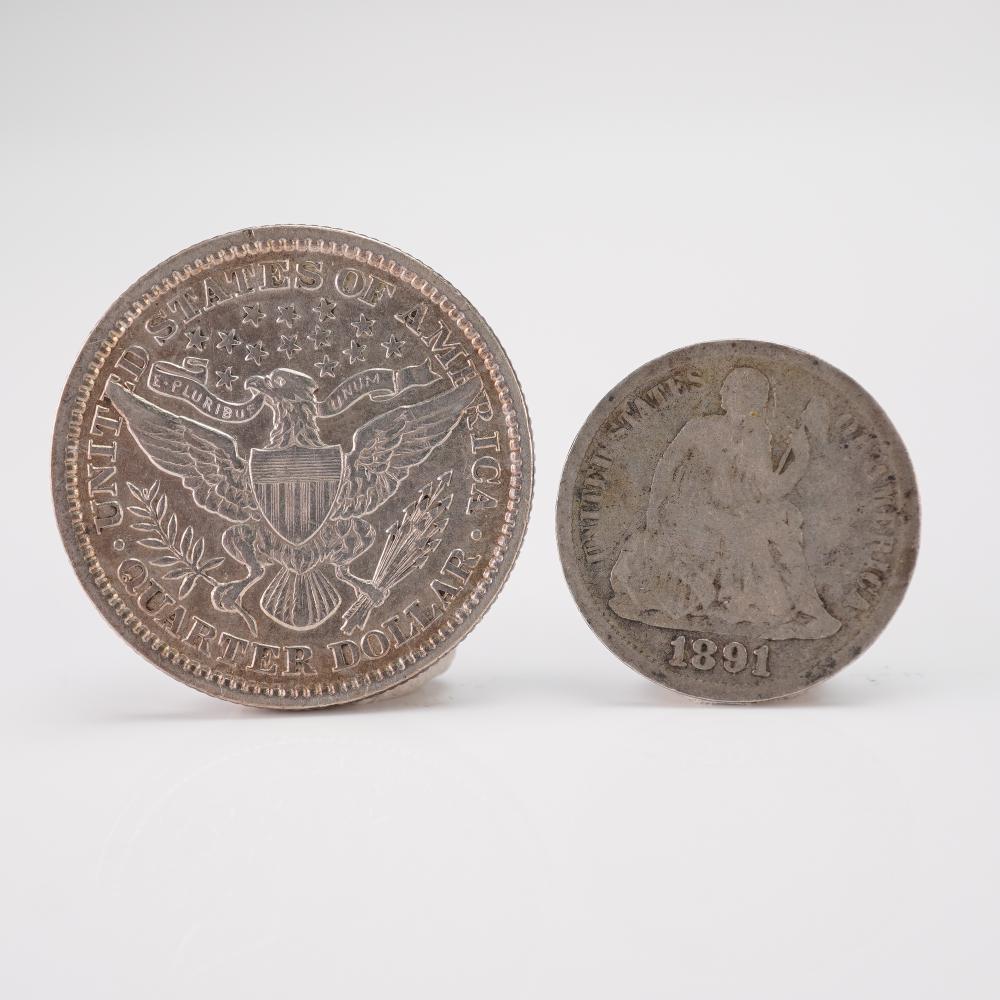
1985 quarter value checklist
Document whether the coin is 1985-P, 1985-D, or 1985-S proof, then check clad composition, grade, strike sharpness, luster, surface marks, cleaning, rim damage, and any supported error attribution before treating a listing as market evidence. Compare broader coin pricing with the old quarter value guide, the old coin value guide, and the valuable coin checklist.
This guide does not assign a guaranteed value or authenticate auction claims from photos alone. Treat online prices as context until date, mint mark, condition, error attribution, and comparable market evidence are verified.
What Is a 1985 Quarter Worth Today?
When it comes to coin collecting, value is determined by several factors: mint mark, condition, errors, and rarity. The 1985 Washington quarter, while common in circulated grades, can become surprisingly valuable in high-grade uncirculated condition or when sporting interesting mint errors.
With over 775 million 1985 quarters minted in Philadelphia alone, most examples are worth their face value. However, certain specimens can command significantly higher prices from collectors. Let’s explore the factors that determine the true value of your 1985 quarter.
Key 1985 Quarter Facts
- 1985
High Mintage Year
The Philadelphia mint struck 775,596,000 quarters, while Denver produced 519,962,000.
- 1932-1998
Washington Quarter Design Period
1985 falls within the long-running Washington quarter series before the State Quarters Program began.
- MS66+
Value Threshold
1985 quarters in MS66 condition or higher become significantly scarce and valuable.
Mint Marks and 1985 Quarter Production
The United States Mint produced Washington quarters at two facilities in 1985:
- Philadelphia (P): 775,596,000 quarters - no mint mark until 1980, when the “P” mint mark was introduced
- Denver (D): 519,962,000 quarters - denoted by a “D” mint mark
There were also special proof quarters struck at the San Francisco Mint (S mint mark) specifically for collectors, though these weren’t released into circulation.
1985 Quarter Current Values by Mint Mark and Condition
1985 Quarter Value Chart
Current market values as of 2023
The PCGS CoinFacts site notes that the 1985-P Washington Quarter has a very high mintage but becomes remarkably scarce in MS66 condition and higher. This creates value for pristine specimens.
1985 Quarter Errors: The Path to Higher Values
Errors can dramatically increase the value of an otherwise common 1985 quarter. Here are some notable errors to look for:
1985 Quarter Error Checklist
Check for these valuable errors on your 1985 quarters
- Double Die Error - Check for doubling in lettering or design
- Off-Center Strike - Part of the design is missing due to misalignment
- 'God We Rust' Error - Missing letters in the motto
- Double Rim Error - Doubled rim appearance
- Broad Strike Error - Coin appears larger than normal
- Die Cracks or Cuds - Raised lines or bumps on the coin surface
- Wrong Planchet Error - Struck on a different denomination's blank
Notable 1985 Quarter Errors and Their Values
Image reference removed; use object photos and documented condition details for appraisal.
Grading Your 1985 Quarter
The condition of a 1985 quarter significantly impacts its value. Here’s a simplified guide to understanding coin grades:
1985 Quarter Grading Guide
How condition affects value
For professional grading, consider services like PCGS (Professional Coin Grading Service) or NGC (Numismatic Guaranty Corporation). These organizations provide authenticated grading that can significantly impact a coin’s marketability and value.
Grade estimates should be checked against clear photographs of both faces and the coin edge.
Where to Sell Your Valuable 1985 Quarters
For 1985 quarters in exceptional condition or with errors, consider these selling options:
- Online Marketplaces: eBay, Etsy, and specialized coin marketplace websites
- Coin Dealers: Local or online dealers specializing in numismatics
- Coin Shows: In-person events where dealers and collectors gather
- Auction Houses: For exceptionally valuable specimens
- Coin Collector Forums: Places to connect directly with collectors
When selling valuable coins, consider having them professionally graded first. This authentication can significantly increase buyer confidence and the price you can command.
Frequently Asked Questions About 1985 Quarters
Is a 1985 P quarter rare?
How much is a 1985 quarter worth today?
What makes a 1985-P quarter valuable?
How can I tell if my 1985 quarter has the double rim error?
What are the most valuable 1985 quarter errors?
Are 1985-D quarters more valuable than 1985-P quarters?
How can I sell my valuable 1985 quarter?
- Have it professionally graded by PCGS or NGC first if it’s potentially valuable
- Sell on online auction sites like eBay or specialized coin marketplaces
- Contact reputable coin dealers who specialize in modern errors
- Attend coin shows to meet dealers and collectors in person
- Join numismatic forums to connect with collectors
What does a 1985-S quarter look like?
External Resources for 1985 Quarter Research
NGC Coin Explorer: 1985-P Washington Quarter
Comprehensive price guide and historical information for the 1985-P Washington Quarter, including auction records and grading standards.
PCGS CoinFacts: 1985-P Washington Quarter
Detailed coin specifications, population reports, auction history, and grading information for the 1985-P Washington Quarter.
USA Coin Book: 1985-P Washington Quarter Values
Pricing information, specifications, and collectible facts about the 1985-P Washington Quarter.
eBay: 1985 Washington Quarter Error Coins
Browse current listings of 1985 Washington Quarter error coins to see what collectors are currently paying.
Numiis Coin Values: 1985-P Washington Quarter
Detailed value ranges and coin information for the 1985-P Washington Quarter in various conditions.
Coin Value Checker: 1985 Quarter Values and Errors
Comprehensive guide to 1985 quarter values, including P, D, and S mint marks, plus common errors.
Final Thoughts on 1985 Quarter Values
While most 1985 quarters you’ll find in pocket change are worth only face value, the potential for finding valuable specimens does exist. The most value comes from coins in pristine uncirculated condition (MS66 or higher) or those with interesting mint errors.
For collectors, the 1985 Washington quarter represents an accessible entry point to numismatics. These coins are abundant enough to be affordable yet can still yield fascinating varieties and errors worth pursuing.
If you believe you have a valuable 1985 quarter, consider having it professionally evaluated or graded. The investment in professional grading can be worthwhile for coins that exhibit high-grade characteristics or potentially valuable errors.
Remember that coin values fluctuate with collector demand and market conditions, so what’s valued at a certain amount today might change in the future. The information provided here represents current market conditions as of 2023.
What current auction evidence can—and cannot—show
We did not find a verified, page-specific auction-comps set for this 1985 Quarter that met the current exact-match and source-provenance standard.
That absence is evidence, not a zero-value conclusion. Asking prices, broad category ranges, and sales for materially different objects are not substitutes for matched realized sales. Use the identification and condition guidance in this article, then narrow a future search with exact marks, model or variant, dimensions, materials, condition, completeness, and provenance.
Free first look
Not sure whether this 1985 Quarter needs an appraisal?
Photograph the whole item, maker or identifying marks, dimensions, materials, condition, repairs, and any provenance or documentation. The photo-based Screener can help identify the likely category and visible evidence gaps before you pay for documentation.
Upload photos for a free first lookFree. No card needed. The photo upload usually takes about two minutes.
The free first read is a separate photo-based Screener, not this educational article. Results usually appear within a few minutes; complex items can take longer. From photographs of your 1985 Quarter, it returns a preliminary category or identity read, visible evidence gaps, rough comparable market signals, and whether a human appraisal looks worthwhile; it is not a signed value conclusion. Material or construction can remain uncertain without direct examination, dimensions, provenance, or complete condition details. A written appraisal is useful when your 1985 Quarter needs documented specialist support for insurance, tax, an estate, authentication, litigation, or a consequential sale, but you may not need one.
Choose your next step
Use the path that matches the decision you need to make about the item.
Not sure it is worth appraising?
Start with a lower-friction screen to understand the likely category, evidence, and next step.
Upload photos for a free first lookWant proof before paying?
See how a signed report documents photos, comparable evidence, condition notes, and value conclusions.
View signed report sampleNeed a signed report?
Use this for insurance, estate, donation, resale, or documented value decisions.
Need documentation now? Start signed appraisalNeed local or specialist help?
Compare directory options when the work needs in-person review or a specialist near you.
Find local art specialistsSee what the report looks like
Sample reports show how photos, comparable evidence, condition notes, and a value conclusion are documented.
Get a coin appraisal
Upload photos and details for your 1985 Washington quarter so an Appraisily specialist can review the object-aware value signals.
- Object-aware written report
- Fast turnaround
- Fixed, upfront pricing
Secure upload. Written report options available.
Continue your valuation journey
Find the right local specialist
Compare antique and art appraisers by location and specialty in one directory.
Antique & art specialists
Browse the Antique & Art Appraisers Directory
Choose a local specialist when the assignment needs in-person inspection or a specific credential.
Machine-readable summaries
Use these machine-friendly references for AI and crawler discovery of Appraisily content.
Ready for pricing guidance?
Start a secure online appraisal
Upload images and details. Certified specialists respond within 24 hours.
Upload photos for a free first look View signed report sample