
Henri Matisse Titled Red Violin Circa 1921 Hand Signed Print: appraisal and value basics
Henri Matisse Titled Red Violin Circa 1921 Hand Signed Print research should start with identification, condition, provenance, and recent comparable sales. Use this guide to compare the signals that matter before paying for a formal appraisal or deciding whether to sell.
Henri Matisse Titled Red Violin Circa 1921 Hand Signed Print
The phrase “Henri Matisse Titled Red Violin Circa 1921 Hand Signed Print” triggers both intrigue and caution for serious collectors and appraisers. It combines a canonical modern master, an appealing musical subject, an early date, and the promise of a hand signature. But those same ingredients appear so often in misdescribed items, reproductions, and outright forgeries that this is exactly the sort of listing that deserves rigorous, methodical scrutiny.
This article walks through what is and isn’t consistent with Matisse’s known printmaking around 1921, how to evaluate medium and inscription, the research path through catalogues raisonnés, pricing realities, and practical care once you have clarity.
What the title implies — and what the catalogues say
- The subject: Violins and musicians do appear in Matisse’s oeuvre, particularly around 1916–1918 (“Violinist at the Window,” still lifes including instruments). However, a piece explicitly titled “Red Violin” is not a commonly documented title in standard references of his prints. Absence from a catalogue isn’t proof of non-existence, but it elevates the burden of proof.
- The date “circa 1921”: Matisse was active in printmaking by then, producing etchings, drypoints, lithographs, and later linocuts. Color-dominant, hand-colored pieces from that year are less typical; vibrantly colored pochoirs are mostly associated with “Jazz” (1947), not 1921.
- “Hand signed print”: Matisse did sign many lifetime impressions in pencil. At the same time, the market is crowded with offset lithographic reproductions and book plates that carry either a printed signature in the image or a spurious, later-added pencil signature.
Bottom line: a Matisse “Red Violin” from circa 1921 could be a mis-titled or mistranslated variant of a known violin/musician motif, a later reproduction “after Matisse,” or, less likely, a previously uncatalogued print. Your appraisal hinges on confirming medium, authorship, publisher, and consistency with the catalogue raisonné of Matisse’s prints (commonly referenced by Duthuit numbers).
How Matisse prints were made and signed
Techniques you’re likely to encounter:
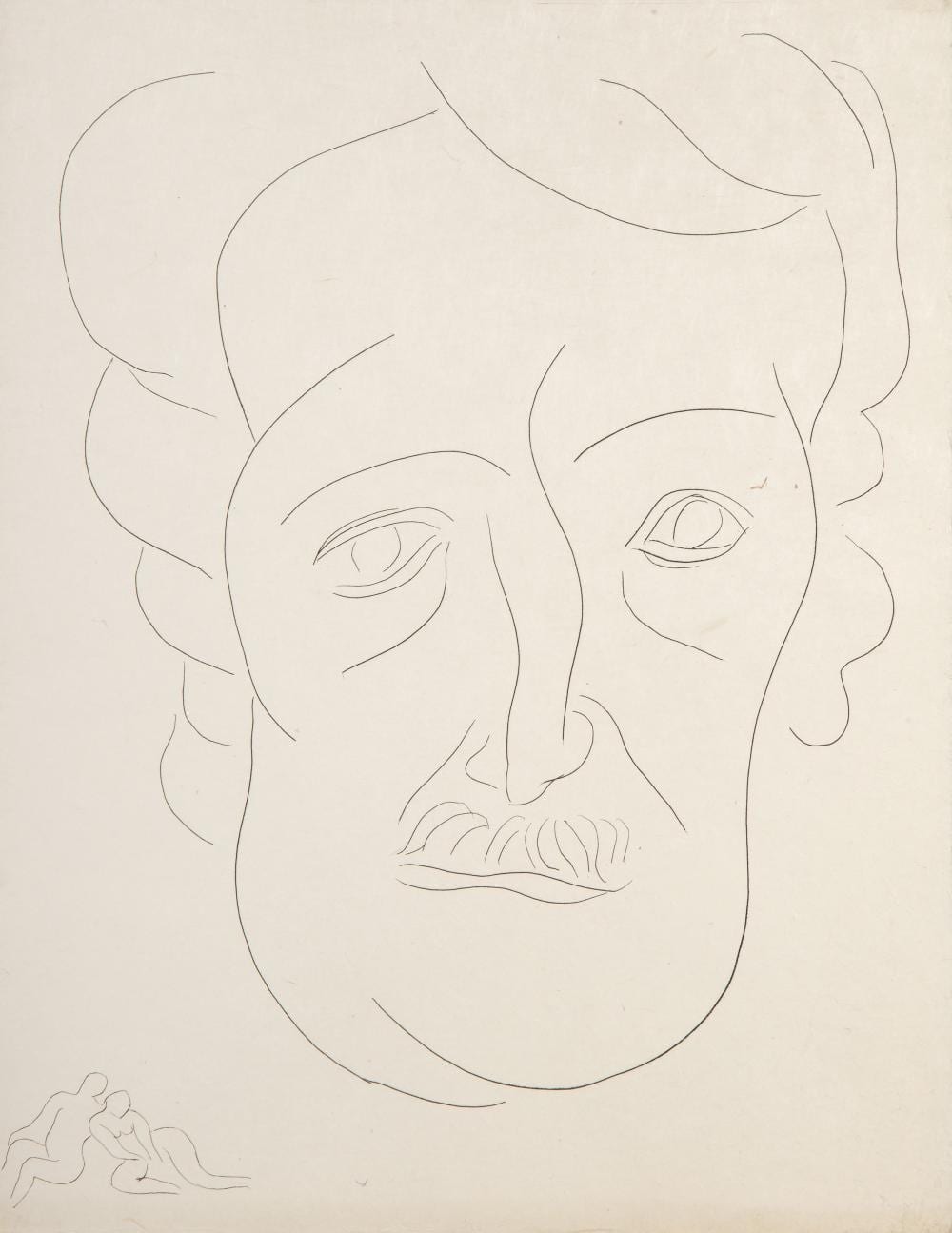
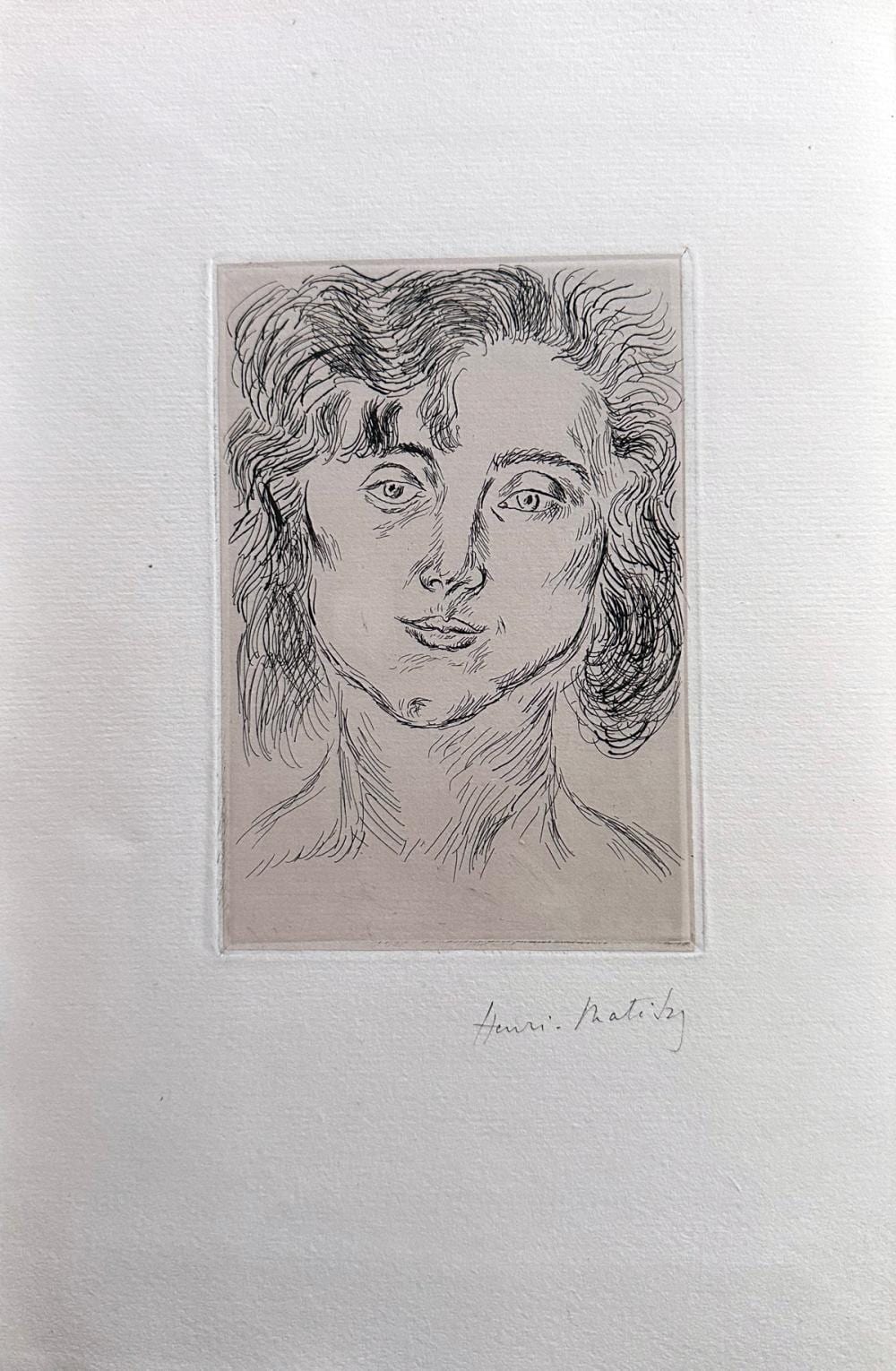
- Etching/drypoint (intaglio): Usually monochrome. Plate-impressed border (platemark) visible around the image. Signs of platetone or burr may be present.
- Lithograph (planographic): Common across his career, often on wove papers. No platemark because printing is from a stone/plate surface, not a recessed plate.
- Linocut/woodcut: Less common than lithography and intaglio for Matisse’s 1920s output.
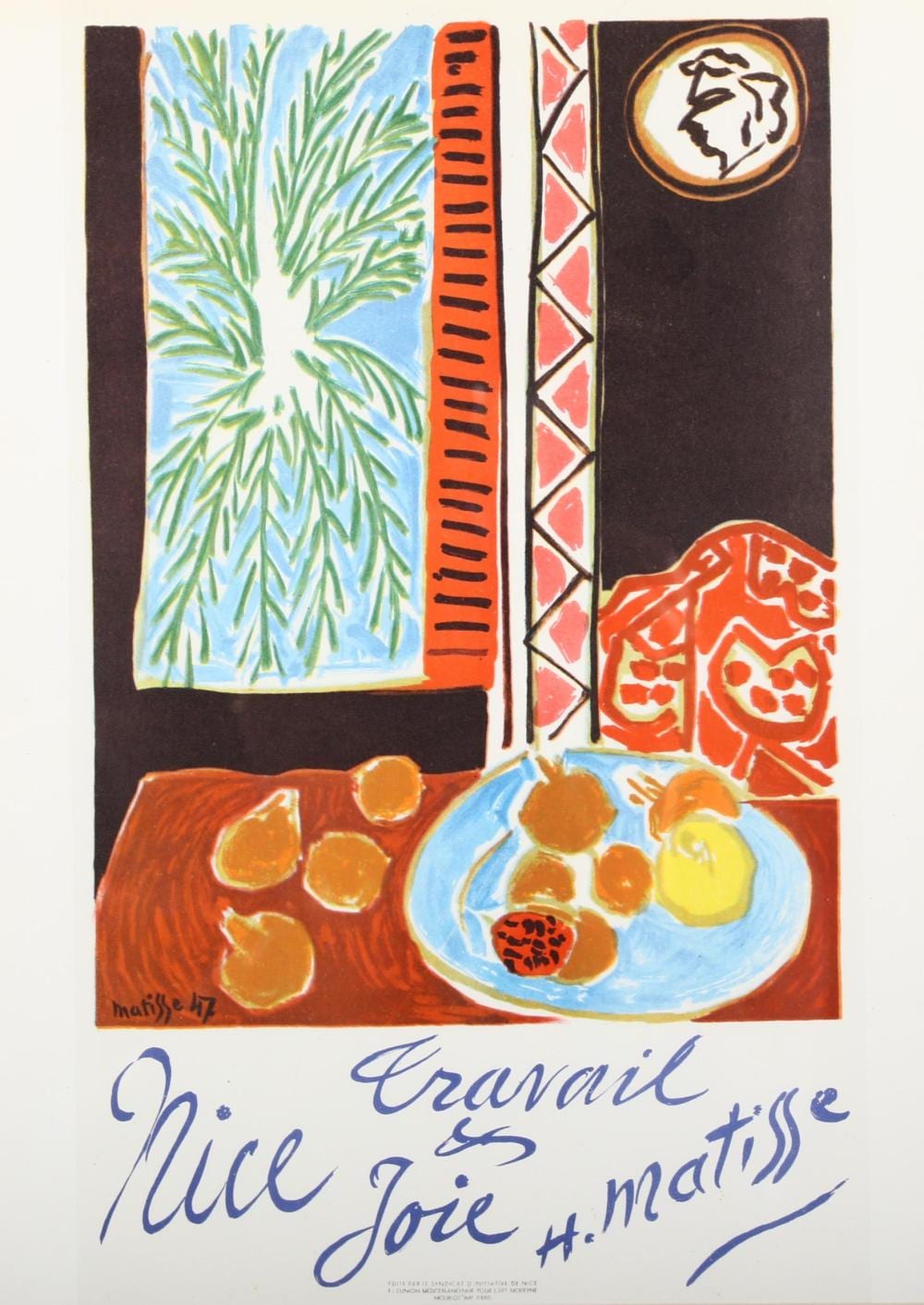
- Pochoir (stencil color): Best-known in “Jazz” (1947), produced by color specialists rather than the artist personally; most sheets bear a signature on the justification page rather than on each print.
Signatures and inscriptions:
- Lifetime signed prints typically bear a graphite (pencil) signature lower right margin, “Henri Matisse,” occasionally abbreviated. The handwriting is fluid and consistent across authenticated works.
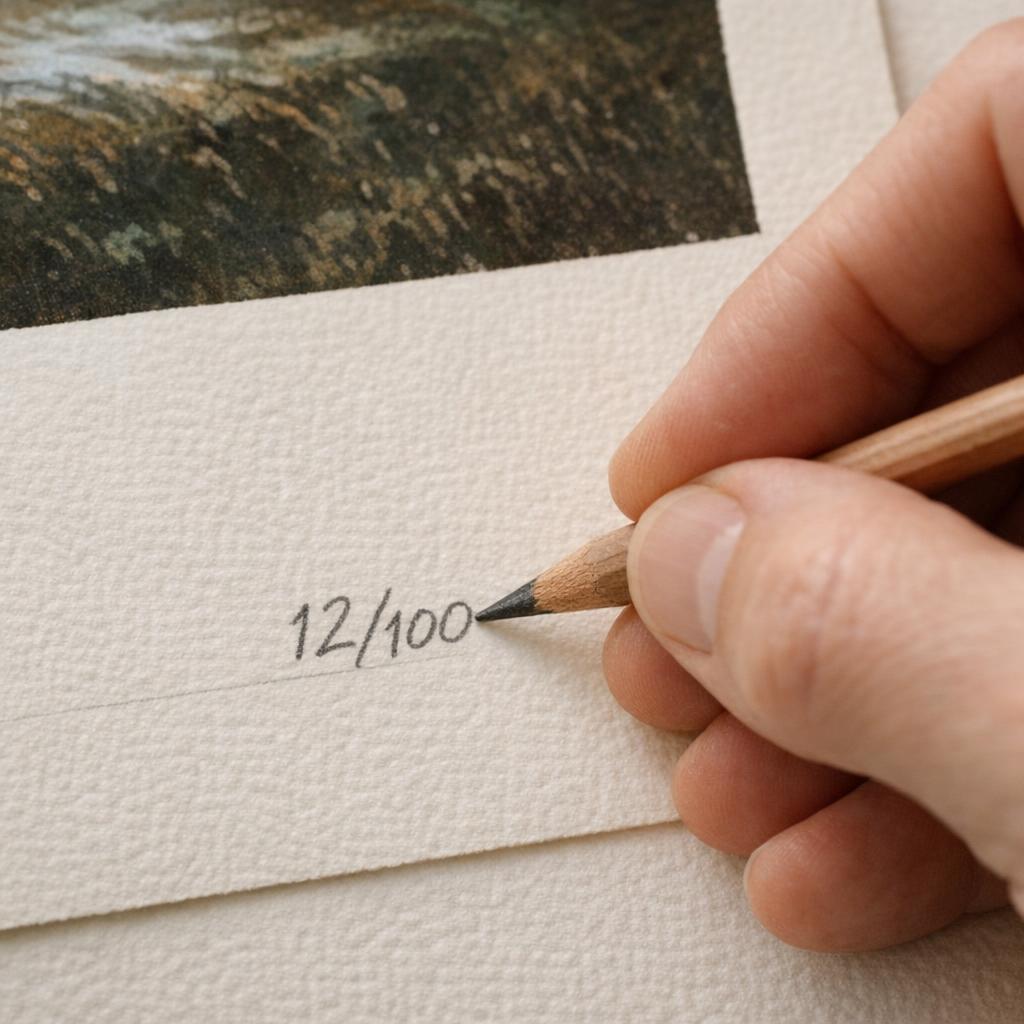
- Edition numbers, when present, appear lower left (e.g., “12/50”). Not all early prints were numbered; some were printed in small, unnumbered editions.
- Plate/stone signatures: An “H. Matisse” drawn within the image as part of the composition is not a pencil signature; it’s printed and does not indicate a hand-signed impression.
- Dates: The printed date may appear in-plate; pencil-dated signatures are less common.
Publishers and printers:
- Early intaglio and lithographs were often issued through established Parisian dealers and printers. By the 1920s, lithographs increasingly involved ateliers like Mourlot in later decades. Publisher/atelier notations may appear in margins or verso, or be recorded in catalogues.
If your sheet purports to be a color lithograph from 1921, ask: is this consistent with Matisse’s color-print practice then? A richly red violin motif could be a later reproduction “after” an earlier drawing or painting.
Physical diagnostics: paper, ink, and impressions
Use a loupe and strong raking light. The physical evidence will often resolve 80% of questions before you even consider provenance.
Intaglio (etching/drypoint) telltales:
- A tactile platemark framing the image.
- Slightly inked plate edges or plate tone.
- Under magnification, ink sits in recessed lines with a slightly raised ridge on heavy wiping.
Lithograph telltales:
- No platemark.
- Under magnification, genuine lithographic crayon/tusche marks show irregular, greasy granularity, not a uniform dot matrix.
- Registration might show tiny misalignments if multiple stones were used for color.
Offset reproduction (poster/book plate) red flags:
- Regular halftone or rosette dot patterns under 10x magnification.
- Clinical edge transitions in flat color areas; no lithographic grain.
- Type or plate marks in the lower margin reading like poster text (e.g., printer credits), sometimes trimmed off to deceive.
Pochoir vs hand-coloring:
- Pochoir shows distinct, stencil-shaped color fields with clean or slightly brushed edges where the stencil met the paper; colors are layered, matte, and can leave minor ridges.
- True hand-coloring by Matisse on a print is rare; claims of “hand colored” should be scrutinized.
Paper and watermarks:
- Matisse prints appear on quality wove papers; watermarks (Arches, BFK Rives) may be visible when backlit. Arches and Rives are common, but watermarks alone don’t authenticate—both papers are widely available.
- UV light: Watch for optical brighteners (bluish glow), generally absent in early 20th-century papers.
Margins:
- Lifetime impressions generally retain generous margins. Overly tight or trimmed margins can reduce value and complicate authentication (loss of numbering or inscriptions).
Inscriptions, editions, and publisher marks
A credible Matisse print (especially with an early date) should align with documented states and inscriptions.
- Pencil signature placement: Typically lower right margin, not within the image field.
- Edition notation: Early prints might be “x/25” or “x/50,” or unnumbered with stated edition sizes in the raisonné. A very high number (e.g., out of several hundred) on a 1921 print deserves skepticism.
- Titles in pencil: Matisse occasionally hand-titled works, but many authentic prints have no pencil title. Handwritten titles in English on a purported 1921 French edition can be a red flag for later additions.
- Printer/publisher notations: Tiny blindstamps are uncommon for his early prints; some later Mourlot posters carry printed notations. A blindstamp alone neither proves nor disproves authenticity but should match known marks for the relevant atelier and era.
If the item is described as “hand signed,” compare the signature with published examples of Matisse’s authentic pencil signature. Be wary of labored, hesitant handwriting, excessive pressure (gouging the paper), or graphite sheen inconsistent with period signatures.
Provenance and research trail
- Catalogue raisonné: Locate the entry in the standard catalogue of Matisse’s prints (often cited by Duthuit numbers). If your “Red Violin” cannot be matched, ask whether the image corresponds to a known drawing or painting that was later reproduced as a poster or book plate.
- Exhibition and sale history: Traceable provenance (gallery invoices, old collection labels, exhibition stamps) adds credibility. Photographs of the piece in earlier frames or installations can corroborate age.
- Expert opinion: A recognized modern prints specialist or a major auction house print department can often identify a poster or book plate at a glance and will advise next steps for a candidate original.
Documentation matters. A modest but well-documented sheet is preferable to a “spectacular” image with no paper trail.
Market reality: pricing, comparables, and risk management
- Original lifetime Matisse prints: Depending on medium, subject, condition, and rarity, signed intaglio or lithographs can range from mid five figures into six figures. Highly sought motifs and pristine condition push the upper end.
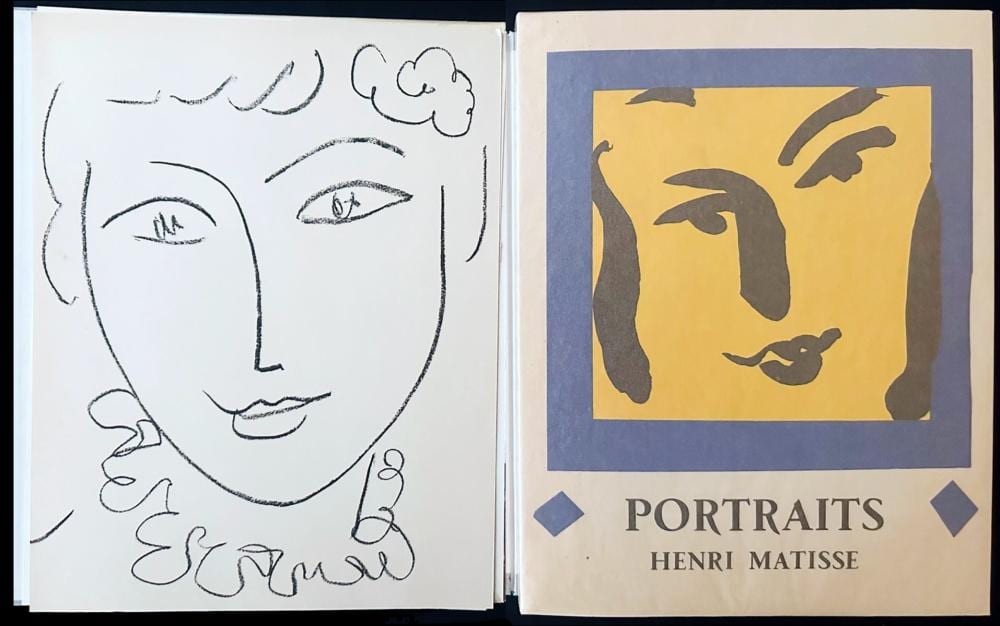
- Posthumous/authorized reproductions: Beautiful but not original prints “after Matisse”—including Mourlot posters and pochoir reproductions after drawings—often trade from a few hundred to a few thousand dollars, with iconic images at the top end.
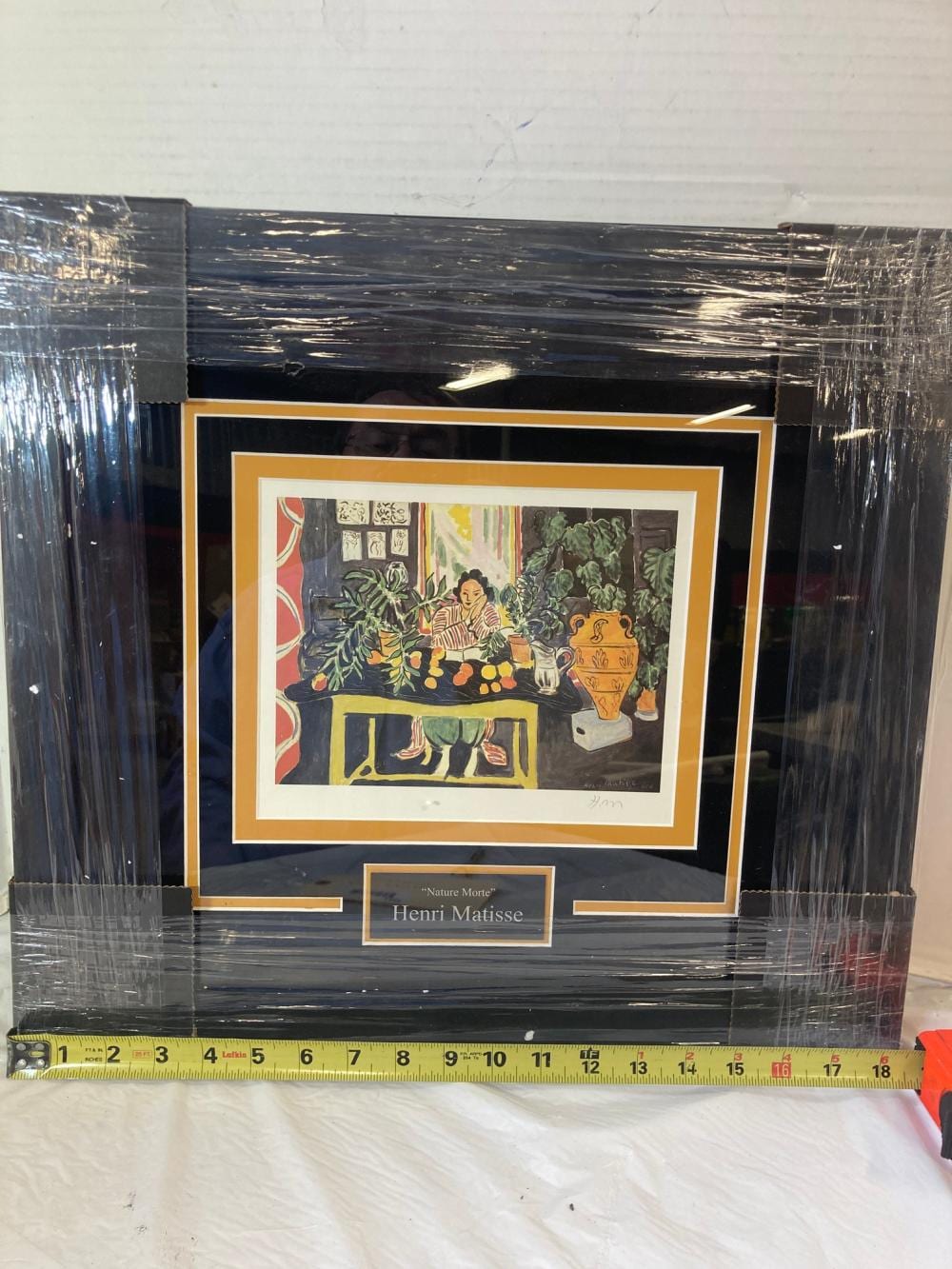
- Decorative reproductions with spurious pencil signatures: Typically under a few hundred dollars once correctly described. The signature adds no value if it is not by the artist.
- Condition adjustments: Foxing, toning, mat burn, creases, trimming, and marginal tears can reduce value substantially. Restored prints require disclosure and may still carry a discount even after professional conservation.
If “Red Violin” turns out to be a mis-titled authentic Matisse print with a musician/violin motif, its valuation will hinge on the precise catalogue entry. If it is a later color reproduction of an earlier drawing, it should be priced accordingly—attractive for decor, but not as a fine print.
Preservation, framing, and insurance
- Mount and frame with museum standards: 100% cotton rag board, reversible hinges, UV-filtering glazing. Maintain an air gap between the sheet and glazing.
- Environment: 18–22°C (64–72°F), 40–55% RH, no direct sunlight. Let artworks acclimate to new environments gradually to avoid cockling.
- Handling: Gloves, two hands, support with a board. Avoid touching image areas.
- Documentation: Keep invoices, expert reports, and high-resolution recto/verso photographs. If you’ve obtained a negative (“not Matisse”) opinion, archive it—transparency protects future owners.
- Insurance: Insure only after establishing an accurate description. A misattributed poster should not be insured as a six-figure Matisse print.
Practical appraisal checklist
- Identify the medium:
- Is there a platemark (intaglio) or not (lithograph)?
- Under a loupe, do you see halftone dots (reproduction) or litho grain/intaglio ink?
- Assess color process:
- Flat, dotted color suggests offset reproduction.
- Stencil edges suggest pochoir; verify whether it’s a lifetime work or a later reproduction after Matisse.
- Inspect paper:
- Look for watermarks (Arches, Rives). Check for optical brighteners under UV.
- Note toning, foxing, mat burn, tears, or trimming.
- Verify inscriptions:
- Pencil signature lower right? Confident, period-appropriate handwriting?
- Edition number lower left? Does it make sense for the era?
- Any English pencil titling on a supposedly French 1921 print? Treat cautiously.
- Cross-check the image:
- Match it to entries in the Matisse print catalogue raisonné (Duthuit) or documented series from the period.
- If the title “Red Violin” doesn’t appear, search by subject and compare composition details.
- Confirm publisher/printer details:
- Are there legitimate period marks or notations? Do they align with known practices in 1921?
- Evaluate provenance:
- Bills of sale, exhibition labels, old collection marks, or library stamps? Photograph verso labels before removal.
- Get expert eyes:
- If still uncertain, consult a modern prints specialist or major auction prints department before purchase or insurance.
FAQ
Q: Is there a documented Matisse print specifically titled “Red Violin” from 1921? A: A piece with that exact title is not widely recognized in standard print catalogues. Matisse did depict violinists and instruments around the late 1910s–early 1920s, so your item might be a mis-titled version of a known work or a later reproduction “after” a drawing. Confirm against the print catalogue raisonné.
Q: If the print has a pencil signature, doesn’t that prove it’s authentic? A: No. Many reproductions carry forged or added pencil signatures. Evaluate the signature style, placement, pressure, and graphite quality—and ensure the medium itself is an original print, not an offset reproduction.
Q: How can I quickly tell if my sheet is a modern reproduction? A: Use a 10x loupe. A rosette or uniform dot matrix in the image indicates offset printing. Genuine lithographs show irregular litho grain; etchings show recessed ink lines and a platemark. Also check the paper—optical brighteners suggest later paper.
Q: Could it be a pochoir from “Jazz” retitled as “Red Violin”? A: Unlikely, as “Jazz” dates to 1947 and its compositions are distinct, with circus and acrobatic themes. A “violin” subject would not match those plates. However, later pochoirs after Matisse drawings exist; they are authorized reproductions, not lifetime signed originals.
Q: What is the best next step if I suspect I have a genuine early Matisse print? A: Document the work thoroughly (recto/verso photos, measurements, details of inscriptions), avoid invasive cleaning, and consult a recognized print specialist. Seek written opinions and attempt to match the work to a specific catalogue entry before any sale or insurance action.
In sum, the promise of a “Henri Matisse Titled Red Violin Circa 1921 Hand Signed Print” demands discipline: confirm the medium, match the image to the raisonné, scrutinize the signature, and build a provenance narrative. With the right process, you’ll either validate a valuable modern print—or correctly identify a handsome reproduction and value it appropriately.
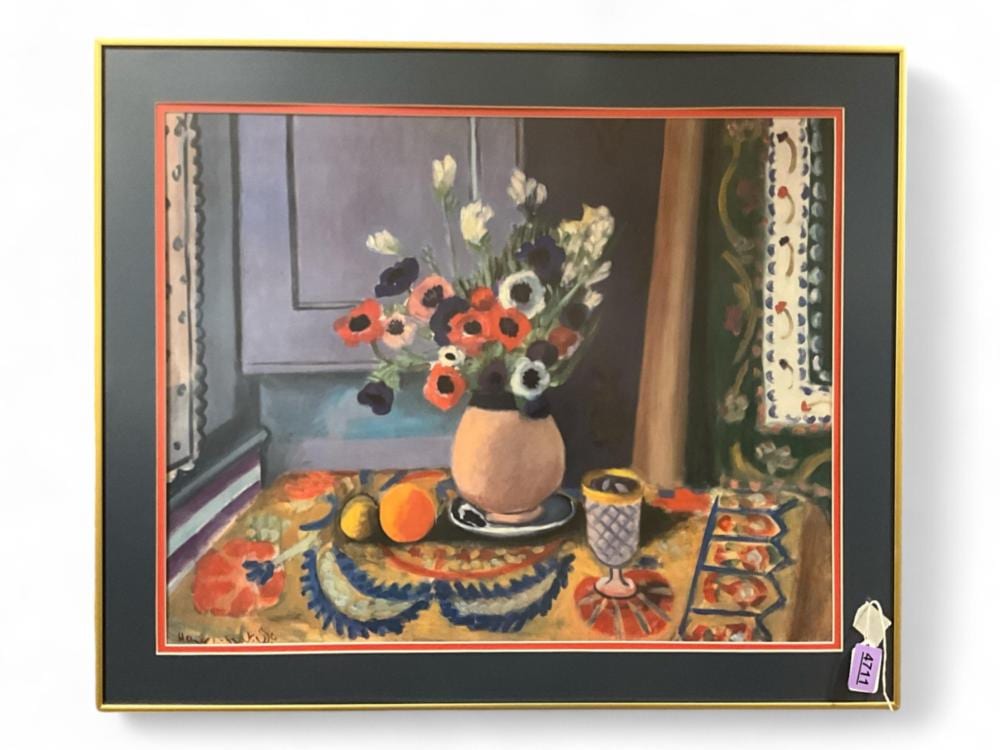
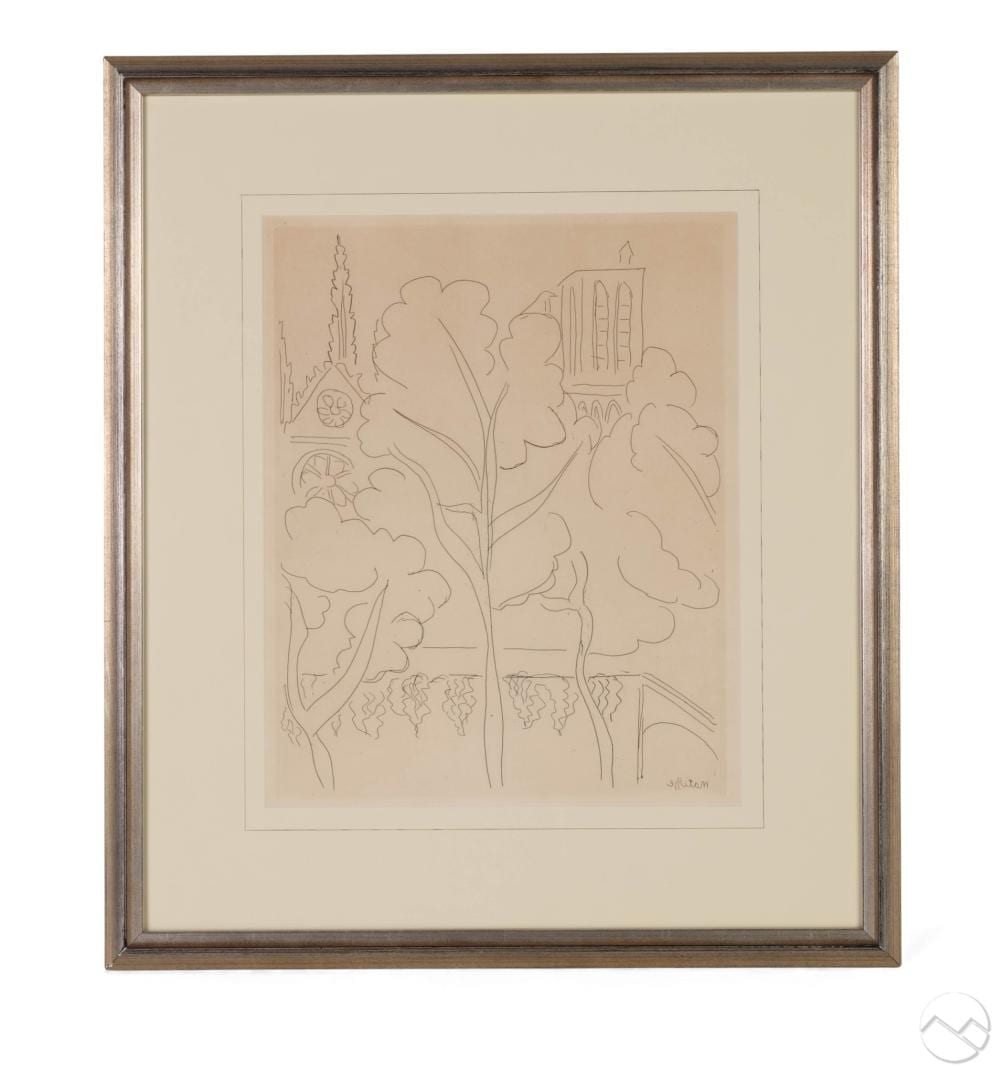
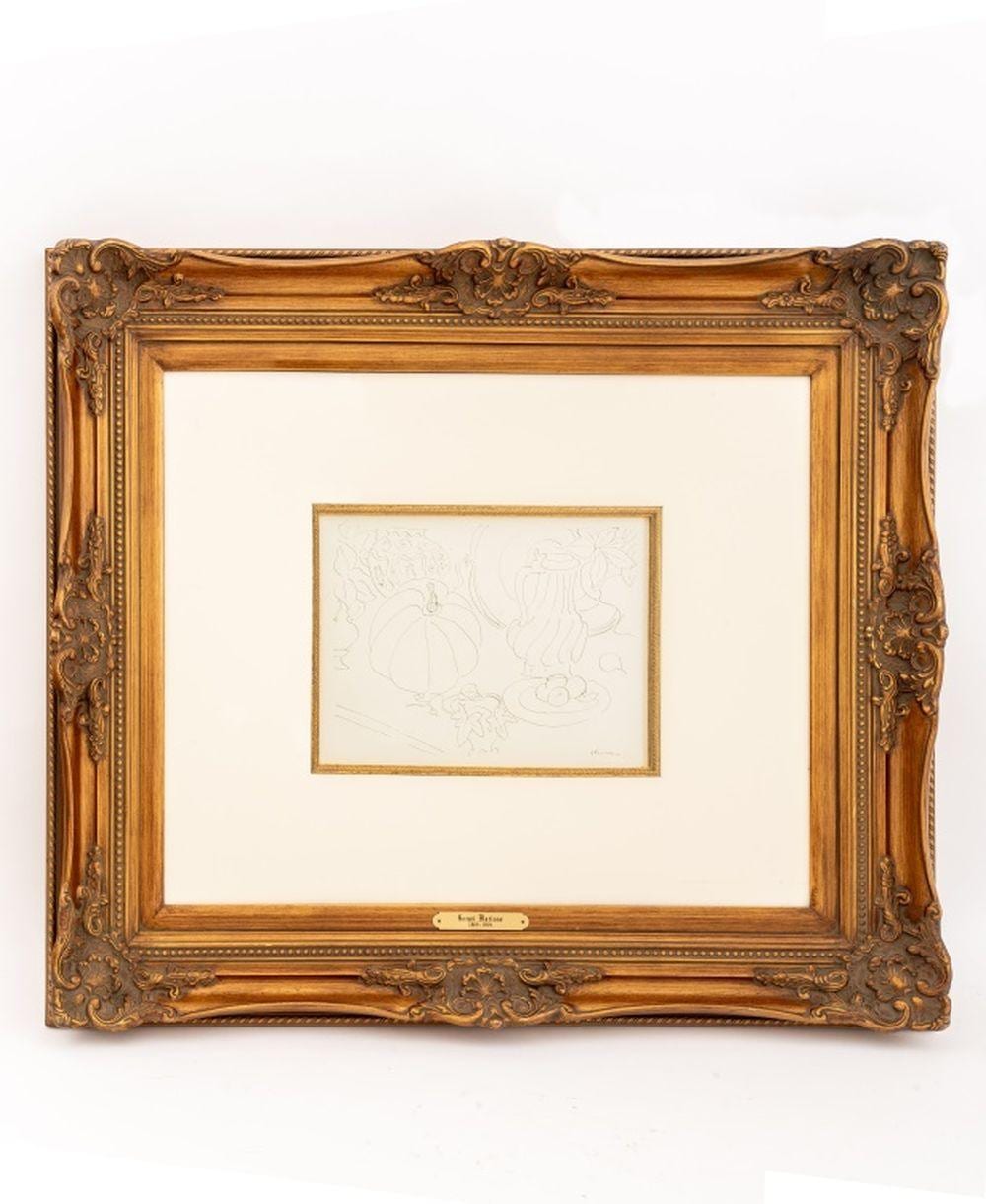
![HENRI MATISSE [FRENCH] 1869-1954 [AFTER] RARE UNTITLED LIMITED EDITION 94/499 ORIGINAL LITHOGRAPH 1960 ON JAPON PAPER, PLATE SIGNED, SHEET SIZE 45X60CMS, FRAMED. sold by WA Art Auctions, lot 45 — auction record photograph](https://assets.appraisily.com/comps/auction-lots/193083971/thumb/6db44cd8072a1e83780b17ce191a620f5fda34a818fa8c4ad13f82ae65285ad6.jpg)
![HENRI MATISSE [FRENCH] 1869-1954 [AFTER] RARE UNTITLED LIMITED EDITION 352/499 ORIGINAL LITHOGRAPH 1960 ON JAPON PAPER, PLATE SIGNED, SHEET SIZE 45X60CMS, FRAMED. sold by WA Art Auctions, lot 32 — auction record photograph](https://assets.appraisily.com/comps/auction-lots/193083958/thumb/68133bfd245f2dbb87bff50183ff24c6dc70ba3db8050b67d9ee76d003146f9e.jpg)