Edo Period Teapot Appraisal: Material, Form, Marks, Glaze, Condition and Age Clues

Review an Edo period teapot by documenting material, form, marks, glaze, clay or metal details, lid, spout, handle, condition, and documents.

Edo period teapot appraisal reference with material, form, marks, glaze, lid, spout, handle, condition, and documents
Edo period teapot appraisal reference with material, form, marks, glaze, lid, spout, handle, condition, and documents. Reference image; item-specific appraisal depends on submitted photos and documentation.
Edo period teapot appraisal reference with material, form, marks, glaze, lid, spout, handle, condition, and documents
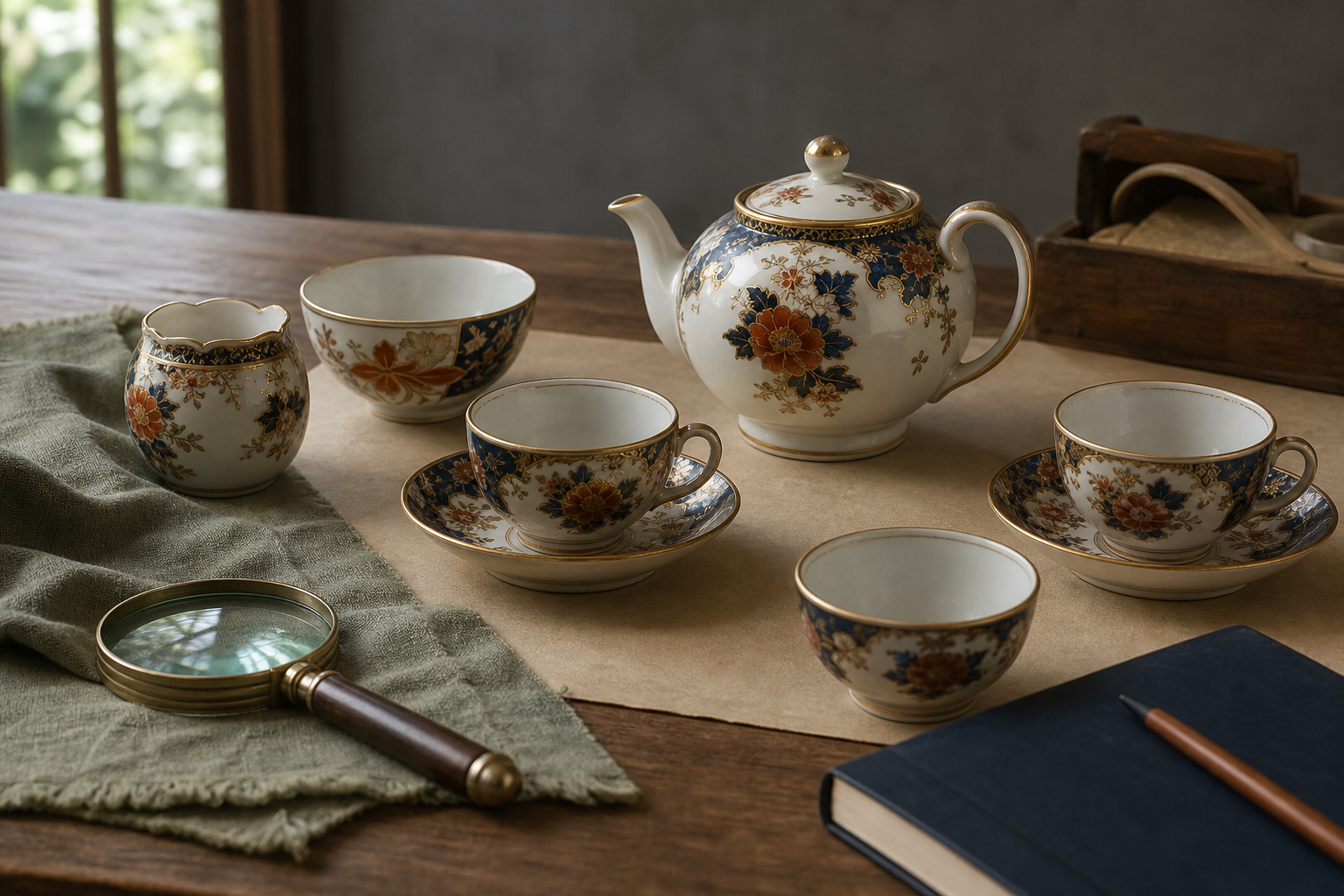
Contextual Japanese tea image; an Edo period teapot needs direct review of clay, glaze, marks, form, condition, and provenance.

An Edo period teapot may be valued as Japanese ceramics, tea culture material, or decorative Asian antique. A defensible appraisal starts with material, form, firing tradition, marks, glaze, condition, provenance, and market evidence.

Document construction and marks

Photograph the base, lid, spout, handle, interior, any seal or signature, clay body, glaze, and kiln-related features. Small details can change dating and attribution.

Condition is central

Chips, cracks, restored spouts, replaced lids, staining, glaze losses, and old repairs can significantly affect value. A matched original lid is especially important.

Be cautious with period claims

Edo period dating should be supported by construction, material evidence, provenance, and expert comparison. Do not rely on family history or seller wording alone.

What a defensible value needs

Photograph all sides, base, lid fit, spout, handle, marks, and damage. Provenance and condition evidence are essential for period Japanese ceramics.

Need a documented value?

Upload photos and details. Appraisily checks identity, condition, and market evidence, then prepares a signed appraisal report you can share.
Start an appraisal

Related reading

Value of OLD Japanese TEA Setsan Antique Stoneware TeapotUnlocking the Secrets of Antique TEA Cups Value a Collectors Guide to Appraisal and RarityJapanese ART AppraisalAsian ART AppraisalHOW to Identify Asian Antiques

Note: We couldn’t find enough auction records that directly match Edo Period Teapot Appraisal: Material, Form, Marks, Glaze, Condition and Age Clues to publish a defensible price table. If you are valuing a specific item, include its maker, model, material, photos, and condition so the search can be narrowed.

What similar items actually sold for

To help ground this guide in real market activity, here are recent example auction comps from Appraisily’s internal database. These matched sales are market context only, not an object estimate or identification, and they do not guarantee a price for your specific edo period teapot.

Source-reported amounts. Buyer’s-premium treatment is stated in each row when known; otherwise it is unknown. Native currencies are not normalized.
Comparable What sold Auction house Date Lot Source-reported amount
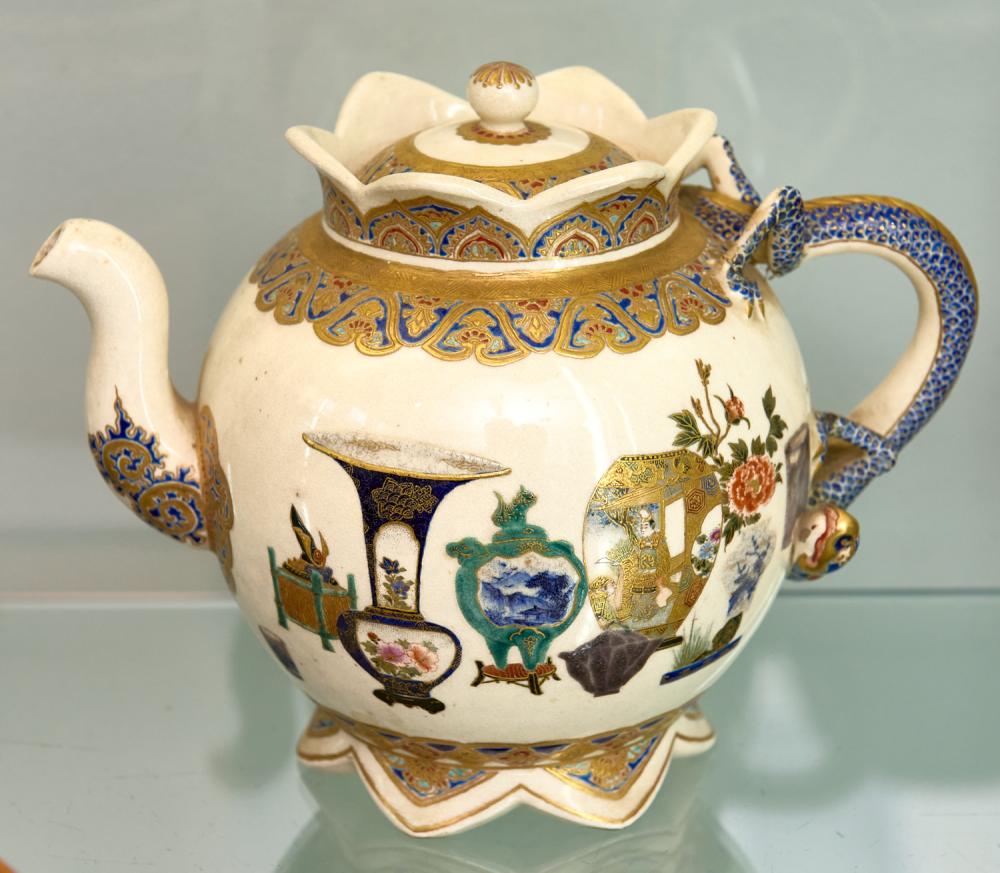
A JAPANESE EDO PERIOD SATSUMA WINE TEAPOT (AF) H.15.5CM, LEONARD JOEL LOCAL DELIVERY: SMALL sold by Leonard Joel, lot 2212 — auction record photograph A JAPANESE EDO PERIOD SATSUMA WINE TEAPOT (AF) H.15.5CM, LEONARD JOEL LOCAL DELIVERY: SMALL Leonard Joel 2022-05-05 2212 AUD 360 (buyer’s-premium treatment unknown)
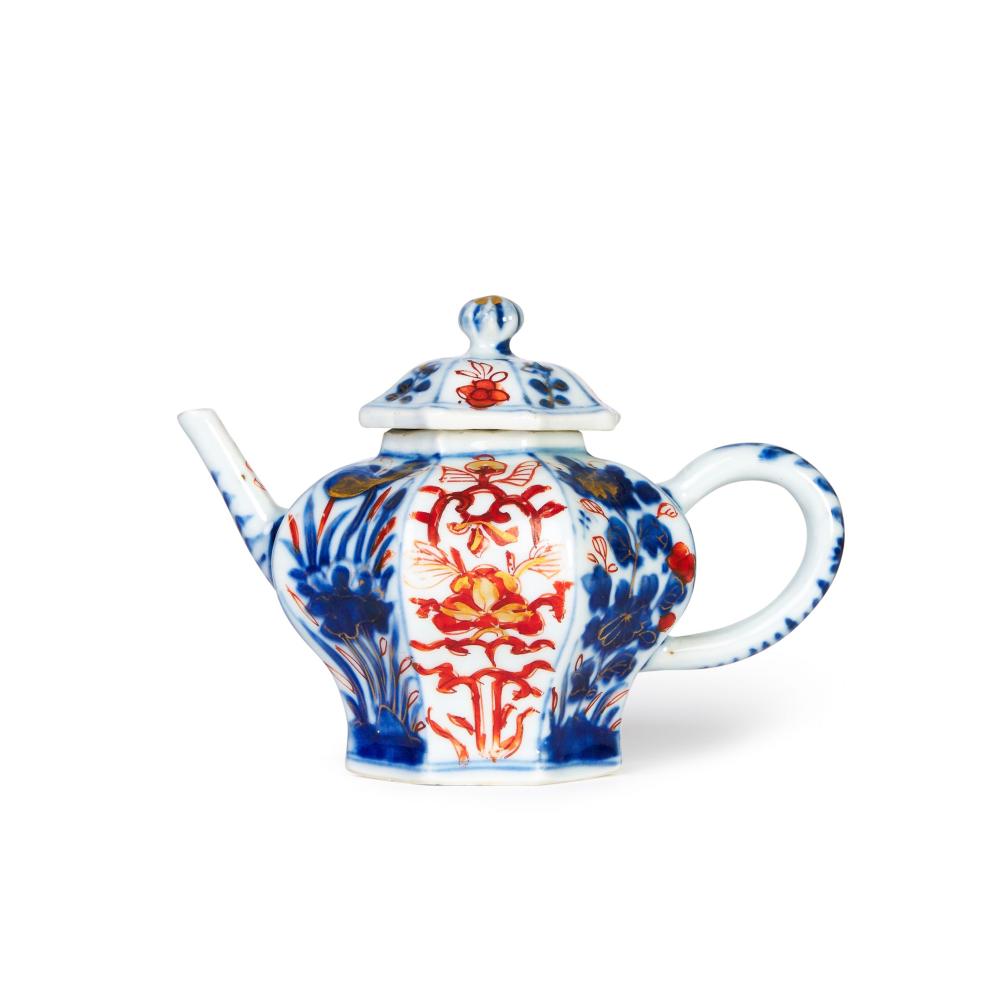
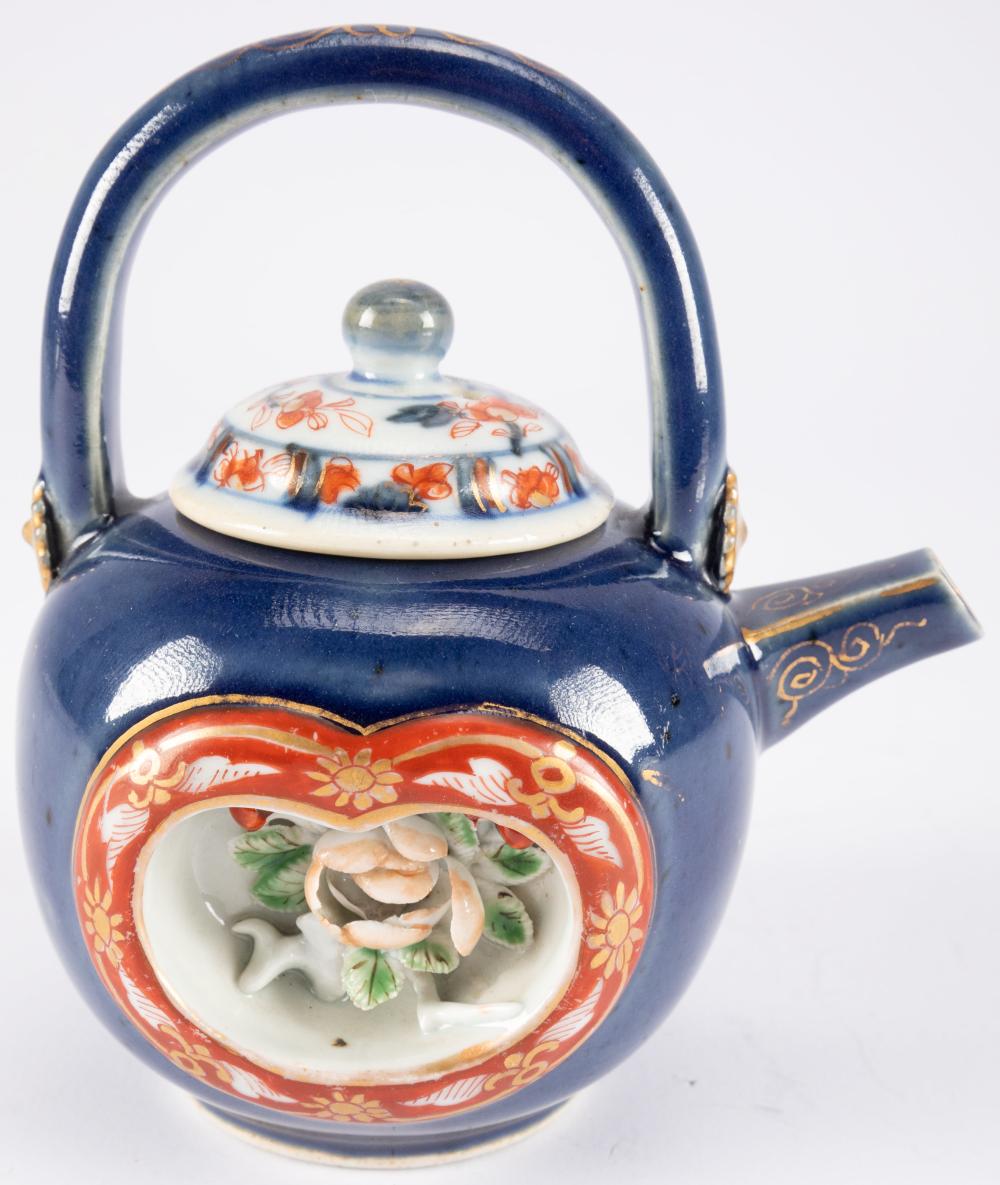
A Japanese Imari porcelain teapot, to each side a recessed panel, one with chicken, rooster and eggs, the other with flowers, all set against a powder blue ground, highlights in gilt, associated non-matching Chinese Imari cover, Japan, Edo period (16 sold by Heritage Auctions Europe, lot 387 — auction record photograph A Japanese Imari porcelain teapot, to each side a recessed panel, one with chicken, rooster and eggs, the other with flowers, all set against a powder blue ground, highlights in gilt, associated non-matching Chinese Imari cover, Japan, Edo period (16 Heritage Auctions Europe 2024-09-03 387 EUR 270 (buyer’s-premium treatment unknown)
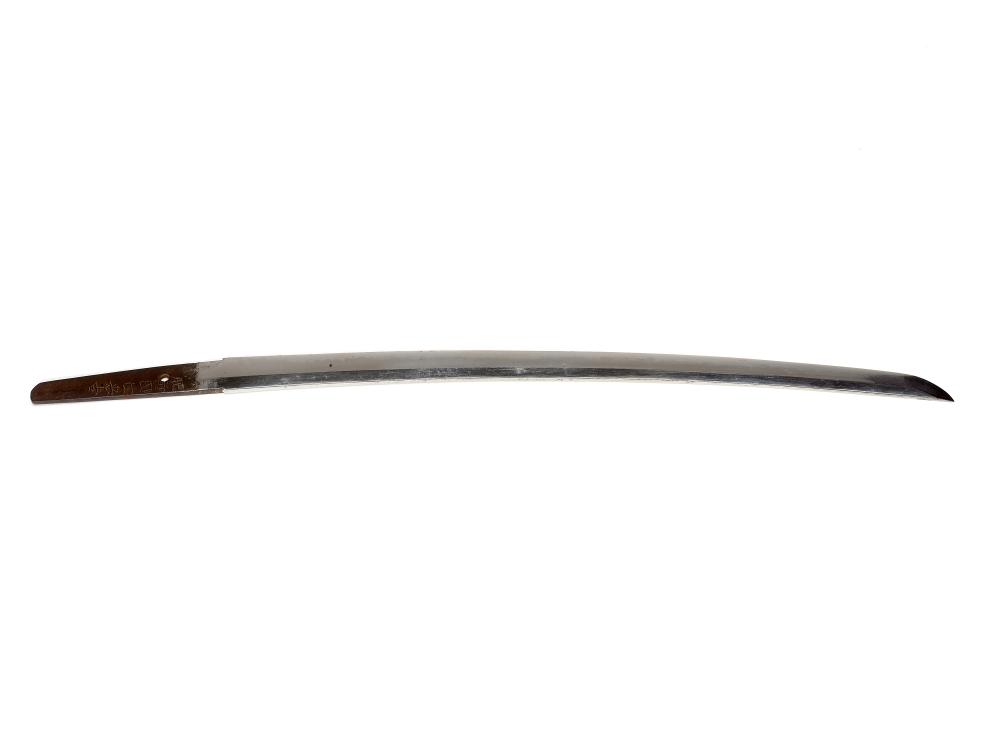
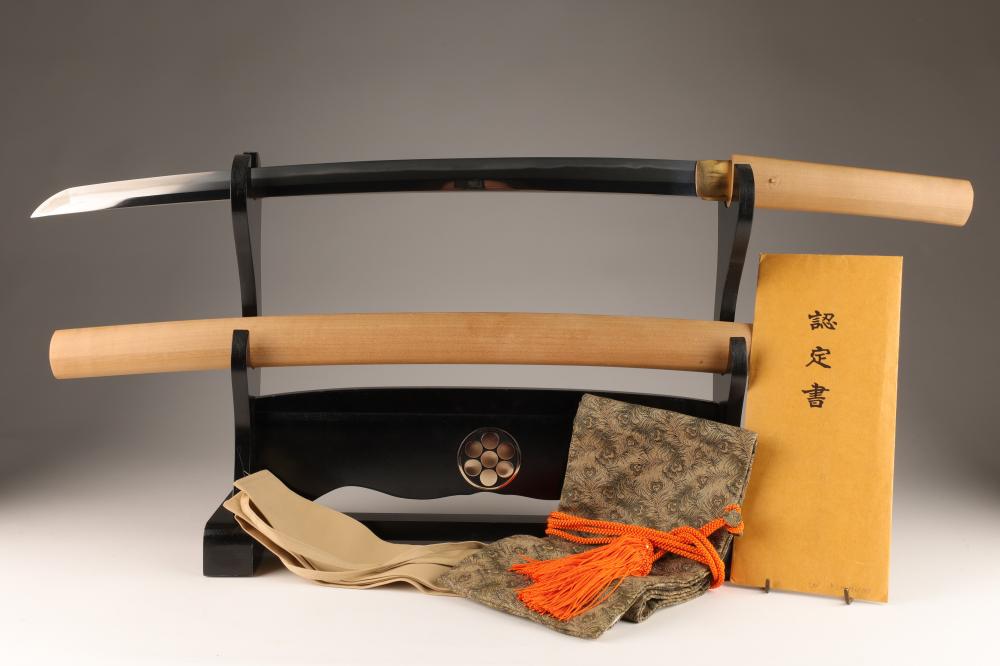
TADAYOSHI: WAKIZASHI IN KOSHIRAE, EDO PERIOD sold by Galerie Zacke, lot 301 — auction record photograph TADAYOSHI: WAKIZASHI IN KOSHIRAE, EDO PERIOD Galerie Zacke 2019-03-22 301 EUR 800 (buyer’s-premium treatment unknown)
Japanese Edo Period Wakizashi NBTHK Papers sold by Kavanagh Auctions, lot 65 — auction record photograph Japanese Edo Period Wakizashi NBTHK Papers Kavanagh Auctions 2023-11-25 65 CAD 1,200 (buyer’s-premium treatment unknown)
A CHINESE IMARI TEAPOT, KANGXI PERIOD (1662-1722) sold by Plakas Auctions, lot 155 — auction record photograph A CHINESE IMARI TEAPOT, KANGXI PERIOD (1662-1722) Plakas Auctions 2022-12-13 155 GBP 300 (buyer’s-premium treatment unknown)
How these auction records were verified

Each row retains its exact source URL, lot identity, retrieval time, access result, and immutable record hash. Inspect the public comparable provenance record.

Disclosure: prices are shown as reported by auction houses and are provided for appraisal context. Learn more in our editorial policy.

Free instant estimate

Not sure if your item is worth appraising? Let us take a look.

Upload a photo, tell us what you know, and get a free first read. If a full appraisal makes sense, we will say so.

Step 1 of 2

Free. No card needed. Takes about two minutes.

Choose your next step

Use the path that matches the decision you need to make about the item.

Not sure it is worth appraising?

Start with a lower-friction screen to understand the likely category, evidence, and next step.

Upload photos for a free first look

Want proof before paying?

See how a signed report documents photos, comparable evidence, condition notes, and value conclusions.

View signed report sample

Need a signed report?

Use this for insurance, estate, donation, resale, or documented value decisions.

Need documentation now? Start signed appraisal

Need local or specialist help?

Compare directory options when the work needs in-person review or a specialist near you.

Find local specialists

See what the report looks like

Sample reports show how photos, comparable evidence, condition notes, and a value conclusion are documented.