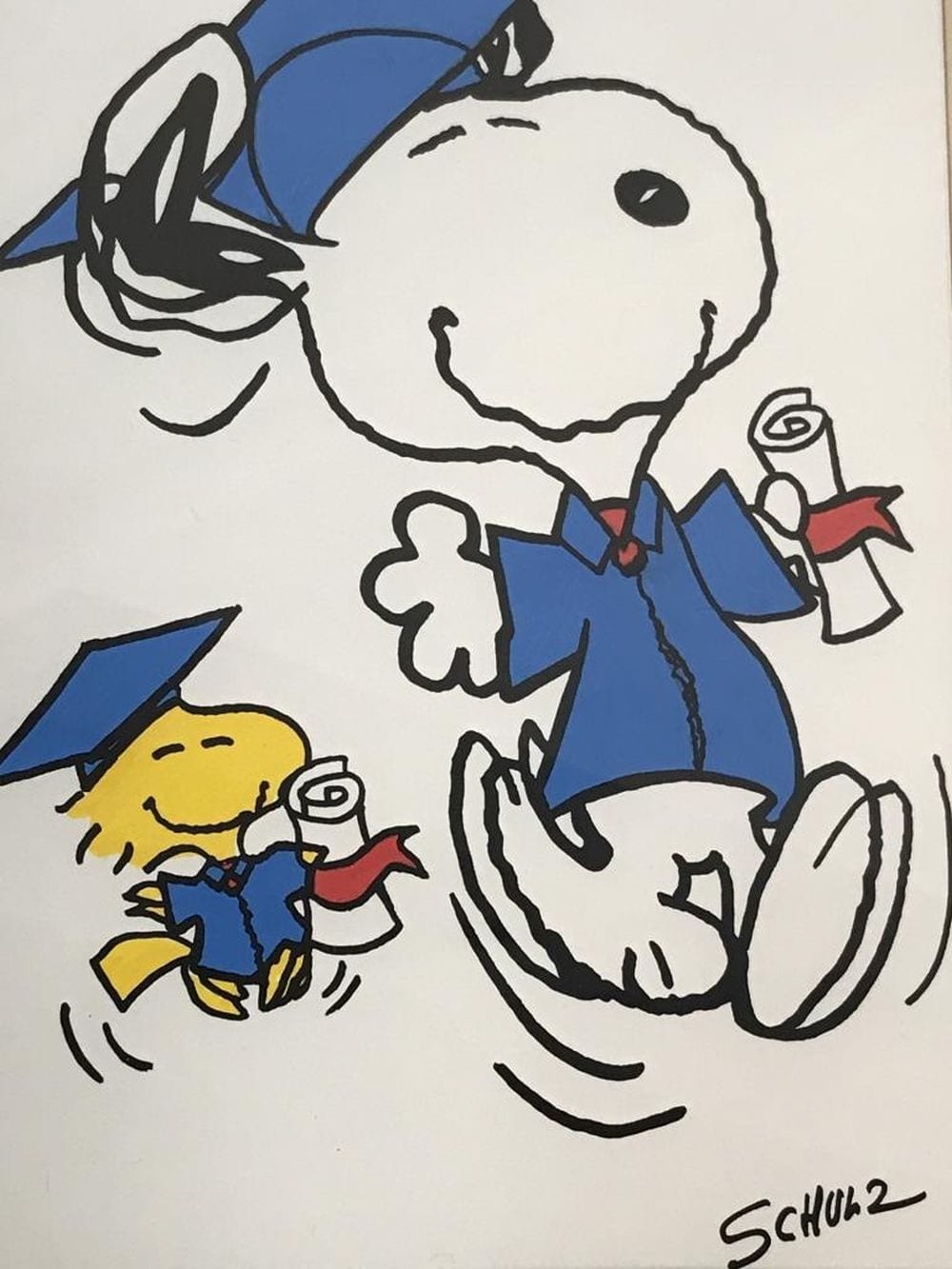
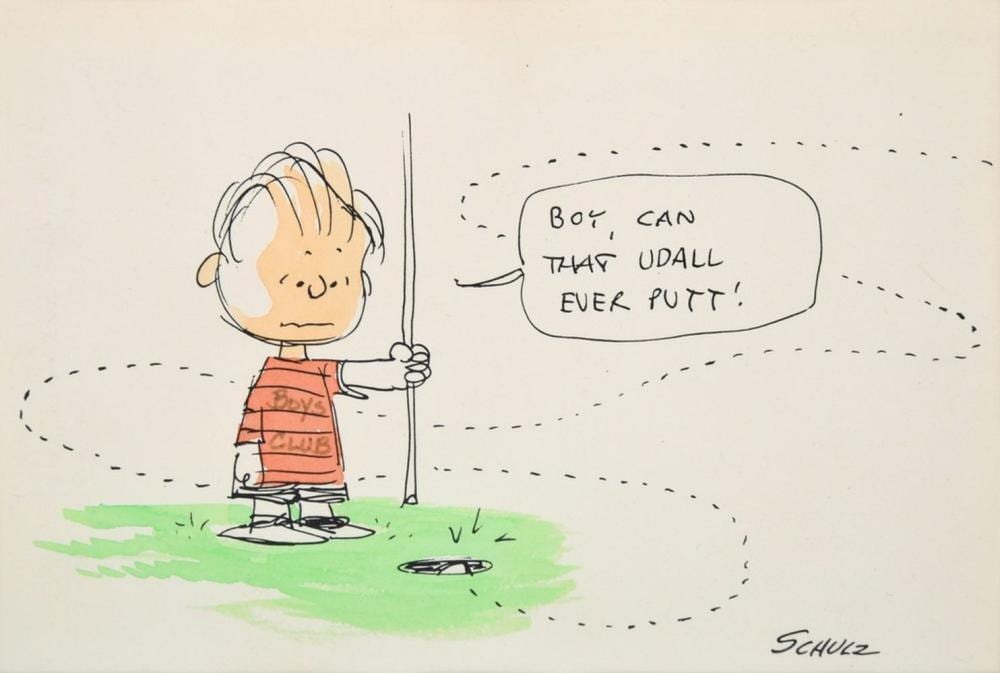
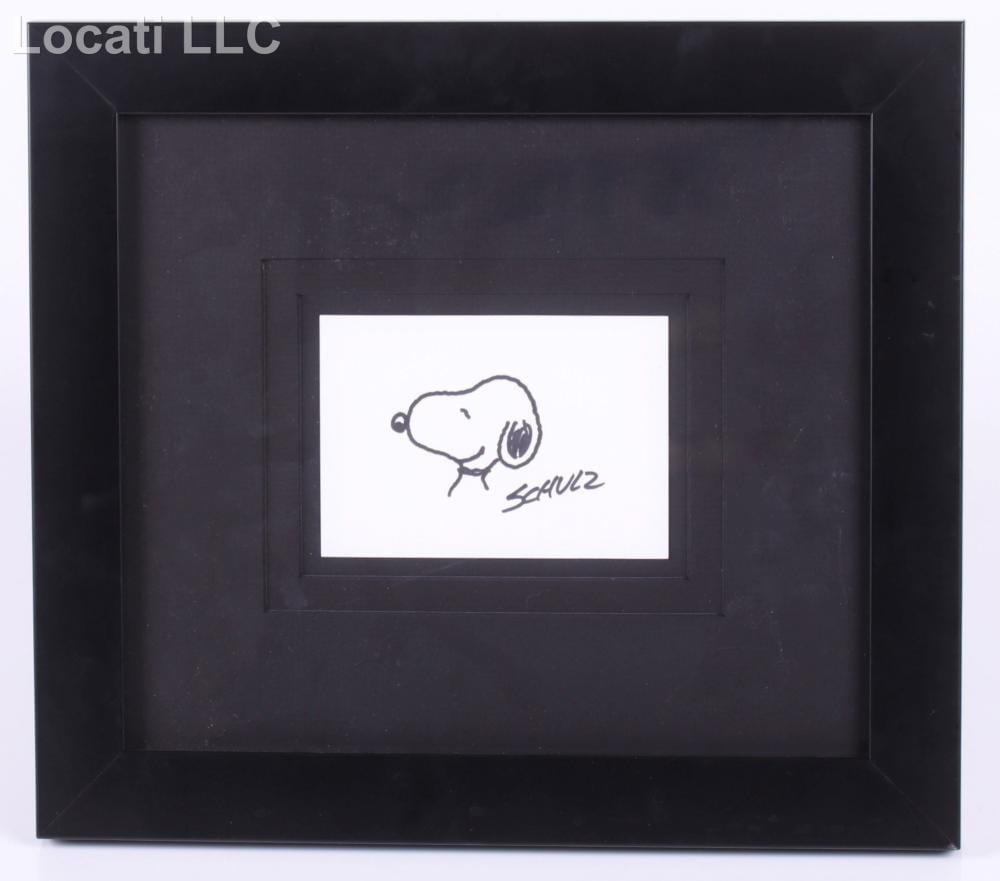
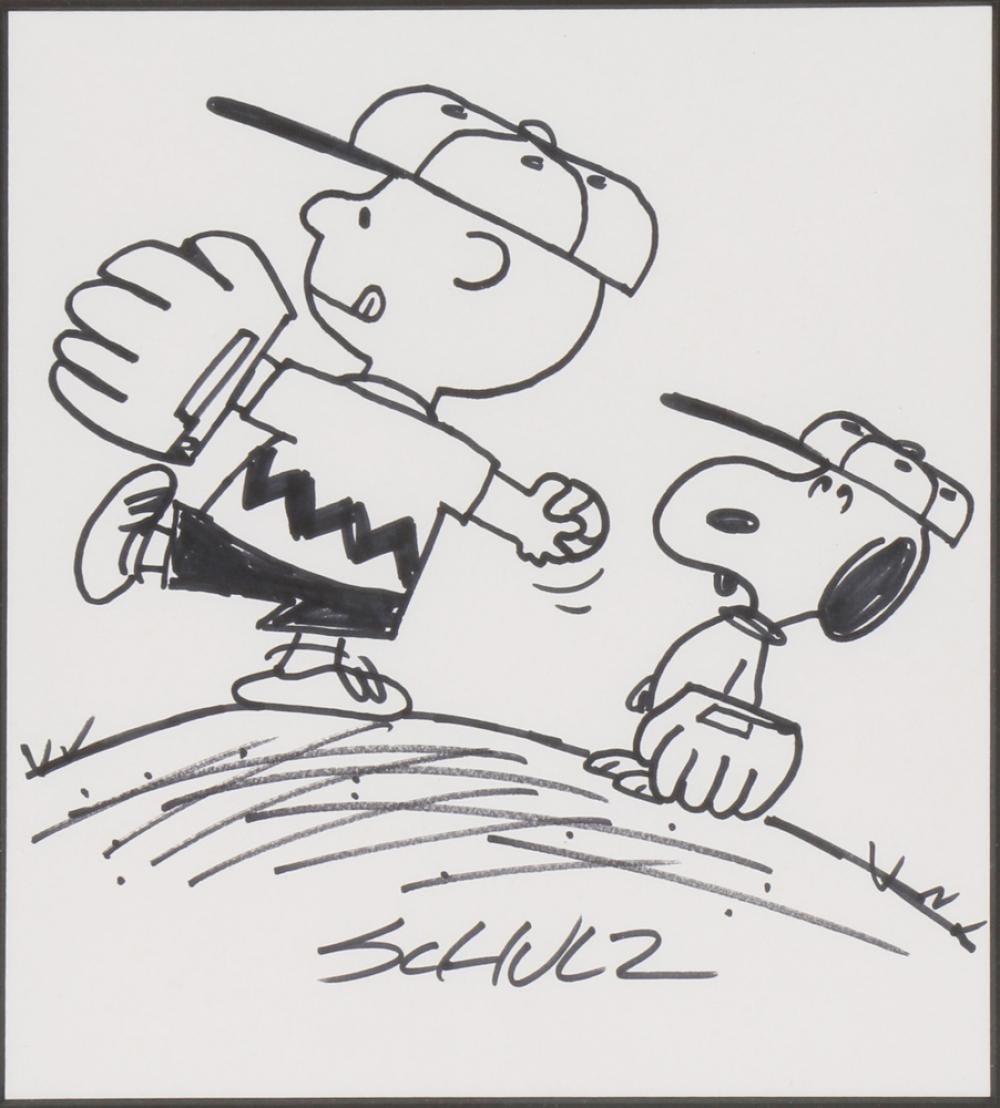
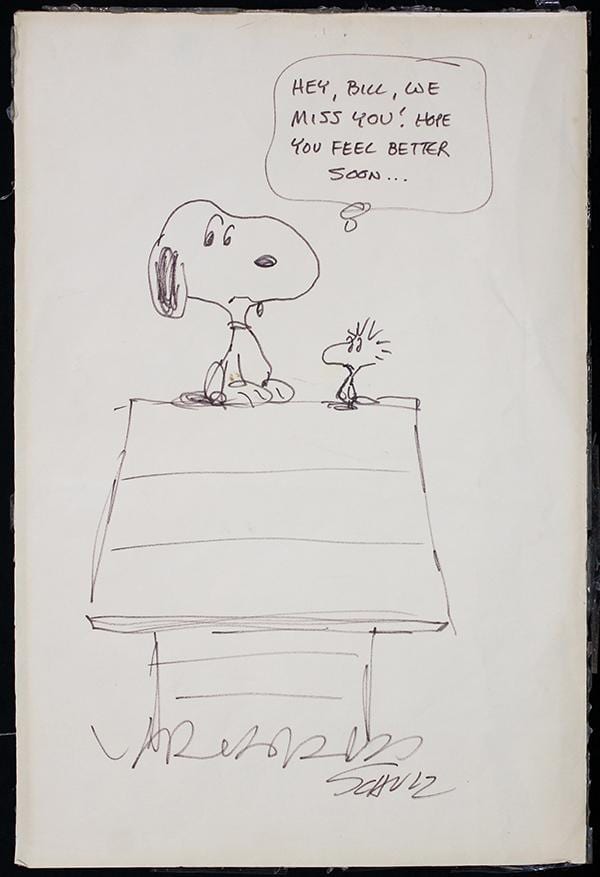
Charles Shultz Tribute Limited Edition Print
Collectors and appraisers often encounter “tribute” editions celebrating Charles M. Schulz, the creator of Peanuts. While the title above mirrors a common search phrase, note that the correct spelling is Schulz (not Shultz). That single letter matters. Mislabeling and misspelling frequently accompany mass-market reproductions and can complicate authentication and valuation. This guide explains how to identify, authenticate, and appraise a Charles Schulz tribute limited edition print with confidence.
What collectors mean by a “tribute” print
“Tribute” is a marketing term rather than a technical category. In practice, it usually refers to a commemorative, posthumous, or anniversary edition that honors Schulz and the Peanuts legacy. Key points:
- Posthumous timing: Most tribute prints were issued after Schulz’s passing in 2000, though some commemorative editions also appeared around major anniversaries of Peanuts.
- Authorization: Legitimate tribute editions are licensed by the rights holders (historically United Feature Syndicate and, later, Peanuts Worldwide LLC; authorized projects may also involve the Schulz estate or museum). Licensing details typically appear in the margin or verso.
- Edition scale: Fine art editions are commonly limited to runs like 95, 150, 250, 500, or 750, often with companion proofs (AP/PP/HC). Unsigned or open-edition posters may also be marketed as “tribute” but are fundamentally different and generally less valuable.
- Format breadth: Tribute editions exist as lithographs, serigraphs, and giclée fine art prints; mass-market offset posters also circulate. Your appraisal hinges on correctly identifying the printmaking method and edition type.
Bottom line: “Tribute” by itself does not guarantee scarcity or value. Identify the actual publisher, print method, edition size, and markings.
Authentication basics: Schulz vs. Shultz and authorized publishers
Because Schulz’s name appears as part of the artwork signature in Peanuts strips, distinguishing the printed “Schulz” signature from a hand-applied signature is crucial. Focus on these authentication points:
- The name: Schulz is correct. Listings using Shultz are not automatically wrong, but misspelling is a red flag. Double-check all paperwork, edition notations, and any signature claims.
- Rights and copyright lines:
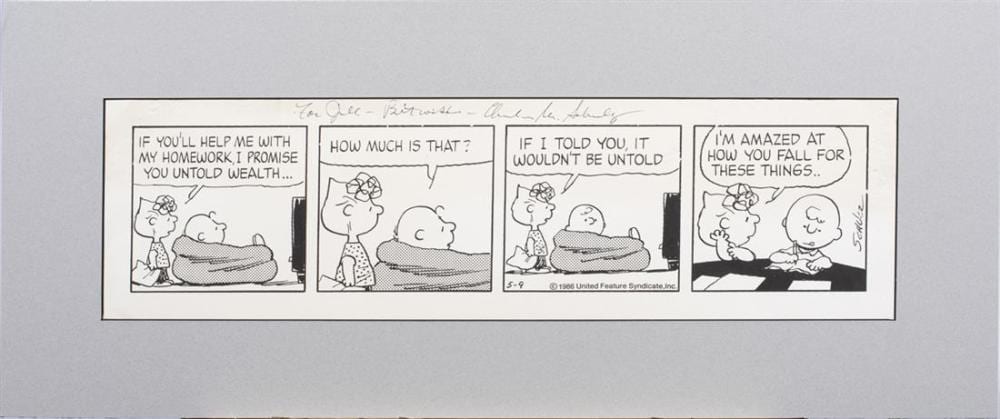
- Earlier materials: “© United Feature Syndicate, Inc.” signals older authorized content or reprints under earlier rights arrangements.
- Contemporary/licensed releases: “© Peanuts Worldwide LLC” often appears on later authorized editions and products.
- Publisher and seals:
- Look for a reputable publisher or printer credit in the margin or verso.
- Many fine art editions carry a blind stamp (embossed seal) from the publisher, printer, or estate. Confirm that the stamp is crisp and appropriate for the stated edition.
- Signatures and numbering:
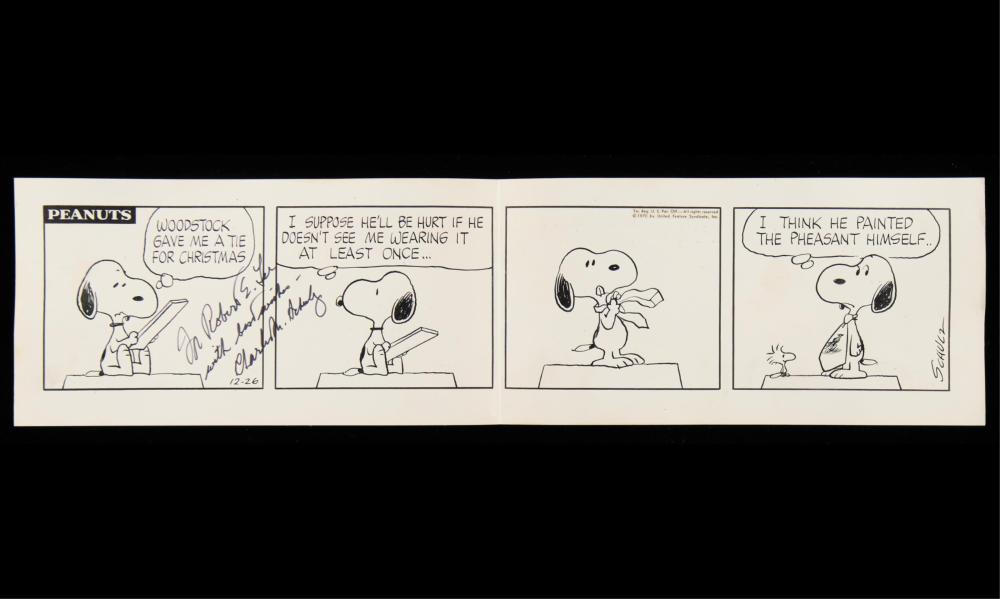
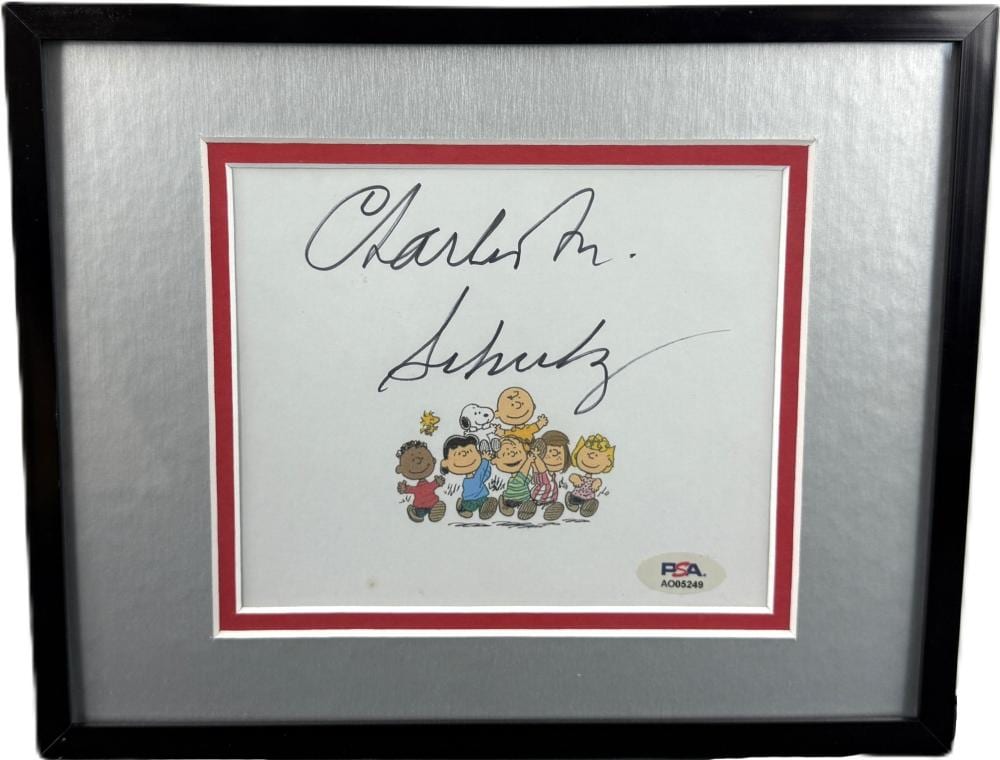
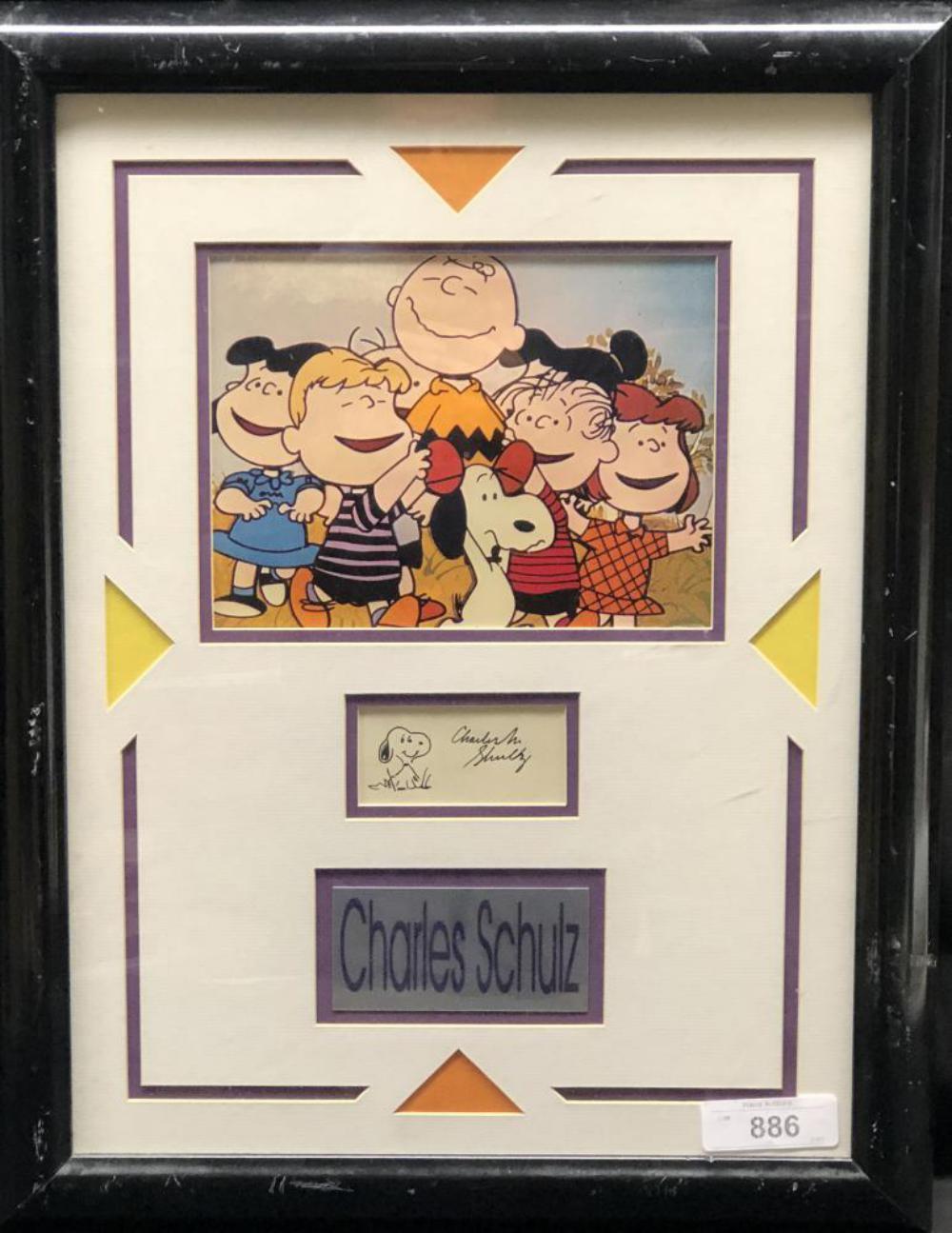
- Hand signature: Posthumous tribute editions will not be hand-signed by Schulz. If a listing claims “hand-signed by Schulz” for a tribute issued after 2000, demand incontrovertible provenance; be skeptical.
- Facsimile signature: Many tribute prints feature a printed “Schulz” signature as part of the artwork. This is not a hand signature and does not, by itself, elevate value.
- Edition numbering: Look for fractional numbering in pencil at the lower left or right margin (e.g., 123/500). Proof marks include AP (Artist’s Proof), PP (Printer’s Proof), and HC (Hors Commerce). Hand-applied numbering in soft graphite is standard in fine art prints.
- COA and provenance:
- A certificate of authenticity should state the title, print method, edition size, number, publisher, and any seals or signatures, matching the artwork exactly.
- Gallery labels, invoices, and emails add credibility. Ensure consistency across all documents.
If anything feels inconsistent—publisher mark, numbering style, or spelling—pause and verify before concluding value.
Identifying the printmaking method and edition markings
Your appraisal credibility rests on correctly identifying the process. Use a 10x loupe and the following cues:
- Offset lithograph (mass-market poster):
- Under magnification, you’ll see a regular rosette or dot-screen pattern typical of CMYK printing.
- Paper is often thinner, with a commercial finish. No deckle edges.
- Numbering and “limited edition” notations can be added by sellers to mimic fine art editions. Verify presence of a publisher blind stamp or recognized COA before treating as a fine art print.
- Fine art lithograph:
- May or may not show a halftone pattern depending on process. Traditional stone/plate lithos show more continuous tone and “greasy” line quality; modern photolithos vary.
- Typically on higher-quality rag paper, often with margin space; look for an edition number and pencil signature from the publisher or artist/estate representative, plus a blind stamp.
- Serigraph (screenprint):
- Solid, flat color areas laid in layers. Under oblique light, color has a slightly raised edge; no rosette pattern.
- Colors can be vivid with clear boundaries. Edition info and publisher seal expected.
- Giclée (archival inkjet):
- Under magnification, you’ll see a fine, random dot pattern without the rosette of offset printing.
- Printed on archival papers like Somerset, Coventry Rag, or canvas. Deckle edges may be present.
- Often used for authorized commemorative editions in the 2000s and later; expect clear edition marks and a COA.
- Intaglio/etching:
- Rare for Schulz-related editions. Intaglio leaves a plate mark and slight emboss; treat such claims cautiously unless heavily documented.
Edition markings to verify:
- Numbering: Fraction (e.g., 45/250), typically lower left or right in pencil.
- Signature: For tribute editions, you may see a publisher representative’s signature or an estate emboss. Schulz’s genuine hand-signature in pencil on a posthumous print would be atypical.
- Stamps/seals: Blind stamp, printer chop, or estate seal; crisp and consistent with publisher documentation.
- Title/inscription: Sometimes hand-lettered in the margin; check handwriting consistency where applicable.
Condition, conservation, and value drivers
Condition can swing value dramatically—even more than edition size. Key considerations:
- Light exposure: Fading or yellowing (toning) from UV exposure is common. Compare margins under the mat to exposed areas; stark differences indicate sunning. UV-protective glazing and conservation framing help preserve value.
- Acid burn and mat lines: Brown lines around the image suggest acidic mats/backing. Professional paper conservators can mitigate mat burn and reduce acidity.
- Stains, foxing, and moisture: Brown specks (foxing), water tidelines, or cockling reduce value. Avoid household cleaning; consult a conservator.
- Trimming and margins: Limited editions often require full margins for top value. Trimmed edges or loss of deckle can reduce desirability.
- Handling creases and abrasions: Look under raking light. Creases, scuffs, and surface abrasion matter more on glossy or heavily inked serigraph layers.
- Framing and glazing: Original, high-quality archival framing can be a plus; low-quality non-archival frames may conceal damage.
Value drivers specific to Schulz tribute prints:
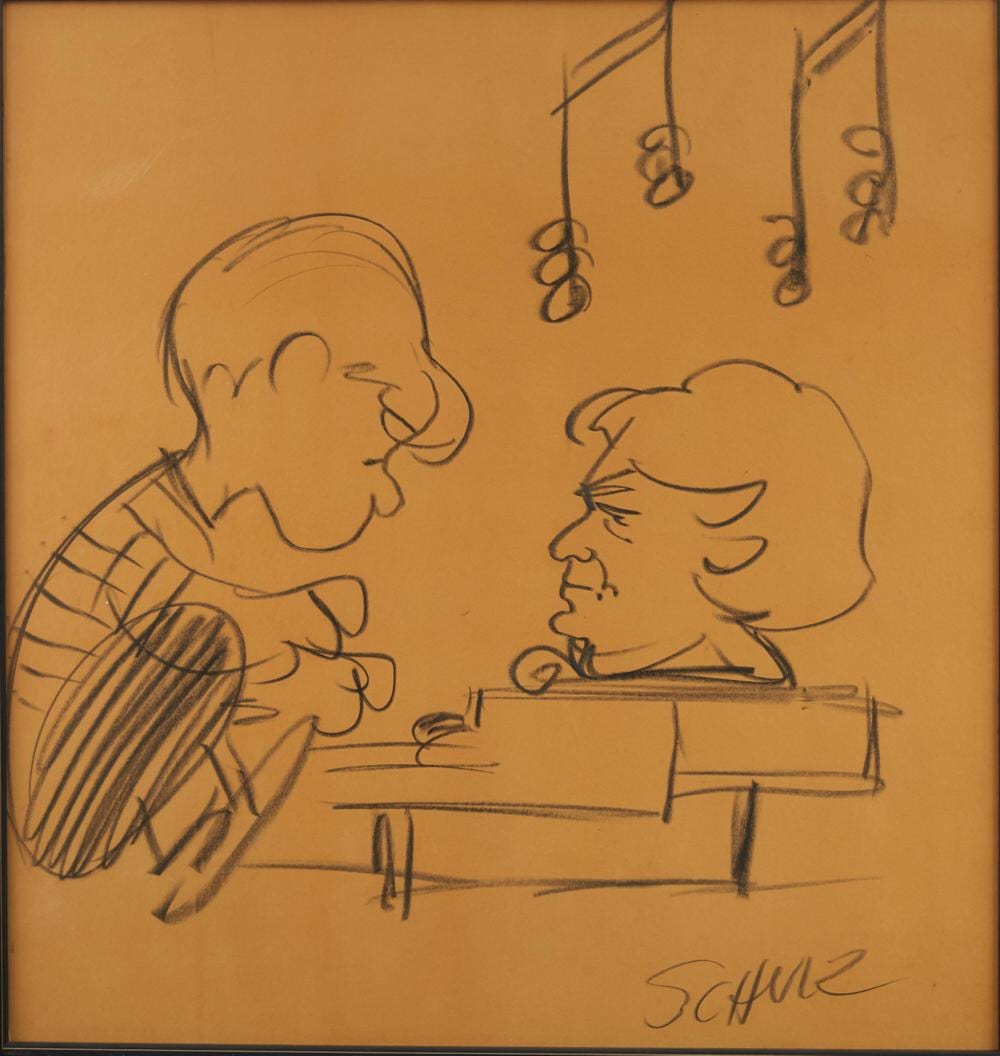
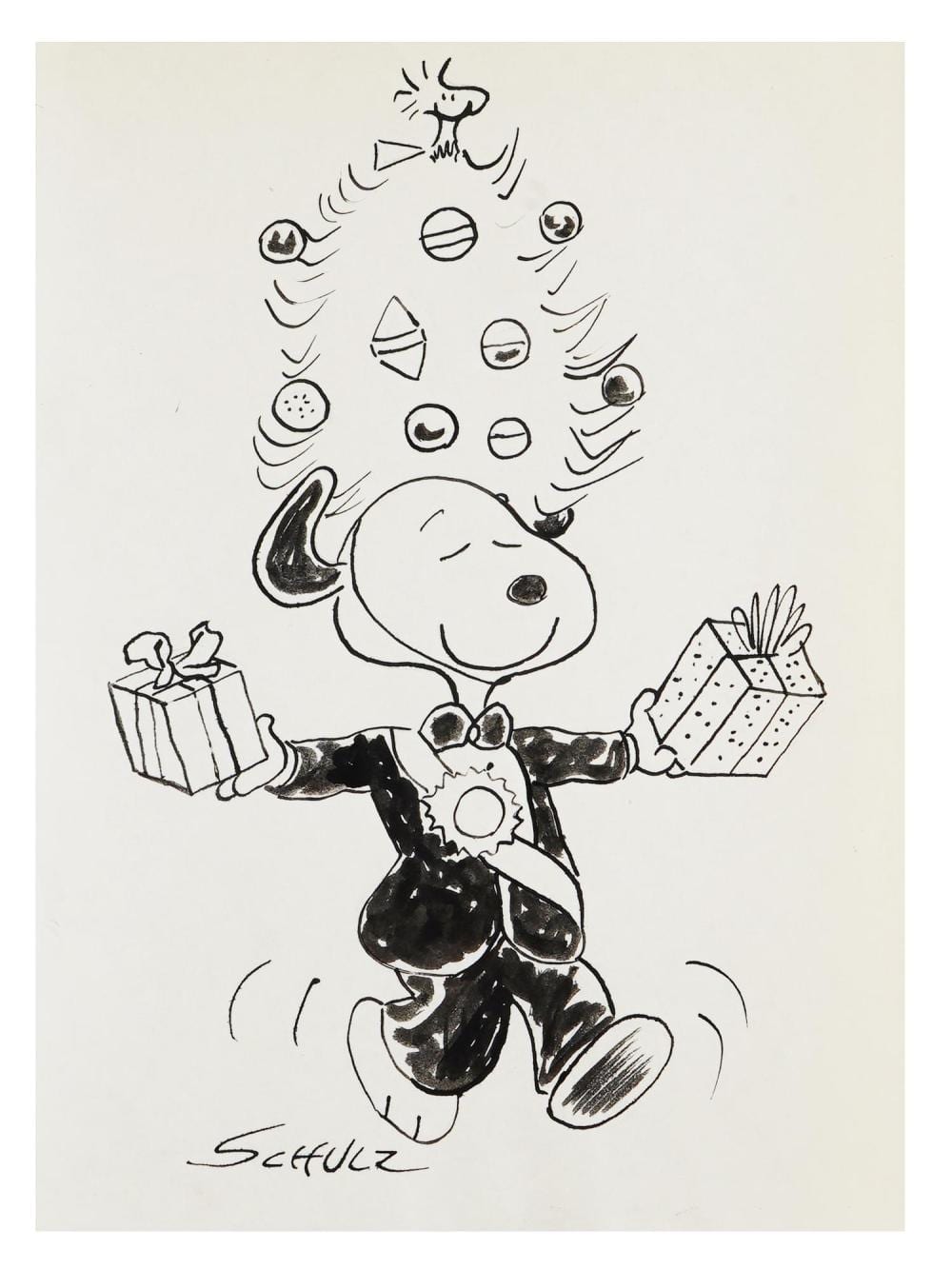
- Subject matter: Iconic motifs like Snoopy as the World War I Flying Ace, The Great Pumpkin, Charlie Brown’s Christmas tree, baseball sequences, or Schroeder at the piano tend to outperform generic scenes.
- Edition size and demand: Lower edition sizes and sold-out series generally command more.
- Publisher reputation and documentation: Recognized rights holders, clear COA, and a proper blind stamp are confidence multipliers.
- Aesthetic quality and scale: Larger formats and well-produced serigraphs/giclées often fetch stronger prices than small offset pieces.
Typical market tiers (broad, illustrative ranges; verify with current comps):
- Open-edition posters or offset prints, even numbered by a seller: modest value, often tens to low hundreds.
- Authorized limited edition giclées or lithographs with edition numbers and proper documentation: commonly low hundreds to low thousands, depending on subject, size, and scarcity.
- Hand-signed Charles M. Schulz limited editions (when verifiably contemporary to his lifetime and not “tribute”): stronger values; rigorous provenance required.
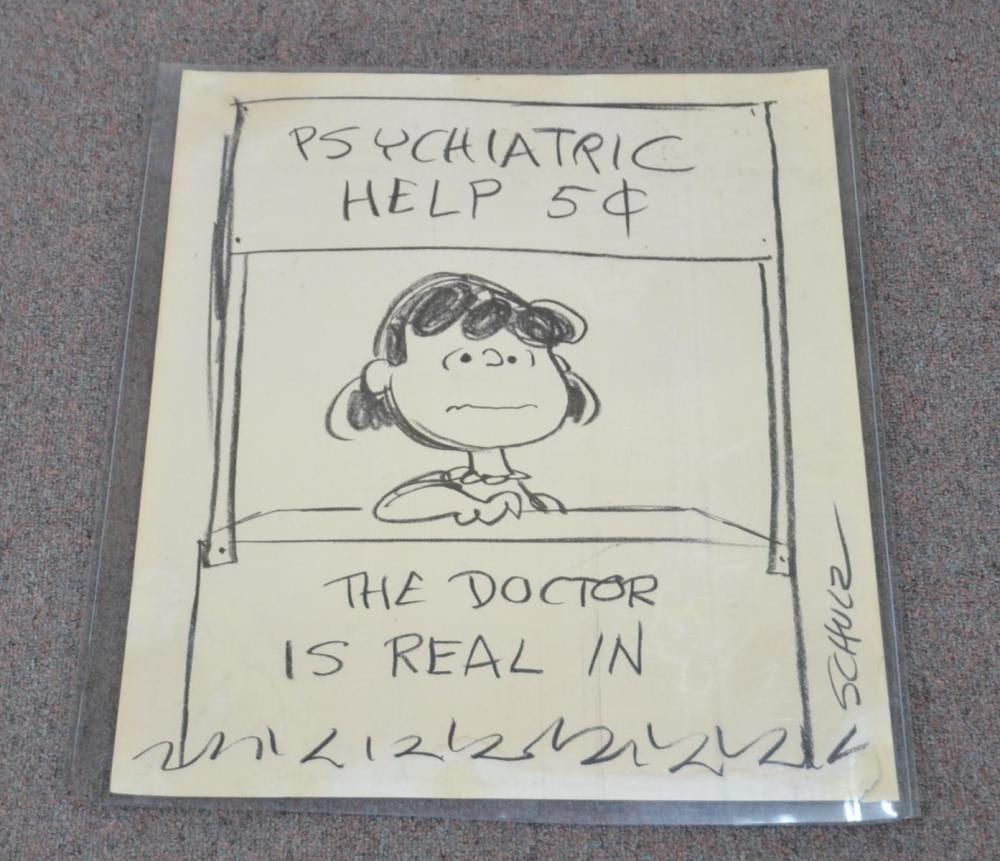
- Original art (daily strips, Sunday pages, drawings): a different market entirely, often five to six figures and beyond.
Market appraisal approach: comps, rarity, and demand
A disciplined appraisal workflow helps you establish defensible value:
- Identify definitively: Title (or descriptive title), publisher, rights line, print method, edition size/number, paper type, and all seals/marks.
- Date the print using clues: “© United Feature Syndicate” vs “© Peanuts Worldwide LLC,” paper watermark, and publisher histories.
- Grade condition conservatively: Note all issues, framing status, and whether margins are full. Photograph details for the record.
- Gather comparables:
- Auction results for the same edition and number range, or at least the same image/series/publisher.
- Dealer asking prices for unsold comparable examples; note asking vs realized.
- Adjust comparables:
- Adjust downward for condition problems, trimming, or missing COA.
- Adjust upward for superior condition, desirable subject, and strong provenance.
- Consider liquidity and venue:
- Auctions may realize less than retail galleries but provide transparent comps.
- Niche comics-art auctions or specialists can outperform generalist venues for iconic Peanuts subjects.
- Document your rationale: Keep a concise record of methods, sources, and adjustments.
Red flags and common pitfalls
- “Hand-signed by Schulz” on a clearly post-2000 tribute: treat as suspect unless provenance is bulletproof.
- Numbered open-edition posters: numbering alone does not make a poster a limited edition fine art print.
- COA mismatch: Title, edition number, print method, or publisher on the COA must match the piece. Generic COAs carry little weight.
- Incorrect terminology: Sellers often call any color print a “lithograph.” Confirm with a loupe. Rosette pattern = offset poster, not fine art litho.
- Fabricated or misplaced seals: Blurry, shallow, or inconsistent embossing; stamps in odd locations; or seals that don’t match known publisher marks are warning signs.
- Over-cleaning and bleaching: Bright white paper with uneven tonality or brittle feel may indicate aggressive, value-damaging treatment.
Practical checklist
- Confirm the name: The artist is Charles M. Schulz (not Shultz).
- Record all text: Rights line, publisher, printer, edition marks, and any stamps or labels.
- Identify the process: Use a 10x loupe to distinguish offset vs lithograph vs serigraph vs giclée.
- Verify editioning: Check pencil numbering and any proof designations; ensure consistency with the COA.
- Inspect for a blind stamp or publisher chop: Match it to the stated publisher.
- Assess condition under daylight and raking light: Note fading, foxing, mat burn, creases, trimming.
- Check margins: Confirm full margins/deckle where applicable.
- Photograph front, back, stamps, and details: Maintain a documentation set.
- Research comps: Same image and edition first; expand to similar subject/publisher if necessary.
- Decide venue and value: Adjust for condition, documentation, and demand; select an appropriate selling or insurance valuation.
FAQ
Q: Is a “tribute” limited edition print ever hand-signed by Charles Schulz? A: Tribute editions are generally posthumous and thus not hand-signed by Schulz. If a piece claims a Schulz hand-signature, verify that the edition was produced during his lifetime and that provenance is strong. Most tribute prints carry facsimile signatures or estate/publisher seals, not his autograph.
Q: Do low edition numbers (e.g., 1/250) increase value? A: Not materially in most cases. Condition, subject, publisher, and demand outweigh specific numbering. Some collectors prefer early numbers, but premiums are usually minimal.
Q: How can I tell a giclée from an offset poster? A: Under a loupe, offset posters show a rosette CMYK dot pattern. Giclées show a fine, non-rosette dot pattern on thicker, archival paper. Giclées also tend to carry proper editioning in pencil and a publisher’s seal/COA.
Q: My print says “© Peanuts Worldwide LLC.” Does that help date it? A: Yes. That rights line typically appears on later authorized editions and products. Earlier authorized material often reads “© United Feature Syndicate.” This helps narrow the production era.
Q: Are serigraphs more valuable than lithographs? A: Not inherently. Value depends on subject, edition size, publisher, demand, and condition. High-quality serigraphs with vibrant layering can perform well, but top-quality lithographs and giclées can command similar or higher prices when the image is iconic and documentation is solid.
With careful identification of the print method, edition, and publisher—and a sober assessment of condition and comparables—you can appraise a Charles Schulz tribute limited edition print accurately and avoid common pitfalls that trip up even seasoned collectors.