What S Worth Appraising Estate Item Triage Checklist: appraisal and value basics
What S Worth Appraising Estate Item Triage Checklist research should start with identification, condition, provenance, and item-specific market evidence. Use this guide to compare the signals that matter before paying for a formal appraisal or deciding whether to sell.
Start with four buckets, not one giant pile
Estate triage gets easier when you decide, item by item, whether something deserves a full appraisal, a quick market check, a fast sale, or a donation plan. The goal is not to assign a perfect value on the first pass; it is to protect the few objects that can meaningfully change the estate’s outcome.
Use the worksheet below as your first filter. If an item has a signature, hallmark, maker’s mark, serial number, edition number, or a credible family story, move it up one bucket and photograph it before you move on.
Appraise
Signed art, precious metal, rare watches, fine jewelry, prototype pieces, and anything with a known maker or documented provenance.
Research
Complete sets, restored items, paper with a signature, and objects that look ordinary until you inspect the back, base, or interior.
Sell fast
Clean, common, useful goods with local demand, especially when the item is bulky, duplicate-heavy, or not worth specialist handling.
Donate
Broken, moldy, heavily reproduced, or low-utility items that would cost more to document and move than they can reasonably return.
Market evidence (examples)
These are realized auction prices, not estimates. Use them to judge whether an estate object belongs in the appraise pile, not to promise a sale price.
| Item | Sale | Realized | Triage signal | Thumbnail |
|---|---|---|---|---|
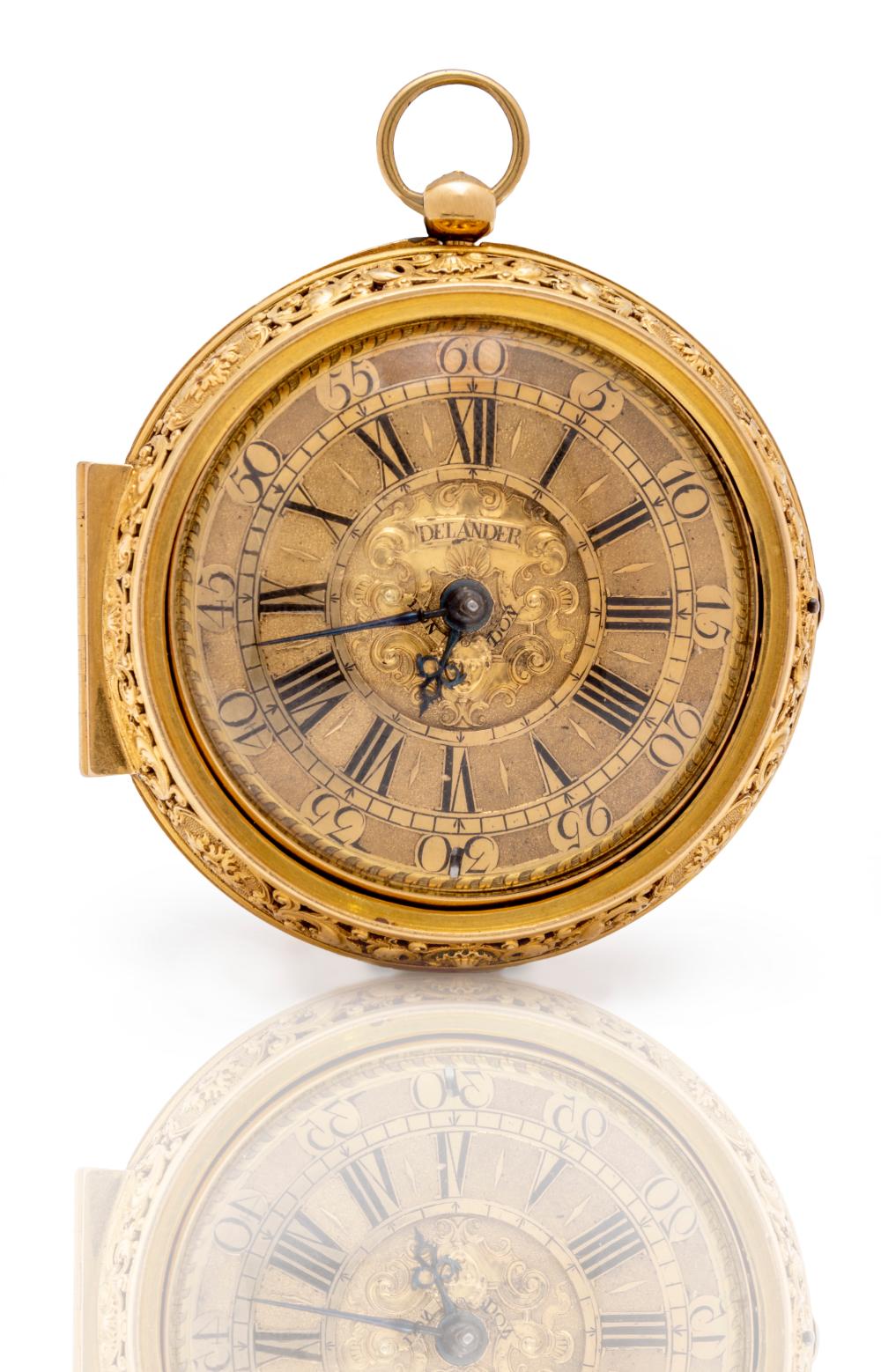
| Daniel Delander gold clock-watch English, circa 1705; a strong keep-pile candidate. | Artvisory · 2024-10-22 · Lot 10 | a value that must be established from current, topic-matched sales | Named maker, early movement, and exceptional survival. | |
| Robert Grinkin astronomical verge watch Silver and gilt metal, circa 1635–40. | Artvisory · 2024-10-22 · Lot 2 | a value that must be established from current, topic-matched sales | Early movement + specialist rarity = appraisal, not quick sale. | |
| Thomas Tompion quarter-repeating pocket watch London hallmark for 1709–10. | Bonhams · 2023-05-11 · Lot 58 | a value that must be established from current, topic-matched sales | Prestige maker and repeat complication justify specialist review. | |
| Benjamin Hill silver cast-case pocket watch English, circa 1650. | Artvisory · 2024-10-22 · Lot 1 | a value that must be established from current, topic-matched sales | Early silver case and named maker keep it out of the donate bin. | |
| Rolex Day Date prototype, ref. 6511 Rare prototype configuration. | Monaco Legend Auctions · 2024-10-19 · Lot 110 | a value that must be established from current, topic-matched sales | Prototype status and rarity can overwhelm age alone. | |
| Rolex antimagnetic oversized chronograph, ref. 3330 Retailed by Cravanzola. | Monaco Legend Auctions · 2024-10-20 · Lot 161 | a value that must be established from current, topic-matched sales | Condition plus historically important reference = appraise immediately. | |
| Audemars Piguet Royal Oak frosted pink gold bracelet watch Ref. 15454OR.GG.1259OR.03. | Bonhams · 2024-11-29 · Lot 837 | a value that must be established from current, topic-matched sales | Modern luxury still belongs in the appraise pile when the reference is strong. | |
| Patek Philippe Grand Complications Celestial, ref. 5102PR-001 Factory-sealed astronomical watch. | Bonhams · 2024-11-29 · Lot 857 | a value that must be established from current, topic-matched sales | Complications, metal, and sealed condition push it straight to appraisal. | |
| Richard Mille RM005 Semi-skeletonised white gold wristwatch. | Bonhams · 2024-11-29 · Lot 878 | a value that must be established from current, topic-matched sales | Collector-grade modern watch with deep brand demand. | |
| Mosheh Oved silver bird ring Maker-marked silver jewelry, sculptural form. | Bonhams · 2024-03-06 · Lot 183 | a value that must be established from current, topic-matched sales | Signed jewelry with design pedigree belongs on the specialist list. | |
Three quick reads from the table matter most. The Daniel Delander watch at a value that must be established from current, topic-matched sales shows why a named maker and survival condition should not be treated as ordinary estate clutter. The Thomas Tompion example at a value that must be established from current, topic-matched sales proves that an older pocket watch still needs a specialist when the maker carries market weight. And the Rolex Day Date prototype at a value that must be established from current, topic-matched sales is the clearest reminder that a modern-looking object can be more important than a visibly old one when rarity is documented.
That pattern repeats with the Royal Oak, the Patek Celestial, and the Richard Mille RM005: the estate item is worth appraising because the reference, brand, and condition all agree. If one of those signals is present, do not rush the piece into a generic sale lot.
Photo review
Get the right appraisal for your situation
If you are sorting an inherited room, send the front, back, signatures, hallmarks, serial numbers, and paperwork that matter most. We will separate the keep pile from the quick-sale pile and point you toward the right next step.
Secure upload. Matched to the right specialist. Checkout only if you decide to proceed.
Your 10-minute estate triage pass
-
Pull out signed, marked, or numbered pieces first
Anything with a signature, hallmark, maker’s mark, serial number, or edition number deserves a closer look before the room gets mixed together again.
-
Separate precious metals and stone-set objects
Jewelry, silver, platinum, and gem-set items are worth isolating even when they look small, because metal and stone quality can drive the result more than size.
-
Check the back, base, hinge, or copyright page
That is where hidden clues live: hallmarks, inventory tags, movement notes, foundry marks, edition statements, and repair stamps.
-
Keep complete sets together
One cup, one earring, or one side of a pair is not the same as a complete set. Pairing matters in silver, jewelry, glass, and decorative arts.
-
Flag provenance and paperwork separately
Receipts, letters, old photos, and family notes are not value on their own, but they can move an item from research into appraisal.
-
Isolate the bulky, fragile, and awkward objects
Furniture, framed art, and oversize decorative pieces can still be valuable, but they need space, condition notes, and transport planning.
-
Move obvious modern décor into the quick-sale pile
If the item is common, unmarked, and easy to replace, keep it out of the specialist pile unless a mark or story changes the picture.
-
Set aside damaged pieces only if the maker is important
Repair can matter, but it does not automatically eliminate value when the name, rarity, or category is strong enough.
-
Document before you decide
Take front, back, signature, mark, serial, and condition photos now. The right images keep you from having to reopen the box later.
-
Stop after the first pass
The purpose of triage is to prevent mistakes. Once the keep pile is sorted, you can research the rest at a calmer pace.
What belongs in the appraise pile
Signed art and named artists
Look for signatures, labels, gallery stickers, or studio paperwork. A readable name can matter more than whether the style looks familiar.
Precious-metal jewelry and silver
Gold, platinum, hallmarked silver, and maker-marked jewelry deserve appraisal even when they are mixed into a larger lot.
Watches with a reference or movement story
Early pocket watches, luxury wristwatches, prototype configurations, and complicated movements usually belong in specialist review.
Medals, documents, and paper with identity
Signed letters, rare books, war medals, and printed ephemera can move fast once a collector or historian recognizes the exact item.
What to research before you sell
Some estate items are not obvious enough to appraise immediately, but they are too promising to dump into a bulk lot. Research them when they are complete, signed, or part of a known series.
- Sets and pairs. One missing cup or earring can change value, but a complete set can be worth more than it first appears.
- Restored items. Good repair does not erase value, yet it should be disclosed before you choose a selling route.
- Books, maps, and paper. Edition statements, inscriptions, and signatures often matter more than the binding alone.
- Mixed decorative arts. Porcelain, bronze, glass, and regional objects can look ordinary until the underside or mark is inspected.
What to sell fast
Move an item into the quick-sale pile when it is complete, presentable, and common enough that a specialist is unlikely to add meaningful upside. That usually means household décor, ordinary furniture, serviceable kitchenware, and non-rare modern goods that buyers can replace easily.
A quick-sale item should still be clean, measured, and photographed, but it does not need a full appraisal packet unless something hidden changes the story.
What to donate
Donate only after you make sure the object is not a sleeper. Broken reproductions, moldy textiles, damaged utility goods, and low-end mass market pieces are usually the safest candidates once you have checked for marks and signatures.
If you are unsure, keep the object in the research pile for one more day instead of sending it away permanently.
Inspection cues worth a closer look
These close-ups are the marks and details that often change the decision from sell fast to appraise. They are intentionally single-subject images, so you can use them as a visual reminder while sorting the room.
Credit: Appraisily editorial illustration.
Credit: Appraisily editorial illustration.
Credit: Appraisily editorial illustration.
Credit: Appraisily editorial illustration.
Credit: Appraisily editorial illustration.
Credit: Appraisily editorial illustration.
Credit: Appraisily editorial illustration.
Credit: Appraisily editorial illustration.
Where to go next
Long-tail search variations
Use these phrasing variants when you are deciding whether an estate object needs appraisal, research, or a faster route out of the house.
- What estate items are worth appraising first?
- How do I triage inherited items before selling?
- Which heirlooms should I photograph before donating?
- What should I do with hallmarked silver in an estate?
- Are old watches worth appraising or selling fast?
- How can I tell if a painting needs a specialist review?
- Which estate items belong in the research pile?
- What items are safe to donate after estate sorting?
References and disclosure
The market evidence in this checklist come from Appraisily’s internal auction results database and are used here for education, triage, and market context. They are not a confirm of value, but they do show which item types usually deserve specialist attention.
- Editorial policy: How Appraisily sources, reviews, and updates article guidance.
- Market evidence coverage: internal auction database entries referenced in the table above.
- Image use: article visuals and auction thumbnails are displayed for educational context only.
comparable-sale records in this guide are for appraisal context, not price promises. See our editorial policy.
How We Research Valuation Data
Our appraisal guides are based on auction results, dealer pricing data, and professional appraiser insights. We may earn a commission when you use our free professional appraisal service. Learn about our editorial standards.
Ready for a second opinion?
Send the keep pile to an appraiser before the clean-out continues
If the object has a signature, hallmark, serial number, reference, or paperwork, specialist review can keep a premium heirloom from being treated like ordinary house-clearance material.
- Keep the valuable few out of the donation stack.
- Document the important marks before the box is split apart.
- Use a calmer route for the rest of the estate.
Good for mixed estates, heirloom boxes, and uncertain keep piles.
![[APOLLO 9]. FLOWN LAUNCH ABORT CHECKLIST, CREW SIGNED sold by Sotheby's, lot 148 — auction record photograph](https://assets.appraisily.com/comps/auction-lots/133661437/thumb/h0046-l158673719.jpg)