

Start with the insurer’s written checklist
What jewelry insurers require in an appraisal varies by carrier, policy, item value, and report age. Before ordering a report, ask the insurer whether it will accept a receipt, needs a full appraisal, requires direct examination, or uses a specific form.
When a full report is required, expect it to document the item closely enough that a jeweler could understand what must be repaired or replaced:
- Owner and report purpose: who owns the piece and that the intended use is insurance scheduling.
- Complete description: jewelry type, style, construction, maker or model data when present, and distinguishing features.
- Metal: stated or tested metal, fineness, color, and weight when safely obtainable.
- Stones: identity opinion, quantity, shape, measurements or weight estimates, quality factors, and treatment limits.
- Condition: wear, damage, missing components, repairs, and the security of stones and mountings.
- Photographs: clear overall and detail views that correspond to the written description.
- Value conclusion: the requested value type, its definition, effective date, currency, and a firm amount when the assignment calls for one.
- Appraiser record: name, contact details, relevant qualifications, signature, report date, assumptions, and limitations.
The practical rule is simple: the carrier’s current written requirements control. A polished report can still be rejected if it uses the wrong value definition, is too old, or relies on photographs where direct testing was required.
Build a description that could identify the same piece later
“Gold ring with diamond” is not enough. A claim handler or replacement jeweler needs a description that separates this ring from thousands of similar ones. That means recording the setting style, metal color and fineness, ring size, dimensions, total weight when available, stone arrangement, maker or model information, and any original laboratory report number.
Stone identity, measurements, and mounting condition change the number. For a diamond ring, the report should distinguish the center stone from side stones and state which weights are measured, documented by a laboratory, or estimated while mounted. For colored stones, the report should separate an observed identification from any treatment or origin conclusion that the available testing cannot support.
Condition belongs in the identity record, not in a vague final sentence. A loose prong, chipped stone, thinned shank, replaced clasp, or missing earring mate can change both replacement work and value. If you are gathering background before the report, this guide to 14k versus 18k gold value explains why metal weight is useful but not the whole jewelry value.
Match the value definition to the policy
Most jewelry schedules are built around replacement value or replacement cost: the cost, in the defined market, to obtain a comparable replacement. That is not the same as a secondhand selling price and not the same as melted-metal value. The report should state the market and assumptions behind the conclusion instead of presenting a large number without context.
Fair market value asks what property would change hands for between informed, willing parties under the assignment’s conditions. It is often relevant to estate or donation work, not a substitute for an insurance replacement assignment. Actual cash value is a policy concept that can account for depreciation; whether it applies depends on the coverage language. Purchase price is evidence of one transaction, while a grading report describes gem characteristics but does not itself provide an appraisal value.
This distinction matters when one piece serves several purposes. An estate-jewelry appraisal may need a different value basis and effective date from an insurance schedule. Likewise, a tax-purpose jewelry appraisal should not be recycled into insurance paperwork simply because it contains a number.
Required document, value basis, report age, and inspection rules.
Description, measurements, photographs, condition, market support, and limitations.
The insurer decides whether the item can be scheduled and on what terms.
Free first look
Not sure whether this item is ready for an insurance appraisal?
Upload one clear photo for a preliminary read before deciding what documentation to commission. Results usually appear within a few minutes; complex items can take longer.
Upload a photo for a free first lookFree. No card needed. The photo upload usually takes about two minutes.
Know when photographs are not enough
Photographs can document design, visible condition, metal color, and many proportions. They cannot reliably settle every diamond or gemstone question. Reflections, lighting, mounting, image compression, and missing scale can hide inclusions, treatments, damage, and construction details.
A direct bench or gemological inspection is the safer next step when the carrier requires tested metal, reliable diamond quality, loose-stone weight, treatment detection, stone security, or confirmation that a laboratory report belongs to the mounted stone. It is also useful when a high-value piece has no purchase documentation or the setting prevents meaningful measurements.
Online work can still organize the evidence, explain what is visible, and identify the gaps. The limit should be written into the report. Calling an estimate “exact” does not make the underlying evidence stronger.
Read auction results without mistaking them for insured value
The representative results below are five exact USD diamond-ring records from five auction houses. They are included because similar labels can conceal different metal, stone weight, quality, age, maker, condition, and sale circumstances. They are resale signals, not insurance replacement values.
An appraiser may use relevant sales as one part of market research, then adjust the analysis to the assignment’s defined replacement market. The table cannot tell you what your item should be insured for without matching its facts and the carrier’s requested value basis.
What similar items actually sold for
To help ground this guide in real market activity, here are recent example auction comps from Appraisily’s internal database. These matched sales are market context only, not an object estimate or identification, and they do not guarantee a price for your specific item.
Shown USD range: USD 100-USD 2,600. Median of these 5 USD examples: USD 300.
| Comparable | What sold | Auction house | Date | Lot | Source-reported amount |
|---|---|---|---|---|---|
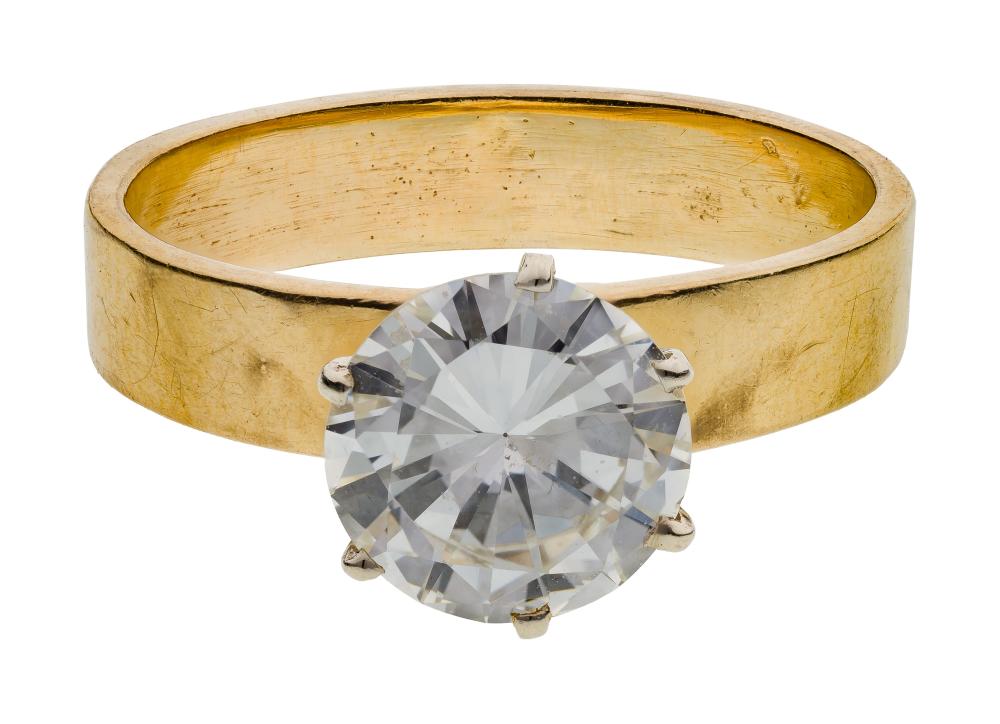 |
14k Yellow Gold and Diamond Engagement Ring | Leonard Auction | 2025-02-25 | 150 | USD 2,600 (buyer’s-premium treatment unknown) |
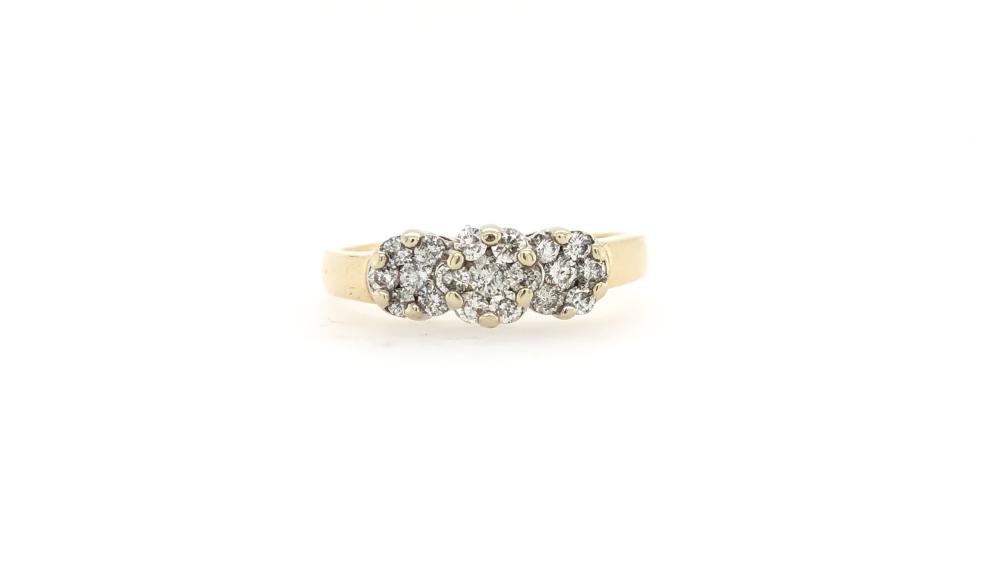 |
14K YELLOW GOLD .70CTW DIAMOND ENGAGEMENT RING | Bradford's | 2022-10-23 | 2501 | USD 160 (buyer’s-premium treatment unknown) |
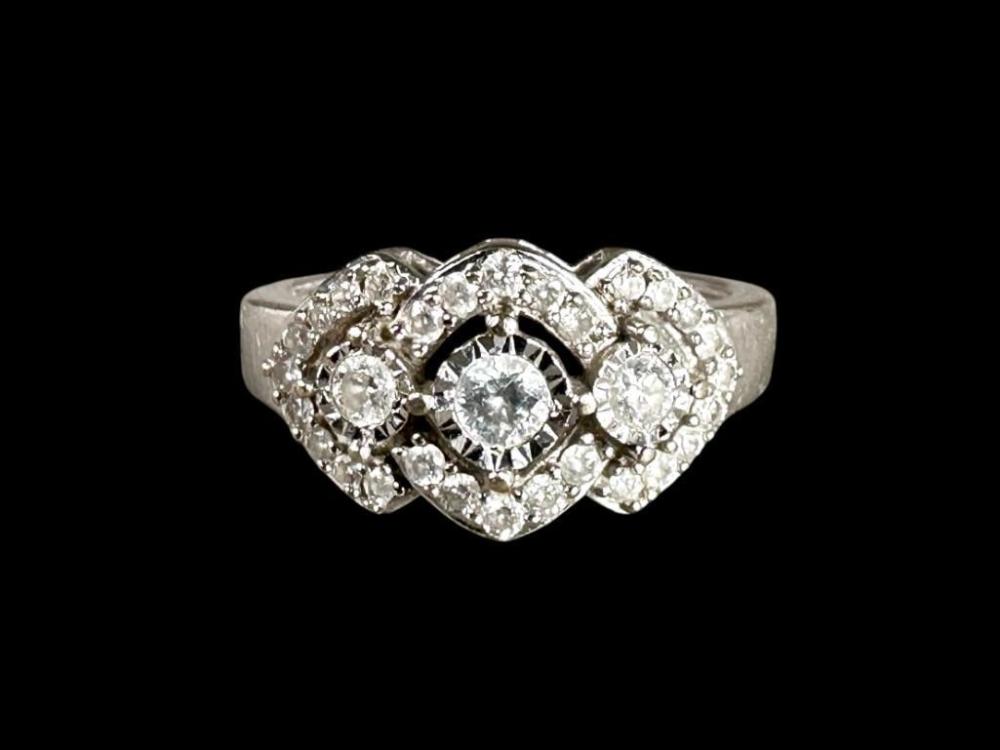 |
White Gold and Diamond Antique Style Ring | Neue Auctions | 2024-12-12 | 42 | USD 100 (buyer’s-premium treatment unknown) |
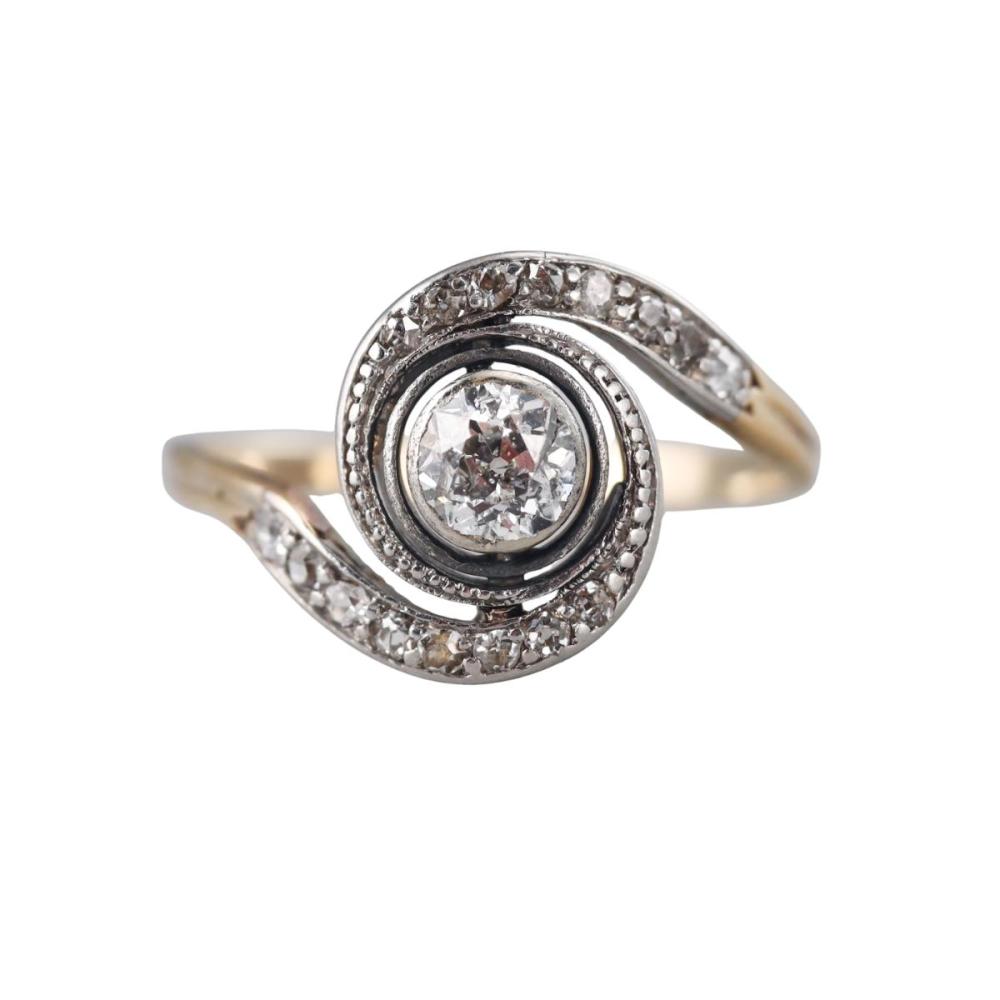 |
Antique 14k Gold Platinum Diamond Ring | Farber Auctioneers | 2025-09-18 | 49 | USD 475 (buyer’s-premium treatment unknown) |
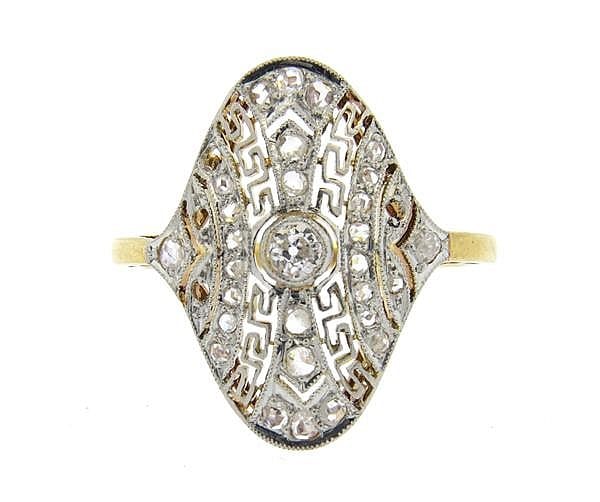 |
Antique Edwardian 18k Gold Platinum Diamond Ring | Hampton Estate Auction | 2015-01-26 | 371 | USD 300 (buyer’s-premium treatment unknown) |
How these auction records were verified
Each row retains its exact source URL, lot identity, retrieval time, access result, and immutable record hash. Inspect the public comparable provenance record.
Disclosure: prices are shown as reported by auction houses and are provided for appraisal context. Learn more in our editorial policy.
Check the finished report before you send it
- Confirm the intended use. The report should say insurance scheduling and name the requested value basis.
- Match the piece to the page. Photographs, measurements, stone count, metal, model information, and condition should agree.
- Trace every important conclusion. The report should separate measured facts, documents supplied, tests performed, estimates, assumptions, and limiting conditions.
- Check the dates. Look for the inspection date when applicable, effective value date, and report date. Ask the insurer whether they are current enough.
- Check the appraiser record. Name, contact details, relevant qualifications, signature, and scope should be visible.
- Send supporting documents. Include the requested photographs, receipt, laboratory report, or prior records without treating any one of them as a substitute for the report unless the insurer permits it.
Then ask the carrier to confirm acceptance in writing. An appraisal supports underwriting; it does not bind an insurer to issue coverage or settle a future claim outside the policy terms.
Questions people ask before scheduling jewelry
Can jewelry be insured without an appraisal?
Sometimes. A carrier may accept a recent receipt, photographs, and a detailed description for an item below its documentation threshold. Ask the carrier what it requires for this item and policy before paying for a report.
What type of value should a jewelry insurance appraisal use?
Most jewelry schedules ask for a defined replacement value or replacement cost, but the policy controls. Fair market value, actual cash value, purchase price, melt value, and auction price answer different questions.
Is a diamond grading report the same as an appraisal?
No. A laboratory grading report records gem characteristics and does not itself provide an appraisal value. An insurer may want the grading report referenced in a separate appraisal.
How recent must a jewelry appraisal be?
There is no single freshness period for every carrier. Ask for the maximum report age at policy start and the carrier’s preferred reappraisal interval.
Can an online appraisal satisfy a jewelry insurer?
It depends on the carrier and the evidence available. Photographs can support a description and preliminary value work, but diamond quality, treatments, stone identity, weights, and mounting condition may require direct examination.
Search variations this guide answers
- What should a jewelry appraisal include for insurance?
- Can I insure jewelry without an appraisal?
- What type of appraisal is needed for jewelry insurance?
- Does a jewelry insurance appraisal need photographs?
- How recent must a jewelry appraisal be for insurance?
- Is a diamond certificate enough for insurance?
- Can an online jewelry appraisal be used for insurance?
- Jewelry appraisal versus selling price
Sources and review notes
- National Association of Insurance Commissioners: Homeowners and Renters Insurance
- Progressive: How to Get Jewelry Appraised for Insurance
- Jewelers of America: Guide to Jewelry Appraisals
- Chubb: A Collector’s Guide to Appraisals
- Jewelers of America: Diamond Grading Reports
Written by Appraisily Editorial Team. Reviewed by Appraisily Valuation Team. Sources reviewed August 23, 2026; next scheduled review January 15, 2027. Insurer requirements and policy terms can change, so confirm current acceptance rules directly with the carrier.
Market records are selected from Appraisily’s governed auction data pipeline and disclosed under our editorial policy.