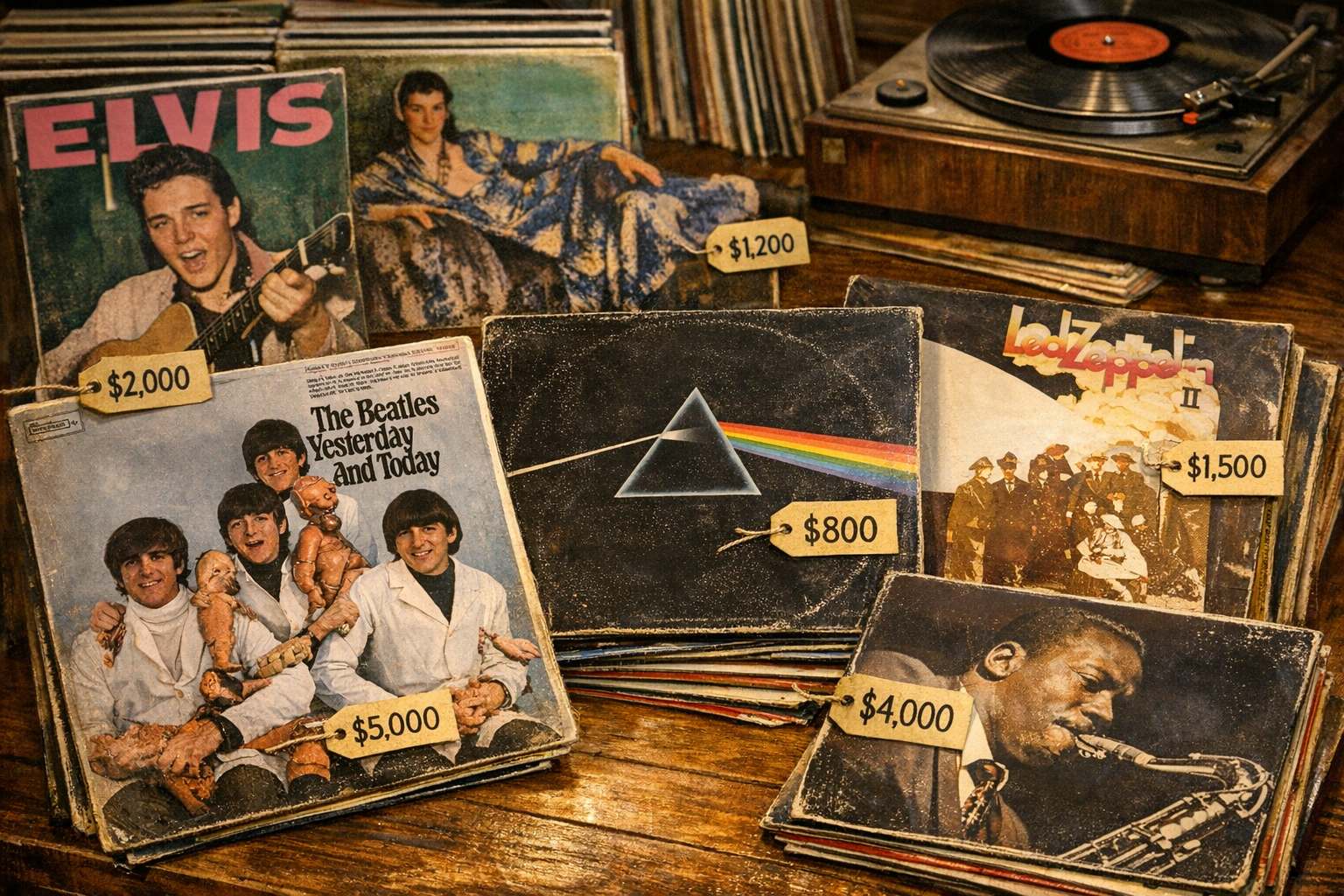
Introduction: The Resurgence of Vinyl Value
Vinyl records have experienced a remarkable renaissance in recent years, transforming from outdated media to highly sought-after collectibles. While streaming services dominate modern music consumption, the market for vintage vinyl has exploded, with rare pressings sometimes fetching thousands of dollars.
But what makes an old LP valuable? Is it simply age, or are there specific factors that separate a a value that must be established from current, topic-matched sales thrift store find from a a value that must be established from current, topic-matched sales collector’s item? Whether you’ve inherited a collection, discovered old records in your attic, or are an active collector looking to understand valuation, this comprehensive guide will help you determine the true worth of your vinyl treasures.
Vinyl Record Value: Understanding the Basics
The first misconception many people have is that age alone determines value. In reality, a record from the 1940s might be worth far less than one from the 1970s or even 1990s. According to vinyl experts at Victrola, rock n’ roll, blues, and jazz records from 1960 to 1970 are typically the most valuable, with top specimens ranging anywhere from a market-dependent range.
The value of a vinyl record is determined by multiple factors:
- Artist Popularity and Cultural Significance: Records by iconic or influential artists tend to command higher prices
- Pressing Details: First pressings, limited editions, and certain pressing plants can significantly affect value
- Condition: Both the vinyl itself and the cover/sleeve condition are crucial valuation factors
- Rarity: Limited releases, promotional copies, or records with manufacturing errors can be worth more
- Demand: Current collector interest often fluctuates based on musical trends and artist relevance
Which Records Are Most Valuable?
Evolution of Valuable Vinyl by Era
- 1950s
Early Rock and Roll
First pressings by Elvis Presley, Buddy Holly, and early rock pioneers can fetch premium prices, especially in mint condition.
- 1960s
The Golden Age
Records from this decade, particularly by The Beatles, The Rolling Stones, and influential psychedelic artists, often command the highest values in the market.
- 1970s
Rock and Jazz Explosion
Progressive rock, early punk, and jazz fusion records from this era have seen significant value increases in recent years.
- 1980s-1990s
Modern Collectibles
Limited vinyl releases during the CD era, especially in genres like alternative rock, early hip-hop, and electronic music, can be surprisingly valuable.
According to research from Rough Trade, rock records from the 1960s and 1970s are often worth significant money if kept in good condition or have additional value factors like artist signatures. The era produced fewer records than modern times, making genuine first pressings rarer and more desirable.
When it comes to specific artists, The Beatles consistently dominate lists of valuable records. According to information from the Daily Mail’s science section, Beatles albums are particularly valuable, with rare pressings potentially worth thousands or even millions to complete a serious collection.
Other artists whose records frequently fetch high prices include:
- Pink Floyd
- Led Zeppelin
- The Rolling Stones
- David Bowie
- Elvis Presley
- Bob Dylan
- Jazz legends like John Coltrane and Miles Davis
Valuable Vinyl Record Price Guide
Average market values for notable records in excellent condition
How to Identify Valuable Records in Your Collection
First Pressings vs. Later Reissues
One of the most significant factors affecting a record’s value is whether it’s a first pressing. According to The Penny Hoarder, first pressings in mint condition might sell for a market-dependent range even for relatively common records, while rare first pressings can be worth hundreds or thousands.
To identify first pressings, look for:
- Matrix Numbers: Check the numbers etched into the vinyl’s “dead wax” (the space between the label and grooves)
- Label Design: Original pressings often have distinct label designs that changed with later issues
- Cover Art Details: First pressings may have specific printing characteristics, pricing information, or catalog numbers
- Manufacturing Details: The address of the record company or specific pressing plant codes
Condition Assessment
Condition is perhaps the single most crucial factor in determining vinyl value. The standard grading system includes:
Vinyl Condition Grading Scale
Understand the standard grading terminology used by collectors and dealers
- Mint (M): Perfect condition, never played
- Near Mint (NM): Almost perfect with minimal signs of handling
- Excellent (E): Minor signs of use but still high quality
- Very Good Plus (VG+): Some light marks but plays with minimal surface noise
- Very Good (VG): Shows wear, may have some surface noise
- Good (G): Plays through but with noticeable noise and wear
- Poor (P): Barely playable with significant damage
According to Rough Trade’s valuation guide, condition can make a tremendous difference in value—a record in mint condition might be worth 5-10 times more than the same record in good condition. For example, a record that might fetch a value that must be established from current, topic-matched sales in near mint condition could be worth just a value that must be established from current, topic-matched sales in good condition.
Rarity and Special Features
Beyond condition and pressing details, these features can significantly increase a record’s value:
- Promotional Copies: Records produced specifically for radio stations (often marked “Promo” or “Not for Sale”)
- Colored Vinyl: Non-standard vinyl colors, especially for releases originally issued on black vinyl
- Picture Discs: Records with images printed directly on the vinyl surface
- Autographed Copies: Records signed by the artist (with documented signatures)
- Test Pressings: Pre-production versions used for quality control, typically with white labels
- Manufacturing Errors: Misprinted labels, incorrect track listings, or other production mistakes
How to Determine Your Vinyl's Value
Using Online Databases and Price Guides
The most reliable way to determine vinyl value is through specialized databases that track actual sales. According to Discogs, a leading vinyl marketplace and database, you should follow these steps:
- Identify Your Exact Release: Find the catalog number, matrix numbers, and other identifying features
- Search the Discogs Database: Find your specific pressing among potentially numerous variations
- Check Sales History: Review what the same pressing has actually sold for recently
- Consider Condition Differences: Adjust value estimates based on your copy’s condition compared to sold copies
Other valuable resources for price checking include:
- Record Scanner: A mobile app that allows you to scan records for quick value estimates
- Popsike: Archives of past eBay auction results for vinyl records
- Vinyl Price Guide: Comprehensive database of record values based on actual sales data
- Collector Forums: Communities where experts can help identify rare pressings
Average Values vs. Exceptional Finds
It’s important to maintain realistic expectations when valuing your collection. According to the EnjoyTheMusic article on vinyl valuation, the average eBay selling price for vinyl records is around a value that must be established from current, topic-matched sales with typical values ranging from 50 cents to a value that must be established from current, topic-matched sales. While some records command spectacular prices, these represent a tiny fraction of the market.
Similarly, a discussion on Reddit’s r/vinyl subreddit suggested that most common records fetch modest prices, with rare albums and first pressings potentially reaching a value that must be established from current, topic-matched sales but noting that most collectors don’t own truly valuable rarities.
| Category | Price | Notes |
|---|---|---|
| The Beatles (First UK Pressings) | a value that must be established from current, topic-matched sales+ | Highest values for Please Please Me (1963) |
| 1960s-70s Rock (First Pressings) | a value that must be established from current, topic-matched sales+ | Values vary widely by specific artist/album |
| Jazz Albums (Blue Note, Impulse!) | a value that must be established from current, topic-matched sales+ | Original pressings in mint condition |
| Early Punk Records | a value that must be established from current, topic-matched sales+ | Limited releases and demo recordings |
| Common 1970s-80s Records | a value that must be established from current, topic-matched sales | Mass-produced popular albums |
</tbody> </table>
Where to Sell Valuable Vinyl Records
Online Marketplaces
- Discogs: The largest dedicated vinyl marketplace with a worldwide buyer base of serious collectors
- eBay: Reaches a broad audience but requires careful research to price appropriately
- Facebook Marketplace: Good for local sales to avoid shipping concerns
- Reverb LP: Focused on music gear and vinyl with a knowledgeable user base
Specialty Dealers and Record Stores
- Local Record Shops: Many buy used vinyl, though they typically offer lower prices than direct sales
- Record Shows and Conventions: Events where dealers and collectors gather to buy, sell, and trade
- Auction Houses: For extremely valuable records, specialized music memorabilia auctions may yield the best results
Tips for Maximizing Value
- Clean Your Records Properly: Using proper vinyl cleaning methods can improve condition grades
- Document Provenance: History of ownership can add value, especially for rare or autographed items
- Bundle Wisely: Sometimes complete collections sell for more than individual records
- Timing Matters: Market interest in certain artists fluctuates based on anniversaries, documentaries, or revivals
Common Questions About Vinyl Record Values
Are old LPs worth anything?
How do I find out what my vinyl records are worth?
What is the most sought after vinyl LP?
Are old Beatles LPs worth anything?
Does vinyl condition really affect value that much?
What makes a vinyl record a 'first pressing'?
Preserving Vinyl Value: Storage and Handling Tips
Optimal Storage Conditions
To preserve vinyl records and maintain their value:
- Store Vertically: Always store records upright to prevent warping
- Control Temperature and Humidity: Keep records in a cool, dry environment (65-70°F, a condition-specific range humidity)
- Use Inner Sleeves: Replace paper inner sleeves with polyethylene or rice paper sleeves
- Outer Protection: Use clear polyethylene outer sleeves to protect album covers
- Avoid Sunlight: Keep records away from direct sunlight to prevent cover fading and vinyl warping
Proper Handling Techniques
- Hold by Edges and Label: Avoid touching the playing surface with your fingers
- Clean Before Playing: Use proper record cleaning tools to remove dust and debris
- Ensure Proper Turntable Setup: Incorrect tracking force or alignment can damage records
- Return to Sleeves: Always return records to their sleeves immediately after playing
By following these guidelines, you’ll help preserve your vinyl’s condition—and by extension, its value—for years to come.
External Resources for Vinyl Record Valuation
Discogs Vinyl Record Price Guide
Comprehensive database with a record price guide featuring actual sales data and historical prices based on specific pressings and conditions.
Victrola Vinyl Records Value Guide
Detailed guide to vinyl record valuation with insights on which genres and eras tend to command the highest prices.
Record Scanner App
Mobile app that allows you to scan records for quick value estimates based on current market conditions.
Rare Records Vinyl Valuation Guide
Specialized resource focusing on particularly valuable and rare vinyl records with expert insights on attribution review.
Reddit Vinyl Community
Active community of vinyl collectors where you can get feedback on potential values and identification help for unusual pressings.
Rough Trade Valuation Guide
Comprehensive guide to valuing and selling vinyl records from one of the world's most respected record store chains.
Conclusion: Beyond Monetary Value
While this guide focuses primarily on the financial value of vinyl records, it’s worth remembering that records hold value beyond their price tags. The cultural significance, historical importance, and personal connections we form with music often transcend monetary considerations.
For many collectors, the joy of vinyl comes from the tangible connection to music history, the ritual of placing needle to groove, and the warm, documented sound that digital formats can’t quite replicate. Whether your collection contains hidden treasures worth thousands or beloved albums with primarily sentimental value, the renaissance of vinyl appreciation ensures these circular time capsules will continue to be cherished for generations to come.
If you’re curious about other collectible items from the same era as your vinyl records, you might want to explore our guides on vintage audio equipment, concert memorabilia, or music-related ephemera—all of which can complement and enhance the value of a vinyl collection.
Note: We couldn’t find enough auction records that directly match Value of Old LPs: Pressing, Label, Matrix, Jacket, Artist, Rarity and Condition to publish a defensible price table. If you are valuing a specific item, include its maker, model, material, photos, and condition so the search can be narrowed.
What similar items actually sold for
To help ground this guide in real market activity, here are recent example auction comps from Appraisily’s internal database. These matched sales are market context only, not an object estimate or identification, and they do not guarantee a price for your specific value of old lps.
Shown GBP range: GBP 320-GBP 420. Median of these 3 GBP examples: GBP 380.
| Comparable | What sold | Auction house | Date | Lot | Source-reported amount |
|---|---|---|---|---|---|
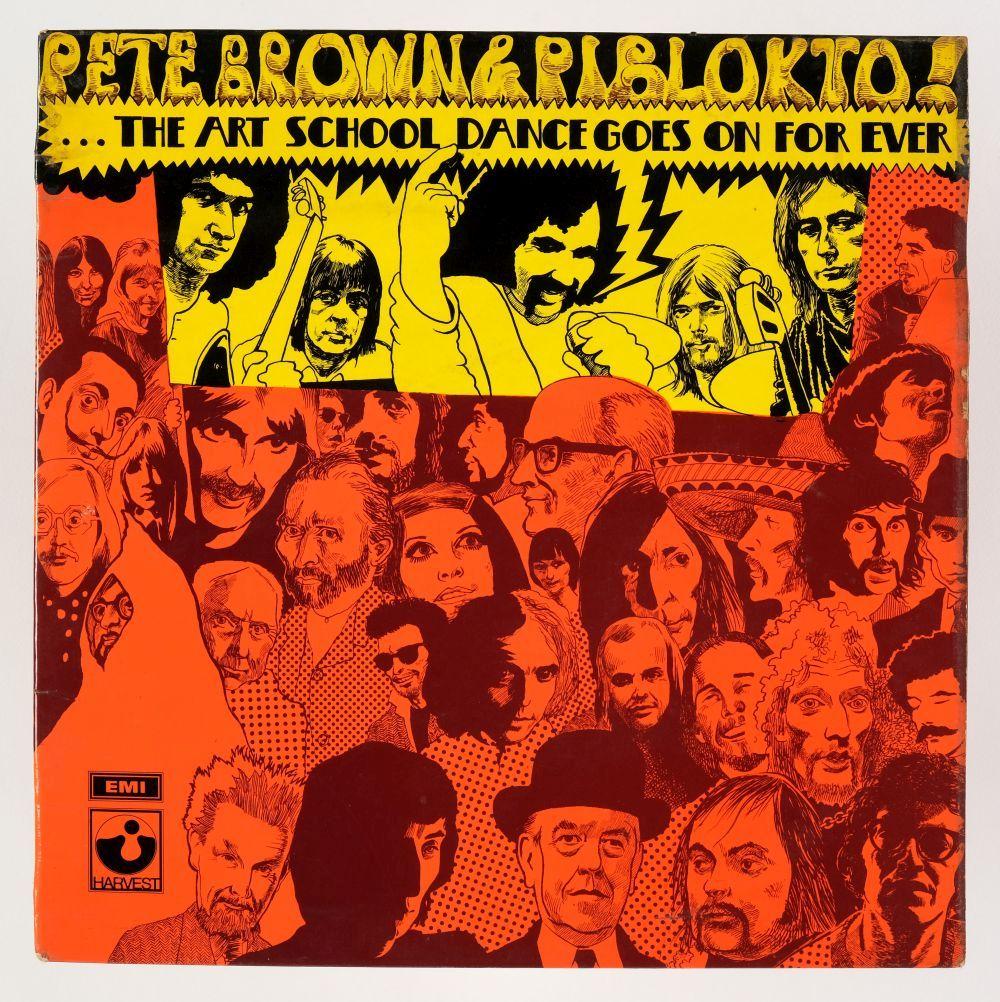 |
* Rock. Collection of 57 rock LPs - King Crimson, Clash, Cream, Jethro Tull, Zappa, Yes, Pink Floyd | Dominic Winter Auctions | 2022-08-17 | 441 | GBP 380 (buyer’s-premium treatment unknown) |
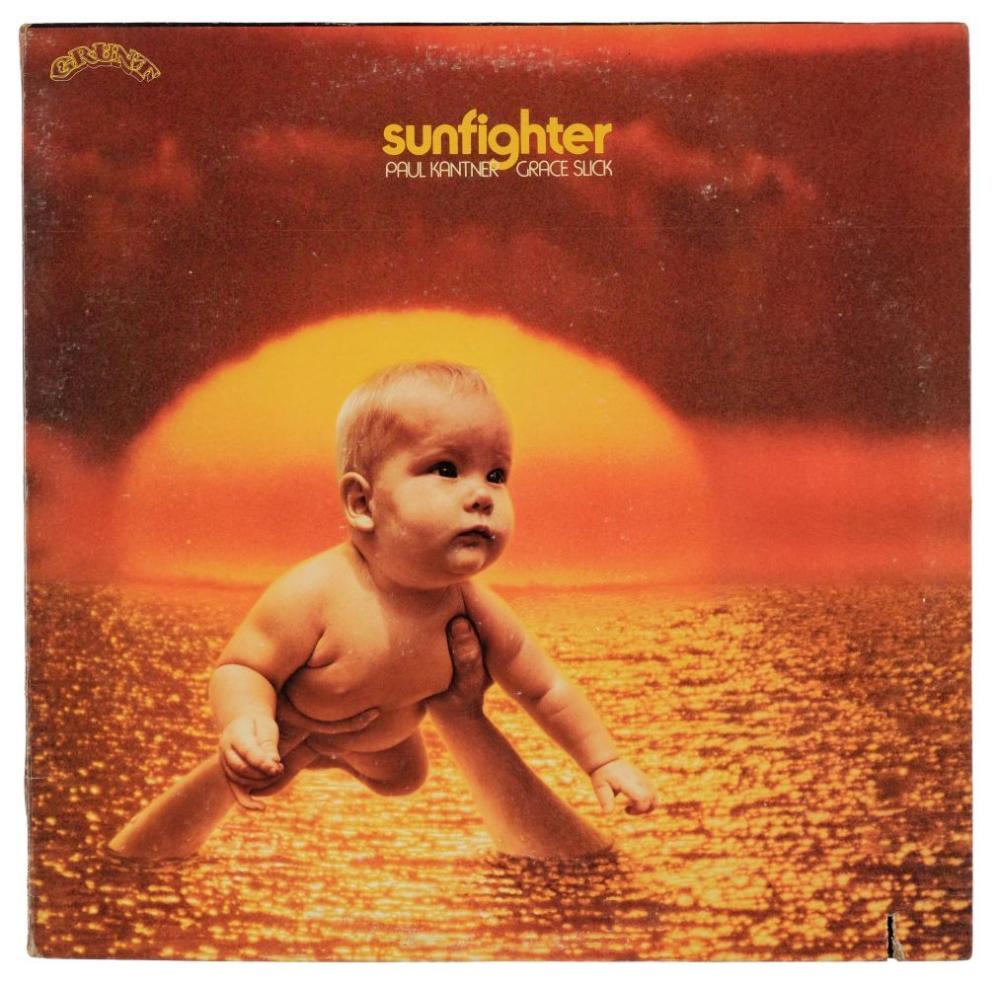 |
* Rock. Approx. 220 LPs, inc. Prog / Psych Rock, Led Zeppelin, Bob Dylan, Neil Young, David Bowie, etc | Dominic Winter Auctions | 2022-08-17 | 442 | GBP 320 (buyer’s-premium treatment unknown) |
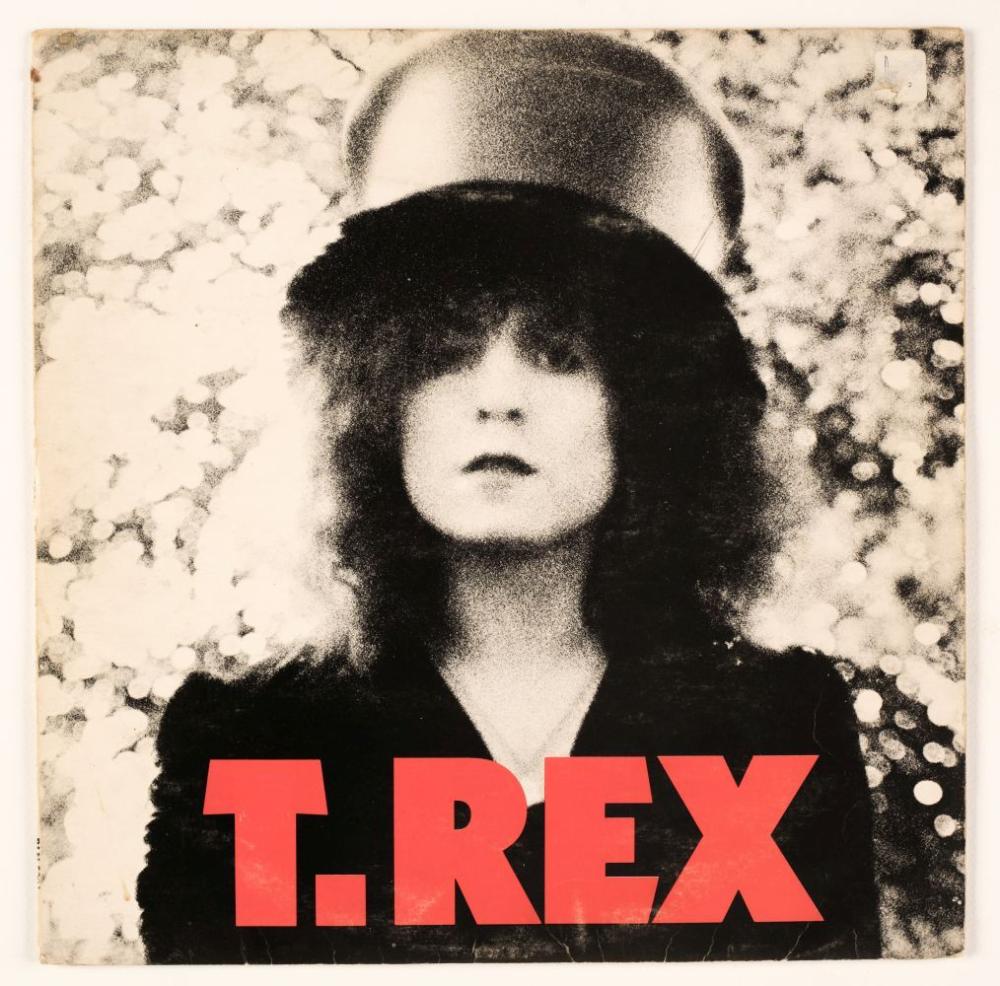 |
Rock / Pop. Collection of approx. 200 rock/pop vinyl records / LPs and singles | Dominic Winter Auctions | 2024-02-07 | 129 | GBP 420 (buyer’s-premium treatment unknown) |
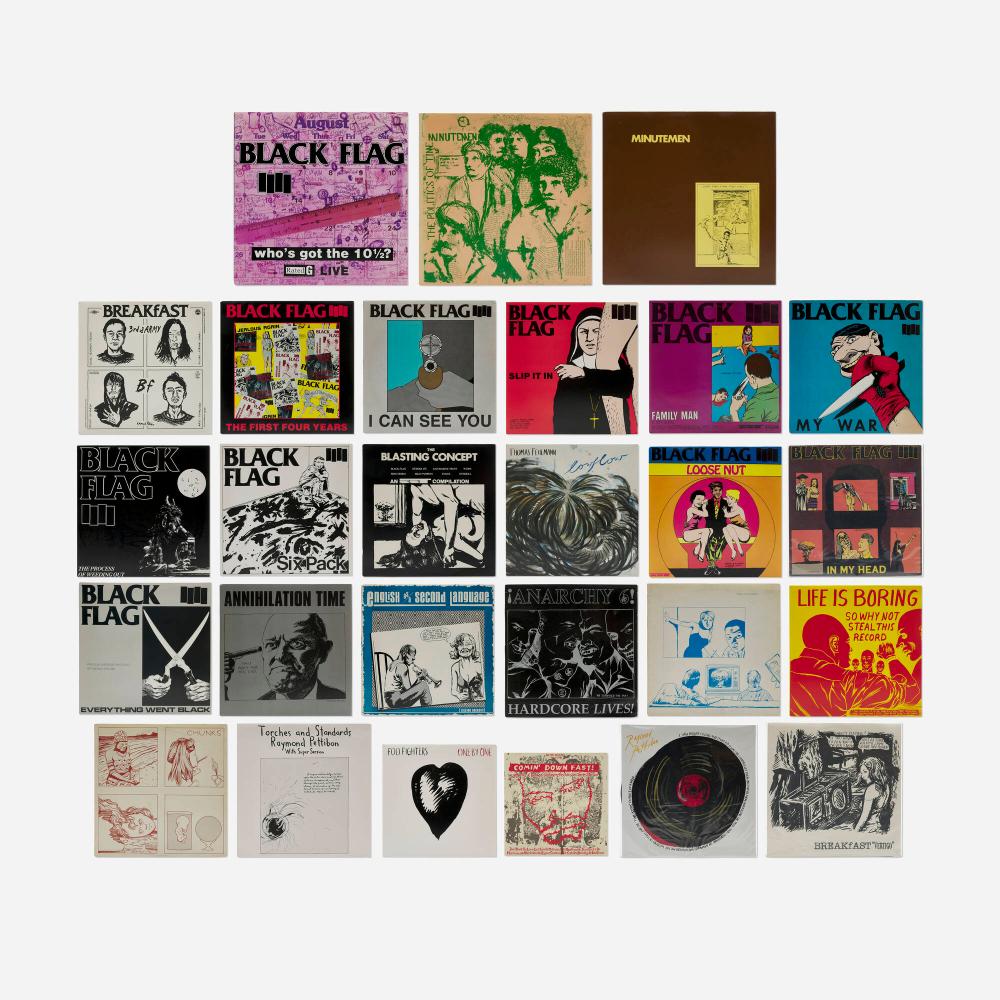 |
Raymond Pettibon, Collection of twenty-seven LPs | Los Angeles Modern Auctions | 2025-06-12 | 225 | USD 1,000 (buyer’s-premium treatment unknown) |
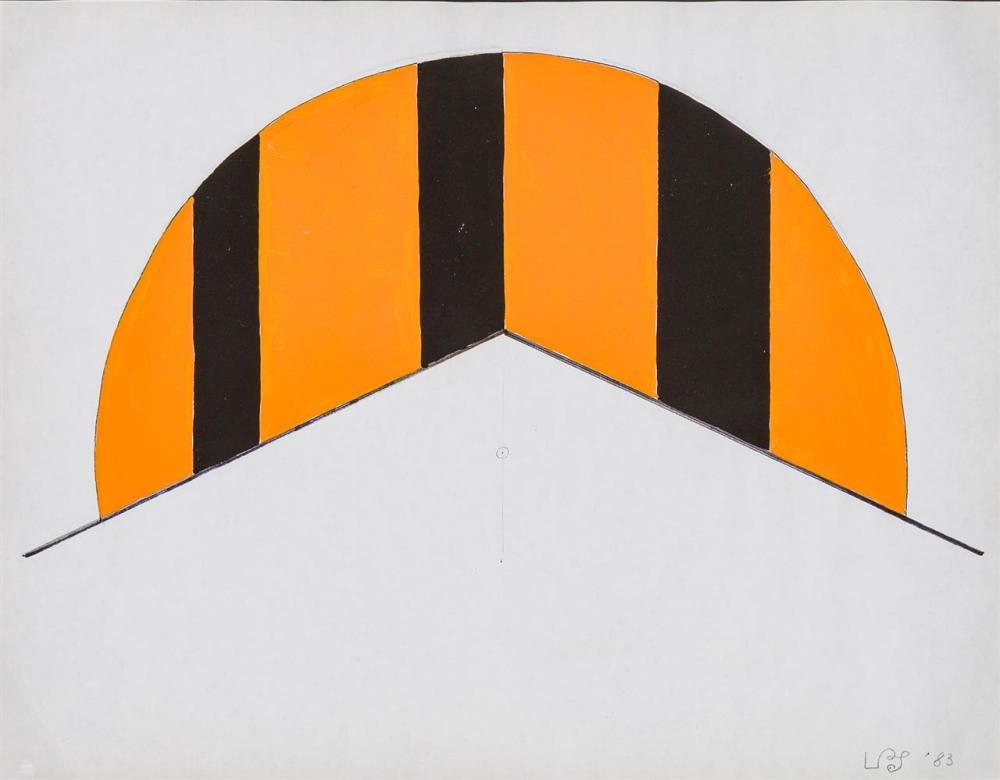 |
LEON POLK SMITH, American (1906-1996), Untitled, acrylic and marker on paper, initialed and dated lower right "LPS 83", 13 7/8 x 18... | Shannon's | 2020-11-19 | 23 | USD 625 (buyer’s-premium treatment unknown) |
How these auction records were verified
Each row retains its exact source URL, lot identity, retrieval time, access result, and immutable record hash. Inspect the public comparable provenance record.
Disclosure: prices are shown as reported by auction houses and are provided for appraisal context. Learn more in our editorial policy.
Free instant estimate
Not sure if your item is worth appraising? Let us take a look.
Upload a photo, tell us what you know, and get a free first read. If a full appraisal makes sense, we will say so.
Free. No card needed. Takes about two minutes.
Choose your next step
Use the path that matches the decision you need to make about the item.
Not sure it is worth appraising?
Start with a lower-friction screen to understand the likely category, evidence, and next step.
Upload photos for a free first lookWant proof before paying?
See how a signed report documents photos, comparable evidence, condition notes, and value conclusions.
View signed report sampleNeed a signed report?
Use this for insurance, estate, donation, resale, or documented value decisions.
Need documentation now? Start signed appraisalNeed local or specialist help?
Compare directory options when the work needs in-person review or a specialist near you.
Find local art specialistsSee what the report looks like
Sample reports show how photos, comparable evidence, condition notes, and a value conclusion are documented.
Get old LPs appraised
Upload photos of the front, back, labels, matrix marks, jacket, inserts, sleeves, scratches, warping, and condition notes.
- Expert report with photos and market context
- Fast turnaround
- Fixed, upfront pricing
No obligation. Secure upload.
Continue your valuation journey
Find the right local specialist
Compare antique and art appraisers by location and specialty in one directory.
Antique & art specialists
Browse the Antique & Art Appraisers Directory
Choose a local specialist when the assignment needs in-person inspection or a specific credential.
Machine-readable summaries
Use these machine-friendly references for AI and crawler discovery of Appraisily content.
Ready for pricing guidance?
Start a secure online appraisal
Upload images and details. Certified specialists respond within 24 hours.
Upload photos for a free first look View signed report sample