Antique Valuation Methods: appraisal and value basics
Antique Valuation Methods research should start with identification, condition, provenance, and item-specific market evidence. Use this guide to compare the signals that matter before paying for a formal appraisal or deciding whether to sell.
Understanding Antique Valuation
In today’s changing market, antique values can fluctuate significantly. What was once highly valued might now be less desirable, while previously overlooked items might suddenly become sought after. According to recent reports, many antiques that commanded premium prices in the 1990s have seen their values decline in today’s market, as noted by collectors and industry experts.
Before determining value, it’s important to understand what truly qualifies as an antique. While definitions can vary, most experts agree that an item must be at least 100 years old to be considered a true antique. Items between 20 and 99 years old are typically classified as “vintage,” and each category has its own valuation considerations.
This comprehensive guide will walk you through the process of researching, identifying, and determining the value of your antiques using both traditional methods and modern technology.
Key Factors That Determine Antique Value
Age and Provenance
The age of an item significantly impacts its value. Generally, older items tend to be more valuable, especially if they represent important historical periods or styles. However, age alone doesn’t confirm value.
Provenance—the documented history of an item’s ownership—can dramatically increase value. Antiques with clear documentation proving previous famous owners or historical significance can command premium prices. For example, furniture from a notable historical figure’s estate might be worth significantly more than identical pieces without such provenance.
Condition
An antique’s condition is perhaps the most critical factor in determining its value. Items in excellent, original condition typically command the highest prices. According to antique dealers at Old Crows Antiques, condition can affect value by as much as a condition-specific range compared to damaged examples.
Consider these condition factors:
- Original finish versus refinished
- Completeness (all original parts)
- Signs of repair or restoration
- Wear appropriate to age
- Functionality (for mechanical items)
Rarity and Demand
The principles of supply and demand strongly influence antique values. Rare items typically command higher prices, especially when paired with high demand. However, rarity alone doesn’t confirm value—there must also be collector interest.
Market trends can significantly impact demand. For example, mid-century modern furniture has seen remarkable appreciation in recent years, while some formerly prized antique furniture styles have declined in value as noted by Veranda magazine.
Craftsmanship and Quality
Superior craftsmanship and materials remain constant value indicators. Handcrafted items often hold value better than mass-produced pieces. Look for:
- Quality of materials (solid wood vs. veneer)
- Precision of joinery and construction
- Artistic merit and design significance
- Maker’s marks or signatures
Value Impact Factors
How different factors affect antique values
Research Methods for Antique Valuation
Price Guides and Reference Books
Specialized price guides remain valuable resources for antique valuation. While digital resources have grown in popularity, printed guides often provide detailed historical context and identifying features for specific categories.
The Boston Public Library’s research guide recommends several trusted price guide publishers:
- Kovels’ Antiques & Collectibles Price Guide (updated annually)
- Miller’s Antiques Handbook & Price Guide
- Warman’s Antiques & Collectibles
- Category-specific guides (pottery, furniture, jewelry, etc.)
Remember that published values are typically retail prices, not what you might receive when selling to a dealer or at auction.
Online Databases and Price Trackers
Online resources provide current market data and recent sales information:
- Worthpoint - Archives millions of sold items with prices
- LiveAuctioneers - Auction results database
- TIAS - Online antique mall with current asking prices
- The Free Antique Price Guide - Focused on advertising items but covers many collectibles
The advantage of online resources is their ability to show actual recent sale prices rather than estimated values, providing current market reality.
Social Media and Collector Forums
Specialized collector communities can provide valuable insights:
- Reddit’s r/Antiques community offers identification help and valuation guidance
- Facebook groups dedicated to specific antique categories
- Collector forums for specialized niches
These communities can help with unusual items that might not appear in mainstream price guides.
Auction Records
Auction results provide concrete evidence of market value:
- Major auction houses (Christie’s, Sotheby’s, Bonhams) publish results online
- Regional auction houses often specialize in different categories
- Online auction records can be searched by maker, period, or type
According to The Hoarde, comparing similar sold items provides the most accurate value assessment, especially when multiple examples establish a price range.
Research Checklist
Complete these steps for thorough antique value research
- Identify the maker and period
- Document condition with detailed photos
- Research similar items in price guides
- Check online databases for recent sales
- Consult specialist forums for unusual items
- Compare auction results for comparable pieces
- Document any provenance or history
Professional Appraisal Options
Types of Appraisals
Different circumstances require different types of appraisals:
- Insurance Appraisal: Documents replacement value at current retail prices
- Estate Appraisal: Determines fair market value for estate tax purposes
- Donation Appraisal: Establishes value for charitable contribution deductions
- Liquidation Appraisal: Estimates likely auction or quick-sale value
Each type uses different valuation methods and serves specific purposes. Be clear about your needs when seeking appraisal services.
Finding Qualified Appraisers
Credentials matter when selecting an appraiser. Look for professionals affiliated with these organizations:
- International Society of Appraisers (ISA)
- American Society of Appraisers (ASA)
- Appraisers Association of America (AAA)
Many appraisers specialize in specific categories like furniture, jewelry, or art. Choose an appraiser with expertise in your item’s category.
Online Appraisal Services
Digital appraisal services provide convenient options for initial assessments:
- ValueMyStuff offers expert appraisals from former Sotheby’s and Christie’s specialists starting at a value that must be established from current, topic-matched sales
- WorthPoint’s “Ask a Worthologist” service
- Mearto provides quick online appraisals with photo submission
These services typically provide value ranges rather than precise valuations but can be cost-effective starting points.
Auction House Evaluations
Many auction houses offer free evaluation services for potential consignments:
- Bonhams provides complimentary appraisal services for items they might auction
- Regional auction houses often specialize in local or specific item categories
- Online auction platforms sometimes offer preliminary value assessments
These evaluations are typically aimed at securing consignments, so values might emphasize the positive potential of items.
The Evolution of Antique Values
- 1980s-1990s
The Golden Era
Antiques market boomed with traditional furniture, china, and collectibles commanding premium prices. Brown furniture (mahogany, walnut) was highly sought after.
- 2000s
Shifting Tastes
Modern and mid-century pieces began gaining popularity. Traditional antiques started seeing value declines as younger buyers entered the market with different preferences.
- 2010s
Digital Transformation
Online marketplaces and price databases transformed antique valuation. Greater transparency in pricing and wider market access changed buying patterns.
- 2020s
Current Trends
Highly selective market with premium prices for exceptional pieces while common antiques declined. Sustainability drives interest in quality vintage items. Mid-century modern continues strong performance.
Technology Tools for Antique Identification and Valuation
Mobile Apps for Antique Identification
Several specialized apps help identify and value antiques:
- Antique ID (iOS): Uses AI to help identify and value collectibles
- Google Lens: Free visual search tool for identifying unknown items
- WorthPoint Mobile: Access to their extensive price database on the go
- Magnolia Appraisal: Connects users with professional appraisers
As mentioned in the researched data, these apps can help collectors make more informed decisions when buying or selling.
Image Recognition Technology
AI-powered image recognition offers promising advances in antique identification:
- Upload photos to compare with vast databases of known items
- Identify makers’ marks and signatures
- Distinguish reproductions from documented pieces
- Compare with similar sold items
While technology continues to improve, human expertise remains essential for nuanced judgments about originality and quality.
Online Marketplaces as Valuation Tools
Beyond buying and selling, online marketplaces provide valuable pricing data:
- eBay’s Advanced Search: Filter for “Sold Items” to see actual sale prices
- Etsy’s Vintage Category: Shows current asking prices for similar items
- Ruby Lane: Specialized in higher-end antiques with verified dealers
- 1stDibs: Focuses on premium antiques with detailed listings
Comparing multiple sold listings gives a more accurate picture than individual asking prices.
Popular Valuation Resources
Online tools and their specialized strengths
| Category | Price | Notes |
|---|---|---|
| Excellent Original Condition | a category-dependent amount to a category-dependent amount | Compared to poor condition |
| Documented Provenance | a category-dependent amount to a category-dependent amount | Depending on historical significance |
| Maker's Signature | a category-dependent amount to a category-dependent amount | For recognized craftsmen/companies |
| Repairs/Restoration | a category-dependent amount to a category-dependent amount | Unless done by renowned restorer |
</tbody> </table>
Market Trends Affecting Antique Values
Generational Shifts in Collecting Habits
Changing tastes have significantly impacted traditional antique markets:
- Younger generations often prefer smaller homes and minimalist aesthetics
- Heavy, dark wood furniture (“brown furniture”) has seen significant value declines
- Functional, adaptable pieces maintain stronger values
- Mid-century modern and industrial styles continue to perform well
According to Medium’s analysis, many collectibles that commanded premium prices in previous decades have significantly declined in value as collector demographics change.
Environmental Consciousness and Sustainability
Sustainability concerns are influencing antique markets positively:
- Growing interest in quality, durable goods over disposable items
- Appreciation for the craftsmanship and materials of earlier eras
- “Circular economy” thinking favors reuse of existing items
- Decreased carbon footprint compared to new manufacturing
This trend potentially supports long-term value for well-made antiques with practical uses.
Most Valuable Antique Categories in 2024
According to experts cited in Veranda magazine, these categories show strong potential in the current market:
- Gustavian and Swedish antiques
- Tiled furniture pieces
- Uniquely designed chairs
- High-quality decorative mirrors
- Folk art with historical significance
- Japanese pottery and ceramics
- Select Art Deco and Art Nouveau pieces
Items combining historical significance, craftsmanship, and adaptability to modern interiors tend to maintain stronger values.
The Impact of Television and Media
Media influence continues to shape collecting trends:
- Antiques Roadshow creates interest in “hidden treasures”
- Design shows highlighting vintage pieces in modern interiors
- Social media platforms showcasing styling with antiques
- Celebrity collectors drawing attention to specific categories
These influences can create rapid value shifts in featured categories.
External Resources for Antique Valuation
The Free Antique Price Guide
Comprehensive price guide covering signs, tins, vintage toys, oil and gas items, and many other collectible categories with values and descriptions.
Boston Public Library: Researching Antiques
Academic resource guide with comprehensive information on price guides, appraisals, and care recommendations for antiques and collectibles.
ValueMyStuff Professional Appraisals
Expert appraisal service with over 60 specialists formerly of Sotheby's and Christie's providing online valuations for art, antiques, jewelry and collectibles.
Veranda: Most Valuable Antiques for 2024
Expert predictions on the most valuable vintage and antique pieces for 2024, highlighting emerging trends in the collectibles market.
Old Crows Antiques: Finding Market Prices
Comprehensive guide to identifying, researching and determining the market value of antiques with practical advice for collectors.
Reddit r/Antiques Community
Active community of antique enthusiasts providing identification help, valuation guidance, and collecting advice for various categories of antiques.
Tips for Selling Antiques at the Best Price
Auction Houses vs. Private Sales
Different selling methods offer various advantages:
Auction Houses:
- Reach specialized collector audiences
- Competitive bidding can drive prices up
- Professional marketing and photography
- Commission fees typically range from a condition-specific range
Private Sales:
- Potentially higher net return without commissions
- More control over pricing and terms
- Requires more personal marketing effort
- May take longer to find the right buyer
For higher-value or rare items, specialized auction houses often achieve the best results despite commission fees.
Timing Your Sale
Market timing can significantly impact realized values:
- Seasonal variations affect certain categories (holiday items, garden furniture)
- Annual collector shows and events can boost interest
- Economic conditions influence discretionary spending on antiques
- Trending categories command premium prices during peak interest
Research whether your item’s category is currently rising or declining in popularity before deciding when to sell.
Presentation and Documentation
Proper presentation enhances perceived value:
- Professional-quality photography from multiple angles
- Detailed, accurate descriptions of age, maker, and condition
- Documentation of provenance and history
- Careful cleaning without damaging original patina
- Appropriate restoration (when advisable by experts)
Complete documentation of an item’s history and originality can significantly increase buyer confidence and realized price.
Common Questions About Antique Values
How can I find out what my antiques are worth?
How do I find the value of an old item?
- Research the maker, age, and model through markings or signatures
- Document the condition with detailed photos
- Search online databases of sold items on platforms like eBay (filter for "Sold Items")
- Consult price guides specific to your item’s category
- Use Google Lens or specialized apps to identify similar items
- Check auction results for comparable pieces
- Join collector forums for specialized knowledge on unusual items
Is there an app to check the value of antiques?
- Antique ID: Uses AI technology to help identify and value collectibles
- WorthPoint Mobile: Provides access to their extensive price database
- Google Lens: Free visual search tool for identifying unknown items
- Magnolia Appraisal: Connects users with professional appraisers
- eBay App: Search "Sold Items" to see recent sale prices
What age is considered an antique?
Items between 20 and 99 years old are generally classified as "vintage" rather than antique. The distinction matters for both valuation and marketing purposes.
Some specialized collecting fields may use different age thresholds. For example, automobiles are often considered "antique" at 45+ years old, while certain collectibles may have their own specific age classifications.Why are some antiques losing value?
- Changing tastes: Younger generations often prefer different aesthetics than traditional antiques
- Smaller living spaces: Bulky furniture pieces are less practical in modern homes
- Market saturation: Baby Boomers downsizing has increased supply of certain categories
- Reproduction availability: High-quality reproductions satisfy the decorative appeal
- Shifts in collecting trends: Interest has moved toward mid-century modern and industrial items
What antiques are most valuable in 2024?
- Gustavian and Scandinavian furniture
- Tiled tables and decorative pieces
- Uniquely designed statement chairs
- Quality decorative mirrors
- Folk art with historical significance
- Japanese pottery and ceramics
- Select Art Deco and Art Nouveau items
- Well-documented pieces with important provenance
- Rare scientific and medical antiques
Should I clean or restore my antique before valuation?
- Gentle cleaning may be appropriate to remove surface dirt, but use methods recommended for specific materials
- Never use harsh chemicals, abrasives, or modern polish on antique surfaces
- Original patina is highly valued and should be preserved
- Professional restoration should only be undertaken by specialists with experience in your item’s category
- Document the item’s condition with photographs before any cleaning attempt
Where is the best place to sell valuable antiques?
- High-value rare items: Specialized auction houses (Christie’s, Sotheby’s, Bonhams)
- Mid-range collectibles: Regional auction houses with relevant specialties
- Category-specific items: Specialty dealers or collector shows
- Common antiques: Consignment shops, antique malls, or online marketplaces
- Quick sales: Local dealers (though at wholesale rather than retail values)
Conclusion: Making Informed Decisions About Your Antiques
Remember that antique values fluctuate with market trends, collector interests, and economic conditions. What’s valuable today may change tomorrow, and items that have fallen out of favor may eventually return to popularity.
For items with potential significant value, the cost of professional appraisal is typically a worthwhile investment before making selling decisions or for insurance documentation.
Whether you’re a serious collector, occasional buyer, or have inherited family heirlooms, understanding how to research and determine antique values empowers you to make confident decisions about these pieces of history.
The resources mentioned throughout this article provide excellent starting points for your valuation journey. For valuable or rare items, combining your research with professional expertise will yield the most accurate assessment of your antiques’ worth in today’s market.
Note: We couldn’t find enough auction records that directly match Antique Value Guide: Identify, Document, Condition and Market Evidence to publish a defensible price table. If you are valuing a specific item, include its maker, model, material, photos, and condition so the search can be narrowed.
What similar items actually sold for
To help ground this guide in real market activity, here are recent example auction comps from Appraisily’s internal database. These matched sales are market context only, not an object estimate or identification, and they do not guarantee a price for your specific value of antique.
Shown USD range: USD 250-USD 1,100. Median of these 5 USD examples: USD 600.
| Comparable | What sold | Auction house | Date | Lot | Source-reported amount |
|---|---|---|---|---|---|
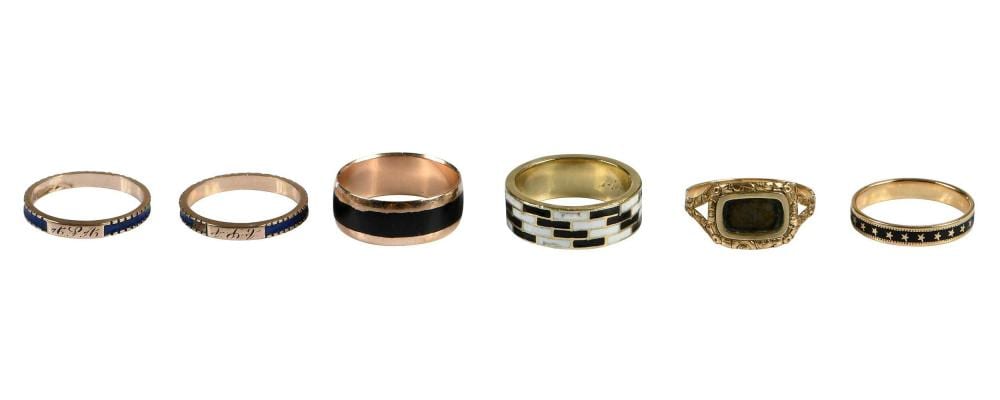 |
Six Antique Gold RingsSource blocked; provenance matched | Brunk Auctions | 2022-05-20 | 722 | USD 600 (buyer’s-premium treatment unknown) |
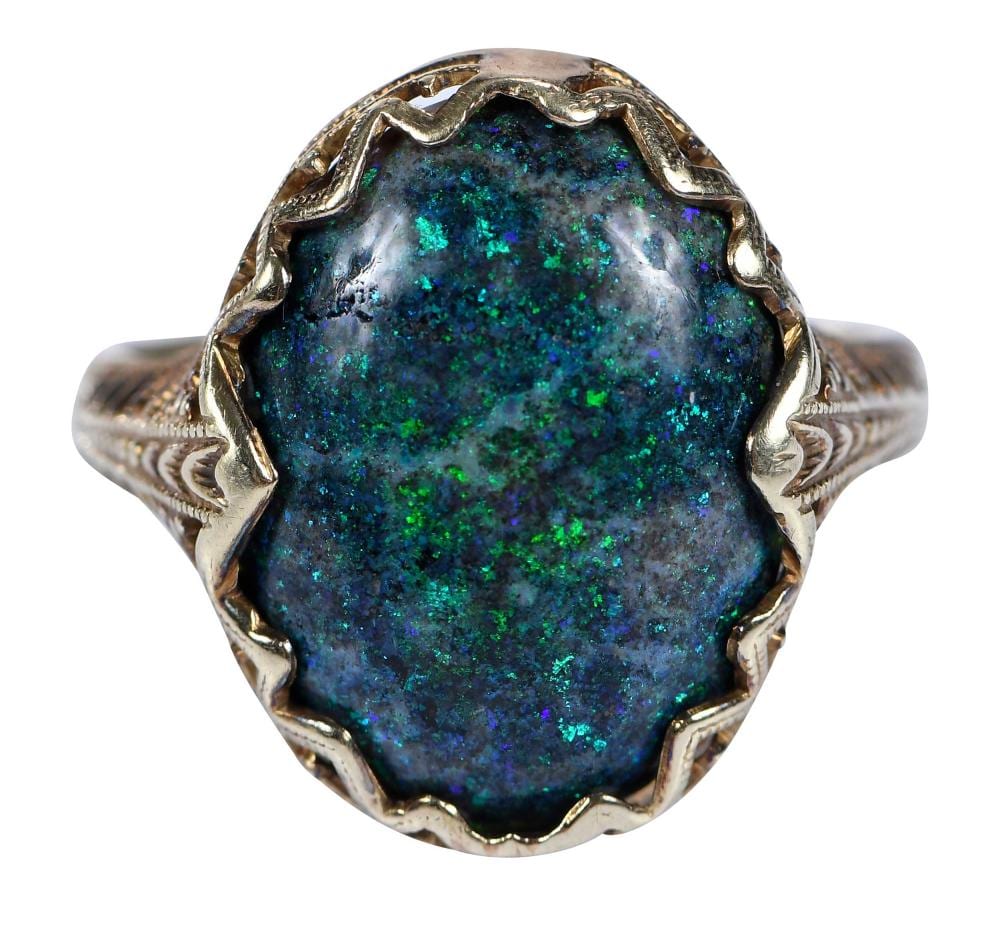 |
14kt. Antique Black Opal RingSource blocked; provenance matched | Brunk Auctions | 2023-11-17 | 787 | USD 1,100 (buyer’s-premium treatment unknown) |
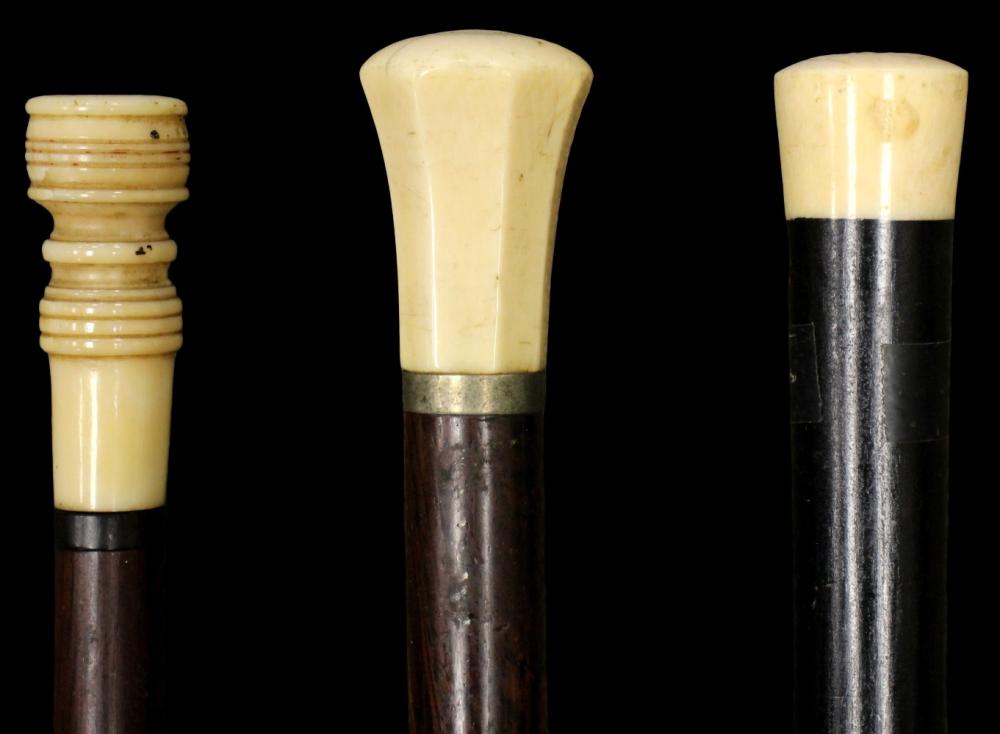 |
Lot of Three Various Antique Walking Canes SticksSource blocked; provenance matched | Sofe Design Auctions | 2026-03-14 | 9508 | USD 250 (buyer’s-premium treatment unknown) |
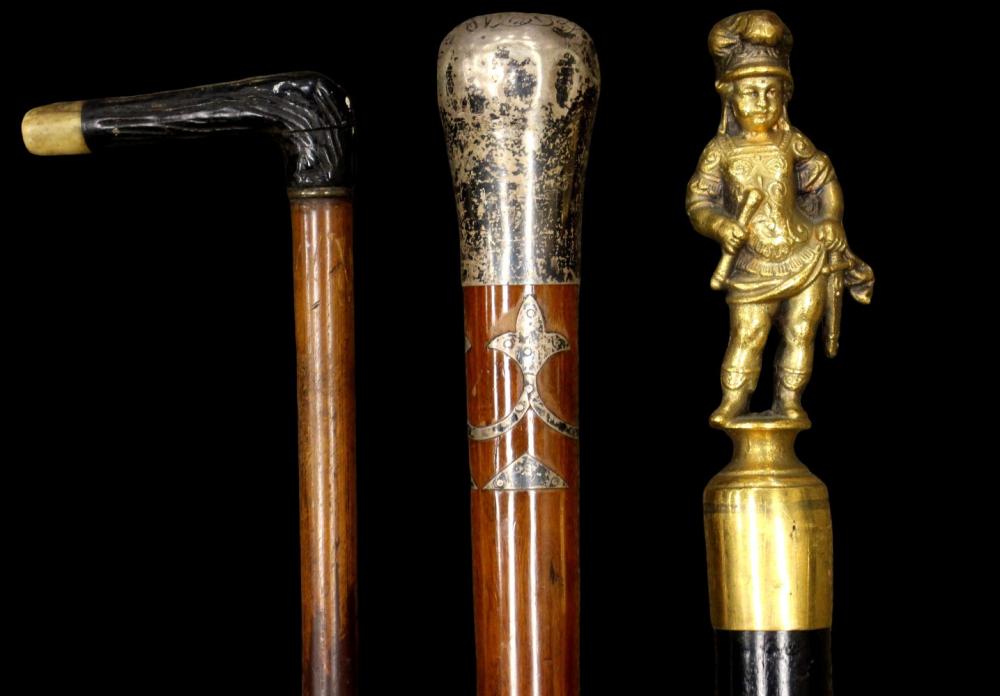 |
Lot of 3 Various Antique Carved Walking Canes SticksSource blocked; provenance matched | Sofe Design Auctions | 2026-03-14 | 9513 | USD 700 (buyer’s-premium treatment unknown) |
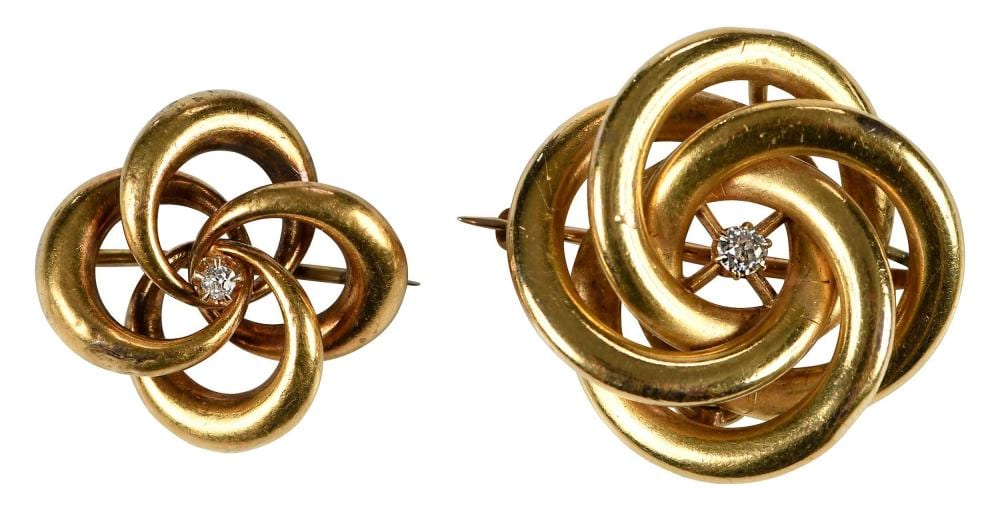 |
Two Antique 18kt. BroochesSource blocked; provenance matched | Brunk Auctions | 2022-05-19 | 447 | USD 350 (buyer’s-premium treatment unknown) |
How these auction records were verified
Each row retains its exact source URL, lot identity, retrieval time, access result, and immutable record hash. Live source access was blocked; the exact record matched Appraisily's immutable pipeline provenance. Inspect the public comparable provenance record.
Disclosure: prices are shown as reported by auction houses and are provided for appraisal context. Learn more in our editorial policy.
Free instant estimate
Not sure if your item is worth appraising? Let us take a look.
Upload a photo, tell us what you know, and get a free first read. If a full appraisal makes sense, we will say so.
Free. No card needed. Takes about two minutes.
Choose your next step
Use the path that matches the decision you need to make about the item.
Not sure it is worth appraising?
Start with a lower-friction screen to understand the likely category, evidence, and next step.
Upload photos for a free first lookWant proof before paying?
See how a signed report documents photos, comparable evidence, condition notes, and value conclusions.
View signed report sampleNeed a signed report?
Use this for insurance, estate, donation, resale, or documented value decisions.
Need documentation now? Start signed appraisalNeed local or specialist help?
Compare directory options when the work needs in-person review or a specialist near you.
Find local specialistsSee what the report looks like
Sample reports show how photos, comparable evidence, condition notes, and a value conclusion are documented.
Get an antique appraised
Upload photos of the item, marks, materials, construction, condition issues, dimensions, provenance notes, and any supporting documents.
- Expert report with photos and market context
- Fast turnaround
- Fixed, upfront pricing
No obligation. Secure upload.
Continue your valuation journey
Find the right local specialist
Compare antique and art appraisers by location and specialty in one directory.
Antique & art specialists
Browse the Antique & Art Appraisers Directory
Choose a local specialist when the assignment needs in-person inspection or a specific credential.
Machine-readable summaries
Use these machine-friendly references for AI and crawler discovery of Appraisily content.
Ready for pricing guidance?
Start a secure online appraisal
Upload images and details. Certified specialists respond within 24 hours.
Upload photos for a free first look View signed report sample