Antique Weathervane Values: appraisal and value basics
Antique Weathervane Values research should start with identification, condition, provenance, and item-specific market evidence. Use this guide to compare the signals that matter before paying for a formal appraisal or deciding whether to sell.
Introduction to Antique Weathervanes
Weathervanes represent one of America’s most enduring forms of folk art, combining practicality with artistic expression. Originally designed to show wind direction for farmers and sailors, these functional sculptures have evolved into highly sought-after collectibles that can command astonishing prices at auction.
Today’s collectors prize weathervanes not only for their historical significance but also for their artistic merit, craftsmanship, and the documented patina that develops over decades of exposure to the elements. From simple directional arrows to elaborate figures of animals, people, and vehicles, weathervanes tell the story of American craftsmanship and rural life.
Antique Weathervane Market Highlights
The History of Weathervanes
Evolution of Weathervanes Through History
- 1500 BCE
Ancient Origins
The earliest weathervanes appeared in Mesopotamia over 3,500 years ago, marking humanity's early attempts to predict weather patterns.
- 50 BCE
Tower of the Winds
The oldest surviving weathervane comes from the Tower of the Winds in Athens, Greece, dating from around 50 BCE.
- 9th Century
Church Weathercocks
Pope Nicholas I decreed in the 9th century that church steeples should be adorned with cockerel (rooster) weathervanes, symbolizing Christ's prophecy to Peter.
- 1740-1850
Early American Craftsmanship
American colonial weathervanes were typically handcrafted from wood, iron, or tin, featuring simple designs like bannerets and roosters.
- 1850-1900
Golden Age
The industrial revolution brought mass-produced copper weathervanes from companies like J.W. Fiske and L.W. Cushing, establishing the golden age of American weathervanes.
- 1900-1930
Declining Popularity
As weather forecasting improved and architectural styles changed, weathervanes declined in practical use but began to be appreciated as folk art.
- 1970s-Present
Collector's Market
Antique weathervanes gained recognition as important American folk art, with values steadily increasing and exceptional examples setting auction records.
Types of Antique Weathervanes
Common Figural Designs
American weathervane makers created a vast array of designs reflecting rural life, patriotic themes, and popular culture. Some of the most common and collectible figures include:
- Farm animals: Roosters, horses, cows, and pigs were popular choices for agricultural settings.
- Wild animals: Eagles, deer, fish, and other wildlife symbolized American identity and nature.
- Human figures: Cowboys, Indians, sailors, and mythological figures captured American ideals and stories.
- Vehicles: Fire engines, locomotives, carriages, and later automobiles showcased technological progress.
- Nautical themes: Ships, mermaids, and whales were especially common in coastal regions.
- Patriotic symbols: American eagles, Liberty figures, and flags expressed national pride.
Material Composition
The material used in a weathervane’s construction significantly impacts its value and originality:
Common Weathervane Materials
Materials used in antique weathervane production
Identifying Documented Antique Weathervanes
Key Identification Factors
Documented antique weathervanes exhibit several characteristics that help distinguish them from modern reproductions:
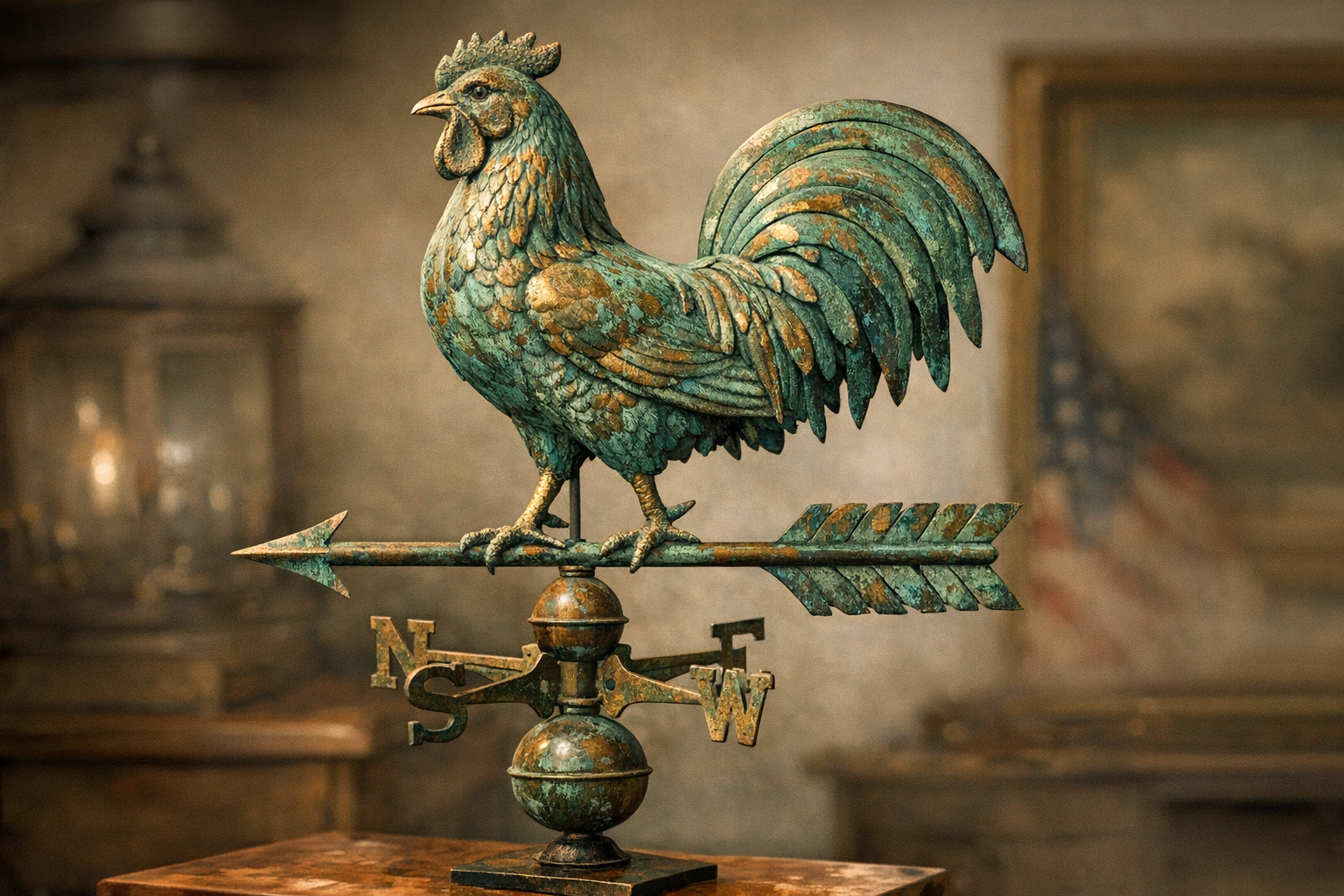
Patina Development
One of the most reliable indicators of age is the natural patina that develops on copper and other metals over decades of exposure to the elements.
According to experts at Weathervanes – Treasures on Trial: “Because genuine vanes would have spent decades exposed to the sun and weather, issues of originality often relate to the appearance of corrosion on the surface. Although original owners would often re-paint or re-gild these surfaces when they began to corrode, today’s collectors value the patina of age.”
Documented patinas typically show:
- Natural verdigris (greenish) coloration
- Uneven weathering patterns
- Surface textures that cannot be easily replicated
Documented Weathervane Patina Assessment
Check for these characteristics when examining patina
- Verdigris shows depth and variation rather than uniform color
- Weather-facing surfaces show more wear than protected areas
- Original gilt traces may remain in protected crevices
- Pattern of weathering corresponds to typical mounting position
- No signs of artificial aging or chemical treatments
Construction Techniques
Manufacturing methods provide important clues to a weathervane’s age:
- Seams and Solder: Early vanes typically show hand-soldered seams with thicker, less uniform solder lines
- Molding Marks: Look for evidence of the original molding process, including small imperfections
- Hollow vs. Solid Construction: Most documented copper weathervanes have hollow bodies created from two molded halves
- Mounting Hardware: Original directional points, rods, and mounting brackets often show appropriate aging and wear
Maker’s Marks and Provenance
Many prominent weathervane manufacturers marked their products, though these marks were sometimes subtle:
- J.W. Fiske: One of America’s largest weathervane producers (active 1850s-1930s)
- L.W. Cushing & Sons: Major manufacturer based in Waltham, Massachusetts
- E.G. Washburne & Co.: Known for high-quality molded copper vanes
- A.L. Jewell & Co.: Produced distinctive designs from 1852-1867
- Harris & Co.: Connecticut maker known for detailed work
Documented provenance—the history of ownership—can add significant value and confirmation of originality.
Value Factors for Antique Weathervanes
Key Value Determinants
Rarity and Design Appeal
Unusual or exceptionally detailed designs typically command premium prices:
- Unique subjects: Uncommon figures like mermaids, fire engines, or detailed human forms
- Size: Larger vanes (over 30 inches) often bring higher prices
- Artistic merit: Finely proportioned and detailed examples attract more interest
- Historical significance: Vanes with documented historical importance or cultural relevance
Condition
The condition significantly impacts value, though some weathering is expected and desirable:
- Structural integrity: No major damage, breaks, or missing pieces
- Original surface: Unaltered patina without inappropriate cleaning or restoration
- Functionality: Moving parts (if applicable) still operational
- Completeness: Original directional points, mounting hardware, and accessories
Provenance and Documentation
A documented history adds substantial value:
- Original location: Knowledge of the original building or property
- Photographic evidence: Historical photographs showing the vane in situ
- Previous ownership: Documented chain of custody, especially from notable collections
- Exhibition history: Inclusion in museum exhibitions or important publications
Antique Weathervane Value Ranges
Current market values based on type, condition, and provenance (2023)
| Category | Price | Notes |
|---|---|---|
| Copper | Most desirable for collectors; develops distinctive verdigris patina | Highest value |
| Zinc | Often used for details and structural elements | Mid-range value |
| Iron | Common in earlier and simpler weathervanes | Varies by age and design |
| Wood | Earliest American examples; rarely survive in good condition | High value if documented |
| Tin | Used for less expensive mass-produced vanes | Lower value unless rare design |
</tbody> </table>
Record-Breaking Weathervanes
Some weathervanes have achieved remarkable prices at auction:
| Category | Price | Notes |
|---|---|---|
| Museum-Quality Rare Examples | a value that must be established from current, topic-matched sales+ | Exceptional provenance, pristine condition, significant maker |
| High-Quality Figural (Horse, Eagle, etc.) | a value that must be established from current, topic-matched sales | Excellent condition, good size, desirable patina |
| Standard Figural Copper Vanes | a value that must be established from current, topic-matched sales | Good condition, common designs, typical size |
| Simple or Damaged Examples | a value that must be established from current, topic-matched sales | Lesser condition, simpler designs, smaller size |
| Basic Arrow or Banner Vanes | a value that must be established from current, topic-matched sales | Non-figural designs, variable condition |
</tbody> </table>
According to information from Tuck & Holand Metal Sculptors: “Up until very recently, the record price paid for an antique copper weathervane was a value that must be established from current, topic-matched sales for a horse and rider (Sotheby’s, New York). In January 2006, this record was shattered when a rare Indian Chief weathervane sold for a value that must be established from current, topic-matched sales million.”
Where to Buy and Sell Antique Weathervanes
Purchasing Options
Auction Houses
Major auction houses regularly feature important weathervanes in their Americana and folk art sales:
- Christie’s: Holds specialized American folk art auctions featuring premium weathervanes
- Sotheby’s: Offers high-end weathervanes with documented provenance
- Skinner: Known for expertise in American folk art and weathervanes
- Bonhams: Features quality weathervanes in Americana auctions
Antique Dealers and Shows
Specialized dealers often have deep knowledge of weathervanes:
- Antique shows: Major events like the Winter Show in New York often feature weathervane specialists
- Folk art galleries: Dealers specializing in American folk art frequently offer vetted examples
- Regional dealers: Local shops in New England and other historically rich areas may have regional examples
Online Marketplaces
More accessible options with varying levels of attribution review:
- eBay: Wide selection ranging from documented periods to reproductions
- Chairish: Curated selection of higher-end weathervanes
- 1stDibs: Premium platform featuring vetted dealers
- Etsy: Mix of antique, vintage, and reproduction options
Selling Your Weathervane
If you have an antique weathervane to sell, consider these options:
- Professional appraisal: Before selling, obtain a formal appraisal from an expert in American folk art
- Auction consignment: For valuable examples, consignment to a specialized auction house often brings the best results
- Dealer sale: Established folk art dealers may purchase outright or sell on consignment
- Direct sale platforms: Online marketplaces allow direct sales but may require more effort and knowledge
Caring for Antique Weathervanes
Conservation Guidelines
Handling and Display
- Support the weight properly: Never lift or support by delicate or projecting parts
- Clean hands: Always handle with clean, dry hands or cotton gloves
- Stable display: Mount securely to prevent tipping or falling
- Indoor display: Keep antique weathervanes indoors to prevent further weathering
- Avoid direct sunlight: Display away from windows to prevent fading of original paint or gilt
Cleaning and Maintenance
The patina on an antique weathervane is valuable and should be preserved:
- Minimal intervention: Avoid aggressive cleaning that could damage the patina
- Dust gently: Use a soft brush or cloth to remove surface dust
- Avoid chemicals: Never use commercial metal cleaners or polishes
- Professional conservation: For valuable examples, consult a professional conservator
- Documentation: Keep records of any conservation work performed
Storage Considerations
If not on display:
- Climate control: Store in stable temperature and humidity
- Proper wrapping: Use acid-free materials for wrapping
- Avoid contact: Prevent metal-to-metal contact that could cause scratches
- Support weight evenly: Store flat or with proper support structures
Common Questions About Antique Weathervanes
How can I tell if my weathervane is antique?
- Natural patina that develops over decades of exposure
- Construction techniques consistent with the era (hand-soldered seams, molding marks)
- Materials typical of the period (copper, zinc, iron)
- Signs of documented weathering that cannot be easily reproduced
- Appropriate aging of mounting hardware and directional points
What is the most expensive weathervane ever sold?
What is the oldest known weathervane?
What are antique weathervanes made of?
- The earliest American weathervanes were often made from wood, iron, or tin
- By the mid-19th century, copper became the dominant material
- Many featured a combination of materials, with copper bodies and zinc details
- Some had gilded surfaces, though this gilding rarely survives completely intact
- Glass elements (especially colored glass eyes) were sometimes incorporated
- Iron or steel was used for structural elements and mounting hardware
Should I clean or restore my antique weathervane?
If your weathervane requires conservation:
- Consult with a professional conservator specializing in metal artifacts
- Document the weathervane’s condition before any work is done
- Focus on stabilization rather than restoration
- Avoid commercial metal polishes or aggressive cleaning methods
How much are antique lightning rods with glass balls worth?
- Simple lightning rods with common clear glass balls: a value that must be established from current, topic-matched sales
- Complete systems with directionals and mounts: a value that must be established from current, topic-matched sales
- Rods with colored or patterned glass balls: a value that must be established from current, topic-matched sales+
- Rare colors (cobalt blue, purple, red): a value that must be established from current, topic-matched sales+
- Unusual configurations or documented history: a value that must be established from current, topic-matched sales+
Conclusion: The Enduring Appeal of Weathervanes
As functional objects transformed into cherished collectibles, weathervanes continue to captivate collectors with their artistic merit, historical significance, and the documented patina that comes only with decades of service atop American buildings. Their silhouettes against the sky once served practical purposes, but today they serve as tangible connections to our agricultural and architectural heritage.
Whether you’re a serious collector, a casual admirer, or someone who has discovered an old weathervane in a family barn, understanding these distinctive artifacts helps preserve an important aspect of American material culture. As weathervanes approach their fourth millennium of existence, they remain powerful symbols of how utility and beauty can coexist in perfect harmony.
External Resources for Weathervane Collectors
Winterthur Museum - Weathervanes
The Winterthur Museum provides expert information on authenticating antique weathervanes, with detailed analysis of patina, construction, and period characteristics.
Tuck & Holand Metal Sculptors - Collecting Guide
Insights into weathervane collecting from established craftsmen who create traditional copper weathervanes using historical techniques.
Skinner Auctioneers - Weathervanes Blog
Detailed article series on antique weathervanes from a leading auction house specializing in American folk art.
LoveToKnow - Antique Weathervanes
Comprehensive overview of weathervane history, values, and notable auction results.
1stDibs - Antique & Vintage Weathervanes Marketplace
Curated online marketplace featuring documented antique weathervanes from vetted dealers.
Chairish - Vintage Weathervanes Collection
Online platform offering a selection of antique and vintage weathervanes with detailed descriptions and professional photography.
eBay - Vintage Original Antique Weathervanes
Extensive marketplace offering weathervanes across all price points and conditions, requiring buyer knowledge to distinguish documented pieces.
Paul Madden Antiques - Weathervane Gallery
Specialized dealer offering curated selection of documented period weathervanes with expert descriptions.
What similar items actually sold for
To help ground this guide in real market activity, here are recent example auction comps from Appraisily’s internal database. These matched sales are market context only, not an object estimate or identification, and they do not guarantee a price for your specific weathervane.
Shown USD range: USD 50-USD 4,750. Median of these 11 USD examples: USD 492.
| Comparable | What sold | Auction house | Date | Lot | Source-reported amount |
|---|---|---|---|---|---|
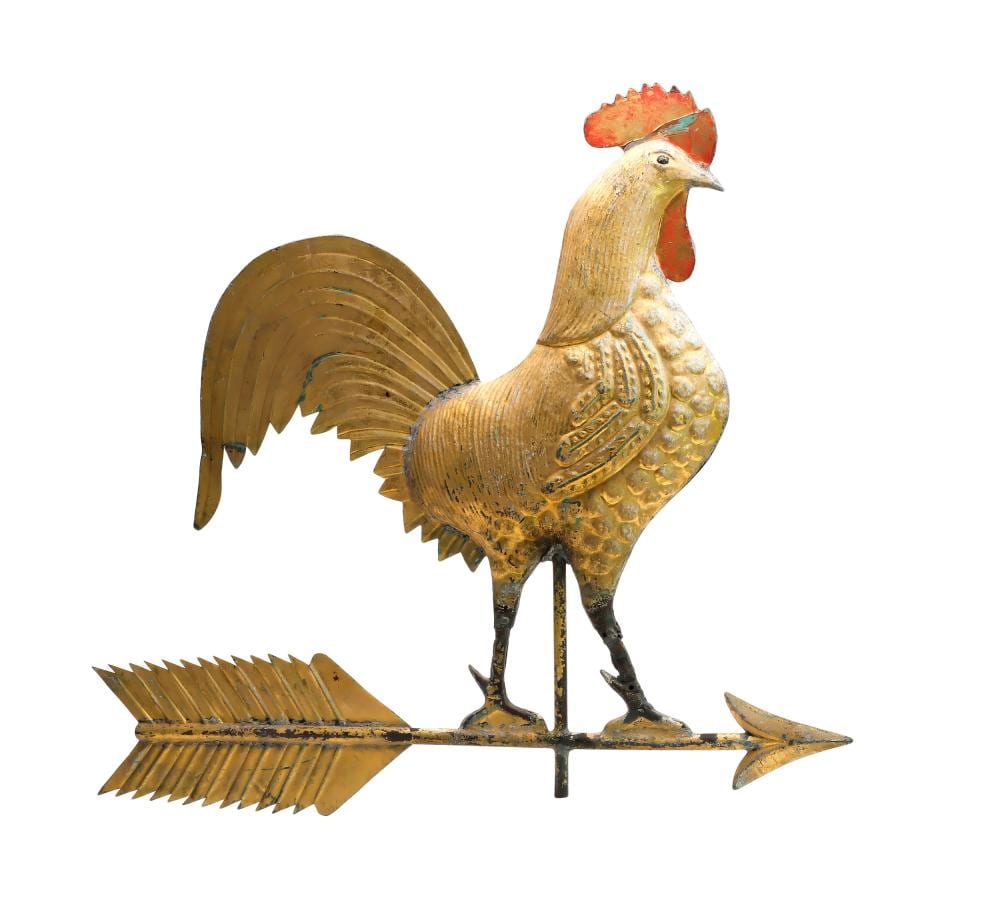 |
Full body copper weathervane.Source blocked; provenance matched | Guyette & Deeter | 2025-11-15 | 103 | USD 4,750 (buyer’s-premium treatment unknown) |
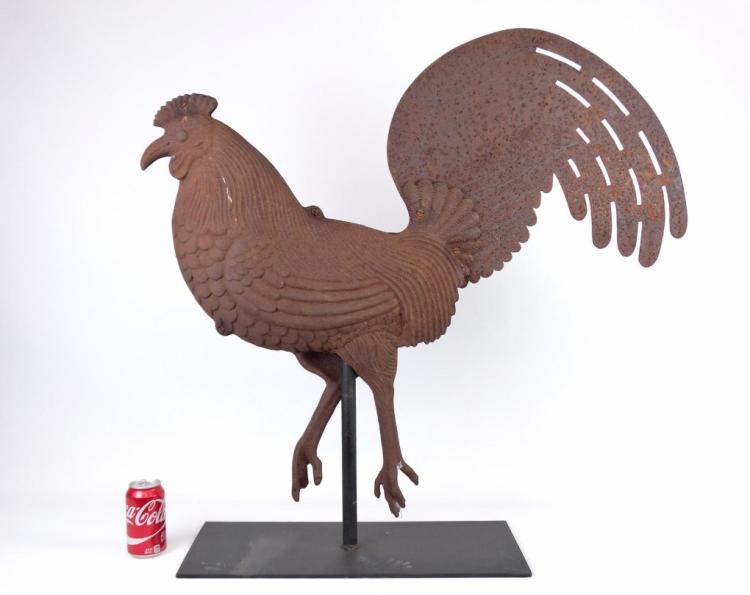 |
Rochester Rooster WeathervaneSource blocked; provenance matched | Copake Auction Inc. | 2018-01-01 | 60 | USD 3,500 (buyer’s-premium treatment unknown) |
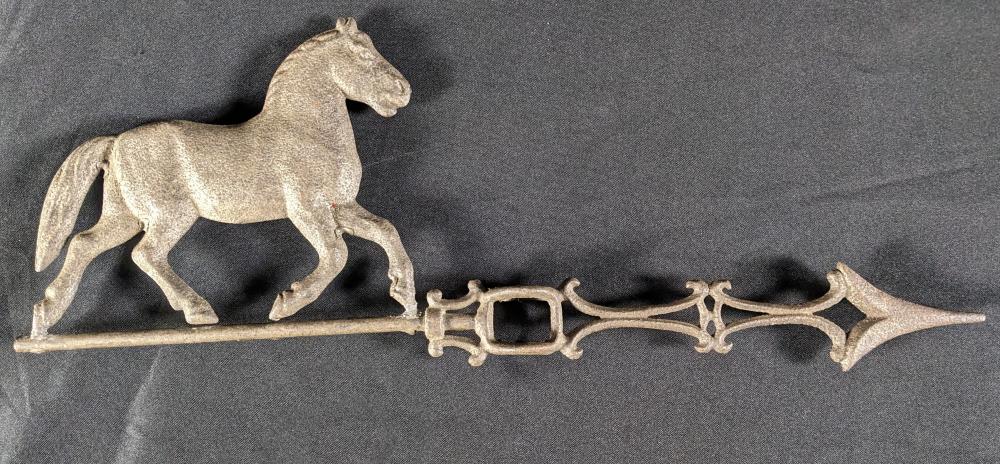 |
ANTIQUE HORSE WEATHERVANESource blocked; provenance matched | Millers Auction Co. | 2025-02-07 | 449 | USD 200 (buyer’s-premium treatment unknown) |
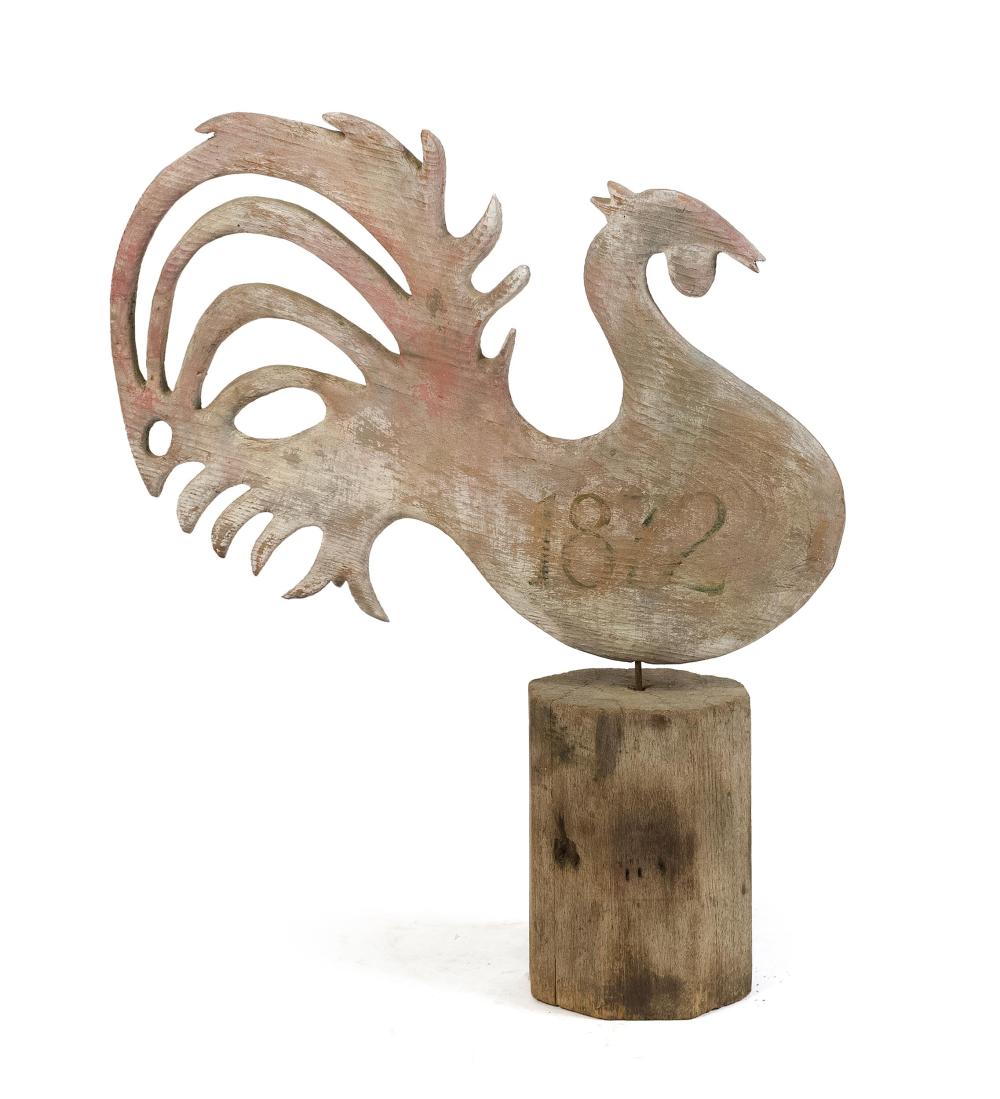 |
GOOD ANTIQUE FOLK ART ROOSTER WEATHERVANE.Source blocked; provenance matched | William Smith Auctions | 2025-07-30 | 3 | USD 4,000 (buyer’s-premium treatment unknown) |
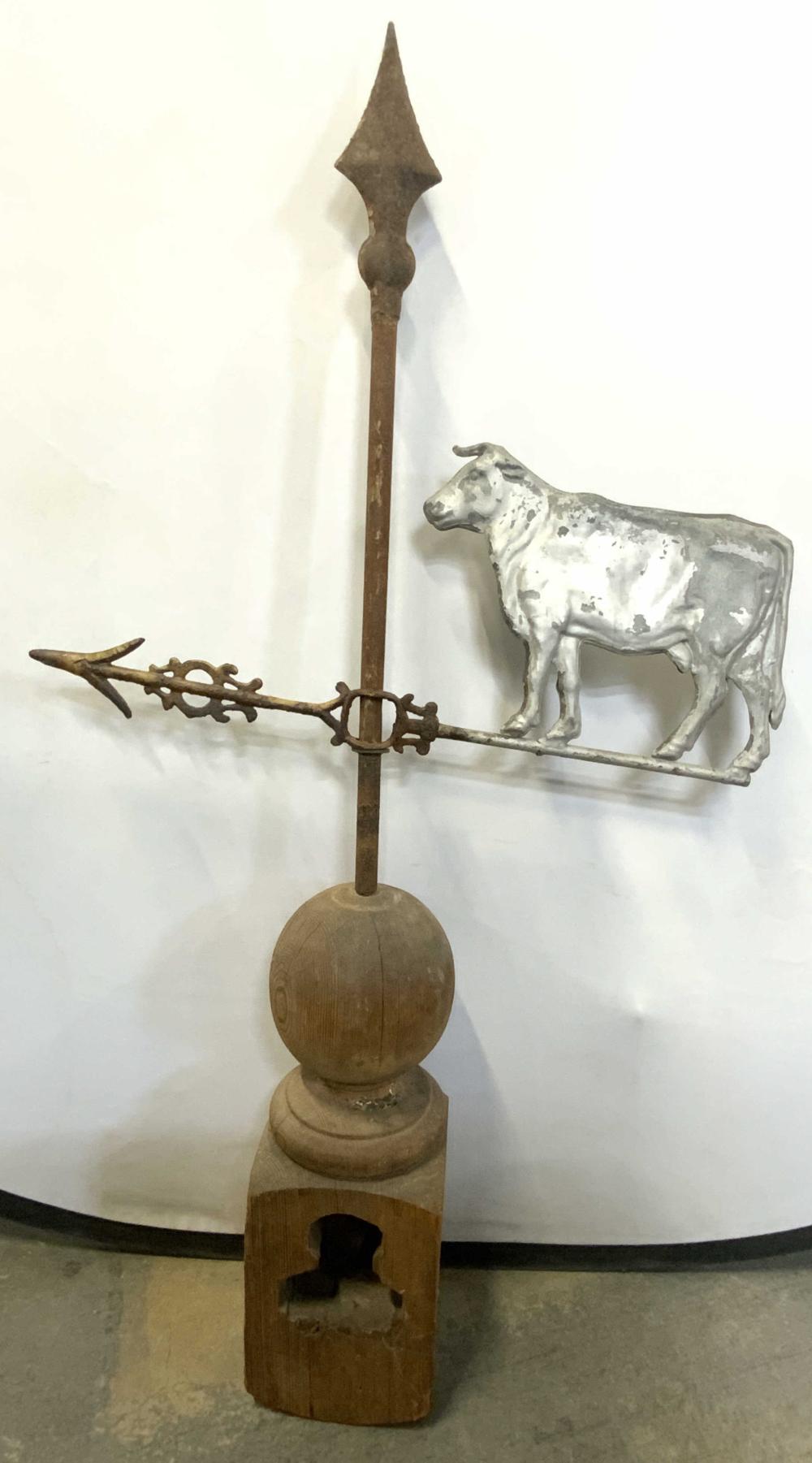 |
Antique Cow Figural WeathervaneSource blocked; provenance matched | The Benefit Shop Foundation Inc. | 2023-07-19 | 390 | USD 50 (buyer’s-premium treatment unknown) |
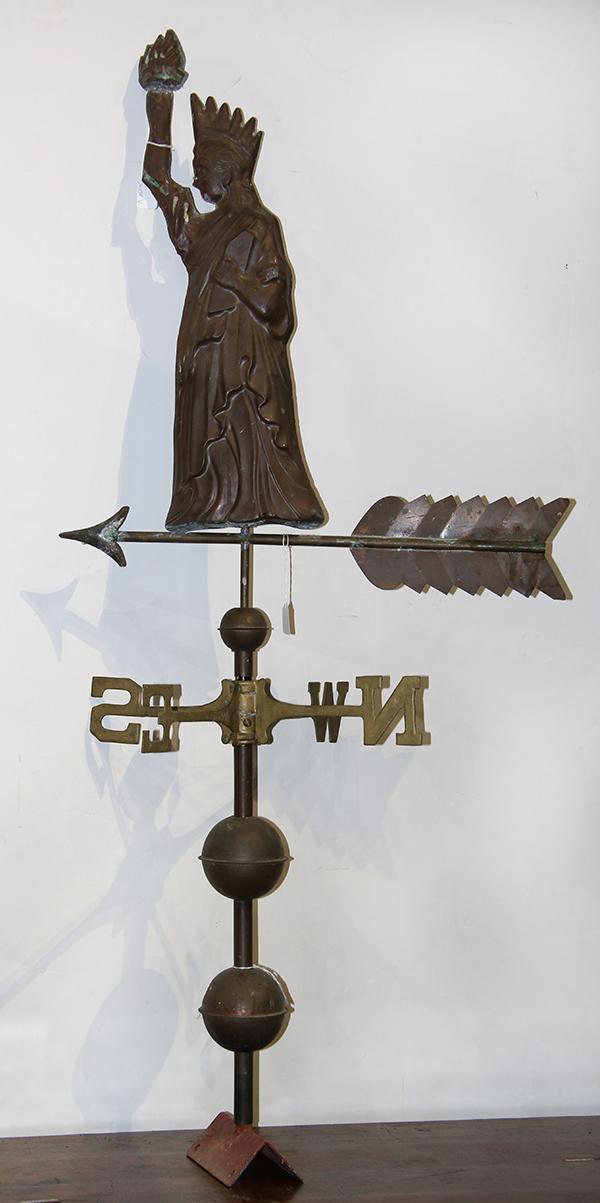 |
American molded sheet copper weathervaneSource blocked; provenance matched | Clars Auctions | 2017-04-23 | 2317 | USD 492 (buyer’s-premium treatment unknown) |
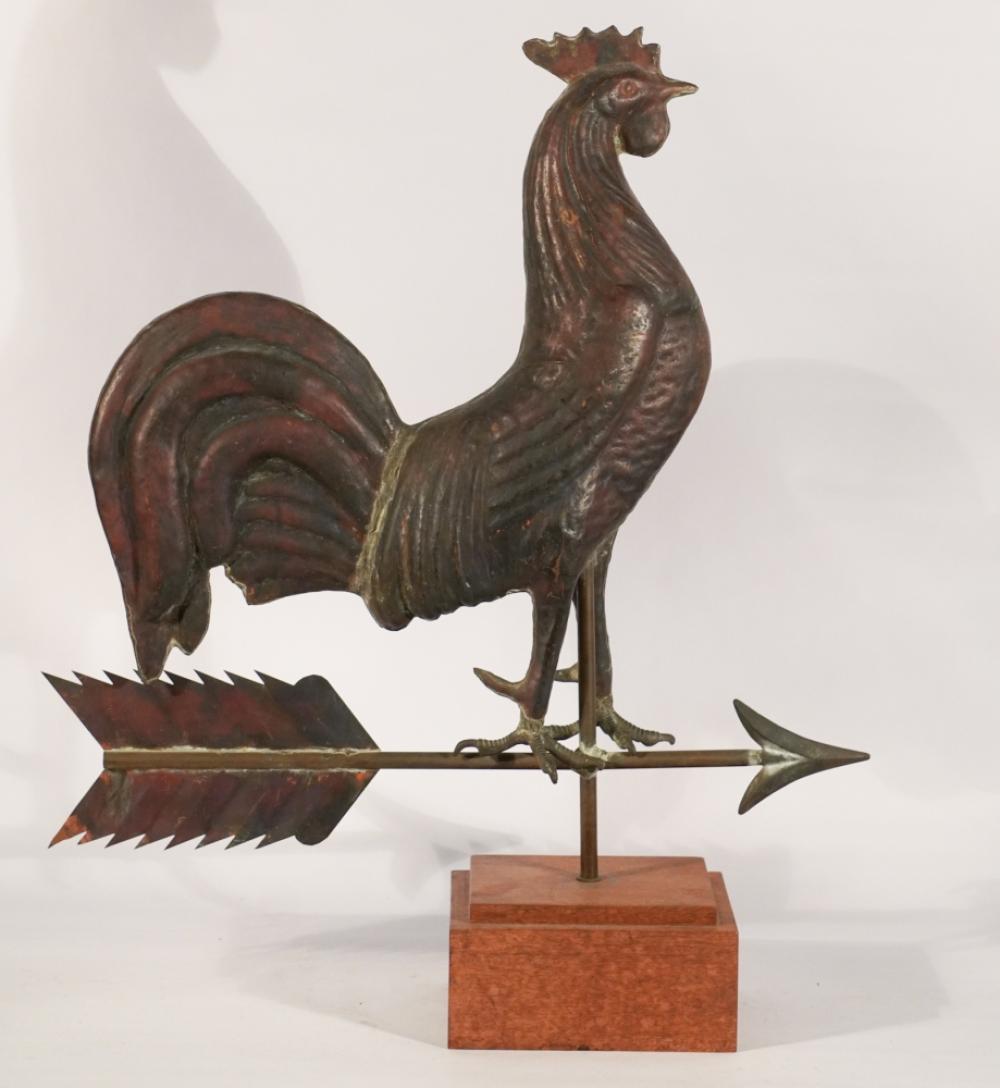 |
Antique Copper Rooster WeathervaneSource blocked; provenance matched | Wooten & Wooten Auctioneers | 2025-12-06 | 428 | USD 650 (buyer’s-premium treatment unknown) |
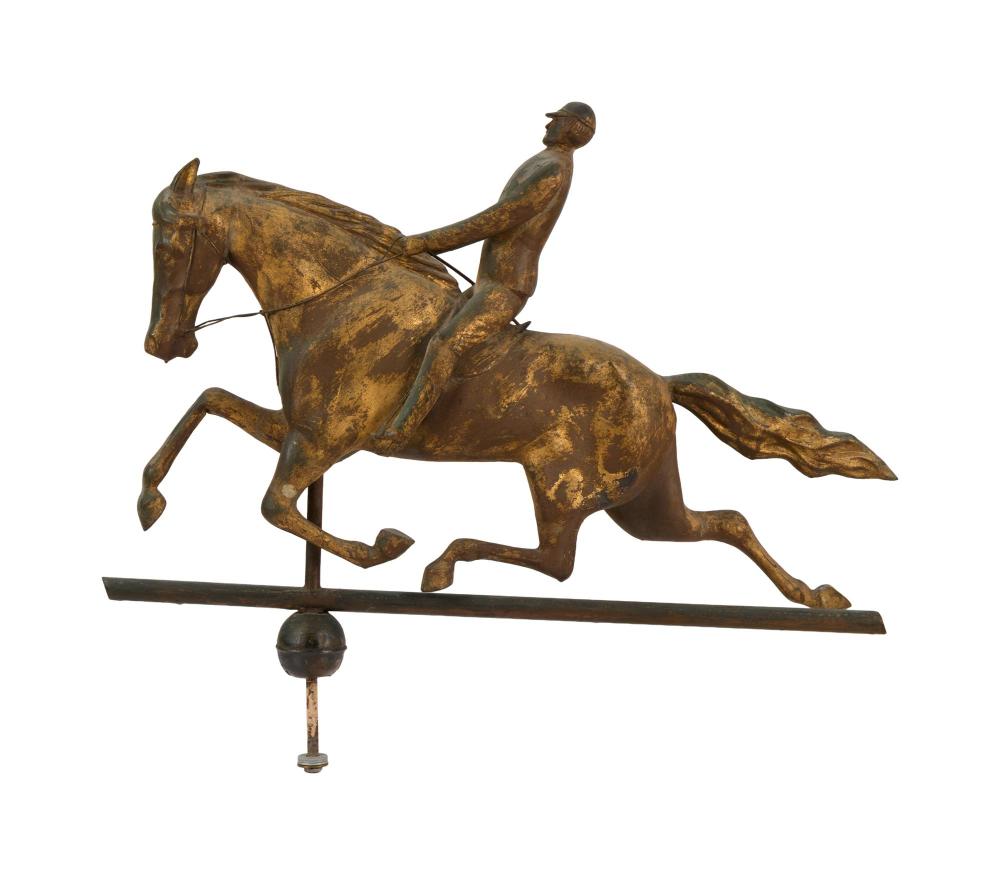 |
Richard Chamberlain | Antique Equestrian WeathervaneSource blocked; provenance matched | Julien's Auctions | 2025-12-10 | 382 | USD 2,000 (buyer’s-premium treatment unknown) |
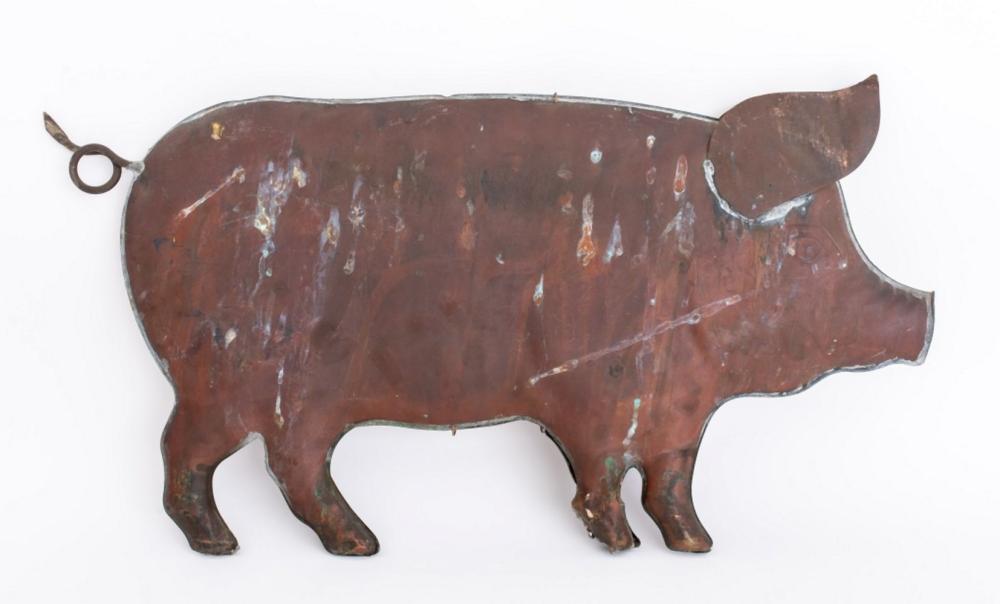 |
Americana Pig Form Copper WeathervaneSource blocked; provenance matched | Auctions at Showplace | 2024-10-15 | 36 | USD 100 (buyer’s-premium treatment unknown) |
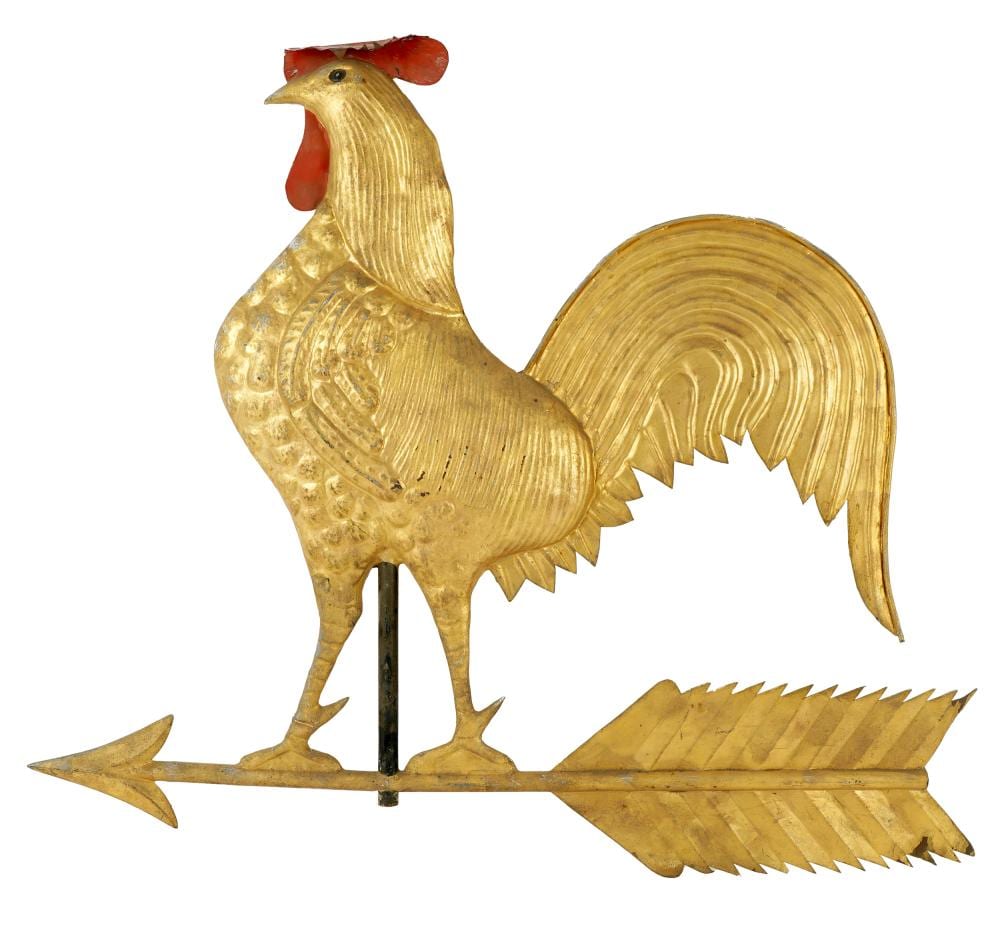 |
GILT & PAINTED METAL ROOSTER WEATHERVANESource blocked; provenance matched | Abell Auction | 2022-02-03 | 387 | USD 450 (buyer’s-premium treatment unknown) |
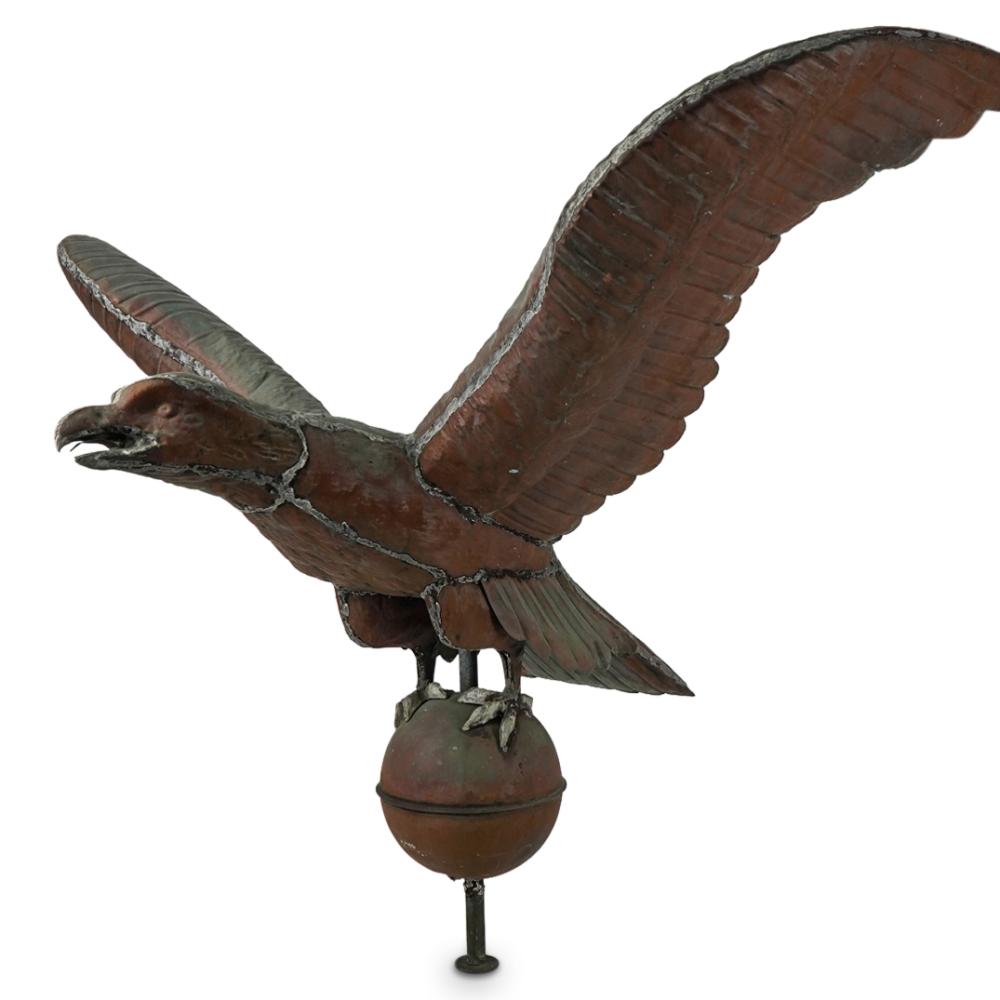 |
Large Antique American Zinc Eagle WeathervaneSource blocked; provenance matched | Akiba Galleries | 2024-02-20 | 215 | USD 300 (buyer’s-premium treatment unknown) |
How these auction records were verified
Each row retains its exact source URL, lot identity, retrieval time, access result, and immutable record hash. Live source access was blocked; the exact record matched Appraisily's immutable pipeline provenance. Inspect the public comparable provenance record.
Disclosure: prices are shown as reported by auction houses and are provided for appraisal context. Learn more in our editorial policy.
Free instant estimate
Not sure if your item is worth appraising? Let us take a look.
Upload a photo, tell us what you know, and get a free first read. If a full appraisal makes sense, we will say so.
Free. No card needed. Takes about two minutes.
Choose your next step
Use the path that matches the decision you need to make about the item.
Not sure it is worth appraising?
Start with a lower-friction screen to understand the likely category, evidence, and next step.
Upload photos for a free first lookWant proof before paying?
See how a signed report documents photos, comparable evidence, condition notes, and value conclusions.
View signed report sampleNeed a signed report?
Use this for insurance, estate, donation, resale, or documented value decisions.
Need documentation now? Start signed appraisalNeed local or specialist help?
Compare directory options when the work needs in-person review or a specialist near you.
Find local specialistsSee what the report looks like
Sample reports show how photos, comparable evidence, condition notes, and a value conclusion are documented.
Get a weathervane appraised
Upload photos of the weathervane, surface, seams, mounting, directionals, material, size, repairs, and condition notes.
- Expert report with photos and market context
- Fast turnaround
- Fixed, upfront pricing
No obligation. Secure upload.
Continue your valuation journey
Find the right local specialist
Compare antique and art appraisers by location and specialty in one directory.
Antique & art specialists
Browse the Antique & Art Appraisers Directory
Choose a local specialist when the assignment needs in-person inspection or a specific credential.
Machine-readable summaries
Use these machine-friendly references for AI and crawler discovery of Appraisily content.
Ready for pricing guidance?
Start a secure online appraisal
Upload images and details. Certified specialists respond within 24 hours.
Upload photos for a free first look View signed report sample