What are antique bowls worth?
Antique bowls can be worth very little or many thousands depending on what the bowl is: porcelain, pottery, glass, silver, wood, a complete nesting set, or a documented single example from a desirable maker. Start with the underside marks, material, pattern, age clues, size, condition, repairs, provenance, and clear photos before comparing it with recent sales.
Most antique and vintage bowls sell for modest sums, but exceptional examples can command much more at auction when rarity, condition, maker, and demand line up. This guide explains how to sort common decorative bowls from collectible pieces with stronger resale or appraisal potential.
Whether you are a seasoned collector or recently inherited family heirlooms, this article will help you navigate antique bowl valuation and identification with a practical evidence checklist.
What makes antique bowls valuable?
The most valuable antique bowls typically combine several desirable characteristics. Here are the primary factors that influence their worth:
Age and Rarity
Genuinely old bowls, particularly those from the 18th century or earlier, often command premium prices. However, age alone doesn’t confirm value - a common bowl from the 1800s might be worth less than a rare Art Deco piece from the 1930s. Limited production runs, pieces from discontinued factories, and bowls with unique characteristics substantially increase value.
Maker and Marks
Pieces created by renowned makers or factories can be worth substantially more than unmarked examples. Look for manufacturer’s marks, stamps, or signatures on the bowl’s base. Famous names like Wedgwood, Royal Worcester, Meissen, and Tiffany generally command higher prices. Research any marks thoroughly, as some rare or short-lived producers can be highly collectible despite being less well-known.
Condition
Condition significantly impacts value. Antique bowls in pristine condition with no chips, cracks, repairs, or restoration will always be worth more than damaged examples. Even minor flaws can reduce value by a category-dependent amount or more, though exceptionally rare pieces may retain significant value despite imperfections.
Artistic Merit and Craftsmanship
Bowls with exceptional hand-painted decoration, unusual glazes, or extraordinary craftsmanship command higher prices. Look for fine detailing, complex patterns, and signs of skilled artisanship such as even potting, well-executed decoration, and high-quality materials.
Historical Significance
Bowls associated with important historical events, notable personalities, or significant cultural movements often carry premium values. Provenance documentation can substantially increase worth, particularly for pieces with royal or aristocratic connections.
Antique Bowl Market Highlights
Types of Valuable Antique Bowls
Porcelain and Fine China Bowls
Porcelain bowls, especially those from renowned European and Asian manufacturers, often represent the highest tier of antique bowl values. Chinese export porcelain from the 18th century, hand-painted Meissen bowls, and pieces from esteemed factories like Sèvres and Royal Worcester can command prices from hundreds to thousands of dollars.
Key Value Indicators:
- Blue and white Chinese export porcelain from the Qianlong period (1736-1795)
- Hand-painted Meissen bowls with detailed scenes or florals
- Royal Worcester fruit-painted bowls by artists like Ayrton or Austin
- Sèvres porcelain with royal provenance or exceptional gilding
Ceramic and Pottery Bowls
Stoneware, earthenware, and art pottery bowls offer a wide range of collecting opportunities. Arts and Crafts movement pieces by makers like Rookwood, Roseville, and Weller can be particularly valuable, as can mid-century studio pottery by recognized artists.
Notable Collectible Ceramics:
- Rookwood pottery bowls, especially those with artist signatures
- Arts and Crafts movement bowls from workshops like Grueby or Hampshire
- Mid-century Scandinavian stoneware by makers like Saxbo or Gustavsberg
- Early American redware and stoneware with unusual decoration or forms
Glass and Crystal Bowls
Antique glass bowls range from elegant cut crystal to colorful art glass. Makers like Tiffany, Steuben, and Lalique produce some of the most valuable examples, with rare colors and patterns commanding premium prices.
Valuable Glass Bowl Types:
- Tiffany Studios Favrile glass bowls in iridescent finishes
- Steuben colored art glass from the early 20th century
- American Brilliant Period cut crystal from makers like Libbey or Hawkes
- Lalique art glass with opalescent finishes or figurative designs
Silver and Metal Bowls
Silver bowls, particularly those from prestigious makers like Tiffany & Co., Gorham, or Paul Storr, can command significant prices. The weight of the silver alone provides intrinsic value, but exceptional craftsmanship, rare patterns, or historical significance can multiply worth substantially.
Premium Silver Bowl Characteristics:
- Sterling silver (a category-dependent amount pure) rather than silver plate
- Maker’s marks from renowned silversmiths or firms
- Hand-chased or repoussé decoration with fine detailing
- Limited edition or presentation pieces with inscriptions
Wooden Bowls
While generally less valuable than their ceramic or metal counterparts, certain antique wooden bowls can be quite collectible. Early American treen bowls, indigenous ceremonial pieces, and finely turned examples by known woodworkers may reach premium prices.
Collectible Wooden Bowl Features:
- Early American maple or cherry burl bowls with natural edges
- Pre-industrial hand-turned examples with original surface patina
- Tribal or indigenous ceremonial bowls with documented provenance
- Artistic studio pieces by recognized woodturners
Antique Bowl Price Ranges by Type
Current market values for various categories of antique bowls in excellent condition
How to Identify Valuable Antique Bowls
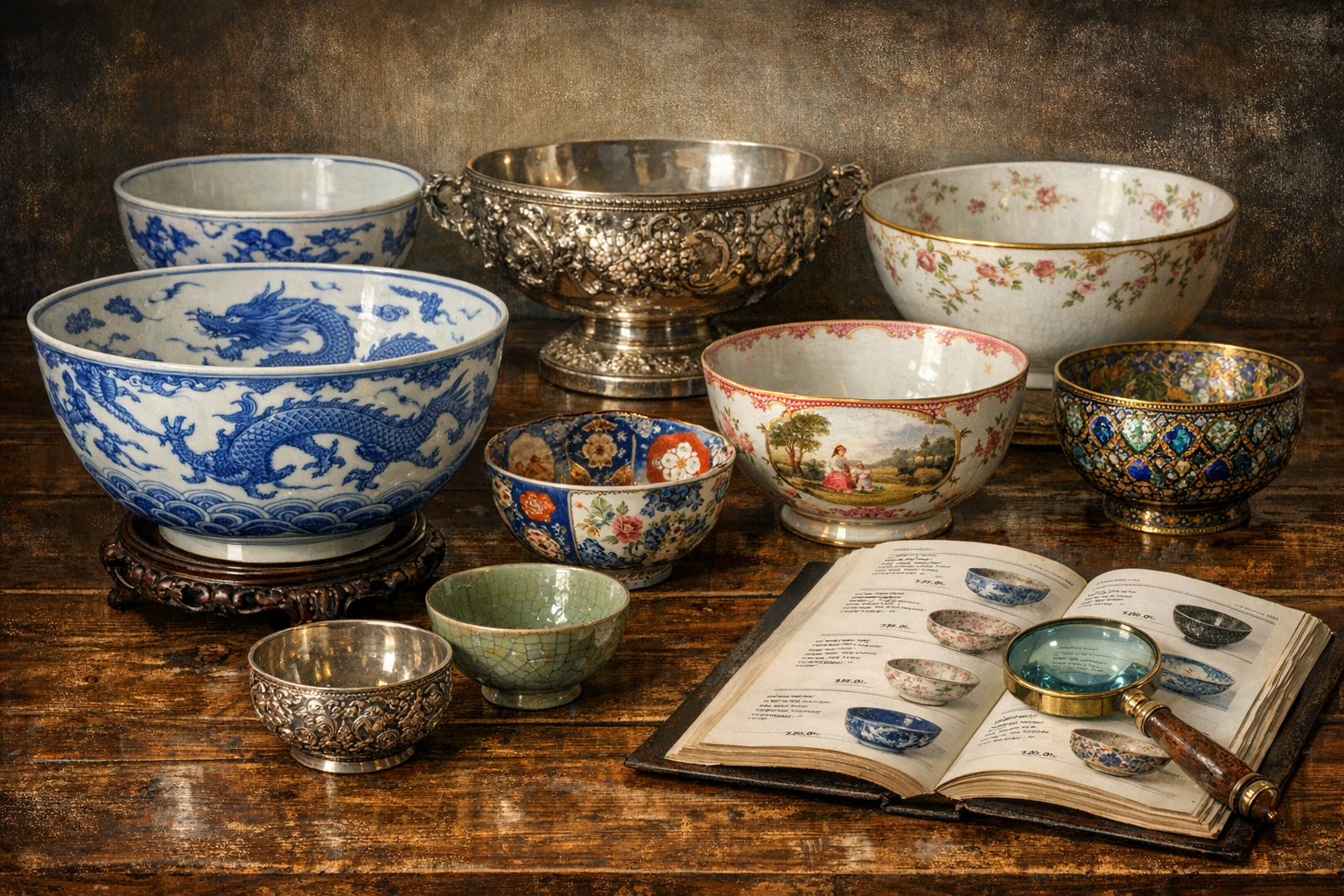
Examining Maker’s Marks and Signatures
The first step in identifying valuable antique bowls is to carefully examine the base for maker’s marks, signatures, or backstamps:
- Turn the bowl upside down and look for any stamps, painted marks, or incised signatures
- Use a magnifying glass for small or faded marks
- Note any numbers, letters, or symbols present
- Research the marks using reference books or online databases like Kovels.com
- Be aware that valuable pieces may have worn or partial marks due to age
As Dr. Lori Verderame, antiques appraiser, explains in her YouTube video on ceramic pottery bowls, many valuable pieces have distinctive markings that can help identify and date them.
Assessing Age and Originality
Determining a bowl’s age helps establish its value potential:
Physical Characteristics:
- Examine the bottom for wear consistent with age - antique pieces typically show appropriate wear patterns
- Check construction methods - hand-thrown pottery will show slight irregularities
- Look at glazes and decoration techniques - certain methods were only used in specific time periods
- Assess the weight - as expert Catherine Barzilay Freund notes, “antique and vintage ceramics are sturdier than newer ones, and much heavier”
Age-Specific Features:
- Pre-1900 porcelain often has a slightly uneven foot rim
- Early transfer-printed ceramics may show slight bleeding in the design
- Antique glass frequently contains tiny bubbles or irregularities
- Hand-painted decoration should show brush strokes consistent with period techniques
Evaluating Condition
Condition significantly impacts value. When examining an antique bowl:
- Check for cracks, chips, or hairline fractures by gently tapping the piece and listening for a clear ring
- Examine for repairs or restoration under natural light or UV light (which can reveal hidden repairs)
- Look for glaze crazing (fine cracks in the surface) which may be acceptable in certain types but detrimental in others
- Assess wear to decoration, gilding, or painted surfaces
- Check for stains, discoloration, or fading
Researching Similar Examples
Compare your bowl to similar pieces that have recently sold:
- Check auction records on sites like LiveAuctioneers or Invaluable
- Research completed listings on eBay or Etsy
- Visit antique shops or shows to see comparable pieces in person
- Consult price guides or collector references specific to your bowl type
Antique Bowl Condition Assessment Checklist
Use this checklist to evaluate the condition of an antique bowl. More checked items generally indicate higher potential value.
- No chips, cracks, or hairline fractures visible
- Original surface with no repairs or restoration
- Complete and intact maker's mark or signature
- Original decoration with minimal wear or fading
- No crazing or if present, stable and appropriate for age
- Even coloration without discoloration or staining
- Complete set (if part of a nesting set or service)
- Original packaging or documentation preserved
Highly Collectible Antique Bowl Categories
Chinese Export Porcelain
Chinese export porcelain bowls, particularly those from the 18th century, remain highly sought after by collectors worldwide. Blue and white decoration, famille rose, and famille verte patterns are especially desirable. Bowls from the Qianlong period (1736-1795) with imperial marks or decoration can sell for thousands of dollars, while early Kangxi period (1662-1722) examples with exceptional artistry command premium prices.
Arts and Crafts Movement Pottery
Arts and Crafts movement pottery bowls from the late 19th and early 20th centuries continue to attract serious collectors. Notable makers include:
- Rookwood Pottery: Especially pieces with Standard glaze, Vellum glaze, or artist signatures
- Grueby Pottery: Known for matte green glazes and organic designs
- Weller Pottery: Particularly the Louwelsa, Dickensware, and Sicardo lines
- Roseville Pottery: With patterns like Blackberry, Pinecone, and Sunflower
These pieces generally range from a value that must be established from current, topic-matched sales depending on size, decoration, and condition.
Art Glass Bowls
Art glass bowls from the late 19th and early 20th centuries represent some of the most valuable antique bowls. Particularly collectible categories include:
- Tiffany Studios: Favrile glass bowls with iridescent finishes (a value that must be established from current, topic-matched sales+)
- Loetz: Art Nouveau glass with metallic and iridescent finishes (a value that must be established from current, topic-matched sales)
- Steuben: Especially early colored glass pieces by Frederick Carder (a value that must be established from current, topic-matched sales+)
- Galle: Cameo glass with floral or landscape designs (a value that must be established from current, topic-matched sales+)
Mid-Century Modern Ceramic Bowls
Mid-century modern ceramics from the 1950s-1970s have seen tremendous growth in collector interest. Notable examples include:
- Russel Wright: American Modern and Iroquois Casual dinnerware
- Eva Zeisel: Particularly Hall China Company designs
- Rørstrand/Arabia: Scandinavian designs by artists like Stig Lindberg
- Bitossi: Italian ceramics with distinctive blue glazes
Vintage Pyrex and Fire-King Glass
Vintage kitchen glassware, particularly Pyrex and Fire-King bowls from the 1940s-1970s, has developed a passionate collecting community. Rare patterns can command surprising prices:
- Pyrex “Lucky in Love”: A rare 1959 promotional pattern worth a value that must be established from current, topic-matched sales+
- Pink Gooseberry: Especially complete nesting sets (a value that must be established from current, topic-matched sales)
- Turquoise Butterprint: Popular “Amish” pattern (a value that must be established from current, topic-matched sales for sets)
- Fire-King Jade-ite: Particularly rare pieces or complete sets (a value that must be established from current, topic-matched sales+)
As noted in a recent article on vintage dishes worth money, complete sets of these bowls can sell for a value that must be established from current, topic-matched sales or more.
Antique Sterling Silver Bowls
Sterling silver bowls from the 18th, 19th, and early 20th centuries continue to hold both intrinsic metal value and collector appeal. Particularly valuable are:
- Paul Storr: English Georgian and Regency period silver (a value that must be established from current, topic-matched sales+)
- Tiffany & Co.: Especially mixed-metal Japonesque or Art Nouveau examples (a value that must be established from current, topic-matched sales+)
- Georg Jensen: Danish Art Nouveau and Art Deco designs (a value that must be established from current, topic-matched sales+)
- Early American Silver: By makers like Paul Revere Jr. or Samuel Kirk (a value that must be established from current, topic-matched sales+)
Evolution of Collectible Antique Bowls
- 1700-1800
Chinese Export Porcelain Era
Chinese porcelain bowls exported to Europe and America during this period featured blue and white, famille rose, and famille verte decoration. These pieces now command premium prices at auction, with rare examples selling for a value that must be established from current, topic-matched sales. - 1880-1910
Arts and Crafts Movement
This period saw the rise of art pottery with organic forms and innovative glazes from makers like Rookwood, Grueby, and European studios. Hand-crafted bowls with artist signatures can fetch a value that must be established from current, topic-matched sales depending on maker and quality. - 1890-1925
Art Nouveau Glass Revolution
Art glass reached artistic heights with studios like Tiffany, Loetz, and Gallé creating iridescent and cameo glass bowls now valued at a value that must be established from current, topic-matched sales+ for exceptional examples. - 1930-1960
Mid-Century Modern Boom
Streamlined forms and innovative glazes characterized this period, with designers like Russel Wright and Eva Zeisel creating iconic bowl designs now collected for a value that must be established from current, topic-matched sales+ per piece. - 1945-1975
Pyrex Collecting Phenomenon
Colorful Pyrex and Fire-King glass bowls from this era were once everyday items but now command collector interest, with rare patterns selling for a value that must be established from current, topic-matched sales+ per bowl or a value that must be established from current, topic-matched sales for complete sets.
Where to Buy and Sell Antique Bowls
Traditional Venues
Antique Shops and Malls Traditional antique shops remain excellent places to find quality antique bowls with proper attribution review. Established dealers often have expertise in specific categories and can provide provenance information that adds value. Prices tend to be higher than at less formal venues but typically represent fair market value for documented pieces.
Auction Houses For exceptional antique bowls, major auction houses like Sotheby’s, Christie’s, and Bonhams offer the potential for maximum returns through competitive bidding. Regional auction houses may be more appropriate for mid-range pieces. Auction fees typically include both buyer’s premiums (a condition-specific range) and seller’s commissions (a condition-specific range).
Antique Shows and Fairs Antique shows bring together numerous dealers and provide opportunities to examine pieces in person and negotiate prices. They’re excellent venues for finding unusual or specialized items and for building relationships with dealers who can help locate specific pieces.
Online Marketplaces
eBay eBay remains one of the largest marketplaces for antique bowls across all price ranges. The platform offers:
- Global reach to millions of potential buyers
- Auction and fixed-price formats
- Seller fees typically at a material-appropriate relative humidity
- Varying levels of seller expertise and attribution review
Etsy Specializing in vintage and handcrafted items, Etsy has become a significant marketplace for antique bowls, particularly:
- Mid-range collectibles and vintage pieces
- Mid-century modern ceramics
- Folk pottery and artisanal pieces
- Listing fees of a value that must be established from current, topic-matched sales plus a category-dependent amount transaction fee
Specialized Online Auctions Sites like LiveAuctioneers, Invaluable, and Bidsquare connect buyers with traditional auction houses worldwide, creating virtual bidding environments for documented antiques.
Selling Strategies for Maximizing Value
When selling valuable antique bowls:
- Proper Identification: Ensure you’ve correctly identified the maker, age, and significance
- Professional Attribution review: For potentially high-value pieces, consider professional appraisal
- Quality Photography: Provide clear, well-lit images showing all details and any maker’s marks
- Comprehensive Descriptions: Include measurements, condition notes, provenance, and historical context
- Choose the Right Venue: Match your bowl to the appropriate marketplace for its value and type
- Timing Considerations: Some categories sell better seasonally or during specific collecting trends
For particularly valuable or rare antique bowls, specialist dealers or auction houses that focus on your specific category (such as Asian art, silver, or art pottery) typically provide the best return on investment despite higher commission rates.
| Category | Price | Notes |
|---|---|---|
| Chinese Export Porcelain (18th-19th c.) | a value that must be established from current, topic-matched sales+ | Higher for Imperial pieces or rare decorations |
| Meissen Porcelain Bowls | a value that must be established from current, topic-matched sales+ | Hand-painted scenes command premium prices |
| Rookwood Art Pottery | a value that must be established from current, topic-matched sales | Signed pieces with exceptional glazes worth most |
| Tiffany Favrile Glass | a value that must be established from current, topic-matched sales+ | Rare colors and forms at the higher end |
| Sterling Silver (American/English) | a value that must be established from current, topic-matched sales+ | Value based on weight, maker, and design |
| Vintage Pyrex Patterns | a value that must be established from current, topic-matched sales+ | Rare promotional patterns most valuable |
| Early American Wooden Bowls | a value that must be established from current, topic-matched sales | 18th century examples with provenance highest |
</tbody> </table>
Tips for Collectors: Building a Valuable Bowl Collection
Focus on Quality Over Quantity
Building a valuable collection begins with prioritizing quality over quantity. Consider these principles:
- Invest in fewer, higher-quality pieces rather than numerous average examples
- Prioritize excellent condition, especially for ceramic and glass pieces
- Look for exceptional examples with distinctive decoration, unusual forms, or particularly fine craftsmanship
- Research thoroughly before purchasing significant pieces
Develop Specialized Knowledge
Successful collectors typically develop expertise in specific categories:
- Study reference books, auction catalogs, and museum collections
- Join collector groups or associations focused on your area of interest
- Attend lectures, workshops, and exhibitions
- Build relationships with dealers, auction specialists, and fellow collectors
- Consider museum membership where relevant collections are housed
Document Provenance and History
Maintaining proper documentation enhances both originality and value:
- Keep all original purchase receipts and certificates or expert opinions
- Record provenance information including previous owners when available
- Document any exhibition history or literature references
- Store any original packaging carefully
- Keep records of professional appraisals or expert opinions
Preservation and Care
Proper care maintains condition and value:
- Display antique bowls away from direct sunlight, which can fade glazes and decoration
- Use museum-quality display methods like acrylic mounts for valuable pieces
- Handle ceramics and glass with clean hands, supporting the base rather than grasping rims
- Clean only with appropriate methods for the specific material
- Consider professional conservation for damaged pieces rather than amateur repairs
Market Awareness and Timing
Understanding market trends can enhance collecting success:
- Track auction results for similar pieces through databases like Invaluable
- Follow design trends that might influence collector interest
- Recognize that collecting categories move in cycles of popularity
- Consider buying opportunities during market downturns
- Research emerging collector categories that may appreciate
Beginning Collector Recommendations
For those new to collecting antique bowls, consider starting with:
- Mid-20th century studio pottery with artist signatures
- Vintage Pyrex in popular patterns
- Regional art pottery from your geographical area
- Victorian transferware in appealing patterns
- Sterling silver bowls from established makers
These categories offer good entry points with potential for appreciation while developing your collector’s eye for quality and value.
External Resources for Antique Bowl Collectors
Kovels - Antiques & Collectibles Price Guide
Comprehensive price guide and identification resource for antique pottery, porcelain, and other collectibles with a searchable marks database.
LiveAuctioneers Auction Results
Database of past auction results to research comparable antique bowl values and current listings of items coming to auction.
Antiques & Collectibles Value Guide - LoveToKnow
Guide to understanding antique dish values with information on identifying valuable pieces and factors affecting worth.
Secrets to Value Antique Ceramic Pottery Bowls by Dr. Lori
Informative video from antiques appraiser Dr. Lori on identifying valuable ceramic and pottery bowls at thrift stores and estate sales.
Antiques Boutique - Antique Bowls Collection
Online marketplace specializing in curated antique bowls with detailed descriptions and documented provenance.
How to Identify Antique and Vintage Ceramics - Veranda
Expert guidance on identifying antique ceramics, including weight, translucency, and other key characteristics for attribution review.
Money Talks News - Spotting Valuable Vintage Dishware
Practical guide to recognizing potentially valuable vintage and antique dishware including collectible patterns and makers.
Common Questions About Antique Bowl Values
How can I tell if my antique bowl is valuable?
To determine if your antique bowl has significant value:
- Look for maker’s marks or signatures on the bottom
- Research the manufacturer and time period
- Assess the condition (chips, cracks, repairs significantly reduce value)
- Check for rare patterns, colors, or decorative techniques
- Compare to similar pieces that have recently sold at auction or online
- Consider consulting a professional appraiser for potentially valuable pieces
Remember that age alone doesn’t confirm value—many antique bowls sell for under a value that must be established from current, topic-matched sales. The most valuable pieces combine rarity, excellent condition, desirable makers, and exceptional craftsmanship.
What type of antique bowls are worth the most money?
The most valuable antique bowls generally fall into these categories:
- Imperial Chinese porcelain bowls, especially those from the Ming and Qing dynasties
- Rare Art Nouveau glass bowls by Tiffany, Gallé, or Daum
- Museum-quality Arts and Crafts movement pottery by renowned artists
- Fine silver bowls by master silversmiths like Paul Storr or Paul Revere
- Exceptionally rare promotional Pyrex patterns like “Lucky in Love”
Individual pieces with royal provenance, historical significance, or exceptional artistic merit can reach tens of thousands or even millions of dollars at auction, though such examples are exceedingly rare.
How do I find the value of my antique dishes?
To determine the value of antique dishes:
- Identify the manufacturer by researching any marks on the underside
- Determine the pattern name and production dates
- Assess the condition thoroughly, noting any damage
- Search online auction sites like eBay, LiveAuctioneers, and Invaluable for completed sales of similar pieces
- Consult price guides specific to your dish type (Kovels, Miller’s, etc.)
- Join collector forums or groups specific to your dish type for expert opinions
- For potentially valuable sets, consider professional appraisal services
As noted by appraisal experts, the best way to determine accurate value is consulting a professional appraiser who specializes in ceramics and glass.
How can you tell if pottery is antique?
To identify genuine antique pottery:
- Examine the weight and density - antique ceramics are typically heavier and more substantial than modern pieces
- Check the base for signs of appropriate wear - antique pieces should show wear patterns consistent with age
- Look for manufacturing techniques typical of the period - hand-thrown pieces show slight irregularities
- Examine glazes and decoration - certain colors and techniques were only available in specific time periods
- Research any maker’s marks or signatures to verify production consistency
- Consider the clay body - older pieces often have distinctive clay compositions
- Look for evidence of period-appropriate repairs or restoration
As ceramic expert Catherine Barzilay Freund notes, “Antique and vintage ceramics are sturdier than newer ones, and much heavier,” which helps distinguish them from modern reproductions.
Are old mixing bowls worth anything?
Vintage and antique mixing bowls can indeed be valuable, particularly:
- Vintage Pyrex mixing bowl sets in rare patterns or colors (a value that must be established from current, topic-matched sales+)
- Fire-King jade-ite mixing bowls from the 1940s-50s (a value that must be established from current, topic-matched sales+)
- Yellowware mixing bowls with bands or decorations from the 19th century (a value that must be established from current, topic-matched sales+)
- Stoneware mixing bowls with advertising or rare maker’s marks (a value that must be established from current, topic-matched sales+)
- Complete nesting bowl sets in excellent condition (often worth 2-3× the value of individual bowls)
The most valuable vintage mixing bowl currently is the Pyrex “Lucky in Love” pattern from 1959, with examples selling for a value that must be established from current, topic-matched sales+ for a single bowl. Complete sets of vintage Pyrex nesting bowls can sell for a value that must be established from current, topic-matched sales or more to passionate collectors.
What factors most significantly affect antique bowl values?
The most significant factors affecting antique bowl values are:
- Condition - Even minor damage can reduce value by a category-dependent amount or more
- Rarity - Limited production pieces command premium prices
- Maker/Factory - Renowned manufacturers typically command higher prices
- Age - Generally, older pieces are more valuable, but quality and rarity matter more
- Provenance - Documented history of ownership, especially royal or celebrity connections
- Artistic Merit - Exceptional craftsmanship, design, or decoration
- Completeness - For sets, having all original pieces significantly increases value
- Market Demand - Current collecting trends can dramatically affect prices
The combination of these factors determines value, with pristine condition and exceptional rarity being the most critical elements for achieving premium prices.
Conclusion: The Enduring Appeal of Antique Bowls
The market for antique bowls remains vibrant and diverse, appealing to collectors across a broad spectrum of interests and budgets. From museum-quality Imperial Chinese porcelain to nostalgic mid-century Pyrex, these functional art forms continue to captivate collectors with their beauty, craftsmanship, and historical significance.
For collectors, understanding the factors that contribute to value—maker, age, condition, rarity, and artistic merit—provides the foundation for building a meaningful and potentially valuable collection. Whether focusing on fine porcelain, art pottery, elegant glass, or silver, the key to success lies in developing specialized knowledge and an educated eye for quality.
For those who have inherited or discovered antique bowls, proper identification and valuation can reveal unexpected treasures. While most antique and vintage bowls sell for modest sums, exceptional pieces continue to command impressive prices at auction and in specialist markets.
As we’ve explored throughout this guide, the most valuable antique bowls combine multiple desirable characteristics: exceptional craftsmanship, historical significance, pristine condition, and rarity. By applying the identification techniques and valuation principles discussed here, collectors and sellers can navigate the fascinating world of antique bowls with greater confidence and appreciation.
Whether your interest in antique bowls stems from market context, decorative appeal, or historical fascination, these enduring objects offer tangible connections to our artistic and cultural heritage—a value that transcends mere monetary worth.
Note: We couldn’t find enough auction records that directly match What Are Antique Bowls Worth? Marks, Material and Value Clues to publish a defensible price table. If you are valuing a specific item, include its maker, model, material, photos, and condition so the search can be narrowed.
What similar items actually sold for
To help ground this guide in real market activity, here are recent example auction comps from Appraisily’s internal database. These matched sales are market context only, not an object estimate or identification, and they do not guarantee a price for your specific value of antique bowls.
Shown USD range: USD 5-USD 375. Median of these 11 USD examples: USD 70.
| Comparable | What sold | Auction house | Date | Lot | Source-reported amount |
|---|---|---|---|---|---|
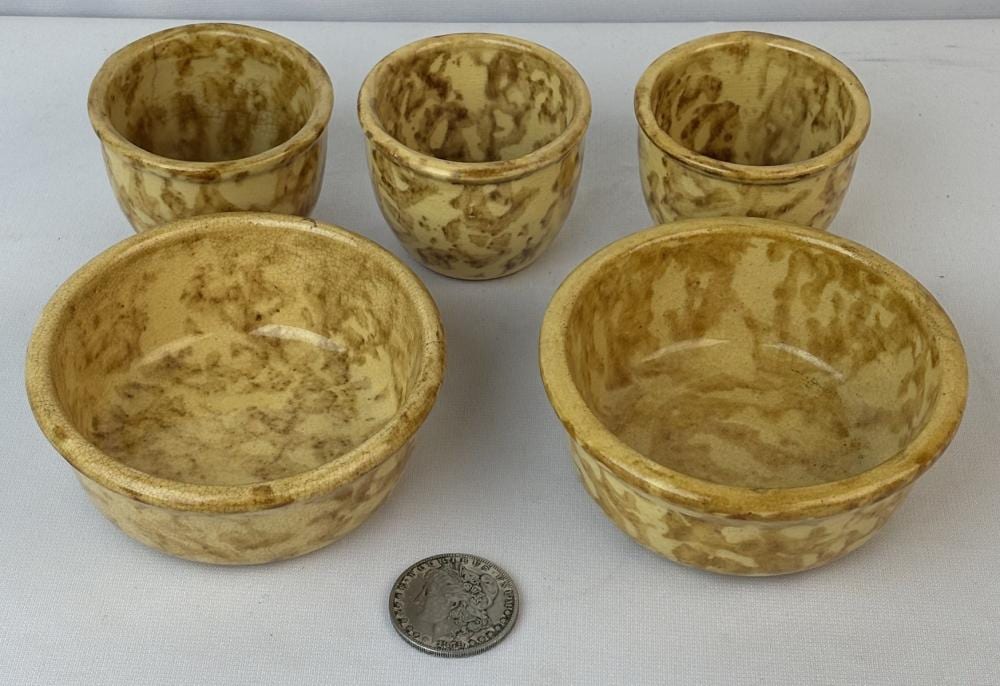 |
Antique Lot of 5 Spongeware Bowls | One Source Auctions | 2025-09-15 | 257 | USD 25 (buyer’s-premium treatment unknown) |
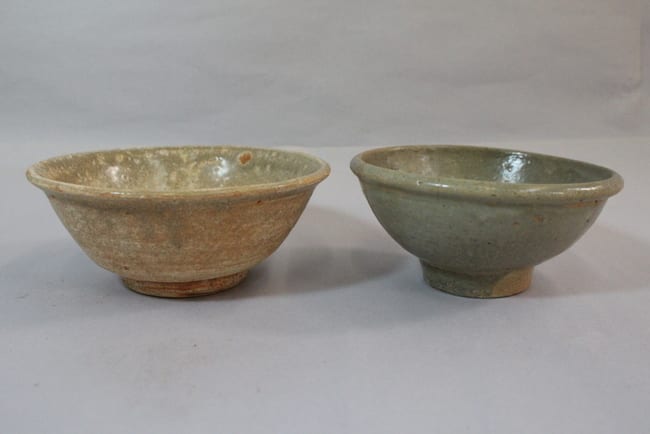 |
2 antique Korean celadon bowls | International Auction Gallery | 2015-07-20 | 452 | USD 20 (buyer’s-premium treatment unknown) |
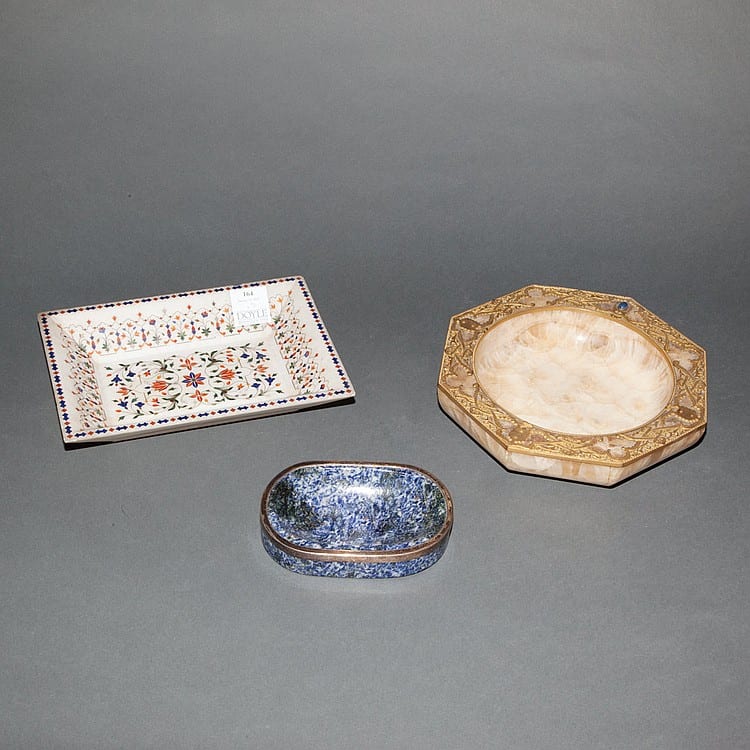 |
Group of Three Hardstone Bowls | DOYLE Auctioneers & Appraisers | 2015-01-14 | 164 | USD 375 (buyer’s-premium treatment unknown) |
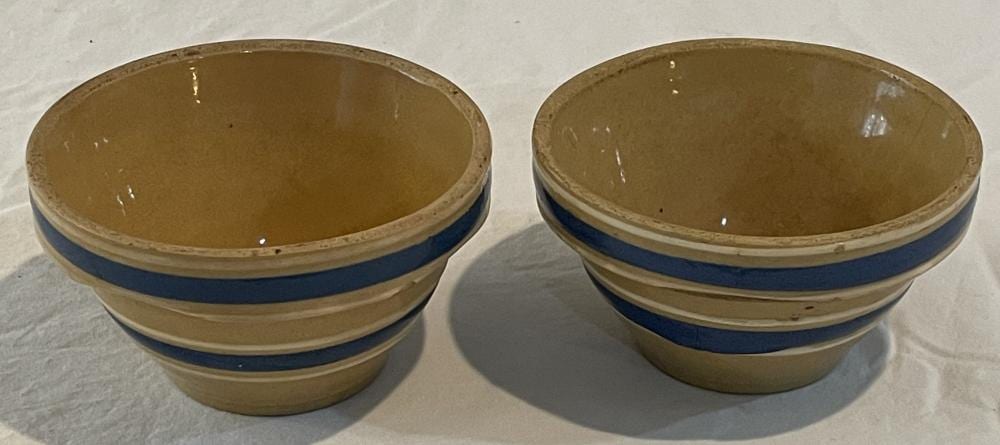 |
Antique Lot of 2 Small Blue Banded Yellowware Bowls | One Source Auctions | 2025-06-16 | 20 | USD 30 (buyer’s-premium treatment unknown) |
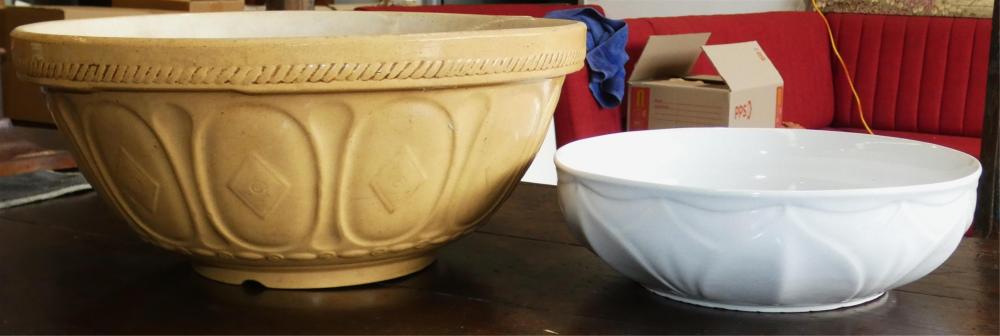 |
Two Antique Mixing Bowls - English & Italian | Danielle Elizabeth Antique & Estate Auctioneers | 2025-12-28 | 443A | AUD 50 (buyer’s-premium treatment unknown) |
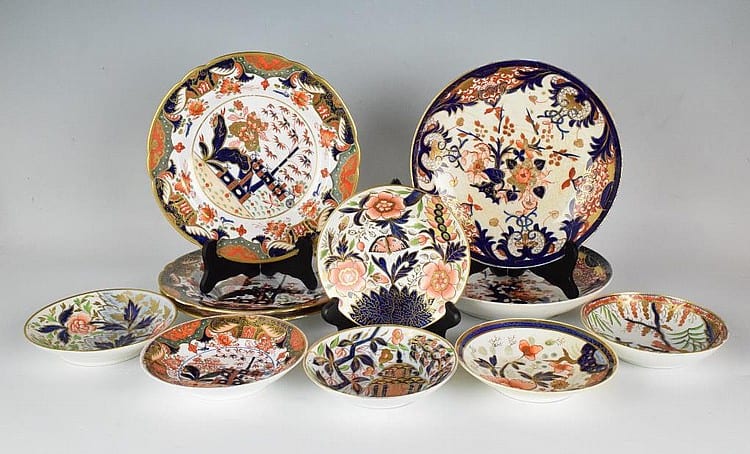 |
Eleven Spode and Crown Derby Plates and Bowls | Peachtree & Bennett | 2015-01-10 | 117 | USD 200 (buyer’s-premium treatment unknown) |
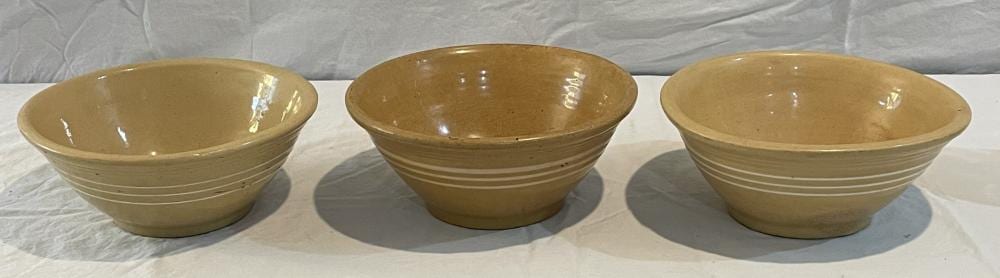 |
Antique Lot of 3 White Banded Yellowware Bowls | One Source Auctions | 2025-06-16 | 86 | USD 45 (buyer’s-premium treatment unknown) |
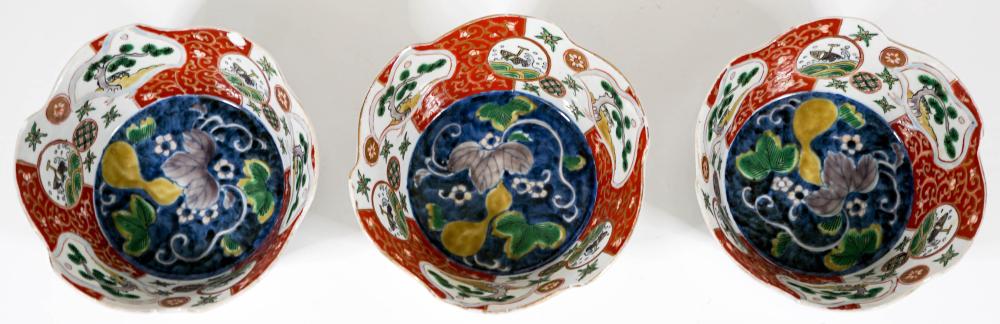 |
(3) Antique Asian Porcelain Bowls | Grant Zahajko Auctions, LLC | 2023-12-06 | 84 | USD 5 (buyer’s-premium treatment unknown) |
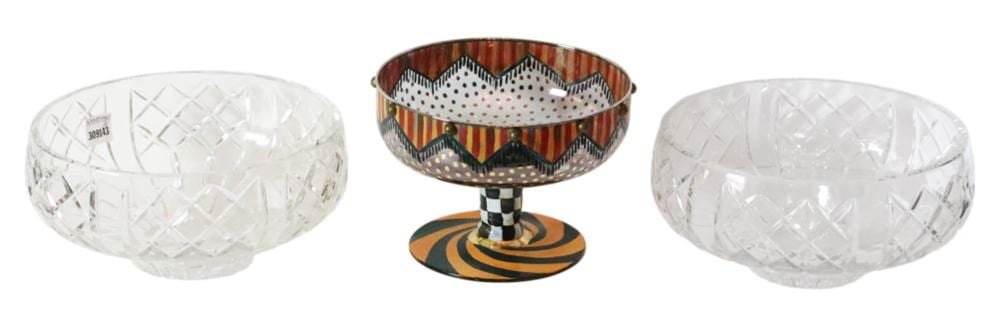 |
Pair of Crystal Bowls, MacKenzie-Childs Compote | Kaminski Auctions | 2024-11-09 | 27 | USD 125 (buyer’s-premium treatment unknown) |
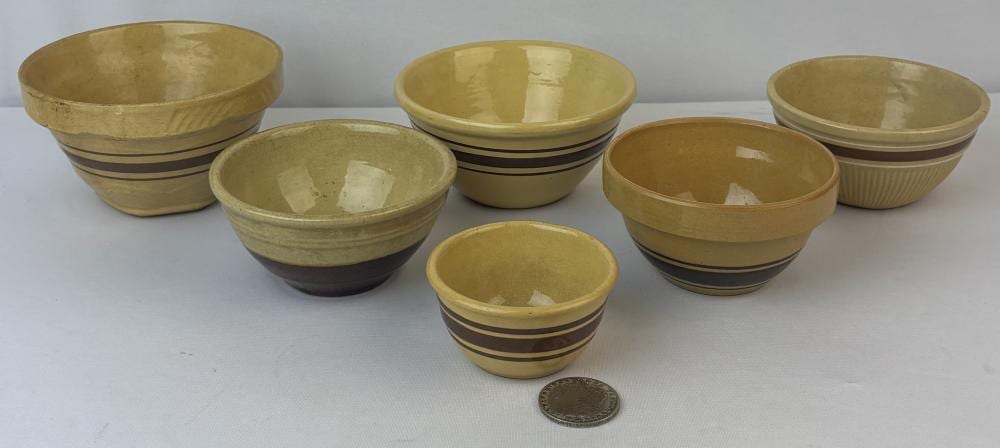 |
Antique Lot of 6 Brown Banded Small Stoneware Bowls | One Source Auctions | 2025-09-15 | 79 | USD 150 (buyer’s-premium treatment unknown) |
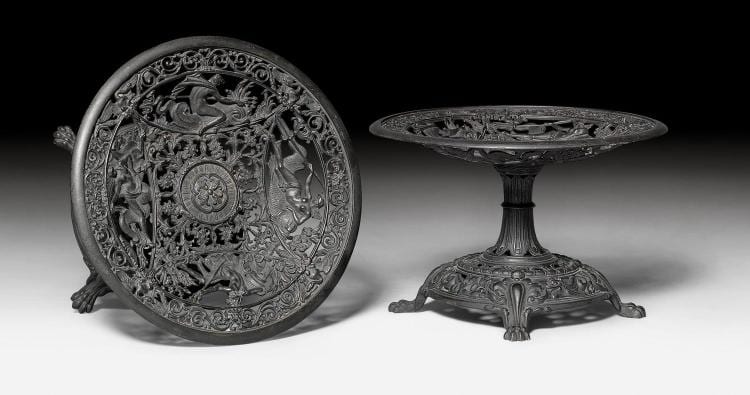 |
PAIR OF CONFECTIONERY BOWLS "A L'ANTIQUE", | Koller Auctions | 2017-03-30 | 1284 | CHF 3,750 (buyer’s-premium treatment unknown) |
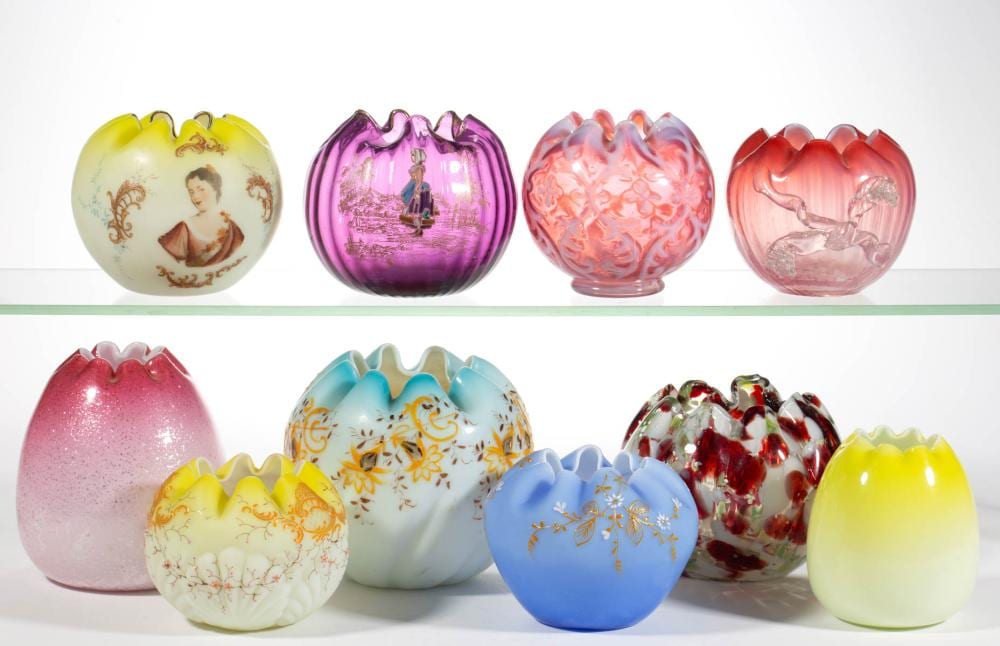 |
ASSORTED VICTORIAN GLASS ROSE BOWLS, LOT OF TEN | Jeffrey S. Evans & Associates | 2020-08-01 | 1448 | USD 152 (buyer’s-premium treatment unknown) |
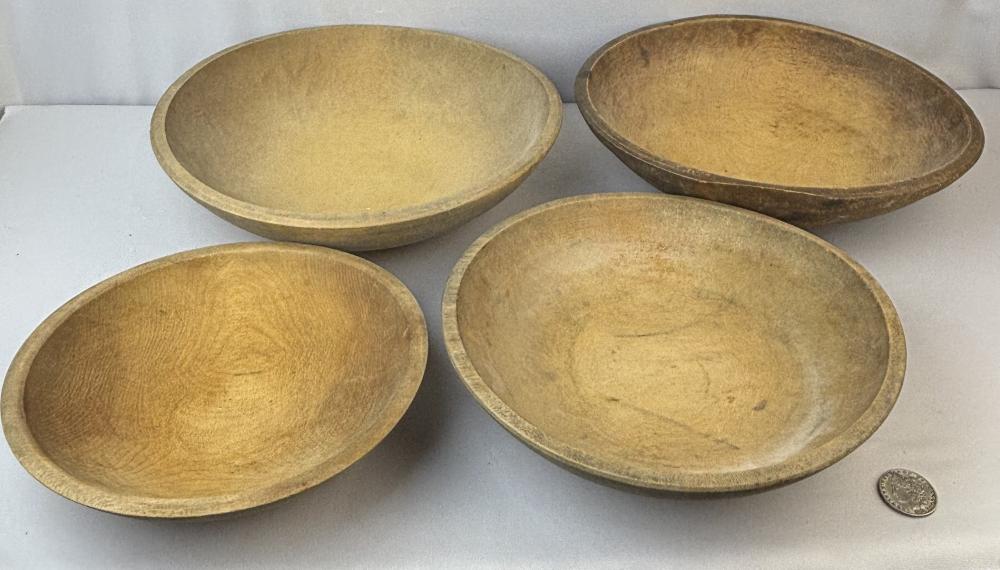 |
Antique and Vintage Lot of 4 Misc. Wood Turned Dough Bowls | One Source Auctions | 2025-09-15 | 161 | USD 70 (buyer’s-premium treatment unknown) |
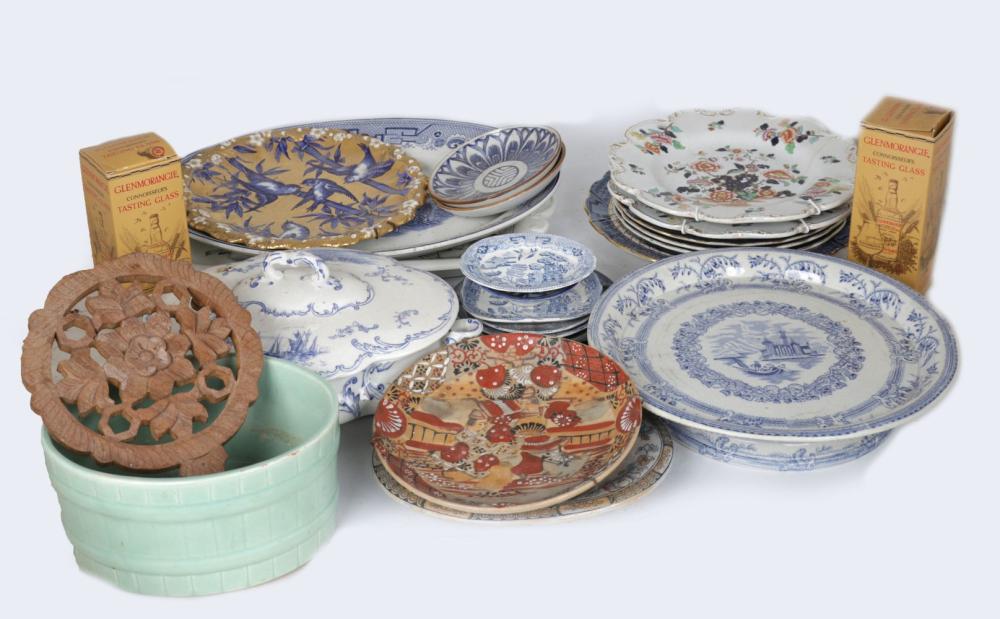 |
BOX OF ASSORTED ANTIQUE PLATES AND BOWLS | Sheppards | 2024-07-17 | 1113 | EUR 50 (buyer’s-premium treatment unknown) |
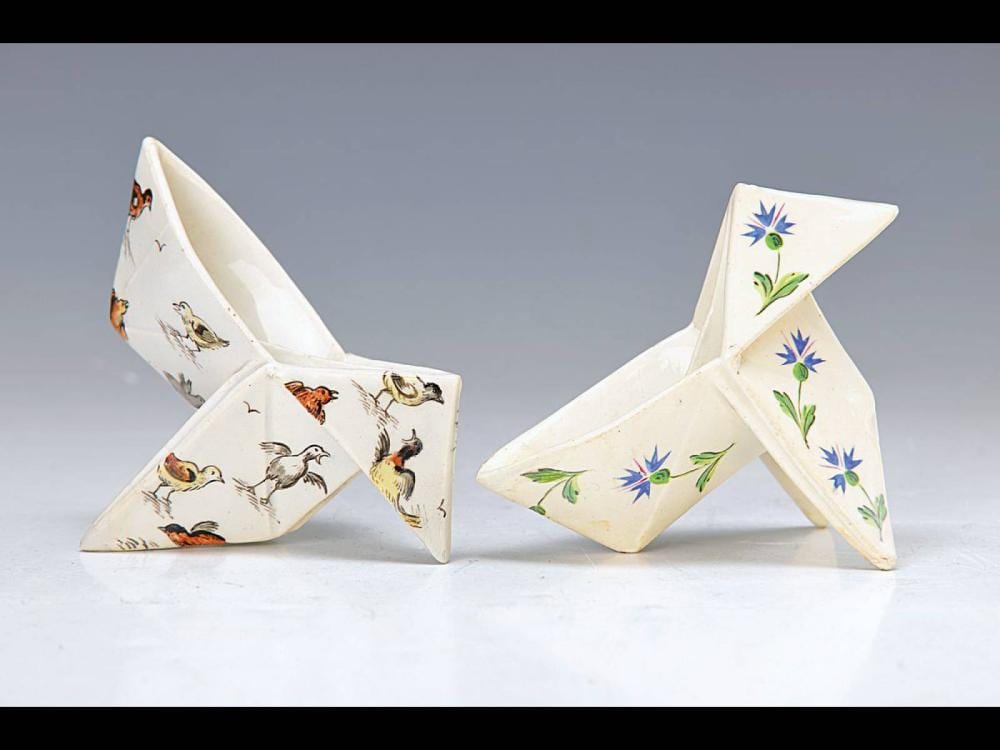 |
two small bowls, Emile Gallé, Fayencerie de Nancy | Henry's Auktionshaus | 2020-07-25 | 5087 | EUR 950 (buyer’s-premium treatment unknown) |
How these auction records were verified
Each row retains its exact source URL, lot identity, retrieval time, access result, and immutable record hash. Inspect the public comparable provenance record.
Disclosure: prices are shown as reported by auction houses and are provided for appraisal context. Learn more in our editorial policy.
Free instant estimate
Not sure if your item is worth appraising? Let us take a look.
Upload a photo, tell us what you know, and get a free first read. If a full appraisal makes sense, we will say so.
Free. No card needed. Takes about two minutes.
Choose your next step
Use the path that matches the decision you need to make about the item.
Not sure it is worth appraising?
Start with a lower-friction screen to understand the likely category, evidence, and next step.
Upload photos for a free first lookWant proof before paying?
See how a signed report documents photos, comparable evidence, condition notes, and value conclusions.
View signed report sampleNeed a signed report?
Use this for insurance, estate, donation, resale, or documented value decisions.
Need documentation now? Start signed appraisalNeed local or specialist help?
Compare directory options when the work needs in-person review or a specialist near you.
Find local specialistsSee what the report looks like
Sample reports show how photos, comparable evidence, condition notes, and a value conclusion are documented.
Get an antique bowl appraised
Upload photos of the bowl, base, maker marks, pattern, material, measurements, condition, repairs, and provenance notes.
- Expert report with photos and market context
- Fast turnaround
- Fixed, upfront pricing
No obligation. Secure upload.
Continue your valuation journey
Find the right local specialist
Compare antique and art appraisers by location and specialty in one directory.
Antique & art specialists
Browse the Antique & Art Appraisers Directory
Choose a local specialist when the assignment needs in-person inspection or a specific credential.
Machine-readable summaries
Use these machine-friendly references for AI and crawler discovery of Appraisily content.
Ready for pricing guidance?
Start a secure online appraisal
Upload images and details. Certified specialists respond within 24 hours.
Upload photos for a free first look View signed report sample