Introduction to Value in Art
When viewing a painting or drawing, you might be immediately struck by its colors, subject matter, or composition. However, what often creates the true impact and sense of depth is something more fundamental: value.
Value in art refers to the relative lightness or darkness of colors and tones. It is one of the seven core elements of art and arguably one of the most critical for creating visually compelling and three-dimensional works.
What is Value in Art?
Value in art is essentially how light or dark something appears on a scale from white to black. According to Draw Paint Academy, value is considered by many artists to be more important than color in creating successful compositions. In black-and-white art, value is the only element used to create visual distinction, while in color art, value helps create depth and form alongside hue and saturation.
The concept of value can be visualized as a scale or gradient ranging from white (the highest value) to black (the lowest value), with numerous gray tones in between. Each step along this scale represents a different value level, and mastering the ability to see and reproduce these values is a fundamental skill for artists.
Key Value Concepts
The Purpose of Value in Art
According to Artists Network, value is used to create focal points within artwork. The human eye is naturally drawn to areas of high contrast – where light meets dark. Artists strategically use this principle to guide viewers to the most important elements of their compositions.
Beyond creating focal points, value serves several other vital purposes:
Creating Illusion of Light
Value is fundamental to creating the illusion of light in artwork. As The Virtual Instructor explains, value is used to represent highlights, midtones, and shadows, which together create the appearance of a light source illuminating the subject. This is especially important in realistic art, where convincing lighting helps subjects appear three-dimensional.
Establishing Depth and Form
Value gradations help establish spatial relationships, making some elements appear closer and others farther away. Objects with stronger value contrast typically appear closer to the viewer, while those with less contrast recede into the background. This technique, known as atmospheric perspective, is crucial for creating a sense of depth on a two-dimensional surface.
Conveying Mood and Atmosphere
The predominant value range in an artwork significantly impacts its emotional tone. High-key paintings (those using predominantly light values) often convey cheerfulness, optimism, or delicacy. Low-key paintings (using mostly dark values) can evoke mystery, drama, or melancholy. The strategic use of value directly influences how viewers emotionally respond to artwork.
Historical Evolution of Value in Art
- Renaissance Period
Chiaroscuro Technique
Artists like Leonardo da Vinci and Caravaggio developed the dramatic use of light and dark (chiaroscuro) to create volume and dimension.
- Baroque Period
Tenebrism
An intensified form of chiaroscuro emerged, with dramatic, dark backgrounds and strongly illuminated figures creating theatrical effects.
- Impressionist Era
High-Key Palettes
Artists began experimenting with higher-value palettes to capture the effects of natural light and atmosphere in outdoor settings.
- Modern Era
Abstract Value
Value became a compositional element in its own right, not necessarily tied to representing light on physical objects.
Value Techniques and Applications
Value Contrast
Value contrast refers to the juxtaposition of light and dark areas in artwork. High contrast creates drama and draws attention, while low contrast can create harmony or subtlety. According to a discussion on Reddit, beginners often benefit from simplifying their references into just a few values to better understand this concept.
Value Mapping
Before beginning a painting, many artists create a value map or notan sketch – a simplified black and white plan that establishes the value structure of the composition. This technique helps artists visualize the overall value distribution without the distraction of color, ensuring a strong foundation.
Limited Value Ranges
Some artists intentionally limit their value range to create specific effects. For example, working primarily in high values (high-key) creates a light, airy feeling, while using predominantly low values (low-key) creates drama and mystery. MasterClass explains that controlling value ranges helps artists maintain cohesion in their work.
Value Gradation
Gradual transitions between values create smooth shifts that help model form and create dimension. Value gradation is essential for creating realistic roundness in objects and suggesting the way light wraps around three-dimensional forms.
Value Assessment Checklist for Artists
Use this checklist to evaluate the effective use of value in artwork
- Clear value structure with definable light, mid, and dark tones
- Strategic contrast to direct viewer's attention to focal points
- Consistent light source direction throughout the composition
- Proper value relationships that create convincing form and volume
- Appropriate value range for the intended mood and subject
- Value gradations that effectively model three-dimensional forms
- Background and foreground value relationships that create depth
Value and Its Relationship to Other Art Elements
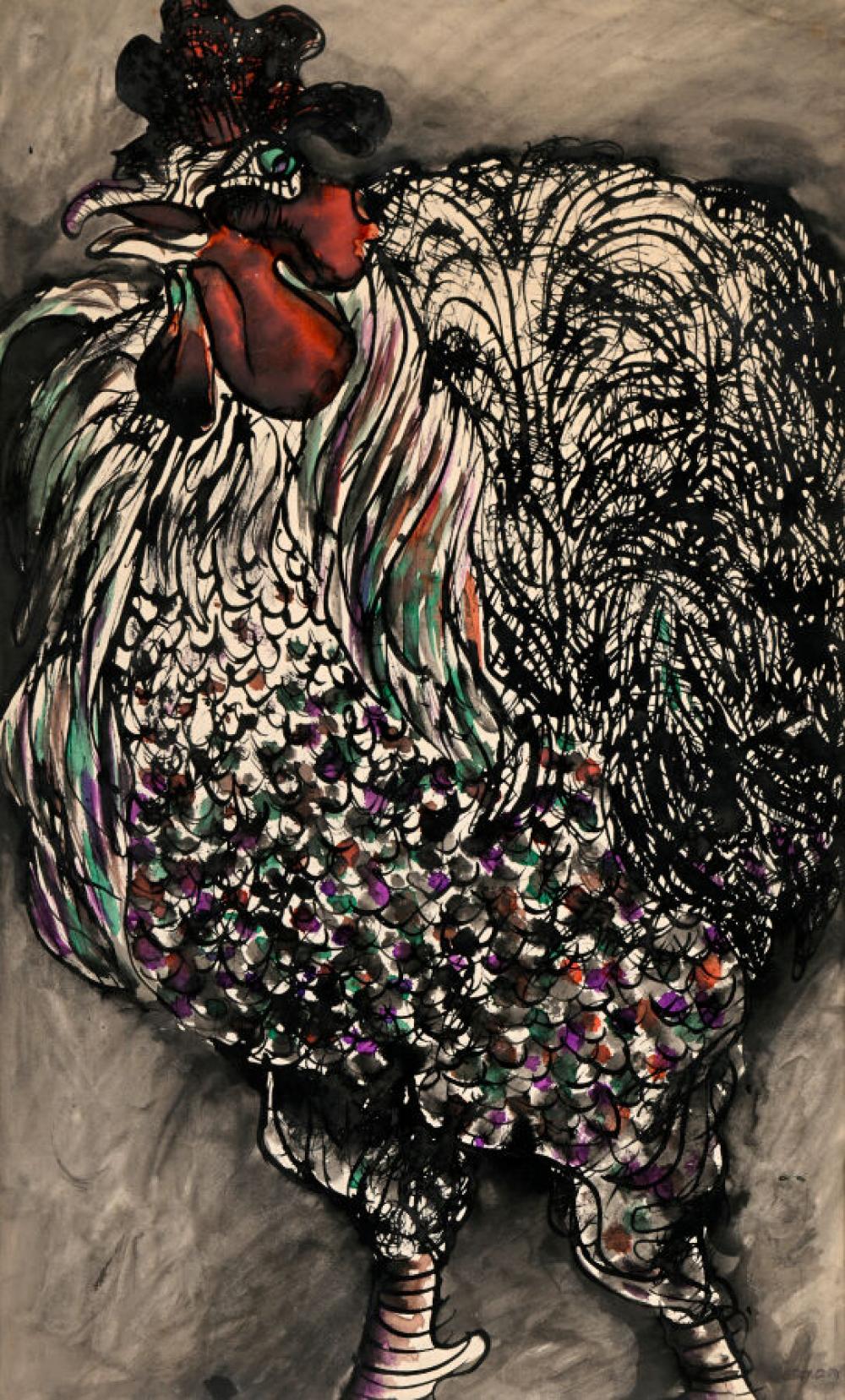
Value and Color
The relationship between value and color is particularly important. Every color has an inherent value – yellow is naturally lighter than purple, for instance. Artists Network discusses how value often takes precedence over color in creating successful compositions. A painting with strong value relationships can work well even if the colors are changed, but the reverse is rarely true.
When working with color, artists must be aware of how different hues relate in terms of value. Color can sometimes confuse our perception of value, making it challenging to accurately assess the lightness or darkness of a particular area.
Value and Texture
Value helps define texture by highlighting the way light interacts with surface qualities. Strong value contrast can emphasize rough textures, while subtle value transitions can suggest smooth surfaces. As explained by Cascadia Art Museum, value adds dimension to artwork and helps create the illusion of various textures.
Value and Line
Line work can be enhanced through value variation, with thicker, darker lines appearing to advance and thinner, lighter lines receding. The interplay between line and value helps create hierarchy and visual flow within compositions.
Notable Artworks Exemplifying Value Techniques
Famous works that showcase masterful use of value
How to Improve Value Recognition and Application
Value Exercises for Artists
According to Watercolor Affair, regular practice with value studies can significantly improve an artist’s understanding and use of values. Here are some effective exercises:
Squinting: Squinting at a subject reduces detail and color information, making it easier to see basic value relationships.
Grayscale Studies: Converting reference photos to black and white or creating preliminary value sketches helps artists focus solely on value without the distraction of color.
Limited Value Studies: Working with just 3-5 values forces artists to simplify and make clear decisions about value relationships.
Value Scales: Creating and referencing value scales helps train the eye to recognize subtle value differences.
Black and White Master Copies: Studying and reproducing works by masters of value like Rembrandt or Andrew Wyeth can provide insights into effective value strategies.
Using Technology as an Aid
Digital tools can be valuable for artists learning to see and use value effectively:
- Photo editing software can convert color images to grayscale for value analysis
- Value finder apps can help identify the specific value of different areas in a reference
- Digital sketching tools allow for quick value studies and experiments
However, as discussed in the Reddit thread, while technology can be helpful, developing your own ability to see and interpret values is essential for artistic growth.
External Resources for Studying Value in Art
Understanding Value and Tone for Better Painting
Comprehensive guide from Artists Network on how value and tone impact painting quality and techniques for improvement.
What Is Value in Art and Why Is It So Important?
Draw Paint Academy's in-depth explanation of value in art with practical examples and applications.
The Elements of Art - Value
The Virtual Instructor's comprehensive guide to understanding and applying value in various artistic contexts.
Analyzing the Elements of Art: Four Ways to Think About Value
New York Times educational resource offering four different approaches to understanding value in art.
Elements of Art: Value
Cascadia Art Museum's explanation of value as a fundamental element of art with historical context.
Value in Art Examples: Understanding One of the Art Elements
Artsper's visual guide to understanding value through examples from art history and contemporary practice.
Value in Different Art Movements and Styles
Renaissance and Baroque
Renaissance artists developed sophisticated techniques for modeling form with value, culminating in the chiaroscuro technique. Baroque artists like Caravaggio took this even further with tenebrism, using extreme value contrasts for dramatic effect.
Impressionism
Impressionists often worked in a higher key (lighter value range) to capture the effects of natural light outdoors. They used subtle value shifts to suggest atmosphere and the way light interacts with air and surfaces.
Abstract Expressionism
Abstract Expressionists like Mark Rothko used value relationships to create emotional responses even in non-representational work. The subtle value transitions in Rothko’s color field paintings create a meditative quality.
Contemporary Approaches
Contemporary artists continue to explore value in innovative ways, sometimes embracing extreme high-key or low-key approaches, or using value as an abstract compositional element independent of realistic lighting.
Common Questions About Value in Art
What does it mean to use value on a drawing?
Why is value more important than color?
What are the 7 elements of art value?
What is the importance or value of art in your life?
How do artists use value to create focal points?
How can I improve my understanding of value in my own artwork?
Conclusion
Value, as a fundamental element of art, is arguably one of the most important concepts for artists to master. From creating the illusion of light and form to establishing focal points and conveying mood, value plays a critical role in successful visual compositions across all mediums and styles.
Whether you’re a budding artist just learning about value or an experienced creator looking to refine your understanding, developing a keen eye for value relationships will significantly enhance your artistic practice. By studying value in isolation, practicing specific value-focused techniques, and analyzing how master artists have used value throughout history, you can elevate your own work to new levels of visual impact and expression.
Remember that while color often gets more immediate attention, it’s value that provides the underlying structure that makes artwork convincing and compelling. As many art instructors wisely advise: get the values right, and everything else will follow.
Choose your next step
Use the path that matches the decision you need to make about the item.
Need a signed report?
Use this for insurance, estate, donation, resale, or documented value decisions.
Start a signed reportNot sure it is worth appraising?
Start with a lower-friction screen to understand the likely category, evidence, and next step.
Use the free screenerNeed local or specialist help?
Compare directory options when the work needs in-person review or a specialist near you.
Find art appraisersSee what the report looks like
Sample reports show how photos, comparable evidence, condition notes, and a value conclusion are documented.
Get artwork appraised
Upload photos of the artwork, signature, medium, dimensions, frame, condition, provenance notes, and close details.
- Expert report with photos and market context
- Fast turnaround
- Fixed, upfront pricing
No obligation. Secure upload.
Continue your valuation journey
Choose the next best step after reading this guide
Our directories connect thousands of readers with the right appraiser every month. Pick the experience that fits your item.
Antique specialists
Browse the Antique Appraiser Directory
Search 300+ vetted experts by location, specialty, and response time. Perfect for heirlooms, Americana, and estate items.
Modern & fine art
Browse the Art Appraisers Directory
Compare fine art, contemporary, and design appraisers by city and specialty in our public directory.
Machine-readable summaries
Use these machine-friendly references for AI and crawler discovery of Appraisily content.
Ready for pricing guidance?
Start a secure online appraisal
Upload images and details. Certified specialists respond within 24 hours.
Start art appraisal