Unlocking the Worth of Nostalgia Discover the Antique Radio Cabinet Value Guide: appraisal and value basics
Unlocking the Worth of Nostalgia Discover the Antique Radio Cabinet Value Guide research should start with identification, condition, provenance, and item-specific market evidence. Use this guide to compare the signals that matter before paying for a formal appraisal or deciding whether to sell.
Antique radio cabinet appraisal checklist
Antique radio cabinets capture the moment when sound became furniture—part technology, part design object. For collectors, decorators, and family historians, the question is the same: what is an antique radio cabinet worth? This guide breaks down identification, value drivers, price ranges, and practical steps to appraise, buy, or sell with confidence.
What Collectors Mean by “Antique Radio Cabinet”
When enthusiasts talk about an “antique radio cabinet,” they typically mean a vacuum-tube radio housed in a wooden cabinet produced from the late 1920s through the early 1950s. Within that span, you’ll encounter:
- Cathedrals (late 1920s–early 1930s): Compact, arched table sets with Gothic or Romanesque influences. Examples: Philco 70/90, Atwater Kent 84.
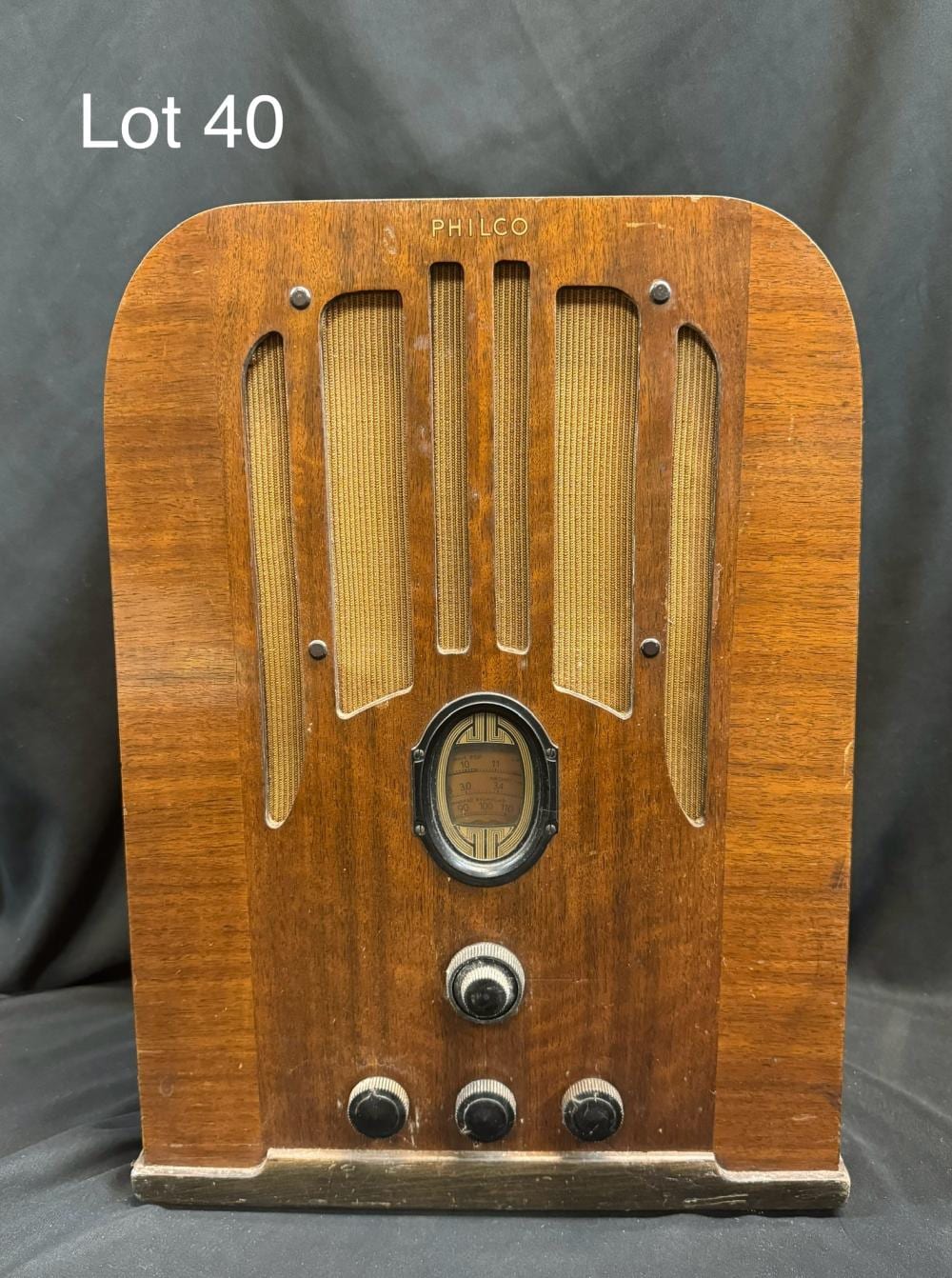
- Tombstones (1930s): Tall, rectangular table sets with bold veneers and geometric Deco lines.
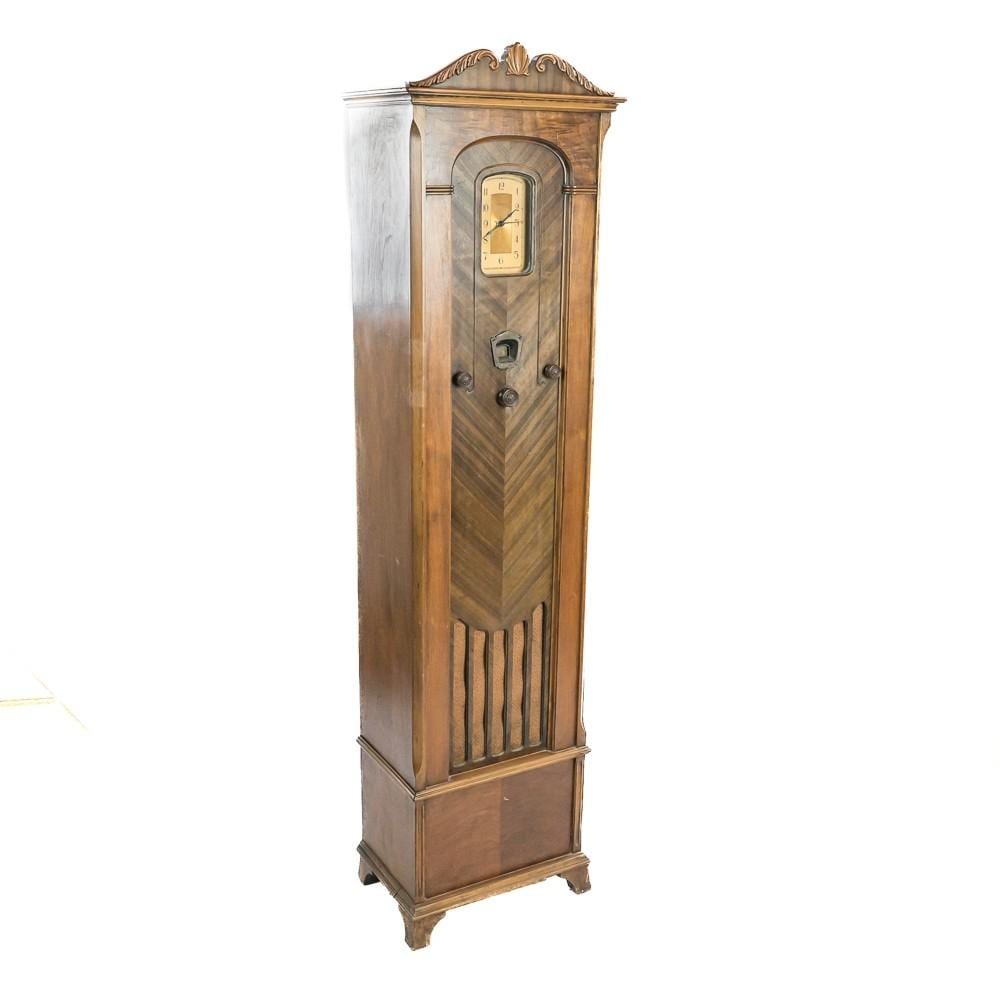
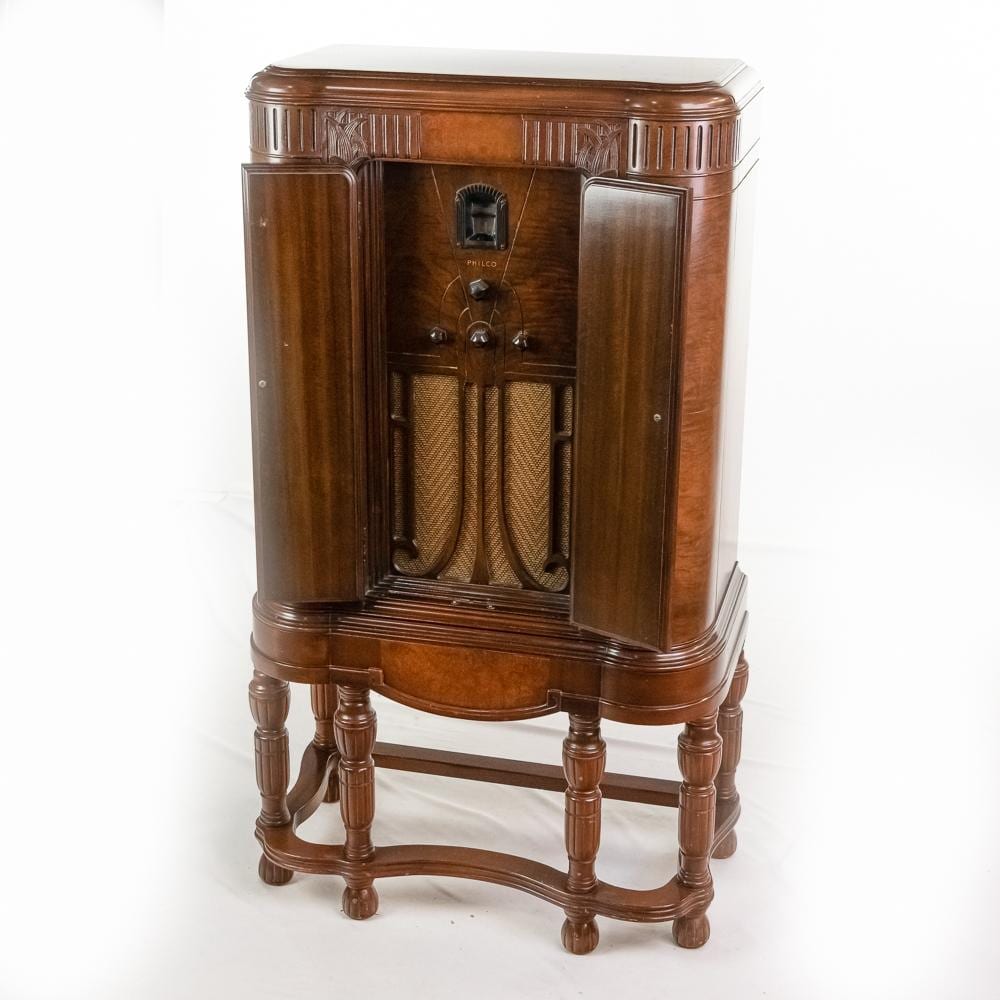
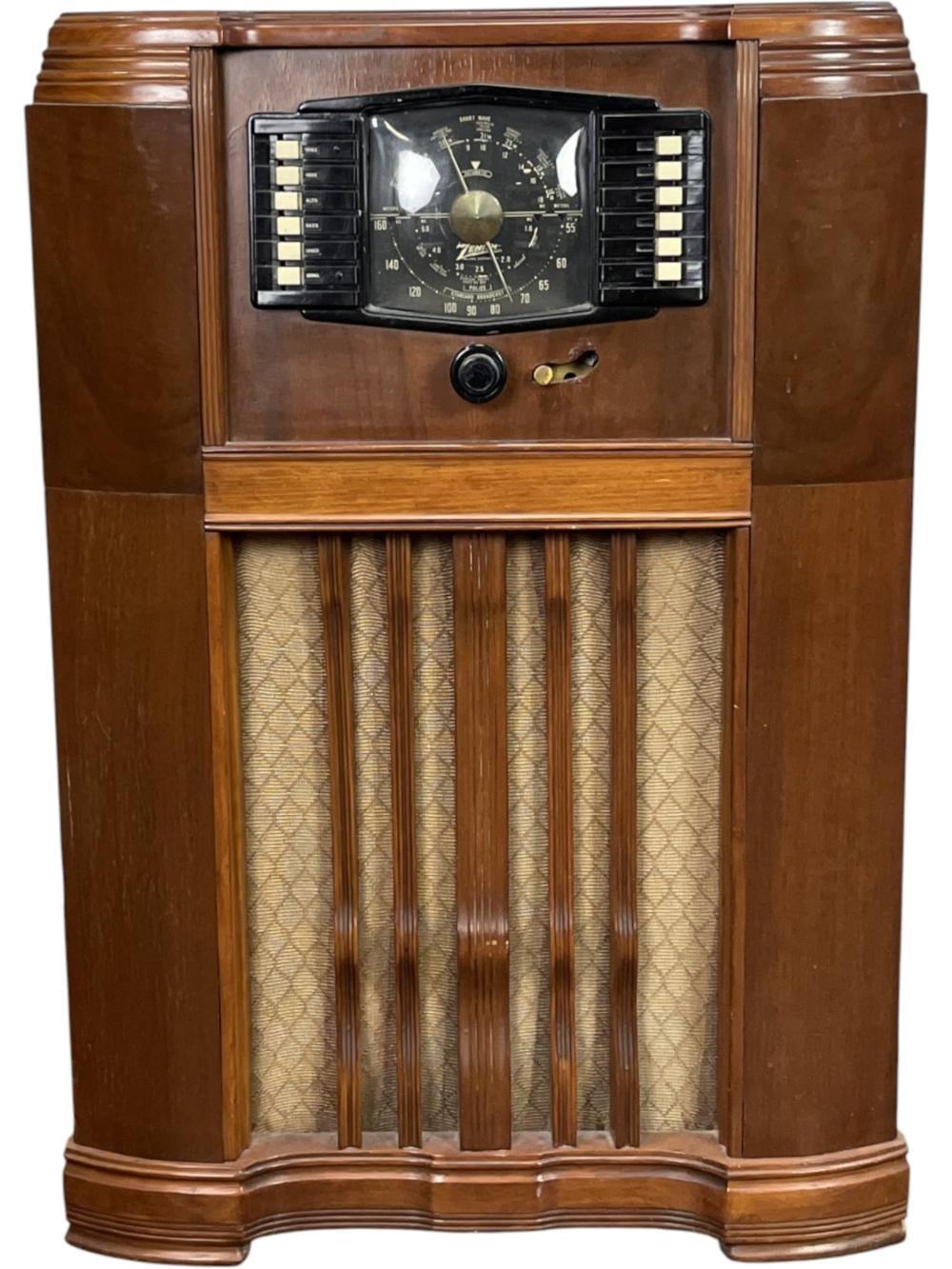
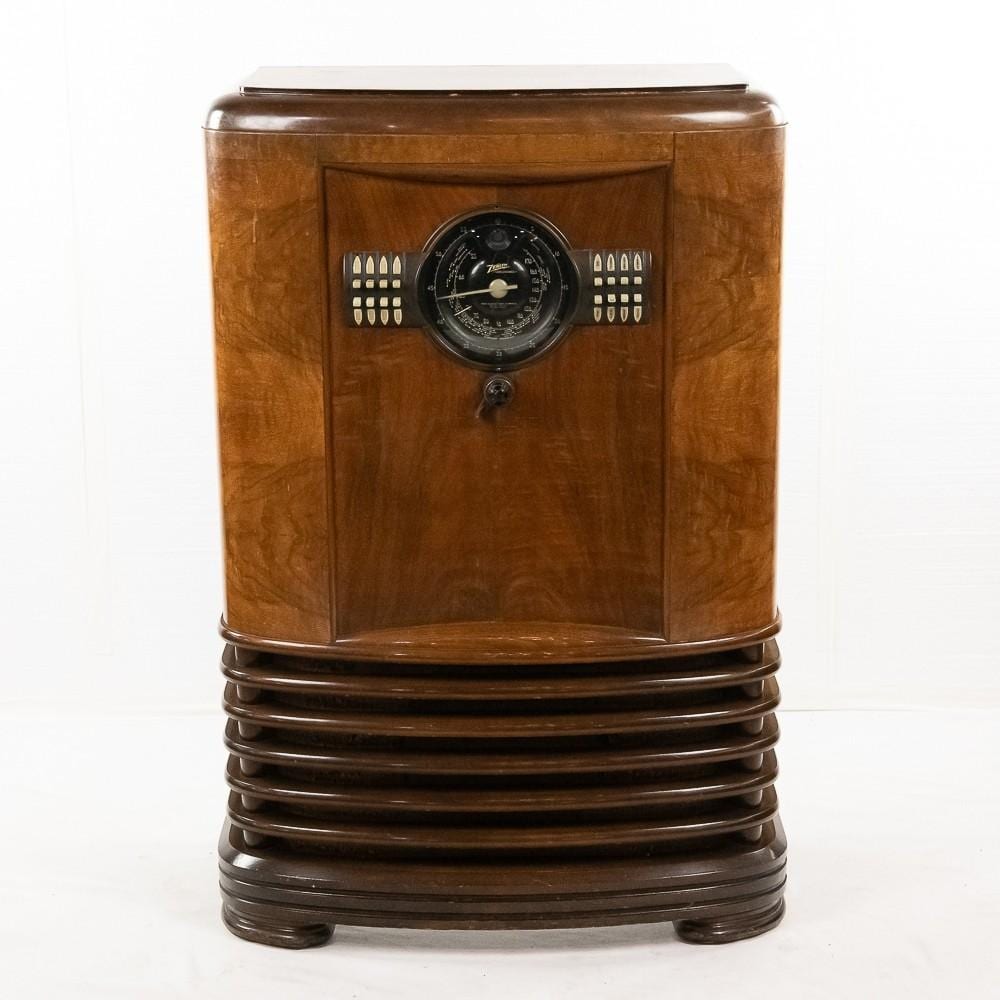
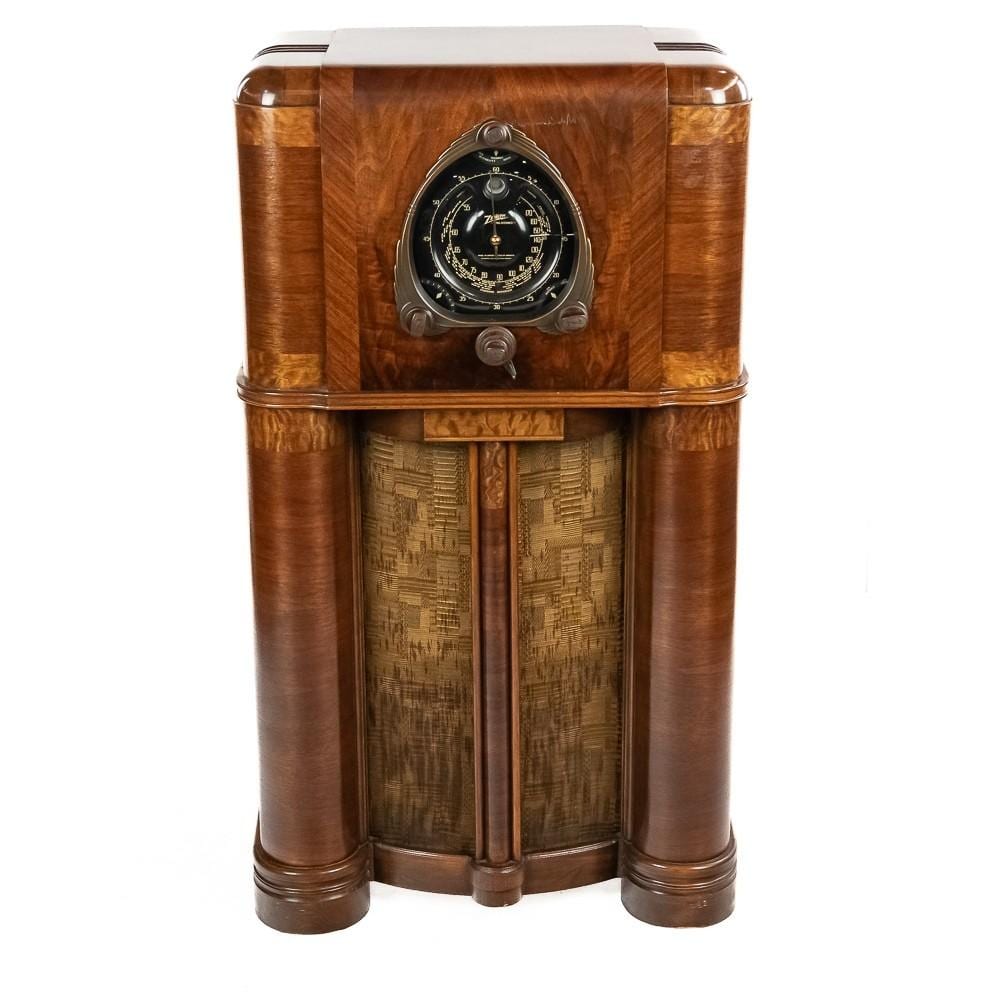
- Consoles (1930s–early 1940s): Floor-standing cabinets; some include record changers. Examples: Zenith “black dial” consoles (1937–39), Philco 37-116.
- Chairside (1930s): Low cabinets intended to sit beside an armchair with top-mounted controls.
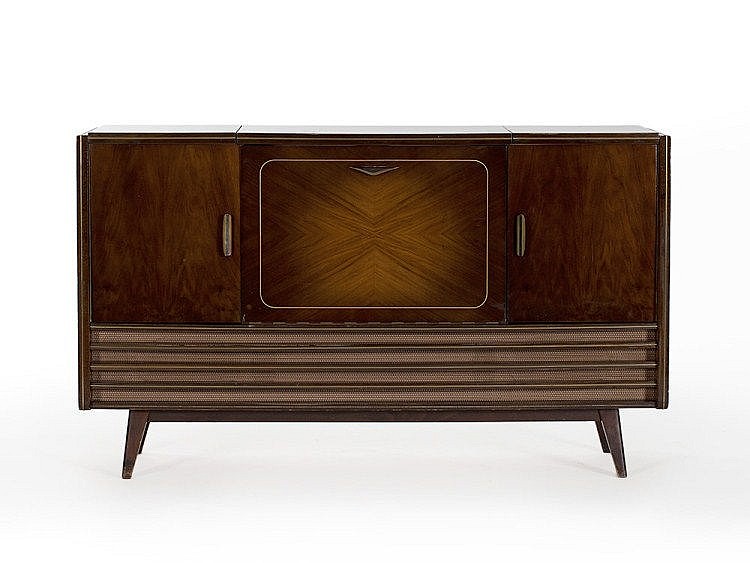
- Radio-phonograph combinations (late 1930s–1950s): Units incorporating turntables and sometimes record storage.
Cabinets were crafted in veneers like walnut, mahogany, maple, and burled woods, often with book-matched patterns, inlays, carved details, and distinctive grille cloths. Some brands partnered with specialty cabinet makers: Ingraham, for instance, supplied gracefully curved cabinets to companies such as Emerson and General Electric—those cabinets can command a premium.
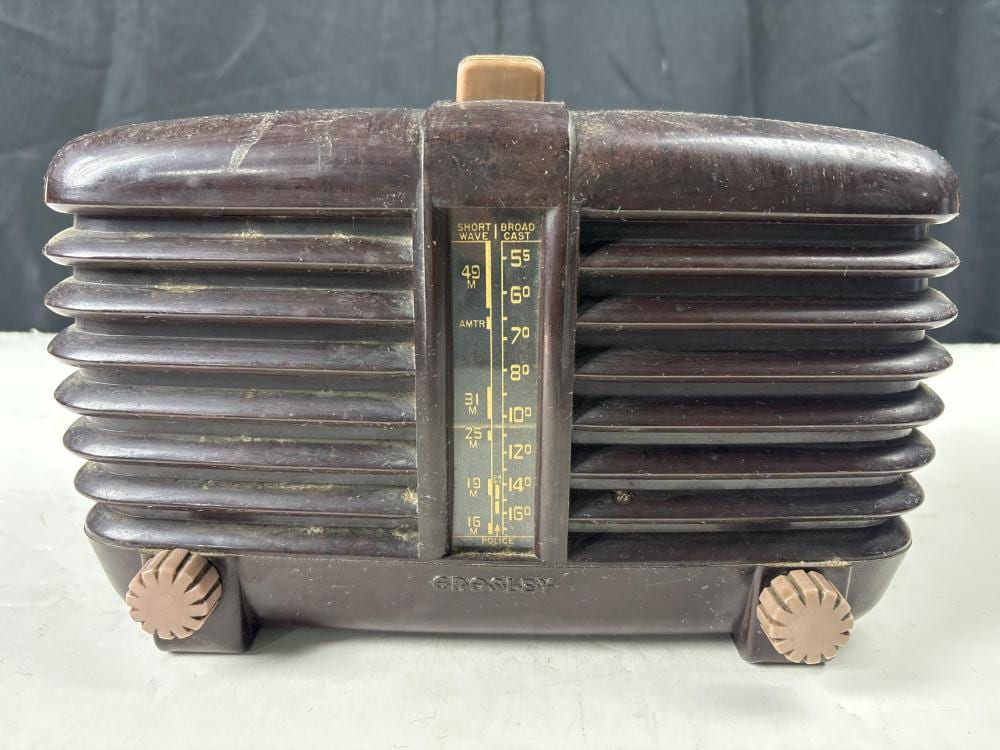
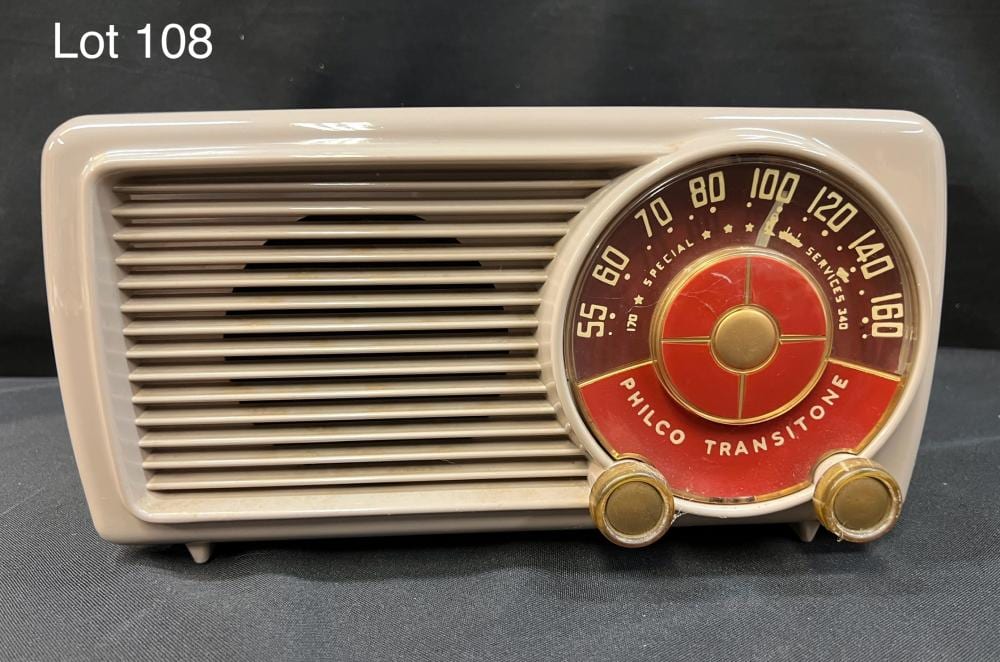
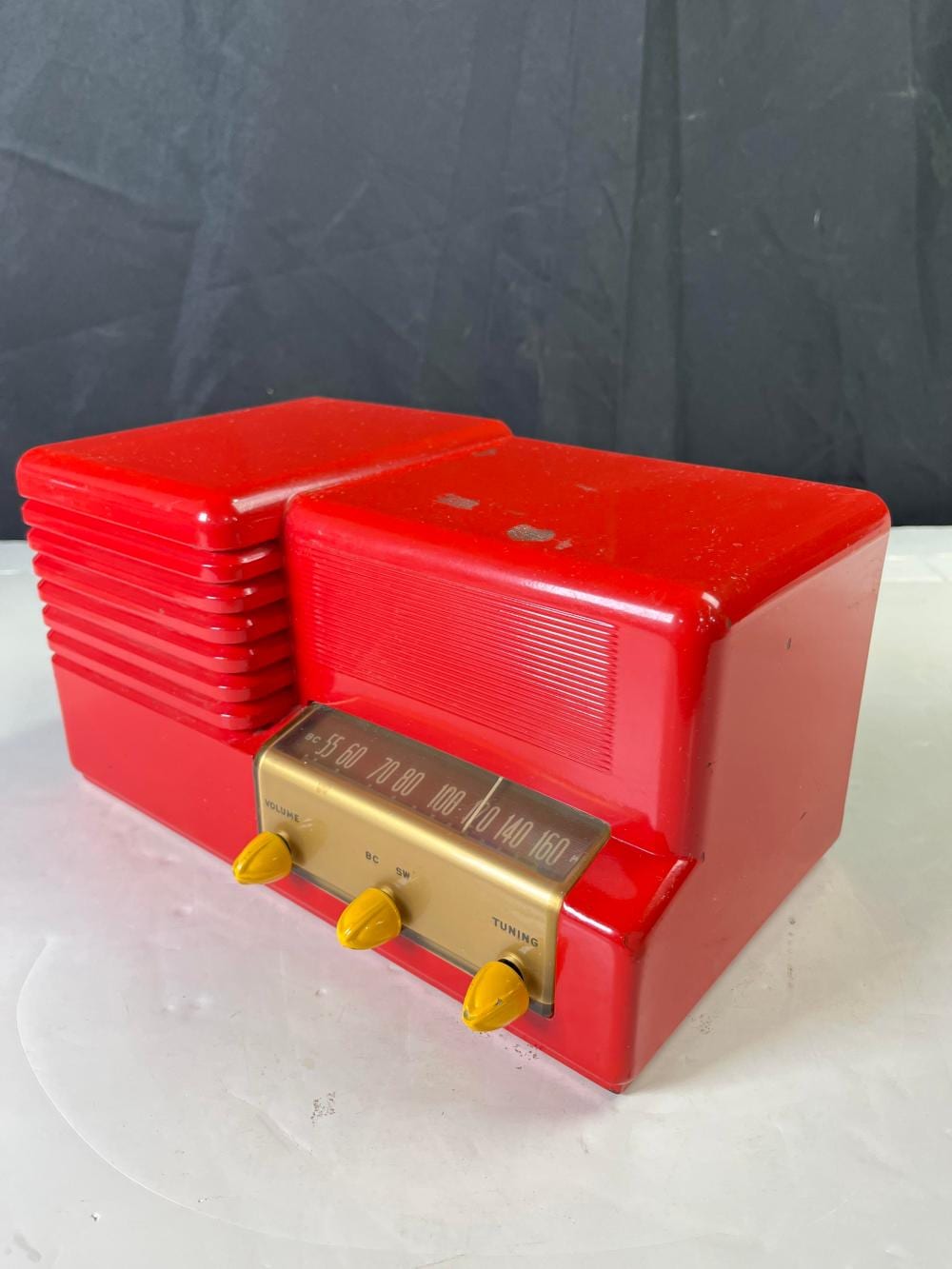
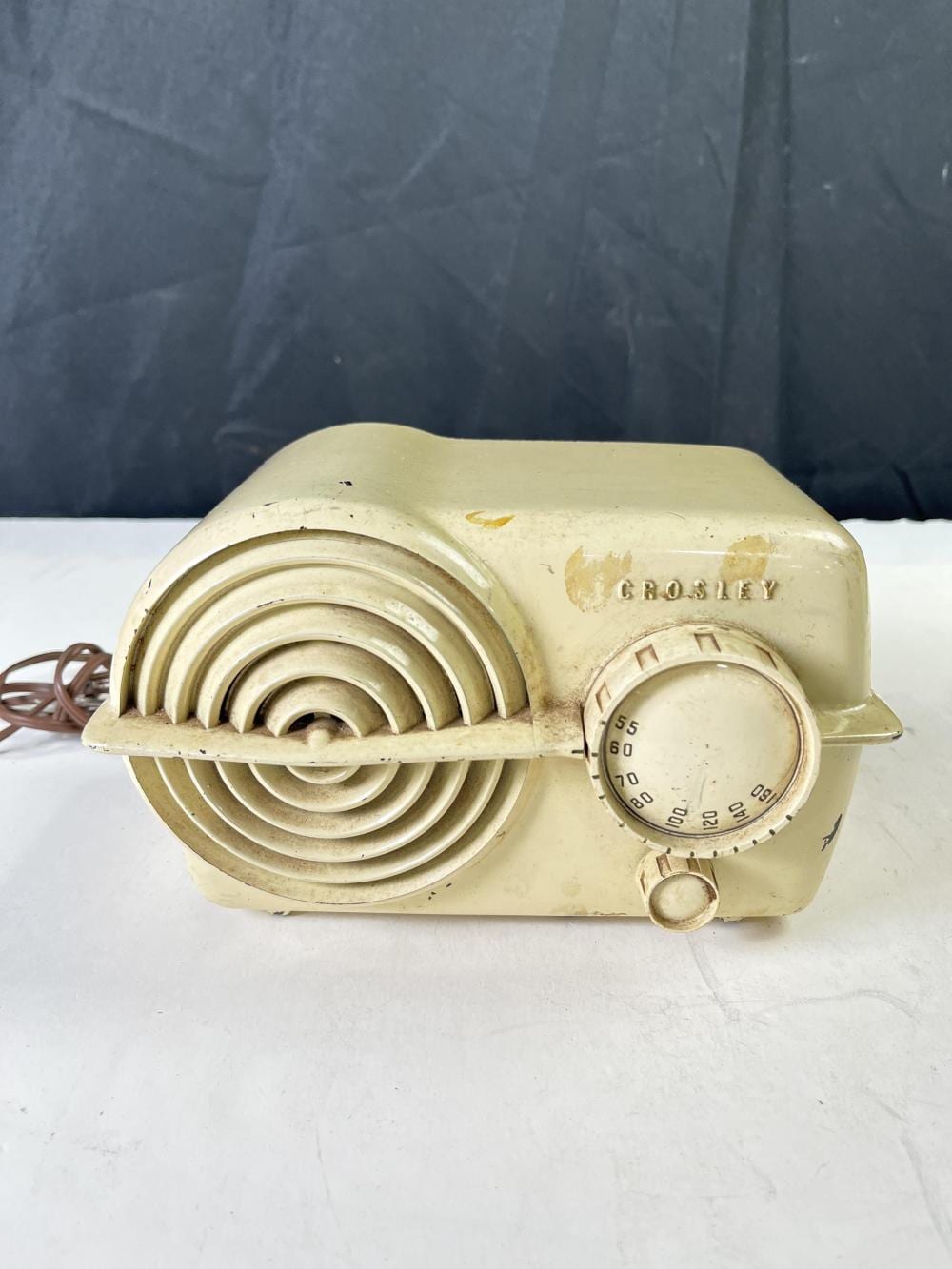
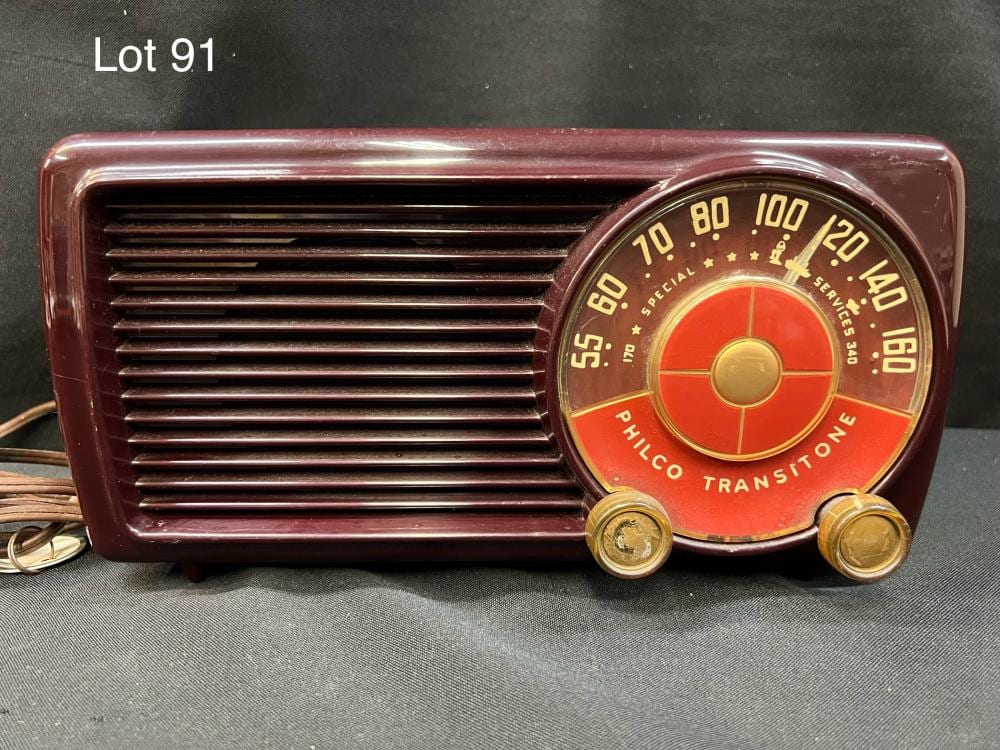
Note: Catalin and brightly colored Bakelite table radios are valuable, but they are generally considered plastics rather than “wooden radio cabinets” and follow different value dynamics.
Identification Essentials: Models, Makers, and Design Eras
Correct identification is the anchor of any appraisal. Focus on:
- Maker and brand: Common names include Zenith, Philco, RCA, Atwater Kent, Emerson, Crosley, Silvertone (Sears), Stromberg-Carlson, Sparton, Scott, and McMurdo Silver. Higher-prestige names (Scott, McMurdo Silver, Capehart) often correlate with bigger values.
- Model number: Usually stamped on a metal tag on the chassis, printed on a paper label inside the cabinet, or on a tube layout chart. Chassis numbers (e.g., Zenith 1204) can be as useful as retail model names (e.g., Zenith 12-S-265).
- Tube layout and chassis features: The number of tubes (e.g., 5-tube sets vs 12-tube sets), presence of a tuning eye (“magic eye”), motorized tuning, shutter-dial assemblies, or push-button presets help pinpoint the model and desirability.
- Dial style and era cues:
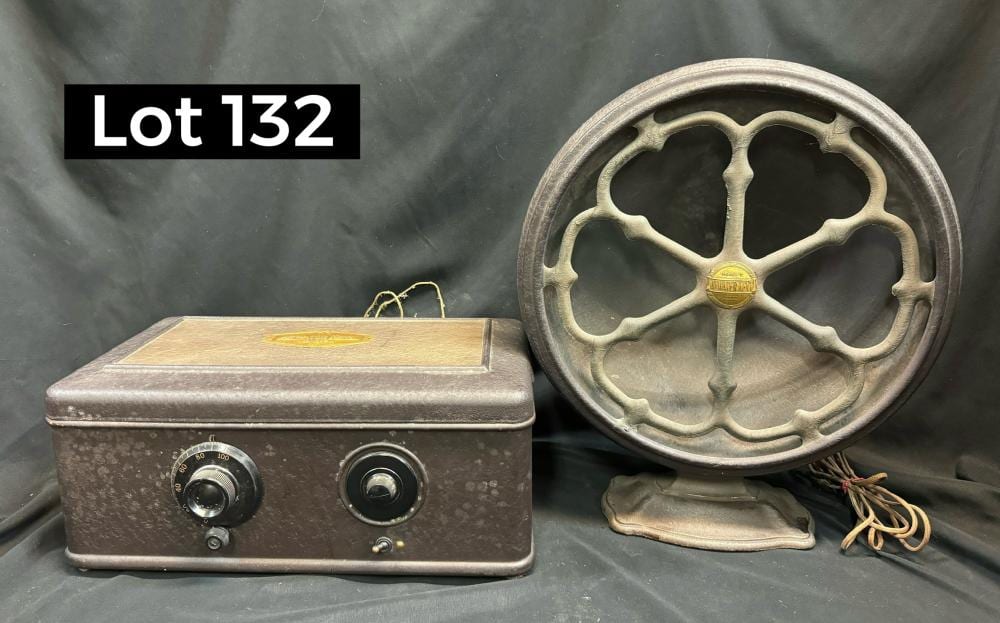
- Late 1920s–early 1930s: Smaller dials, ornate veneers, cathedral/tombstone forms.
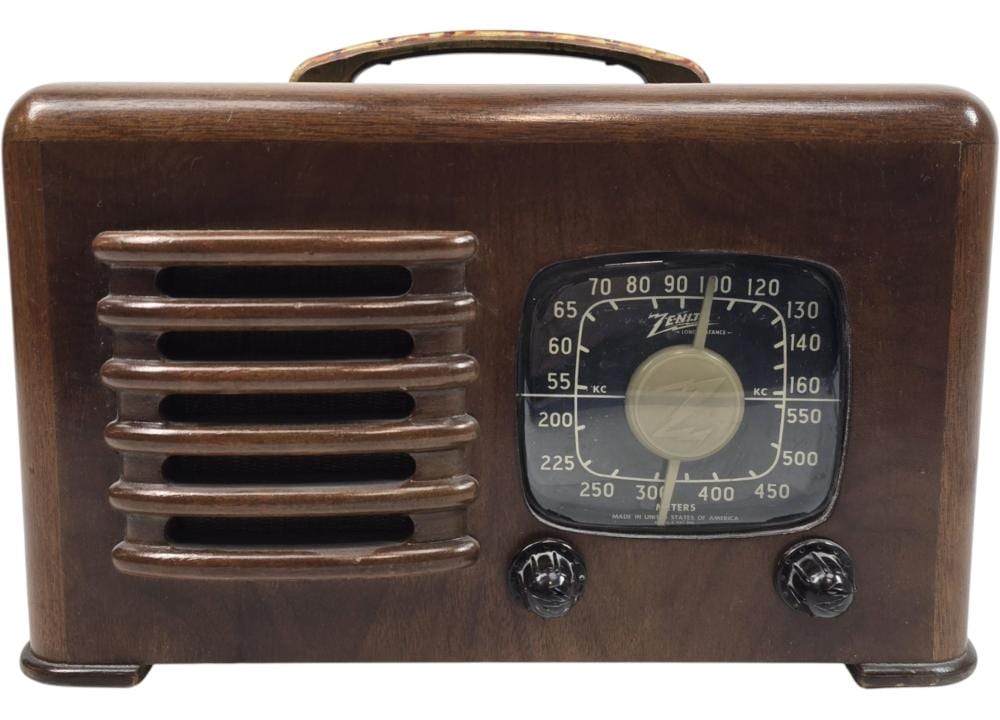
- Mid-1930s: Art Deco and Streamline Moderne influence; big black dials popular on Zeniths.
- Late 1930s–early 1940s: Larger consoles, radio-phonograph combos, shutter dials, higher tube counts.
- Postwar (late 1940s–50s): Cleaner lines, sliding doors, more phono emphasis; some cabinets adopt Mid-Century modern styling.
- Speaker and parts codes: Speakers and transformers often carry EIA codes (e.g., 220 = Jensen) and date codes that corroborate a production year.
- Completeness: Original knobs, dial escutcheons, back panels, grille cloth patterns, and correct speaker type (field-coil vs PM) all matter.
Photograph the chassis tag, tube layout sticker, underside wiring, dial, and cabinet details; together they allow precise model verification and date estimation.
What Drives Antique Radio Cabinet Value
Values hinge on a matrix of factors more nuanced than “does it turn on.” Key drivers:
- Brand desirability:
- Blue-chip: Zenith “black dial” sets, E.H. Scott and McMurdo Silver chrome-chassis consoles, Sparton mirror sets (Bluebird, Nocturne; though those are glass/plated).
- Strong: Philco cathedrals/tombstones, RCA high-tube-count sets, Stromberg-Carlson quality consoles.
- Solid mid-tier: Emerson (especially Ingraham cabinets), Silvertone (some models), Crosley.
- Model rarity and performance: High tube counts, shortwave bands, motorized or shutter dials, tuning eyes, and large high-fidelity speakers tend to add value.
- Design appeal: Art Deco and Streamline Moderne lines, dramatic veneers, unique shapes (chairside, circular dials) carry premiums. Ingraham-cabinet Emersons are prized for their sculptural curves.
- Cabinet size and practicality: Table sets and compact tombstones ship easily and decorate well, boosting demand. Full-size consoles take space and are costly to move; only top models consistently command strong prices.
- Condition and originality:
- Cabinet: Intact veneer, original finish, correct grille cloth, crisp edges, no water or sun bleaching. Professional refinishes can look stunning but may reduce value on important models; collectors often prefer an honest, well-preserved original.
- Electronics: An untouched chassis that “lights up” is not necessarily a plus. Proper restoration (replaced paper/electrolytic capacitors, checked resistors, safe cord, aligned RF stages) improves usability and often marketability—especially if the work is documented. Amateur work or “Bluetooth gutting” diminishes collector value.
- Completeness: Original knobs and escutcheons are vital. Reproduction knobs exist but usually reduce value. A cabinet missing its speaker or dial bezel sells at a steep discount.
- Provenance and documentation: Sales receipts, service tags, family history, or period ephemera are soft boosters—helpful at the margin, especially at auction.
- Local market and seasonality: Consoles fare better in urban areas with strong design markets or at specialty radio meets. Winter can lift prices for indoor hobbies; summer moving seasons may depress console prices due to transport.
Price Benchmarks: From Common Consoles to Blue-Chip Sets
Prices vary by region and venue, so compare recent private-party, club and online sales of the same model before pricing. How the main groups compare:
- Console radios (floor-standing):
- Common 1930s–40s consoles (Philco, RCA, Silvertone) in complete, presentable condition: the most common and affordable consoles.
- Desirable Zenith “black dial” consoles (e.g., 9–12 tube models, shutter dials): sell well above common consoles, depending on condition and model.
- High-performance consoles (Scott, McMurdo Silver, top Capehart changers): the top of the console market, with exceptional chrome-chassis sets significantly higher when original and documented.
- Table cathedrals and tombstones:
- Entry to mid-level (Philco 70/84, RCA and Crosley tombstones): moderate values in good original condition.
- Sought-after tombstones (larger Zeniths with big black dials, high tube counts): sell for considerably more.
- Chairside sets: priced on styling and brand; top designs sell for much more than plain ones.
- Radio-phonograph combinations:
- Mid-grade late-1930s to 1950s units: moderate values; premium changers or unique styling lift them.
- Cabinet only (empty):
- Common cabinets missing chassis/speaker: low values.
- Stylish or Ingraham-style cabinets: worth more as decorative pieces.
- Rare/elite cabinets (e.g., a Scott console cabinet): can still sell well if original and clean.
Parts values can be significant: original knob sets, dial escutcheons, speakers with field coils, and intact dial glass all sell to restorers. But parting out complete sets is frowned upon by many collectors and can reduce the total historical value.
Restoration, Originality, and ROI
Electronics:
- Safety first: Never plug in an unrestored tube radio. Old paper and electrolytic capacitors can short, damaging transformers and tubes. Proper restoration includes replacing electrolytics and leaky paper caps, checking resistors, inspecting the power cord, and bringing the set up on a variac or current-limited bench setup.
- Documentation: A concise log of replaced parts (with values, locations), alignment notes, and photos adds buyer confidence and value.
- Reversibility: Avoid irreversible modifications. Bluetooth or auxiliary input can be added through reversible adapters that do not cut the cabinet or alter the chassis.
Cabinet:
- Cleaning: Start gentle—vacuum dust with a brush, wipe with a slightly damp cloth, and use a mild wood cleaner. Avoid silicone polishes that contaminate future finishes.
- Conservation vs refinishing: For premium models, original finish with honest patina commands highest prices. Light touch-ups (French polishing, wax, color blending) are often preferable. Refinish only when veneer is peeling, finish is unsalvageable, or water damage is severe—understanding it may cap resale potential.
- Grille cloth: Replacements are acceptable when the original is in tatters; choose period-appropriate patterns.
- Veneer repairs: Properly patched veneer with grain and color matched can restore value; obvious patches depress it.
ROI considerations:
- Common consoles rarely recoup the cost of professional electronic and cabinet restoration unless kept for personal enjoyment.
- Desirable Zenith, Ingraham-cabinet Emersons, or high-tube-count tombstones more readily support restoration costs.
- Documented, high-quality work done with period-correct sensibility is what the market rewards.
Buying, Selling, and Shipping Strategies
Buying:
- Inspect for completeness: knobs, dial glass, escutcheon, speaker, back, correct chassis. Missing components can exceed the value of the set to replace.
- Check wood health: Look for veneer lift, splits, mold, rodent evidence, musty odors. Minor veneer lift is manageable; delamination and water rot are expensive to fix.
- Verify model/chassis numbers: Photograph tags and tube layout charts. Compare tube count/features with the seller’s claims.
- Assume “not working” unless proven: An untested radio should be priced as a restoration candidate.
Selling:
- Present clearly: Provide measured dimensions, weight estimates, full daylight photos from all sides, chassis shots, close-ups of veneer and dial, and a candid condition report.
- Tell the work story: List any electronic restoration steps and dates; buyers care about safety and documented originality.
- Pick your venue: Local pickup is ideal for consoles. Specialty radio clubs and meets often yield better prices than general classifieds for notable sets.
- Set realistic pricing: Anchor to comparable models and condition. Common consoles priced above recent sales of the same model may linger; special models justify patience.
Shipping:
- Table sets ship more safely than consoles. For consoles, consider blanket-wrap shippers or crating. Remove and pack chassis and speaker separately if possible, using dense foam, double boxing, and immobilizing heavy transformers. Never ship with tubes loose.
Care and Preservation
- Environment: Keep relative humidity moderate and temperatures stable to prevent veneer movement. Avoid direct sun to protect finish and dial scales.
- Dust and airflow: Dust gently. Ensure ventilation holes remain clear; tube radios dissipate heat.
- Mold and odors: If musty, isolate and treat carefully—activated charcoal or baking soda can help; avoid saturating wood with fragrances.
- Electrical exercise: If restored, periodic operation helps keep electrolytics formed. If unrestored, do not power on “just to see.”
Antique Radio Cabinet Value Checklist
- Identify maker, model, and chassis number; confirm tube count and special features.
- Verify completeness: original knobs, dial glass/escutcheon, grille cloth, speaker, and back.
- Assess cabinet condition: veneer integrity, finish originality, water or sun damage, odors.
- Determine electronic state: unrestored, partially restored, or fully and professionally restored; look for documentation.
- Evaluate design appeal: Art Deco lines, Ingraham curves, Zenith black dial, tuning eye, shutter dial.
- Research market evidence: same brand/model/condition, adjusting for venue and region.
- Decide on strategy: conserve vs restore; local sale vs shipping; parting out only as a last resort.
FAQ
Q: Are antique radio cabinets actually valuable? A: Yes, but value varies widely. Common consoles often bring modest sums, while desirable Zenith black-dial consoles, high-tube-count tombstones, and elite Scott or McMurdo Silver sets reach four to five figures. Design, originality, completeness, and brand drive outcomes.
Q: Is it better to restore or keep an original finish? A: For collectible models, intact original finish usually trumps a refinish. Clean, stabilize, and make tasteful repairs before considering a full refinish. Electronics should be restored for safety and usability, with documentation that respects originality.
Q: My radio “powers on.” Does that increase value? A: Not necessarily. Powering an unrestored set can cause damage. A properly serviced and aligned radio with replaced capacitors and safety checks, documented by the restorer, does increase value and buyer confidence.
Q: Do Bluetooth conversions raise prices? A: Permanent modifications generally reduce collector value. If you add Bluetooth, make it reversible and avoid cutting cabinets or altering original circuitry. Many buyers prefer unmodified sets or well-documented, reversible enhancements.
Q: How can I date my radio cabinet? A: Use the chassis/model tag, tube layout sticker, and component date codes (speakers and transformers often have manufacturer and date codes). Dial style and cabinet design also provide era clues—e.g., big black dials and shutter dials point to late 1930s Zeniths.
By pairing solid identification with a clear-eyed condition assessment and realistic market evidence, you can unlock the true worth of an antique radio cabinet—whether you’re preserving a family heirloom, curating a Deco interior, or building a focused radio collection.