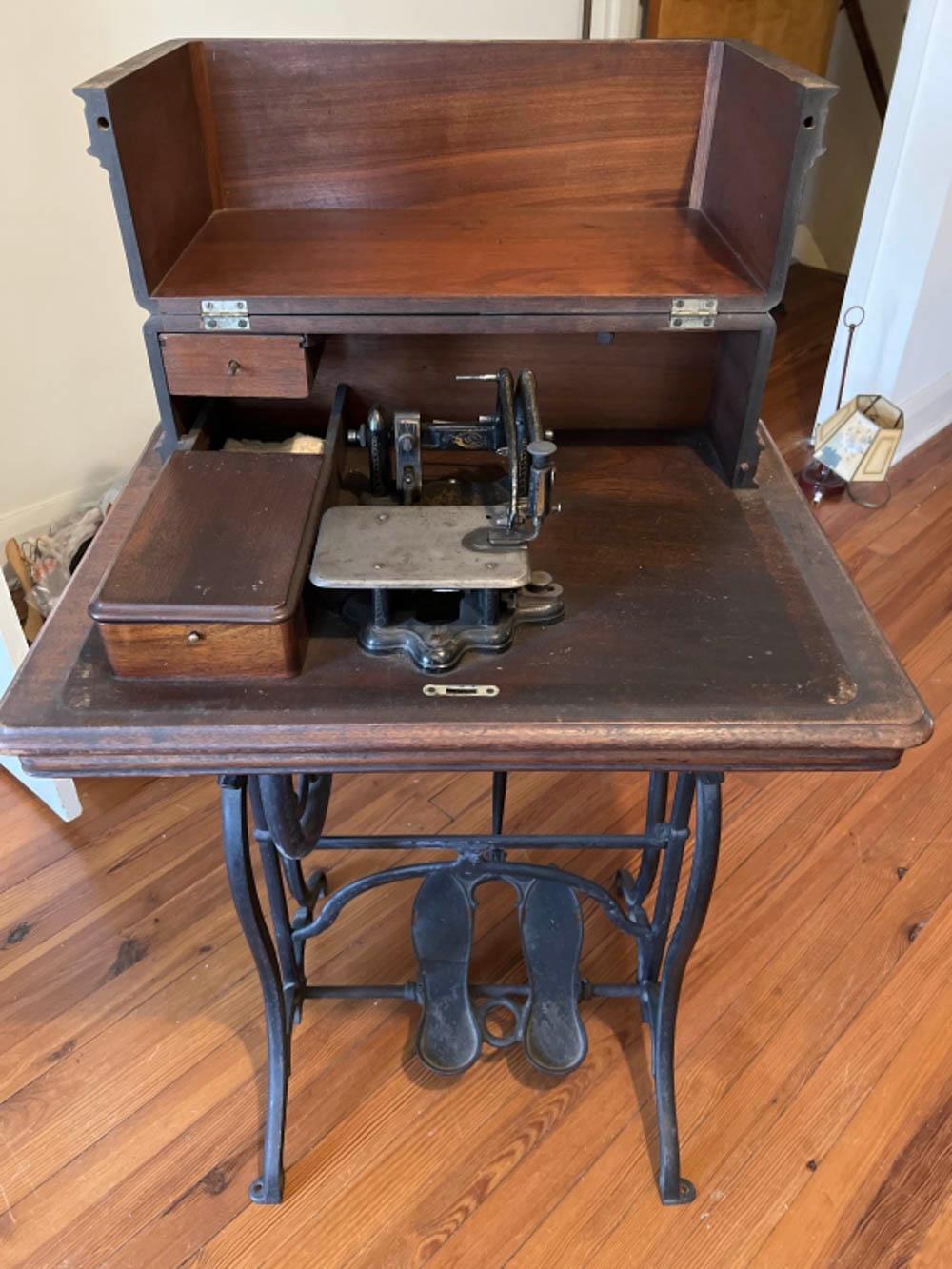
Unlocking the Worth a Collectors Guide to Determining the Value of Antique Sewing Machine Tables: appraisal and value basics
Unlocking the Worth a Collectors Guide to Determining the Value of Antique Sewing Machine Tables research should start with identification, condition, provenance, and item-specific market evidence. Use this guide to compare the signals that matter before paying for a formal appraisal or deciding whether to sell.
Antique sewing machine table appraisal checklist
Antique sewing machine tables sit at the crossroads of craftsmanship, design history, and domestic technology. Their value can vary widely—from modest decorator pieces to sought-after cabinets prized by serious collectors. If you’re appraising, buying, or selling, the key is to identify what you have, evaluate condition and originality, and compare it to real market demand. This guide walks you through the factors that determine worth and how to translate those into a confident value range.
What Drives Value in Antique Sewing Machine Tables
Several interlocking factors define value. Understanding each helps you position a piece for the right audience—collectors, decorators, or upcyclers.
Brand and maker recognition
- Singer dominates the field by volume and name recognition; common cabinets are plentiful and typically mid-range in value.
- Less common brands (Wheeler & Wilson, White, New Home, Davis, Domestic, Pfaff, Jones) can be scarcer; ornate bases or distinctive cabinetry can command premiums.
- Department store or catalog-house labels (e.g., Sears/White) can interest collectors when design quality is high.
Cabinet style and design quality
- Treadle bases with open cast-iron sides and a flip-top are most common.
- “Parlor” or “coffin-top” cabinets that conceal the machine completely tend to be scarcer and more desirable, especially with serpentine fronts or Art Nouveau/Arts & Crafts lines.
- Eastlake, Victorian, Art Nouveau, and Arts & Crafts stylistic cues matter. Strong period style, quality veneers, and carved details increase value.
Materials and craftsmanship
- Quarter-sawn “tiger” oak, walnut, and figured mahogany are more valued than plain oak or ash.
- High drawer counts (five to seven), dovetailed joinery, and original brass or nickel hardware add desirability.
- Elaborate cast-iron treadle bases (with brand name spelled out, floral scrolls, or unusual geometry) outperform plain utilitarian frames.
Rarity and completeness
- Uncommon cabinet variants, documented special-order finishes, and unusual base designs are rarer and typically more valuable.
- Having the original machine head, drawers, accessories, and lid increases value for collectors. Decorators may prefer base-only, but complete sets appeal to purists.
Condition and originality
- Original finish in honest, stable condition is preferred over recent stripping and poly finishes.
- Intact veneer, clean drawers, and rust-free iron are important. Heavy overpaint, missing parts, or aggressive modifications (e.g., cutouts for motors) depress value.
Regional and trend factors
- Industrial decor trends boost prices for ornate iron bases (often repurposed as side tables or desks).
- Rural markets can have more supply and lower prices; urban design markets often pay premiums for standout bases and parlor cabinets.
- Seasonality: late fall through winter (indoor nesting season) can see higher decorator demand.
Identification: Brand, Cabinet Style, and Era
Pinning down who made it and when frames the rest of the appraisal. Start with what is visible; then check hidden spots for stamps or labels.
Brand indicators
- Machine head: The machine itself usually carries the brand and serial number on the bedplate or pillar (e.g., Singer’s serial on the bed). Even if the head isn’t present, a matching brand appears on the cast-iron base (“SINGER,” “WHITE,” “W&W”).
- Decals and medallions: Some drawers or interior lids carry retailer decals or maker badges. Look inside drawers and under the top for paper labels, stamped numbers, or glue shadows where a label once sat.
Cabinet style clues
- Drawer layout: Single pedestal (right side drawers) vs. double pedestal (drawers both sides). More drawers often indicates a higher-grade cabinet.
- Parlor cabinets: Machine folds completely away under a hinged or sliding top. Curved fronts, serpentine panels, and complex marquetry signal upscale models.
- Hardware: Eastlake-style pulls (geometric brass) suggest late 19th century; simpler nickel or wooden knobs often indicate early 20th century.
Materials and construction details
- Wood: Quarter-sawn oak will show prominent ray fleck (“tiger”). Walnut is warmer brown with straighter, subtler grain. Mahogany is reddish and may have ribbon figure.
- Joinery: Dovetailed drawers and mortise-and-tenon frames indicate quality; machine-cut dovetails are typical by the late 19th century.
- Screws and fasteners: Cut screws point to older construction; consistent hardware suggests originality.
Date range by features (broadly)
- 1870s–1890s: Heavily Victorian styling, Eastlake details, ornate cast-iron bases, coffin tops.
- 1890s–1915: High craftsmanship in oak/walnut, multipedal drawers, abundant treadle machines.
- 1915–1930s: Simpler lines, transition toward electric machines; treadle cabinets persist but with cleaner styling.
Mismatched or “married” pieces
- It’s common to find a Singer machine in a non-Singer base or vice versa. Collectors pay less for these marriages, but decorators may not mind. Identify marriages by mismatched mounting holes, odd fit, or different finish patterns.
Condition and Originality: How to Grade It
Value swings the most on condition and originality. Grade consistently to make your pricing credible.
Finish
- Best: Original shellac/lacquer with light wear, consistent patina, no heavy sanding. Cleanable surface grime.
- Good: Refinished but sympathetic (hand-rubbed varnish, toned to period); minimal loss of detail.
- Fair: Heavy over-sanding that flattens carving or quartersawn figure; modern polyurethane gloss; color mismatch.
- Poor: Water damage, veneer bubbles or losses, active mold, smoke odor that resists cleaning.
Veneer and structure
- Veneer: Small chips at edges are common; large losses, patches, and misaligned grain reduce value.
- Drawers: Should slide smoothly; check for runners wear, splits, or replaced bottoms.
- Casework: Look for loose joints, split panels, and warp; repairs are acceptable if neat and structurally sound.
Iron base and treadle mechanism
- Rust: Surface oxidation is expected; deep pitting or missing parts (flywheel, pitman rod, treadle footplate) lower value.
- Overpaint: Thick non-original paint obscuring casting detail detracts; professional conservation-grade paint is better than rattle-can gloss.
- Motion: A freely moving wheel and treadle indicate less corrosion; seized parts require time or money to remedy.
Completeness and accessories
- Original top cover, leaf extension hardware, and all drawers present raise value.
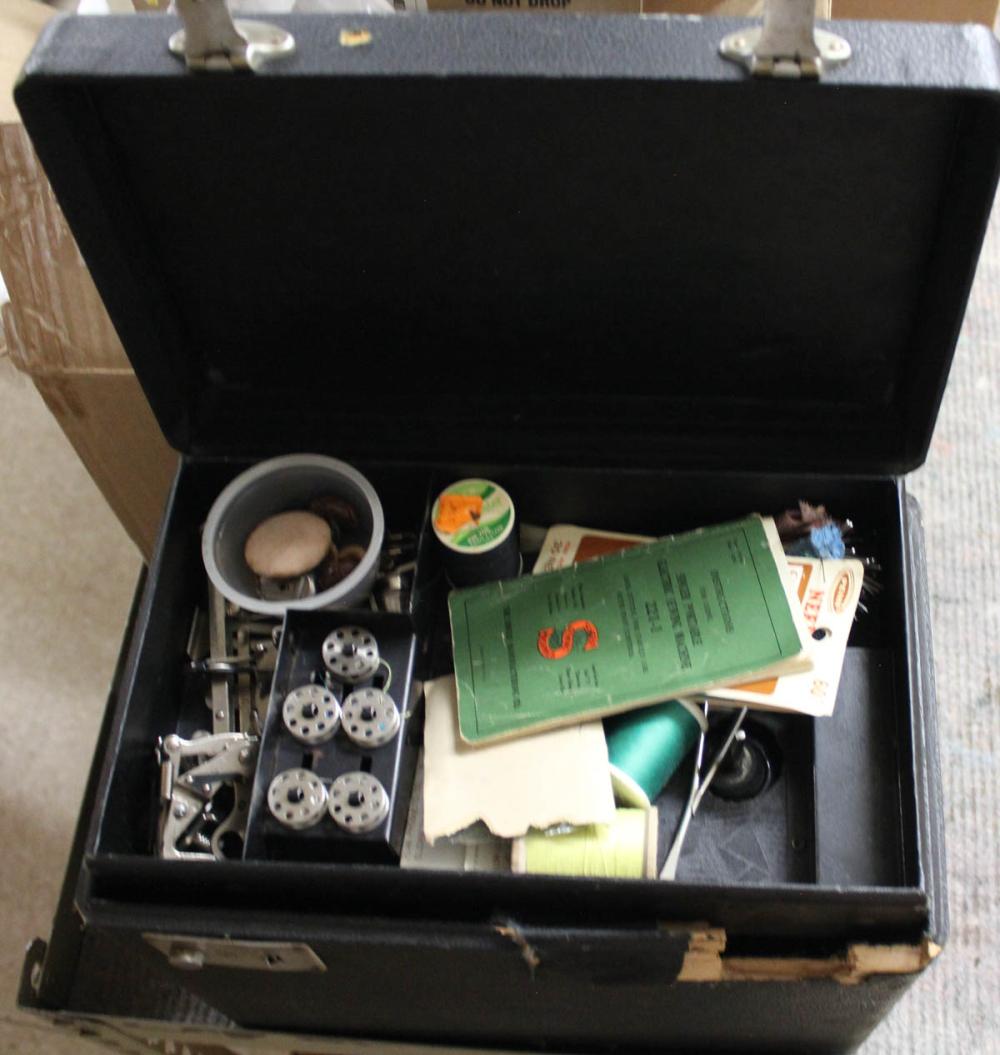
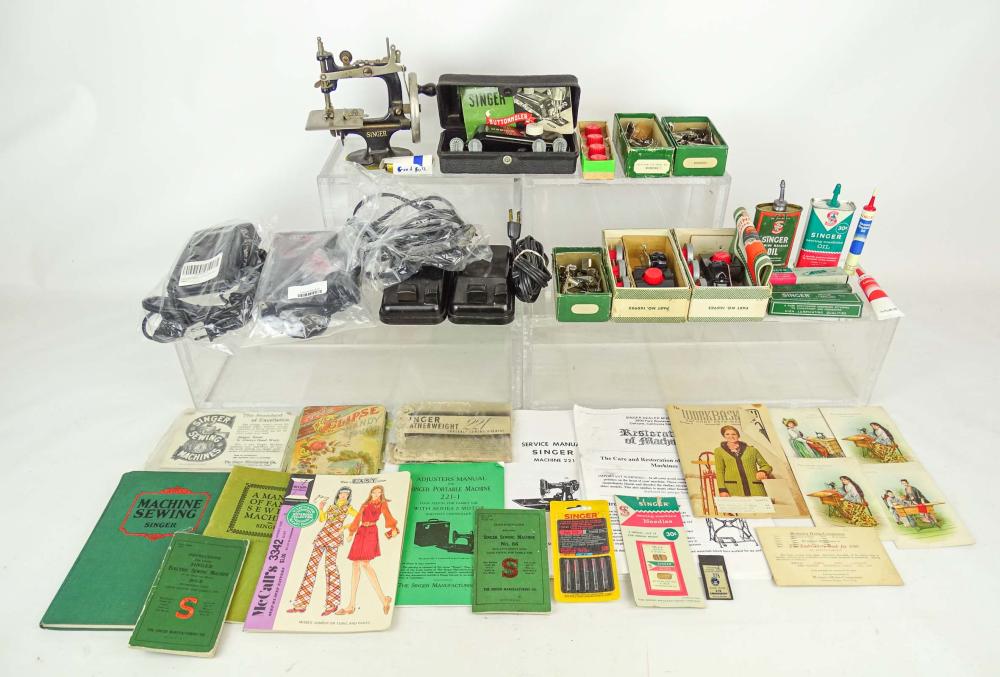
- Machine head presence matters for collectors; look for shuttle/bobbin winder, presser feet, manuals, and attachments in drawers.
- Keys for locks and intact escutcheons are a plus but not essential.
Modifications and red flags
- Motor cutouts or drilled holes for electrification reduce value significantly.
- Converted desks or vanities: appealing to decorators but worth less to machine collectors.
- Strong odors (mildew, mice) are difficult to remediate; budget for restoration time.
Market Reality: Price Ranges and Demand by Segment
Expect ranges, not absolutes. Geography, timing, and presentation matter, so compare recent retail and private-party sales in your area. For documented pieces in North American and European markets, the segments compare like this:
Common treadle cabinets with base and machine
- Average oak, 4–5 drawers, honest wear: modest values; supply is plentiful.
- Clean, complete, attractive figure (tiger oak), 6–7 drawers: noticeably higher.
- Exceptional examples with ornate bases, premium veneers, or scarce brands: the top of this segment.
Parlor and high-style cabinets
- Serpentine or fully enclosing cabinets with strong period design, complete and clean: above common treadle cabinets.
- Top-tier examples (notable maker, exceptional veneers, near-original finish, documented provenance): the most valuable sewing cabinets.
Bases only (no top/machine)
- Decorative cast-iron bases in good paint or conserved patina: steady demand for repurposing.
- Unusually ornate or branded bases with superior castings: sell for more.
Machine head only or parts
- Priced on model rarity and cosmetic condition. Heads with vivid original decals (“Red Eye,” “Lotus”) can nudge higher.
Project pieces
- Incomplete, heavy veneer loss, severe rust, or modifications: low values; often bought for parts or upcycling.
Signals that push values higher:
- Strong, original finish and crisp casting detail
- Rare cabinet variants, stylish parlor forms
- Full accessory sets and documentation (receipts, manuals)
- Professional, well-lit photos and clear measurements in listings
- Selling into design-savvy urban markets or curated antique venues
Signals that lower values:
- Over-refinishing, polyurethane glare, flat-sanded carving
- Mismatched machine/cabinet, missing drawers, drilled motor holes
- Active odor, mold, or pest damage
- Poor presentation or local markets saturated with common Singers
Appraisal, Selling, and Care Tips
Approach valuation methodically to avoid underpricing or wishful thinking.
Build market evidence the right way
- Focus on sold prices, not asking prices, for similar cabinet styles, woods, and base designs.
- Match condition: original vs refinished, complete vs missing parts.
- Adjust for geography and venue (local pickup vs ship-ready, estate sale vs curated dealer).
Present like a pro
- Photography: Clean surfaces, neutral background, sharp detail of veneer figure, drawer interiors, base castings, and any labels/stamps.
- Measurements: Overall width (closed and open), depth, height, knee clearance if relevant.
- Honesty: Note every flaw; credibly priced pieces with transparent condition sell faster.
Selling venue selection
- Local marketplaces: Faster sales for bases and common treadles; lower hassle, lower ceiling.
- Antique dealers/centers: Higher chance of finding the right buyer; dealer margin applies.
- Specialist auctions: Best for rare cabinets, documented parlor forms, or exceptional condition.
Care and conservation basics
- Wood: Dust, then clean with naphtha or a gentle wood cleaner; avoid water saturation. Feed with a high-quality paste wax rather than oily polishes.
- Veneer: Re-glue loose edges with reversible adhesives; color-infill small losses conservatively.
- Iron: Remove loose rust with fine steel wool and light oil; avoid grinding away casting detail. Consider conservation-grade matte clear to stabilize.
- Reversibility: Favor repairs you (or a future conservator) can undo. Avoid modern polyurethane unless the piece is already stripped.
Quick Valuation Checklist
- Identify brand on base and/or machine; note any retail decals or stamps.
- Classify cabinet type: treadle vs parlor; drawer count; stylistic period.
- Confirm wood species and veneer quality (quarter-sawn oak, walnut, mahogany).
- Assess condition: finish originality, veneer integrity, rust level, completeness.
- Note modifications: electrification holes, replaced hardware, married parts.
- Photograph comprehensively; record measurements.
- Research sold comparables matching style, condition, and region.
- Set a range, not a single price; choose the venue that fits the piece and your timing.
FAQ
Q: Is refinishing always bad for value? A: Not always. A tasteful, period-appropriate refinish can stabilize a piece and make it marketable, especially for decorator buyers. For collectors, original finish in good condition is best. Aggressive sanding, color shifts, and glossy polyurethane usually reduce value.
Q: Does removing the machine head increase value? A: It depends on the buyer. Decorators often seek just the iron base to repurpose as a table, so the base alone can sell quickly. Collectors prefer complete sets. If you do separate them, disclose it and price each accordingly.
Q: How can I tell if my cabinet and machine are original to each other? A: Check for aligned mounting holes, matching screw patterns and finish wear, and brand consistency between base castings, decals, and machine badges. Mismatches are common; they lower value to collectors but may not deter design buyers.
Q: What’s the best way to remove rust from the iron base? A: Start with gentle methods: vacuum, soft brush, then fine steel wool with light oil. For heavier rust, use a chelating rust remover sparingly. Avoid grinding or heavy sanding that erases casting details; consider a matte conservation clear coat to stabilize.
Q: How do I ship a sewing machine table safely? A: Whenever possible, sell for local pickup. If shipping, disassemble: remove the machine head, drawers, and top; pack each component separately with rigid edge protection. Crate the iron base or use a double-wall box with dense foam. Insure based on your appraised value range.
With a careful identification, honest grading, and venue-savvy pricing, you can unlock the real worth of an antique sewing machine table—whether that’s as a historically intact cabinet for a collector or as a striking design element for a modern interior.