Unlocking the Secrets of Valuation How to Determine the Worth of Your Antique Curved Glass Curio Cabinet: appraisal and value basics
Unlocking the Secrets of Valuation How to Determine the Worth of Your Antique Curved Glass Curio Cabinet research should start with identification, condition, provenance, and item-specific market evidence. Use this guide to compare the signals that matter before paying for a formal appraisal or deciding whether to sell.
Antique curved glass curio cabinet value checklist
Antique curved glass curio cabinets fascinate collectors because they combine technical ingenuity (bent glass) with the decorative flair of the late Victorian and Edwardian eras. Getting the value right means looking beyond surface beauty. You need to decode age, construction, originality, maker, condition, and the current market for your specific form and region. This guide walks you through a methodical approach that balances connoisseurship with real-world pricing.
What Exactly Is a Curved Glass Curio Cabinet?
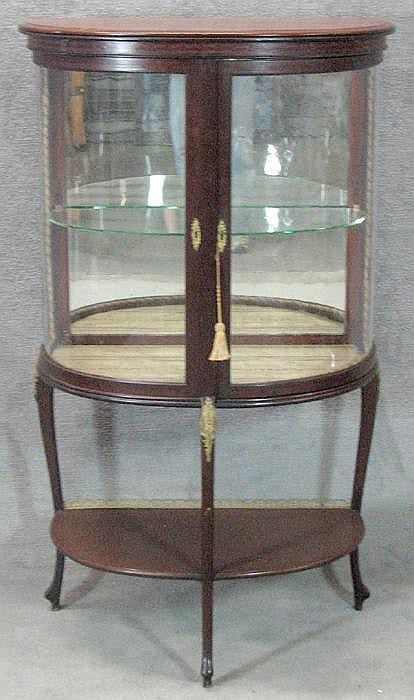
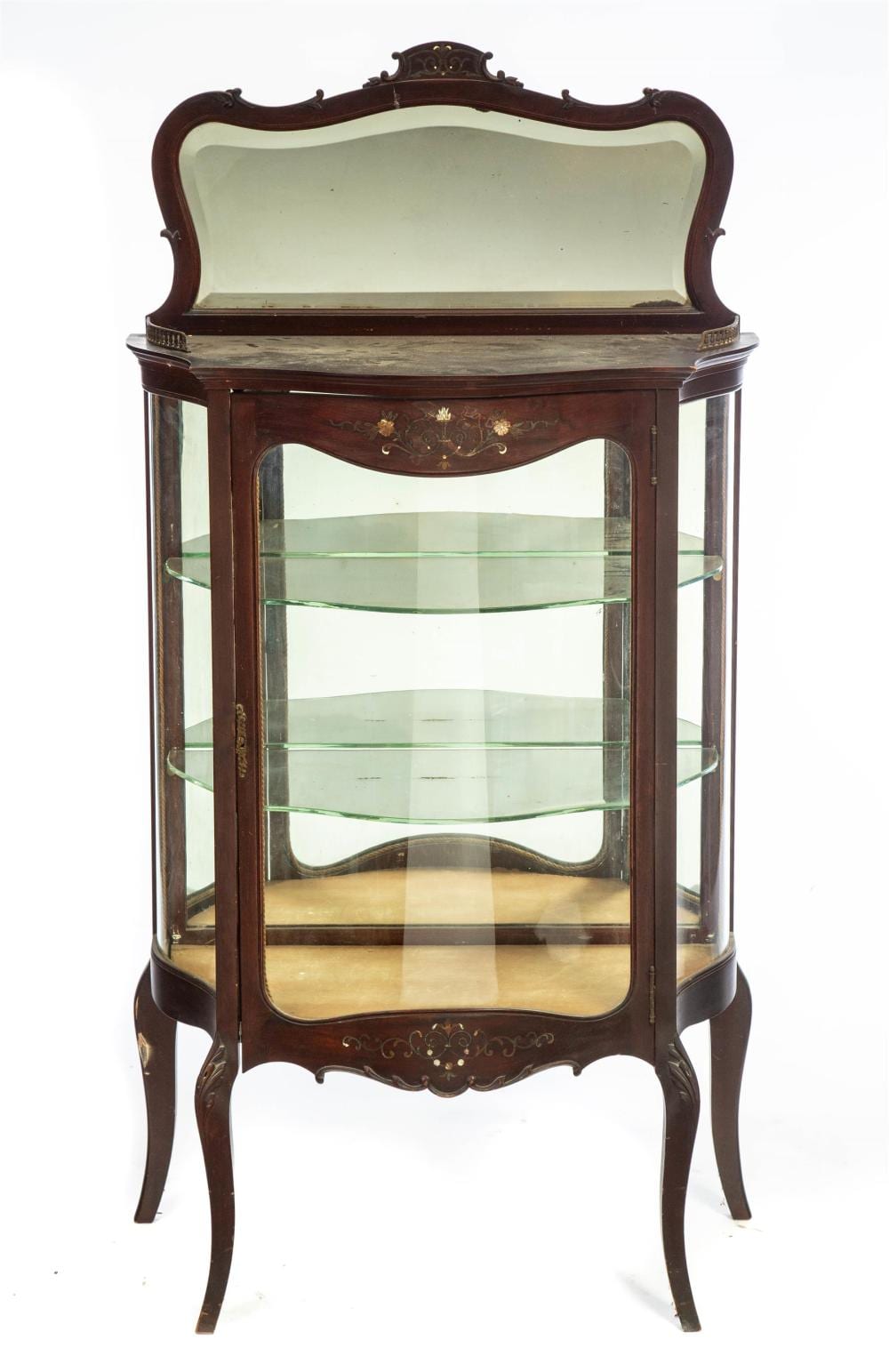
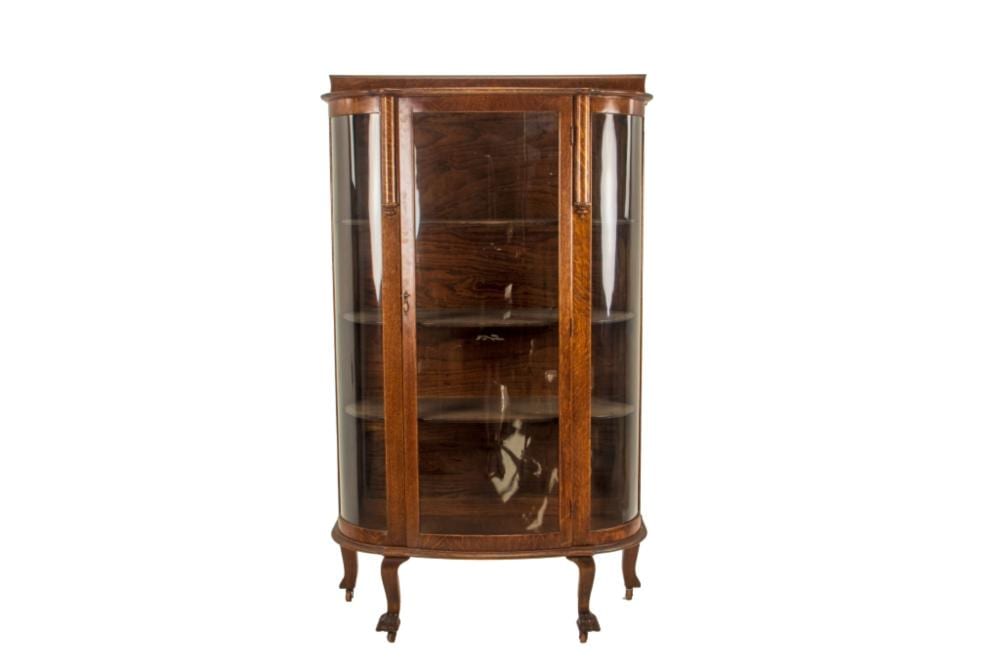
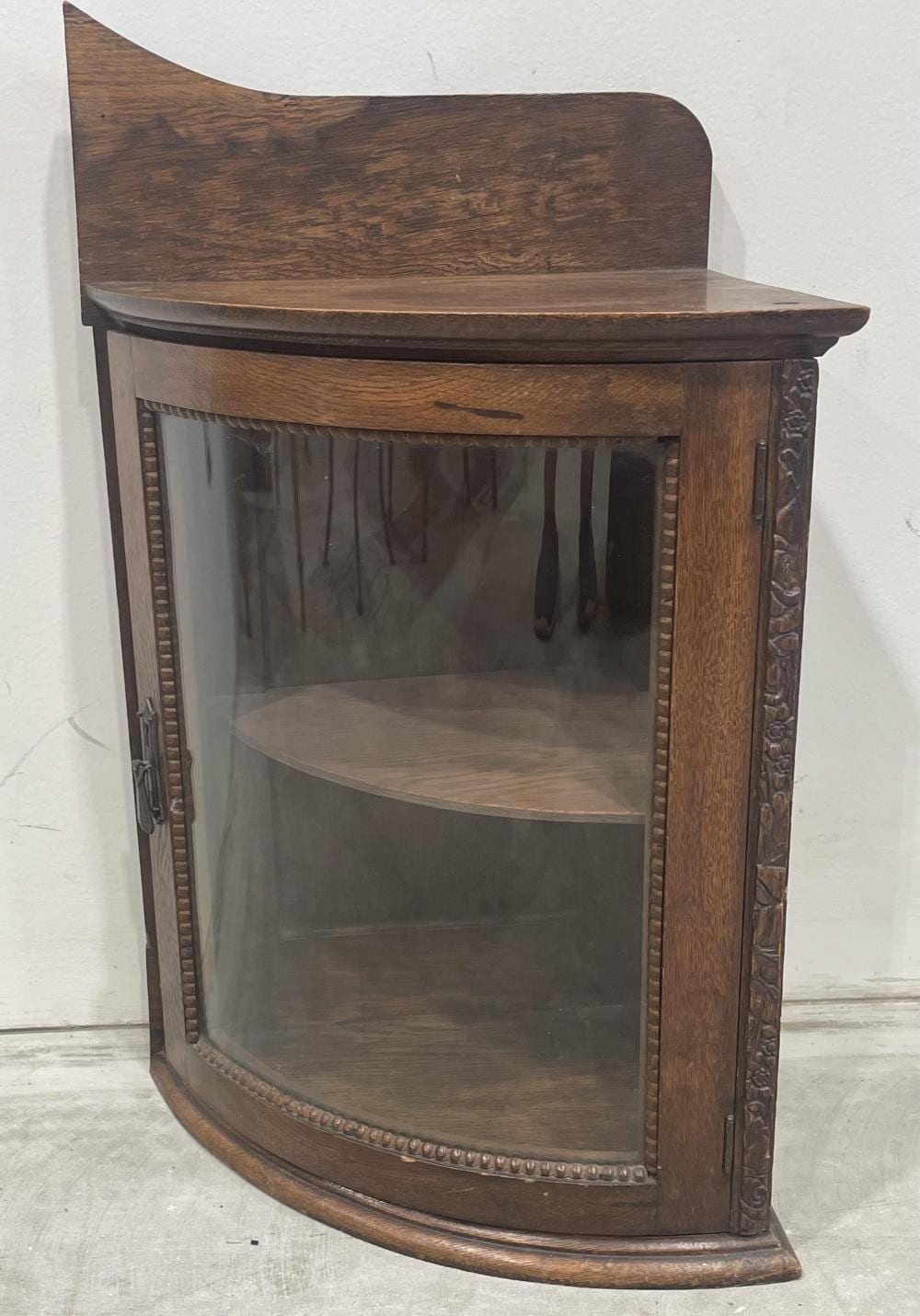
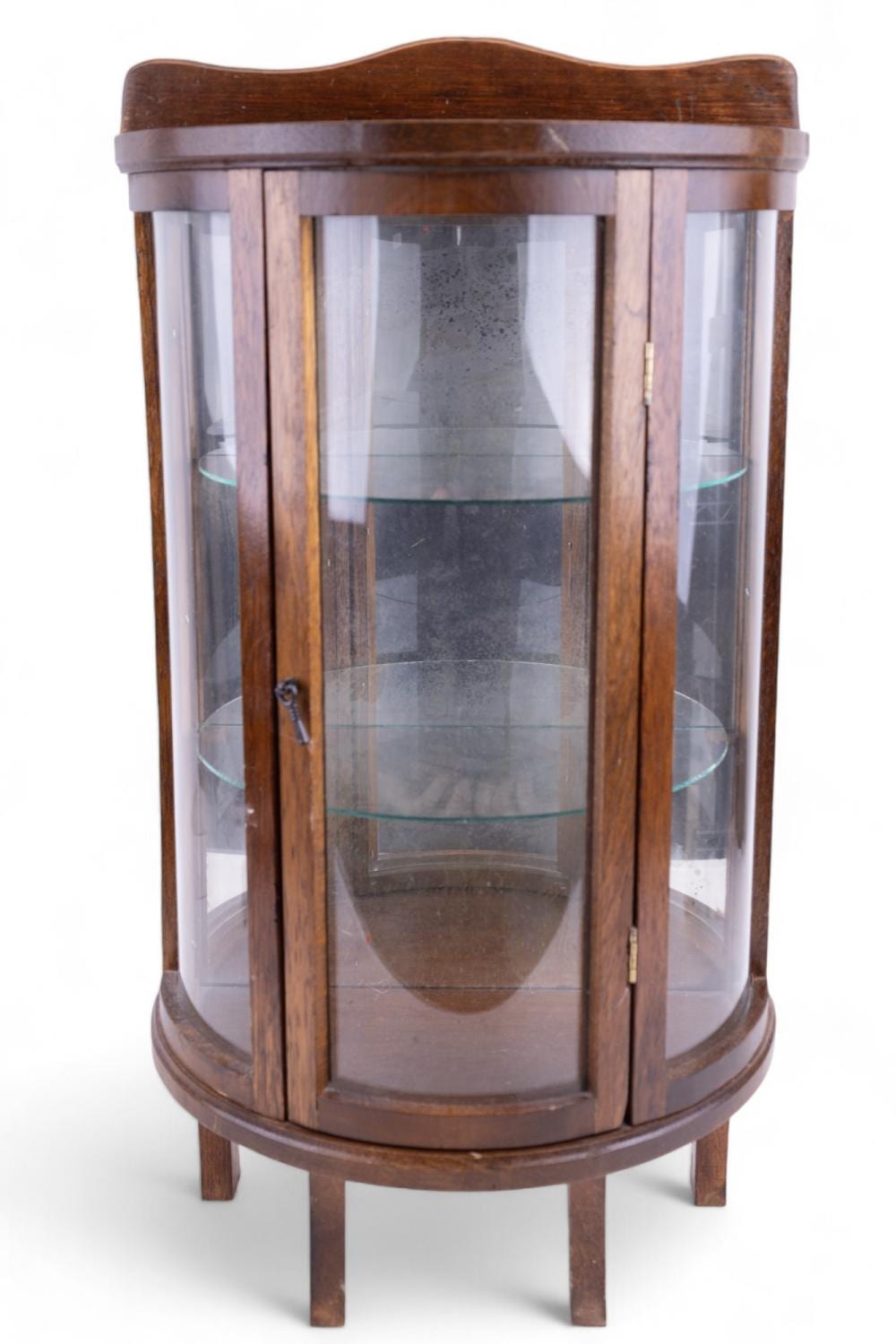
“Curved glass” or “bent glass” curio cabinets are enclosed display cases with convex glass sides or doors, popular from roughly the 1890s to the 1920s. They evolved in several recognizable forms:
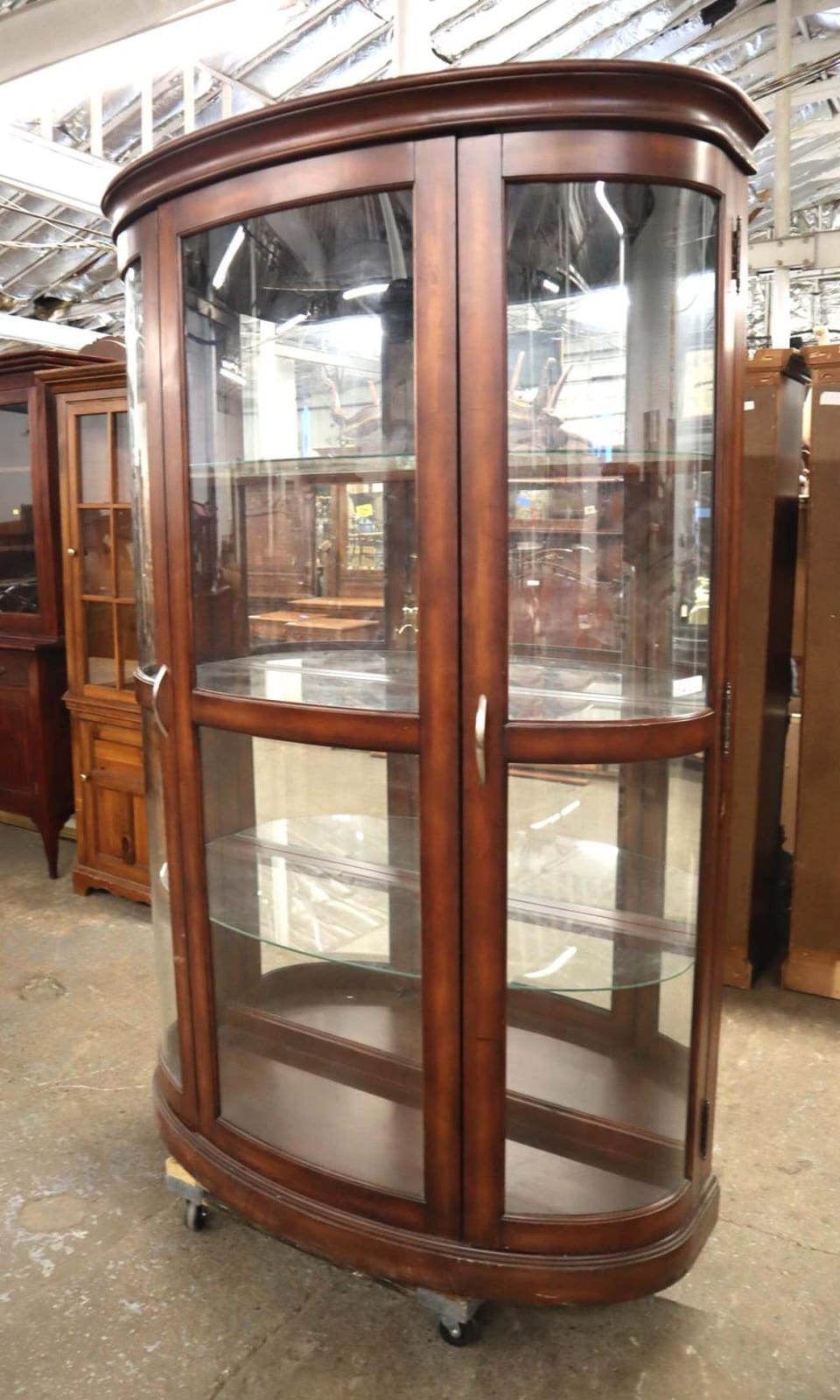
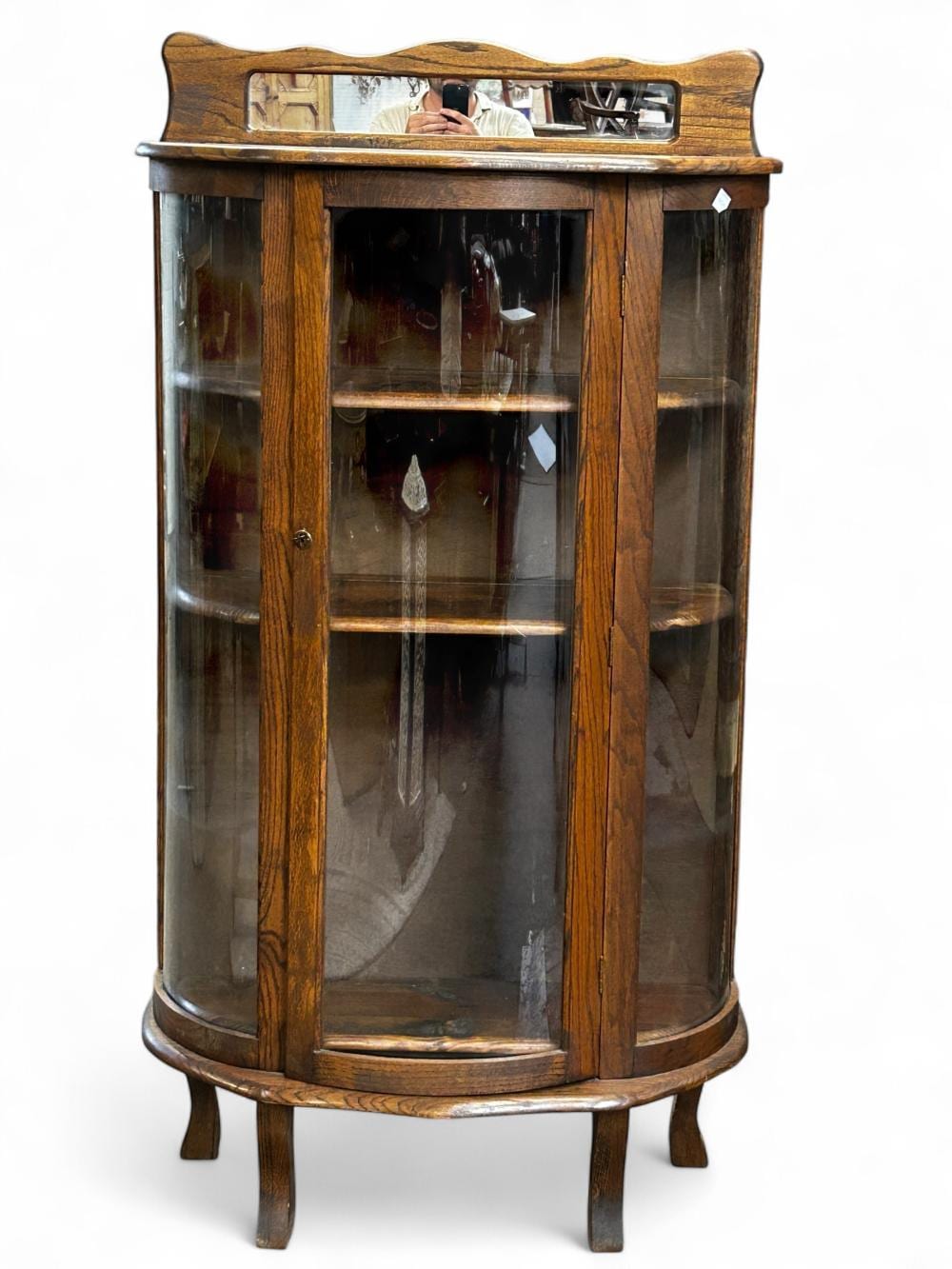
- Bowfront: Continuous curve across the front, often with flat or curved sides.
- Serpentine: An undulating, S-shaped front with alternating convex/concave sections.
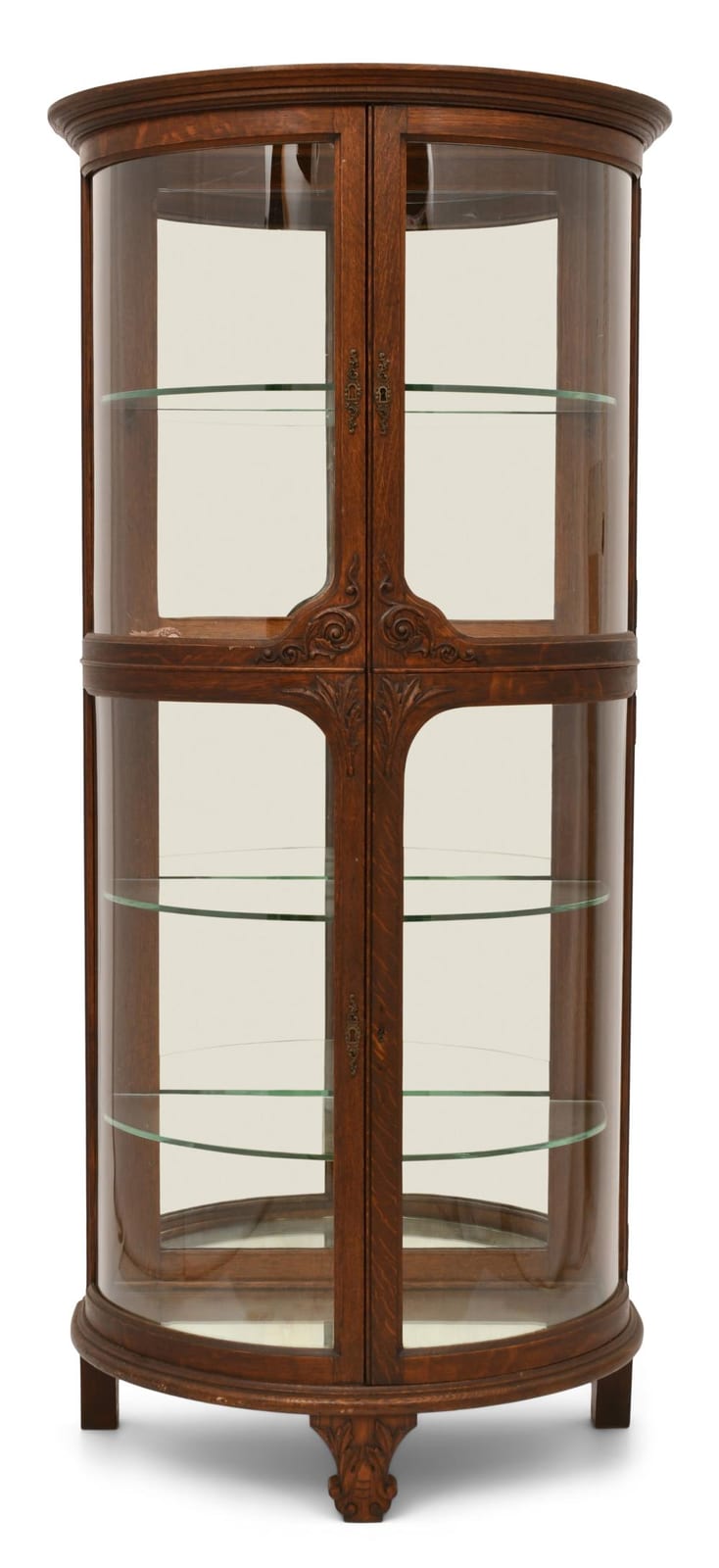
- Demi-lune: Half-round cabinets, often wall or console types.
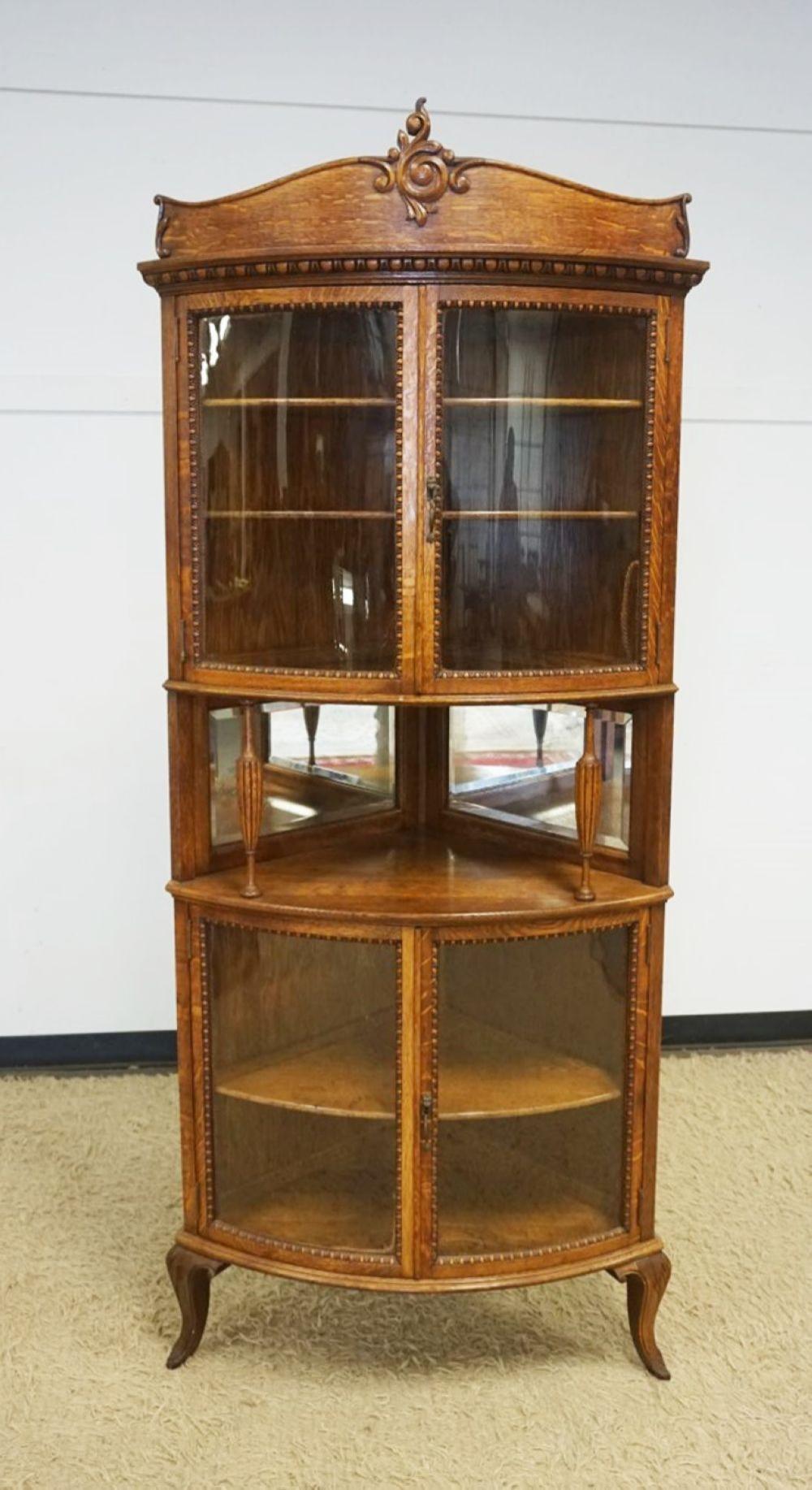
- Corner curio: Triangular footprint designed for corners, sometimes with curved door glass.
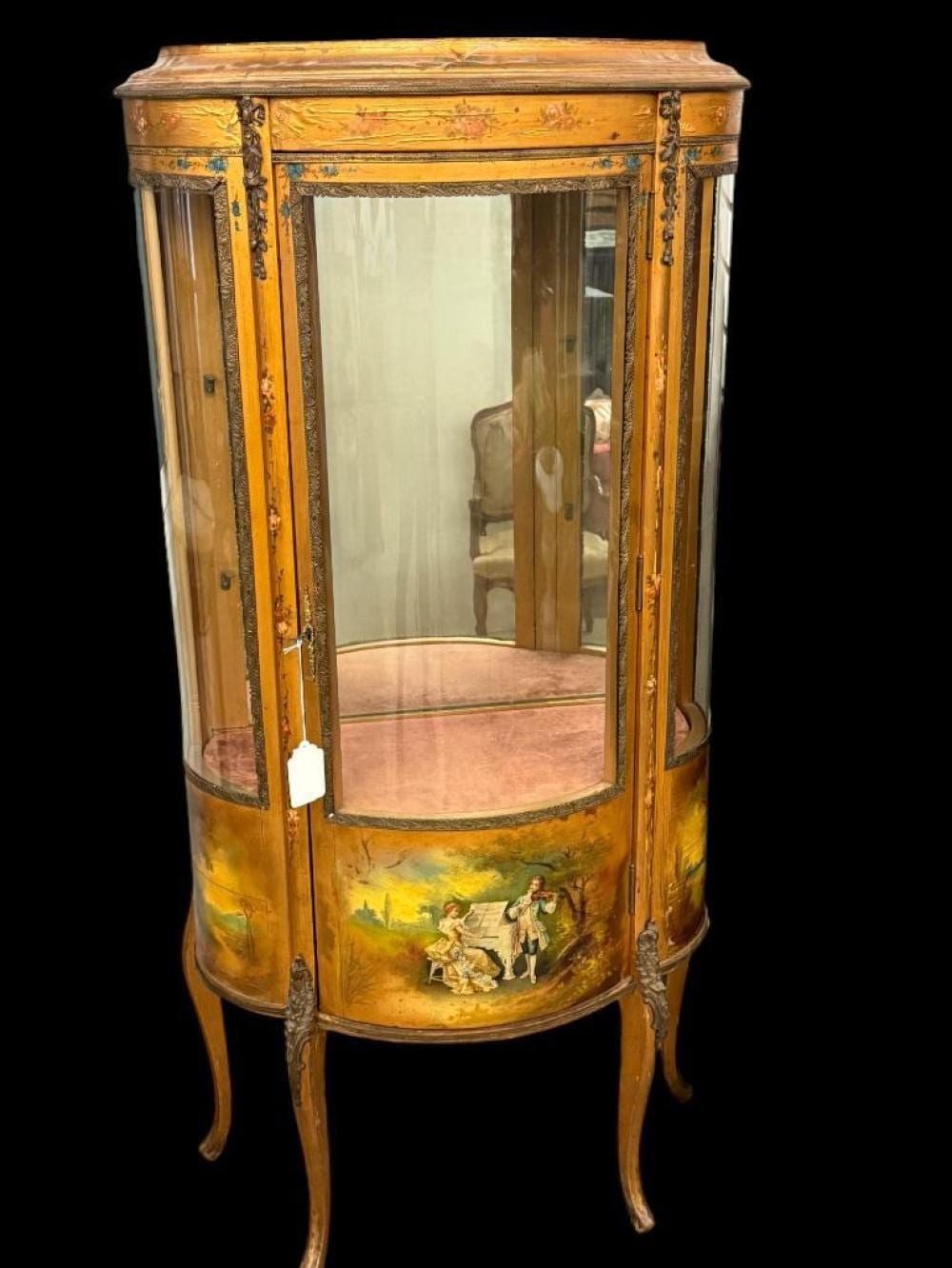
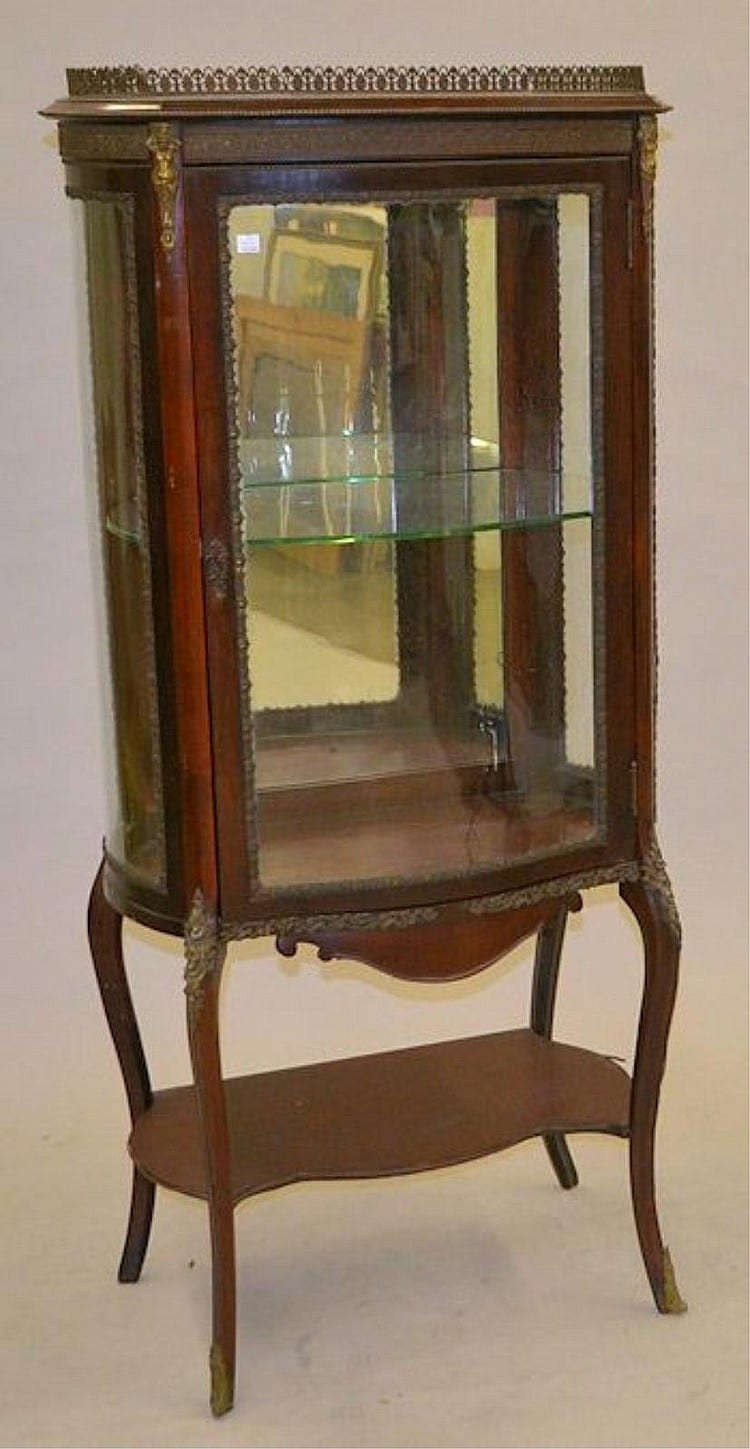
- Vitrine: A more formal, often European cabinet with ormolu (gilt bronze) mounts, inlays, or marquetry.
Common woods include quarter-sawn (“tiger”) oak during the “Golden Oak” period, as well as mahogany and walnut. Features may include beveled glass, mirrored backs, adjustable glass or wood shelves, claw-and-ball feet, cabriole legs, bun feet, or plinth bases. Interiors might be lined with velvet or retain original wood finishes.
Understanding which subtype you have sets the baseline for quality and demand. For example, a heavily carved tiger oak bowfront with original bent glass typically commands more interest than a later straight-glass, lighted cabinet from the mid-20th century.
Reading the Cabinet: Age, Materials, and Construction
Accurately dating your cabinet sharpens value estimates and helps weed out reproductions.
- Glass clues:
- Bent/bowed glass panels were an expensive novelty circa 1890–1920. Original glass often shows slight waviness, air seeds, or subtle irregularities; edges may be beveled on higher-grade pieces.
- Tempered glass (with modern safety stamp), flawless clarity, and uniformity can indicate later replacement or a modern reproduction.
- Wood and finish:
- Quarter-sawn oak displays dramatic “ray fleck” figure; mahogany ranges from reddish-brown to deep oxblood, sometimes veneered on showroom-grade pieces.
- Original finishes are typically shellac (common before the 1920s). Nitrocellulose lacquer appears later. A conservator can perform a discreet test if necessary; avoid aggressive DIY solvent tests on finished surfaces.
- Joinery and fasteners:
- Hand-cut joinery is more typical before the 1890s, but many factory-made curios use machine-cut joints with quality craftsmanship.
- Slotted screws predominate on authentic cabinets; Phillips screws almost always indicate later repairs or replacements (Phillips was patented in the 1930s).
- Backboards: Older examples often have tongue-and-groove or ship-lap backboards with saw marks; thin hardboard or MDF backs are a red flag for later manufacture or repair.
- Hardware:
- Brass locks and escutcheons with working keys are common; aged patina consistent with the cabinet is a positive sign. Bright, modern hardware often means replacement.
- Labels and marks:
- Paper or metal labels from furniture makers or retailers (often from Grand Rapids, Chicago, or East Coast cities) can help. Trade labels may be tacked to backboards or inside the case. European vitrines can carry cabinetmaker stamps or stenciled inventory numbers.
No single feature dates a piece with certainty; weigh evidence in combination. A curved-glass cabinet with original wavy bent glass, slotted screws, a shellac finish, and a period retailer label is almost certainly early 20th century.
Condition and Originality: What Changes Value Most
Condition and originality are the two biggest value drivers after rarity and maker. They can swing prices dramatically.
- Glass:
- Original bent glass intact: Major plus. Replacement bent glass is costly and can lower value due to loss of originality.
- Cracks, starbursts, or chips: Significant value hits. Even stable cracks deter buyers.
- Replacement flat panels where curves should be: Severe downgrade; function and look are compromised.
- Finish:
- Original finish with even, honest wear is preferred by many collectors and appraisers.
- Heavy refinishing that flattens grain or removes crisp carving detail reduces value, especially on tiger oak and carved pieces.
- Spot touch-ups or French polishing, done skillfully, are less problematic.
- Structure:
- Check door alignment, hinge integrity, shelf supports, and base stability. Loose joints or racking (out-of-square) are common but fixable.
- Water staining, veneer lifts, or pest damage (frass, exit holes) negatively impact value and may indicate deeper issues.
- Mirrors and shelves:
- Original mirrored backs often show silvering loss (“foxing”). Mild foxing is acceptable; severe loss can be distracting.
- Original wood shelves versus later glass shelves change the aesthetic; either can be desirable depending on the style, but mismatched modern replacements may reduce appeal.
- Hardware and keys:
- Complete locks with keys are nice-to-have, not must-have, but missing or mismatched hardware can nick value.
Think like a buyer: Does the cabinet present well, function safely, and retain its period look? If yes, you’re closer to the top of the value range for your category.
Maker, Style, and Rarity Signals
Most curved-glass curios were produced by quality American manufacturers during the furniture boom (Grand Rapids, Chicago, and other centers). While many were unmarked showroom pieces, certain signals can elevate value:
- Exceptional carving: Lion heads, griffins, female masks, deep foliage, and acanthus carving indicate higher-grade cabinets.
- Superior materials: Intense quarter-sawn oak figuring, Cuban mahogany veneers, beveled bent glass, thick mirrored backs.
- Distinctive forms: Extra-tall cabinets with domed bonnets, serpentine fronts with multi-panel curves, demi-lune vitrines, or corner curios with elaborate cresting.
- European vitrines: French or Italian vitrines with ormolu mounts, marquetry, or vernis Martin panels inhabit a separate, often higher, market tier, especially if mounts or inlays are original and crisp.
- Documented maker or retailer: A labeled cabinet from a known high-end firm or a prestigious retailer can add confidence and value.
Rarity helps, but desirability drives the final number. Overly ornate pieces may shine in some regions and stall in others; streamlined forms can outperform in markets favoring simpler décor.
Market Reality: Comparable Sales and Value Types
To avoid wishful thinking, align your cabinet with real-world comparables (“comps”). Note that sales venue, region, and timing matter.
- Where to source comps:
- Local auction and estate sale results for similarly styled curved-glass curios in comparable condition.
- Dealer price lists and show tags (retail). Remember retail includes overhead and time-to-sell.
- Online marketplace asking and sold prices; focus on sold results, not just ambitious asks.
- Adjusting comps:
- Glass originality: Deduct for replaced or damaged curved glass.
- Carving level and wood: Add for exceptional carving or tiger oak; compare oak to oak, mahogany to mahogany.
- Size and form: Corner curios and demi-lune forms follow different demand curves; don’t mix apples and oranges.
- Region and logistics: Large cabinets bring high shipping costs, pressuring prices downward in auction settings where buyers must arrange transport.
Understand value types, each with a different number:
- Fair market value (FMV): What a willing buyer and seller agree upon in an open market without compulsion—often approximated by auction hammer price in your region.
- Retail replacement value (insurance): Cost to replace with a comparable item in a retail setting within a reasonable time; usually the highest figure.
- Dealer/wholesale value: What a trade buyer would pay, factoring in restoration and holding costs; lower than FMV.
- Liquidation value: Forced-sale or quick-sale value; often well below FMV.
Typical ranges, broadly speaking:
- Common, attractive, unrestored curved-glass oak curios with original glass often trade at regional auction for roughly low hundreds to low four figures, with retail tags materially higher.
- High-style carved examples, superb condition, and rare forms can climb substantially higher at retail.
- European vitrines with fine mounts or inlay occupy their own spectrum, ranging from modest to high four figures and beyond when provenance, mounts, and craftsmanship are exceptional.
Your cabinet’s placement on this spectrum is determined by the checklists above, not hope.
Restoration Math: Costs vs Value
Repairs can preserve value—or erase profit. Before you greenlight work, run the math.
- Bent glass replacement:
- Custom bent glass is specialized and expensive. Expect several hundred to over a thousand per panel depending on size, radius, and bevel. Replacement stabilizes function but will likely not recoup cost unless the cabinet is otherwise outstanding.
- Finish work:
- Gentle cleaning and conservation-grade touch-ups can be value-neutral or value-positive.
- Full refinishing is costly and can reduce value on collectible examples, especially where original patina is prized.
- Structural repairs:
- Regluing loose joints, leveling doors, and securing shelf supports are relatively affordable and generally worthwhile.
- Mirror resilvering:
- Resilvering can refresh presentation; weigh cost against originality. Some buyers prefer gentle foxing to a brand-new mirror.
Rule of thumb: Prioritize safety and function, stabilize original elements, and avoid irreversible changes unless a major value unlock is clear and comp-supported.
Documenting and Presenting: For Appraisal or Sale
Clear, consistent documentation increases appraisal accuracy and sale success.
- Measurements:
- Height, width (widest point), depth (deepest point), interior shelf depth and spacing. Note whether shelves are adjustable and whether they are wood or glass.
- Photographs:
- Overall front and sides, close-ups of curves, glass edges, hardware, feet, backboards, labels/stamps, interior, any damage or repairs. Shoot in natural, even light.
- Condition notes:
- Identify all issues honestly: glass chips, veneer lifts, finish loss, silvering, replaced hardware, non-original shelves.
- Provenance:
- Keep receipts, family histories, or appraisal documents. Even modest provenance can add confidence.
- Staging for sale:
- Level the cabinet; ensure doors close smoothly; place neutral items inside to show scale without clutter.
With a clean presentation and transparent notes, you invite trust and minimize haggling.
Practical Valuation Checklist
- Identify form: bowfront, serpentine, demi-lune, or corner curio.
- Confirm era: evidence of original bent glass, shellac finish, slotted screws, period backboards.
- Wood and grade: quarter-sawn oak, mahogany, walnut; note ray fleck, veneer quality, bevels.
- Originality: original curved glass, mirror, hardware, shelves, interior lining.
- Condition: structural stability, door/hinge function, glass integrity, finish quality, silvering, veneer.
- Maker/labels: photograph and note any labels, stamps, or retailer marks.
- Compare comps: at least 5 recent sales of similar form, wood, carving level, and condition in your region.
- Assign value type: FMV, retail replacement (insurance), dealer, or quick-sale, and match comps accordingly.
- Restoration math: estimate costs for glass, finish, structural, and mirror work; decide if repairs pay back.
- Document & present: measurements, 12–20 clear photos, honest condition report, and any provenance.
FAQ
Q: How much does replacing curved (bent) glass affect value? A: Replacing bent glass preserves function but usually reduces collector value because originality is lost. Expect a penalty compared to intact original glass; the exact impact varies with the cabinet’s overall quality and how closely the replacement matches the original look.
Q: Should I refinish my cabinet before selling? A: Usually no, unless the finish is severely compromised. Gentle cleaning and selective touch-ups are safer. Original shellac with even wear is often more desirable than a shiny modern refinish.
Q: What’s the difference between insurance value and what I’d get at auction? A: Insurance (replacement) value reflects the cost to replace the piece in a retail setting and is typically the highest figure. Auction prices (FMV) can be materially lower due to buyer risk, fees, and logistics.
Q: Does a missing key matter? A: Minor issue. Functioning locks with keys are nice, but a missing key is a small deduction. Emphasize door alignment and overall structural soundness instead.
Q: How can I tell if my cabinet is European or American? A: European vitrines often feature ormolu mounts, inlaid marquetry, and more formal proportions; American curved-glass curios from 1890–1920 favor tiger oak or mahogany, machine-age construction with quality veneers, and less metal ornamentation. Labels, mounts, and construction details usually provide the best clues.
By pairing connoisseurship with practical market comparisons—and by running the restoration math—you’ll anchor your valuation in reality. That’s the surest path to a confident appraisal, a fair insurance figure, or a successful sale for your antique curved glass curio cabinet.