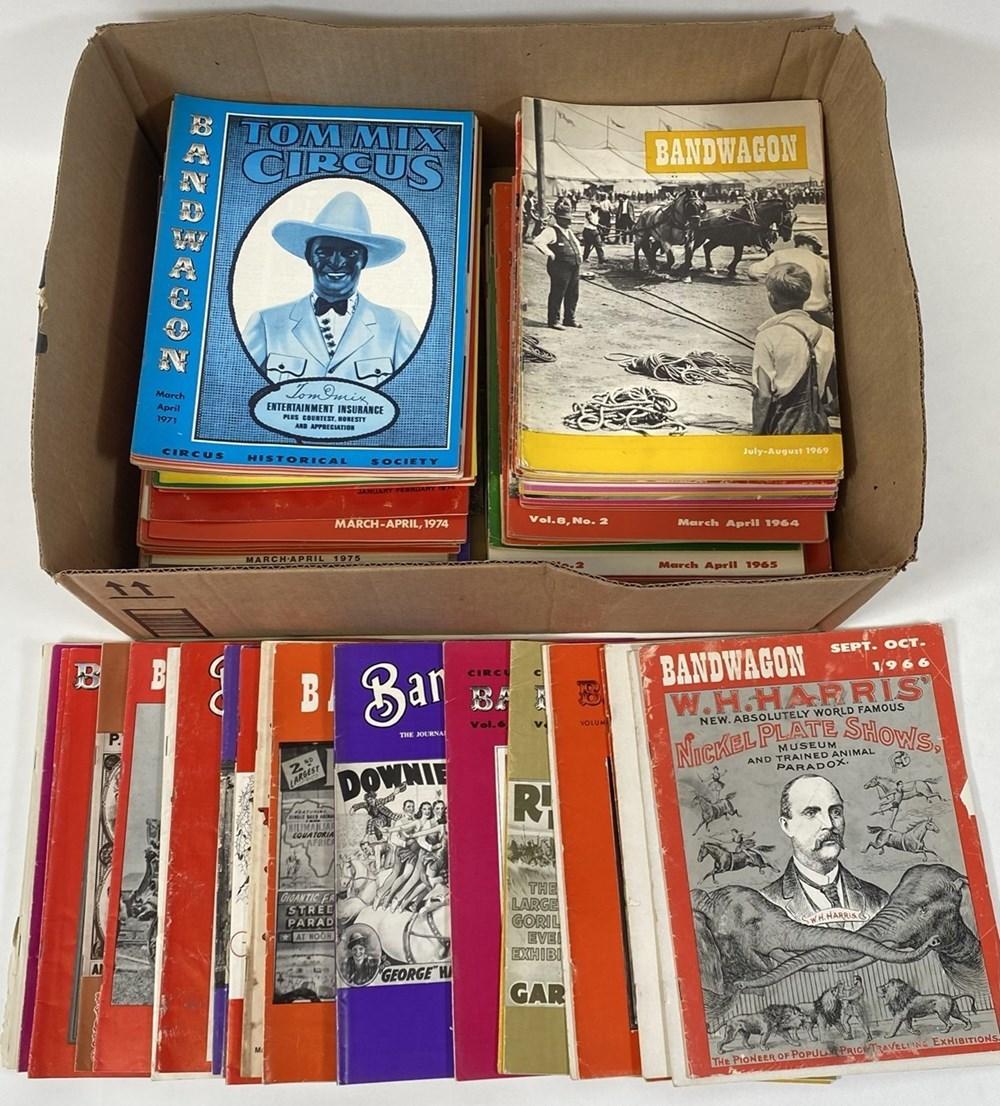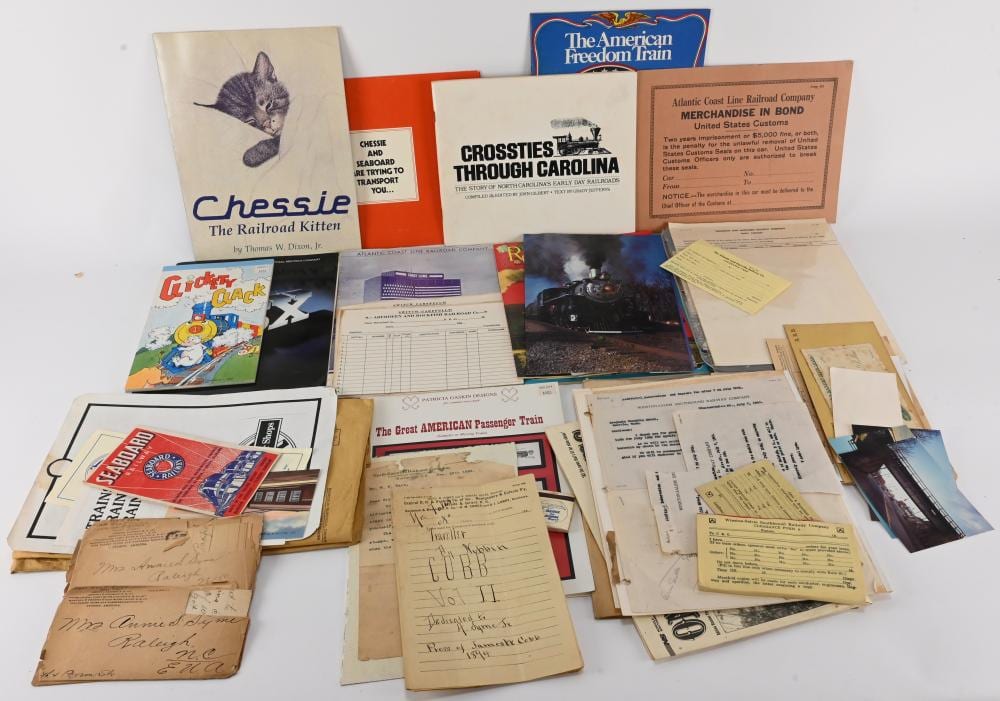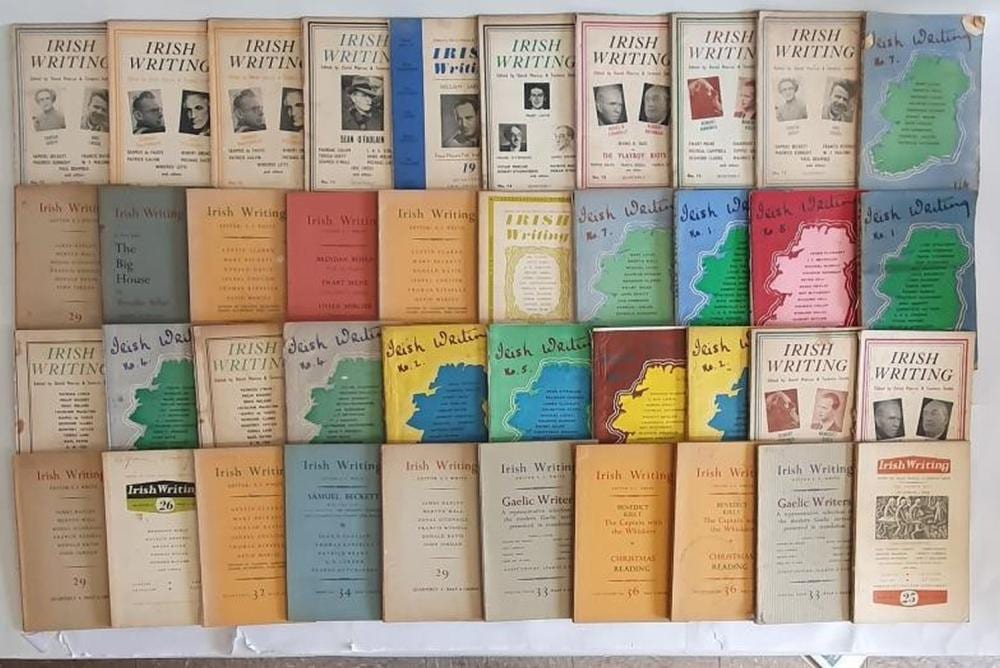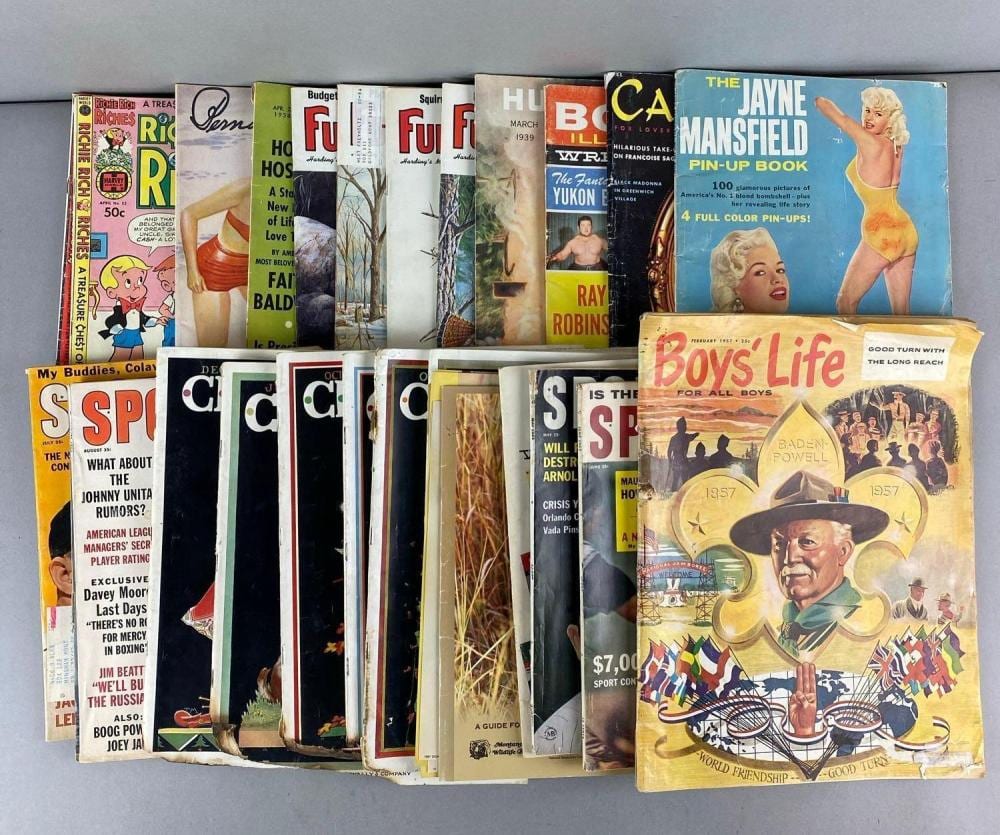
Unlocking Hidden Wealth Discover the Surprising Value of Your Old Magazine Collection: appraisal and value basics
Unlocking Hidden Wealth Discover the Surprising Value of Your Old Magazine Collection research should start with identification, condition, provenance, and recent comparable sales. Use this guide to compare the signals that matter before paying for a formal appraisal or deciding whether to sell.
Old magazine value checklist
If you have boxes of old magazines in a closet or garage, you may be sitting on a niche collectible market with real cash potential. While not every issue is a gem, particular titles, covers, and conditions can surprise even seasoned appraisal enthusiasts. This guide explains what makes vintage magazines valuable, how to grade and preserve them, and how to price and sell intelligently.
Why Old Magazines Have Real Value
Magazines are snapshots of culture. They capture fashion shifts, technological milestones, political turning points, sports events, and the rise of celebrities. Collectors pursue them for several reasons:
- Visual history: Iconic covers and photography define eras.
- Primary sources: Advertisements, articles, and editorials document trends better than later summaries.
- Artwork and design: From Art Deco layouts to avant-garde typography, design collectors value aesthetics.
- Completists: Many collectors seek full runs, first and last issues, or all covers featuring a particular subject.
The result is a market where the extraordinary issue—first appearances, banned covers, short-run titles—can command multiples over ordinary runs, and a tidy profit emerges from careful curation, correct grading, and strategic selling.
The Six Drivers Of Price
Understanding what lifts a magazine from a common back issue to a sought-after collectible will sharpen your appraisal eye.
- Scarcity and survival rate
- Early pulp magazines and pre-war issues had cheap, acidic paper that crumbles; high-grade survivors are scarce.
- Short-lived titles, small print runs, regional editions, and newsstand copies (without mailing labels) are typically harder to find.
- Recalled, banned, or controversial covers were pulled quickly, reducing supply.
- Demand signals
- Subjects with active fan bases create sustained demand: fashion houses, supermodels, musicians, film icons, athletes, designers, technology pioneers, major political figures.
- Genre leaders attract dedicated collectors: fashion (Vogue, Harper’s Bazaar), photography (Life), satire (MAD), music (Rolling Stone), sports (Sports Illustrated), adventure/pulp (Weird Tales), sci-fi and fanzines, automotive (Hot Rod).
- Key events drive spikes: moon landing, championship wins, major elections, obituaries, movie premieres.
- Condition and grading
- Top-grade examples are uncommon and command premium pricing. Look for:
- Bright cover color and gloss
- Tight, uncracked spine with unrolled edges
- Clean pages without tears, stains, writing, or odors
- Minimal rust at staples and no migration stains
- Supple paper (not brittle)
- Subscription labels usually reduce appeal versus newsstand copies.
- Completeness
- Inserts and supplements matter: posters, fold-outs, maps (common with National Geographic), record flexi-discs, card sheets, coupons, and sample sachets.
- Missing centerfolds, cut coupons, or removed ads can slash value.
- Bound volumes (library bindings that remove covers or trim edges) generally sell for less to collectors.
- Edition, printing, and variants
- First and last issues of a title, first issues under a new editor or logo, or anniversary editions often bring more.
- Regional or language variants and cover variants (especially for global news magazines) can be important.
- Reprints, special newsstand “collector’s” editions, or later facsimiles are usually worth less than originals.
- Provenance and autographs
- Authentic, relevant signatures (e.g., the cover subject) can add value; personalization may reduce appeal, but not always.
- Documented provenance (from a notable collection, archive, or estate) helps justify top-tier prices.
How To Spot High-Value Issues Fast
When you face a stack or storage bin, triage quickly with these tells:
- Firsts and lasts: Premiere issues, final issues before a redesign or closure, and transitional issues (major masthead changes) deserve attention.
- Historic moments: Issues published immediately after headline events—assassinations, moon landing, major wars, breakthrough sports championships—often outperform common months.
- Iconic cover subjects: Early or definitive covers of stars and cultural figures (supermodels’ first Vogue covers, a breakout musician’s first Rolling Stone cover, pivotal athletes’ first Sports Illustrated cover) are perennial targets.
- Banned/recalled content: Controversial covers and misprints that were quickly pulled generally have higher scarcity.
- Inserts intact: Sports Illustrated’s card sheets, music magazine flexi-discs, or full-size posters can make or break desirability.
- Early tech and culture pivots: Magazines featuring early personal computing, pivotal start-ups, streetwear milestones, skate/punk scenes, and early hip-hop can be sleepers with strong collector demand.
- Pulp and pre-war: Adventure, mystery, and sci-fi pulps carry strong demand in presentable condition, especially with notable authors or cover artists.
- Zines and limited-run independents: Underground or local scene zines with low print runs can be valuable when they document a band or artist’s early phase.
Titles with frequent standouts include Life, Time, National Geographic, Vogue, Harper’s Bazaar, The New Yorker, MAD, Rolling Stone, Sports Illustrated, Esquire, Playboy (notably the inaugural 1953 issue), Hot Rod, and seminal pulps (e.g., Weird Tales). Within any title, the right combination of cover, date, and completeness is what sells.
Grading, Conservation, And Storage
Apply a consistent grading method. A simple, collector-recognized scale works:
- Very Fine (VF): Bright cover, sharp corners, clean spine, tight staples, supple pages, minimal handling.
- Fine (F): Light wear, minor corner blunting, small stress lines or minor spine wear, clean interiors.
- Very Good (VG): Moderate wear, small tears or chips, light soiling, minor staple rust, general handling.
- Good (G): Significant wear, tears, detached or loose covers, heavy creasing, pronounced staple rust, writing.
- Fair/Poor (F/P): Severe damage, missing pages/inserts, heavy stains, brittleness, mold.
Notes on conservation:
- Do not laminate, trim edges, or use common adhesive tapes—these are irreversible and reduce value.
- Surface cleaning: If necessary, use gentle dry-clean methods only (e.g., a soft vinyl eraser on margins), test on a tiny area, and stop at the first sign of abrasion.
- Mold and odor: Isolate suspect items. Do not sun-bake; UV damages paper. If mold is active, consult a conservator. Musty smells can sometimes be reduced with aeration and absorbents in a closed container (never direct contact with the magazine).
- Staples: Replacing corroded staples risks tearing and is best left to a conservator if paper is fragile.
- Flattening: Lightly press between clean, inert boards under modest weight; avoid heat or moisture.
Archival storage best practices:
- Sleeves: Use archival polyester or polypropylene sleeves sized to the magazine, plus an acid-free backer board.
- Interleaving: For glossy pages that can offset ink, consider archival interleaving sheets.
- Boxes: Store flat in archival boxes to prevent spine roll; if upright, use snug support to avoid slumping.
- Environment: Cool, dry, and dark—roughly 18–21°C (65–70°F) with 35–50% relative humidity. Avoid attics, basements, and direct light.
- Handling: Clean, dry hands; support the spine; avoid fully opening fold-outs unless necessary.
Pricing And Selling Strategy
Research-driven pricing and thoughtful channel selection maximize returns.
Comp research
- Match exact issue: title, date, volume/number, cover subject, and known variants.
- Condition-adjust your expectations: Compare to completed sales, not active listings. Note subscription label presence, spine condition, and inserts.
- Track results: Maintain a simple spreadsheet with issue details, grade, insert status, and comp sale ranges to guide listing prices.
Listing details and photography
- Describe precisely: Title, issue date, volume/number, page count, cover subject, and all inserts accounted for.
- Disclose flaws: Mailing labels, tears, writing, stains, loose pages, odors. Credibility sells.
- Photograph front, back, spine, edges, and inserts. Include a shot of the centerfold to prove completeness.
Choosing the right venue
- Specialty auction houses: Best for high-value or scarce issues; expect seller fees but strong marketing and vetted buyers.
- General online auctions: Good for competitive bidding on standout covers and lots. Schedule endings for high-traffic periods.
- Fixed-price marketplaces: Useful for steady sellers and niche issues with known demand.
- Dealers/consignment: Faster exits with expert pricing; margins are lower due to commissions.
- Local shows and estate sales: Efficient for bulk, but bring comps and be ready to negotiate.
Singles vs lots
- Singles: Use for key issues with desirable covers, inserts, or high grades.
- Themed lots: Group by subject (e.g., Olympics, space race, fashion designers), year runs, or consecutive months to increase average selling price for common issues.
- Parting out: Selling inserts separately can yield more, but devalues the remaining magazine and turns away completeness-focused collectors. Weigh the trade-off.
Timing and audience
- Align listings with anniversaries, hall-of-fame inductions, movie or series premieres, or major news cycles about a cover subject.
- Offer international shipping for global titles; some buyers pay premiums for regional editions not easily found locally.
Shipping and packaging
- Use rigid mailers or boxes with corner protection; include backer boards and a protective sleeve.
- Float the magazine inside the package with padding; avoid tight tape near the sleeve opening.
- For stacked lots, interleave with boards to prevent spine damage.
Risks, Myths, And Red Flags
- “All old magazines are valuable.” Most are not. Common runs (for example, many 1970s–1990s mainstream titles) can be plentiful and sell for nominal amounts unless the issue or cover is special.
- Mailing labels: Usually reduce collector value. Do not attempt removal; it often tears inked surfaces.
- Bound volumes: Library or home bindings that trim edges or remove covers appeal to readers, not collectors, and usually price lower.
- Reprints/facsimiles: “Collector’s edition” or later commemorative reprints are typically worth less than original newsstand issues. Check masthead notations and barcodes.
- Odors, stains, and mold: Persistent odors and any mold are serious value killers. Avoid buying infested lots; remediation is specialized.
- Over-restoration: Glue, tape, lamination, and aggressive cleaning are deal-breakers for many buyers. Disclose any restoration.
- Autographs: Authenticity matters. Contextual signatures tied to the cover subject add more value than random autographs inside.
- Legal/age restrictions: Know postal and platform rules for adult content or controversial material.
Building A Smart Collection
If you plan to keep collecting while selling duplicates, apply a curatorial approach:
- Define focus areas: A designer’s career, a sports franchise dynasty, early computing, iconic photographers, or a single title’s golden era.
- Prioritize quality over quantity: One crisp, complete, newsstand copy beats three average subscription copies.
- Document provenance: Keep purchase records, prior sale screenshots, and any correspondence about autographs or origins.
- Track inventory: Simple spreadsheets with fields for title, date, cover, grade, inserts, storage location, cost, and realized sale price.
- Upgrade strategically: Sell lower-grade duplicates when you acquire better copies.
- Buy selectively: Estate sales, old bookstore back rooms, and deaccessioned library duplicates (with covers intact) can yield finds—but inspect carefully for trimming and stamps.
Practical Checklist: 10-Minute Magazine Value Check
- Identify the issue: Title, exact date, volume/number, and cover subject.
- Check edition/variant: Newsstand vs subscription, regional covers, reprint/facsimile notes.
- Inspect completeness: Count pages; verify inserts, posters, maps, or discs are present.
- Grade quickly: Cover gloss, corners, spine, staples, page suppleness; note any odors or stains.
- Look for key factors: First/last issue, major event coverage, debut or iconic celebrity/athlete/model, banned/misprint indicators.
- Verify authenticity: Watch for modern commemoratives or obvious reprints.
- Assess demand: Is there an active fan base for the subject or title?
- Research comps: Review recent completed sales for the same issue and condition.
- Choose sale path: Single vs lot; auction vs fixed price; consider timing with relevant news/anniversaries.
- Prep for storage or shipping: Sleeve, board, and box appropriately; write an accurate, complete description.
FAQ
Q: Are Life or National Geographic magazines worth anything? A: Many are common and sell for modest amounts. Exceptions include early years, iconic covers tied to major events, and issues complete with inserts (e.g., maps). Condition and newsstand status significantly affect value.
Q: Do mailing labels ruin value? Should I remove them? A: Subscription labels usually reduce value compared to newsstand copies. Do not attempt removal—it often tears the cover or lifts ink. Disclose the label and price accordingly.
Q: Is it better to sell magazines individually or in lots? A: Sell standout covers and high-grade copies individually. Group common issues into themed or chronological lots (complete year runs, event series) to improve sell-through and average price.
Q: How can I tell if I have a reprint or variant? A: Check the masthead for reprint notations, compare cover price and barcode styles, note “collector’s edition” language, and look for regional edition markers. Minor differences in cover text or photos can signal a variant.
Q: Can I press or clean magazines to increase value? A: Avoid heat, moisture, or aggressive cleaning. Light dry surface cleaning and gentle flattening under weight are the safest DIY steps. When in doubt, consult a paper conservator; undisclosed repairs can damage value and reputation.
With a careful eye for value drivers, honest grading, and smart selling strategies, your “old magazines” can turn from closet clutter into a well-documented, profitable slice of cultural history.