
Old Oil Can Value: appraisal and value basics
Old Oil Can Value research should start with identification, condition, provenance, and recent comparable sales. Use this guide to compare the signals that matter before paying for a formal appraisal or deciding whether to sell.
Introduction to Vintage Oil Can Collecting
Oil cans are more than just utilitarian containers from our automotive past—they’ve become highly sought-after collectibles with significant historical and artistic value. These vintage vessels once held motor oils, household lubricants, and industrial products, but today they represent a vibrant category of “petroliana” collecting that continues to grow in popularity.
From rare early 20th century handheld oilers to colorful mid-century quart cans featuring iconic automotive brands, the world of oil can collecting offers something for enthusiasts at every price point. In this comprehensive guide, we’ll explore what makes these vintage containers valuable, how to identify different types and eras, and what you can expect to pay—or receive—for these pieces of automotive history.
The Evolution of Oil Cans
Historical Timeline of Oil Can Development
- 1890s-1920s
Early Hand-Pump Oilers
The earliest oil cans were typically small handheld metal containers with pump mechanisms or spouts. These thumb-pump oilers and measure cans were used for both automotive and household lubrication. Many featured elaborate lithography and embossing with company logos and decorative elements.
- 1920s-1940s
Soldered-Seam Round Cans
Cylindrical oil cans with soldered lead seams became the industry standard. These cans typically held one quart of motor oil and featured colorful lithographed designs. The tops required a special opener tool, and many had pour spouts that attached separately.
- 1940s-1950s
Rectangular Cans
Rectangular "tin" cans with screw-on spout caps began replacing the round design. These cans were easier to ship and store, and the metal spout caps improved pouring. Designs became increasingly colorful with more elaborate graphics.
- 1958-1960s
Aluminum & Composite Cans
The first aluminum oil cans were introduced in 1958, offering lighter weight and better corrosion resistance. These often featured a rectangular design with plastic spout caps. Composite cans with metal ends and cardboard or fiber bodies also appeared during this period.
- 1960s-1980s
Plastic Era
Plastic oil containers began to replace metal cans in the 1960s. By the 1980s, manufacturers like Eagle had transitioned to blow-molded plastic containers that were significantly less expensive to produce than their metal predecessors.
A rich history of oil cans exists at the Lambton County Museums, where they document the progression from early thumb-pumps to modern plastic containers. This evolution is key to dating and identifying vintage oil cans in your collection.
Factors That Determine Oil Can Value
Rarity and Brand Significance
Some oil cans are inherently more valuable due to their scarcity or the significance of the brand they represent. Limited production runs, cans from defunct companies, and those from iconic automotive brands typically command higher prices. According to Antique Sign Guy, cans from defunct oil companies often hold greater value than those from companies still in operation.
Condition Assessment
The condition of an oil can dramatically affects its value. Collectors prioritize cans with:
Oil Can Condition Factors
Elements that impact the value based on condition
- Original paint and graphics intact
- No significant rust or corrosion
- Minimal dents or damage to the can body
- Original caps or spouts present
- Clear, legible text and logos
- No repairs or restoration work
- Original contents (for sealed cans)
Graphic Design and Aesthetic Appeal
Oil cans with vibrant colors, intricate artwork, and attractive designs typically fetch higher prices. Those featuring popular mascots, unique typography, or artistic elements are particularly desirable to collectors.
Historical Significance
Cans with connections to significant events, technological innovations, or cultural milestones may command premium prices. For example, oil cans from the early days of automobile racing or those associated with historic racing teams can be especially valuable.
Age and Era
While age alone doesn’t determine value, older cans from the early automotive era (pre-1940s) are generally more valuable than later examples, assuming comparable condition and rarity. According to information from Richmond Auctions, early hand-pump oilers from the 1900s-1920s can be particularly valuable.
Types of Collectible Oil Cans
Thumb-Pump Oilers
These small, handheld cans typically featured a spring-loaded pump mechanism operated by pressing with the thumb. They were used for precise application of lubricating oil to machinery and vehicles. Early examples from the 1900s-1930s, especially those with elaborate decoration or from prominent manufacturers like Eagle, are highly collectible.
Household Oil Cans
Smaller cans designed for household use to lubricate sewing machines, door hinges, and other home applications. Brands like 3-in-One Oil and Singer (sewing machine oil) produced distinctive cans that are popular with collectors focusing on household antiques.
Motor Oil Quart Cans
The most common type of collectible oil can, these held one quart of motor oil and came in both round and rectangular designs. Brands like Mobil, Gulf, Texaco, and independent regional oil companies produced countless designs over the decades. These form the backbone of most oil can collections.
Specialty Automotive Fluids
Beyond basic motor oil, collectors seek cans that held specialized automotive products such as:
- Transmission fluids
- Brake fluids
- Radiator additives
- Engine treatments
- Greases and lubricants
Aviation and Marine Oils
Specialized lubricants designed for aircraft engines and marine applications often came in distinctive cans with unique graphics and specifications. These specialty cans can command premium prices, especially those from the golden age of aviation.
Average Market Value by Oil Can Type
Price ranges based on recent sales data and auction results
How to Identify Valuable Oil Cans
Check for Rare and Desirable Brands
According to collectors and the video 10 Vintage Oil Cans Worth Money, some of the most valuable brands include:
- Independent oil companies that no longer exist
- Regional brands with limited distribution
- Early automotive brands like Harley-Davidson, Indian, and Ford
- Racing-specific oils and lubricants
- Aviation oils from the golden age of flight
Examine Construction and Manufacturing Details
The physical characteristics of the can provide important clues about its age and authenticity:
- Early soldered-seam cans (1920s-1940s) typically have more value than later seamless cans
- Check bottom stamps for manufacturing dates or codes
- Evaluate the quality of the lithography or printing
- Look for unique cap designs or opening mechanisms
Assess Graphics and Design Elements
The artistic elements of oil cans significantly impact their collector appeal:
- Vibrant, multi-color graphics generally command higher prices than simple designs
- Cans featuring mascots, characters, or detailed illustrations are particularly desirable
- Unusual shapes or distinctive design elements increase collector interest
- Cans with racing themes or motorsports connections often have premium value
Look for Content Indicators
While most collectible oil cans are empty, those with original contents can sometimes command higher prices:
- Unopened cans in factory-sealed condition
- Cans with their original caps or spouts intact
- Full cans from special product lines or limited editions
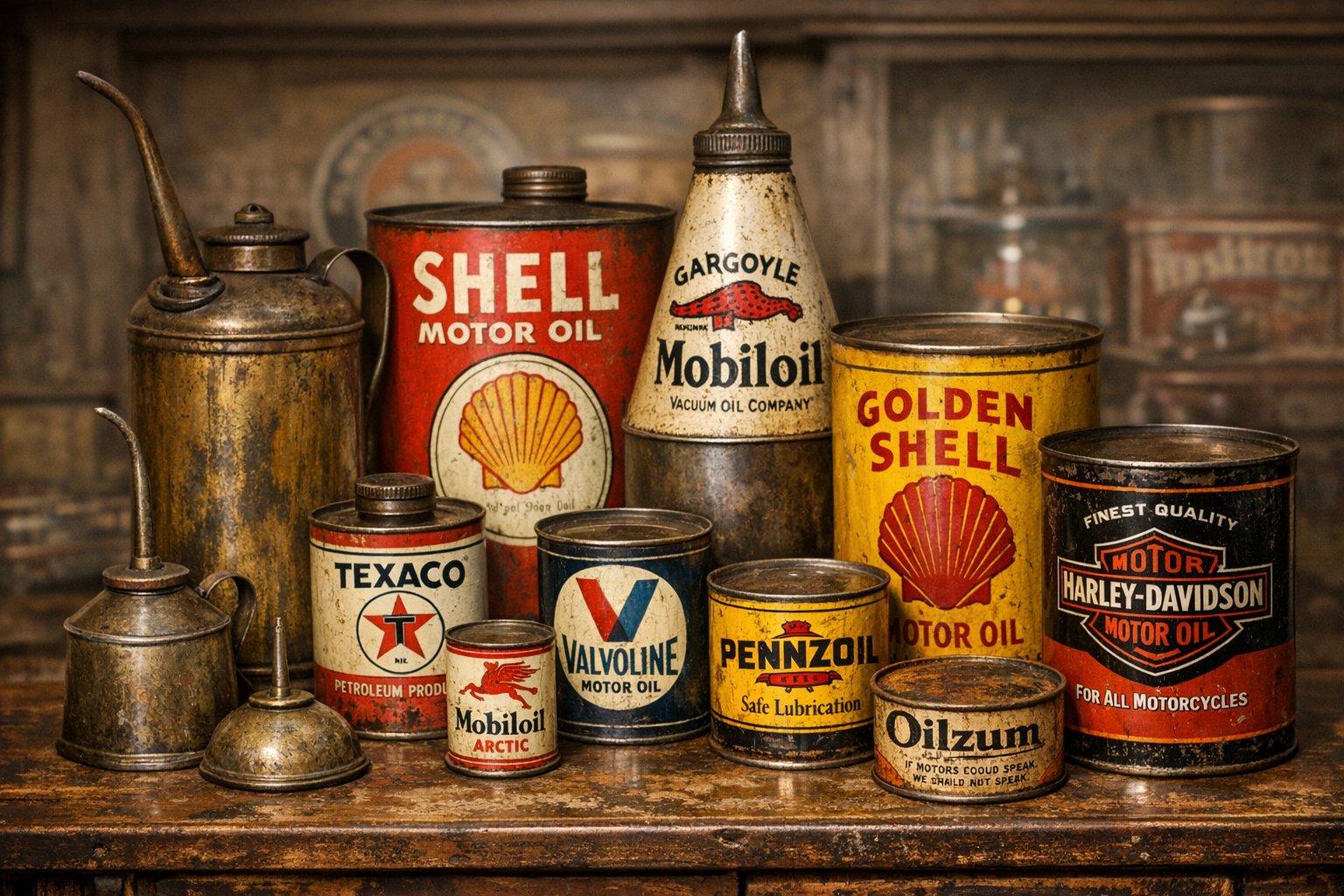
Current Market Values for Vintage Oil Cans
Entry-Level Collecting ($25-$100)
For collectors just starting out, there are plenty of affordable options:
- Common 1950s-1970s rectangular quart cans in average condition
- Household oil cans from well-known brands
- Later aluminum cans with intact graphics
- Cans with minor damage or partial label loss
A Reddit discussion about selling vintage oil cans confirms that many collectible cans can be found in this price range, making it accessible to begin collecting.
Mid-Range Collectibles ($100-$500)
The sweet spot for serious collectors often includes:
- Round quart cans from the 1930s-1940s in good condition
- Early rectangular cans with vibrant graphics
- Specialty automotive products with unique designs
- Uncommon regional brands with limited distribution
Premium Collectibles ($500-$1,500)
High-end collectors focus on examples like:
- Pre-1930s oil cans with exceptional graphics
- Extremely rare brands or limited production runs
- Mint condition cans with original contents
- Cans with documented provenance or historical significance
Investment-Grade Rarities ($1,500+)
The most valuable oil cans include:
- Extremely rare early automobile brand-specific cans
- One-of-a-kind promotional cans or prototype designs
- Museum-quality examples with perfect graphics
- Important historical pieces with documented significance
A thriving marketplace exists on platforms like Etsy and eBay, where collectors can find examples across all price ranges. Specialty auctions focused on petroliana, like those at Richmond Auctions, often feature the highest-quality examples.
| Category | Price | Notes |
|---|---|---|
| Thumb-Pump Oilers (1900-1930s) | $75 - $500+ | Higher for rare brands with original graphics |
| Round Quart Cans (1920s-1940s) | $50 - $750 | Premium for rare brands and excellent condition |
| Rectangular Quart Cans (1940s-1960s) | $25 - $300 | Higher for vivid graphics and rare brands |
| Aviation/Racing Oil Cans | $100 - $1,000+ | Specialty cans with racing heritage command premiums |
| Rare/Limited Production Cans | $500 - $2,500+ | Exceptionally rare examples with documented provenance |
</tbody> </table>
Caring for and Displaying Your Oil Can Collection
Cleaning and Preservation
When acquiring new cans for your collection:
- Clean gently with a soft cloth to remove dust and loose dirt
- Avoid harsh chemicals that might damage the original finish
- Never attempt to polish or restore graphics without professional advice
- Remove any remaining oil residue carefully to prevent degradation
- Store in climate-controlled environments to prevent rust and deterioration
Display Options
Effective display methods enhance both enjoyment and preservation:
- Open shelving with adequate space between cans
- Custom-built display cases with UV-filtering glass
- Rotating displays that allow viewing from multiple angles
- Themed groupings by brand, era, or design style
- Museum-style labeling with acquisition information
Handling Considerations
To maintain condition during handling:
- Always hold cans by the bottom or sides, not by caps or spouts
- Wear cotton gloves when handling particularly valuable examples
- Avoid stacking cans to prevent scratches and dents
- Keep away from direct sunlight which can fade graphics
- Position away from heat sources which can accelerate deterioration
Documentation
Maintaining records enhances both enjoyment and potential resale value:
- Keep acquisition information including date and source
- Research and document the history of specific brands or designs
- Photograph cans from multiple angles for insurance purposes
- Create a digital or physical catalog of your collection
- Record condition notes and any restoration work
Where to Buy and Sell Vintage Oil Cans
Where to Buy
For collectors seeking to add to their collections:
- Online Marketplaces: eBay and Etsy offer extensive selections across all price ranges
- Specialist Auctions: Companies like Richmond Auctions hold dedicated petroliana sales
- Collector Groups: Facebook groups like American Oil Can Pickers connect buyers and sellers
- Antique Shows: Regional antique and collector shows often feature vendors specializing in automotive memorabilia
- Estate Sales: Often yield unexpected finds at reasonable prices
- Specialty Dealers: Established dealers in petroliana and automobilia
Where to Sell
When it’s time to part with pieces from your collection:
- Direct to Collectors: Specialist forums and Facebook groups allow direct sales to enthusiasts
- Consignment Auctions: Specialist auctioneers can reach motivated buyers for rare pieces
- Online Listings: eBay and Etsy provide access to international collector markets
- Dealer Networks: Established dealers often purchase collections for resale
- Collector Shows: Renting a booth at automobilia shows connects you with targeted buyers
Pricing Considerations
To establish fair asking prices:
- Research recent comparable sales on auction platforms
- Consult price guides and collector forums
- Consider condition honestly when comparing to sold examples
- Factor in the rarity and desirability of specific brands
- Adjust expectations based on current market trends
According to a Reddit thread about selling vintage oil cans, finding comparable examples that have recently sold is the most reliable way to establish realistic prices.
Essential Resources for Oil Can Collectors
Antique Advertising - Oil Can Price Guide
Comprehensive free auction-based price guide with photos and descriptions of antique oil cans and auto tins.
Lambton County Museums - History of the Oil Can
Educational resource documenting the historical development of oil cans from early designs through modern containers.
American Oil Can Pickers Facebook Group
Active collector community sharing knowledge, buying/selling opportunities, and collection showcases.
Richmond Auctions - Vintage Oil Cans
Specialist auction house with regular petroliana sales including high-quality vintage oil cans.
Antique Sign Guy - Oil Can Valuation
Resource for identifying rare and high-value vintage oil cans with buying services for premium examples.
Eagle Oil Can History
Comprehensive history of the Eagle Manufacturing Company's oil cans and containers from metal to plastic eras.
Starting Your Own Oil Can Collection
Define Your Focus
Successful collectors often concentrate their efforts:
- Choose a specific era (e.g., pre-WWII, 1950s-60s)
- Focus on particular brands or oil companies
- Collect by design style or graphic elements
- Specialize in a type (thumb pumps, quart cans, household oilers)
- Target regional brands from your geographic area
Budgeting Strategies
Smart collecting requires financial planning:
- Start with affordable examples to learn the market
- Set aside funds for occasional significant purchases
- Consider condition versus price tradeoffs
- Budget for proper display and storage solutions
- Factor in potential restoration costs for damaged pieces
Building Knowledge
Successful collecting requires continuous learning:
- Join collector groups and forums to learn from experienced collectors
- Study reference materials and auction catalogs
- Attend shows and auctions, even if just to observe
- Develop relationships with reputable dealers
- Train your eye by examining as many examples as possible
Authentication Tips
Learning to spot reproductions and altered pieces:
- Familiarize yourself with period-correct manufacturing techniques
- Learn to distinguish original patina from artificial aging
- Study known examples in museums and established collections
- Be wary of “too good to be true” deals on rare examples
- Seek second opinions on expensive acquisitions
Storage and Insurance
Protecting your investment:
- Create an inventory with photos and descriptions
- Consider specialized collector insurance
- Store in stable environmental conditions
- Use archival materials for any enclosed storage
- Keep documentation of provenance and purchases
Common Questions About Vintage Oil Can Values
How old are metal oil cans?
What were vintage oil cans used for?
When did they stop making metal oil cans?
What factors most significantly impact vintage oil can values?
Where is the best place to sell valuable vintage oil cans?
How can I tell if my oil can is valuable or just old?
Should I clean or restore my vintage oil cans before selling them?
What do the numbers mean on oil cans?
Conclusion: The Future of Oil Can Collecting
Vintage oil cans represent a fascinating intersection of automotive history, industrial design, and advertising art. As physical reminders of our petroleum-powered past, these collectibles continue to appreciate in value, particularly as younger collectors discover their aesthetic appeal and historical significance.
The market for vintage oil cans remains strong, with rare examples routinely setting new price records at specialized auctions. As with many areas of collectibles, condition and rarity remain the primary drivers of value, but the passionate community of collectors ensures that even common examples find new homes and appreciation.
Whether you’re a seasoned collector looking to expand your petroliana collection or someone who just discovered an old can in a grandparent’s garage, the world of vintage oil can collecting offers entry points at every level. With proper research, careful shopping, and attention to authenticity, building a meaningful collection is both accessible and potentially rewarding as an investment.
As our automotive culture continues to evolve toward electrification, these tangible links to the early days of the gasoline age may become even more coveted as historical artifacts from a bygone era.
Note: We couldn’t find enough auction records that directly match Old Oil Can Value: Brand, Graphic, Size and Condition to publish a defensible price table. If you are valuing a specific item, include its maker, model, material, photos, and condition so the search can be narrowed.
What similar items actually sold for
To help ground this guide in real market activity, here are recent example auction comps from Appraisily’s internal database. These matched sales are market context only, not an object estimate or identification, and they do not guarantee a price for your specific oil can.
Shown USD range: USD 50-USD 90. Median of these 4 USD examples: USD 62.50.
| Comparable | What sold | Auction house | Date | Lot | Source-reported amount |
|---|---|---|---|---|---|
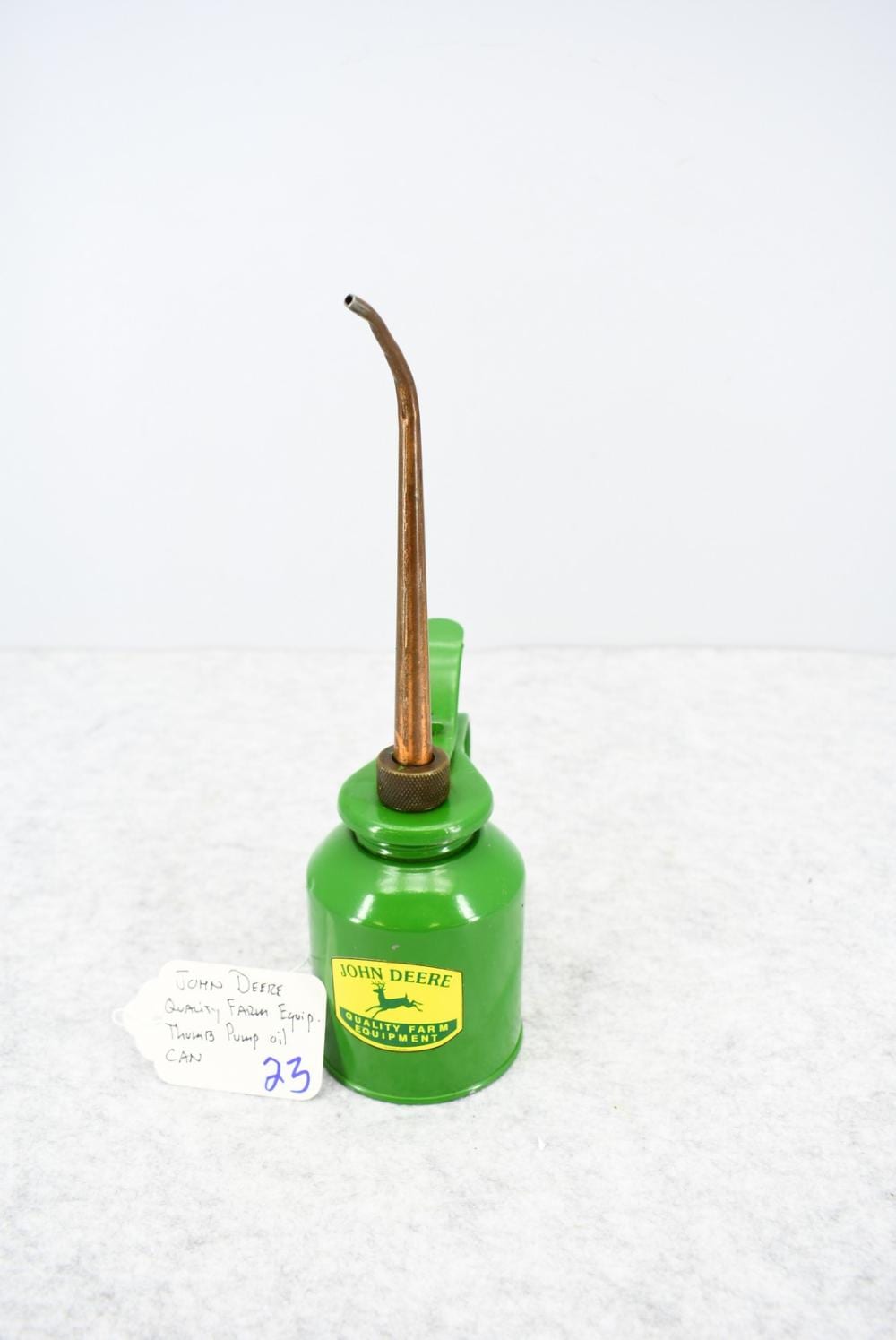 |
John Deere Quality Farm Equipment Thumb Pump Oil Can | Redding Auction Service | 2025-11-22 | 23 | USD 50 (buyer’s-premium treatment unknown) |
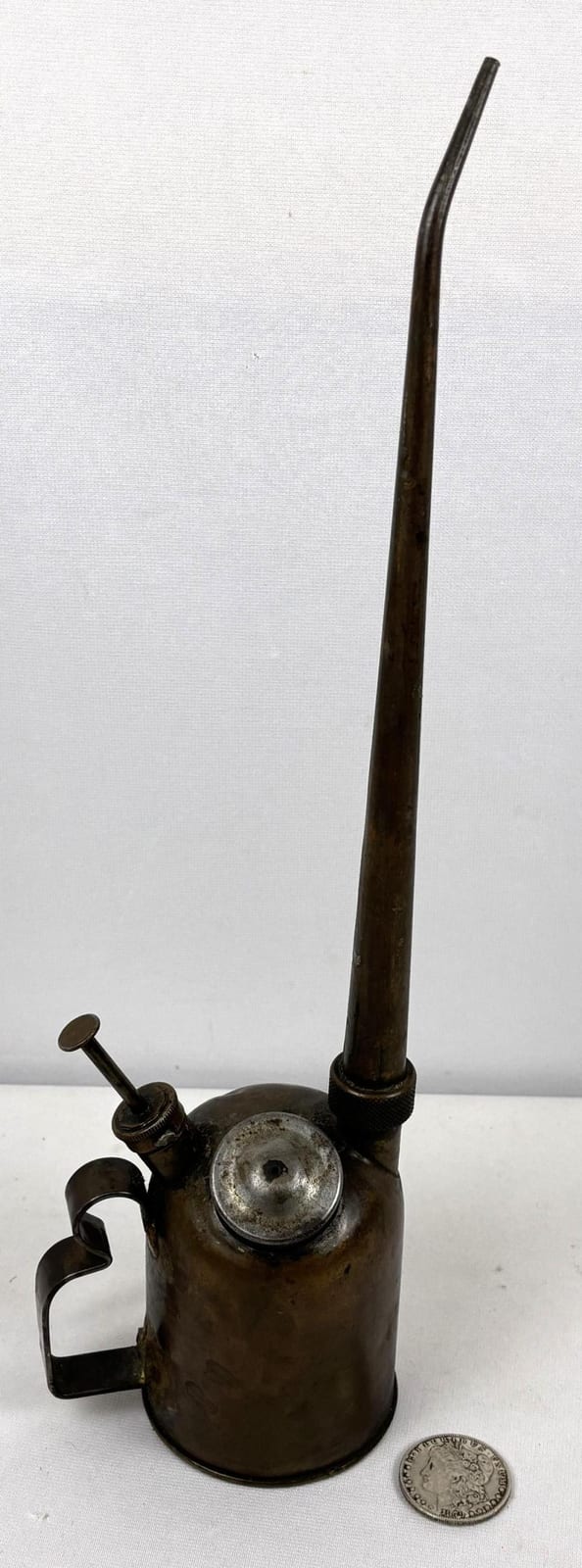 |
Vintage Railroad Copper and Brass Long Spout Pump Oil Can | One Source Auctions | 2026-01-05 | 524 | USD 50 (buyer’s-premium treatment unknown) |
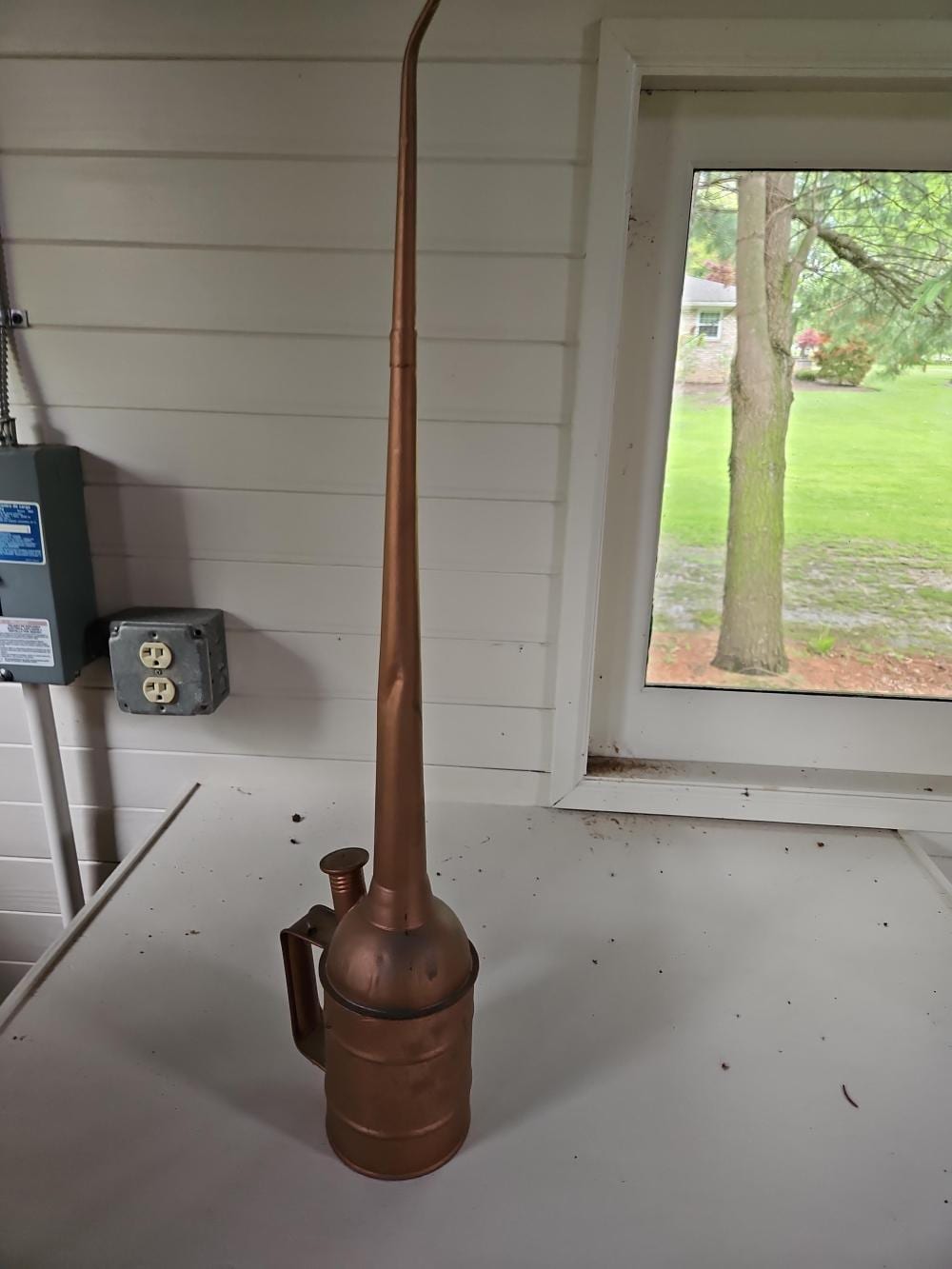 |
Antique Industrial Locomotive Long Spout Oil Can | Atlee Raber Auctioneer | 2026-06-22 | 596 | USD 90 (buyer’s-premium treatment unknown) |
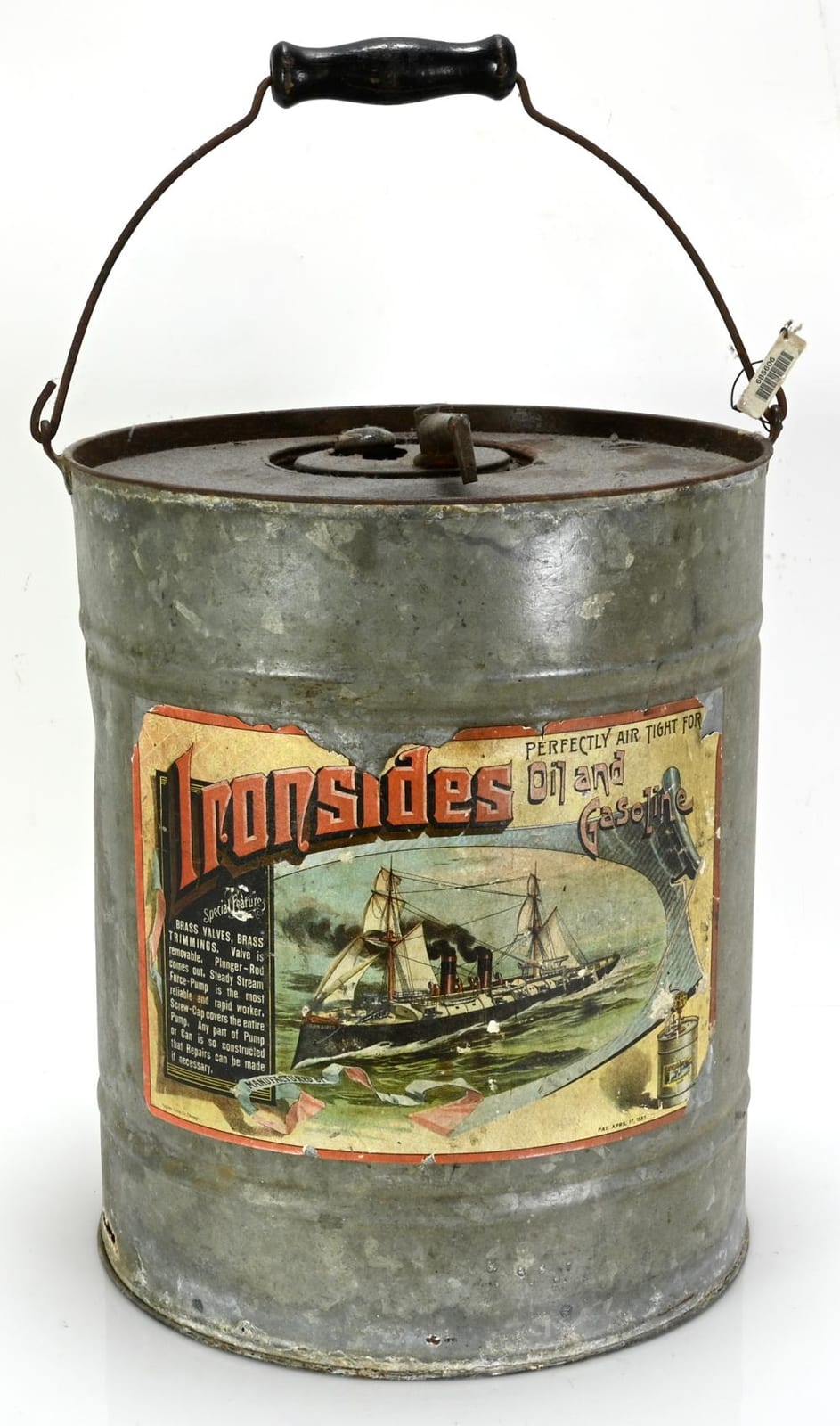 |
Rare 1883 Ironside Oil And Gasoline Air Tight Pump Can | Mebane Antique Auction | 2024-10-19 | 288 | USD 75 (buyer’s-premium treatment unknown) |
How these auction records were verified
Each row retains its exact source URL, lot identity, retrieval time, access result, and immutable record hash. Inspect the public comparable provenance record.
Disclosure: prices are shown as reported by auction houses and are provided for appraisal context. Learn more in our editorial policy.
Free instant estimate
Not sure if your item is worth appraising? Let us take a look.
Upload a photo, tell us what you know, and get a free first read. If a full appraisal makes sense, we will say so.
Free. No card needed. Takes about two minutes.
Choose your next step
Use the path that matches the decision you need to make about the item.
Not sure it is worth appraising?
Start with a lower-friction screen to understand the likely category, evidence, and next step.
Upload photos for a free first lookWant proof before paying?
See how a signed report documents photos, comparable evidence, condition notes, and value conclusions.
View signed report sampleNeed a signed report?
Use this for insurance, estate, donation, resale, or documented value decisions.
Need documentation now? Start signed appraisalNeed local or specialist help?
Compare directory options when the work needs in-person review or a specialist near you.
Find local specialistsSee what the report looks like
Sample reports show how photos, comparable evidence, condition notes, and a value conclusion are documented.
Get this old oil can appraised
Upload photos of all sides, brand graphics, top, bottom, seam, cap or spout, size, material, rust, dents, fading, leaks, and garage or collection history.
- Expert report with photos and comps
- Fast turnaround
- Fixed, upfront pricing
No obligation. Secure upload.
Continue your valuation journey
Find the right local specialist
Compare antique and art appraisers by location and specialty in one directory.
Antique & art specialists
Browse the Antique & Art Appraisers Directory
Choose a local specialist when the assignment needs in-person inspection or a specific credential.
Machine-readable summaries
Use these machine-friendly references for AI and crawler discovery of Appraisily content.
Ready for pricing guidance?
Start a secure online appraisal
Upload images and details. Certified specialists respond within 24 hours.
Upload photos for a free first look View signed report sample