
Old Coca-cola Signs Value: appraisal and value basics
Old Coca-cola Signs Value research should start with identification, condition, provenance, and recent comparable sales. Use this guide to compare the signals that matter before paying for a formal appraisal or deciding whether to sell.
Introduction to Coca-Cola Sign Collecting
Vintage Coca-Cola signs are more than just nostalgic decorations—they’re historical artifacts that tell the story of America’s most famous brand. For collectors, these signs represent significant investment opportunities, with values that have consistently appreciated over time. Whether you’re a seasoned collector or newly discovering these treasures, understanding their value requires knowledge about manufacturing periods, materials, condition factors, and authentication techniques.
In this comprehensive guide, we’ll explore everything you need to know about valuing old Coca-Cola signs, from identifying genuine antiques to understanding the factors that drive their market prices. We’ll provide expert insights on authentication, market trends, and where to buy or sell these prized pieces of advertising history.
The Evolution of Coca-Cola Advertising Signs
Historical Timeline of Coca-Cola Signs
- 1890s-1910s
Early Paper & Tin Signs
The earliest Coca-Cola signs were primarily paper or lightweight tin, featuring simple designs and basic color schemes. These early examples are extremely rare and can be worth tens of thousands of dollars in good condition.
- 1910s-1930s
Porcelain Era
The golden age of porcelain enamel Coca-Cola signs. These heavy-duty, weather-resistant signs featured vibrant colors and elaborate designs. Authentic porcelain signs from this period are among the most valuable, with prices ranging from $1,000 to over $15,000.
- 1930s-1950s
Metal Signs & Thermometers
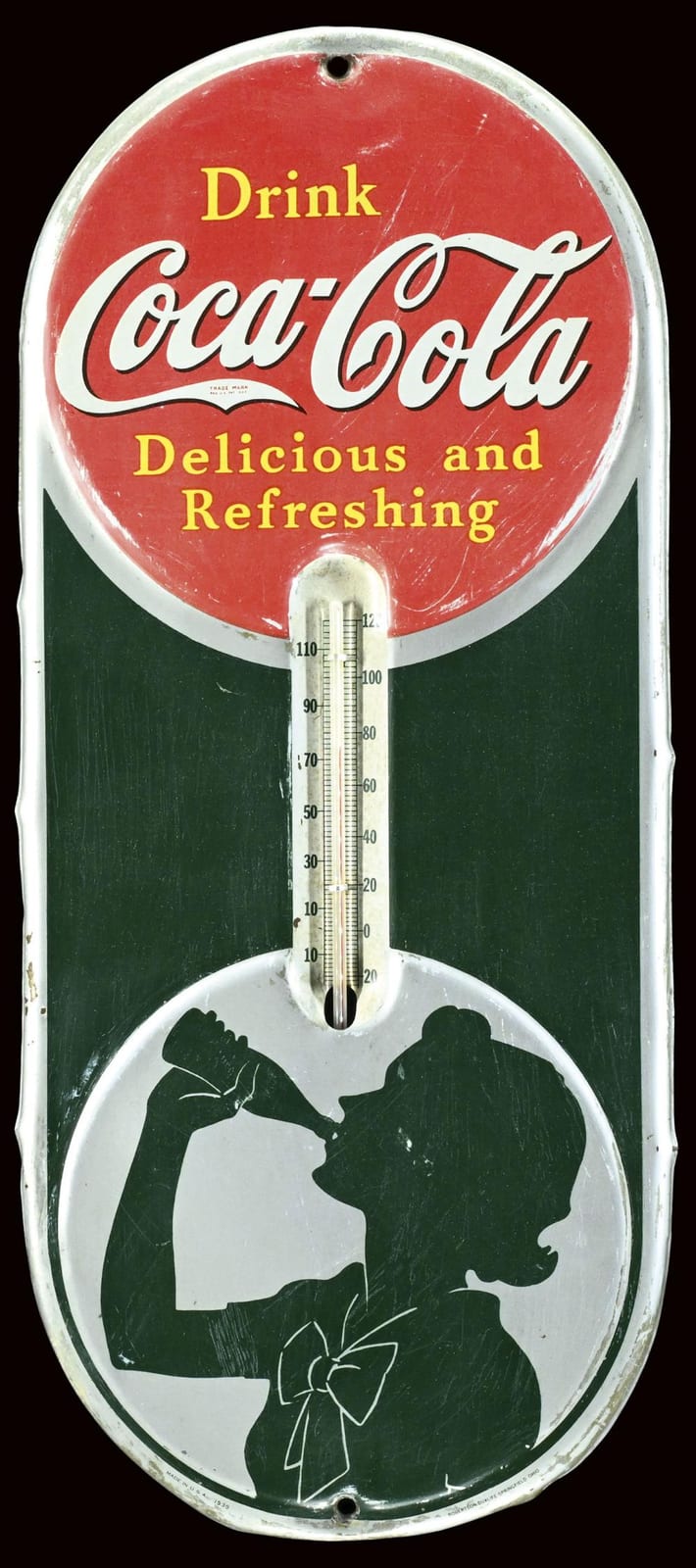
This period saw widespread use of painted metal signs, thermometers, and specialized advertising pieces. The "fishtail" logo design emerged during this era, becoming highly collectible today. Signs from this period typically range from $300 to $5,000 depending on style and condition.
- 1950s-1970s
Modern Designs
Signs became more standardized with the introduction of mass production techniques. The classic "button" signs, fiberglass displays, and plastic elements became common. Values typically range from $200 to $3,000 for rare or mint condition examples.
- 1980s-Present
Reproduction Era
The market became flooded with authorized and unauthorized reproductions. While some limited-edition reproductions have value ($50-$200), collectors generally focus on authentic vintage signs from earlier periods.
Coca-Cola has consistently maintained its brand identity while adapting its visual style to changing times. The company’s logo evolution—from the early script to the “fishtail” design of the 1940s-50s and back to modernized versions of the classic script—helps collectors date signs accurately. According to the Coca-Cola Company’s historical archives, the company has produced over 10,000 different advertising designs throughout its history.
Types of Coca-Cola Signs and Their Values
Coca-Cola Signs Value Guide by Type
Average market values as of 2024
Porcelain Enamel Signs
Porcelain enamel signs represent the pinnacle of Coca-Cola sign collecting. These durable signs were created by fusing layers of colored glass powder onto a metal base at high temperatures, resulting in a glossy, weather-resistant finish that could maintain its vibrant appearance for decades.
According to Richmond Auctions, a leading seller of vintage advertising, authentic porcelain Coca-Cola signs from the 1910s-1930s are among the most valuable advertising collectibles in the market. A pristine 4’ x 6’ double-sided porcelain sign can command $10,000 or more at specialized auctions.
Metal and Tin Signs
Metal signs from the 1930s-1950s, particularly those featuring the distinctive “fishtail” logo design, are highly sought after. These signs were typically made of embossed tin or steel with painted finishes. Some examples available on eBay show fishtail designs selling for $300-$500, with rare or exceptional examples reaching several thousand dollars.
Specialized Advertising Signs
Coca-Cola produced numerous specialized advertising signs that incorporated unique features:
Thermometer Signs: These functional advertising pieces command $200-$2,500 depending on size, condition, and whether the thermometer still works.
Clock Signs: Operational vintage Coca-Cola clock signs are highly prized, with values ranging from $250 for basic models to several thousand for rare variants, as seen on Collectors Weekly.
Dimensional Signs: Three-dimensional signs with protruding elements typically command a premium of 30-50% over flat signs of similar age and condition.
Authentication: Real vs. Reproduction
Authentication Checklist for Coca-Cola Signs
Use these criteria to help identify authentic vintage signs
- Examine the manufacturing marks or maker's stamps on the back or edges
- Check for appropriate aging consistent with claimed age
- Verify logo design matches the claimed production period
- Assess material composition and production techniques
- Look for natural wear patterns rather than artificial distressing
- Research the specific design in Coca-Cola advertising catalogs
- Examine mounting holes for proper vintage specifications
- Verify color accuracy - certain color combinations were never used in authentic signs
According to The Martin Guide to Vintage Coca-Cola Memorabilia, there are several key indicators of reproduction signs:
Color Inaccuracies: Authentic vintage Coca-Cola signs feature specific color formulations. Signs with primarily solid blue or solid green backgrounds were never produced by Coca-Cola in the vintage era.
Mounting Holes: Original porcelain signs typically have mounting holes with specific patterns and spacing. Many reproductions have incorrect mounting hole configurations.
Logo Accuracy: Each era of Coca-Cola advertising used specific logo designs. Mismatched logos for the purported era are a clear indication of reproduction.
Material Examination: Under magnification, authentic porcelain enamel signs show distinct layers of glass fused to metal, while reproductions often have painted surfaces that attempt to mimic this appearance.
Artificial Aging: Many reproductions are artificially distressed to appear old. Look for inconsistent wear patterns or aging that doesn’t match how the sign would naturally wear.
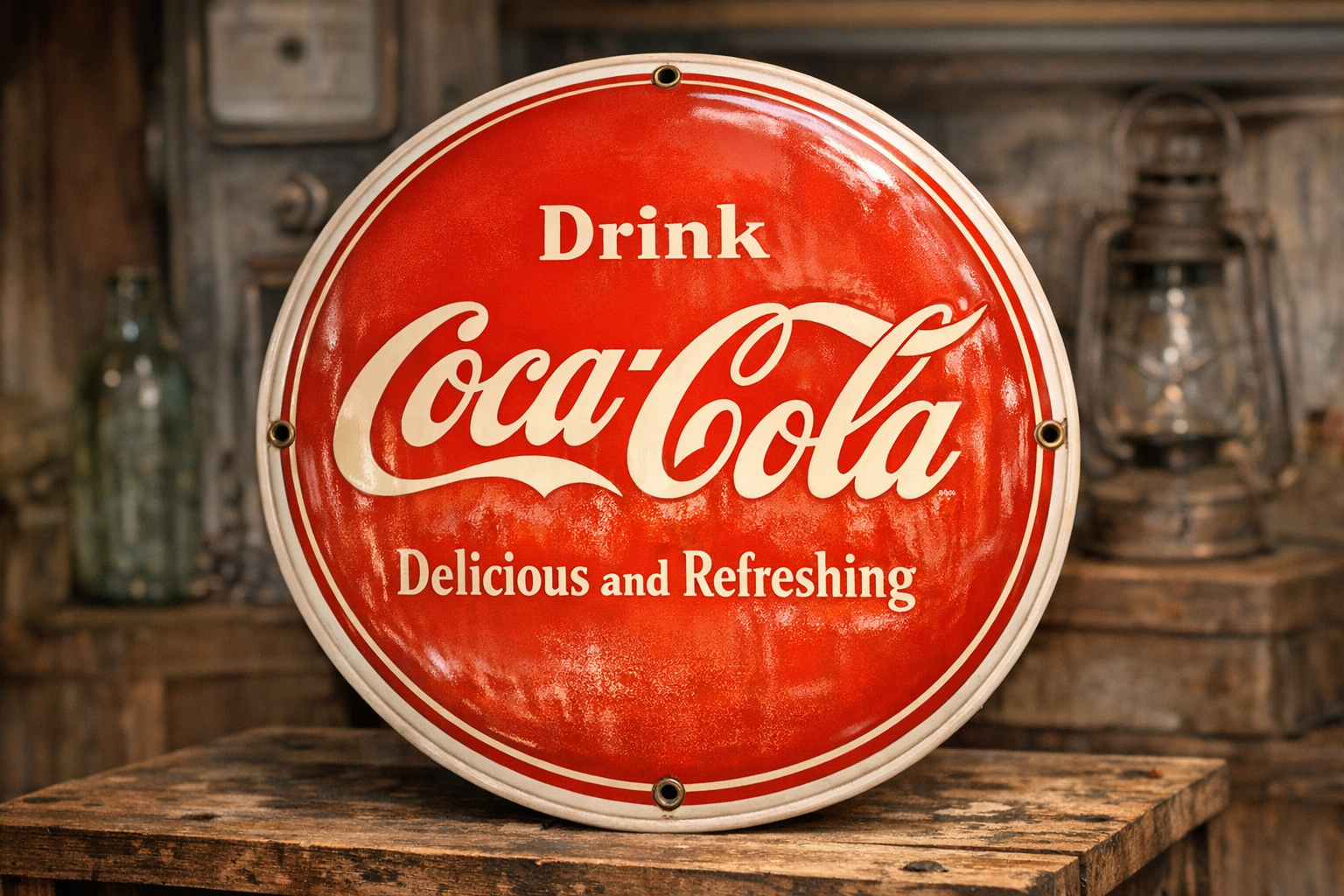
Randy Schaeffer, a noted Coca-Cola memorabilia expert, recommends examining the back of porcelain signs for authentic aging: “The reverse side of an authentic porcelain sign will show natural oxidation and aging that’s nearly impossible to fake convincingly. This is often the first place I look when authenticating a sign.”
For serious collectors, investing in reference guides like “Petretti’s Coca-Cola Collectibles Price Guide” or joining collector groups like the Coca-Cola Collectors Club can provide valuable authentication resources.
Condition Factors and Value Impact
Condition Grading Standards
Most dealers and auction houses use a standard grading system for Coca-Cola signs:
Mint (M): Perfect or near-perfect condition with no visible flaws. Original gloss and color vibrancy intact. May command 100-200% premium over same sign in excellent condition.
Excellent (E): Minor wear consistent with age but no significant damage. Colors remain vibrant with minimal fading. Typically commands full market value.
Very Good (VG): Shows moderate wear with perhaps some small chips, scratches or fading. Value reduction of approximately 30-40% from excellent condition.
Good (G): Significant wear, moderate color fading, multiple chips or scratches. Value reduction of approximately 50-70% from excellent condition.
Fair (F): Heavy wear, significant damage, major color loss. Value reduction of 70-90% from excellent condition.
Poor (P): Severe damage, extensive rust, major portions missing. Generally valued at 10-20% of excellent condition examples.
According to data from Chairish and 1stDibs, the condition impact on value is substantial. For example, a 1950s fishtail Coca-Cola sign might sell for:
- $3,650 in excellent condition
- $1,800 in very good condition
- $750 in good condition
- $300 in fair condition
Restoration Considerations
Many collectors debate whether to restore damaged signs. While professional restoration can enhance appearance and stability, improperly restored signs or those with excessive modern interventions can suffer value penalties.
Randy Schaeffer advises: “Minor, professional restoration that stabilizes the piece and prevents further deterioration is generally accepted by collectors. However, extensive repainting or modification of original elements can reduce value by 30-50% compared to an unrestored example in similar condition.”
For investment-grade signs, documentation of any restoration work should be maintained and disclosed during future sales.
Notable Auction Sales and Record Prices
| Category | Price | Notes |
|---|---|---|
| Porcelain Enamel Signs (1910s-1930s) | $1,000-$15,000+ | Highest values for large, double-sided signs in excellent condition |
| Tin/Metal Signs (1930s-1950s) | $300-$5,000 | Fishtail logo designs command premium prices |
| Thermometer Signs | $200-$2,500 | Working thermometers worth significantly more |
| Button Signs (1950s) | $200-$1,000 | Round metal signs; rarer variants fetch higher prices |
| Wooden Signs (Various Eras) | $200-$3,000 | Hand-painted examples worth more than printed versions |
| Cardboard/Paper Signs | $100-$1,000 | Condition critically important due to fragility |
| Neon Signs (1940s-1960s) | $1,000-$8,000 | Working examples command significant premiums |
| Modern Reproductions (1980s-Present) | $50-$200 | Limited collector interest except for authorized limited editions |
</tbody> </table>
The American Pickers television show has highlighted several significant Coca-Cola sign purchases, including a 1930s sign that sold for a substantial sum, demonstrating the mainstream appeal of these collectibles.
According to auction data, the highest prices are consistently achieved by:
- Double-sided porcelain signs from the 1910s-1920s in excellent condition
- Extremely rare variations or prototype designs
- Early paper signs that have survived in remarkable condition
- Signs with provenance from notable collections or historical locations
- Specialty signs combining multiple features (clock, thermometer, etc.)
Michael Bruner, a prominent advertising collectibles dealer, notes: “The high-end Coca-Cola sign market has shown remarkable resilience and growth, with prime examples appreciating at 8-12% annually over the past decade, outperforming many traditional investment vehicles.”
Where to Buy and Sell Vintage Coca-Cola Signs
Best Places to Buy Authentic Vintage Coca-Cola Signs
Specialized Auctions: Auction houses like Morphy Auctions, Heritage Auctions, and Richmond Auctions regularly feature authenticated Coca-Cola advertising.
Online Marketplaces for Premium Items: Platforms like 1stDibs and Chairish offer high-end, vetted Coca-Cola signs with buyer protections.
eBay and General Marketplaces: eBay offers a wide selection, but authentication responsibility falls on the buyer. Look for sellers with strong feedback and detailed photos.
Collector Conventions: The Coca-Cola Collectors Club hosts annual conventions where dealers offer authenticated merchandise.
Antique Malls and Shows: These physical marketplaces often have dealers specializing in advertising memorabilia.
Social Media Groups: Specialized collector groups on platforms like Facebook and Reddit (like r/CocaColaCollectors) can be sources for private sales.
Selling Your Vintage Coca-Cola Signs
When selling valuable Coca-Cola signs, consider these options to maximize your return:
Consignment to Specialized Auctions: For items worth $1,000+, specialized advertising auctions may yield the highest returns, though they typically charge 15-25% commission.
Direct to Dealers: Professional dealers offer immediate payment but typically pay 40-60% of retail value.
Premium Online Marketplaces: Platforms like 1stDibs and Chairish reach affluent buyers but charge substantial listing fees and commissions.
eBay and Online Marketplaces: These offer broad exposure but require proper authentication documentation and secure shipping preparations.
Collector Clubs and Forums: Direct sales to collectors can yield good prices with lower fees, though reaching the right buyer may take time.
Jacob Thompson, a veteran Coca-Cola sign dealer, advises: “Before selling valuable signs, consider obtaining an independent appraisal from a certified appraiser with specific expertise in advertising collectibles. This documentation can significantly increase buyer confidence and justify your asking price.”
Investment Outlook and Market Trends
Current Market Trends
Consistent Value Appreciation: According to market analysis from auction houses like Heritage and Morphy, premium Coca-Cola signs have shown average annual appreciation of 8-12% over the past decade, outpacing many traditional investments.
Condition Premium Increases: The gap between average condition and mint condition examples has widened significantly, with pristine examples commanding ever-higher premiums.
Authentication Emphasis: As reproductions become more sophisticated, market emphasis on provenance and authentication documentation has grown substantially.
International Market Expansion: Once primarily an American collecting field, vintage Coca-Cola signs now attract significant interest from collectors in Europe, Japan, and Australia, expanding the potential buyer pool.
Specialized Focus: Collectors are increasingly specializing in specific eras or types of Coca-Cola signs rather than general collecting.
Future Outlook
Market experts predict several trends that may affect Coca-Cola sign values in coming years:
Continuing Scarcity: As authentic vintage signs become increasingly rare due to attrition and institutional acquisition, values for premium examples are expected to continue rising.
Generational Shifts: While some collectors fear younger generations may show less interest in physical collectibles, Coca-Cola’s global brand recognition and nostalgic appeal seem to be attracting new collectors.
Digital Authentication: The adoption of blockchain and other digital authentication technologies may help address reproduction concerns and potentially strengthen the market.
Institutional Interest: Museums and corporate collections are increasingly acquiring top-tier advertising artifacts, removing them permanently from the collector market and potentially driving up prices for remaining examples.
Dr. Emily Stanton, an economist specializing in collectibles markets, notes: “Advertising collectibles like Coca-Cola signs represent a fascinating investment category with strong ties to American cultural heritage. Unlike purely speculative collectibles, these items combine aesthetic appeal, historical significance, and the brand power of one of the world’s most recognized companies.”
External Resources for Coca-Cola Sign Collectors
The Coca-Cola Company Archives
Official historical archives with information about authentic Coca-Cola advertising through the decades. Valuable for authentication research.
Coca-Cola Collectors Club
Membership organization for serious collectors with authentication resources, conventions, and networking opportunities.
Richmond Auctions Vintage Coca-Cola Guide
Expert insights on authentication and valuation from a leading advertising memorabilia auction house.
Collectors Weekly Coca-Cola Signs
Database of recent auction results and current listings for vintage Coca-Cola signs with pricing data.
The Martin Guide to Vintage Coca-Cola Memorabilia
Detailed authentication guide with specific information on detecting reproduction Coca-Cola signs.
eBay Coca-Cola Signs Collection
Largest online marketplace for Coca-Cola signs with current pricing data and availability.
r/CocaColaCollectors
Active community of Coca-Cola collectors discussing authenticity, valuation, and marketplace trends.
Conclusion: Making Informed Decisions
Vintage Coca-Cola signs represent more than just advertising ephemera—they’re tangible connections to America’s commercial heritage and the evolution of one of the world’s most recognized brands. Their enduring appeal lies in their combination of aesthetic beauty, historical significance, and the powerful nostalgia associated with the Coca-Cola brand.
For collectors, the key to success lies in developing authentication skills, understanding condition impacts, building relationships with reputable dealers, and staying informed about market trends. While reproduction signs continue to challenge the market, the growing emphasis on proper documentation and authentication resources has helped serious collectors navigate these waters successfully.
As investment vehicles, premium Coca-Cola signs have demonstrated remarkable stability and growth, particularly at the high end of the market. However, as with any collectible investment, knowledge, patience, and a genuine appreciation for the items themselves remain the foundation of long-term success.
Whether your budget is $100 or $10,000, there are authentic vintage Coca-Cola signs that can serve as the beginning or continuation of a rewarding collecting journey. By applying the knowledge in this guide and connecting with the resources we’ve identified, you’ll be well-positioned to make smart decisions in this vibrant collecting field.
Frequently Asked Questions About Vintage Coca-Cola Sign Values
How can I tell if my Coca-Cola sign is real or a reproduction?
- Check for appropriate manufacturing marks or maker’s stamps on the back or edges
- Verify that the logo design matches the claimed production period
- Examine mounting holes (authentic vintage porcelain signs have specific mounting hole patterns)
- Look for appropriate material composition and production techniques
- Verify color accuracy (certain color combinations were never used in authentic signs)
- Check for natural wear patterns rather than artificial distressing
What is the most valuable type of Coca-Cola sign?
Other highly valuable categories include:
- Early paper signs (1890s-1910s) in exceptional condition
- Large working neon signs from the 1940s-1950s
- Rare prototype or limited distribution signs
- Signs with unique historical significance or documented provenance
Does restoration affect the value of old Coca-Cola signs?
- Minor, professional restoration that stabilizes the piece and prevents further deterioration is generally accepted by collectors and may preserve or slightly enhance value
- Extensive repainting or modification of original elements can reduce value by 30-50% compared to an unrestored example in similar condition
- Improper restoration using incorrect materials or techniques can severely diminish value
- For investment-grade signs, all restoration work should be documented and disclosed during future sales
What are the best places to sell valuable Coca-Cola signs?
- For signs worth $1,000+, specialized advertising auctions like Morphy Auctions, Heritage Auctions, or Richmond Auctions may yield the highest returns (15-25% commission)
- Premium online marketplaces like 1stDibs and Chairish reach affluent buyers but charge substantial fees
- Direct sales through collector clubs and forums can yield good prices with lower fees
- eBay offers broad exposure but requires proper authentication documentation
- Local antique dealers offer immediate payment but typically pay 40-60% of retail value
Do old Coca-Cola bottles have any value compared to signs?
Factors affecting bottle value include:
- Age (pre-1920 bottles are most valuable)
- Rarity of the specific design or manufacturing location
- Color (amber, blue, and green bottles typically command premiums)
- Condition (mint condition with no chips or cracks)
- Completeness (original caps, labels, or packaging increase value)
How can I determine the age of my Coca-Cola sign?
-
Logo Design: The Coca-Cola logo has evolved over time. The "fishtail" design was used primarily in the 1940s-1950s, while earlier signs feature different script styles.
-
Manufacturing Techniques: Porcelain enamel signs were most common from the 1910s-1930s, embossed tin signs in the 1930s-1950s, and printed tin or aluminum in later periods.
-
Maker’s Marks: Many signs include manufacturer information on the back or edges. Common makers include The American Art Works, Inc., Donaldson Art Sign Co., and Tennessee Enamel.
-
Mounting Methods: Older signs typically have specific mounting hole patterns or hanging mechanisms that changed over time.
-
Advertising Slogans: Slogans like "Delicious and Refreshing" (early 1900s), "The Pause That Refreshes" (1929-1939), and "Things Go Better with Coke" (1963-1969) can help date signs.
Are modern Coca-Cola reproduction signs worth anything?
- Authorized Coca-Cola reproductions from the 1980s-2000s typically sell for $50-$200 depending on size and quality
- Limited edition reproductions with numbered series or certificates of authenticity command slightly higher prices
- Unauthorized reproductions or "fantasy" signs (designs that never existed originally) have minimal collector value
- Vintage-looking signs created for commercial purposes (restaurant decor, etc.) typically sell for $20-$100
The value of reproductions has remained relatively flat over time, unlike authentic vintage signs which have appreciated significantly. Reproductions are primarily purchased for decorative purposes rather than as investments.
Collectors should be aware that some sellers misrepresent reproductions as authentic vintage items. Always research thoroughly before making significant purchases.What is the current value of the Coca-Cola trademark?
The company has continuously renewed its trademark protection since first registering in 1892, making it one of the longest continuously protected trademarks in existence. This extensive protection has played a significant role in creating and maintaining the value of vintage Coca-Cola advertising items.
The brand’s enormous value helps explain why authentic vintage advertising items command such high prices - they represent tangible artifacts from the development of one of the world’s most recognized commercial identities. This brand power also explains why Coca-Cola collectibles typically outperform other soda advertising items from the same time periods.What similar items actually sold for
To help ground this guide in real market activity, here are recent example auction comps from Appraisily’s internal database. These matched sales are market context only, not an object estimate or identification, and they do not guarantee a price for your specific coca cola sign.
Shown USD range: USD 10-USD 700. Median of these 10 USD examples: USD 187.50.
| Comparable | What sold | Auction house | Date | Lot | Source-reported amount |
|---|---|---|---|---|---|
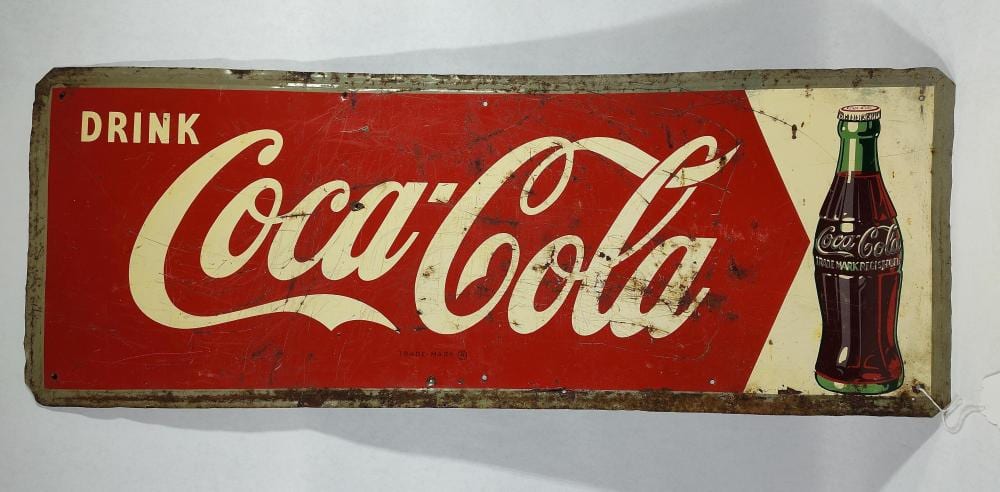 |
SST Coca-Cola signSource blocked; provenance matched | Atlee Raber Auctioneer | 2025-12-30 | 145 | USD 150 (buyer’s-premium treatment unknown) |
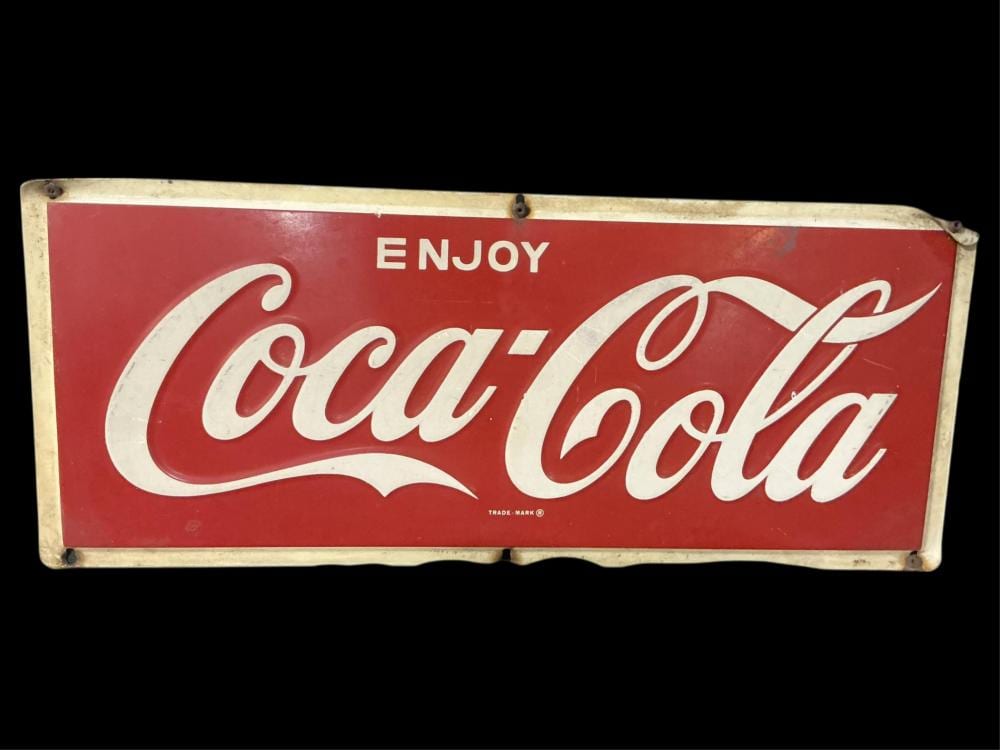 |
Vintage Metal Coca-Cola SignSource blocked; provenance matched | Caswell Prewitt Realty, INC | 2026-04-12 | 407 | USD 80 (buyer’s-premium treatment unknown) |
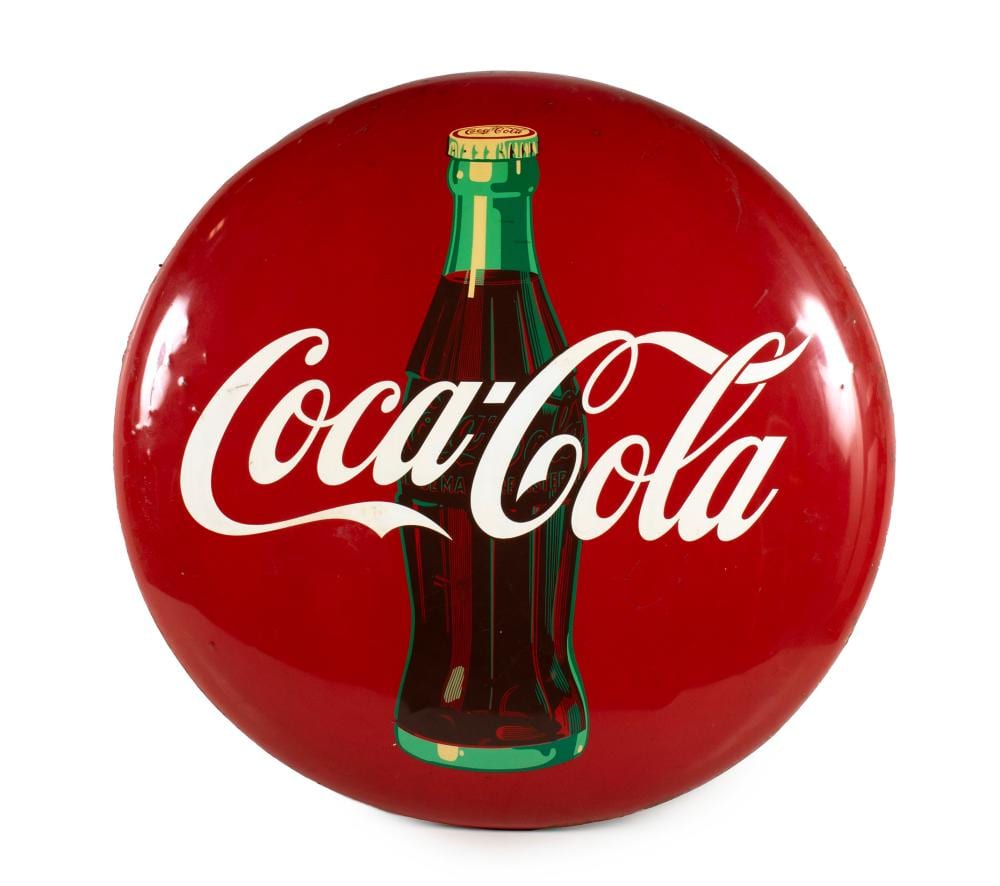 |
LARGE COCA-COLA BUTTON SIGNSource blocked; provenance matched | Selkirk Auctioneers & Appraisers | 2025-12-12 | 131 | USD 600 (buyer’s-premium treatment unknown) |
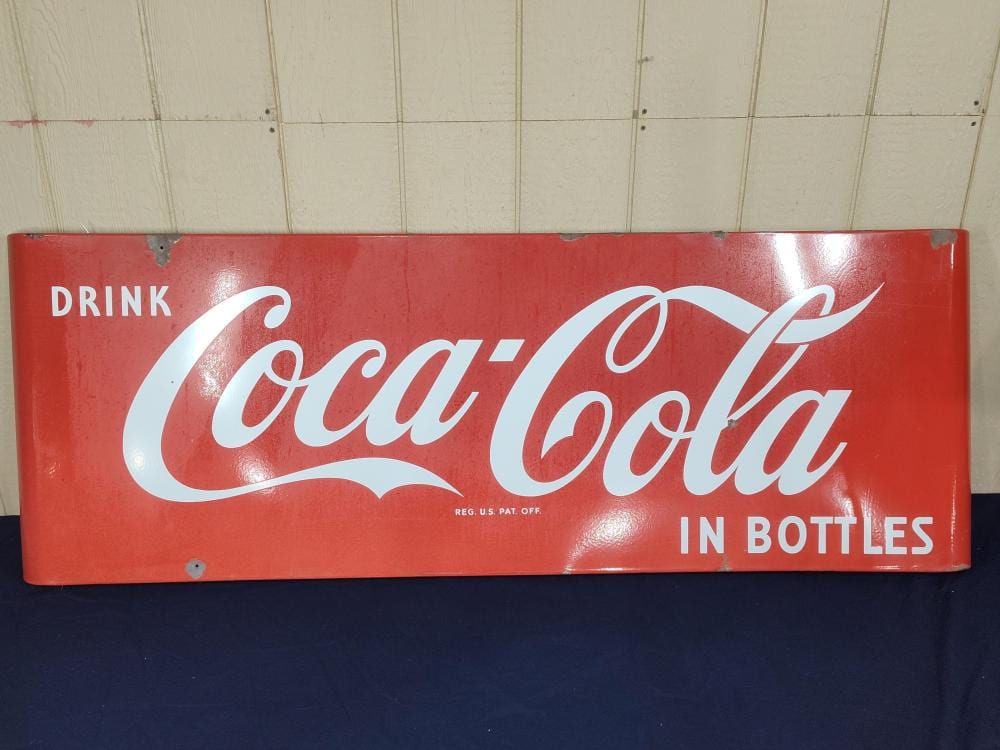 |
SSP Coca-Cola sled signSource blocked; provenance matched | Atlee Raber Auctioneer | 2025-12-30 | 193 | USD 550 (buyer’s-premium treatment unknown) |
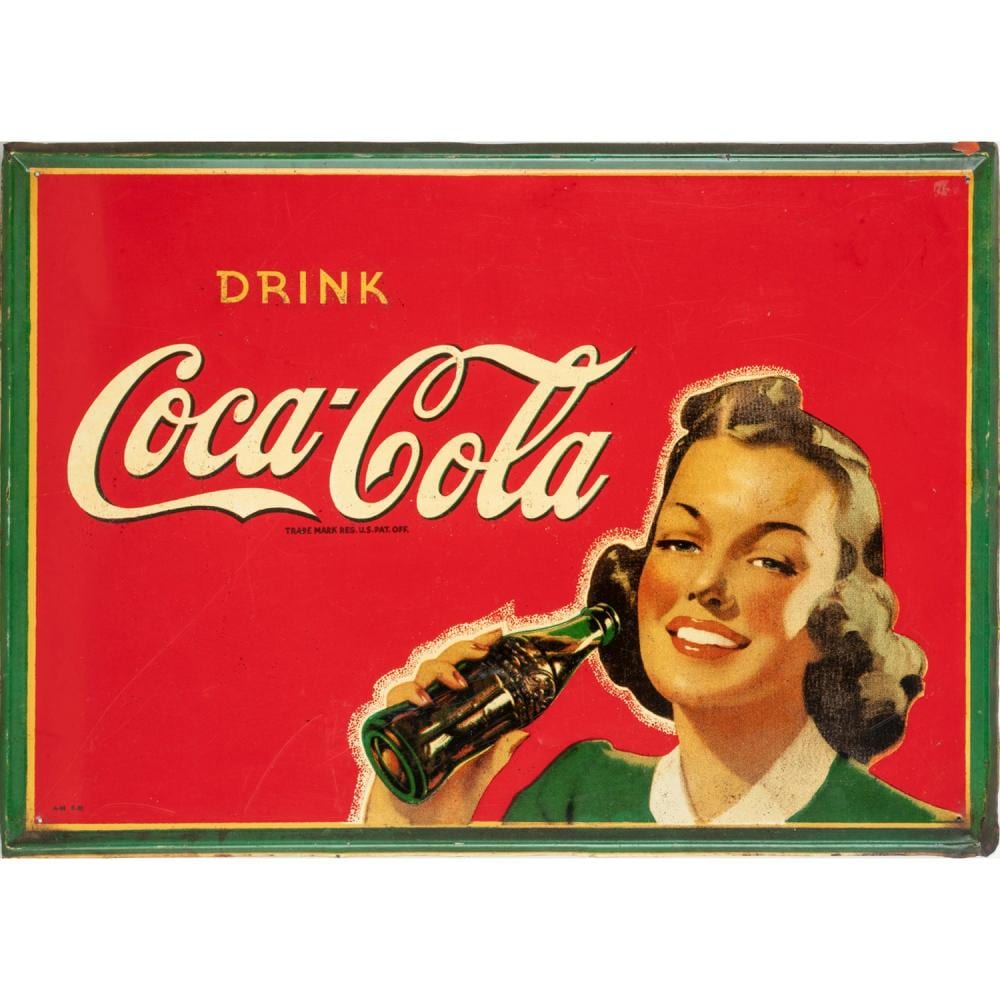 |
1940 Drink Coca-Cola Tin SignSource blocked; provenance matched | Gray's Auctioneers | 2025-05-28 | 31 | USD 700 (buyer’s-premium treatment unknown) |
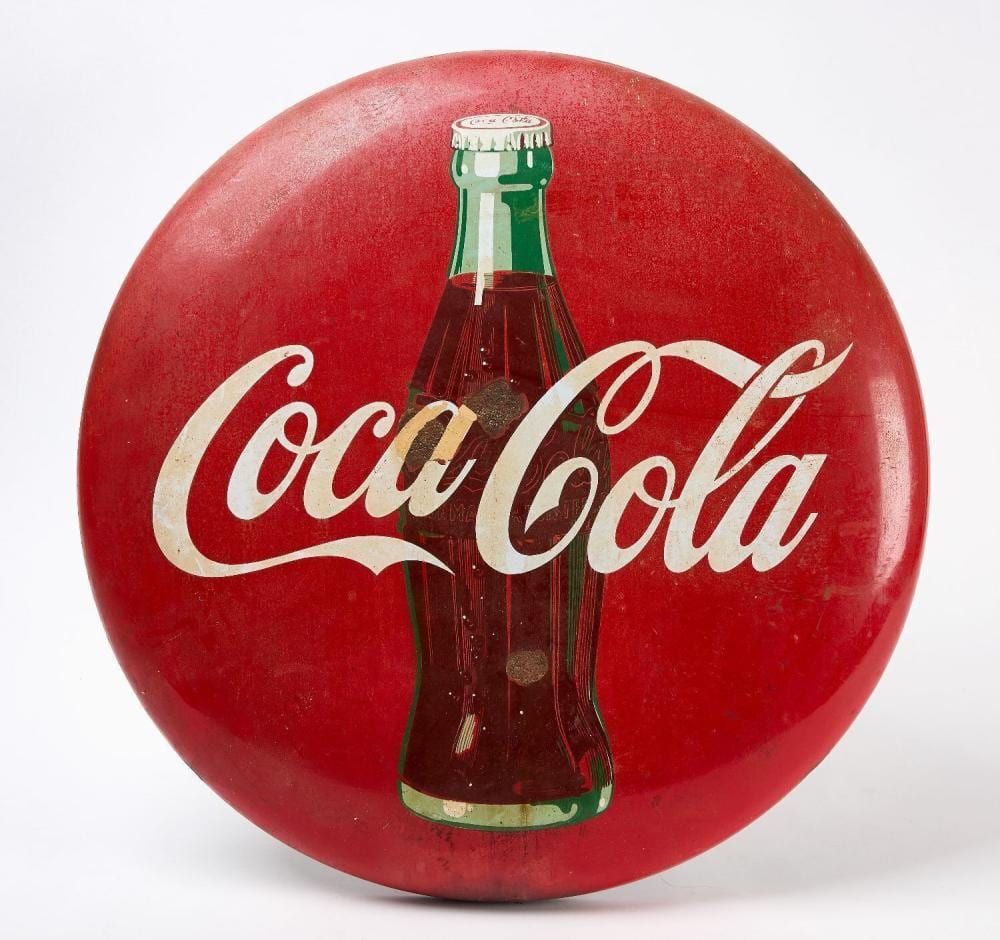 |
Coca-Cola Porcelain Button SignSource blocked; provenance matched | New England Auctions | 2026-05-07 | 641 | USD 450 (buyer’s-premium treatment unknown) |
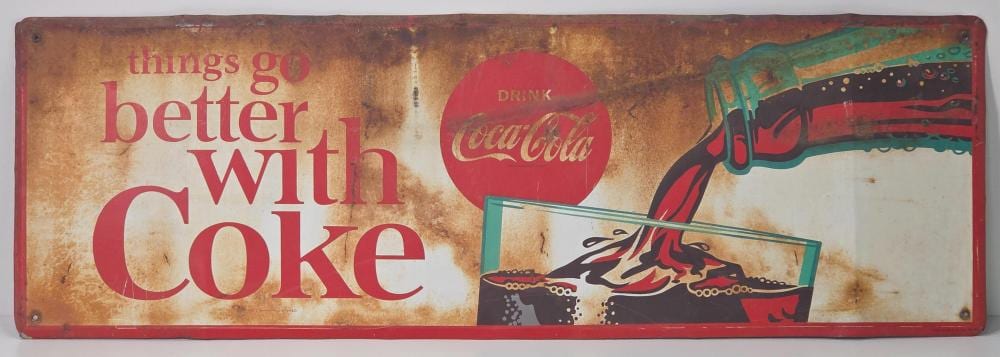 |
Vintage 'Coca-Cola' sign (136 x 46cm)Source blocked; provenance matched | Lawsons | 2026-03-05 | 1473 | AUD 100 (buyer’s-premium treatment unknown) |
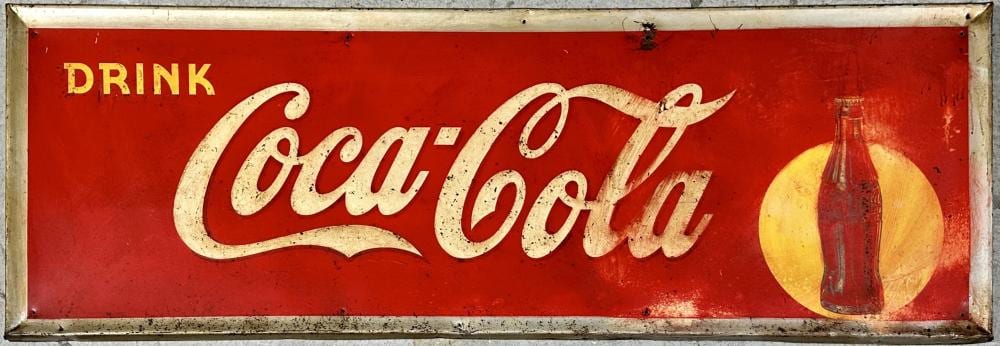 |
DRINK COCA-COLA SST TIN SIGNSource blocked; provenance matched | Freedom Auction Company | 2025-04-05 | 633 | USD 60 (buyer’s-premium treatment unknown) |
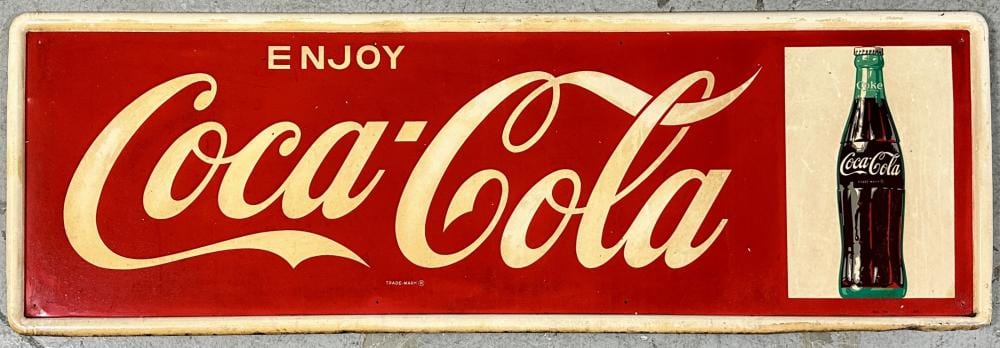 |
ENJOY COCA-COLA SST TIN SIGNSource blocked; provenance matched | Freedom Auction Company | 2025-04-05 | 632 | USD 225 (buyer’s-premium treatment unknown) |
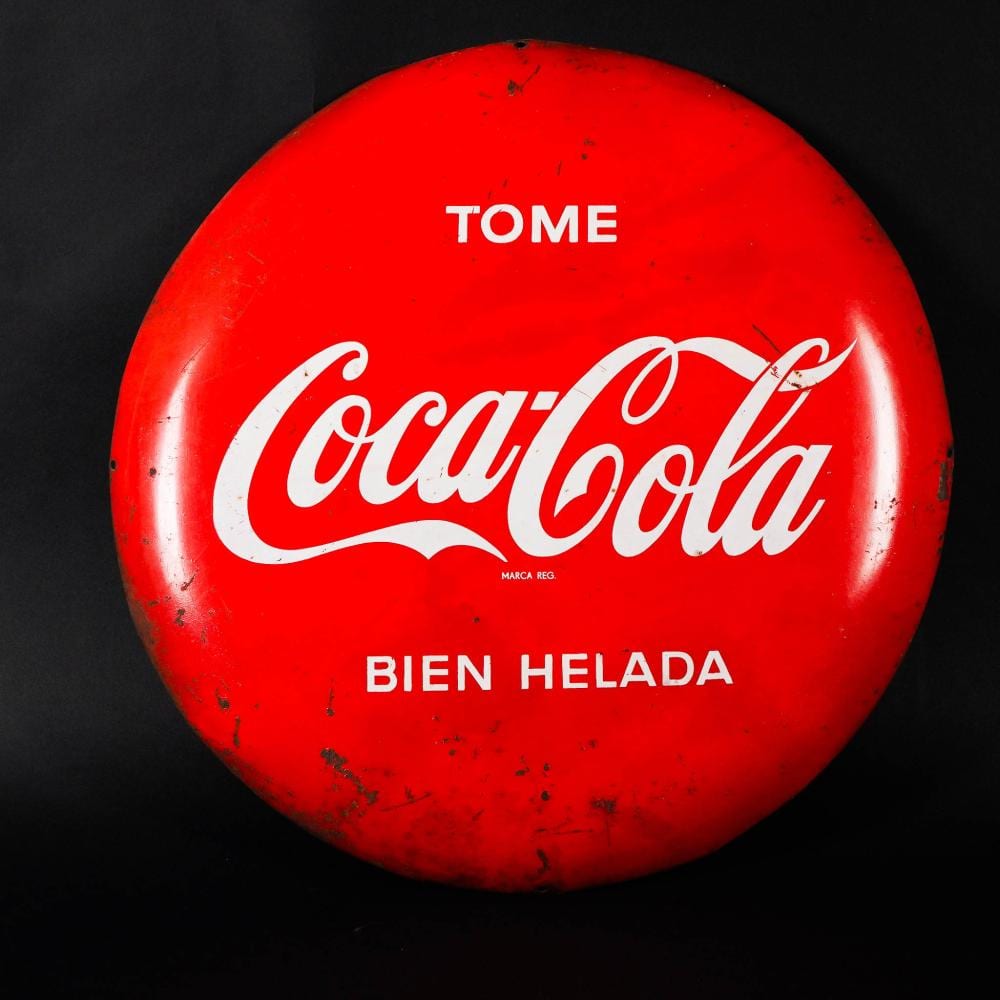 |
Coca-Cola Button Sign, Tome Coca-Cola Bien HeladaSource blocked; provenance matched | Lion and Unicorn | 2025-05-11 | 27 | USD 150 (buyer’s-premium treatment unknown) |
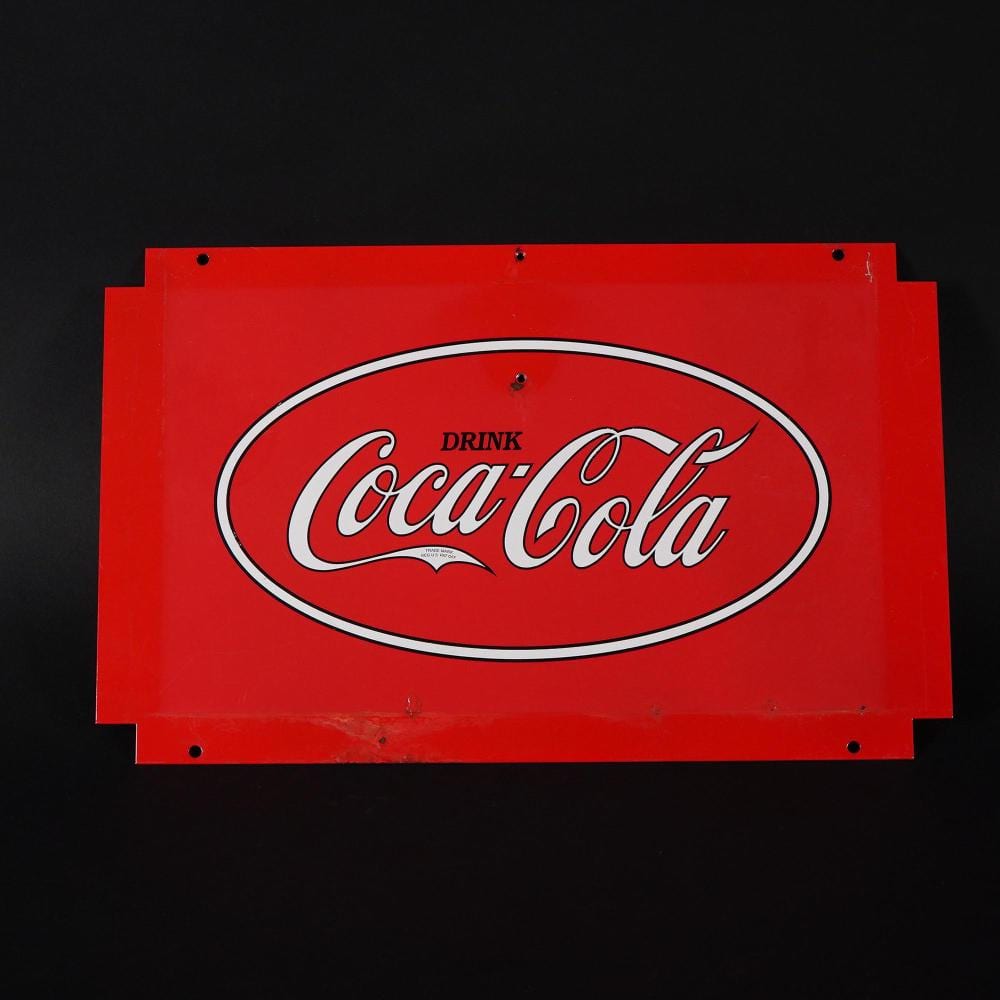 |
Coca-Cola Tin Advertising Sign, Drink Coca-Cola LogoSource blocked; provenance matched | Lion and Unicorn | 2025-05-29 | 71 | USD 10 (buyer’s-premium treatment unknown) |
 |
DRINK COCA-COLA | TIN SIGNSource blocked; provenance matched | Wormser Classic Auctions GmbH | 2026-05-09 | 535 | EUR 300 (buyer’s-premium treatment unknown) |
How these auction records were verified
Each row retains its exact source URL, lot identity, retrieval time, access result, and immutable record hash. Live source access was blocked; the exact record matched Appraisily's immutable pipeline provenance. Inspect the public comparable provenance record.
Disclosure: prices are shown as reported by auction houses and are provided for appraisal context. Learn more in our editorial policy.
Free instant estimate
Not sure if your item is worth appraising? Let us take a look.
Upload a photo, tell us what you know, and get a free first read. If a full appraisal makes sense, we will say so.
Free. No card needed. Takes about two minutes.
Choose your next step
Use the path that matches the decision you need to make about the item.
Not sure it is worth appraising?
Start with a lower-friction screen to understand the likely category, evidence, and next step.
Upload photos for a free first lookWant proof before paying?
See how a signed report documents photos, comparable evidence, condition notes, and value conclusions.
View signed report sampleNeed a signed report?
Use this for insurance, estate, donation, resale, or documented value decisions.
Need documentation now? Start signed appraisalNeed local or specialist help?
Compare directory options when the work needs in-person review or a specialist near you.
Find local specialistsSee what the report looks like
Sample reports show how photos, comparable evidence, condition notes, and a value conclusion are documented.
Get this Coca-Cola sign appraised
Upload photos of the full sign, front and back, maker marks, mounting holes, edges, material, size, surface damage, repairs, and any display history.
- Expert report with photos and comps
- Fast turnaround
- Fixed, upfront pricing
No obligation. Secure upload.
Continue your valuation journey
Find the right local specialist
Compare antique and art appraisers by location and specialty in one directory.
Antique & art specialists
Browse the Antique & Art Appraisers Directory
Choose a local specialist when the assignment needs in-person inspection or a specific credential.
Machine-readable summaries
Use these machine-friendly references for AI and crawler discovery of Appraisily content.
Ready for pricing guidance?
Start a secure online appraisal
Upload images and details. Certified specialists respond within 24 hours.
Upload photos for a free first look View signed report sample