What Case XX pocket knives actually sell for
Most well-used later Case XX knives sell modestly; early tang stamps, rare patterns, and clean unsharpened blades are the exceptions.
A used canoe or sod buster is a different sale from a mint numbered pattern.
Common used patterns. An antique Case XX canoe pocket knife sold for $36.
A Case XX sod buster pocket knife sold with scissors for $40.
A two-blade Case XX scrimshaw folding pocket knife sold for $70.
A W.R. Case Tested XX pocket-worn pocket knife lot sold for $90.
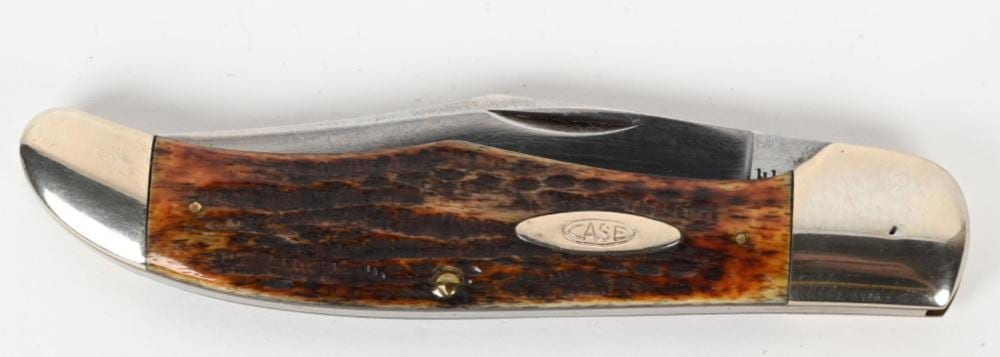
Another antique Case XX canoe pocket knife sold for $140.
High-value outlier. A mint Case XX 6265 SAB pocket knife, 1940–64, sold for $750.
Read the tang stamp, pattern number, and blade condition before treating any one sale as yours.
What similar items actually sold for
To help ground this guide in real market activity, here are recent example auction comps from Appraisily’s internal database. These matched sales are market context only, not an object estimate or identification, and they do not guarantee a price for your Case XX knife.
Shown USD range: USD 36-USD 750. Median of these 15 USD examples: USD 160.
| Comparable | What sold | Auction house | Date | Lot | Source-reported amount |
|---|---|---|---|---|---|
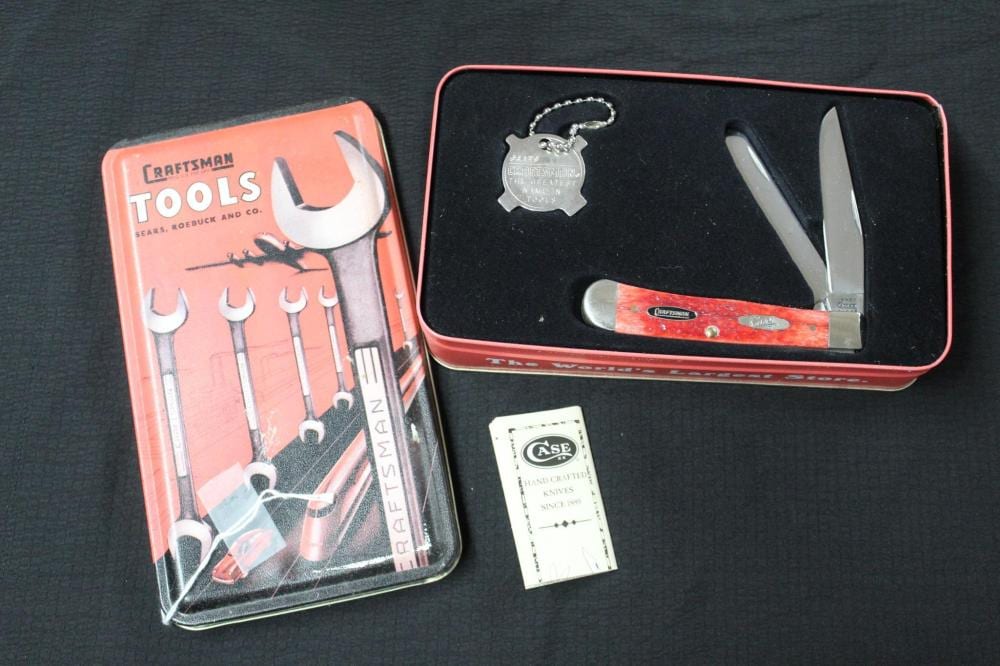 |
CASE XX CRAFTSMAN POCKET KNIFESource blocked; provenance matched | Atlee Raber Auctioneer | 2025-02-10 | 343 | USD 80 (buyer’s-premium treatment unknown) |
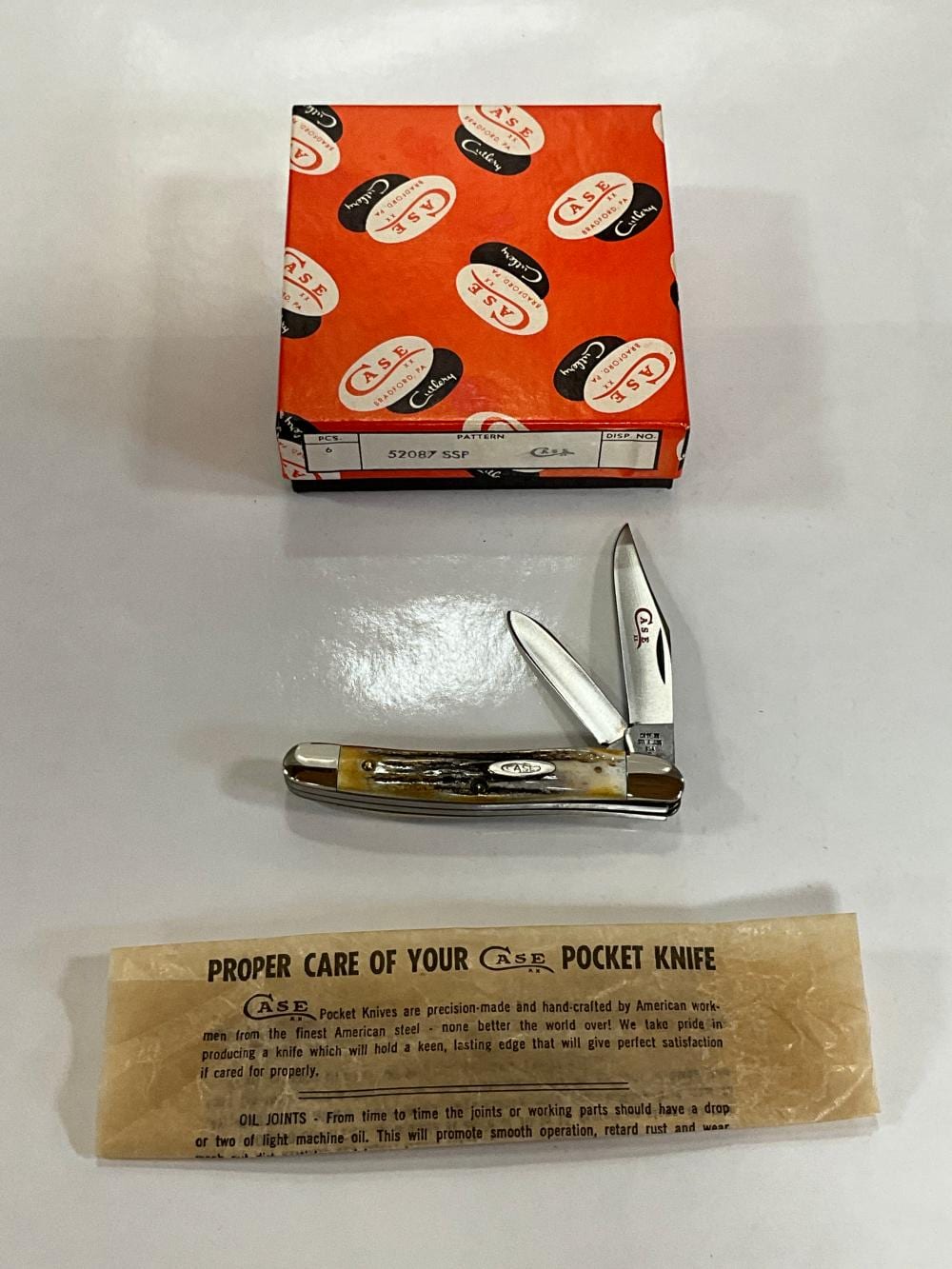 |
NOS RED LETTER STAG HANDLE CASE XX POCKET KNIFESource blocked; provenance matched | Appalachian Trading Post & Auction Company | 2024-04-27 | 240 | USD 100 (buyer’s-premium treatment unknown) |
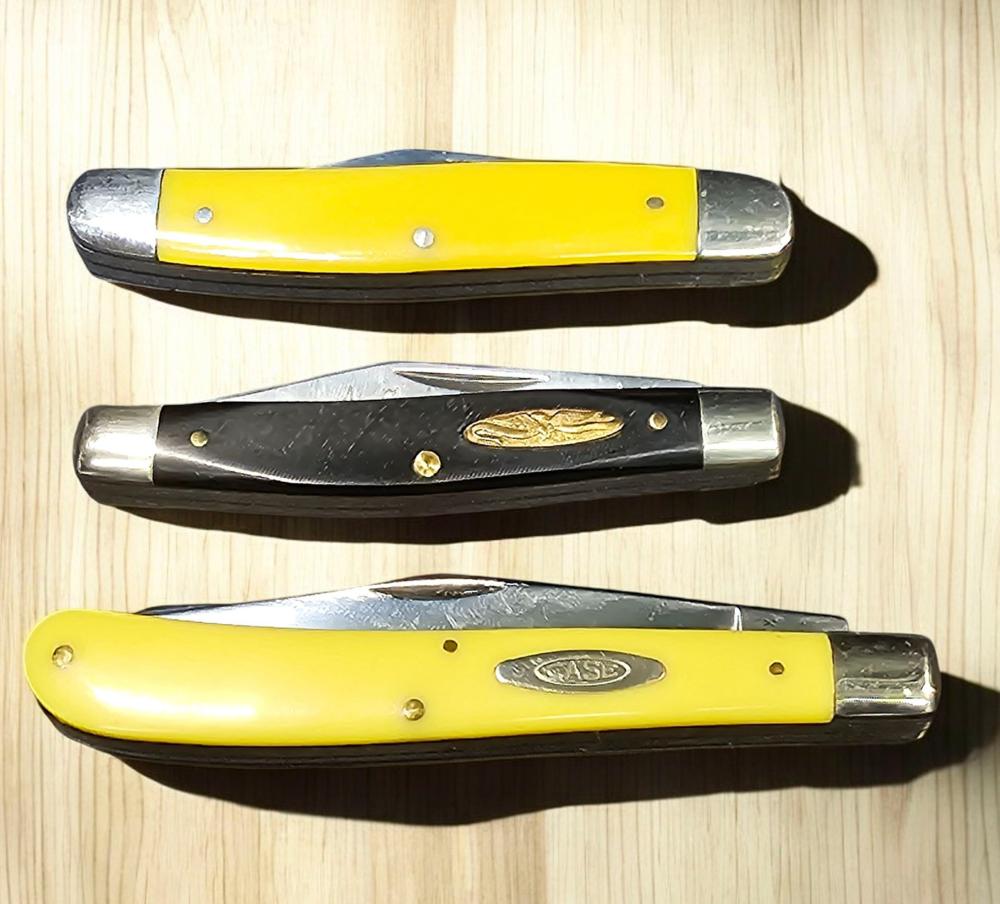 |
Case XX USA 10 Dot Yellow 32048 Slimline Trapper Farmers Jack Knife & Vintage Ka-Bar Pocket Knife 2Source blocked; provenance matched | Main Auction Galleries | 2025-02-20 | 39 | USD 70 (buyer’s-premium treatment unknown) |
![Vintage (28) Pocket Knives [Case XX; Barlow] sold by Grant Zahajko Auctions, LLC, lot 66N — auction record photograph](https://assets.appraisily.com/comps/auction-lots/181817075/thumb/4e56422df30b1fdc04edf05a27bf8634c4406187aad395f35a4ea5214d31b1a3.jpg) |
Vintage (28) Pocket Knives [Case XX; Barlow]Source blocked; provenance matched | Grant Zahajko Auctions, LLC | 2023-08-16 | 66N | USD 275 (buyer’s-premium treatment unknown) |
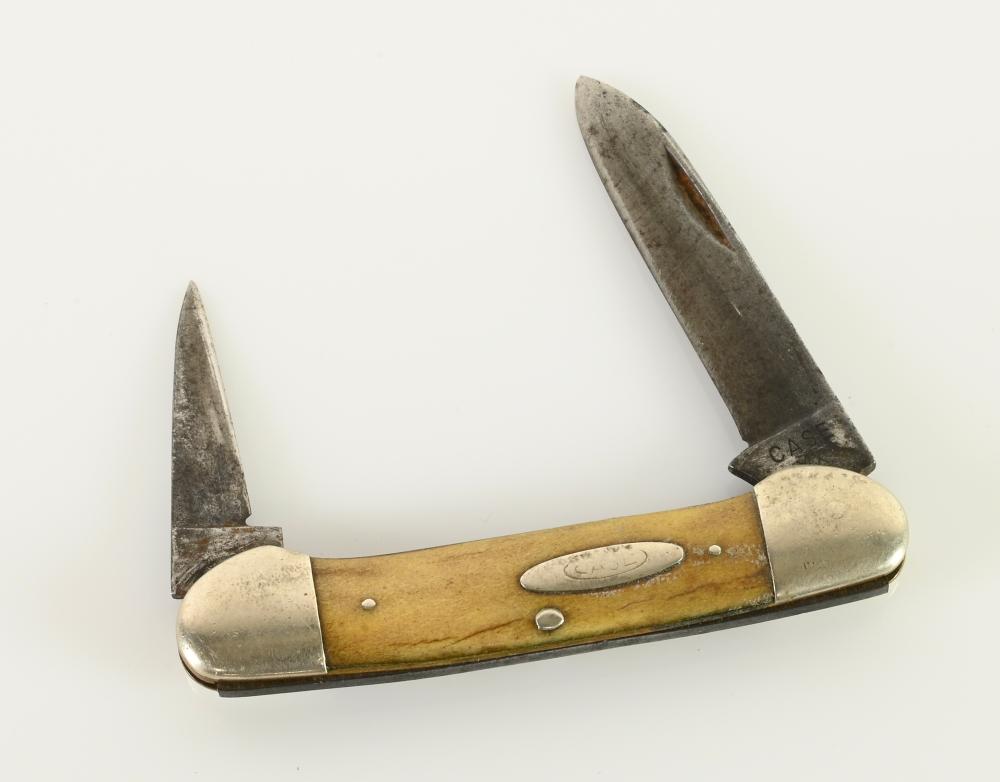 |
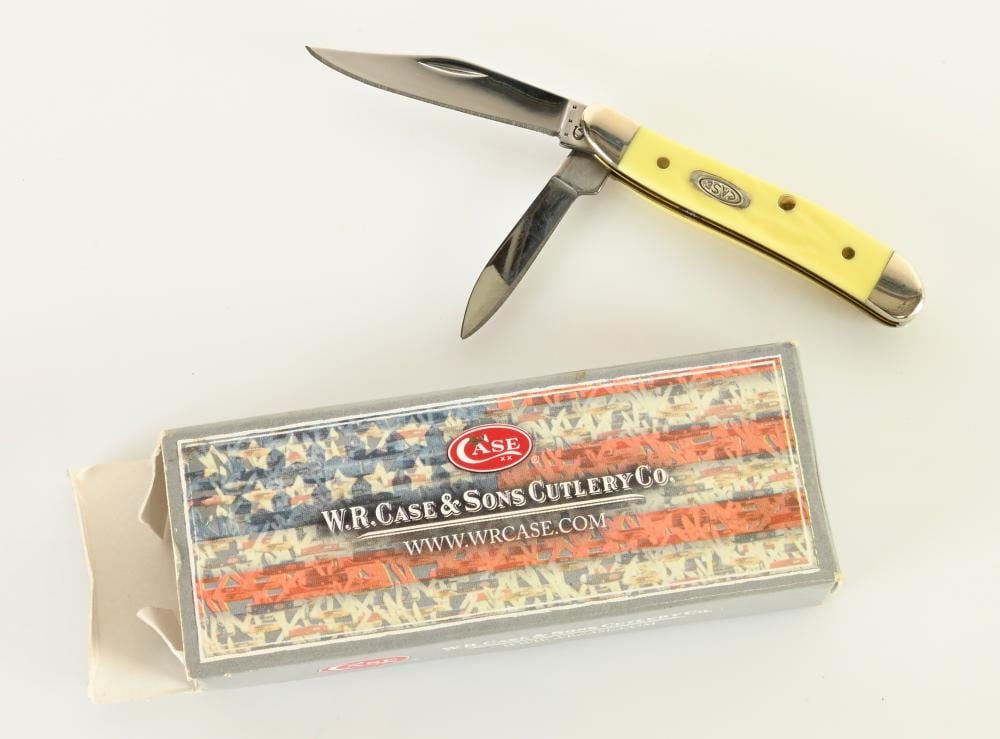
Antique Case XX Canoe Pocket KnifeSource blocked; provenance matched | Mebane Antique Auction | 2023-11-11 | 29 | USD 36 (buyer’s-premium treatment unknown) |
 |
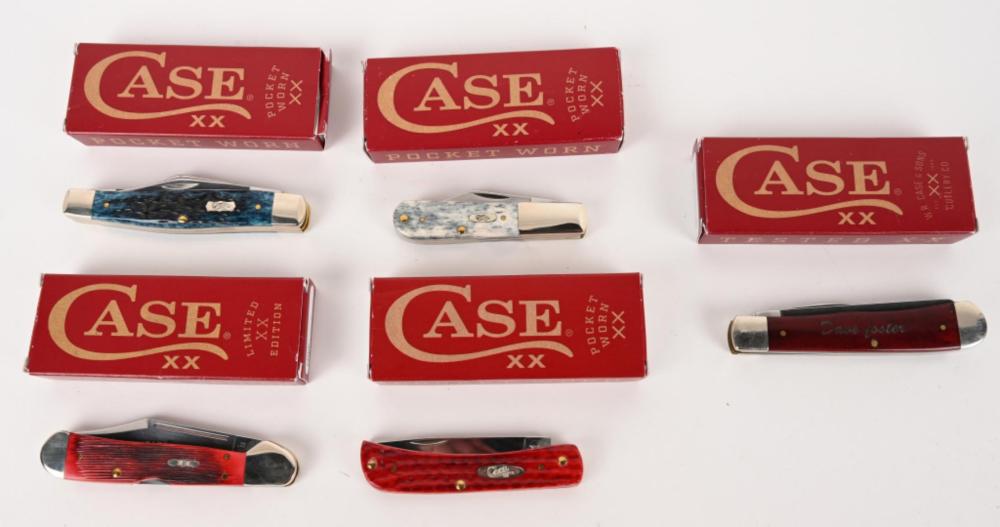
Case XX 6220 Pocket KnifeSource blocked; provenance matched | Mebane Antique Auction | 2023-11-11 | 86 | USD 75 (buyer’s-premium treatment unknown) |
 |
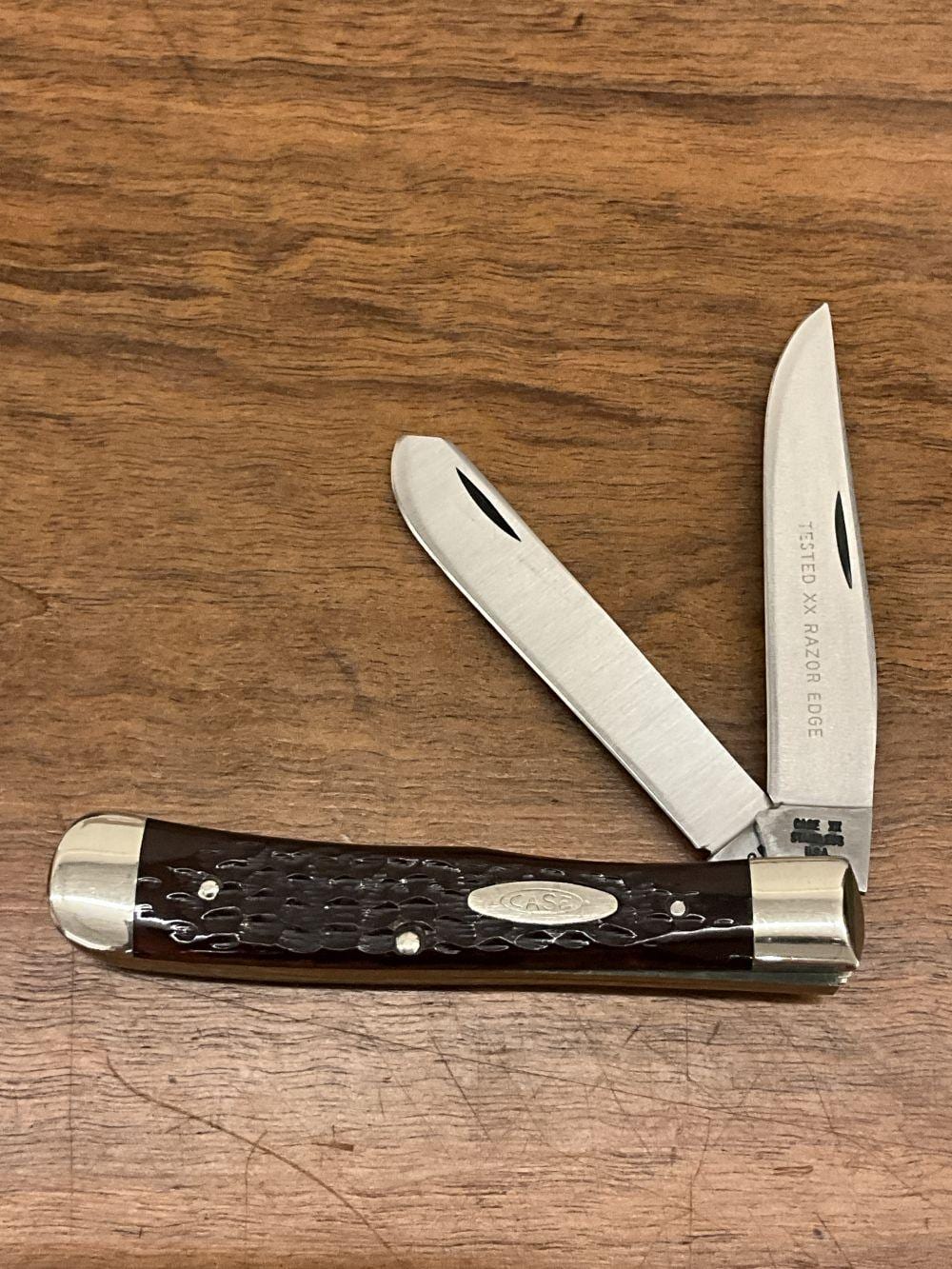
LIMITED EDITION CASE XX POCKET KNIVESSource blocked; provenance matched | Milestone Auctions | 2025-12-07 | 569 | USD 300 (buyer’s-premium treatment unknown) |
 |
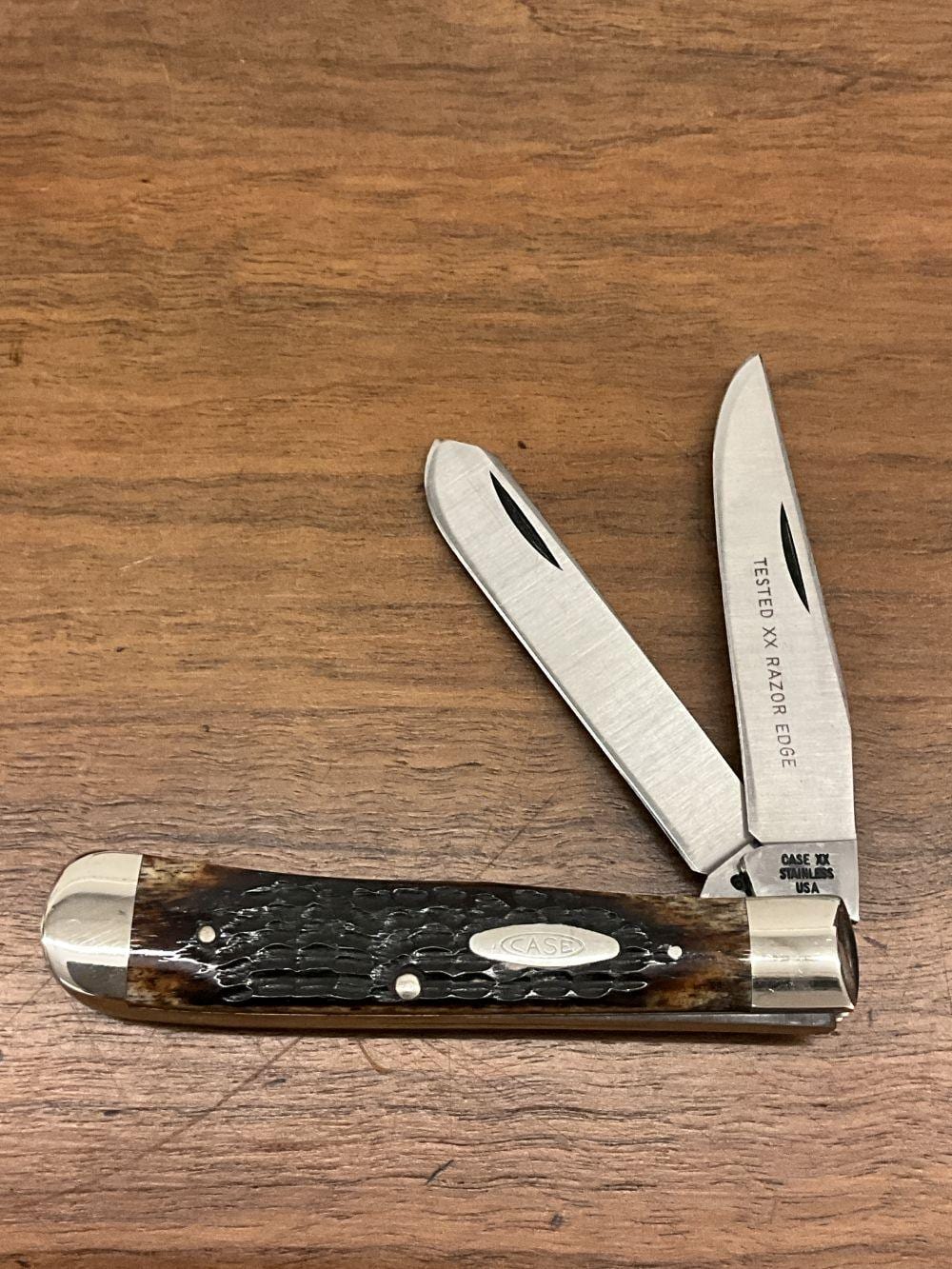
Case XX Bone Pocket KnifeSource blocked; provenance matched | Appalachian Trading Post & Auction Company | 2025-08-09 | 22 | USD 160 (buyer’s-premium treatment unknown) |
 |
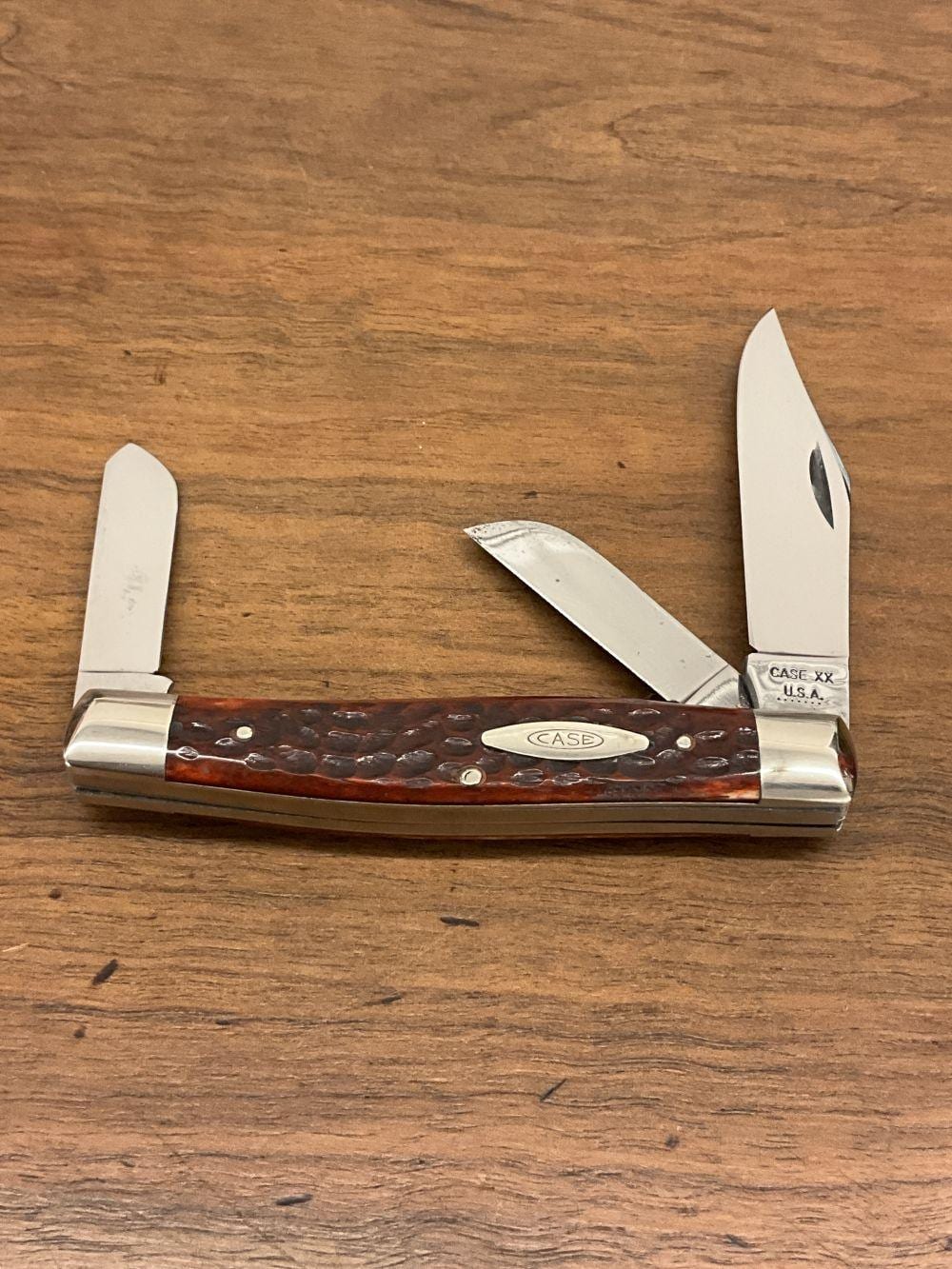
Case XX Bone Pocket KnifeSource blocked; provenance matched | Appalachian Trading Post & Auction Company | 2025-08-09 | 8 | USD 180 (buyer’s-premium treatment unknown) |
 |
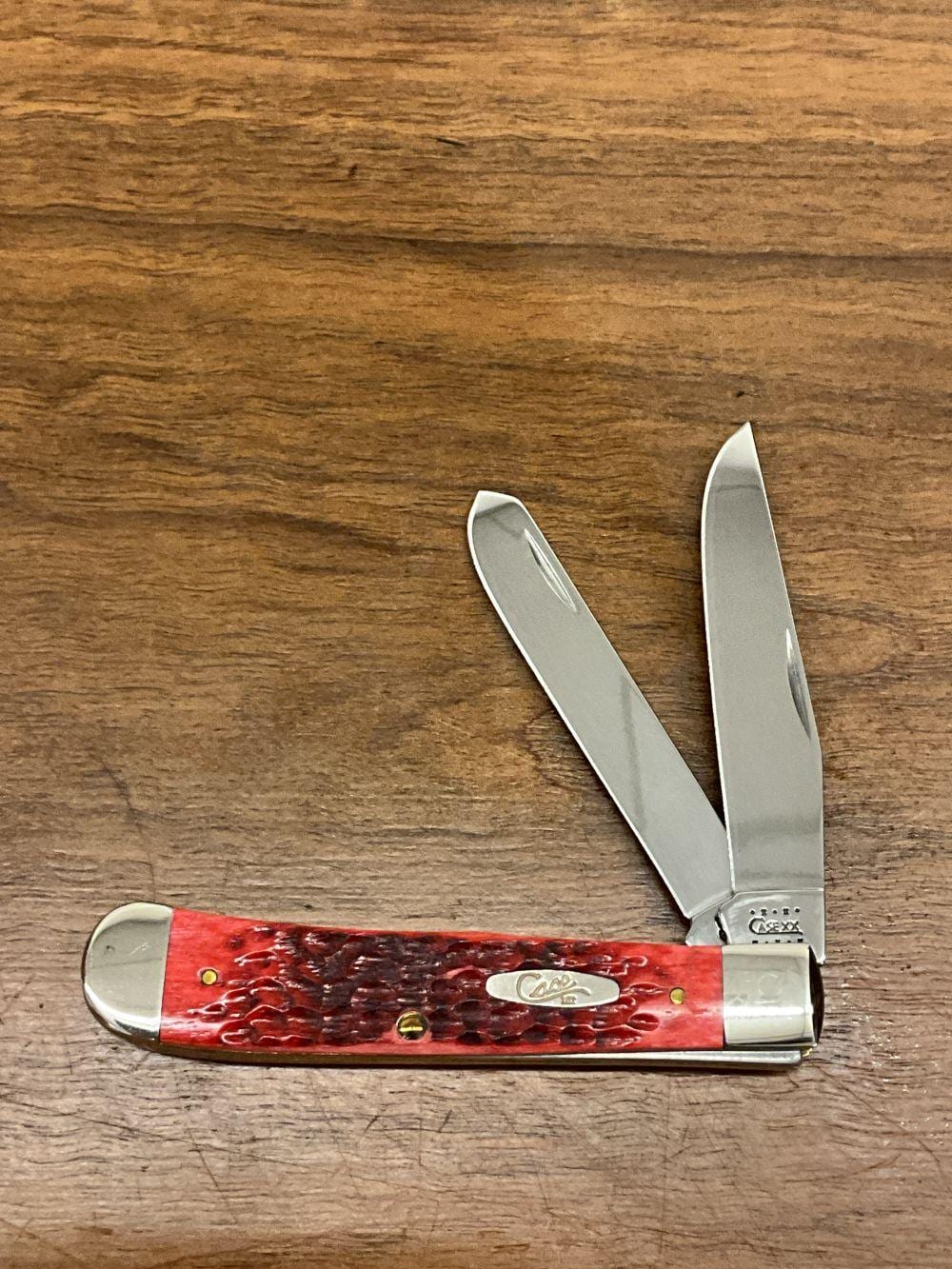
Case XX Bone Pocket KnifeSource blocked; provenance matched | Appalachian Trading Post & Auction Company | 2025-08-09 | 7 | USD 190 (buyer’s-premium treatment unknown) |
 |
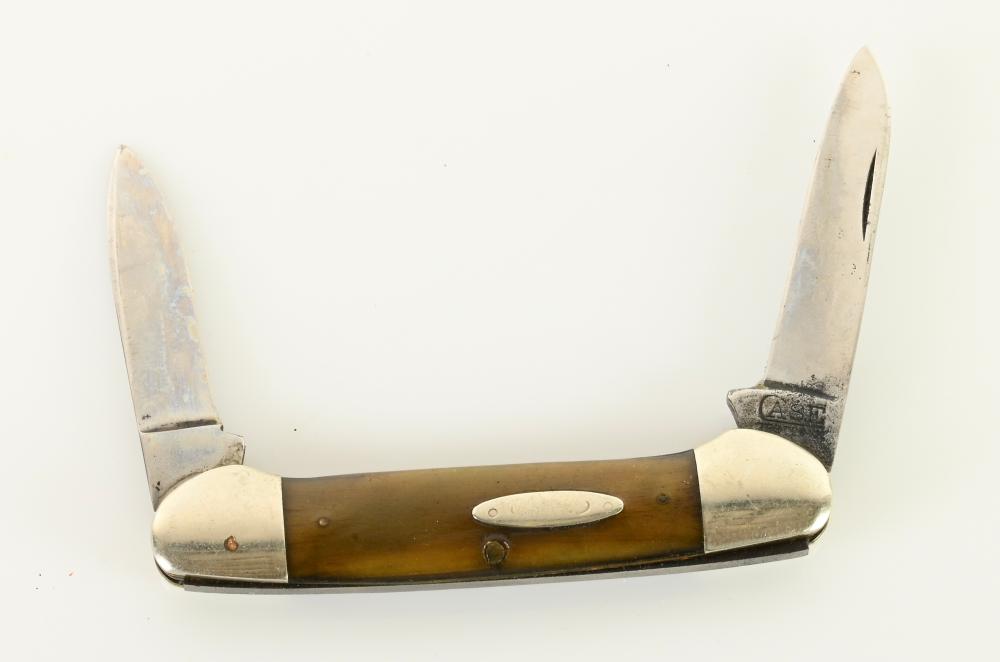
Case XX Red Bone Pocket KnifeSource blocked; provenance matched | Appalachian Trading Post & Auction Company | 2025-08-09 | 19 | USD 60 (buyer’s-premium treatment unknown) |
 |
Antique Case XX Canoe Pocket KnifeSource blocked; provenance matched | Mebane Antique Auction | 2023-11-11 | 71 | USD 140 (buyer’s-premium treatment unknown) |
 |
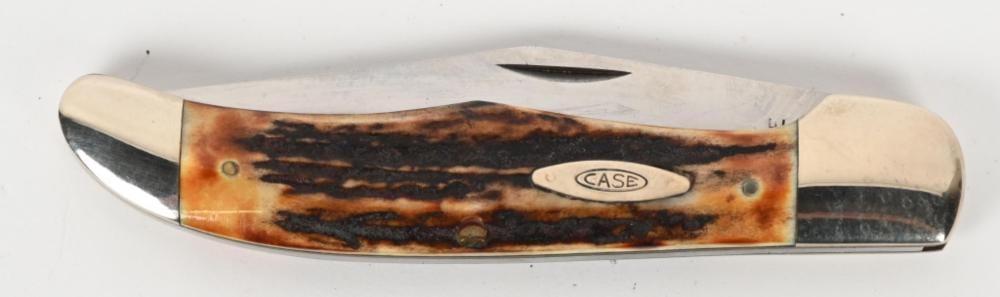
CASE XX 6165 POCKET KNIFE LOT 1940 - 1964Source blocked; provenance matched | Milestone Auctions | 2024-10-27 | 1187 | USD 475 (buyer’s-premium treatment unknown) |
 |
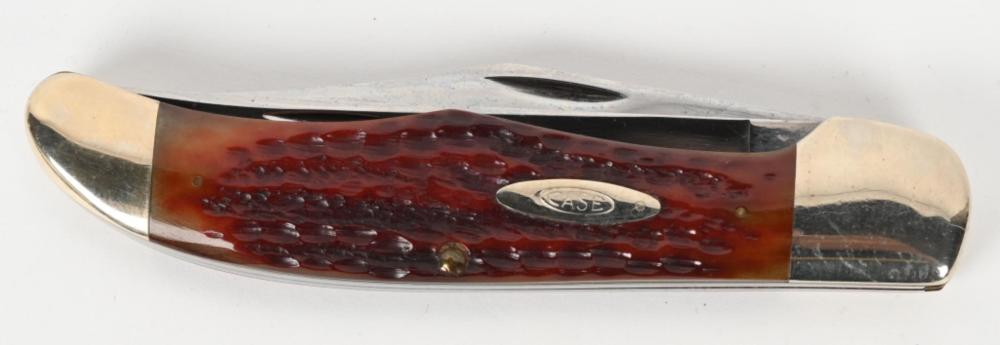
CASE XX 6165 POCKET KNIFE LOT 1940 - 1964Source blocked; provenance matched | Milestone Auctions | 2024-10-27 | 1182 | USD 475 (buyer’s-premium treatment unknown) |
 |
CASE XX 6265 SAB POCKET KNIFE 1940-64 MINTSource blocked; provenance matched | Milestone Auctions | 2024-10-27 | 1169 | USD 750 (buyer’s-premium treatment unknown) |
How these auction records were verified
Each row retains its exact source URL, lot identity, retrieval time, access result, and immutable record hash. Live source access was blocked; the exact record matched Appraisily's immutable pipeline provenance. Inspect the public comparable provenance record.
Disclosure: prices are shown as reported by auction houses and are provided for appraisal context. Learn more in our editorial policy.
Introduction to Case XX Pocket Knife Collecting
Case XX pocket knives stand as one of the most beloved American collectibles, with a rich history dating back to 1889 when the company was founded by the Case brothers. What began as a small cutlery business in upstate New York has evolved into perhaps the most collected knife brand in the world. Vintage Case knives, particularly those marked with the distinctive “XX” symbol, have become highly sought after by collectors and enthusiasts alike.
What Makes Old Case XX Knives Valuable?
The value of old Case XX pocket knives is determined by several key factors that experienced collectors carefully evaluate. Unlike modern production knives, vintage Case knives often appreciate in value, particularly rare patterns or those from specific manufacturing eras.
Key Value Factors for Vintage Case Knives
- Age and Era - Knives from certain manufacturing periods, particularly pre-1970, often command higher prices
- Pattern Rarity - Unusual or limited production patterns are more valuable
- Handle Material - Exotic materials like jigged bone, stag, or pearl can significantly increase value
- Condition - Mint or near-mint condition knives with original finishes and intact blades are worth more
- Original Packaging - Having the original box and paperwork greatly enhances value
- Tang Stamps - The specific marking on the tang helps date the knife and verify authenticity
Historical Timeline of Case Knives
- 1889
Company Founding
Brothers W.R., Jean, John, and Andrew Case began selling handcrafted knives under the name Case Brothers Cutlery Company in upstate New York.
- 1905
W.R. Case & Sons
After relocating to Bradford, PA, the company was reorganized as W.R. Case & Sons Cutlery Company, which remains its name today.
- 1920-1940
The Golden Age
Case produced some of its most collectible patterns and introduced many innovations. Knives from this era are highly sought after.
- 1940-1964
WWII Era and Post-War
Case produced military knives during WWII. Post-war knives with specific tang stamps from this period are prized by collectors.
- 1970
Dot Dating System
Case introduced its famous dot dating system, adding 10 dots to tang stamps and removing one each year, making knife dating easier.
How to Identify and Date Your Case XX Knife
Case Cutlery has thoughtfully provided collectors with a reliable dating system through their tang stamps - the markings found on the base of the main blade. This system has evolved over time, making it possible to determine when a knife was manufactured with remarkable precision.
Understanding Case Tang Stamps
The tang stamp is the most important identifier for dating a Case knife. Here’s how to use it:
Pre-1970 Knives:
- Look for specific characteristics in the “CASE XX” logo
- The presence of “U.S.A.” and its placement helps narrow down the era
- Pre-1940 knives often have “TESTED XX” in the stamp
1970 and Later - The Dot Dating System:
- In 1970, Case added 10 dots beneath the “U.S.A.” on tang stamps
- Each subsequent year, one dot was removed until 1979
- The pattern repeated in 1980 with 10 dots again
- The cycle continues to the present, repeating every decade
Pattern Numbers and Identification
Case also assigns each knife pattern a unique number that provides valuable information:
- The first digits indicate the number of blades
- The middle digits describe the handle pattern or material
- The last digits represent the specific knife pattern
For example, pattern “6254 SS” indicates:
- “6” means the knife has 2 blades
- “2” denotes the handle pattern
- “54” represents the Trapper pattern
- “SS” indicates stainless steel blades
Case XX Knife Condition Assessment
Check applicable items to help determine your knife's condition rating
- All blades open and close smoothly with good snap
- Blades have no chips, cracks, or significant rust
- Original edge with no improper resharpening
- Handle has no cracks, chips or repairs
- Original bolsters intact with minimal wear
- Tang stamp fully visible and legible
- No blade play when open
- Original shield present and secure
- Original box and paperwork present
Most Valuable Case XX Knife Patterns
While all vintage Case knives hold appeal, some patterns consistently achieve higher values due to their rarity, design excellence, or historical significance. Understanding which patterns are most sought after can help collectors focus their searches and investments.
Highly Collectible Case Patterns
- Stag Handle Knives - Especially pre-1970 models with genuine deer antler handles
- Melon Testers - A distinctive pattern with a specialized blade for testing fruit ripeness
- Doctors’ Knives - Medical-inspired folding knives with specialized tools
- Cheetah Pattern - A distinctive switchblade-style knife with a push-button release
- Commemorative and Limited Editions - Special production runs with unique designs or significance
- Early Trappers (Pattern 54) - The classic 2-blade folding knife, especially pre-WWII examples
- Congress Pattern - The traditional 4-blade pocket knife with sleek design
- Stockman Pattern - Three-blade pocket knife with clip, sheepsfoot, and spey blades
Price Ranges for Collectible Case XX Knives
Current market values based on collector sales and auction results
Handle Materials and Their Impact on Value
Case has utilized numerous handle materials throughout its history, each affecting both the aesthetics and value of their knives. Understanding these materials helps collectors identify and value knives more accurately.
Traditional Handle Materials
Bone - The most common traditional material, often jigged for better grip
- Colors include: Amber, Red, Green, Blue, and Natural
- Special finishes like jigged bone command premiums
Stag - Natural deer antler handles are among the most valuable
- Pre-1970 genuine stag handles are especially desirable
- Later stag handles may be imitation or “Molded Stag”
Pearl - Highly prized and relatively rare
- Mother-of-pearl offers iridescent beauty
- More fragile than other materials, mint examples are scarce
Exotic Materials - Limited runs with special handle materials
- Buffalo horn
- Exotic hardwoods
- Fossil materials
- Custom materials for commemorative editions
</tbody> </table>
Where to Buy and Sell Vintage Case XX Knives
The market for vintage Case XX knives remains robust, with multiple venues catering to collectors of all levels. Each marketplace offers different advantages depending on whether you’re buying or selling.
Popular Marketplaces for Case Knife Collectors
Online Platforms
- eBay remains the largest marketplace for vintage Case knives
- Etsy features many vintage knife sellers with curated selections
- Specialized forums like All About Pocket Knives have active buy/sell sections
Knife Shows and Collector Gatherings
- The Case Collectors Club hosts regional meetings
- General knife shows like the Blade Show feature vintage Case dealers
- Antique and collectible shows often include knife dealers
Specialty Dealers
- GP Knives maintains a vintage Case section
- Frank’s Classic Knives specializes in collectible Case models
- Old Pocket Knives focuses on vintage folding knives
Auction Houses
- Heritage Auctions occasionally features premium Case knife collections
- Regional auction houses often include estate collections with vintage knives
Essential Resources for Case Knife Collectors
Case Knives Official Website
The manufacturer's official website with detailed dating information, history, and current products.
All About Pocket Knives Forum
Active community of knife collectors discussing Case XX pricing, identification, and valuation challenges.
Vintage Case Knives at GP Knives
Curated selection of vintage Case knives with detailed descriptions and condition notes.
Frank's Classic Knives
Specialized dealer focusing on collectible vintage Case knives with expert descriptions.
Old Pocket Knives
Information resource and marketplace for vintage Case patterns and collectibles.
Case Knife Identification Guide
Video guide demonstrating how to identify different years and types of Case pocket knives.
Historical Case Knives on Etsy
Curated marketplace featuring vintage and antique Case XX knives from multiple sellers.
eBay Case XX Collection
The largest online marketplace for buying and selling vintage Case XX pocket knives.
Caring for Vintage Case XX Knives
Whether you’re a serious collector or simply inherited an old family Case knife, proper care ensures these American treasures maintain their condition and value for generations to come.
Maintenance Best Practices
Cleaning
- Gently clean blades with mild soap and water
- Avoid harsh chemicals or abrasives
- Cotton swabs can reach into crevices
- For light rust, use fine oil and 0000 steel wool (with extreme caution)
Lubrication
- Use food-grade mineral oil for blade pivots
- Apply sparingly to avoid attracting dust
- Wipe away excess oil completely
Storage
- Store in a climate-controlled environment
- Avoid extreme humidity or temperature changes
- Individual soft pouches prevent scratching
- Original packaging adds significant value
Display Considerations
- Keep away from direct sunlight to prevent fading
- Glass-topped display cases offer protection while showcasing
- Consider UV-protective glass for valuable collections
What to Avoid
- Never use power tools or aggressive cleaning methods
- Avoid modern automatic knife sharpeners
- Don’t attempt to “restore” rare knives - patina is often valued
- Never store in leather sheaths long-term (traps moisture)
Common Questions About Old Case XX Knife Values
How do you know how old a Case knife is?
In 1970, Case added ten dots beneath the "U.S.A" on all knife tangs. Each year a dot was removed, creating a simple dating system. By 1979, only one dot remained, and in 1980, they started again with ten dots. This cycle continues to the present day.
For pre-1970 knives, you’ll need to study the specific characteristics of the tang stamp, including:
- The style of the Case XX logo
- Presence and placement of "U.S.A."
- Other markings like "TESTED XX"
Do Case knives increase in value?
However, not all Case knives appreciate equally. Factors that influence appreciation include:
- Rarity of the pattern
- Handle materials (stag and pearl typically appreciate more)
- Historical significance
- Original condition and packaging
- Manufacturing era (pre-1970 knives often command premiums)
What are the most collectible Case pocket knife patterns?
- Stag Handle Patterns - Especially pre-1970 models with genuine deer antler
- Melon Tester - A distinctive specialized pattern that’s highly sought after
- Doctor’s Knife - Medical-inspired folding knife with specialized tools
- Traditional Trappers - Classic two-blade design, especially in rare handle materials
- Stockman Patterns - Three-blade design with clip, sheepsfoot and spey blades
- Congress Pattern - Four-blade design with sleek profile
- Commemorative Editions - Limited production runs marking special events
- Exotic Handle Materials - Pearl, ivory (antique only), fossil, etc.
Do pocket knives hold their value?
- Brand Reputation - Premium brands like Case, Remington, and Winchester tend to hold value better
- Condition - Mint or near-mint condition knives retain value best
- Rarity - Limited production runs and discontinued patterns appreciate more
- Provenance - Historical significance or famous ownership increases value
- Original Packaging - Having the original box and papers significantly impacts value
Case XX knives in particular have a strong collector market, with certain vintage patterns appreciating substantially over time. However, modern production knives may take longer to appreciate compared to their vintage counterparts.
As with any collectible, knives should be purchased primarily for enjoyment, with potential appreciation as a secondary consideration.What is special about Case XX knives?
- American Heritage - Case represents over 130 years of American cutlery tradition, founded in 1889
- Quality Craftsmanship - Each knife undergoes a rigorous 160-step manufacturing process
- The "XX" Trademark - The double X stands for Case’s exclusive steel formula and quality testing
- Collectibility - Case knives are among the most collected in the world, with a dedicated collector club
- Dating System - The innovative tang stamp system makes it easy to determine when knives were made
- Generational Appeal - Case knives are often passed down as family heirlooms
- Variety - Case offers hundreds of different patterns and handle materials
- Historical Significance - Case has supplied knives to the US military in multiple conflicts
Conclusion: The Enduring Appeal of Vintage Case XX Knives
The world of vintage Case XX pocket knives offers a fascinating blend of American craftsmanship, history, and collecting opportunity. These iconic tools represent more than just sharp blades—they’re tangible connections to America’s manufacturing heritage and often personal family histories.
For collectors, the hunt for rare patterns and pristine examples continues to drive enthusiasm in the market. The systematic dating methods, clear pattern identification, and strong community support make Case knives particularly accessible to new collectors, while still offering depth and challenge for experienced enthusiasts.
Whether inherited from a grandparent or carefully sought at knife shows and online marketplaces, old Case XX pocket knives retain both sentimental and monetary value in today’s collector market. Their enduring appeal speaks to quality craftsmanship that has stood the test of time—much like the company itself, which continues to produce knives in America over 130 years after its founding.
As you embark on your own Case knife collecting journey, remember that condition, rarity, age, and historical significance all play important roles in determining value. But perhaps most importantly, these pocket-sized treasures connect us to American traditions and craftsmanship that remain as relevant today as when the first Case knife was crafted over a century ago.
The free first read is a separate photo-based Screener, not this educational article. Results usually appear within a few minutes; complex items can take longer. From photographs of your Case XX pocket knife, it returns a preliminary category or identity read, visible evidence gaps, rough comparable market signals, and whether a human appraisal looks worthwhile; it is not a signed value conclusion. Material or construction can remain uncertain without direct examination, dimensions, provenance, or complete condition details. A written appraisal is useful when your Case XX pocket knife needs documented specialist support for insurance, tax, an estate, authentication, litigation, or a consequential sale, but you may not need one.
Choose your next step
Use the path that matches the decision you need to make about the item.
Want proof before paying?
See how a signed report documents photos, comparable evidence, condition notes, and value conclusions.
View signed report sampleNeed a signed report?
Use this for insurance, estate, donation, resale, or documented value decisions.
Need documentation now? Start signed appraisalNeed local or specialist help?
Compare directory options when the work needs in-person review or a specialist near you.
Find local specialistsSee what the report looks like
Sample reports show how photos, comparable evidence, condition notes, and a value conclusion are documented.
Get this Case XX knife appraised
Upload photos of the knife open and closed, tang stamps, pattern number, handle material, blade wear, snap, shield, box, papers, and condition issues.
- Expert report with photos and comps
- Fast turnaround
- Fixed, upfront pricing
No obligation. Secure upload.
Continue your valuation journey
Find the right local specialist
Compare antique and art appraisers by location and specialty in one directory.
Antique & art specialists
Browse the Antique & Art Appraisers Directory
Choose a local specialist when the assignment needs in-person inspection or a specific credential.
Machine-readable summaries
Use these machine-friendly references for AI and crawler discovery of Appraisily content.
Same report as above
Get my knife report — $59
One knife · Signed PDF
Get my knife report — $59 View signed report sample