Start here: a five-minute old bottle value check
An old bottle can be a modest decorative object or a sought-after regional rarity. Start with the evidence that lets buyers compare it to the right market:
- Name the bottle type. Decide whether it was made for soda, mineral water, medicine, liquor, food, perfume, ink, or another use.
- Record the full color in daylight. “Green” is too broad; note whether it appears aqua, olive, emerald, teal, amber, or nearly black.
- Trace construction as a group. Follow side and base seams, then note the lip, closure, base, and any pontil evidence.
- Transcribe the embossing exactly. Include company, city, product, numbers, and symbols without guessing missing letters.
- Grade the condition before pricing. Chips, cracks, bruises, staining, repairs, and missing closures can change the buyer pool quickly.
Quick answer: value comes from the combination of rarity and demand within the exact bottle category. Color, seams, embossing, closure, maker attribution, and condition help define that category; sold records show what buyers actually paid.

.jpg)
Start with the bottle’s job, not its age
The practical question is not simply whether the bottle is old. It is whether collectors want this particular type, maker, region, shape, or color. A local embossed soda bottle and an unmarked utility bottle can be the same age and attract very different demand.
Begin with form and function. A narrow neck, closure, body shape, capacity, and wording can separate a beverage bottle from medicine, perfume, food, or household glass. That classification gives you a smaller and more useful pool of comparable sales; our antique glass bottle identification guide shows how to record those features before searching.
- Beverage bottles: product name, bottler, city, closure, and regional collector interest can matter.
- Medicine and poison bottles: shape, wording, color, maker, and completeness can change desirability.
- Liquor and wine bottles: form, applied seals, age evidence, color, and provenance may matter more than generic “antique” wording.
- Perfume and specialty bottles: design, maker, stopper, decoration, and completeness often define the market.
Do not compare a single perfume bottle with a lot of utility bottles just because both are glass. Match type, sale format, condition, and geography as closely as the evidence allows.
Read color and mold seams together
Check color and seams together before reaching a conclusion. Color can create a premium, but only when it is unusual and wanted for the bottle type. Aqua and amber can be ordinary in one category and desirable in another. Look through the thickest part of the base in neutral daylight, because glass thickness and indoor lighting can make a common shade appear rarer than it is.
Mold seams help explain manufacture, but seam height alone is not a dependable date formula. The Society for Historical Archaeology’s bottle reference documents why the old “side seam thermometer” shortcut is unreliable. Use the seam pattern with the finish, base, bottle type, and maker history.
Side and base seams
These can distinguish mold configurations and support a machine-made or mold-blown interpretation. They do not establish value on their own.
Lip and closure
An applied, tooled, crown, cork, screw, or other finish can help narrow the production story and the correct comparison group.
Base evidence
Pontil evidence, mold lines, numbers, and manufacturer symbols may add dating or attribution context when the references agree.
The BLM/SHA guide is built around this evidence-stack approach. NPS collection examples also combine seams, color, closure, and maker attribution instead of relying on a single feature.

.jpg)

.jpg)
Free instant estimate
Upload photos for a free first read of your item
Share the bottle’s wording, color, dimensions, and condition. We will give you a practical first read and say plainly if stronger evidence would help.
Free. No card needed. Takes about two minutes.
Make the embossing searchable
Embossing can connect a bottle to a product, business, city, distributor, or mold. Its value depends on what that connection means to collectors. A scarce regional bottler can matter; generic wording on a mass-produced bottle may not.
Write the lettering line by line. Preserve punctuation, spelling, city names, and numbers. Separate raised body lettering from symbols or codes on the base. Search the complete phrase in quotation marks, then compare the bottle’s shape, color, closure, and manufacture with documented examples.
Maker attribution is useful when the company history and production period fit the physical evidence. It is not a substitute for that evidence. If the wording is incomplete, describe it as partial rather than filling in a familiar brand from memory.

.jpg)
Grade condition like a buyer
Condition changes the number faster than many owners expect. A bottle that displays well from the front can still have a lip chip, base bruise, crack, open bubble, repair, or heavy interior staining that limits demand.
| Area | What to record | Why it matters |
|---|---|---|
| Lip and neck | Chips, flakes, cracks, grinding, closure fit | Damage here is prominent and can be structurally serious. |
| Body | Cracks, bruises, scratches, case wear, open bubbles | Severity and visibility affect display quality and risk. |
| Interior | Haze, residue, mineral deposits, sickness | Cleaning may not restore permanently altered glass. |
| Completeness | Original stopper, cap, label, contents, or box | Original associated parts can change the comparison set. |
| Repairs | Reshaped lip, filled chip, glued crack, added color | Undisclosed restoration can undermine buyer confidence. |
Do not clean aggressively before you know what you have. Abrasive tools and strong chemicals can damage labels, closures, surface character, or the glass itself.
What similar old bottles actually sold for
These records show why “old bottle value” needs a narrow comparison set. Different bottle types, regions, colors, embossing, and sale formats produced different realized prices. They are market evidence, not a promise for an unexamined bottle.
One exact example is the A. Bininger & Son applied-seal black glass wine or spirits bottle, lot 47 at Jeffrey S. Evans & Associates on June 19, 2024, reported at $5,100 USD. The useful lesson is the complete identity: product wording, bottle type, auction house, date, and lot all travel with the price.
What similar items actually sold for
To help ground this guide in real market activity, here are recent example auction comps from Appraisily’s internal database. These matched sales are market context only, not an object estimate or identification, and they do not guarantee a price for your specific item.
Shown USD range: USD 275-USD 5,100. Median of these 3 USD examples: USD 1,020.
| Comparable | What sold | Auction house | Date | Lot | Reported price realized |
|---|---|---|---|---|---|
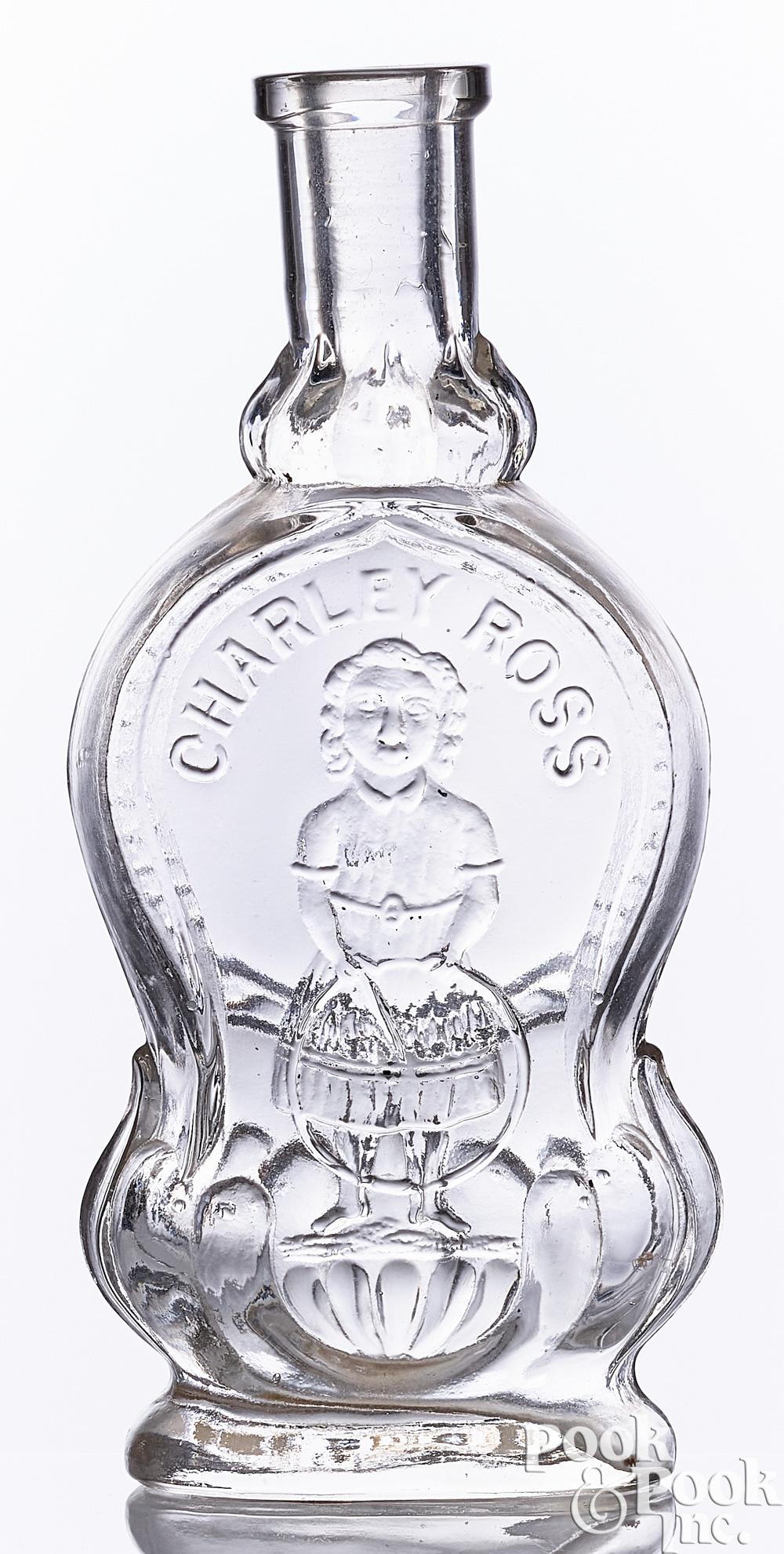 |
Charley Ross embossed clear glass perfume bottle | Pook & Pook Inc. | 2024-05-17 | 317 | USD 275 (price basis unavailable) |
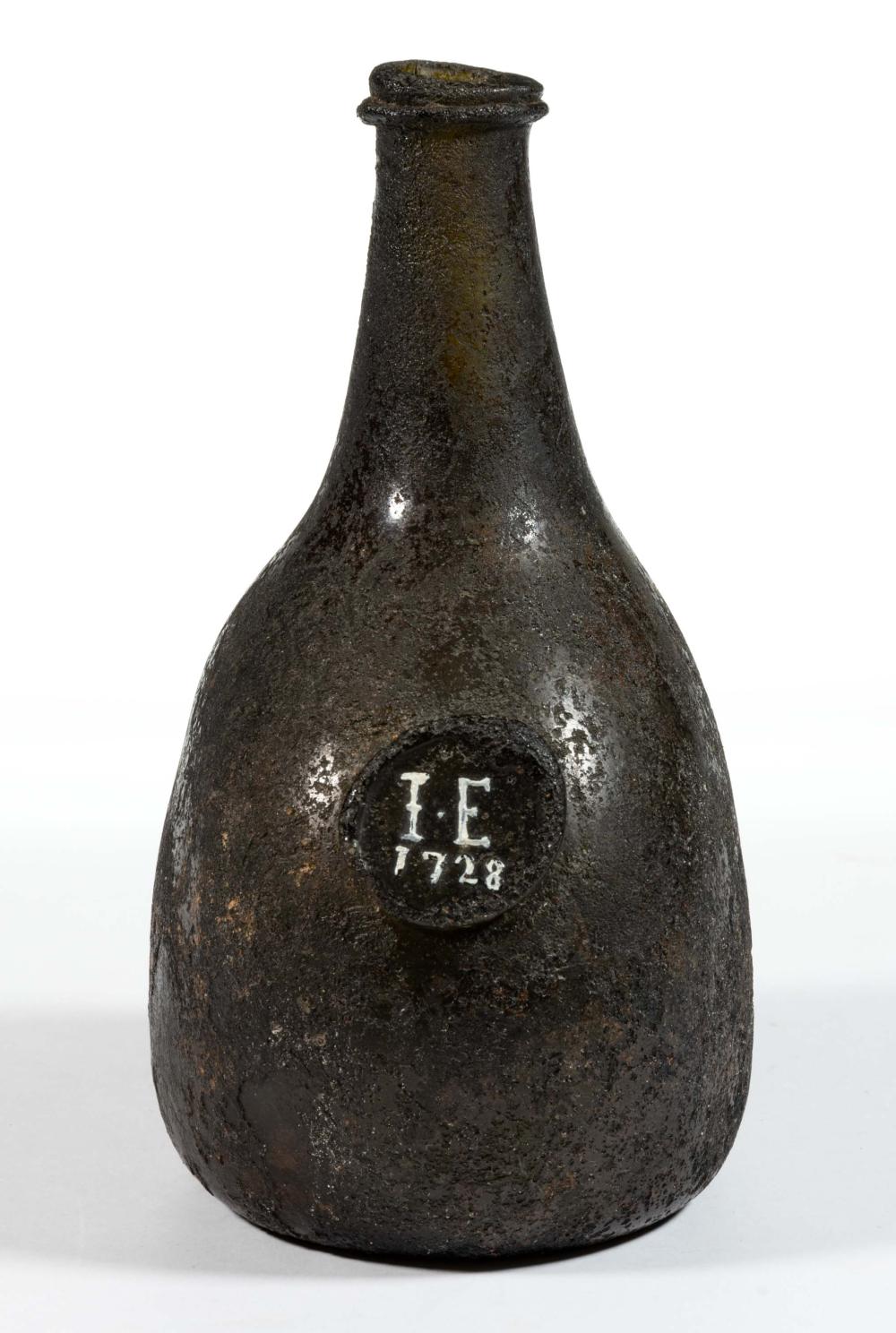 |
ENGLISH DATED 1728 APPLIED SEAL BLACK GLASS BLADDER ONION / UTILITY BOTTLE | Jeffrey S. Evans & Associates | 2024-02-09 | 373 | USD 1,020 (price basis unavailable) |
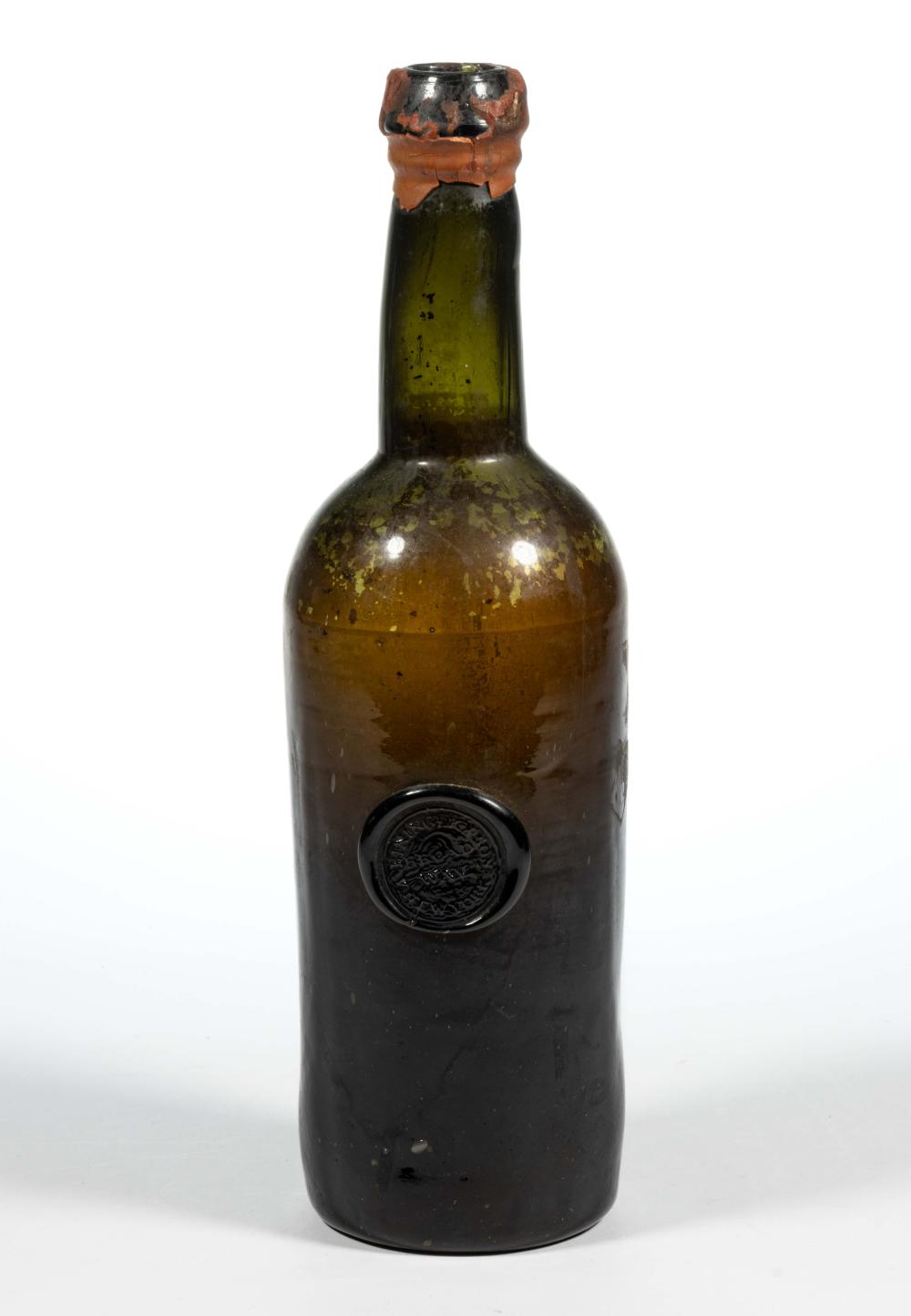 |
A. BININGER & SON, NEW YORK APPLIED SEAL BLACK GLASS WINE / SPIRITS BOTTLE | Jeffrey S. Evans & Associates | 2024-06-19 | 47 | USD 5,100 (price basis unavailable) |
How these auction records were verified
Each row retains its exact source URL, lot identity, retrieval time, collection-time access result, and immutable record hash. If an auction page is unavailable or challenge-protected, the retained evidence identity can still be inspected in the public comparable provenance record.
Disclosure: prices are shown as reported by auction houses and are provided for appraisal context. Learn more in our editorial policy.
Turn the clues into a working value range
Start with three to five sold records that match the bottle’s type and strongest identifiers. Then explain each adjustment instead of averaging unrelated numbers.
- Choose a base comparison. Use the closest match in type, embossing, size, color, region, and manufacture.
- Adjust for condition. Compare lip, body, interior, closure, labels, and repairs.
- Adjust for rarity carefully. Scarcity matters only when buyers are looking for the category, maker, region, or color.
- Account for sale format. A single bottle, grouped lot, specialist auction, local sale, and asking price are not equivalent.
- State the date and currency. Markets move, and historical results do not automatically equal today’s retail value.
A defensible range has a reasoned low, middle, and high case. The low case reflects weaker condition or demand; the middle case matches the closest evidence; the high case requires stronger rarity, condition, completeness, or provenance than the base comparison.
Photograph the whole bottle before asking for a price
A useful review needs more than one front view. Take clear, uncropped photographs in soft daylight against a plain background:
- front, back, and both sides;
- lip and closure from above and from the side;
- base straight on, with symbols and numbers in focus;
- embossing in raking light so the lettering is legible;
- every chip, crack, bruise, stain, label, and repair;
- one image beside a ruler, plus height and widest dimension.
A typical estate-sale bottle is often described only as “green antique glass.” Once the owner records the exact wording, color in daylight, closure, dimensions, and condition, the search becomes specific enough to find meaningful comparisons.
Old bottle value questions
Does a mold seam mean the bottle is new?
No. Mold seams occur on many historic bottles. Their pattern can support a manufacturing interpretation, but the finish, base, bottle type, and known production history need to agree.
Is aqua glass rare?
Not automatically. Aqua was common in many utilitarian bottles. It becomes financially meaningful when the shade is unusual for the exact type or when the bottle has other wanted attributes.
Does embossing make a bottle valuable?
Embossing makes the bottle easier to research. Value depends on what the wording represents, how scarce that exact bottle is, its condition, and whether collectors want it.
Should I clean an old bottle before selling it?
Remove loose dust gently, but avoid aggressive cleaning until the surface, label, closure, and condition have been assessed. Some haze is permanent, and some cleaning methods cause damage.
Are old Coca-Cola bottles valuable?
Some are, but the brand name alone is not enough. Bottle style, city or bottler, date clues, color, condition, and rarity define the comparison set. Use a dedicated Coca-Cola bottle value guide for that market.
Search variations readers also use
- How much is my old glass bottle worth?
- Do mold seams change antique bottle value?
- What old bottle colors are worth money?
- How does embossing affect bottle value?
- Are old aqua bottles valuable or common?
- How do I price an embossed soda bottle?
- What condition problems lower old bottle value?
- How can I compare sold prices for antique bottles?