
Collector plates are emotional, decorative, and often easy to overvalue if you are missing the evidence map. A Norman Rockwell plate can be a collectible in every room of your home: as a nostalgic object, a decorative print, a series piece, and a possible liquidity source. That makes it a great example of a mixed-use item: the right details can move value materially, while one weak detail can shrink buyer confidence quickly.
For this guide, the central rule is simple: don’t value first and discover the weak spots later. For Rockwell collector plates, the order is identity, integrity, context, condition. That means confirming who made the piece, what edition context it belongs to, how complete the collectible package is, and how cleanly the plate has been preserved.
Before reading the checklist, treat this article as your pre-sale diagnostic. If the article sounds technical, that is deliberate: collectors pay for evidence and documentation quality, not enthusiasm alone.

Before You Decide Whether to Sell
Most first-time sellers of collector plates start with one of three assumptions: "it looks rare," "it is in good shape," or "the family has always kept it clean and safe." Each can be true, but none is enough for valuation. The strongest selling case is built from details that can be verified by buyers and appraisers in under a minute: series identity, maker marks, and condition narrative.
Start with these three practical outcomes. If your goal is a quick private sale, condition and completeness matter more than backstory detail. If your goal is a wider auction strategy, series cohesion and documented provenance become central. If your goal is insurance, appraisal-level clarity means listing condition, known defects, and whether the plate was professionally cleaned or modified are as important as the design itself.
Which Details Matter First: Series, Maker, and Edition Identity
Rockwell plates usually trade around three identity anchors. If any is unclear, most buyers apply a discount or classify the piece as a weaker variant:
- Series name and release context: whether the plate belongs to a named set or campaign versus a single promotional print run.
- Maker attribution and backing details: any legitimate mark, stamp, or official studio indicator that helps pin timeline and factory lineage.
- Edition or numbering claims: complete and consistent numbering language (where applicable) should be captured in photos with readable closeups.
Evidence here is usually easier to gather than buyers expect. A clear macro shot of the back, rim, edge, and any paper details often reveals whether a piece is broadly recognized. The practical takeaway: if collectors can’t verify identity, they buy uncertainty at a premium discount.
Box, Certificate, and Presentation: Why Completeness Can Be a Premium Layer
For collectibles, provenance is not just a story; it is a packaging problem as much as a signature problem. If the original box, care notes, or any certificate remains, it is usually the first positive anchor in the buyer’s checklist. Not because packaging always guarantees premium pricing, but because it reduces the effort required to prove origin.
Think about this as an equation:
Higher confidence + complete documentation = lower objection cost for the buyer.
If completeness is split across missing parts, buyers often assume hidden history, unknown restorations, or mix-and-match substitutions. That uncertainty usually lands in the lower band unless multiple photos and clear seller notes can narrow the risk.
Condition Signals That Change Price More Than Most People Expect
Condition language in collector-plate listings can collapse range certainty in two predictable ways: hidden over-restoration and undetected structural wear. The safest way to avoid overstatement is to treat condition in layers:
- Surface tone: chips, uneven wear, and repaints are visible but not always fatal if documented.
- Metal and print integrity: where glaze or paint edges look softened, buyers discount more than the aesthetics suggest.
- Rim and edge behavior: chips around handling edges usually carry more weight than a perfectly centered central image.
- Stability over style: “pretty” is not equivalent to “sound.” Buyers pay more for stable condition than polished appearance.
A practical way to write condition is to separate three states: cosmetic, structural, and authenticity-related changes. You may have a minor chip (cosmetic), a visible repair line (structural confidence impact), and a mark question (authenticity confidence impact). Each category needs a different impact note.
Photo Audit Checklist Before You List or Appraise
You only get one first impression. Build your plate documentation with four mandatory photo angles and two optional angles:
- Front, side, and edge closeups: include clear labels and any sequence text.
- Back-view marks: this is where many authenticity clues hide.
- Lighting variation: bright and angled photos reduce ambiguity in texture and glaze behavior.
- Packaging context: include all included accessories in the same frame set.
- Scale references: include a ruler or known-size object for dimensions.
- Optional: include one neutral backdrop shot with no clutter.
In most cases, this photo protocol takes less than thirty minutes and saves far more than it costs. Buyers reward speed and transparency because it lowers the time they must spend confirming claims.
How to Translate Details Into a Realistic Price Band
A defensible number is not one value; it is a band with confidence notes. For buyer clarity, use three tiers:
Core range
What market activity suggests if identity and condition are in stable balance.
Conservative range
What happens after a discount for missing documentation, uncertain marks, or mixed condition signals.
Upside range
What stronger buyers may pay when provenance and completeness are validated quickly.
That structure keeps you from anchoring on a single unrealistic headline figure. In collector markets, one weak missing detail can push a sale from core to conservative without changing the apparent design quality.
How Market Context Should Be Used
Auction records are useful to keep your expectations realistic. In recent internal comp monitoring, collectors in this segment showed wide variance depending on lot integrity and lot narrative. That is exactly why comparable data should be read as direction, not promise.
If two plates have similar maker language, one with a cleaner supporting package can materially outperform a close visual twin. In plain terms: comps set the floor and ceiling; the middle is determined by your proof packet.
Once comps are stable, revisit your own documentation and score each detail. If series, maker, and condition are all clear, you will usually see better buyer response. If two categories are weak, the same plate can still sell, but often with stronger negotiation pressure.
How Different Buyers Read the Same Plate
Two buyers can read identical photos in opposite ways because they value different things first. A private collector often cares about narrative and visual consistency. A dealer weighs liquidity and buyer demand patterns. An insurer focuses on documentation integrity and clear provenance notes.
That is why one of the highest-impact moves is to write toward decision confidence, not emotional ownership. Your listing should answer these four questions regardless of who is reading:
- Can identity be verified quickly without external research?
- Does the packaging/support materially prove lot completeness?
- Is condition described with enough specificity to prevent dispute?
- What is your documented proof path for any disputed marks or grading?
When those four points are explicit, the same plate can move faster and with fewer back-and-forth messages. Buyers do not buy certainty from a title alone; they buy a confidence framework from your evidence.
Before You Use Auction Numbers in Negotiations
- Verify similarity first: one detail mismatch can invalidate the top-line number.
- Adjust for inclusions: box, certificate, and set completeness matter as much as image quality.
- Check grading language: terms like "excellent" in listings are not standardized.
- Separate private versus auction channels: private buyer contexts can move faster and at different margins.
- Use your band model: mention why your case is in conservative or upside range.
For most sellers, the mistake is not believing too little value. The larger mistake is giving away defensible detail and accepting a narrow number before confirming the confidence layer.
Decision Framework: Sell, Keep, or Rebuild the Case
At the end of your review, place the plate into one of three routes:
Path A: Ready-to-list
Choose this only if identity is legible, packaging/records are complete, and condition notes are documented with photos.
Path B: Improve before listing
Use this when two to three supporting details are weak or missing. It usually takes less effort than repeated repricing cycles.
Path C: Professional review first
If you are uncertain about attribution or condition severity, a direct professional review is usually cheaper than a late-stage negotiation gap.
Most collectors do best with Path B or Path C the first time. It creates a cleaner path and prevents the classic undervalue/over-negotiate loop.
How Demand Windows Change Your Timing
The market for decorative collectibles is not static. Demand shifts in cycles around seasonal visibility, media references, and where your buyer first hears about the item. In practice, this matters when you are deciding whether to list now or wait.
Use this short decision checklist:
- Urgency is a cost: the longer a listing stays open, the more often owners over-discuss and under-document.
- Demand windows: if collector attention is rising, completeness and clear proof can move the first offer materially.
- Proof stability: if your photos are clear but your documentation is thin, it helps to pause and harden evidence before launch.
- Opportunity cost: even in strong demand periods, a weak lot profile usually trades slower than one with stronger context.
One practical move is to map your own launch into two stages: private confidence-building stage, then a public launch decision. That prevents the same item being sold with the same uncertainty twice.
For most people, two to four weeks of evidence refinement creates a better outcome than forcing a live listing before your own checklist is complete.
Common Mistakes That Depress Sale Outcomes
- Using generic buyer language instead of specific proofs.
- Underreporting condition while overhyping design quality.
- Skipping one image category and expecting buyer trust anyway.
- Quoting headline comps without matching your lot profile.
- Ignoring missing accessory impact in final negotiation.
The correction is simple: make your strengths visible, and be explicit where uncertainty exists. That reduces friction and usually improves final terms.
How to Write the Listing Language Without Overselling
Your listing text can either reduce buyer friction or raise it. The strongest copy is specific, plain, and evidence-forward:
- State exactly what is present: full-size plate, series title, box status, and any certificate language.
- List defects in neutral language before describing strengths.
- Explain what is not included: stand, hanging hardware, missing inserts, or retouching history.
- Include photo count and date of last item inspection.
- Use phrases like “starting band expected” instead of one hard number.
Buyers and appraisers are not looking for hype. They are looking for a fast read on what changed value was likely impacted by. Every concrete sentence removes negotiation guesswork and increases the chance you attract the right buyer for your lane.
Keep this phrase in your working draft: “Authenticity, condition, and support documentation currently appear complete to a [state level], with room for professional confirmation.” That lets the market know you have done the hard work and are open to a precise review.
What to Do in the 48 Hours Before You Publish
If you are ready to list in the next two days, use a strict sequence so you do not leave value on the table.
- Hour 1: gather every image set from your archive, rename files by viewpoint, and remove duplicates.
- Hour 2: write a one-line identity statement with maker/series, production era, and included accessories.
- Hour 3: map every flaw to a short category—cosmetic, structural, or uncertainty—then decide if it is visible in your photos.
- Hour 4: compare your lot to the comps table in the article and place your band: core, conservative, or upside.
- Hour 5: draft a “documentation note” in plain language: what you have, what is missing, and what you are asking next.
The point is not perfection. The point is confidence density. A compact, verified pack tells buyers this item can move through review with less friction, and that is what protects value better than any lucky adjective.
If two of those five hours are missed, your listing still works, but it usually costs either a wider discount or extra messages before the first committed offer.
Next Step: Verify Your Plate with a Professional Snapshot
If you are deciding soon, the practical approach is short and plain: upload photos and a quick item summary, then let a specialist confirm the strongest value lane. If you are not selling yet, keep the same photo package and revisit it after a few months; details and market sentiment can shift.
Use one short note to preserve your current position: item identity, condition severity, and what documentation is included. That note often matters as much as the photos.
Note: We couldn’t find enough auction records that directly match Norman Rockwell Collector Plates: Which Details Matter Before Selling to publish a defensible price table. If you are valuing a specific item, include its maker, model, material, photos, and condition so the search can be narrowed.
What similar items actually sold for
To help ground this guide in real market activity, here are recent example auction comps from Appraisily’s internal database. These matched sales are market context only, not an object estimate or identification, and they do not guarantee a price for your specific rockwell plate.
Shown USD range: USD 1-USD 120. Median of these 8 USD examples: USD 2.
| Comparable | What sold | Auction house | Date | Lot | Source-reported amount |
|---|---|---|---|---|---|
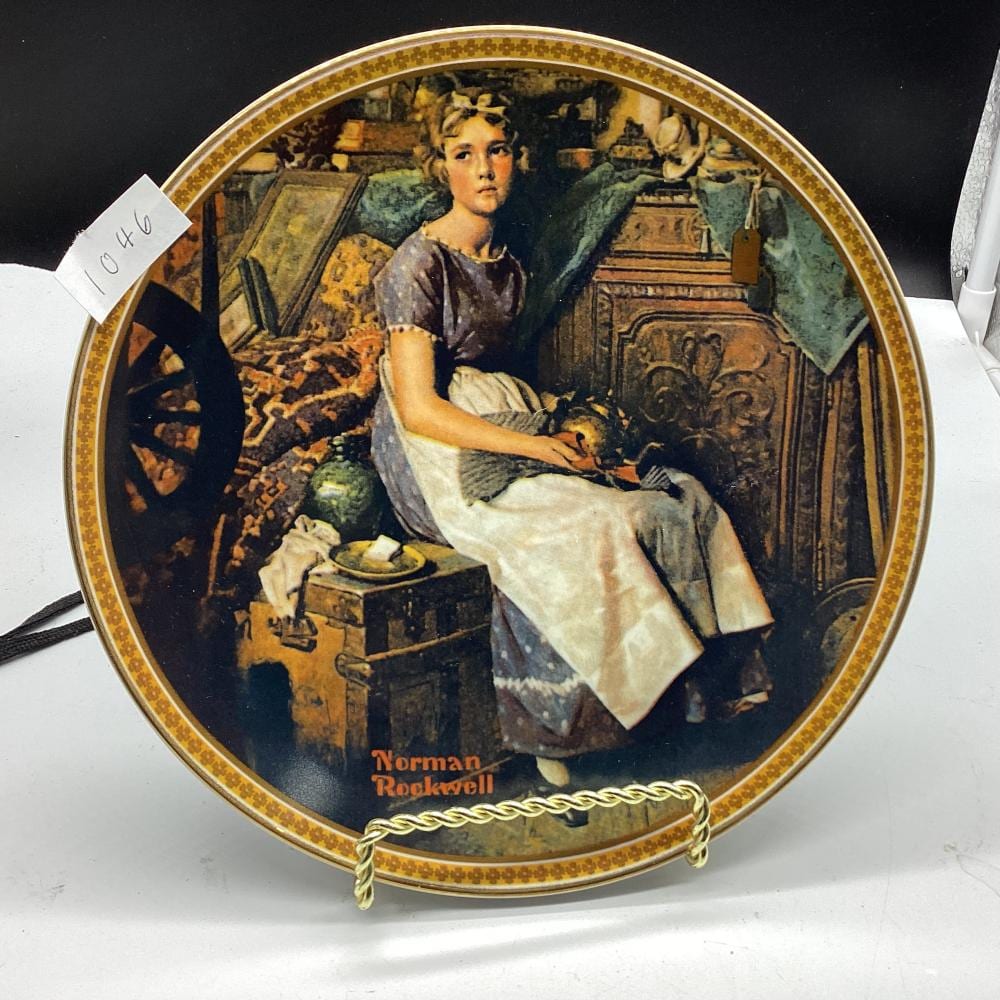 |
NORMAN ROCKWELL COLLECTOR PLATESource blocked; provenance matched | Dees Auction Company,LLC | 2025-01-04 | 1046 | USD 8 (buyer’s-premium treatment unknown) |
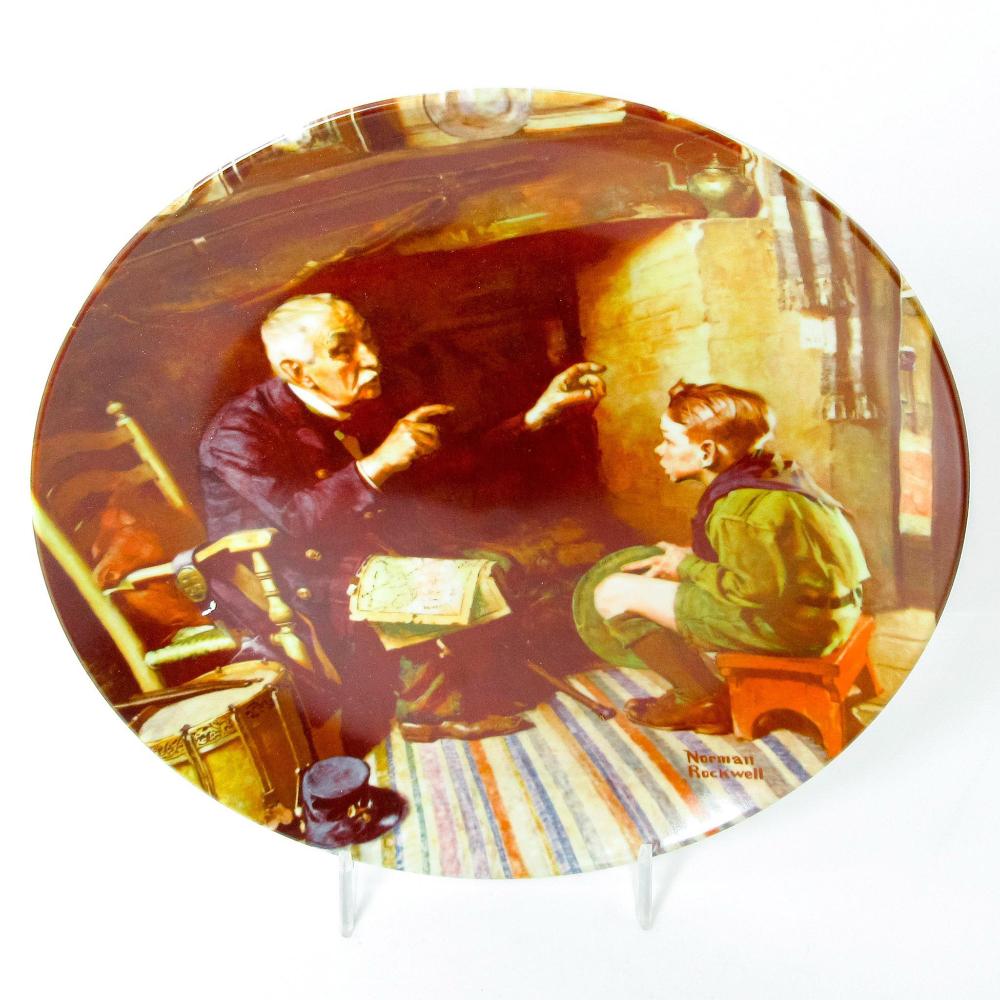 |
Knowles Norman Rockwell Collectors Plate, The VeteranSource blocked; provenance matched | Lion and Unicorn | 2024-10-26 | 254 | USD 1 (buyer’s-premium treatment unknown) |
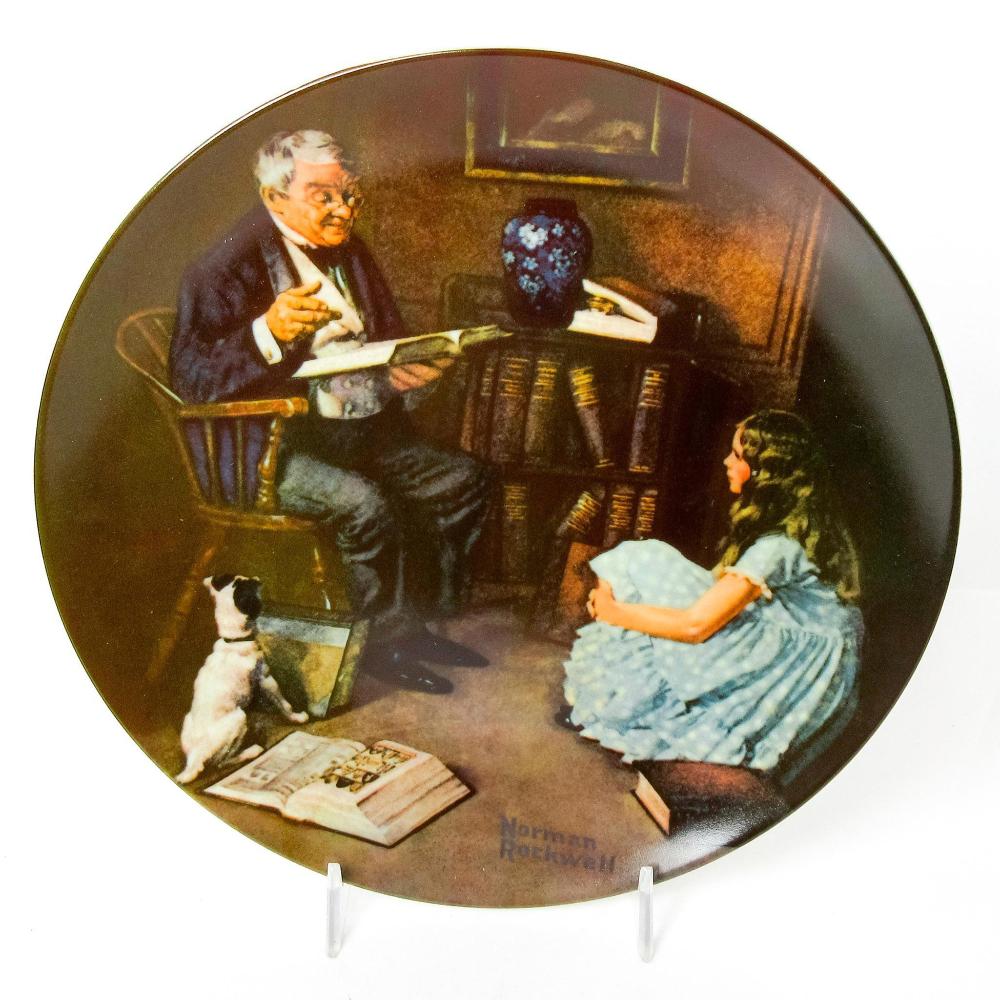 |
Knowles Norman Rockwell Collectors Plate, The StorytellerSource blocked; provenance matched | Lion and Unicorn | 2024-07-02 | 40 | USD 1 (buyer’s-premium treatment unknown) |
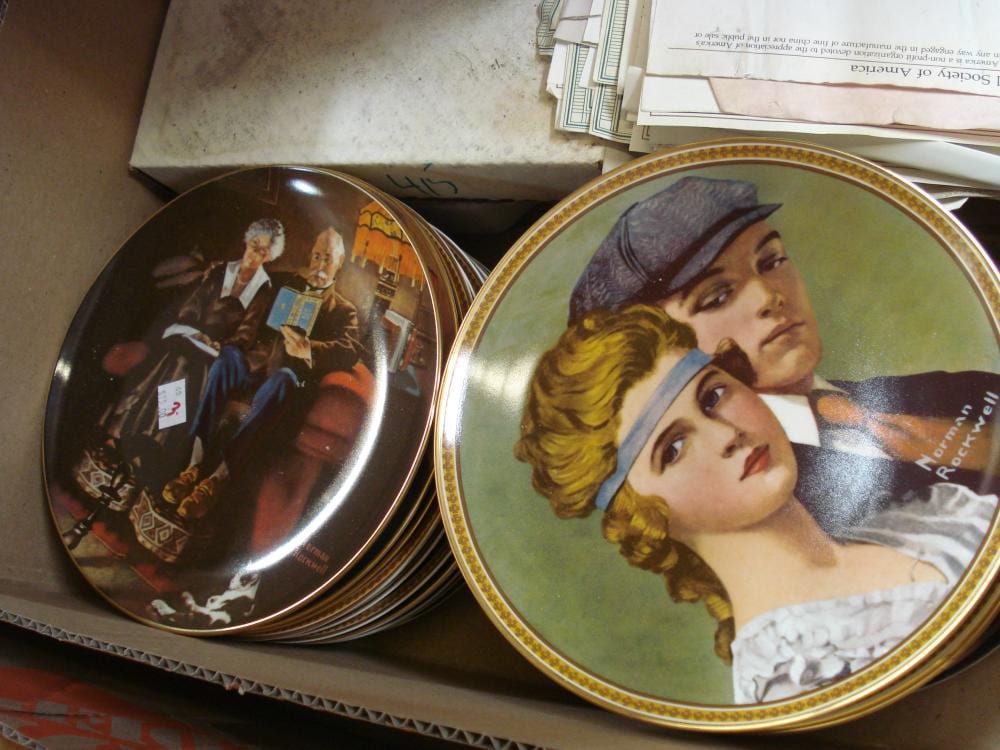 |
Norman Rockwell Collector Plate Collection withSource blocked; provenance matched | R & R Auction INC | 2018-12-16 | 419 | USD 15 (buyer’s-premium treatment unknown) |
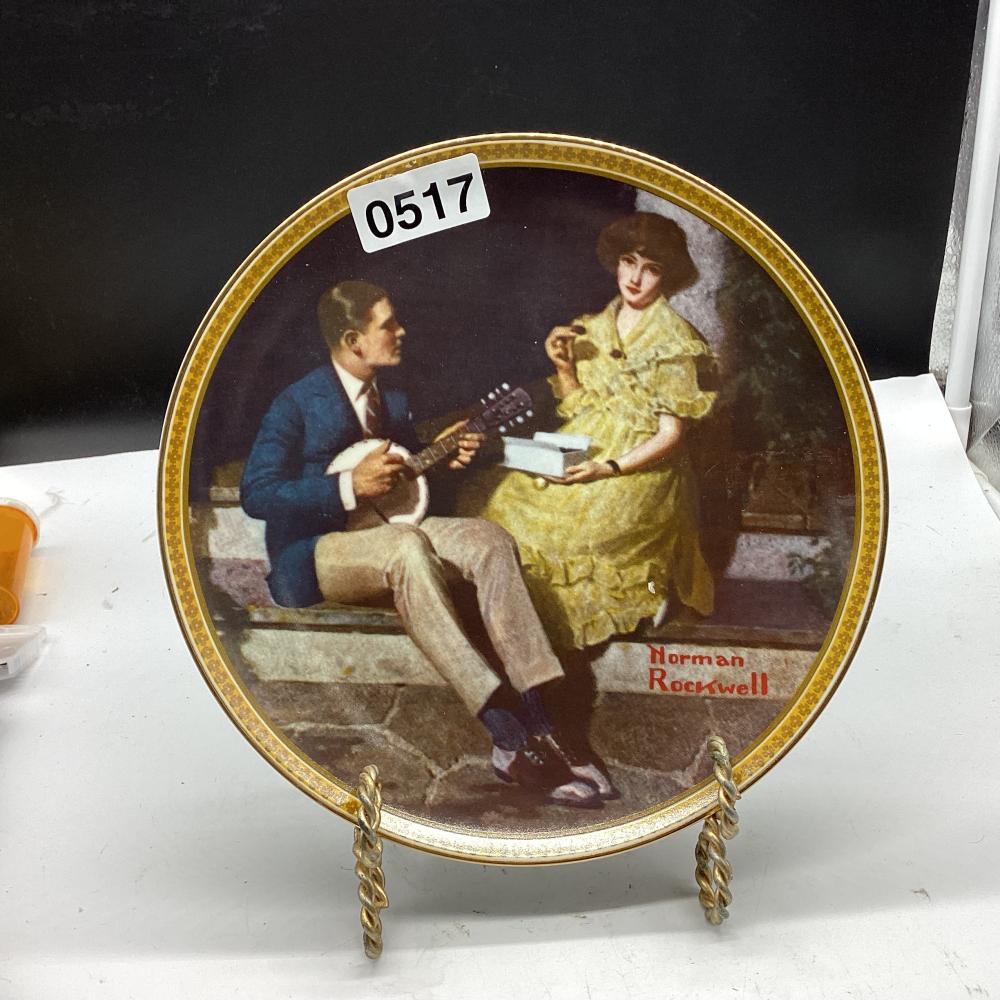 |
NORMAN ROCKWELL COLLECTOR PLATE BY KNOWLESSource blocked; provenance matched | Dees Auction Company,LLC | 2025-03-22 | 517 | USD 2 (buyer’s-premium treatment unknown) |
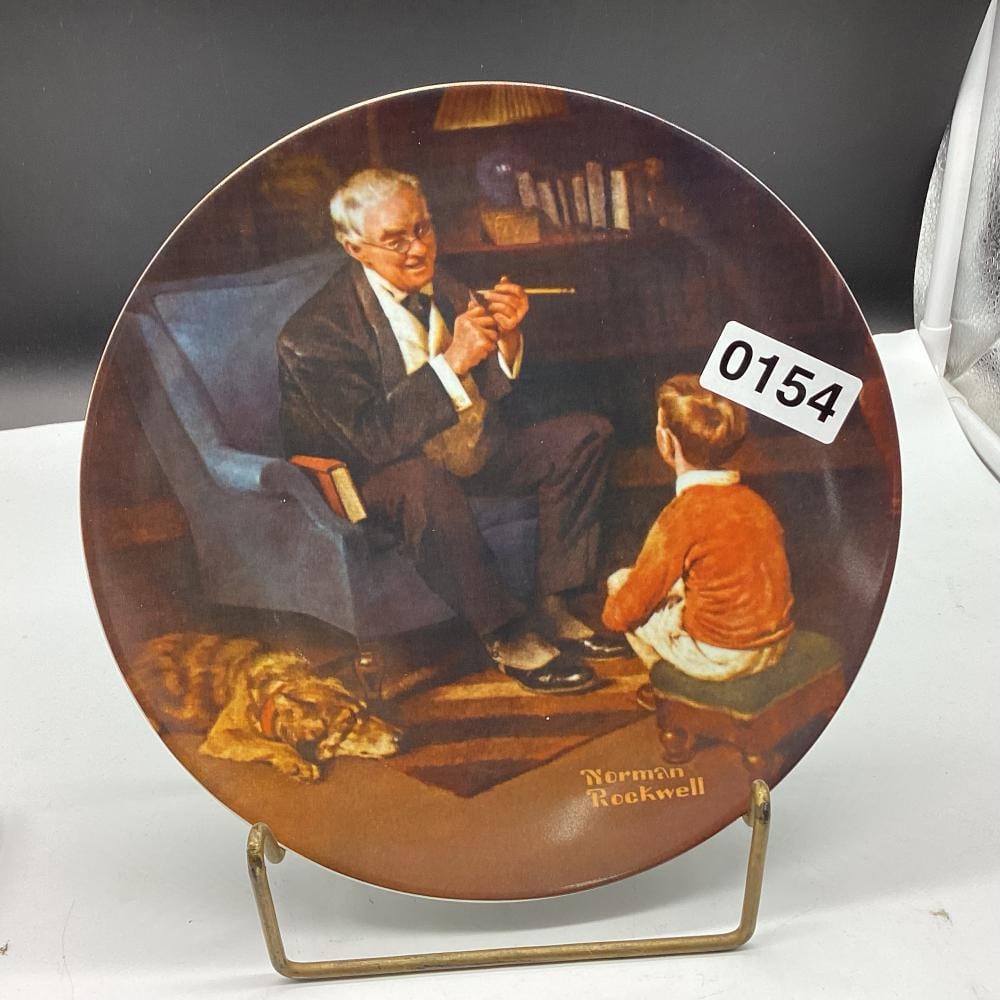 |
1982 NORMAN ROCKWELL COLLECTOR PLATE THE TYCOONSource blocked; provenance matched | Dees Auction Company,LLC | 2024-07-13 | 154 | USD 2 (buyer’s-premium treatment unknown) |
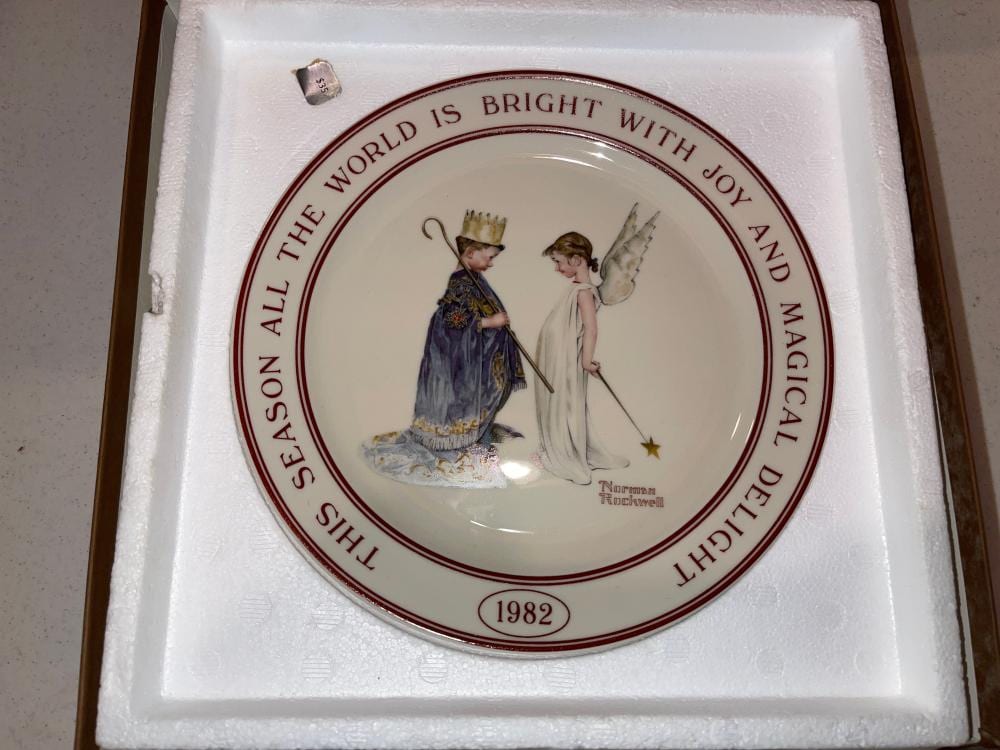 |
Norman Rockwell Hallmark Collector Plate | 3 b's auction | 2023-08-04 | 712 | USD 2 (buyer’s-premium treatment unknown) |
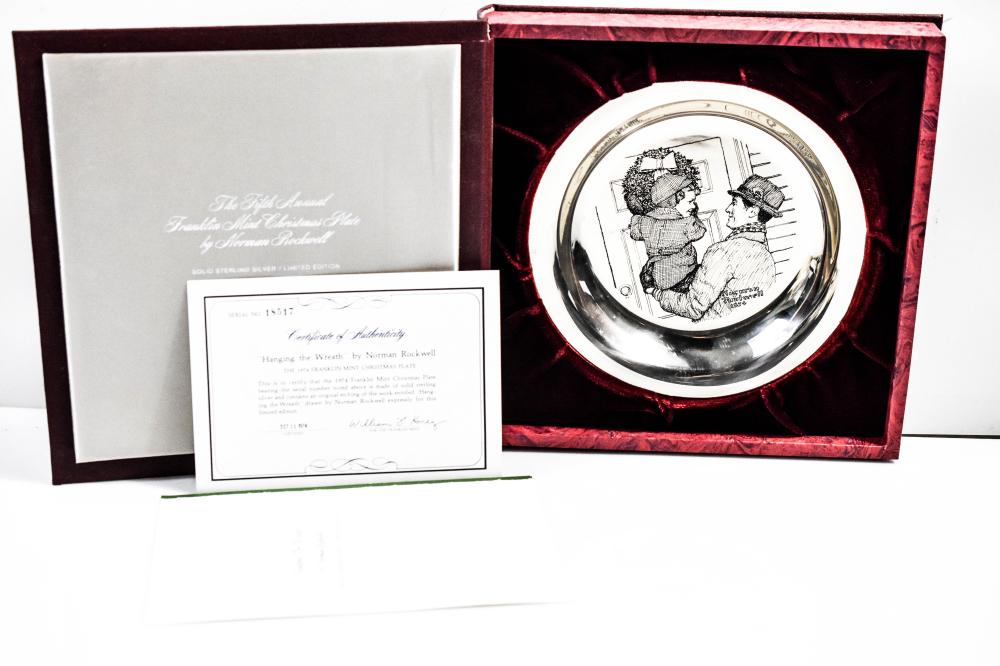 |
Norman Rockwell Sterling Silver Collector's PlateSource blocked; provenance matched | Searchlight Auction | 2021-08-21 | 242 | USD 120 (buyer’s-premium treatment unknown) |
How these auction records were verified
Each row retains its exact source URL, lot identity, retrieval time, access result, and immutable record hash. Live source access was blocked; the exact record matched Appraisily's immutable pipeline provenance. Inspect the public comparable provenance record.
Disclosure: prices are shown as reported by auction houses and are provided for appraisal context. Learn more in our editorial policy.
People also ask
- How much is a Norman Rockwell plate worth to start?
- What makes one Rockwell plate sell for more than another?
- Does original packaging raise collectible value significantly?
- How do condition chips affect a seller's starting price?
- What photos reduce negotiation surprises for Rockwell plates?
- Should I list private first or ask for an appraisal first?
- How should I use auction comps without overpricing?
- Can I update my asking range after buyer questions?
Use those questions to check your own documentation. If your item answers them clearly, your marketing message is usually in a stronger lane.
References
- Internal auction comparison process used for this guide and used as a market context anchor.
- Appraisily editorial methodology and disclosure policy: /editorial-policy/.
- Collector-market context for item provenance, condition disclosure, and transaction range behavior.
Quick FAQ
Do I need the original box to sell a collector plate?
Not always, but original packaging usually improves confidence because it helps confirm series integrity and chain of custody details.
How important is a full photo set?
Very important. Buyers use photos to validate claims much faster than written descriptions alone.
Can I estimate value before listing?
Yes, but the estimate should be a band, not a single fixed number, until attribution and condition are fully verified.