
Necessity of an Art Appraisal for Irs Tax Deduction: appraisal and value basics
Necessity of an Art Appraisal for Irs Tax Deduction research should start with identification, condition, provenance, and recent comparable sales. Use this guide to compare the signals that matter before paying for a formal appraisal or deciding whether to sell.
If you plan to donate art, antiques, or collectibles and claim a U.S. income tax deduction, the IRS expects more than a value estimate and a receipt. For higher-value noncash gifts, a qualified appraisal and correctly completed Form 8283 are often required. If you already need the signed qualified appraisal rather than this research guide, use the IRS tax-deduction appraisal service.
This guide summarizes the key thresholds, what qualifies as a compliant appraisal, and a photo/document checklist you can use to build an audit-ready file.
Free instant estimate
Not sure if your item is worth appraising? Let us take a look.
Upload a photo, tell us what you know, and get a free first read. If a full appraisal makes sense, we will say so.
Free. No card needed. Takes about two minutes.
Quick answer: why the appraisal matters
If your noncash charitable donation is valuable enough to trigger IRS reporting thresholds, a qualified appraisal is often required to support your deduction. Just as importantly, the appraisal must be dated within the timing window and Form 8283 must be properly completed and signed.
When an appraisal is required (and when it isn’t)
The key is the value threshold and whether the gift falls under special attachment rules. If you’re close to a threshold, plan early so the appraisal date and signatures line up with your filing deadline.
| Donation value threshold (FMV) | What you file | Qualified appraisal? | Common gotcha |
|---|---|---|---|
| $250+ | Written acknowledgment from the charity | No (usually) | Receipt must state if you received goods/services in return. |
| > $500 | Form 8283 Section A | No (usually) | Vague property descriptions create audit friction. |
| > $5,000 | Form 8283 Section B (appraiser + donee signatures) | Yes (generally) | “Similar items” are aggregated across the year (even across charities). |
| Art > $20,000 | Attach the full signed appraisal | Yes | Have a high-quality photo ready and keep the signed report with your records. |
| Total noncash gifts > $500,000 | Attach appraisal(s) | Yes | This is about total noncash gifts—regardless of category. |
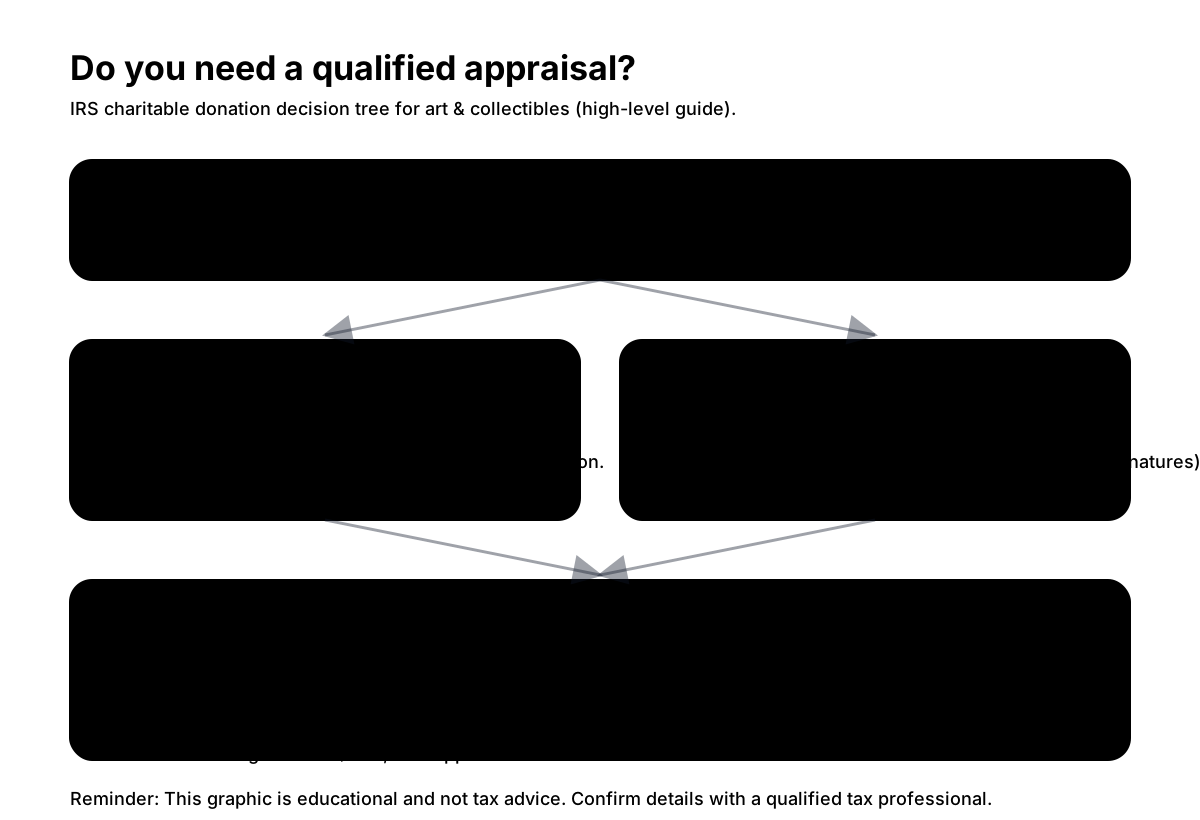
High-value option: For a single artwork valued at $50,000+, you can request an IRS “Statement of Value” (pre-filing review) for a user fee to reduce uncertainty on major gifts.
What counts as a “qualified appraisal” and a “qualified appraiser”
Compliance is a two-part test: the appraiser must meet IRS requirements and the report must also meet qualified appraisal requirements.
- Timing window: the report must be prepared within the allowed window and obtained by the filing deadline (including extensions).
- Report elements: detailed description, condition notes, valuation date, method, and market evidence.
- Independence: fees cannot be contingent on value; avoid conflicts of interest.
- Competence: category-specific expertise (paintings vs. sculpture vs. prints vs. decorative arts).
Related read: Who the IRS considers a qualified appraiser (vetting checklist + disqualifiers).
How appraisers support FMV: comps and adjustments
The IRS expects the appraisal to show how FMV was determined. That usually means referencing comparable sales (“comps”) and explaining adjustments for differences in size, medium, condition, provenance, and market conditions.
| Example comp | Auction | Date | Lot | Hammer price |
|---|---|---|---|---|
| Seán Keating, Salud | Whyte's | May 30, 2016 | 30 | €52,000 |
| Georg Karl Pfahler | Koller Auctions | June 22, 2023 | 3415 | CHF 16,000 |
| Donald Judd | Christie's | May 14, 2002 | 16 | $4,629,500 |



Photo checklist for an IRS-ready appraisal file
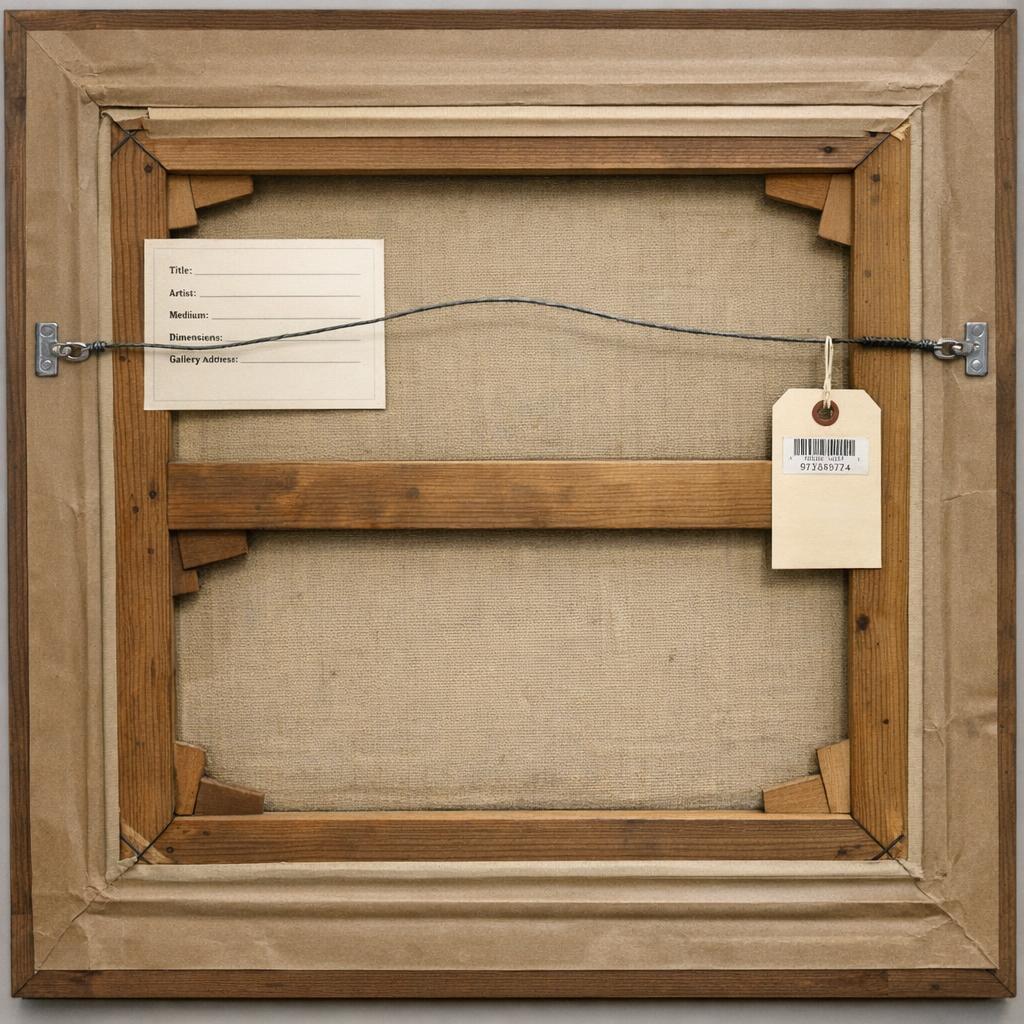
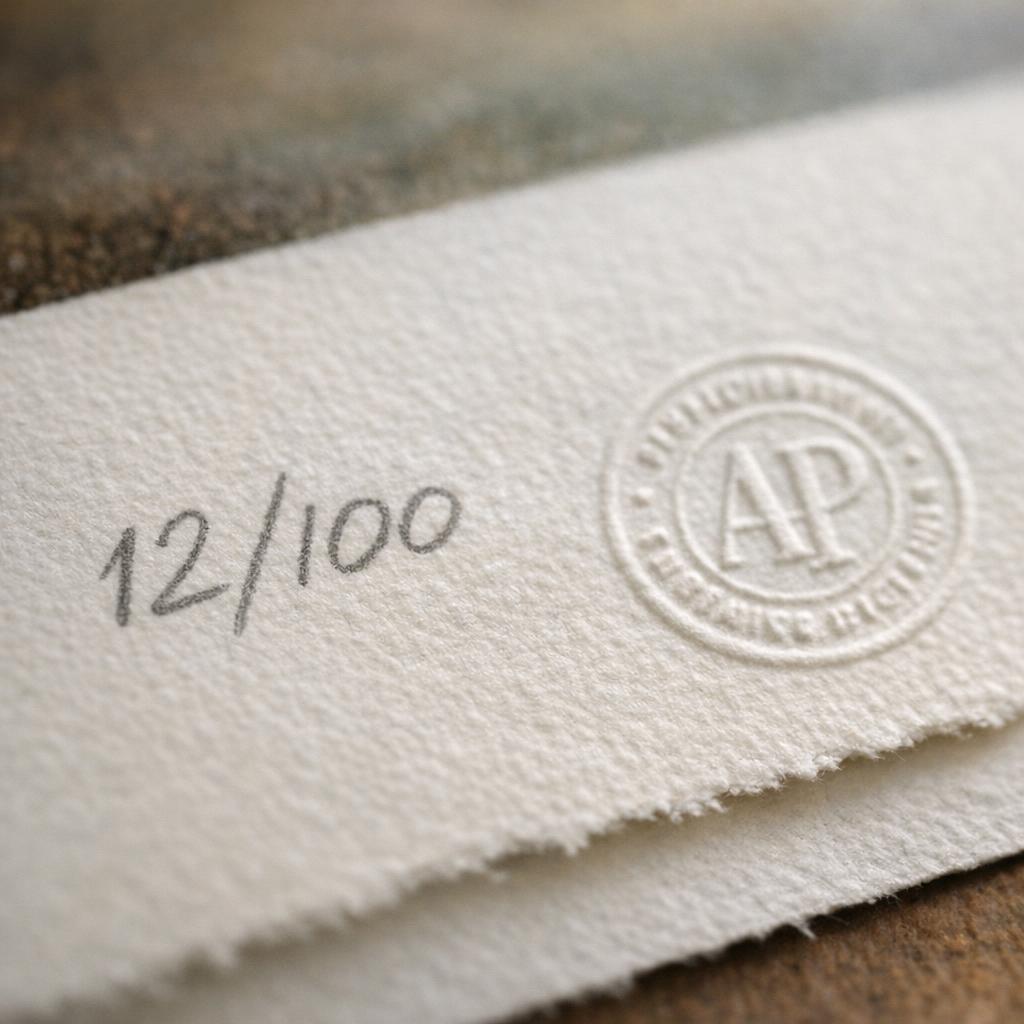
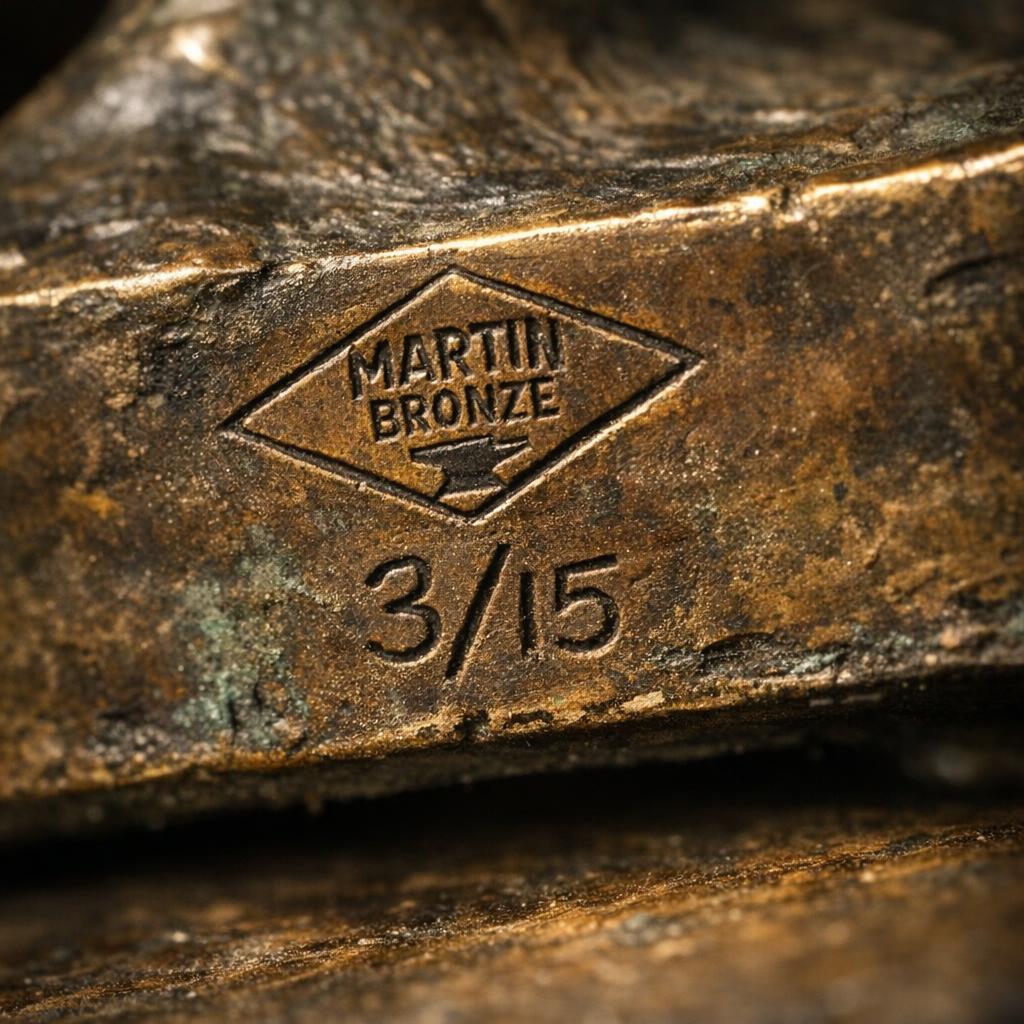
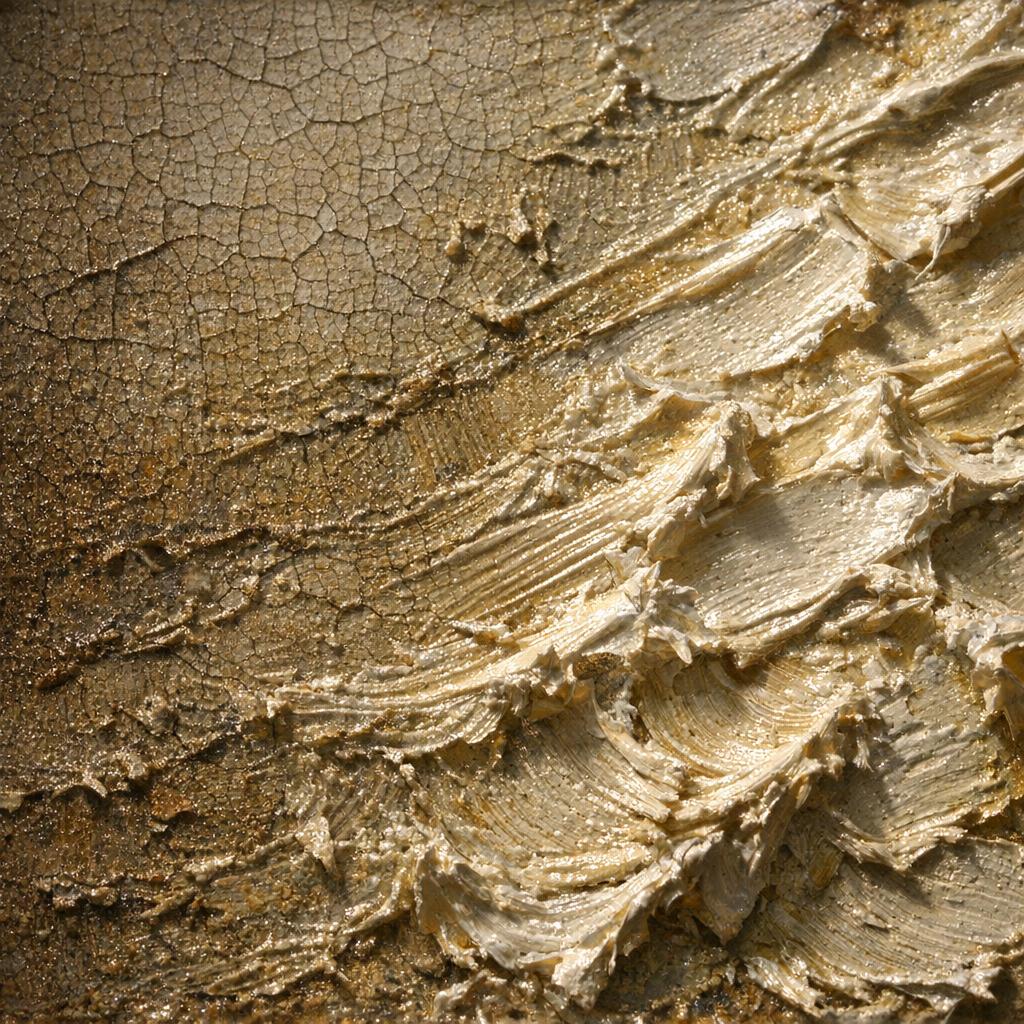
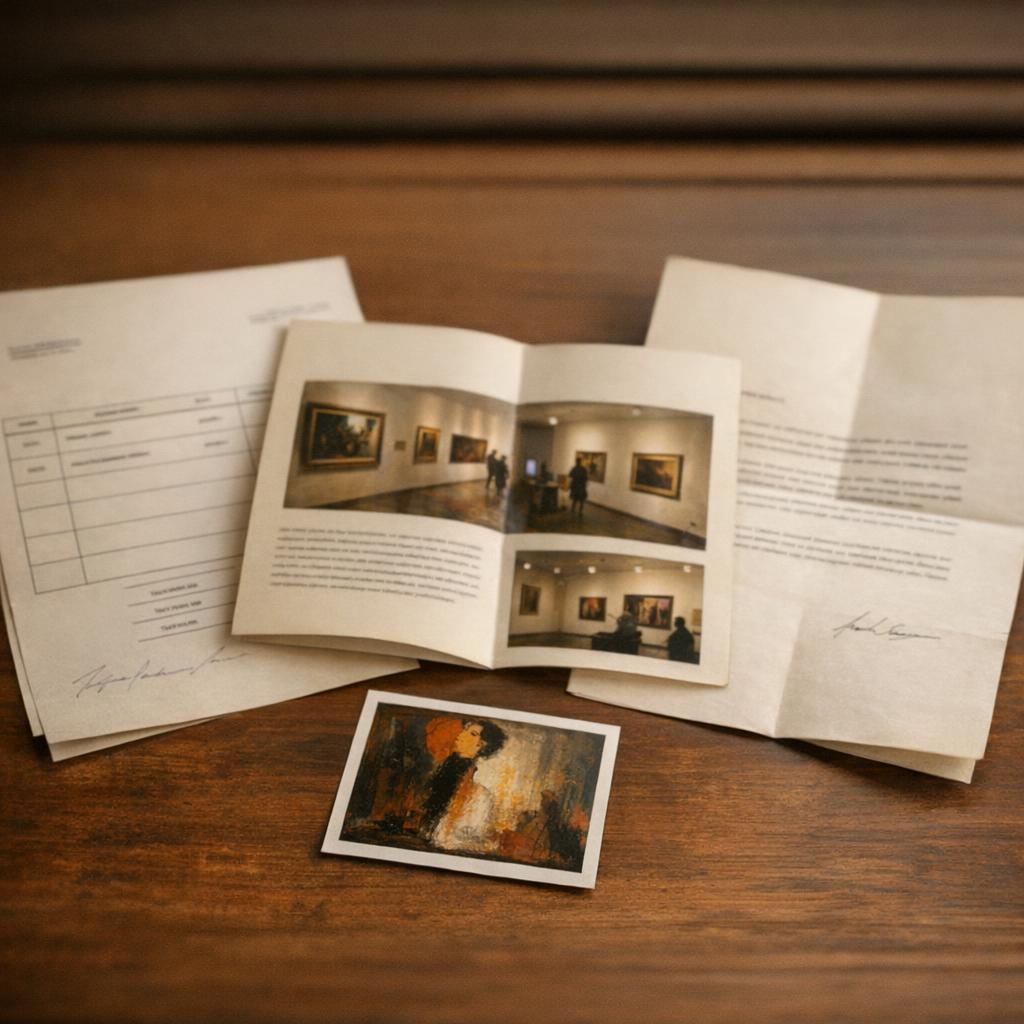
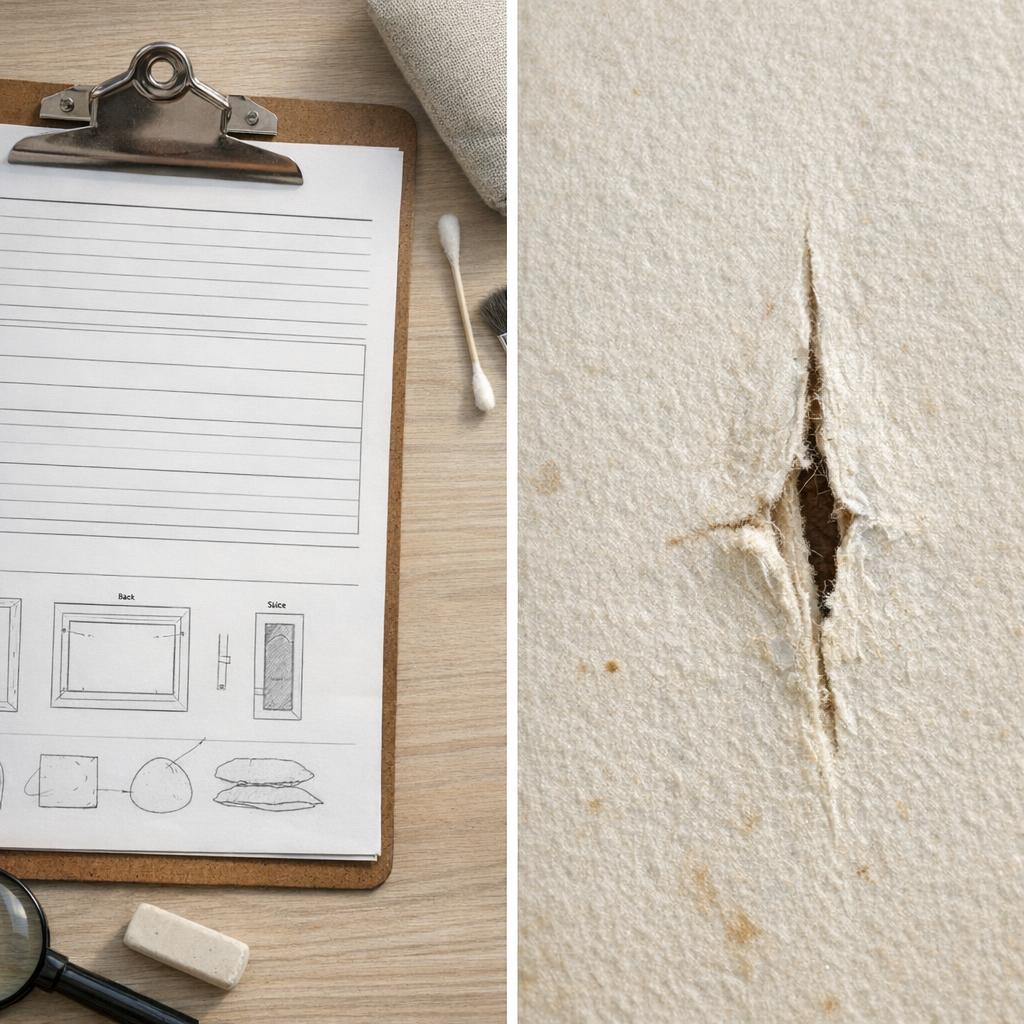
Good photos and documentation make the appraisal faster and more defensible. Before you donate, capture shots that support identification and condition analysis:
Inspection photo examples (what to capture)


Common IRS pitfalls to avoid
- Wrong signatures on Form 8283: when Section B applies, you typically need both the appraiser’s and donee’s signatures.
- Appraisal timing outside the allowed window: a great report can be rejected if dated too early or obtained too late.
- “Similar items” misunderstood: multiple smaller gifts can still push you over the $5,000 appraisal threshold.
- Related-use surprises: if the charity’s use is “unrelated,” the deduction may be limited to basis; keep written intent/use documentation where possible.
- Artist donating own work: self-created work is generally ordinary income property; deductions are often limited to materials (basis), not FMV.
Step-by-step timeline: from appraisal to filing
- Before the gift: photograph the item and gather provenance/condition documents. Confirm the charity and intended “use” category.
- Within the timing window: commission the appraisal with a qualified specialist and request a report tailored for income tax purposes.
- At donation: obtain the charity acknowledgment and, if needed, have Form 8283 Section B signed (donee + appraiser).
- At filing: attach Form 8283, and attach the full appraisal if the relevant attachment rules apply (including the $20,000 art rule).
- After filing: keep the full appraisal package (report, photos, comps, communications) in a single folder for audit response.
FAQ
Q: Does the appraiser need to attach every comp?
A: Not necessarily, but the report should explain the method and cite credible market evidence. Keep comp detail in your file in case the IRS requests it.
Q: Can I deduct the appraisal fee as part of the donation?
A: Generally no. Appraisal fees are not charitable contributions, and miscellaneous itemized deductions have been limited/suspended through certain law windows.
Search variations collectors ask
Readers often Google:
- Do I need a qualified appraisal for a $5,000 art donation?
- IRS art donation appraisal 60-day rule explained
- Form 8283 Section B appraiser and donee signature requirements
- When must I attach the full appraisal for art over $20,000?
- IRS Statement of Value for art over $50,000: is it worth it?
- What is “related use” for donated artwork and antiques?
- Can I deduct appraisal fees for a charitable donation?
- Artist donating their own artwork: deductible amount and basis rules
- If a charity sells donated art, does it affect my deduction?
- How long should I keep appraisal records for the IRS?
Each question is addressed in the thresholds, checklist, and filing steps above.
Reminder: This article is educational and not tax advice. For high-value gifts, coordinate your appraiser and tax advisor early so appraisal dates, signatures, and attachments line up with your filing plan.