My Antiques Identified: appraisal and value basics
My Antiques Identified research should start with identification, condition, provenance, and item-specific market evidence. Use this guide to compare the signals that matter before paying for a formal appraisal or deciding whether to sell.
Have you ever wondered about the story behind that curious item you found in your grandmother’s attic? Or perhaps you’ve stumbled upon an interesting piece at a yard sale and suspect it might be valuable? Identifying antiques can be both challenging and rewarding, opening windows to history and potentially uncovering hidden treasures.
In today’s digital age, there are more resources than ever to help identify your antiques and collectibles. From specialized apps to online communities, professional appraisers to DIY research methods, this comprehensive guide will walk you through everything you need to know about getting your antiques identified accurately.
Why Proper Antique Identification Matters
Proper identification isn’t just about satisfying curiosity—though that’s certainly part of the appeal. Knowing what you have affects everything from insurance coverage to proper care and preservation techniques. Most importantly, it can significantly impact value.
The Impact of Proper Identification
According to the 100-year rule mentioned by the Antique entry on Wikipedia, an item must generally be at least 100 years old to be considered a true antique. However, accurately determining age is just one aspect of proper identification.
Online Communities for Antique Identification
Social media platforms have become valuable hubs for antique identification. Facebook groups like “My Antiques Identified” and “Identify My Vintage And Antique Items” bring together thousands of collectors and experts who can help identify your pieces based on photographs and descriptions.
On these platforms, you can:
- Post clear photos of your item from multiple angles
- Include any known history or provenance
- Show close-ups of any markings, signatures, or labels
- Specify dimensions and materials
- Ask specific questions about age, maker, or style
Remember that while these communities can provide valuable insights, they’re not a substitute for professional appraisal services for high-value items. Additionally, some groups have specific posting guidelines to prevent repetitive items and encourage self-research first.
Reddit’s r/Antiques subreddit is another excellent resource where users can post photos of their items and receive feedback from knowledgeable collectors. The community often provides detailed information about similar items and their potential value ranges.
Digital Tools for Antique Identification
Several mobile applications have been developed specifically for antique identification, each with unique features and capabilities:
Popular Antique Identification Apps
Curio - Antique Identifier
Uses AI technology to identify and value antiques and vintage items from photos. Available on both iOS and Android platforms.
Antiq ID
Android app that helps users discover, explore, and appreciate the beauty and history of antiques through photo recognition.
RelicSnap
iOS app that provides instant identification of antiques by photo, with information about origin and estimated value.
Real Rare Antiques
Online service where experts examine your photos to provide detailed information about origin and documented originality.
While these digital tools can be helpful starting points, they do have limitations. The accuracy of AI-based identification varies depending on the uniqueness of the item, image quality, and the breadth of the app’s database. Most experts recommend using these tools as preliminary steps rather than definitive sources.
Key Identification Markers to Examine
According to Martha Stewart’s guide on identifying antiques, examining specific markers can help determine an item’s age, origin, and originality:
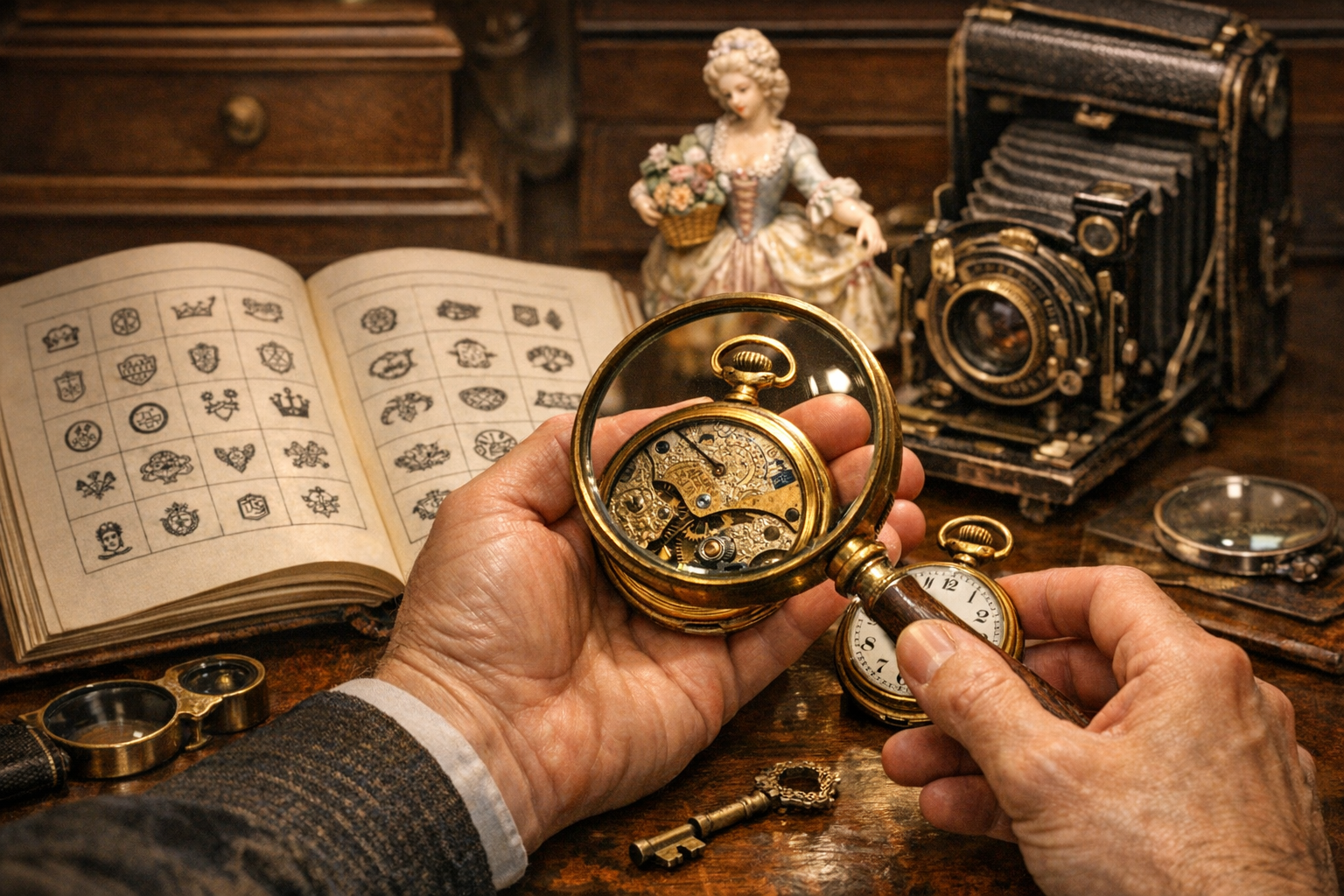
Essential Elements to Inspect
Use this checklist when examining potential antiques for identification
- Maker's Marks & Signatures
- Materials & Construction Methods
- Hardware (nails, screws, hinges)
- Patina & Signs of Age
- Style & Design Elements
- Regional Characteristics
- Evidence of Repairs or Alterations
- Provenance & Documentation
Maker’s marks are particularly valuable for identification. Look underneath objects and in hidden spots for stamps, signatures, or hallmarks. These marks can tell you who made the item and where, making them essential for identifying many antiques and collectibles.
When examining furniture, pay attention to dovetail joints, the type of wood used, and any machine marks. Hand-cut dovetails, for example, suggest a piece was made before 1860, when machine-cut dovetails became common.
For ceramics and porcelain, examine the glaze, the weight, and the translucency, as these characteristics evolved over time and vary by region.
Evolution of Antique Identification Techniques
- Before 1970s
Expert-Only Identification
Antique identification was primarily the domain of museum curators, experienced dealers, and auction house specialists, requiring in-person examination.
- 1970s-1990s
Print Reference Guides Era
Collector's guides, price catalogs, and specialized books become popular tools for amateur collectors to identify their pieces.
- 2000s
Early Online Resources
Forums, websites, and early databases emerge, allowing collectors to research and compare items online.
- 2010s
Social Media Communities
Facebook groups, Reddit forums, and other social platforms create community-based identification networks.
- 2020s
AI & App-Based Identification
Machine learning and image recognition technology enable smartphone apps that can identify antiques from photographs with increasing accuracy.
Professional Appraisal Services
According to Consumer Reports’ guidelines on antique appraisals, it’s advisable to seek a certified appraiser’s valuation before taking an item to a local antiques dealer. This is because an appraiser is more likely to provide an unbiased assessment, as professional ethics prevent them from offering to buy items they’ve appraised.
When selecting an appraiser:
- Look for certifications from organizations like the International Society of Appraisers (ISA) or the American Society of Appraisers (ASA)
- Find specialists in your item’s category (furniture, jewelry, art, etc.)
- Ask about their experience with similar items
- Understand their fee structure before proceeding
- Request a written appraisal report for valuable items
Professional appraisals are particularly important for insurance purposes, estate planning, charitable donations, and potential high-value sales.
Antique Identification & Appraisal Services
Average costs for different identification methods
Research Techniques for DIY Identification
For those who enjoy the detective work, here are effective research strategies:
Library Resources: Local libraries often have dedicated sections for antiques and collectibles with reference guides covering specific categories.
Museum Databases: Many museums have searchable online collections that can be valuable for comparing your items to documentd pieces.
Auction Archives: Sites like Sotheby’s, Christie’s, and LiveAuctioneers maintain searchable databases of past sales, complete with detailed descriptions and realized prices.
Period Catalogs: Old mail-order catalogs, manufacturers’ catalogs, and trade publications can help date and identify items from specific periods.
Specialized Forums: Beyond general antique groups, look for forums dedicated to specific categories like sterling silver, mid-century furniture, or vintage textiles.
Academic Resources: University libraries and research institutions often provide access to specialized databases and scholarly articles about material culture and decorative arts.
When researching independently, document your findings systematically and cross-reference information from multiple sources for greater accuracy.
| Category | Price | Notes |
|---|---|---|
| Online Community Identification | Free | Variable accuracy; good for preliminary research |
| Mobile App Identification | a value that must be established from current, topic-matched sales | Varying subscription models; improving technology |
| Verbal Consultation (15-30 min) | a value that must be established from current, topic-matched sales | Quick assessment without formal documentation |
| Written Appraisal Report | a value that must be established from current, topic-matched sales+ | Comprehensive documentation; legally valid |
| Auction House Evaluation | Free-a value that must be established from current, topic-matched sales | Often free if considering consignment |
</tbody> </table>
External Resources for Antique Identification
International Society of Appraisers
Professional organization with directory of certified appraisers specializing in antiques and collectibles.
Kovels.com Price Guide
Comprehensive resource for identifying and valuing antiques with maker's mark directories and price guides.
Martha Stewart's Antique Identification Guide
Advice from experts on spotting genuine antiques, including information on markings and verification techniques.
Consumer Reports Appraisal Guide
Trusted guidance on how to get accurate appraisals for antiques and collectibles.
r/Antiques Subreddit
Active community of collectors and experts who help identify antique items from photographs.
Facebook Group: My Antiques Identified
Large social media community dedicated to helping identify antique and vintage items.
Common Challenges in Antique Identification
Even with the best resources, identifying antiques can be challenging for several reasons:
Reproductions and Fakes: Many antiques have been widely reproduced, sometimes with the intent to deceive. Learning the subtle differences between documented pieces and reproductions is crucial.
Missing Marks or Provenance: When maker’s marks are worn away or provenance is lost, identification becomes significantly more difficult.
Regional Variations: Items made in different regions may have distinct characteristics despite similar appearance, complicating identification.
Altered or Restored Items: Previous repairs, refinishing, or modifications can mask original characteristics and complicate dating and specialist review.
Limited Reference Materials: Some categories of antiques have been less thoroughly documented than others, leaving gaps in available reference materials.
Conflicting Information: Different sources may provide contradictory information, especially for less common items.
Being aware of these challenges helps set realistic expectations and informs which resources might be most helpful for your specific item.
Common Questions About Antique Identification
How do I find out what my antique is worth?
What is the 100-year rule for antiques?
Are there free apps to identify antiques by photo?
How accurate are online antique identification groups?
- The expertise of active members
- The clarity and detail of the photos you provide
- The rarity or commonality of your item
- How much information you include about provenance and context
How can I tell if my antique is genuine or a reproduction?
- Materials and construction techniques appropriate to the period
- Signs of age and wear consistent with the purported age
- Appropriate patina that has developed naturally over time
- Hardware (nails, screws, hinges) consistent with the era
- Proper maker’s marks or signatures in the correct style and location
How important are maker's marks in antique identification?
Research resources specifically dedicated to maker’s marks include specialized reference books, online databases like Kovels.com, and museum collections that document marks from various periods and manufacturers.
Even partial or worn marks can provide crucial clues when properly researched and compared to known examples.What should I do if I think I have a valuable antique?
- Handle it carefully and store it in appropriate conditions
- Document what you know about its history and provenance
- Take clear, detailed photographs from multiple angles
- Conduct preliminary research to understand what you might have
- Consult with a certified appraiser who specializes in that category
- Consider insurance coverage appropriate to its value
- Make informed decisions about preservation, restoration, or sale
How much does professional antique appraisal cost?
- The appraiser’s expertise and credentials
- The type of appraisal (verbal consultation vs. written report)
- The purpose of the appraisal (insurance, estate, donation, sale)
- The item’s complexity and required research
- Your geographic location
Verbal consultations typically range from a value that must be established from current, topic-matched sales while written appraisal reports can cost a value that must be established from current, topic-matched sales or more depending on the item’s value and complexity. Some appraisers charge hourly rates (a market-dependent hourly rate), while others use a share of the item’s value (typically a condition-specific range with minimums).
For valuable items or legal purposes, a written appraisal from a certified appraiser is recommended despite the higher cost.Conclusion: The Journey of Antique Identification
The world of antique identification has been transformed by technology and online communities, making expert knowledge more accessible than ever before. Whether you choose to use smartphone apps, join online forums, consult with professionals, or dive into research yourself, the key is to approach the process methodically and with patience.
Remember that identification is often iterative—your understanding of an item may evolve as you gather more information and expertise. Each piece you identify adds to your knowledge base, making future identifications easier and more accurate.
For truly valuable or historically significant items, combining multiple approaches yields the most reliable results. The digital tools and communities serve as excellent starting points, while professional appraisers provide the expertise needed for definitive identification and valuation of important pieces.
Most importantly, enjoy the journey of discovery. Behind every antique lies a story—of craftsmanship, of history, of the people who created and treasured these objects before they found their way to you. Uncovering these stories is perhaps the greatest reward of all.
Note: We couldn’t find enough auction records that directly match Get My Antiques Identified: Object Type, Marks, Materials, Construction, Photos and Appraisal Steps to publish a defensible price table. If you are valuing a specific item, include its maker, model, material, photos, and condition so the search can be narrowed.
What similar items actually sold for
To help ground this guide in real market activity, here are recent example auction comps from Appraisily’s internal database. These matched sales are market context only, not an object estimate or identification, and they do not guarantee a price for your specific my antiques identified.
Shown USD range: USD 250-USD 3,300. Median of these 5 USD examples: USD 325.
| Comparable | What sold | Auction house | Date | Lot | Source-reported amount |
|---|---|---|---|---|---|
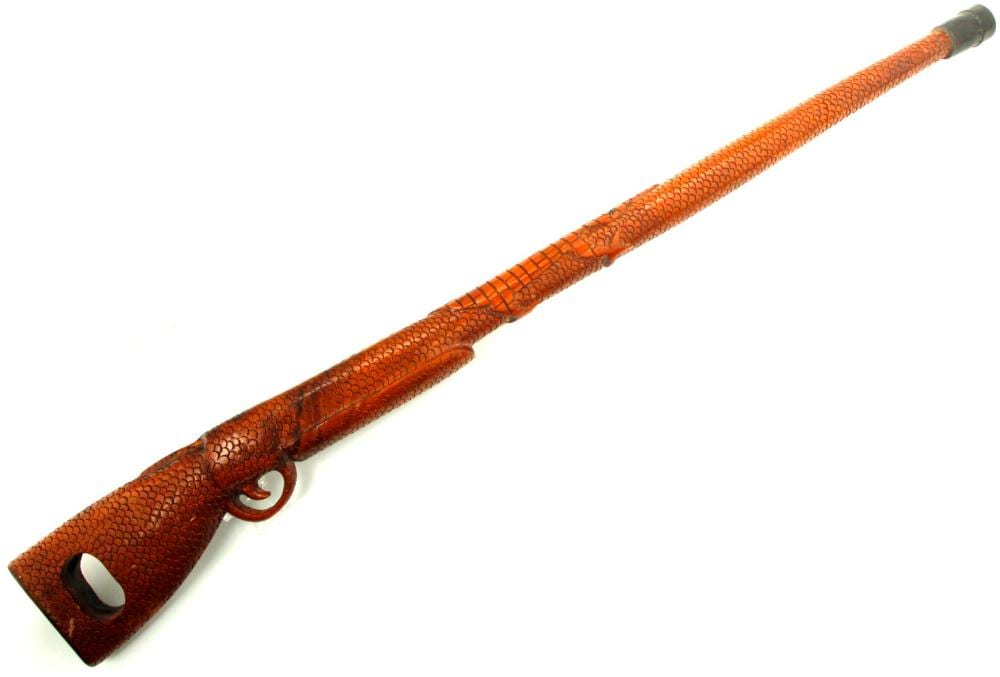 |
Interesting IDENTIFIED Antique Carved Wood Walking Cane in Form of a Rifle. | Sofe Design Auctions | 2025-10-25 | 8691 | USD 250 (buyer’s-premium treatment unknown) |
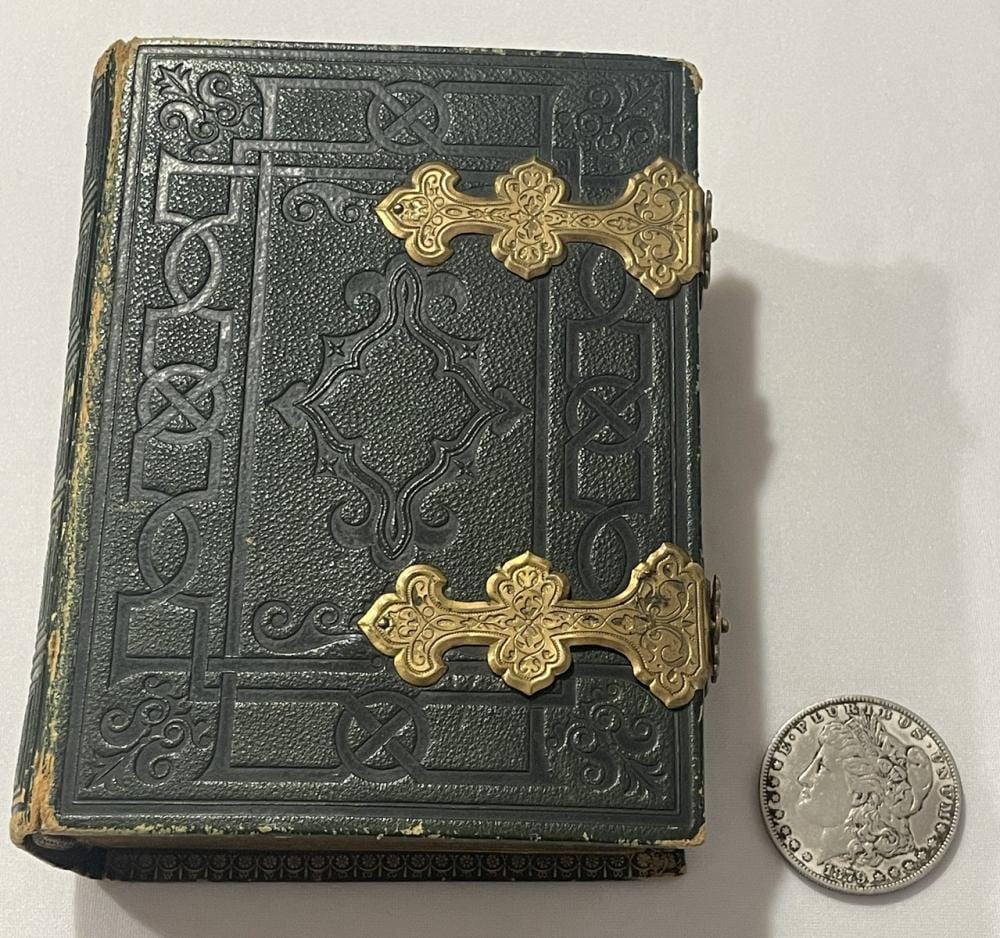 |
Antique c. 1890 Victorian Photo Album w/ 52 Photographs (CDV's, Tintypes, Photographs, Some Identified) | One Source Auctions | 2025-01-06 | 316 | USD 350 (buyer’s-premium treatment unknown) |
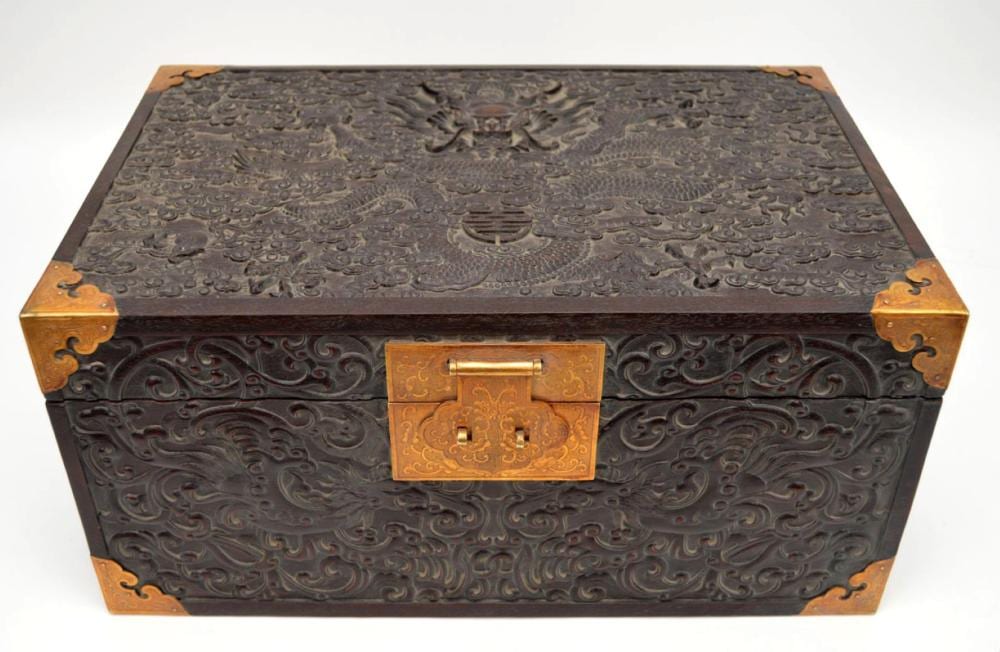 |
ANTIQUE CHINESE ZITAN WOOD BOX with hand carved dragon scene and bronze mounts. Condition: no issues identified. | Bill Hood & Sons Arts & Antiques Auctions | 2019-10-29 | 8 | USD 3,300 (buyer’s-premium treatment unknown) |
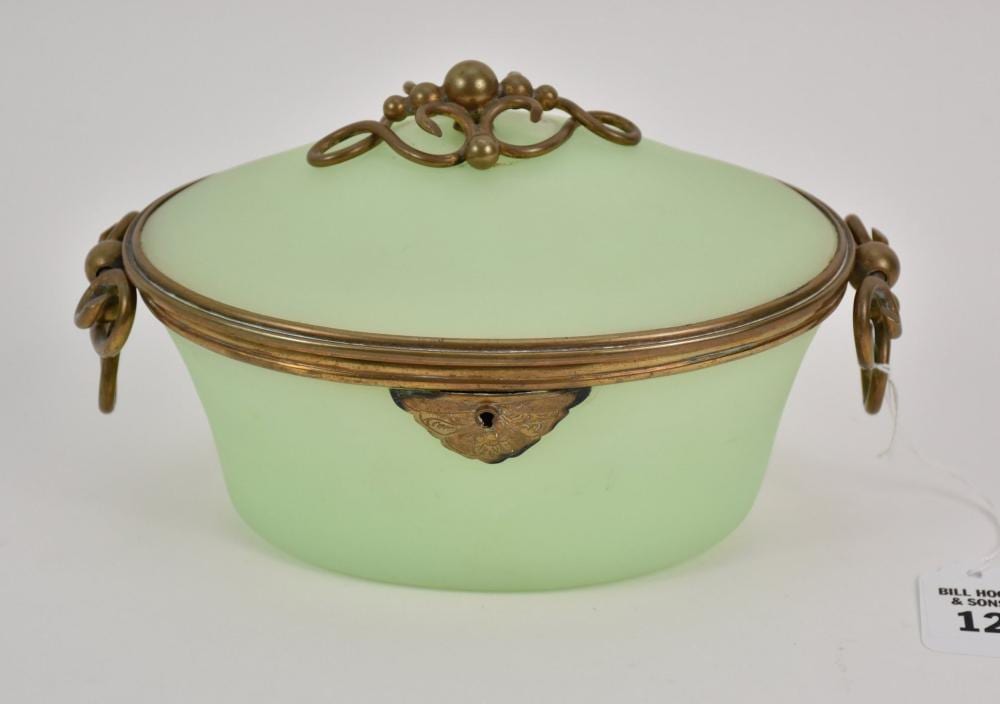 |
ANTIQUE FRENCH GREEN OPALINE GLASS & BRONZE BOX. Condition: no damage identified. Length 8" Height 5" Depth 5 1/2" | Bill Hood & Sons Arts & Antiques Auctions | 2022-01-25 | 12 | USD 325 (buyer’s-premium treatment unknown) |
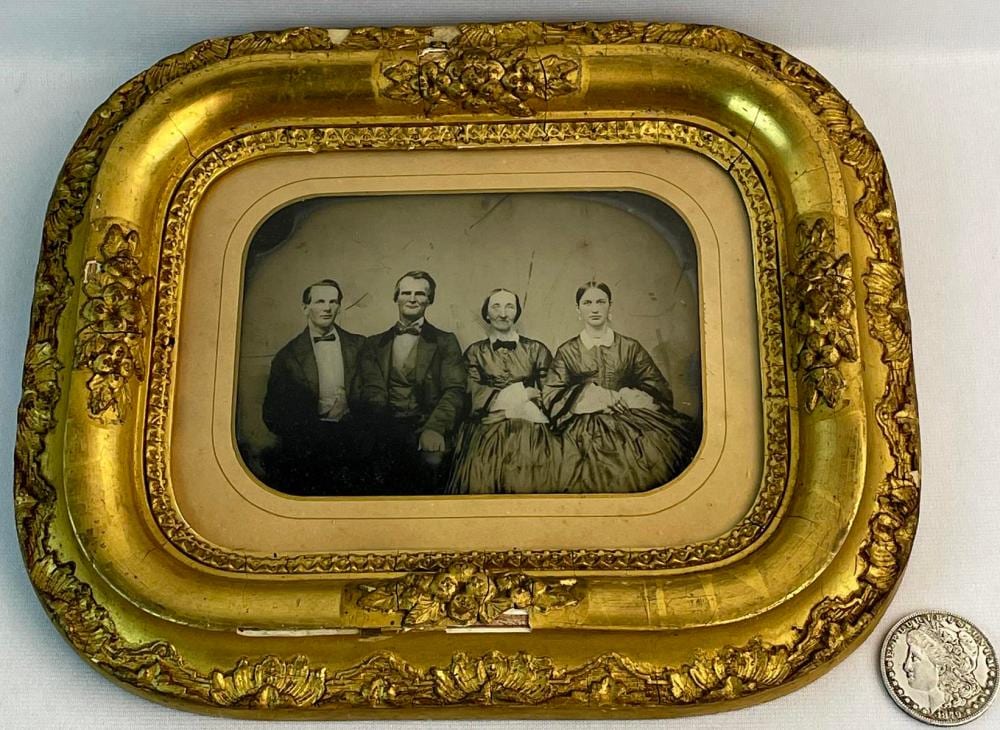 |
Antique 1861 Identified Ward Family w/ Tinted Cheeks and Jewelry Full Glass Plate Ambrotype ORNATE GESSO GOLD GILT FRAMED | One Source Auctions | 2021-10-08 | 120 | USD 250 (buyer’s-premium treatment unknown) |
How these auction records were verified
Each row retains its exact source URL, lot identity, retrieval time, access result, and immutable record hash. Inspect the public comparable provenance record.
Disclosure: prices are shown as reported by auction houses and are provided for appraisal context. Learn more in our editorial policy.
Free instant estimate
Not sure if your item is worth appraising? Let us take a look.
Upload a photo, tell us what you know, and get a free first read. If a full appraisal makes sense, we will say so.
Free. No card needed. Takes about two minutes.
Choose your next step
Use the path that matches the decision you need to make about the item.
Not sure it is worth appraising?
Start with a lower-friction screen to understand the likely category, evidence, and next step.
Upload photos for a free first lookWant proof before paying?
See how a signed report documents photos, comparable evidence, condition notes, and value conclusions.
View signed report sampleNeed a signed report?
Use this for insurance, estate, donation, resale, or documented value decisions.
Need documentation now? Start signed appraisalNeed local or specialist help?
Compare directory options when the work needs in-person review or a specialist near you.
Find local specialistsSee what the report looks like
Sample reports show how photos, comparable evidence, condition notes, and a value conclusion are documented.
Get your antique identified
Upload photos of the object, marks, materials, construction, dimensions, condition issues, provenance, and any labels or receipts.
- Expert report with photos and market context
- Fast turnaround
- Fixed, upfront pricing
No obligation. Secure upload.
Continue your valuation journey
Find the right local specialist
Compare antique and art appraisers by location and specialty in one directory.
Antique & art specialists
Browse the Antique & Art Appraisers Directory
Choose a local specialist when the assignment needs in-person inspection or a specific credential.
Machine-readable summaries
Use these machine-friendly references for AI and crawler discovery of Appraisily content.
Ready for pricing guidance?
Start a secure online appraisal
Upload images and details. Certified specialists respond within 24 hours.
Upload photos for a free first look View signed report sample