
How to identify old glass marks
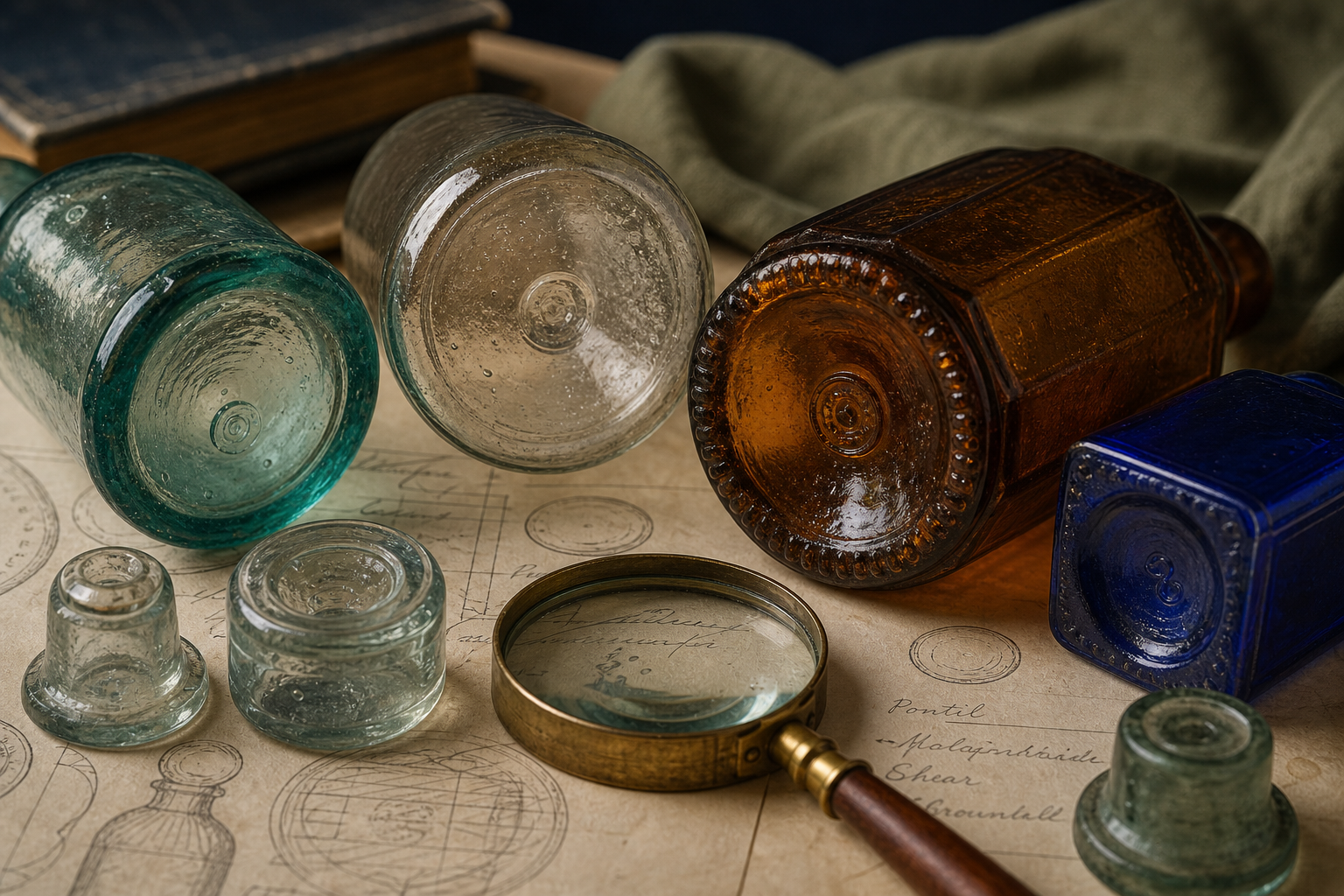
Identify old glass marks by checking the base, heel, pontil, molded symbols, maker marks, etched signatures, labels, and the full object type before making a value call.
Found a mark on old glass and want to know what it means?
Upload photos. We identify the object, check real sales, and show the right appraisal path.
Upload photos for a free first lookStart an appraisalQuick identification checklist
- Photograph the mark and the full object. A mark without form can be misleading.
- Check base, heel, pontil, seam, label, stopper, rim, etched signature, molded symbols, and numbers.
- Separate bottles, jars, table glass, art glass, perfume bottles, and bottle vases before comparing marks.
Key value drivers
Marks matter when they connect the glass to a maker, period, line, or method. The mark is only useful if condition, authenticity, rarity, and object category also support the claim.
Note: We couldn’t find enough auction records that directly match How to identify old glass marks to publish a defensible price table. If you are valuing a specific item, include its maker, model, material, photos, and condition so the search can be narrowed.
What similar items actually sold for
To help ground this guide in real market activity, here are recent example auction comps from Appraisily’s internal database. These matched sales are market context only, not an object estimate or identification, and they do not guarantee a price for your specific glass.
Shown USD range: USD 35-USD 850. Median of these 6 USD examples: USD 250.
| Comparable | What sold | Auction house | Date | Lot | Source-reported amount |
|---|---|---|---|---|---|
 |
Art Nouveau DAUM vase. Nancy, France, 1905. Cameo glass. With mark. | Setdart Auction House | 2024-06-20 | 86 | EUR 800 (buyer’s-premium treatment unknown) |
 |
Daum France Signed Art Glass Sea Turtle | Greenwich Auction | 2025-03-27 | 347 | USD 150 (buyer’s-premium treatment unknown) |
 |
AS-IS Steuben Glass Dragon Figurine Art Glass Crystal | Ace Of Estates | 2024-12-08 | 924030 | USD 35 (buyer’s-premium treatment unknown) |
 |
A Lalique Glass Footed Bowl | Abell Auction | 2025-10-09 | 392 | USD 350 (buyer’s-premium treatment unknown) |
 |
A THOMAS WEBB & SONS CAMEO GLASS VASE, with applied white enamel clematis flowers, etched mark to base. Height: 11 cm. | Raffan Kelaher & Thomas | 2025-12-09 | 76 | AUD 300 (buyer’s-premium treatment unknown) |
 |
Daum France Amber Art Glass Tulip Floral Glass Bowl, Signed | Taylor & Harris | 2024-12-15 | 505 | USD 850 (buyer’s-premium treatment unknown) |
 |
A rare silver mounted cameo glass claret jug attributed to Thomas Webb & Sonsmaker's mark Joseph Cook & Son, Birmingham, 1880 | Gibson's | 2020-07-19 | 41 | AUD 7,000 (buyer’s-premium treatment unknown) |
 |
Signed & Hand Painted Fenton Art Glass Vessel | The Benefit Shop Foundation Inc. | 2024-11-20 | 197 | USD 80 (buyer’s-premium treatment unknown) |
 |
A Lalique Glass Dragon Figure | Abell Auction | 2025-10-30 | 214 | USD 450 (buyer’s-premium treatment unknown) |
How these auction records were verified
Each row retains its exact source URL, lot identity, retrieval time, access result, and immutable record hash. Inspect the public comparable provenance record.
Disclosure: prices are shown as reported by auction houses and are provided for appraisal context. Learn more in our editorial policy.
Free instant estimate
Not sure if your item is worth appraising? Let us take a look.
Upload a photo, tell us what you know, and get a free first read. If a full appraisal makes sense, we will say so.
Free. No card needed. Takes about two minutes.
Condition and authenticity cautions
Marks can be copied, misread, worn, polished out, or unrelated to the final seller. Chips, cracks, sick glass, altered color, fake signatures, and replaced stoppers can change value materially.
Photo checklist
- Full object, base, mark, heel, pontil, seam, rim, stopper, label, color, and scale reference.
- Close-ups in angled light of molded marks, etched signatures, numbers, symbols, damage, repair, and residue.
Related guides
Collectibles guides, old glass bottles identification, old glass bottle identification, bottle bottom numbers, free glass appraisal app, value of old blue glass bottles.
Choose your next step
Use the path that matches the decision you need to make about the item.
Not sure it is worth appraising?
Start with a lower-friction screen to understand the likely category, evidence, and next step.
Upload photos for a free first lookWant proof before paying?
See how a signed report documents photos, comparable evidence, condition notes, and value conclusions.
View signed report sampleNeed a signed report?
Use this for insurance, estate, donation, resale, or documented value decisions.
Need documentation now? Start signed appraisalNeed local or specialist help?
Compare directory options when the work needs in-person review or a specialist near you.
Find local specialistsSee what the report looks like
Sample reports show how photos, comparable evidence, condition notes, and a value conclusion are documented.
Found an old item and want to know if it matters?
Upload photos. We identify the object, check real sales, and show the right appraisal path.
Upload photos for a free first lookExplore antique appraisals