
How to identify bottle bottom numbers
Bottle bottom numbers can help identify maker, mold, plant, capacity, or date system, but they rarely prove age or value by themselves.
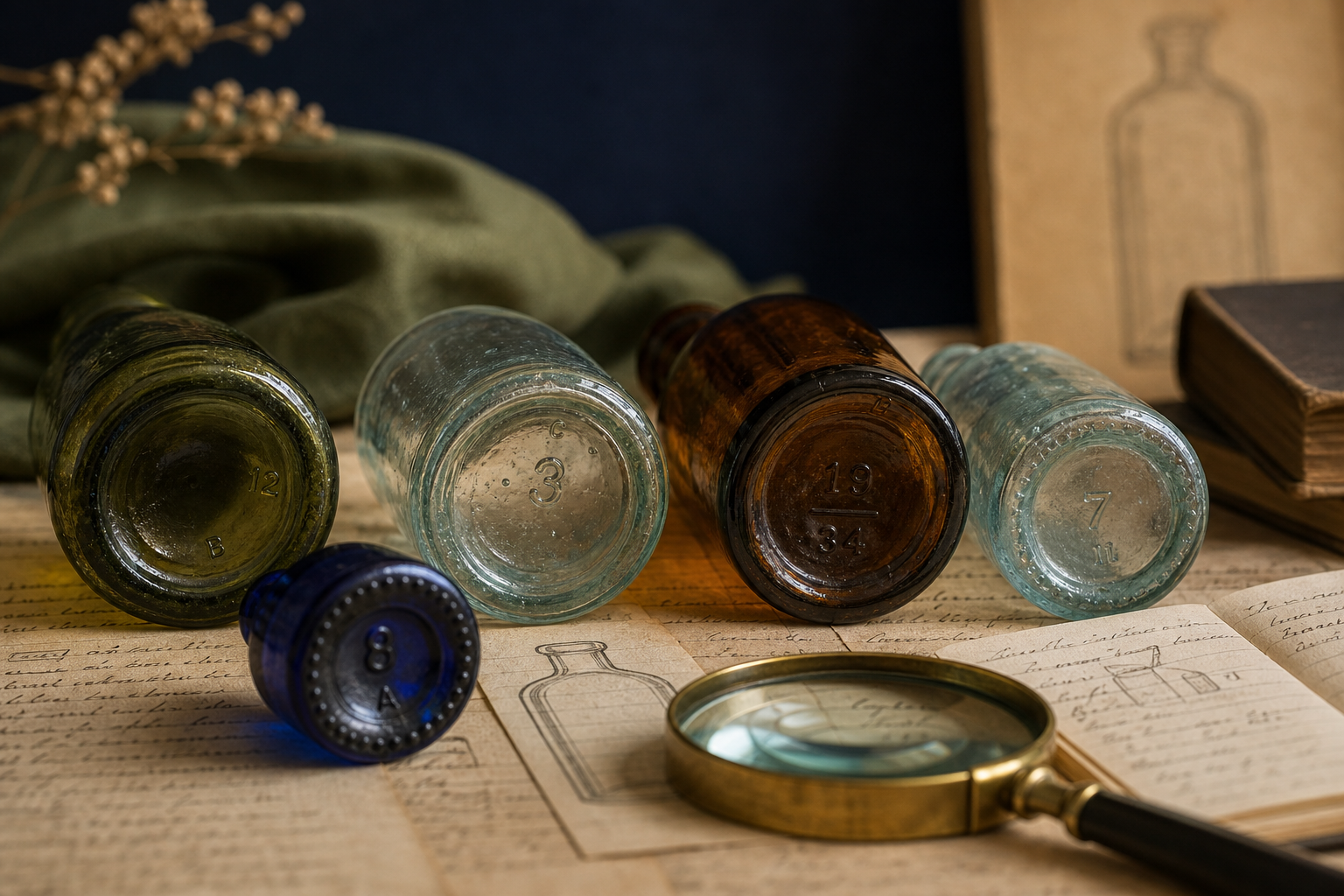
Found numbers on the bottom of a bottle?
Upload photos. We identify the object, check real sales, and show the right appraisal path.
Upload photos for a free first lookStart an appraisalQuick identification checklist
- Photograph the entire base, not just the number.
- Record all numbers, letters, symbols, dots, mold seams, capacity marks, and maker marks.
- Compare the base clue with the lip, closure, embossing, and bottle type before dating it.
Key value drivers
Bottom numbers matter when they confirm a scarce maker, period, plant, or bottle type. They do not automatically make a bottle rare, and many are ordinary mold or factory control numbers.
Note: We couldn’t find enough auction records that directly match How to identify bottle bottom numbers to publish a defensible price table. If you are valuing a specific item, include its maker, model, material, photos, and condition so the search can be narrowed.
What similar items actually sold for
The current auction search does not contain at least three clean, directly matched sales for How to identify bottle bottom numbers yet. If you’re valuing a specific item, use the free estimate flow so the search can be narrowed by maker, material, photos, and condition.
| Image | Description | Auction house | Date | Lot | Reported price realized |
|---|---|---|---|---|---|
| No relevant auction comps found for this topic right now. | |||||
Disclosure: prices are shown as reported by auction houses and are provided for appraisal context. Learn more in our editorial policy.
Condition and authenticity cautions
A number can be misread, worn, or unrelated to date. Artificial color, reproduction embossing, reused lids, and common factory codes can all create false confidence.
Photo checklist
- Base straight on, base at an angle, whole bottle, lip, seams, label, closure, and scale reference.
- Close-ups of every number, letter, symbol, dot, heel mark, mold seam, and damage near the base.
Related guides
Collectibles guides, identify old bottles numbers bottom, antique glass bottle markings bottom, how to identify old bottles, how to date old bottles, free bottle appraisal app.
Free instant estimate
Not sure if your antique bottle is worth appraising? Let us take a look.
Upload a photo, tell us what you know, and get a free first read. If a full appraisal makes sense, we will say so.
Free. No card needed. Takes about two minutes.
Choose your next step
Use the path that matches the decision you need to make about the item.
Not sure it is worth appraising?
Start with a lower-friction screen to understand the likely category, evidence, and next step.
Upload photos for a free first lookWant proof before paying?
See how a signed report documents photos, comparable evidence, condition notes, and value conclusions.
View signed report sampleNeed a signed report?
Use this for insurance, estate, donation, resale, or documented value decisions.
Need documentation now? Start signed appraisalNeed local or specialist help?
Compare directory options when the work needs in-person review or a specialist near you.
Find local specialistsSee what the report looks like
Sample reports show how photos, comparable evidence, condition notes, and a value conclusion are documented.
Found an old item and want to know if it matters?
Upload photos. We identify the object, check real sales, and show the right appraisal path.
Upload photos for a free first lookExplore antique appraisals