True Value of Art: Artist, Medium, Subject, Size, Condition, Provenance and Appraisal Purpose
Understand art value by documenting artist, medium, subject, size, condition, provenance, attribution support, market demand, and appraisal purpose.
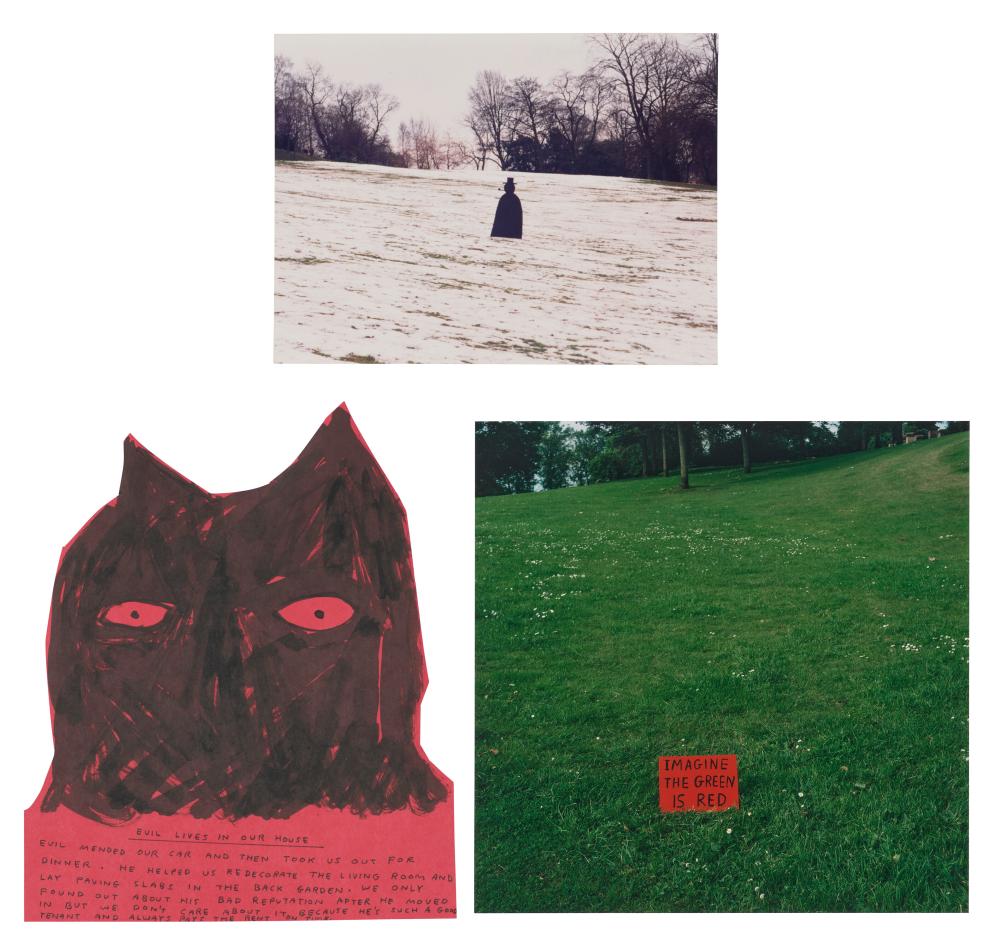
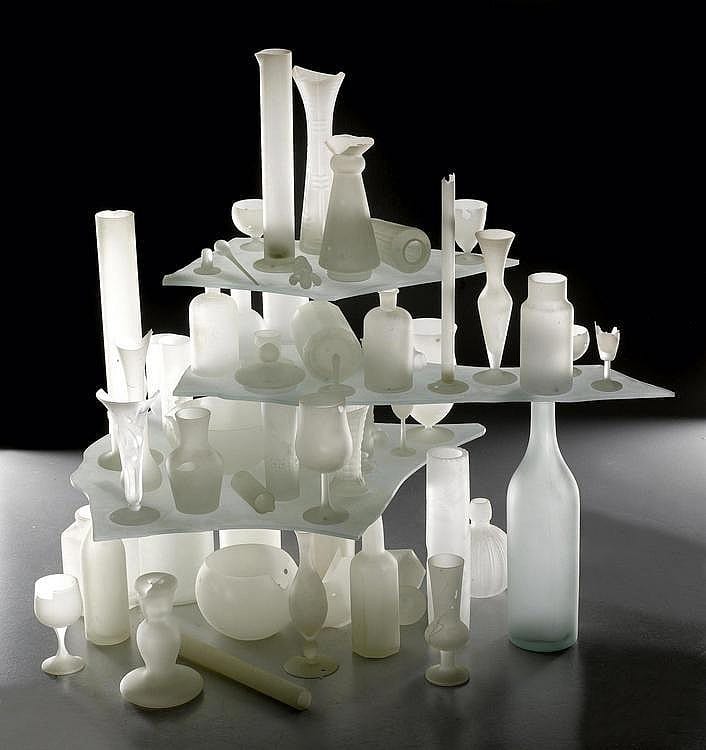
Art value reference with artist, medium, subject, size, condition, provenance, attribution support, market demand, and appraisal purpose. Reference image; item-specific appraisal depends on submitted photos and documentation.Auction-reference artwork image used as context for art-value documentation and appraisal review.
The value of art is not one number. It changes with artist attribution, medium, subject, size, condition, provenance, originality evidence, market demand, and the purpose of the appraisal.
A stronger valuation starts with documentation: clear images, measurements, signatures, labels, acquisition history, framing details, and any conservation or exhibition records.
Define the appraisal purpose
Insurance, resale, donation, estate, and curiosity valuations may use different standards and evidence thresholds. State the purpose before comparing market data.
Separate attribution from appeal
A compelling image can still need specialist review work. Artist identity, edition status, medium, and provenance should be evaluated before relying on stylistic impressions.
Condition and market fit matter
Surface damage, fading, relining, paper toning, frame issues, and restoration can affect value. So can current demand for the artist, subject, scale, and price bracket.
No public market evidence are asserted here. Treat any value conclusion for art value as evidence-dependent until the object, condition, provenance, and market context are reviewed.
Get a documented appraisal path
Upload clear photos and background details so Appraisily can review condition, identity, and market context before you rely on a value.
Note: We couldn’t find enough auction records that directly match True Value of Art: Artist, Medium, Subject, Size, Condition, Provenance and Appraisal Purpose to publish a defensible price table. If you are valuing a specific item, include its maker, model, material, photos, and condition so the search can be narrowed.
What similar items actually sold for
To help ground this guide in real market activity, here are recent example auction comps from Appraisily’s internal database. These matched sales are market context only, not an object estimate or identification, and they do not guarantee a price for your specific exploring the intrinsic worth unveiling the true value.
Source-reported amounts. Buyer’s-premium treatment is stated in each row when known; otherwise it is unknown. Native currencies are not normalized.
Each row retains its exact source URL, lot identity, retrieval time, access result, and immutable record hash. Inspect the public comparable provenance record.
Disclosure: prices are shown as reported by auction houses and are provided for appraisal context. Learn more in our editorial policy.
Free instant estimate
Not sure if your item is worth appraising? Let us take a look.
Upload a photo, tell us what you know, and get a free first read. If a full appraisal makes sense, we will say so.
Free. No card needed. Takes about two minutes.
Choose your next step
Use the path that matches the decision you need to make about the item.
Not sure it is worth appraising?
Start with a lower-friction screen to understand the likely category, evidence, and next step.


![[Literature] Hemingway, Ernest in our time sold by Freeman's | Hindman, lot 94 — auction record photograph](https://assets.appraisily.com/comps/auction-lots/177006971/thumb/h0062-l316019301.jpg)