The short answer: preservation matters more than the plug
A converted oil lamp can still have real decorative and collector value. Conversion tends to help when the electric fitting is removable, the proportions still look right, and the original burner, font, chimney, shade, and hardware remain with the lamp. It tends to hurt when the font or body was drilled, original parts disappeared, the new socket strains fragile material, or the wiring makes the lamp awkward to use.
- Best case: a removable adapter uses the original collar and no permanent hole is visible.
- Middle case: the lamp was altered, but its maker, material, shade, and decorative quality still attract buyers.
- Weakest case: drilling, cracks, missing fuel parts, mismatched hardware, or unsafe-looking wiring narrow the buyer pool.
Do not dismantle it yet. Photograph the conversion and inventory every loose part first. A lamp that looks incomplete may simply have its burner or chimney stored in a box nearby.
Compare when electric conversion helps or hurts
Electricity adds everyday usefulness, but the market does not reward usefulness in isolation. Buyers also judge originality, design, material, condition, and how difficult the alteration would be to reverse. Use this comparison before assuming that a cord either ruined or improved the lamp.
| Conversion detail | More likely to help | More likely to hurt |
|---|---|---|
| Reversibility | A removable socket or burner adapter leaves the font and collar intact. | The font, base, or decorative body was drilled for a cord or threaded rod. |
| Original parts | The burner, chimney, shade, gallery, and fittings remain with the lamp. | Period parts were discarded or replaced with generic modern hardware. |
| Appearance | The shade height, socket position, and finish look proportionate. | An oversized socket, visible tape, or mismatched metal dominates the design. |
| Usability | The lamp is stable and the cord exits without pinching or stressing glass. | Loose fittings, cracked material, heat risk, or unstable weight distribution discourage use. |
| Buyer | Interior buyers value functional period lighting and a sympathetic conversion. | Specialist collectors want an intact historical lighting system and original configuration. |
The strongest converted examples usually give buyers options. They can use the lamp now, keep the original parts, and reverse the alteration later without repairing a hole.
Trace the cord before changing anything
Start at the socket and follow the conversion path. A cord that exits beside a removable burner adapter tells a different story from one routed through the fuel font and base. You are not trying to test the wiring. You are documenting how much original material was changed.
Record the conversion in six views
- Full profile: include the shade, chimney, body, base, socket, and cord in one frame.
- Socket and collar: show how the electric fitting attaches where the burner would sit.
- Cord exit: show whether the wire leaves beside the top fitting, through the font, or through the base.
- Fuel font: use an angled view that reveals holes, cracks, adhesive, threaded rods, or missing caps.
- Underside: include the base plate, feet, fasteners, and any added hole.
- Loose components: arrange the original burner, chimney, shade ring, and spare hardware beside the lamp.
Do not energize old wiring for the photos. A value review can assess construction and completeness without treating the lamp as electrically safe.
Inventory the parts that still carry value
The conversion is one line in the value story. Burner, font, chimney, shade, maker information, material, and damage can matter just as much. A rare decorative body or a strong named maker may keep buyers interested even after alteration. A plain lamp with missing parts has less to offset a destructive conversion.
- Burner and collar
- The burner identifies the original lighting system. Matching threads and retained hardware make reversal easier to evaluate.
- Font
- The fuel reservoir is structural evidence. Holes, cracks, repairs, residue, and replacement glass can change both confidence and value.
- Chimney and shade
- Correct proportions and compatible fittings matter. A valuable shade may be a major part of the whole lamp's appeal.
- Maker and material
- Names, patent dates, construction quality, silver, bronze, porcelain, cloisonné, and art glass can shift the market far more than age alone.
- Damage and repair
- Cracked glass, chipped ceramic, bent galleries, loose joints, and over-polishing may reduce the benefit of an otherwise neat conversion.
- Completeness
- A complete set of original parts gives the next buyer choices. Keep loose components even when they are not installed.
A typical estate-sale situation is simple: the lamp is described as “converted vintage lighting,” and the original burner is sitting in a drawer. Finding that loose part does not establish a price, but it changes the question from “what was lost?” to “can the original configuration be preserved?”
See what converted oil lamps sold for
Converted lamps do not occupy one price band. The final reported results below include different makers, materials, sizes, countries, currencies, dates, and conditions. They show why a conversion label cannot replace object-level comparison.
One useful example is Thomaston Place Auction Galleries lot 773: a Japanese cloisonné oil lamp converted to electric, reported sold for USD 1,600 on May 22, 2011. The result supports a narrow point—decorative quality can preserve demand after conversion—not a blanket value for cloisonné lamps.
Material can also outweigh the simple “converted” label. Chiswick Auctions lot 155, a Victorian sterling-silver oil-lamp stand converted to electric, was reported at GBP 1,400 on October 8, 2024. Its silver, maker attribution, size, and condition distinguish it from an ordinary household lamp.
What similar items actually sold for
To help ground this guide in real market activity, here are recent example auction comps from Appraisily’s internal database. These matched sales are market context only, not an object estimate or identification, and they do not guarantee a price for your specific lamp.
| Comparable | What sold | Auction house | Date | Lot | Reported price realized |
|---|---|---|---|---|---|
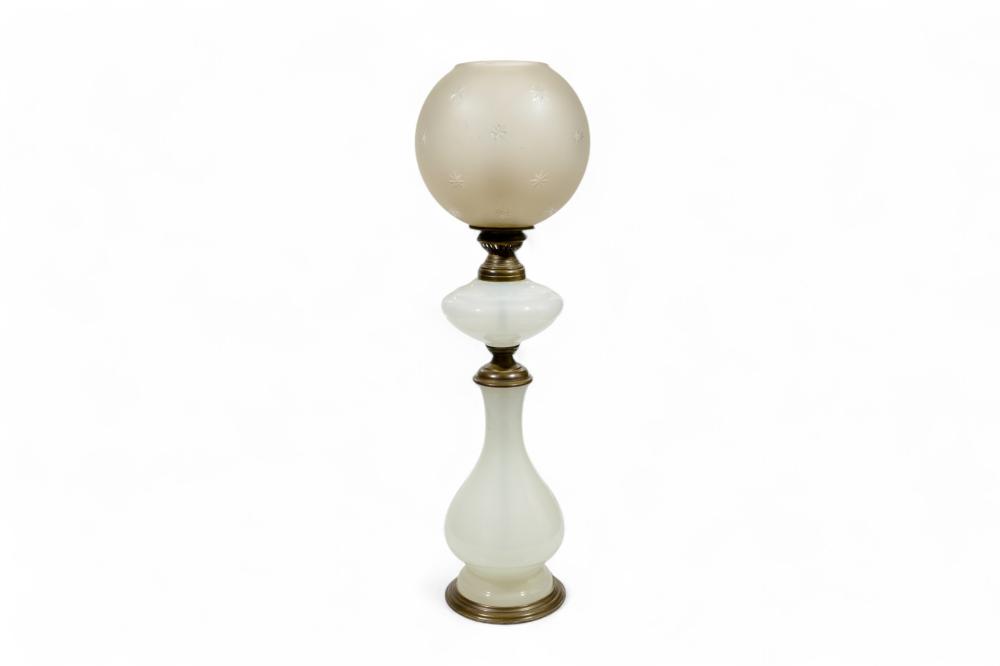 |
A Victorian Style Frosted Glass Banquet Oil Lamp (converted to electric) with Etched Starbursts, 64cm | 5th Avenue Auctioneers | 2025-11-01 | 659 | ZAR 800 (price basis unavailable) |
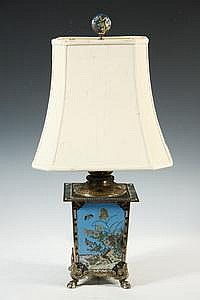 |
Japanese Cloisonne Oil Lamp Converted to Electric | Thomaston Place Auction Galleries | 2011-05-22 | 773 | USD 1,600 (price basis unavailable) |
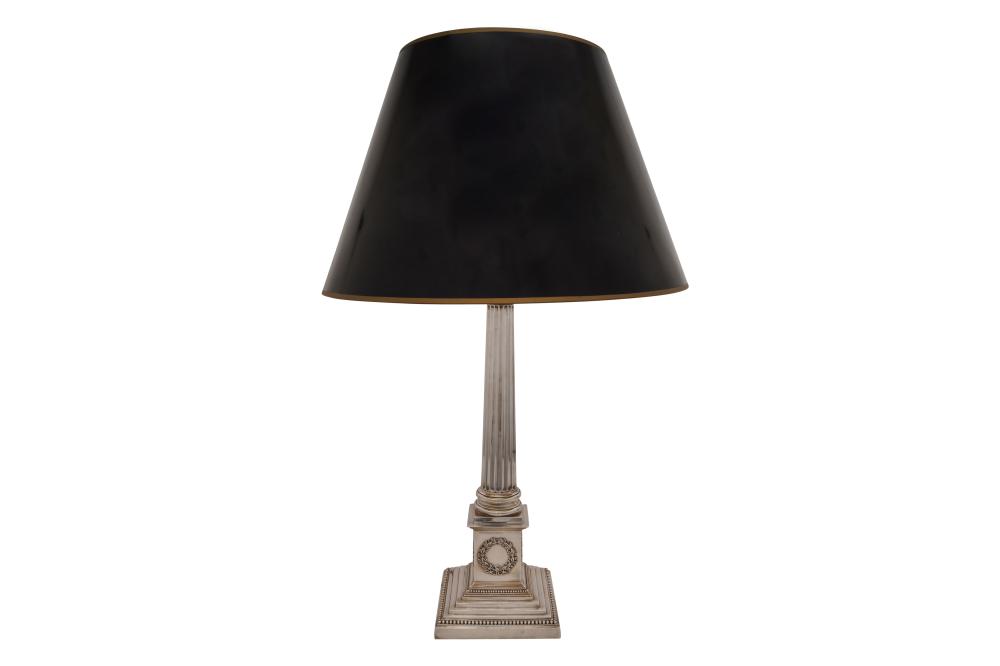 |
A large Victorian sterling silver oil lamp stand converted to electric, Sheffield 1900 by Hawksworth, Eyre and Co Ltd | Chiswick Auctions | 2024-10-08 | 155 | GBP 1,400 (price basis unavailable) |
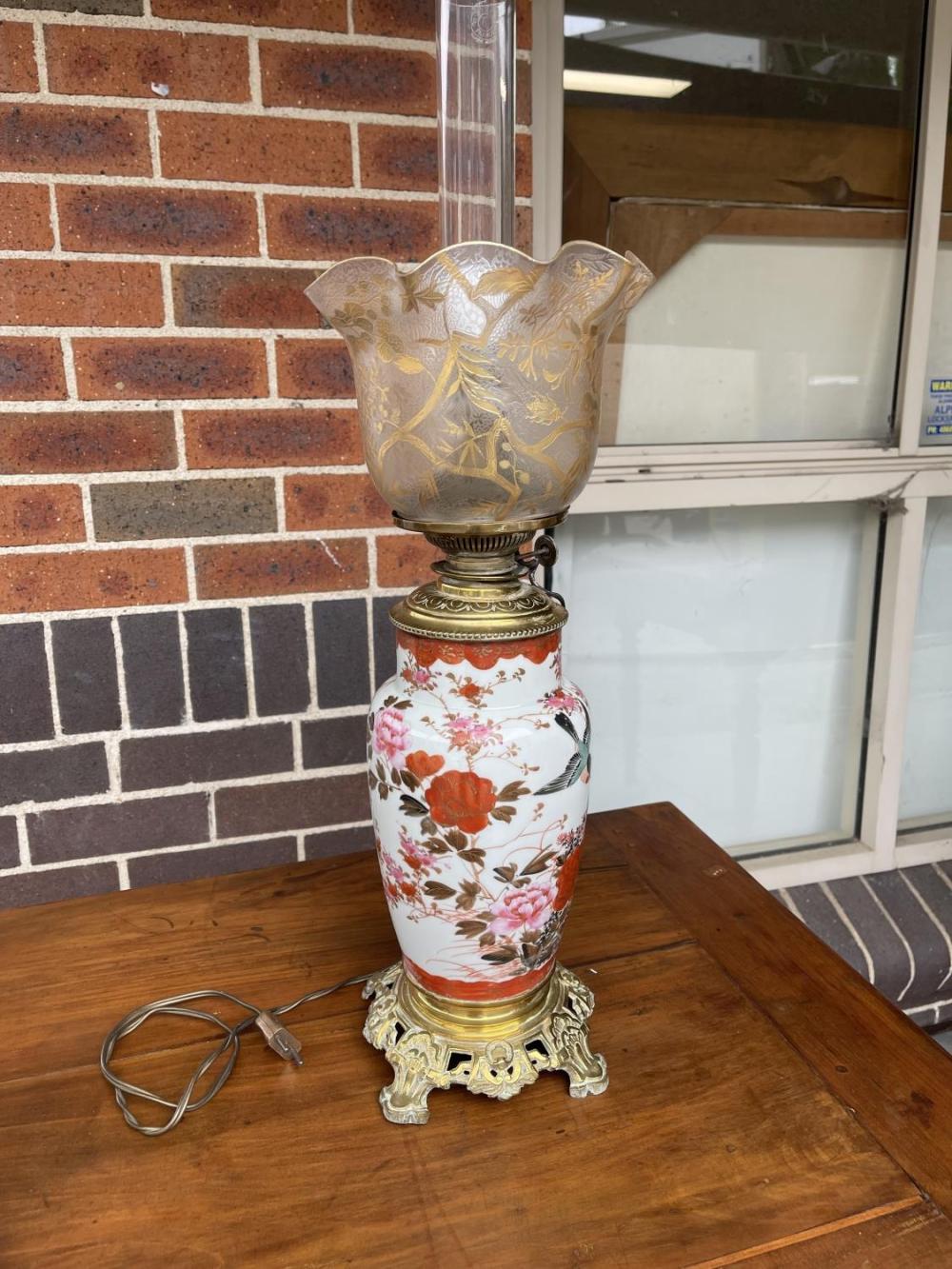 |
Antique Japanese Kutani vase oil lamp, converted to electric light at the top only, with fine hand gilt shade, approx 66cm H | Vickers & Hoad | 2023-02-11 | 256 | AUD 600 (price basis unavailable) |
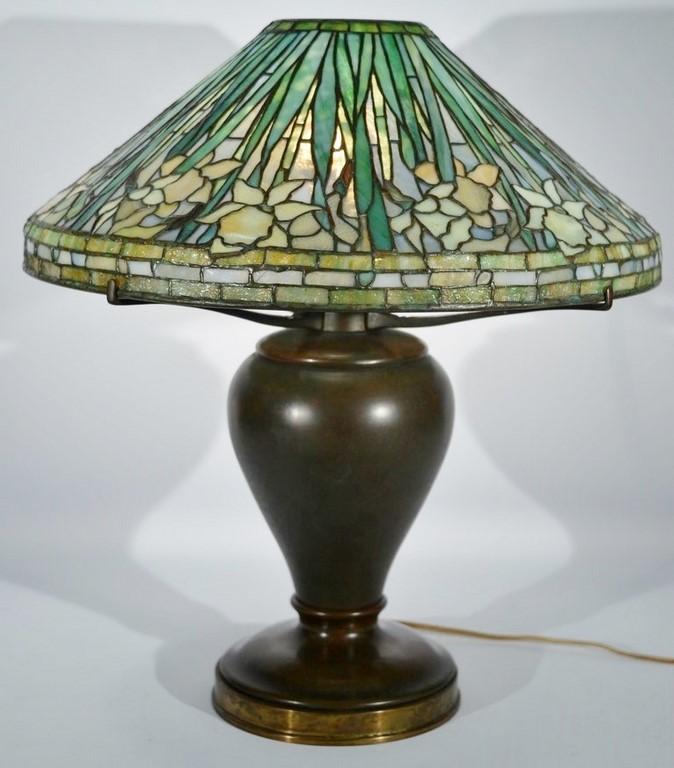 |
Tiffany Studios Daffodil table lamp having leaded Favrile glass shade with cascading daffodils on bronze oil converted to electric b... | Nadeau's Auction Gallery | 2018-01-01 | 350 | USD 17,000 (price basis unavailable) |
How these auction records were verified
Each row retains its exact source URL, lot identity, retrieval time, collection-time access result, and immutable record hash. If an auction page is unavailable or challenge-protected, the retained evidence identity can still be inspected in the public comparable provenance record.
Disclosure: prices are shown as reported by auction houses and are provided for appraisal context. Learn more in our editorial policy.
Free instant estimate
Let us review the conversion on your lamp
Upload photos, tell us which parts you have, and get a free first read. If a written appraisal would add value, we will say so.
Free. No card needed. Takes about two minutes.
Decide whether to leave, reverse, or repair it
Do not assume that restoring the lamp to oil will recover value. Reversal can expose a drilled hole, disturb old joints, chip glass, or separate a shade from the hardware that currently fits it. The right next step depends on what is original and what the likely buyer wants.
Leave the conversion when it is sympathetic
If the adapter is removable, the body is intact, the lamp looks balanced, and the original parts are stored safely, leaving it assembled may make the object easier to understand and photograph. Do not advertise the wiring as safe unless a qualified professional has assessed it.
Reverse it only after documentation
Reversal makes sense when the original system is substantially complete and the electric parts can come away without force. Record every layer as it is removed and keep modern hardware in a labeled bag. If resistance, adhesive, corrosion, or fragile glass is involved, stop.
Use a lighting professional for structural work
A lamp restorer or qualified lighting professional should handle wiring, unstable fittings, heat clearance, and structural changes. An appraiser can explain market significance; that is different from certifying electrical safety.
Build a photo set that answers the value question
A useful value comparison needs more than one attractive front view. Photograph the lamp in even light against a plain background, then add the details that separate a reversible conversion from a permanent alteration.
- Full lamp from the front, back, and both sides
- Socket, collar, burner area, cord exit, and underside
- Font opening and any hole, crack, adhesive, or repair
- Shade and chimney separately, including their measurements
- Clear wording on the burner knob, base, fittings, or patent plate
- All loose original and replacement parts arranged together
- Overall height plus shade, chimney, base, and collar dimensions
Measurements are especially important because replacement shades, chimneys, burners, and galleries can look convincing in a single photograph but sit incorrectly when their proportions are compared.
Converted oil lamp questions
Does converting an oil lamp to electric always reduce its value?
No. A reversible, well-proportioned conversion can make a lamp more usable to decorative buyers. Permanent holes, missing parts, damage, and poor hardware usually create the larger concern. Maker, material, shade, and condition still matter.
Is a reversible conversion better for value?
Usually, because it preserves options. A removable adapter plus retained original parts allows the next owner to choose between electric display and the historical configuration. That choice is part of the lamp's appeal.
Should I remove the wiring before selling?
Not before you document it. Keep every part, avoid forcing threaded fittings, and get a second read if the conversion passes through fragile glass, porcelain, or decorated metal. A hasty reversal can create more damage than the cord itself.
What if the original burner is missing?
State that clearly. A compatible replacement may make the lamp look complete, but it does not become original. The practical next step is to identify the collar size and preserve the existing configuration until the lamp is properly assessed.
Search variations
- Does converting an oil lamp to electric reduce its value?
- Are converted antique oil lamps still collectible?
- Reversible versus drilled oil lamp conversion value
- How to value an oil lamp with missing burner parts
- Should I remove electric wiring from an antique oil lamp?
- What photos show whether an oil lamp conversion is permanent?
- Can a converted banquet lamp still sell at auction?
- Do original chimney and shade parts increase oil lamp value?
References and method
- Appraisily: Antique oil lamp identification
- Appraisily: Antique oil lamp value guide
- Paxton Hardware: Oil lamp parts and converter configurations
- BADA: Hinks wall-mounted oil lamp converted to electricity
Auction records are curated as object-specific market examples. Prices are reported in their original currencies and are not adjusted for buyer's premium, inflation, condition, or exchange rates.