
Open with the right question: why now, not only what it is
That old carving may look antique from across the room, but value starts with a practical test: how reliably can a buyer verify quality and origin from your photos and condition facts. If the answer is clear, the value range usually holds. If the answer is fuzzy, the item needs deeper authentication before you move money.
For Chinese jade carving, the same practical bias applies everywhere. The jade carving word alone is not a valuation proof. Material behavior, age credibility, carving execution, and subject demand are what carry weight.

Start with material, not the era label
Color, translucency, carving quality, treatment risk, and material type matter more than the word jade alone. That is the first practical filter. A deep green, uniform body with tight, consistent translucency is often easier to position than a visually dramatic but translucent-lacking piece with heavy filling.
When buyers review photos, they unconsciously score a piece against two standards:
- Substance confidence: does the material appear coherent, non-chattery, and physically dense?
- Execution clarity: can every line be read as a true carving cut, not a worn edge?
If both scores stay high, the same motif can justify a much higher price band than a similar subject with soft, patchy texture or uneven polish. This is why subject headlines are useful but not sufficient.
Age is a buyer trust signal only when backed by clues
An excellent carved piece from the 21st century can outperform a repaired piece from the 19th century in the active market. That is not about disrespecting history. It is about what is verifiable and what can be transferred to a buyer quickly.
Age claims are strongest when they are supported by wear pattern consistency, tool-mark logic, and patina behavior. White residue alone does not prove age; it can be artificially introduced or from storage treatment. For that reason, age should be treated as a context layer, not a headline value driver.
In this lane, valuation confidence rises with documentation, not nostalgia. If provenance is thin, photo evidence is weak, and surface condition is uncertain, we generally widen the uncertainty band. Honest uncertainty can protect you from overpaying on the wrong lot.
Use subject matter as a demand filter, not a price guarantee
Subjects with sustained collector attention can attract stronger bids, especially when the craftsmanship is above average. But it is a common mistake to treat rare motifs as fixed multipliers. A striking subject does not override rough execution.
For valuation planning, separate each carving into:
- Core subject demand: is the iconic content easy to identify and in collector circulation?
- Market familiarity: do buyers search for this category in current auctions and gallery channels?
- Condition compatibility: does the subject depend on tiny details that are now worn?
Good practice: match subject with market cycle. A lot with high symbolic value can still land in a wide band if key details are gone. In that case, buyers pay for what survives, not what is missing.
Carving quality is the strongest value lever in this category
For most readers, this is where the valuation gap opens. Two carvings of the same material can have order-of-magnitude differences once undercutting, undercut lines, and undercarving are considered.
Look for:
- How consistent are planes and curvature transitions at close range?
- Can you trace tool control across fingers, folds, and expression lines?
- Is the back of the piece cleanly finished or does it show rushed finishing?
The mark matters, but it is not enough on its own. The practical check is: where did the money go in craftsmanship, and where did it come back out through wear, restoration, or re-cutting. If either side of that equation is unclear, a full appraisal is often a better second step than a quick estimate.
Note: We couldn’t find enough auction records that directly match Chinese Jade Carving Value: Material, Age, Subject, and Quality to publish a defensible price table. If you are valuing a specific item, include its maker, model, material, photos, and condition so the search can be narrowed.
What similar items actually sold for
To help ground this guide in real market activity, here are recent example auction comps from Appraisily’s internal database. These matched sales are market context only, not an object estimate or identification, and they do not guarantee a price for your specific chinese jade carving.
Shown AUD range: AUD 60-AUD 180. Median of these 3 AUD examples: AUD 160.
| Comparable | What sold | Auction house | Date | Lot | Source-reported amount |
|---|---|---|---|---|---|
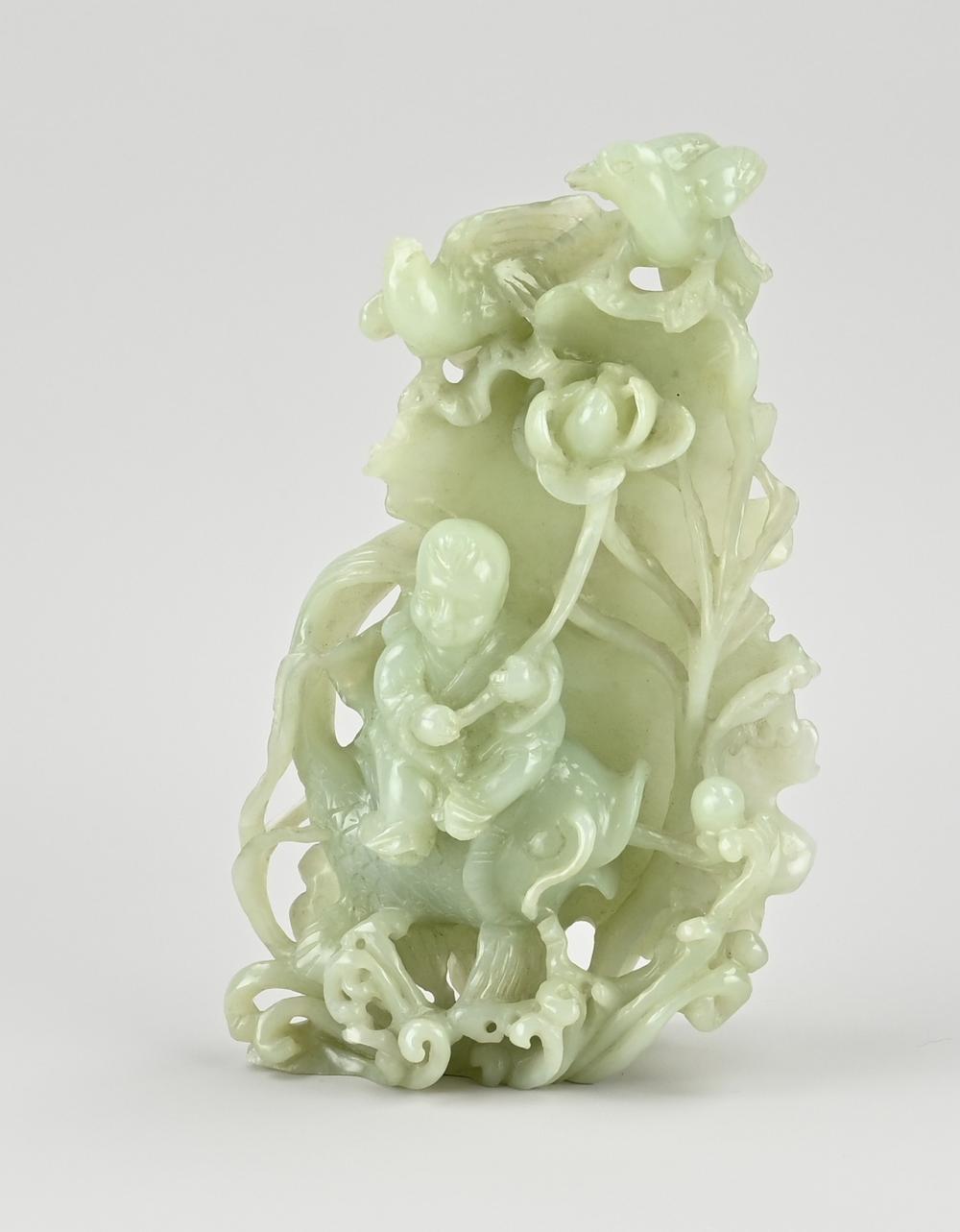 |
Chinese jade carvingSource blocked; provenance matched | Twents Veilinghuis | 2023-04-15 | 7692 | EUR 150 (buyer’s-premium treatment unknown) |
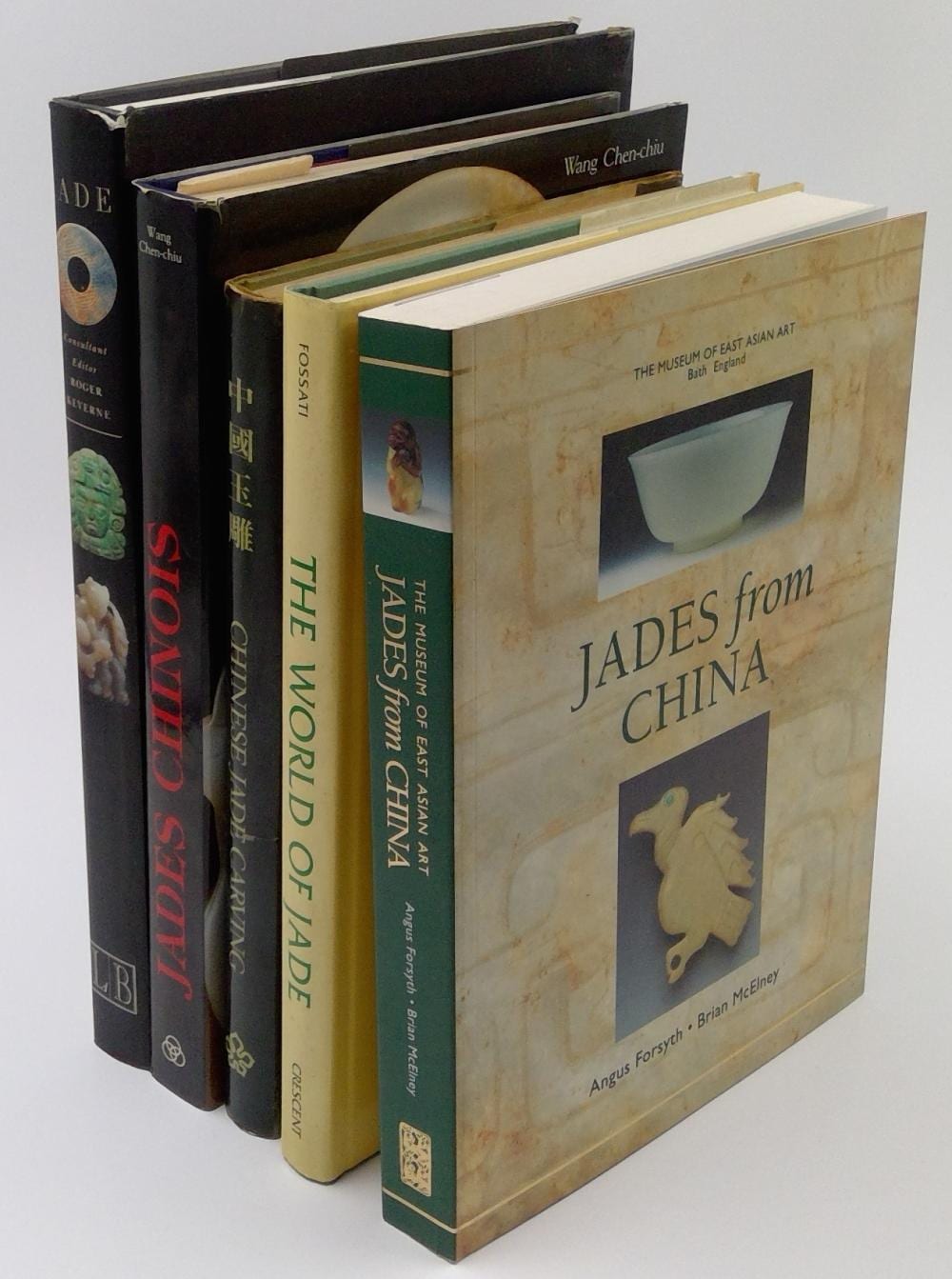 |
Chinese Jade Carving.Source blocked; provenance matched | Bubb > Kuyper: Auctioneers of Books, Fine Arts & Manuscripts | 2025-11-25 | 1135 | EUR 130 (buyer’s-premium treatment unknown) |
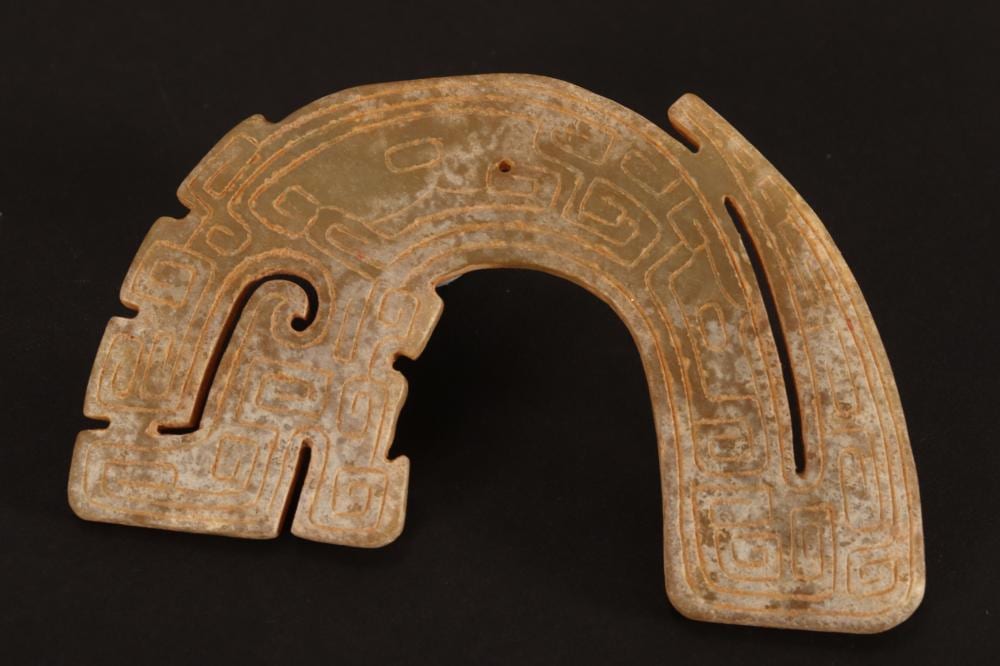 |
Chinese Jade Carving,Source blocked; provenance matched | Aalders Auctions | 2025-11-27 | 3536 | AUD 60 (buyer’s-premium treatment unknown) |
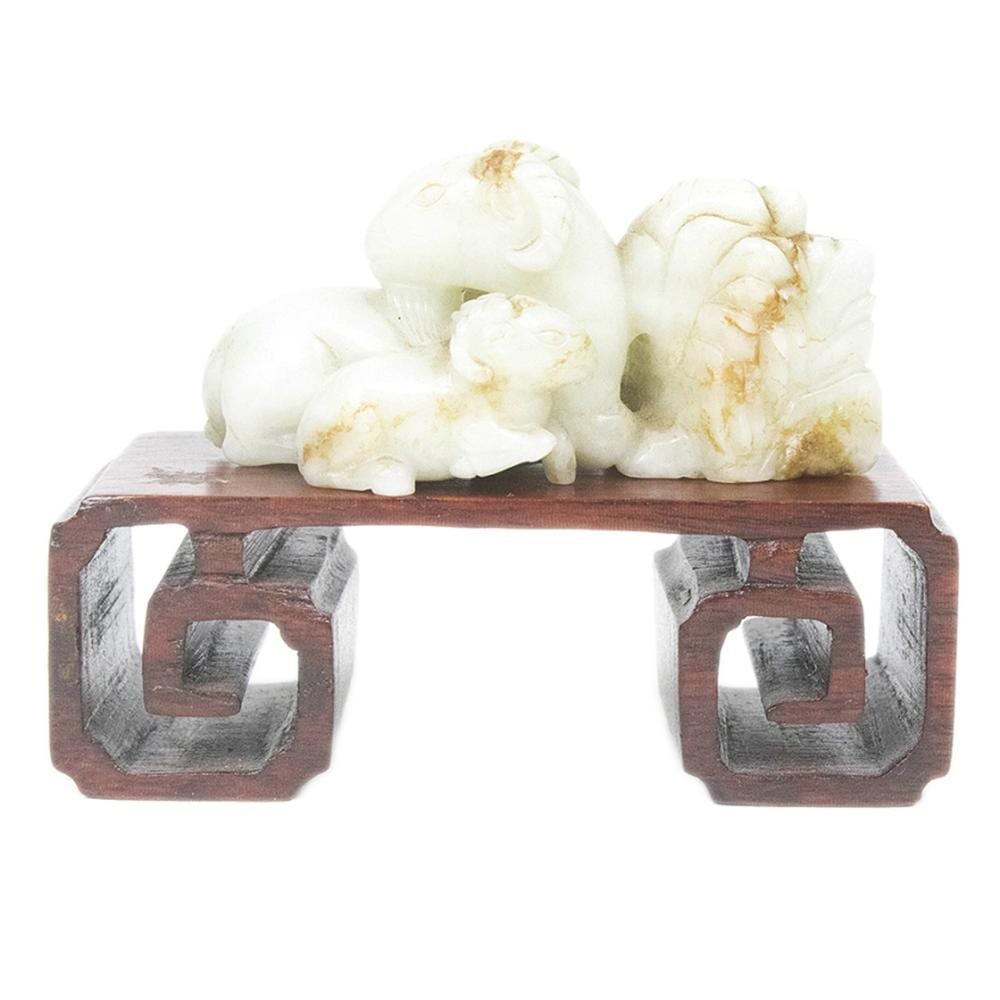 |
Chinese white jade carving of a ram groupSource blocked; provenance matched | Clars Auctions | 2025-11-21 | 4419 | USD 400 (buyer’s-premium treatment unknown) |
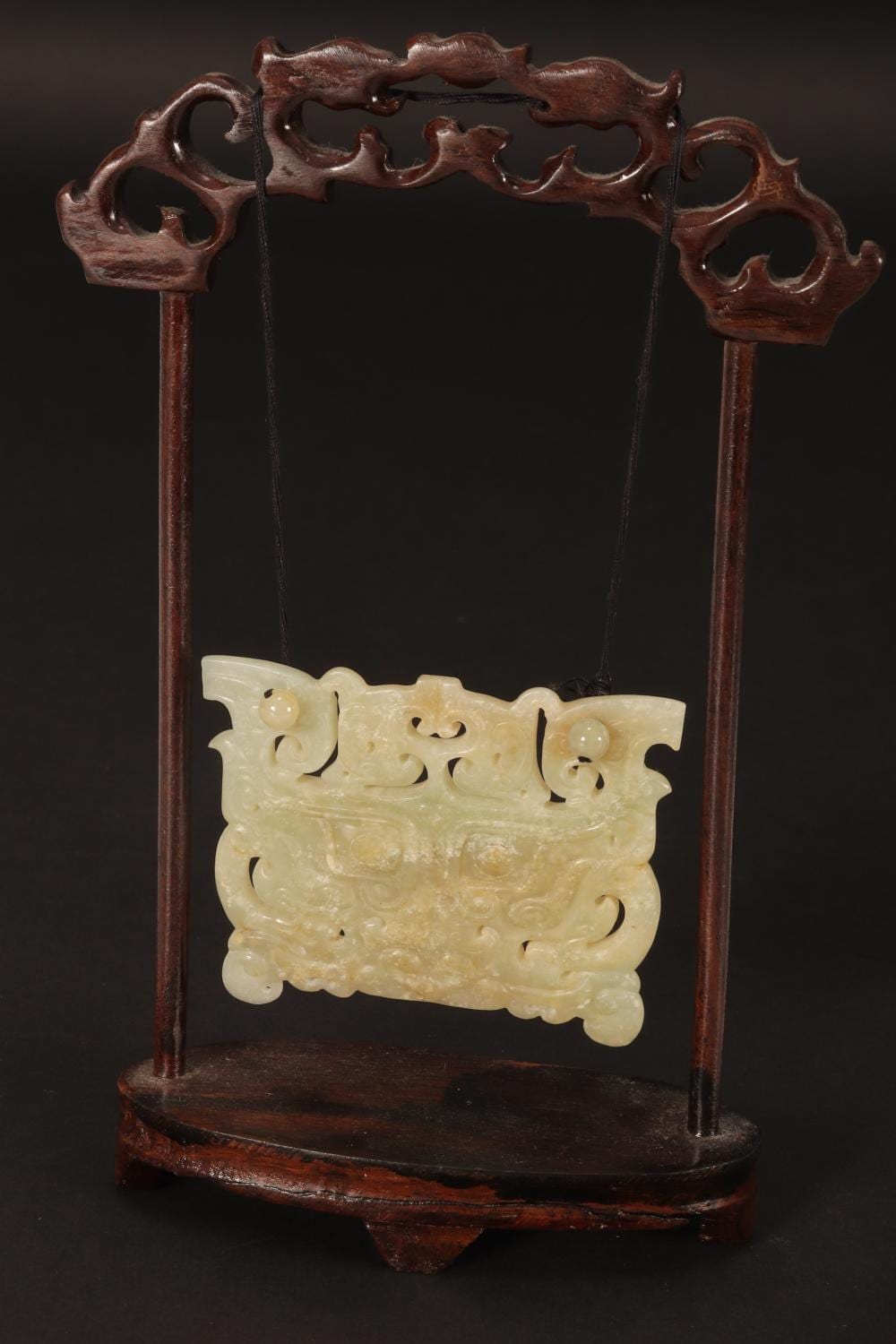 |
Chinese Jade Carving on Stand,Source blocked; provenance matched | Aalders Auctions | 2025-11-23 | 580 | AUD 160 (buyer’s-premium treatment unknown) |
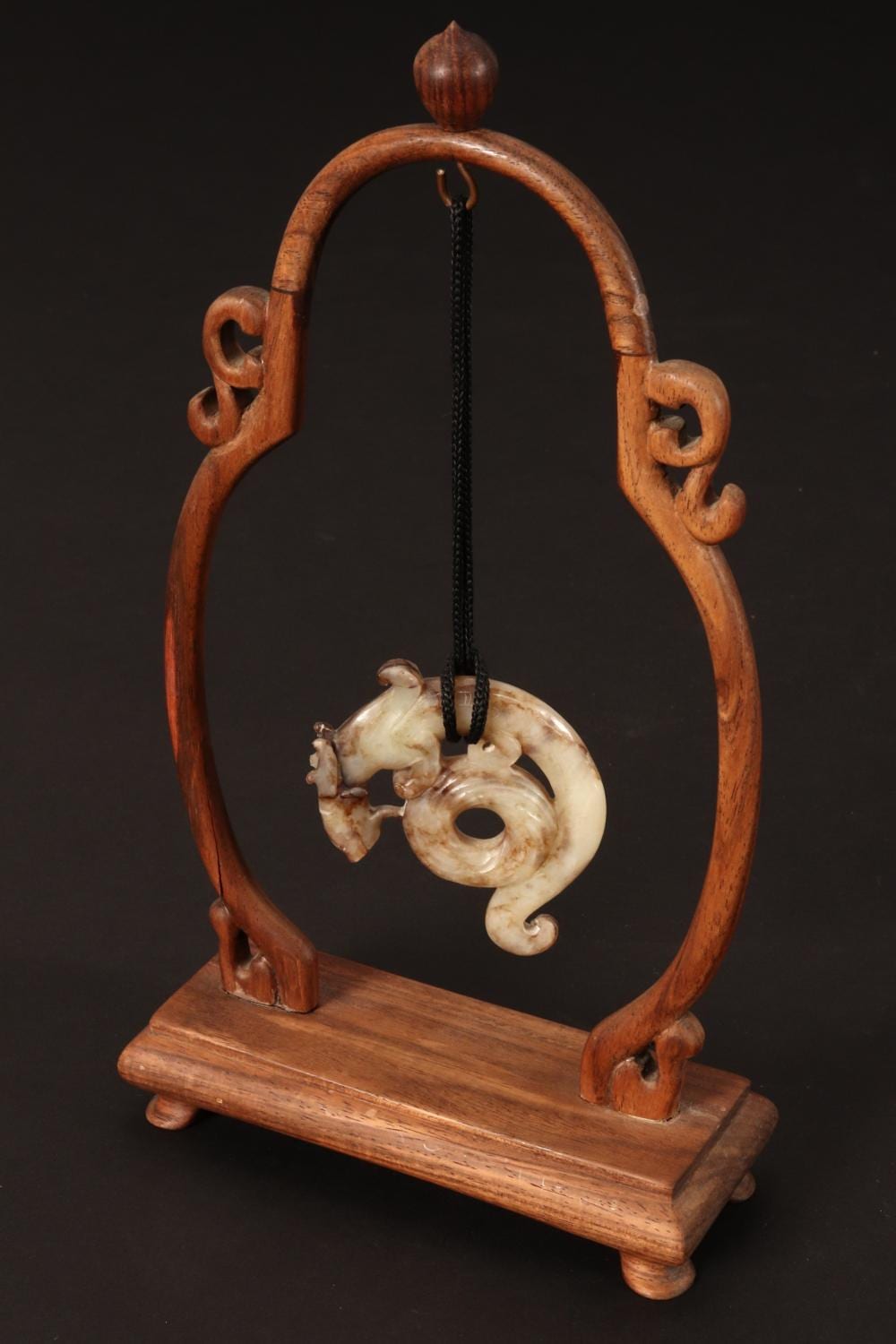 |
Good Chinese Jade Carving of a Dragon,Source blocked; provenance matched | Aalders Auctions | 2025-11-23 | 605 | AUD 180 (buyer’s-premium treatment unknown) |
How these auction records were verified
Each row retains its exact source URL, lot identity, retrieval time, access result, and immutable record hash. Live source access was blocked; the exact record matched Appraisily's immutable pipeline provenance. Inspect the public comparable provenance record.
Disclosure: prices are shown as reported by auction houses and are provided for appraisal context. Learn more in our editorial policy.
What to do before you ask for a number
If the piece is from Chinese carving traditions, the fastest misstep is to let one clue dominate. Do this instead:
- Photograph the signature areas under flat light and raking light.
- Capture the rear and all joins, seals, mounts, and fittings.
- Document any repairs, re-cuts, old glazes, or fill lines in one clear note.
- State where the piece was found and any prior appraiser comments, even if informal.
- Use one concise item description with one likely category and likely use.
That is usually enough to produce an accurate first-pass estimate. If the free estimate confirms value pressure or risk concentration, we then move into the signed review path.
Need a clearer baseline before you decide?
Start with a free first look. It is made for this exact stage: uncertain owners, mixed signals, or inherited pieces where the story outlives the paperwork.
How the factors stack together
In practice, valuation quality follows a simple ranking:
- Material integrity: does the mass and texture survive scrutiny?
- Carving quality: is the workmanship clean, controlled, and specific?
- Subject relevance: does demand match the detail quality and condition?
- Age confidence: are period clues supported by consistent wear and provenance?
- Condition and treatment: are risks visible and disclosed clearly?
If three of these are strong and two are uncertain, you can usually still have a narrow estimate band. If most are uncertain, request a full review first to avoid overconfidence.
Search variations
- How much is a Chinese jade carving worth today?
- Chinese jade carving age and treatment risks
- What does a high quality jade carving look like?
- Is carved subject matter a value premium?
- How do repairs affect old jade carving price?
- Can old Chinese jade be sold without appraisal?
- Do jade carving materials affect resale value?
- How to validate age of a jade carving
References and resources
- GIA — The evolution of Chinese jade carving craftsmanship
- Christie’s Chinese jade collecting guide
- Chinese jade overview
- Appraisily editorial policy
- Kwan Kung stone carving reference page
- How to identify carving marks and materials
FAQ
How can I tell if a carving is likely older without paperwork?
Use age cues only in combination: patina pattern, tool noise signatures, and condition continuity. No single clue is reliable alone. Photos plus provenance notes are what turn clues into valuation confidence.
Do treatment and repair always lower value?
Not always. Minor, honestly repaired items can still hold value, but undisclosed treatment usually carries a bigger penalty. The penalty increases when repairs alter visible geometry.
Should I upload only one photo for a free estimate?
One photo can be enough for a first direction, but value confidence improves significantly with top, side, reverse, and mark views. Better photos reduce the chance of over-wide estimates.
Why can two similar carvings sell for different prices?
They rarely differ only by age label. Buyers compare material quality, execution quality, and the risk of unknown treatment. Even small changes here can move a result meaningfully.
When is a signed report necessary?
Use signed review for insurance, estate, donation, legal, resale, or when payment is tied to specific valuation documentation requirements.
Can I trust auction comps as exact valuation targets?
No. They are directional, not guaranteed. The right approach is to calibrate to similar lots and then adjust for your own condition and documentation gap.
Free instant estimate
Not sure if your Chinese jade carving is worth a full review? Let us take a look.
Upload photos, share what you know, and get a free first read. If this deserves a full signed report, we will say so.
Free. No card needed. Takes about two minutes.