Kwan Kong stone figure: appraisal and value basics
Kwan Kong stone figure research should start with identification, condition, provenance, and item-specific market evidence. Use this guide to compare the signals that matter before paying for a formal appraisal or deciding whether to sell.
A “Kwan Kong on horse” statue typically depicts Guan Yu (also called Guandi), the famous general of the late Han / Three Kingdoms era who was later venerated as a protective deity. In home shrines and shops he is commonly seen holding a weapon (the guandao), wearing armor, and riding a powerful horse.
Many examples in today’s market are mid-20th-century export carvings made in Hong Kong, Taiwan, or mainland China, often from mottled green stone marketed as “jade.” They can still be desirable decorative objects, but value depends heavily on material, size/weight, carving quality, and condition.
Based on the typical profile described in the legacy appraisal notes (a detailed stone figure with visible inclusions and no maker’s mark), a realistic fair market range is often around a value that must be established from current, topic-matched sales, with meaningful upside for larger or higher-quality jade (and downside for repairs, chips, or softer stone).
Free instant estimate
Not sure if your item is worth appraising? Let us take a look.
Upload a photo, tell us what you know, and get a free first read. If a full appraisal makes sense, we will say so.
Free. No card needed. Takes about two minutes.
Who is Kwan Kong (Guan Yu) and why is he on a horse?
Collectors sometimes see these figures described as “Kwan Kong,” “Kwan Yu,” “Guandi,” or simply “Chinese warrior.” In Chinese religious and folk tradition, Guan Yu became a powerful symbol of loyalty, righteousness, and protection, so his image is often placed in businesses and homes as a guardian.
On sculpture, common identifiers include a long beard, an armored chest, an authoritative pose, and a horse sculpted in motion or at rest. The sculptor’s goal is not only likeness but also “presence” — the stance and facial expression are part of how viewers recognize the subject.
What stone is it really? (Jade vs. serpentine vs. soapstone)
The word “jade” is used loosely online. In strict gemological terms, jade refers to nephrite or jadeite. Many decorative carvings are instead made from serpentine, “new jade,” quartz, or other green stones.
Practical, non-destructive checks you can do at home include:
- Cold touch: denser stones feel cool longer than resin or plastic.
- Translucency: shine a bright flashlight through thinner edges; better jade often glows.
- Surface & tool marks: modern rotary tools can leave fine, consistent lines in recesses.
- Weight: jade and dense stone feel heavier than expected for size.
Avoid destructive “scratch tests” unless a professional instructs you to. If value hinges on whether it is true jade, a gemologist can confirm material with refractive index and microscopy.
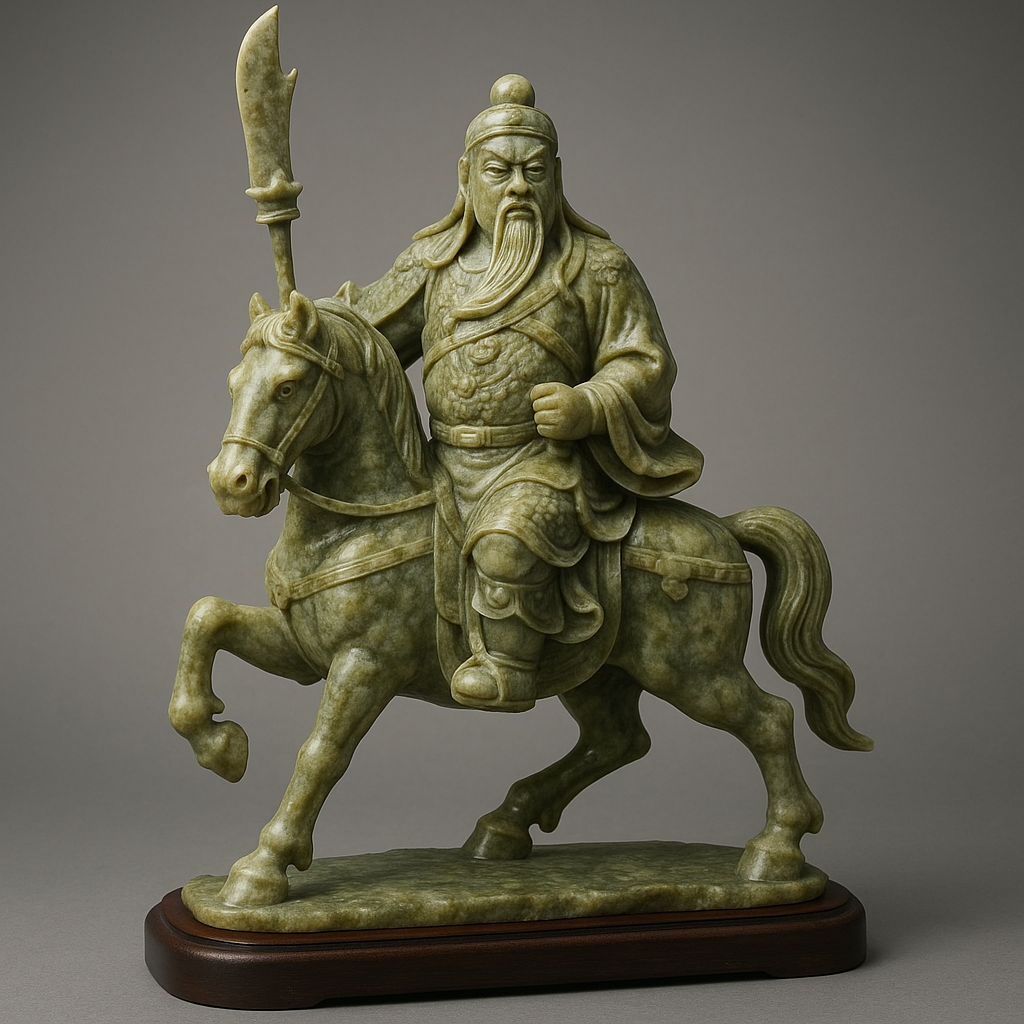
Dating a mid-20th-century carving (and why marks are rare)
Many mid-century carvings were produced for the export and tourist markets and were not signed. Lack of a signature does not automatically mean “old” or “valuable,” but it also doesn’t disqualify the piece.
Clues that often support a mid-20th-century date include clean, consistent polish; uniform wear patterns (rather than centuries of handling); and mounting/base solutions that look modern (factory-cut wooden plinths, felt pads, metal pins).
Condition checklist (the details that move the price)
Carved stone is unforgiving: chips and breaks are common, and repairs are frequently disguised with wax, stain, or over-polish. For value, treat these as the biggest swing factor after material.
- Chips on protruding points (horse ears, weapon tips, beard ends) are the most common.
- Hairline cracks can run through the horse’s legs or the rider’s torso—photograph under raking light.
- Old repairs (glue lines, filled losses) reduce collector appeal unless disclosed and professionally done.
- Base stability matters: a loose pin or wobbling mount can signal hidden breaks.
Value range: what a fair price looks like
For a typical mid-20th-century Kwan Kong on horse carving in green stone marketed as jade, values commonly cluster in the low hundreds of dollars. The legacy appraisal estimate of a value that must be established from current, topic-matched sales is consistent with the market for a well-carved decorative example in good condition.
Expect higher values when the statue is larger/heavier (shipping friction aside), the stone has attractive translucency and color, and the carving has strong “faces and hands” detail. Expect lower values for soft soapstone, heavy repairs, or poorly defined carving.
comparable-sale records you can use as anchors
Exact “Guan Yu on horseback” market evidence can be scarce in any single auction dataset, so it’s common to triangulate value from comparable Chinese jade/stone carvings with horse subjects or figural groups. The sales below are real auction results pulled from the Appraisily auction dataset.
- Christie’s (Sept 19, 2024), Lot 884 — “Greenish-white and brown jade carving of a recumbent horse” — a value that must be established from current, topic-matched sales hammer.
- Elstob Auctioneers (Jan 22, 2025), Lot 182 — “19th century Chinese jade carving of a recumbent horse” — £1,100 hammer.
- Marques dos Santos (Feb 22, 2025), Lot 122 — “Pair of jade archaistic horse riders, Minguo” — €225 hammer.
- Wealthier Art & Auction (Feb 22, 2025), Lot 1173 — “Chinese russet jade sculpture of horse” — a value that must be established from current, topic-matched sales hammer.
Why these matter: they show how much period, quality, and stone type affect price. High-end “dynasty” jade from major houses can be orders of magnitude higher than decorative mid-century carvings. The mid-century market tends to sit closer to the lower two anchors above unless the stone and carving are exceptional.
How to sell a Kwan Kong on horse statue
For most mid-century stone carvings, the biggest mistake is listing with poor photos and vague claims (“ancient,” “imperial,” “a category-dependent amount jade”). Buyers discount heavily when details aren’t documented.
- Best venues: local consignment, regional auction houses with Asian art days, or reputable online auctions.
- What to photograph: full views, underside/base, close-ups of face and hands, and any damage.
- Shipping: heavy stone breaks easily—double-box, immobilize the statue, and insure for replacement value.
Search variations collectors ask
Readers often Google:
- kwan kong on horse statue value mid 20th century
- how to identify guan yu guandi statue carving
- is my green stone statue real jade or serpentine
- how to tell if a jade statue is treated or dyed
- what photos do I need for a guan yu statue appraisal
- best place to sell chinese stone carvings online
- does a repaired jade carving lose value
- how much does a guan yu statue weigh if it is jade
Each question is answered in the valuation guide above.
What similar items actually sold for
To help ground this guide in real market activity, here are recent example auction comps from Appraisily’s internal database. These matched sales are market context only, not an object estimate or identification, and they do not guarantee a price for your specific kwan kong.
Shown HKD range: HKD 45,000-HKD 3,400,000. Median of these 4 HKD examples: HKD 131,750.
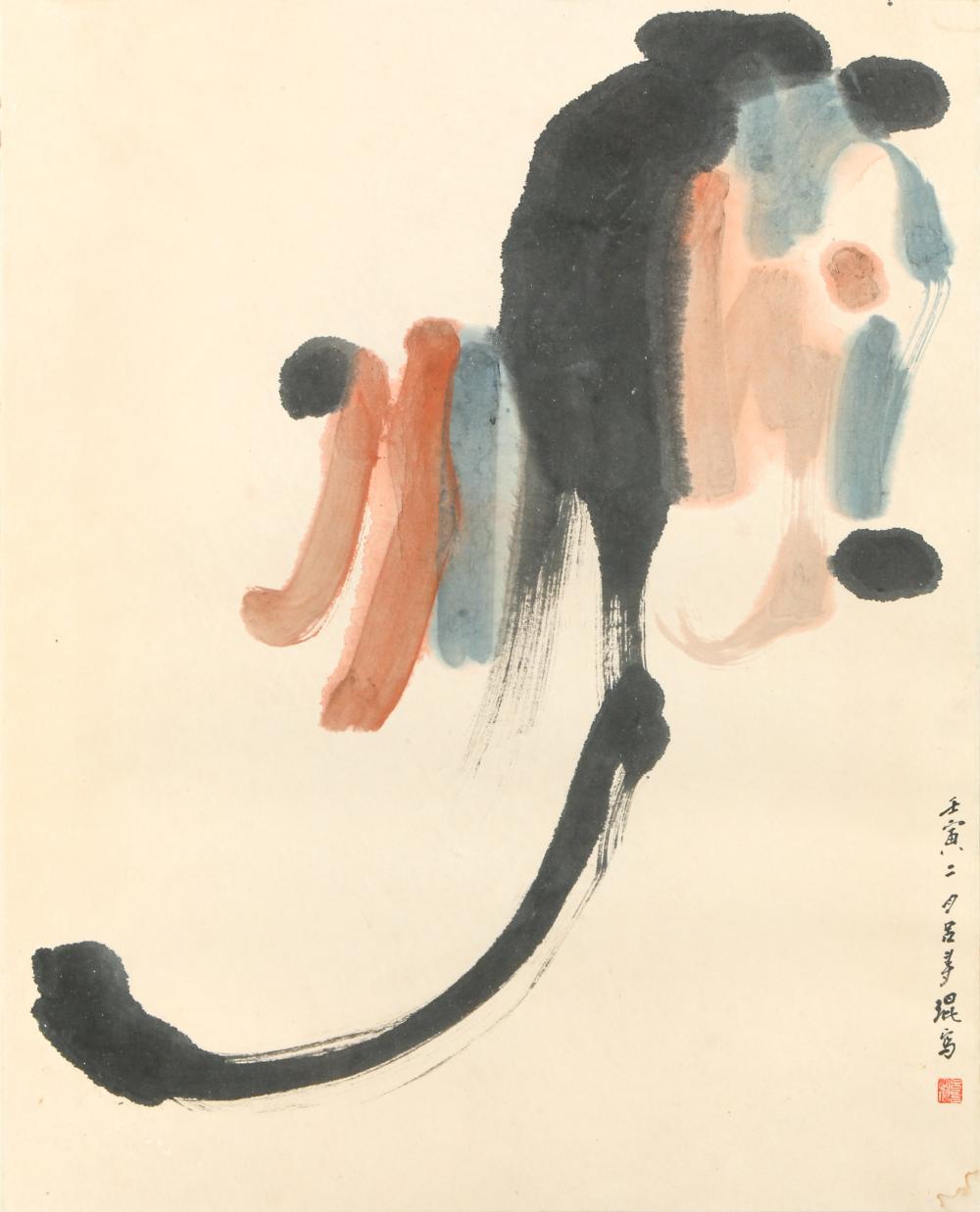
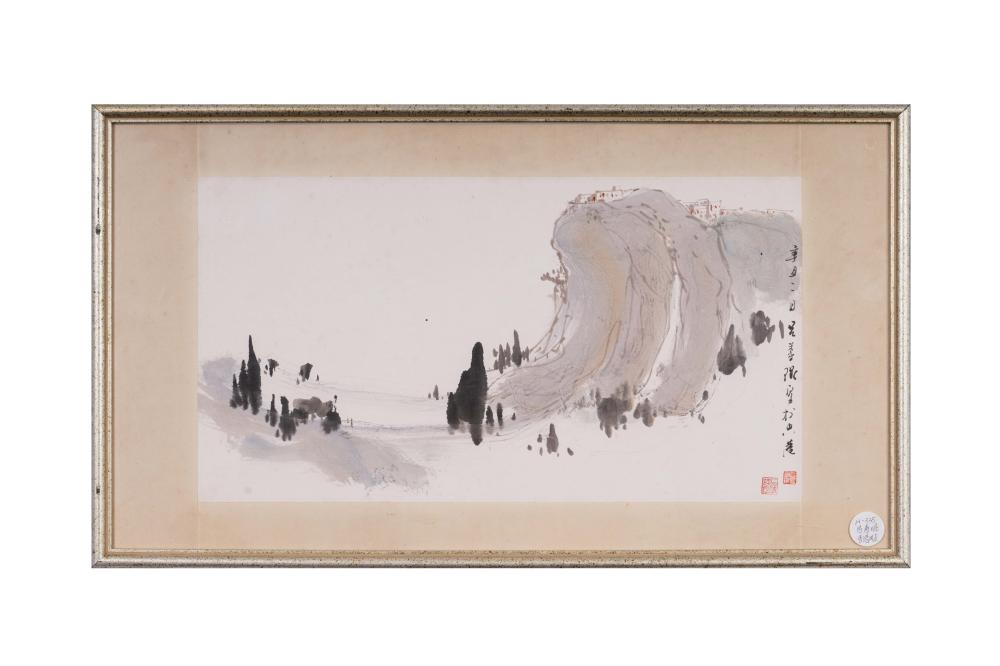
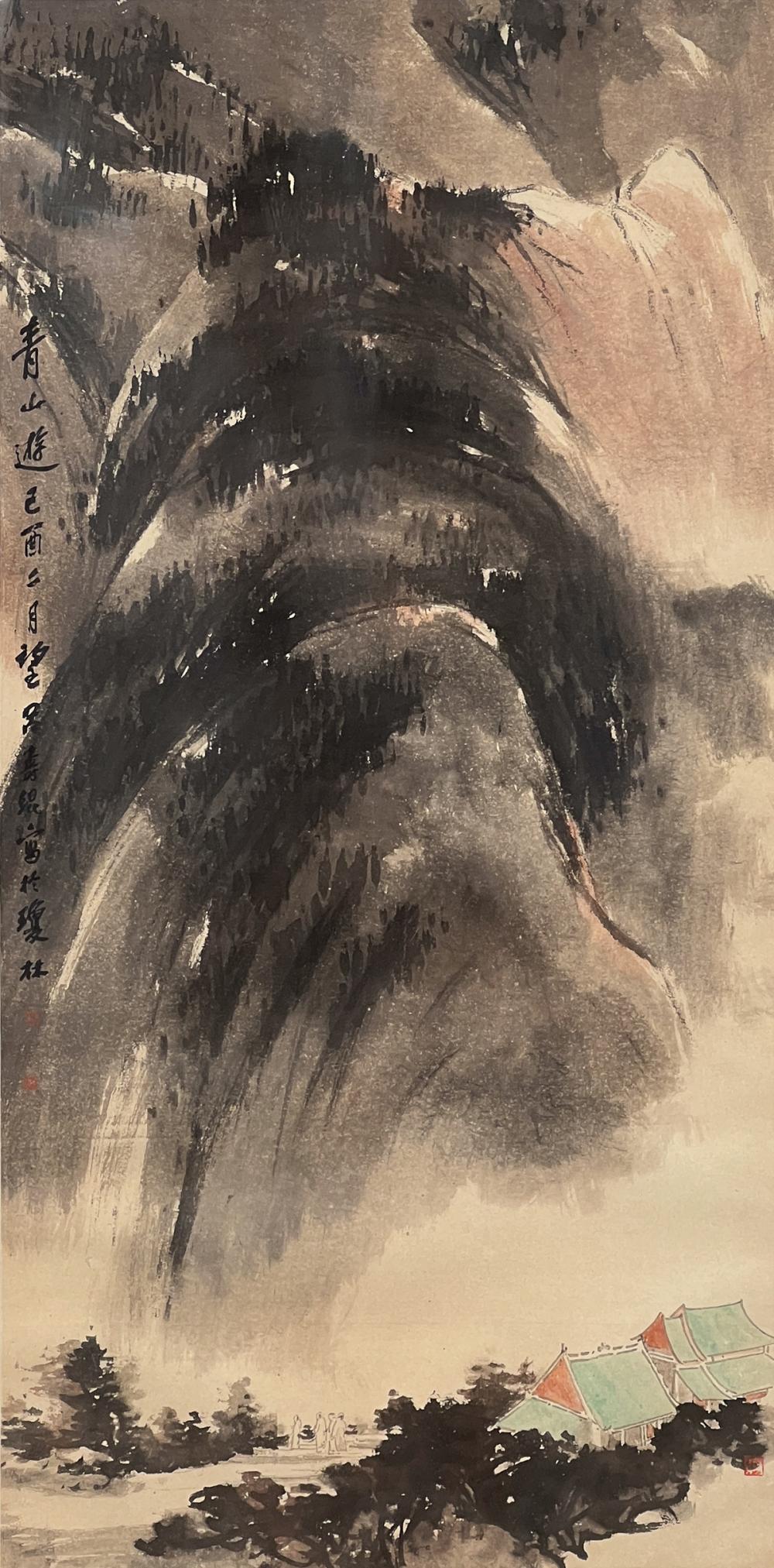


How these auction records were verified
Each row retains its exact source URL, lot identity, retrieval time, access result, and immutable record hash. Live source access was blocked; the exact record matched Appraisily's immutable pipeline provenance. Inspect the public comparable provenance record.
Disclosure: prices are shown as reported by auction houses and are provided for appraisal context. Learn more in our editorial policy.
References
- Christie’s auction results (Jade Carvings dataset), Sept 19, 2024, Lot 884.
- Elstob Auctioneers results (Chinese Jade Carvings dataset), Jan 22, 2025, Lot 182.
- Marques dos Santos results (Jade dataset), Feb 22, 2025, Lot 122.
- Wealthier Art & Auction results (Jade dataset), Feb 22, 2025, Lot 1173.
Continue your valuation journey
Choose the next best step after reading this guide
Get a second opinion on material and condition, or book a written insurance-ready report.
Asian art & carvings
Browse the Art Appraisers Directory
Connect with appraisers who can review your photos remotely.
How We Research Valuation Data
Our appraisal guides are based on auction results, dealer pricing data, and professional appraiser insights. We may earn a commission when you use our free professional appraisal service. Learn about our editorial standards.
Fast written report
Start an online appraisal
Upload photos and details. Get a documented valuation in 24 hours.