
What hoosier cabinet actually sell for
A common example is a different sale from a high-end named piece.
Typical sales. 2 pc. oak Hoosier cabinet w/copper style top sold for $120.
Hoosier Cabinet. sold for $150.
Oak Hoosier Cabinet sold for $200.
Elwell Hoosier Cabinet. sold for $225.
AN OAK KITCHEN HOOSIER CABINET, the Hoosier sold for $225.
American Oak Hoosier Cabinet sold for $260.
High-value outlier. TWO-PART HOOSIER CABINET IN OAK W/ SLAG GLASS sold for $750.
Photograph maker marks, model, condition, and completeness before treating any one sale as yours.
What similar items actually sold for
To help ground this guide in real market activity, here are recent example auction comps from Appraisily’s internal database. These matched sales are market context only, not an object estimate or identification, and they do not guarantee a price for your specific antique hoosier cabinet.
Shown USD range: USD 80-USD 600. Median of these 15 USD examples: USD 240.
| Comparable | What sold | Auction house | Date | Lot | Source-reported amount |
|---|---|---|---|---|---|
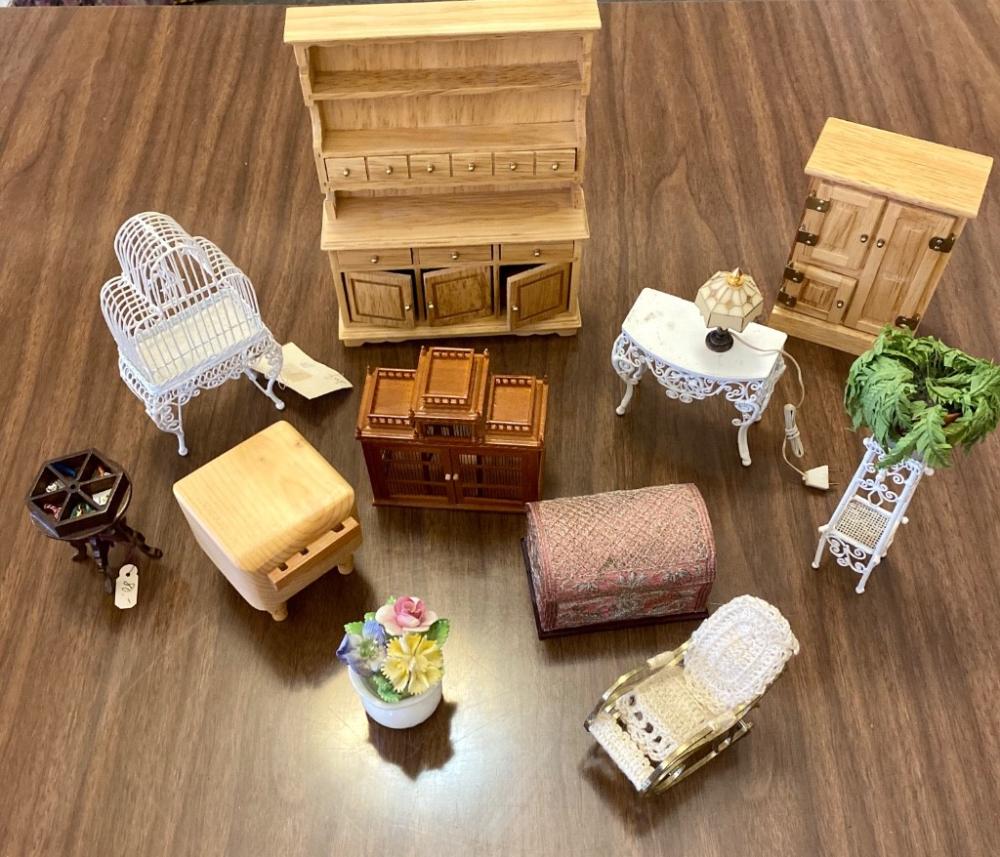 |
A collection of doll house furniture to include wirework birdcage, plant stand and side table; hoosier cabinet, butcher block, rocking chair, another birdcage, hand crafted wooden curiosity table (price tag $80; trunk...Source blocked; provenance matched | Link Auction Galleries | 2020-04-10 | 446 | USD 80 (buyer’s-premium treatment unknown) |
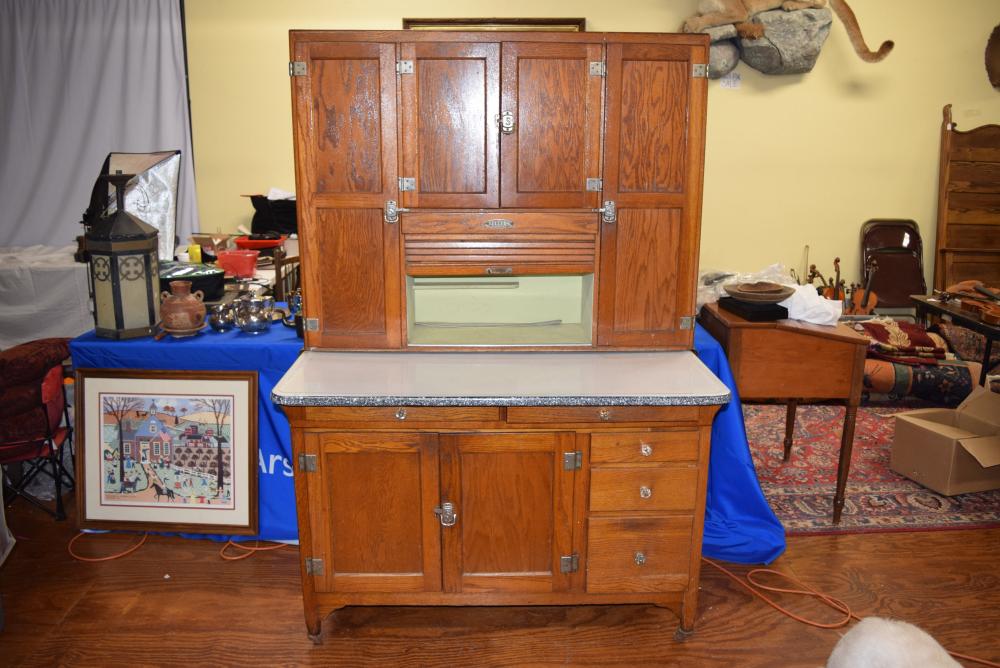 |
Antique Sellers Hoosier CabinetSource blocked; provenance matched | Paul Arsenault Auctioneers | 2022-01-09 | 237 | USD 600 (buyer’s-premium treatment unknown) |
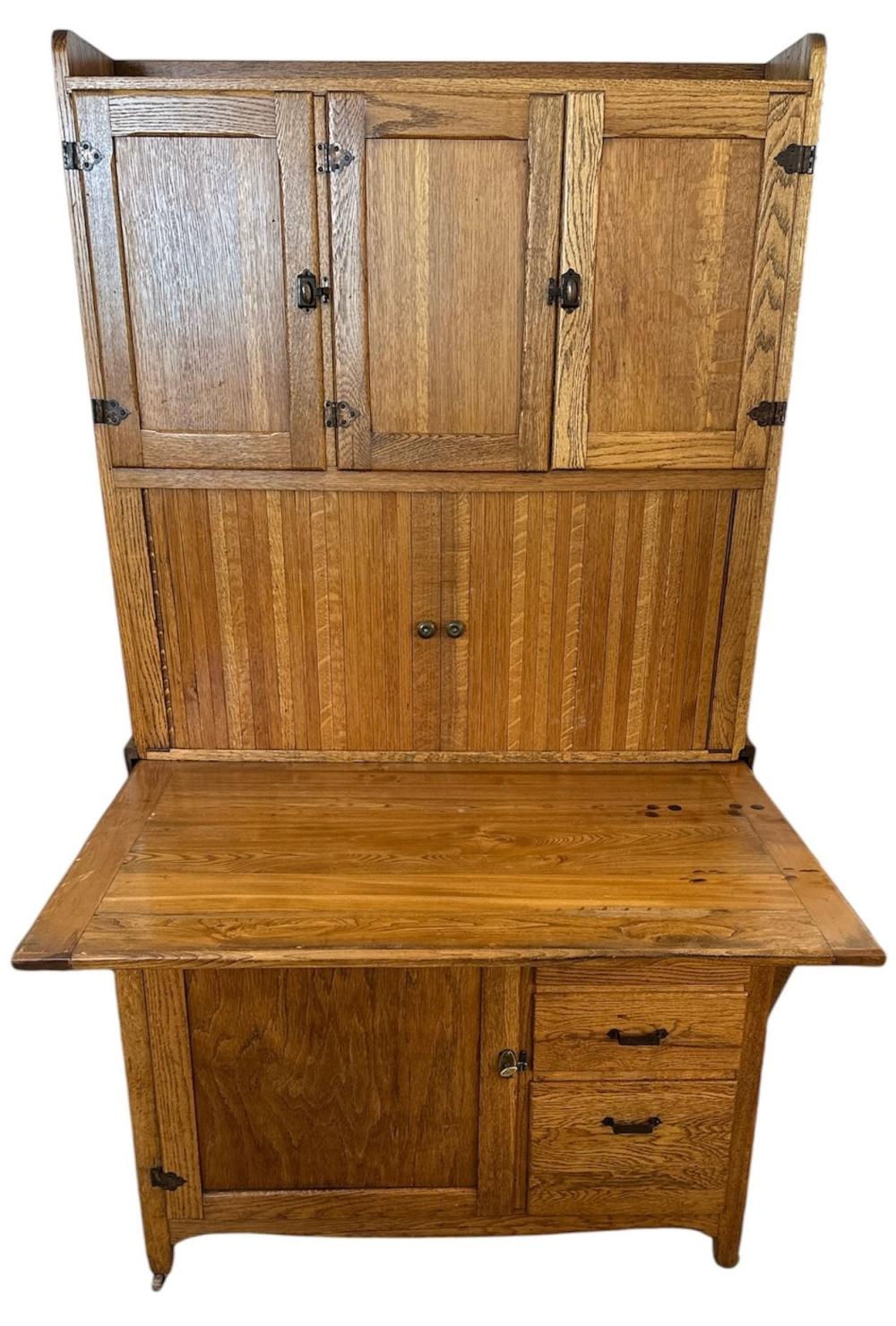 |
Antique Oak Hoosier CabinetSource blocked; provenance matched | Rivich Auction | 2024-05-09 | 230 | USD 200 (buyer’s-premium treatment unknown) |
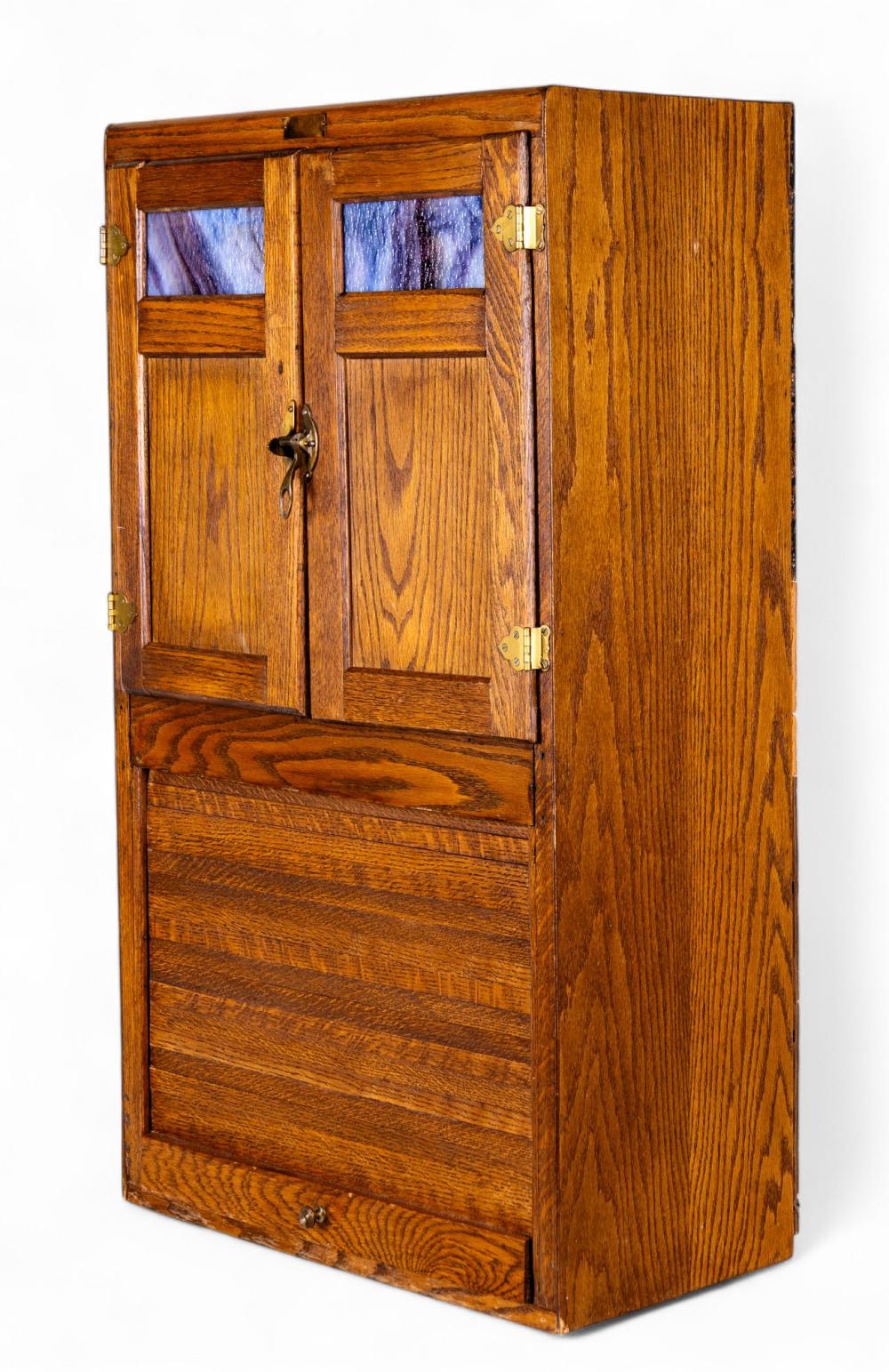 |
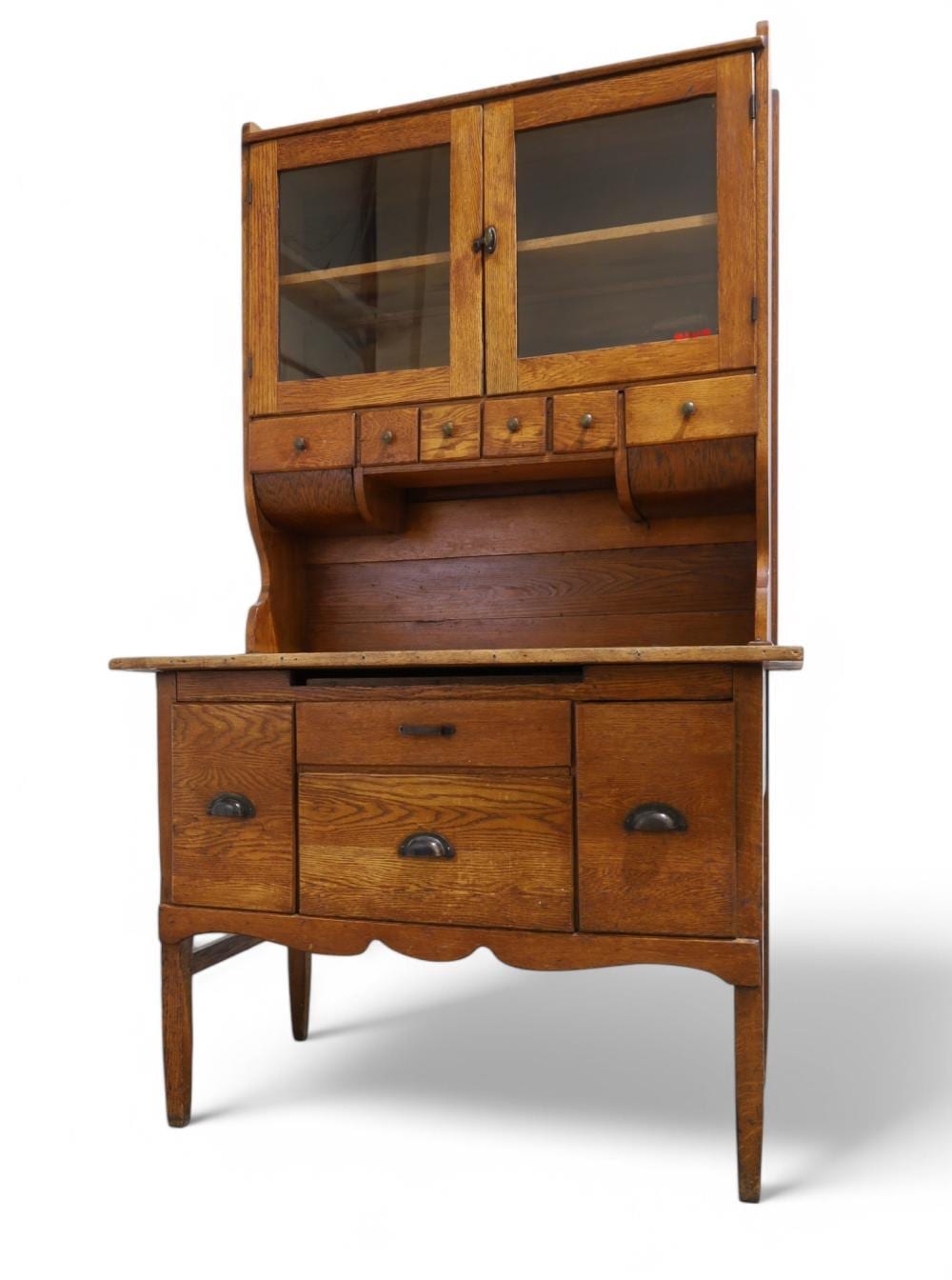
Table Top Hoosier-Style Cabinet w/ Slag GlassSource blocked; provenance matched | Keystone Auctions LLC | 2025-10-02 | 31 | USD 275 (buyer’s-premium treatment unknown) |
 |
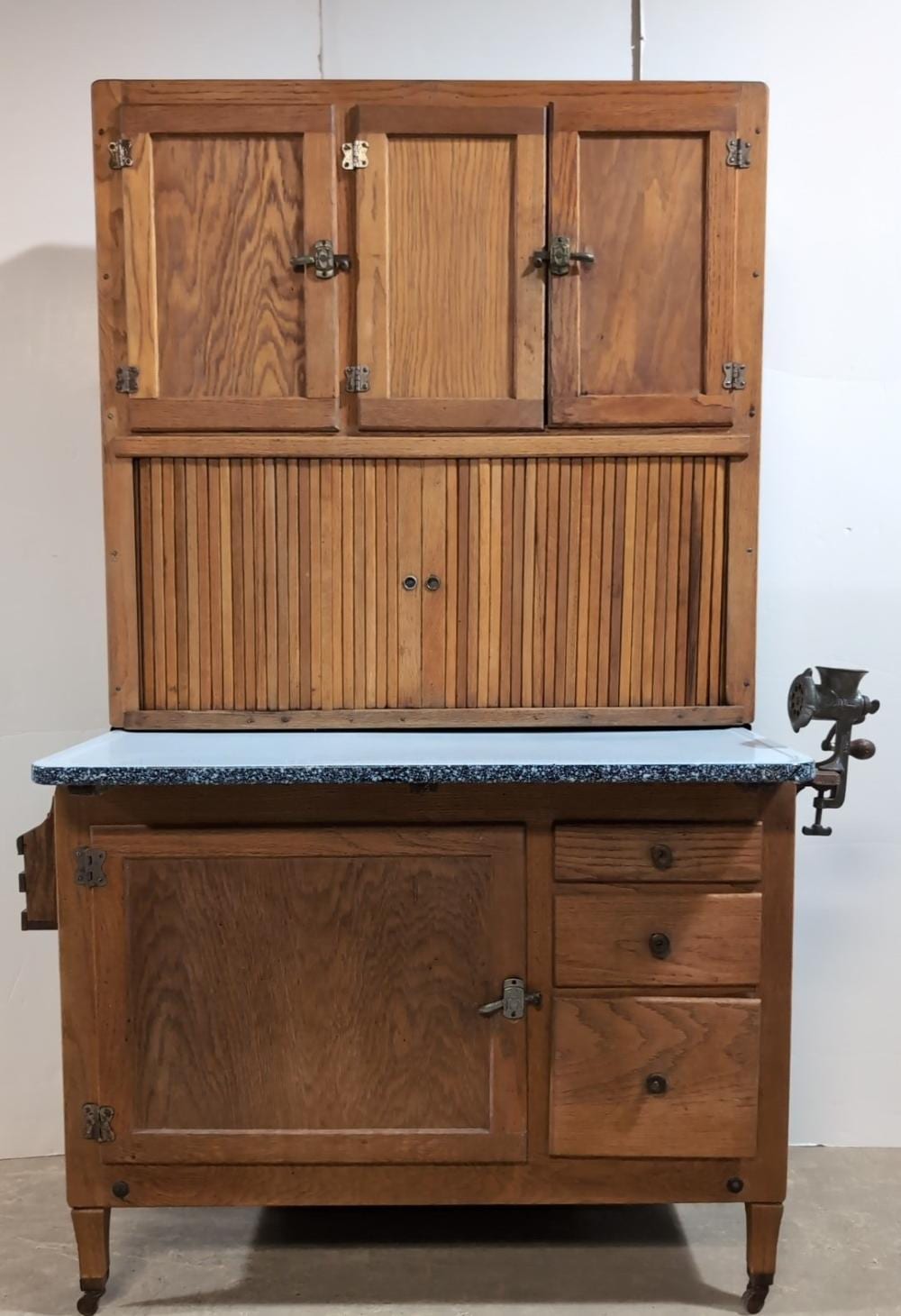
Antique Oak Hoosier CabinetSource blocked; provenance matched | Regency Auction House | 2025-02-27 | 91 | USD 225 (buyer’s-premium treatment unknown) |
 |
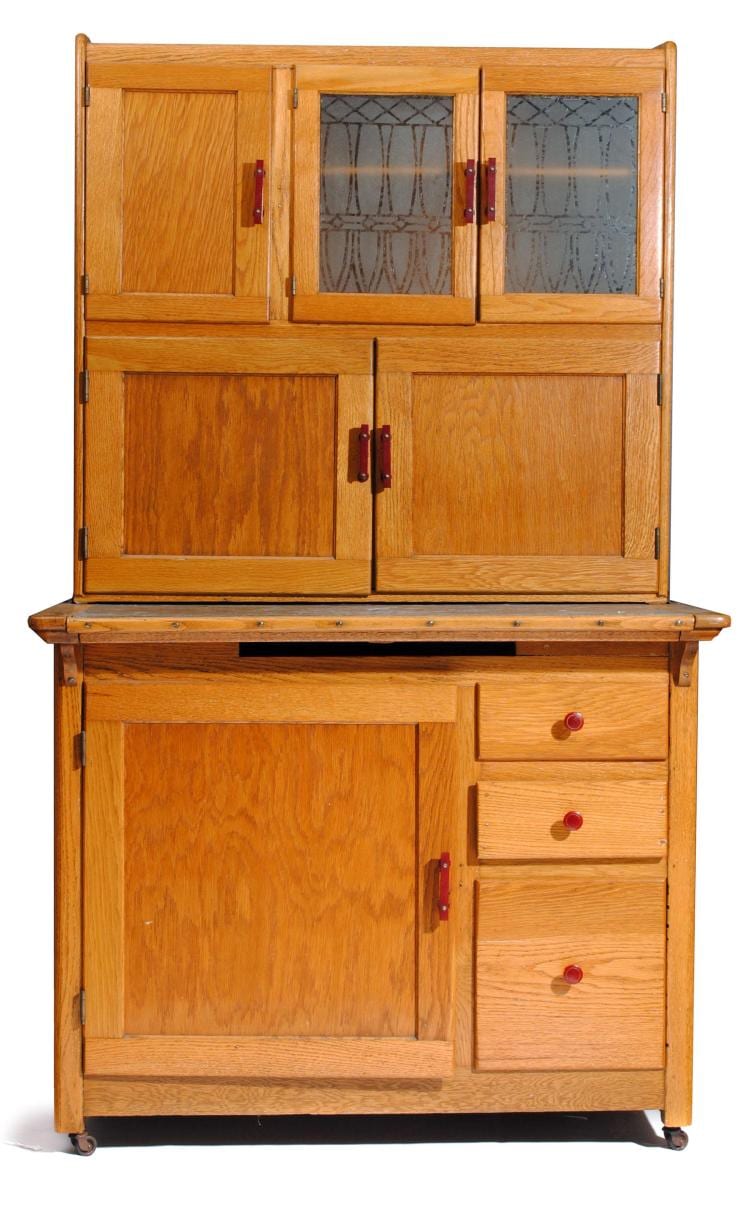
Antique oak Hoosier CabinetSource blocked; provenance matched | Heritage Antiques & Auction | 2024-04-06 | 168 | USD 425 (buyer’s-premium treatment unknown) |
 |
HOOSIER CABINET.Source blocked; provenance matched | Selkirk Auctioneers & Appraisers | 2017-11-11 | 72 | USD 240 (buyer’s-premium treatment unknown) |
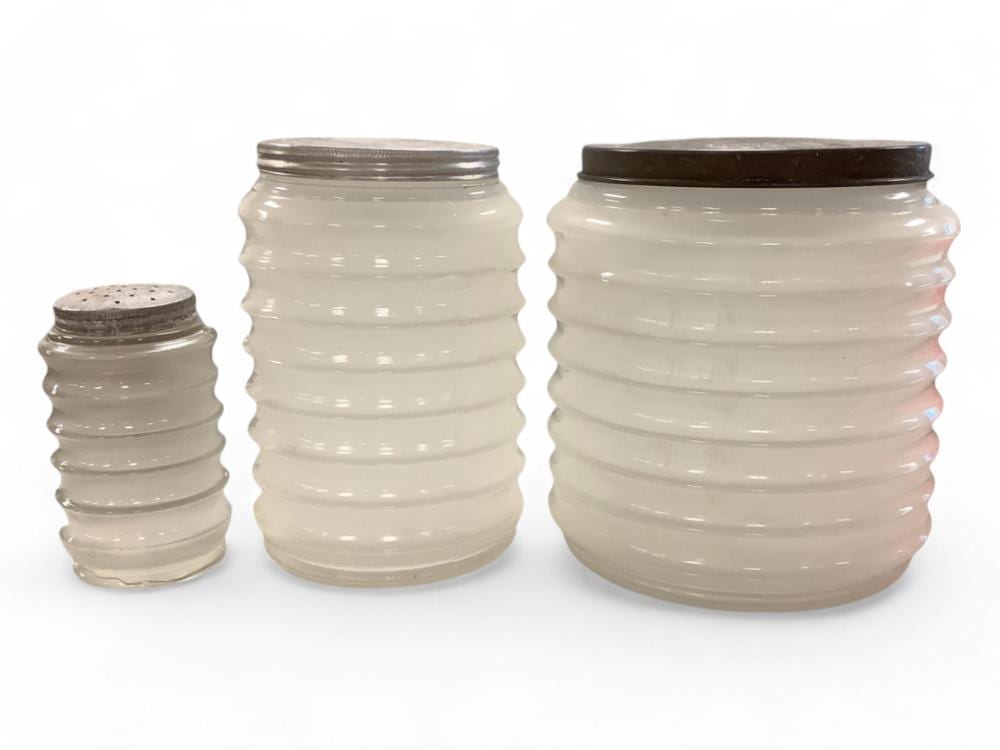 |
Antique Sellers Hoosier Cabinet Ribbed Glass CanistersSource blocked; provenance matched | Apple Tree Auction Center | 2024-11-14 | 4072 | USD 100 (buyer’s-premium treatment unknown) |
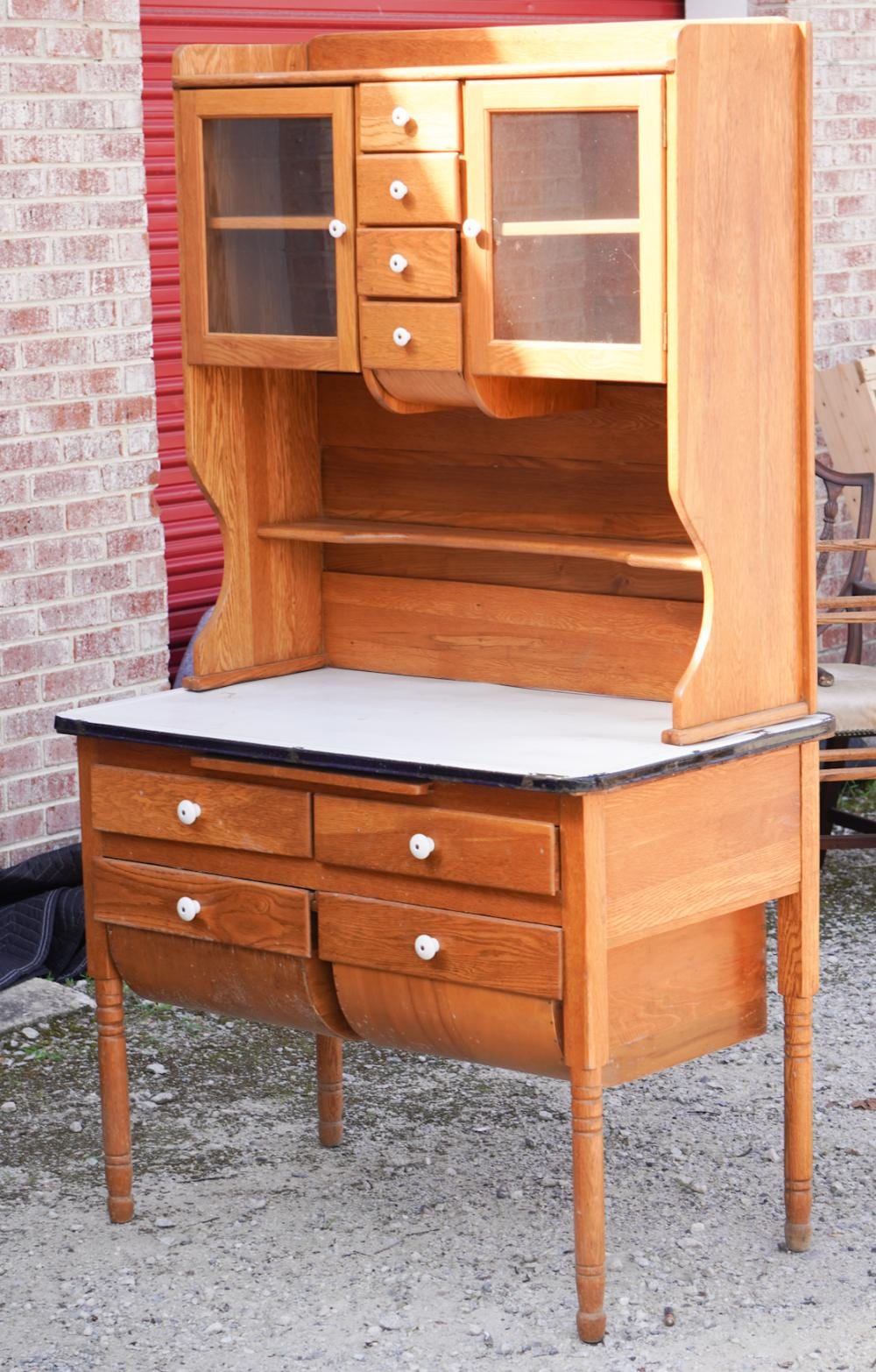 |
Antique American Hoosier CabinetSource blocked; provenance matched | Wooten & Wooten Auctioneers | 2025-09-06 | 608 | USD 150 (buyer’s-premium treatment unknown) |
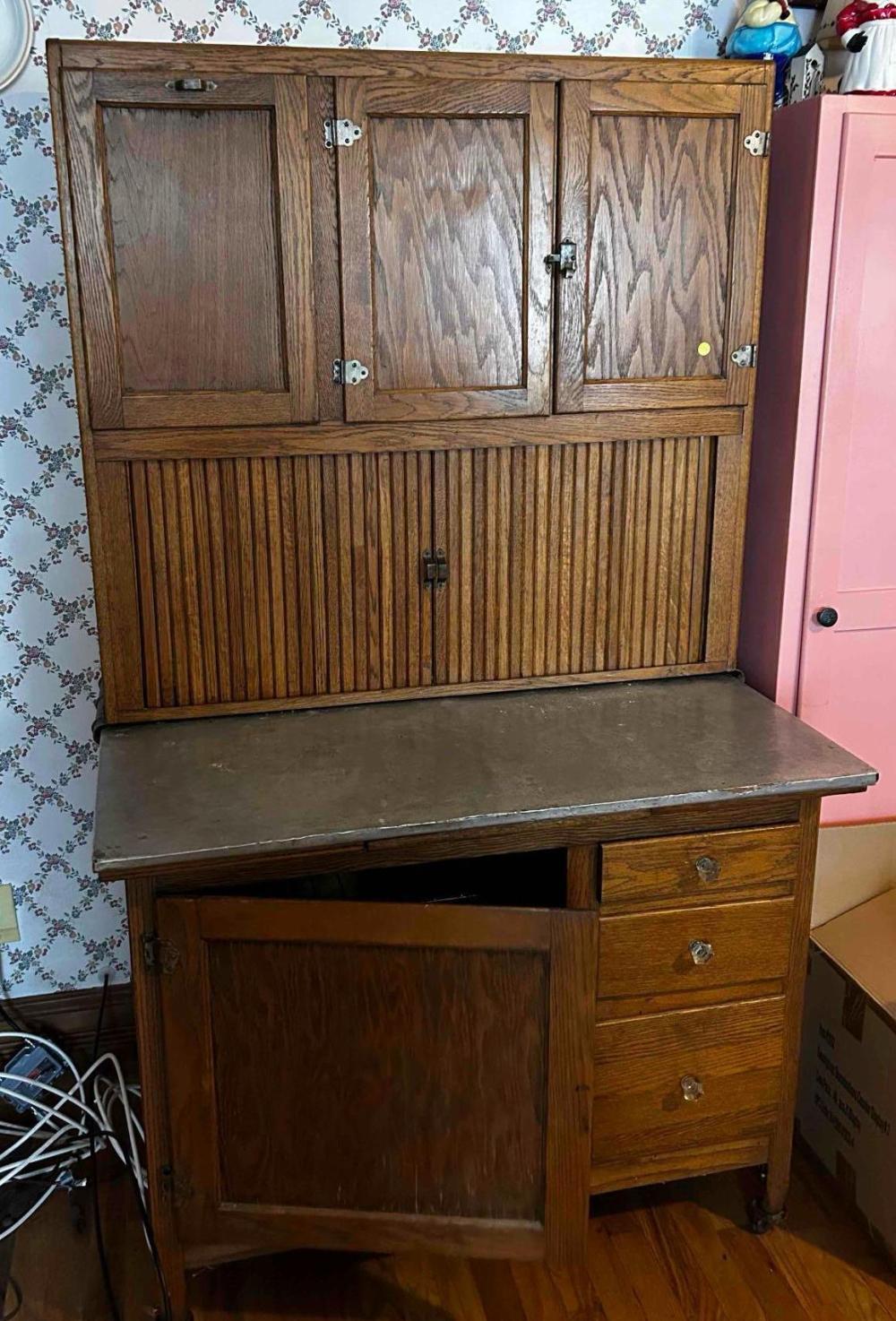 |
Oak Hoosier cabinetSource blocked; provenance matched | Atlee Raber Auctioneer | 2025-02-24 | 239 | USD 325 (buyer’s-premium treatment unknown) |
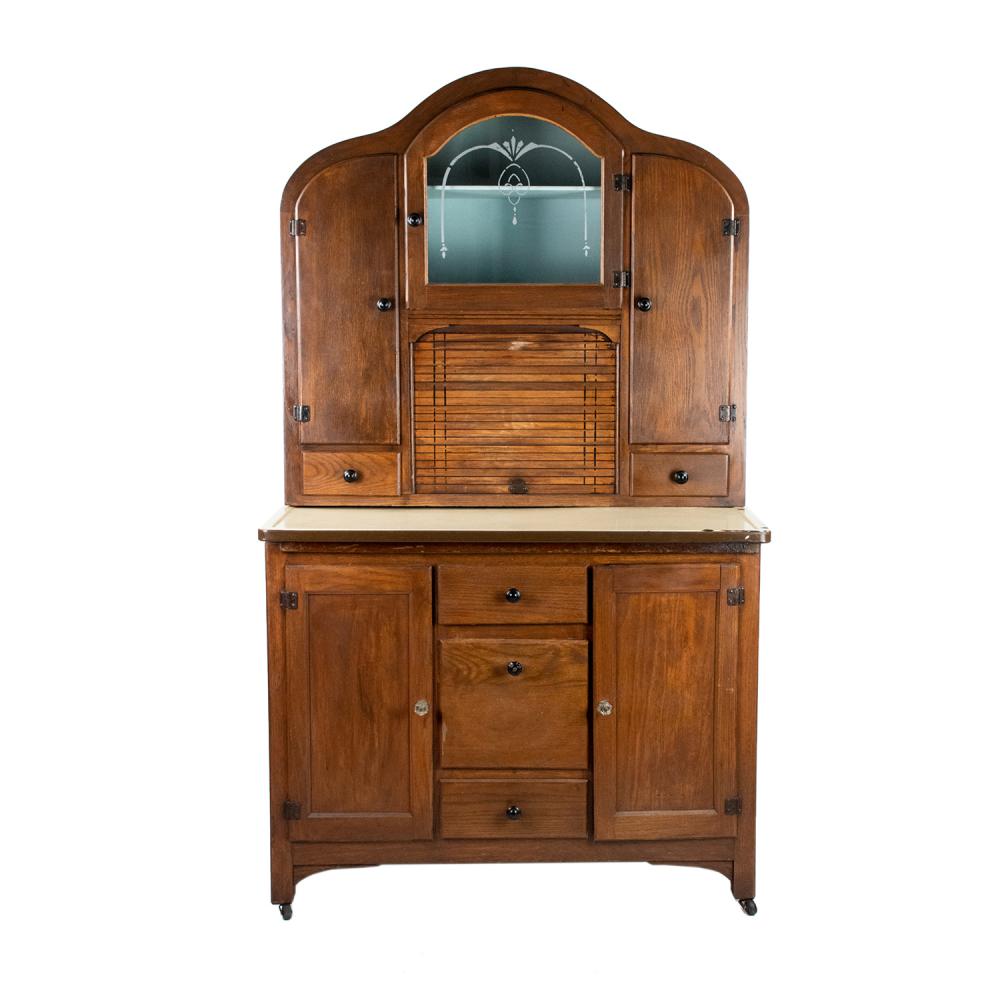 |
Antique Potter & Vaughn Wooden Art Deco Hoosier CabinetSource blocked; provenance matched | Atlanta Auction Gallery, ltd | 2021-07-24 | 56 | USD 500 (buyer’s-premium treatment unknown) |
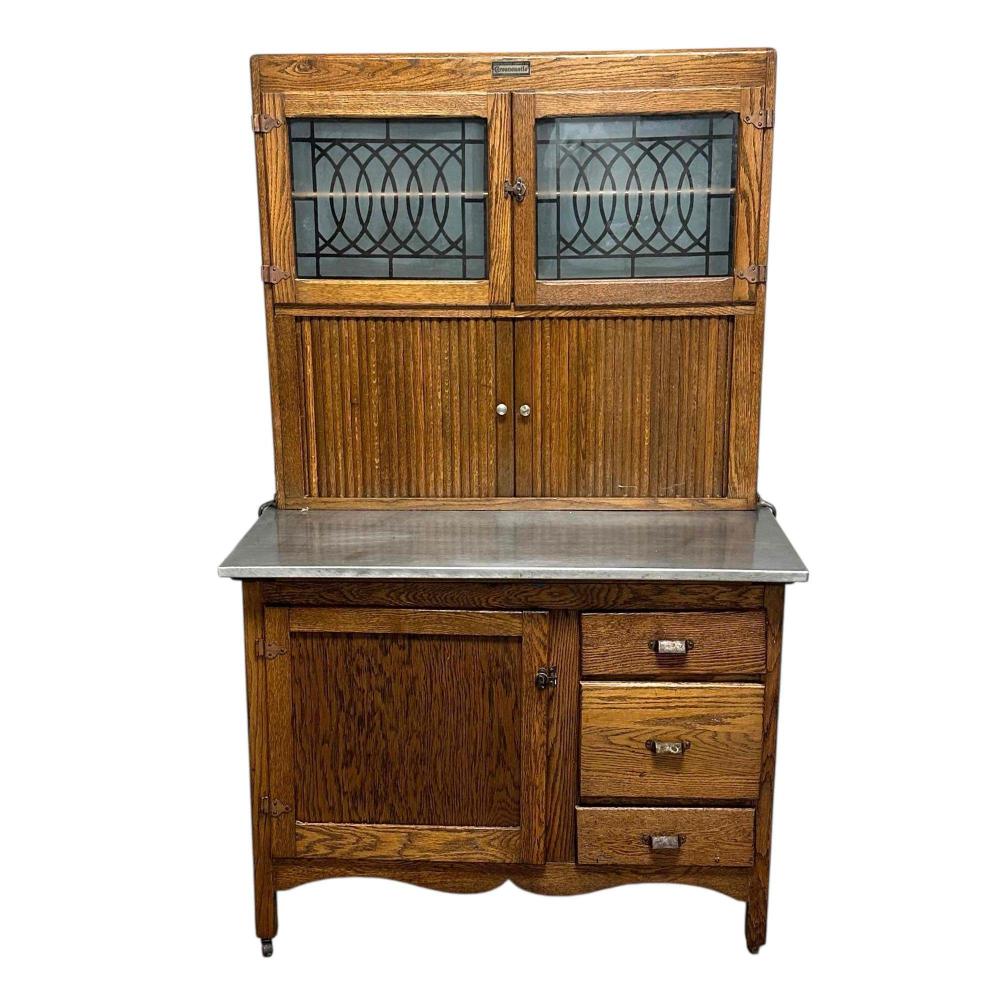 |
Antique American Oak Hoosier CabinetSource blocked; provenance matched | Premier Auction Galleries | 2026-03-07 | 131 | USD 260 (buyer’s-premium treatment unknown) |
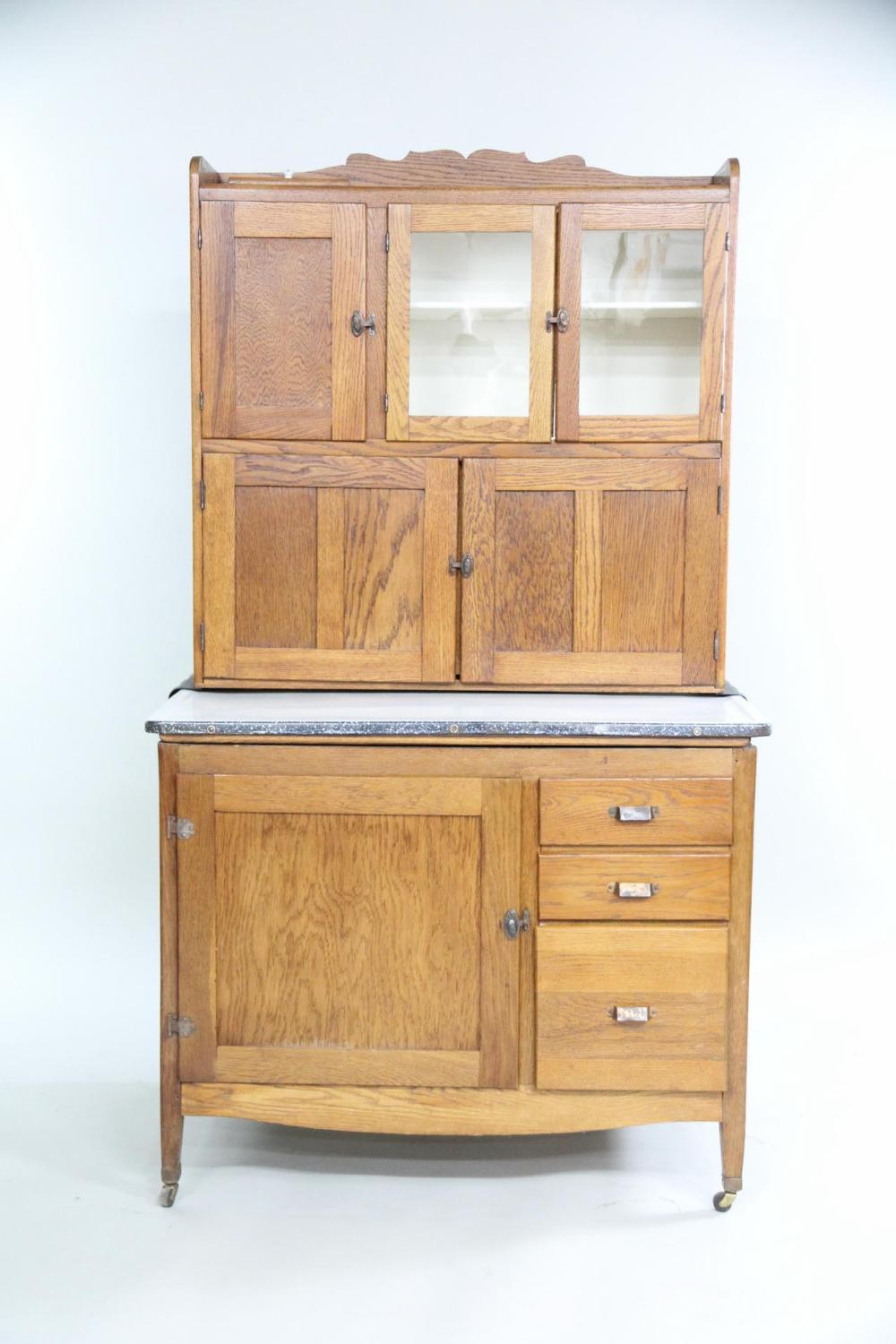 |
Oak & Enamel Hoosier CabinetSource blocked; provenance matched | Public Sale Auction House | 2026-04-25 | 55 | USD 325 (buyer’s-premium treatment unknown) |
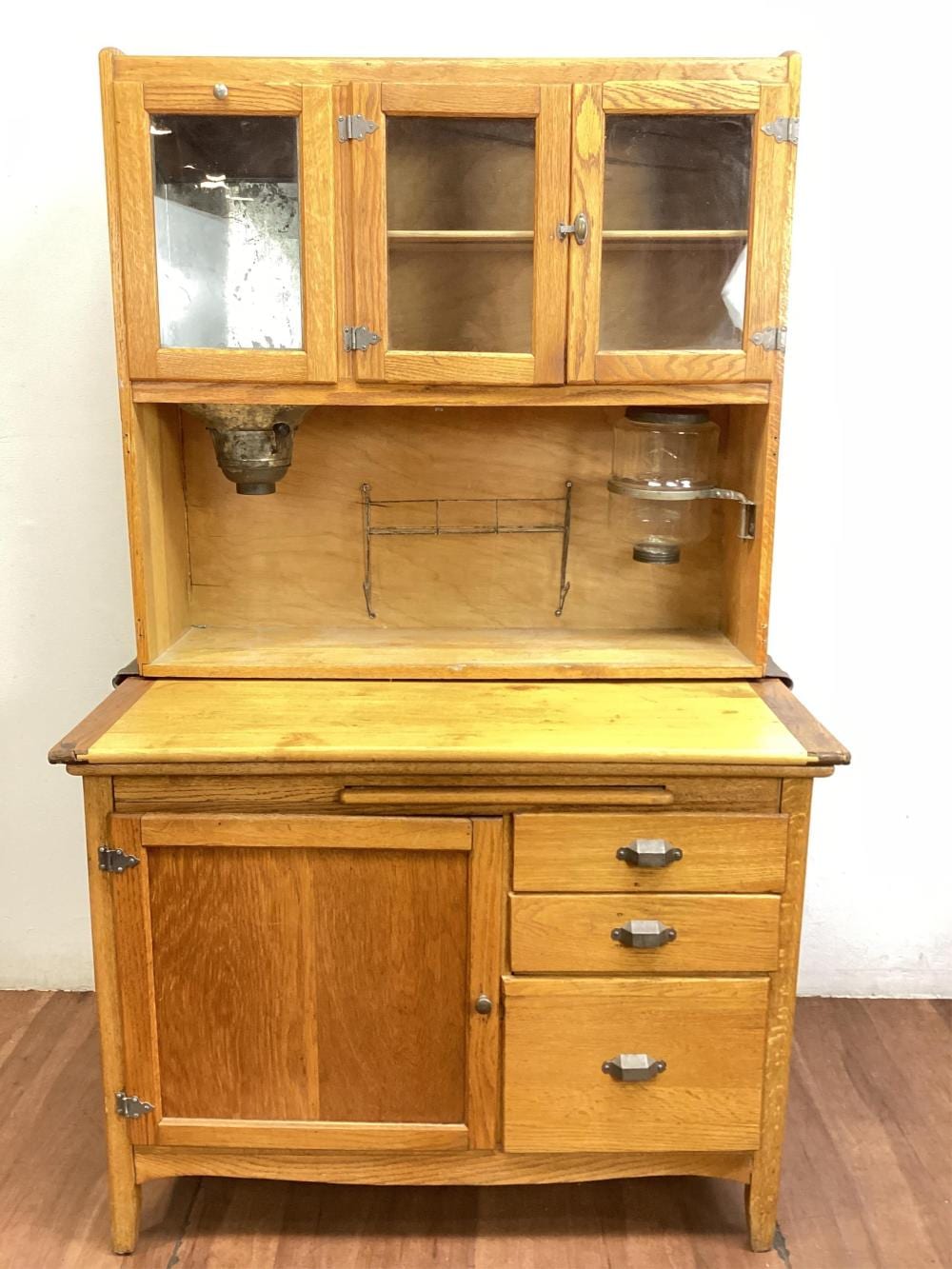 |
(2pc) Antique Hoosier 3-drawer Oak & Pine CabinetSource blocked; provenance matched | EJ'S Auction & Appraisal | 2024-02-10 | 2146 | USD 170 (buyer’s-premium treatment unknown) |
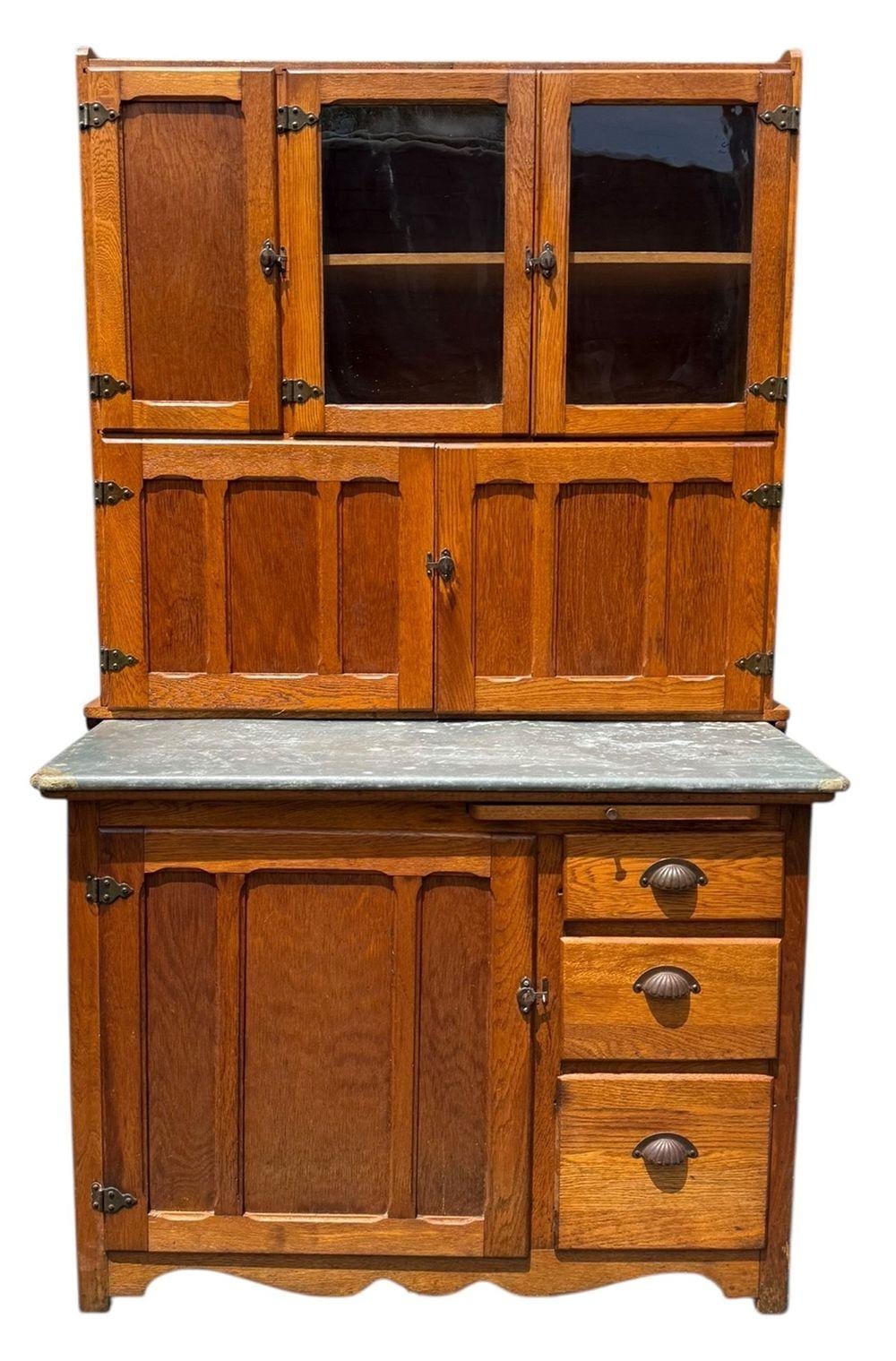 |
Antique Oak Hoosier Kitchen CabinetSource blocked; provenance matched | Rivich Auction | 2025-06-08 | 128 | USD 225 (buyer’s-premium treatment unknown) |
How these auction records were verified
Each row retains its exact source URL, lot identity, retrieval time, access result, and immutable record hash. Live source access was blocked; the exact record matched Appraisily's immutable pipeline provenance. Inspect the public comparable provenance record.
Disclosure: prices are shown as reported by auction houses and are provided for appraisal context. Learn more in our editorial policy.
Antique Hoosier Cabinet Value: appraisal and value basics
Antique Hoosier Cabinet Value research should start with identification, condition, provenance, and recent comparable sales. Use this guide to compare the signals that matter before paying for a formal appraisal or deciding whether to sell.
For collectors and homeowners alike, the Hoosier cabinet represents a charming piece of American kitchen history. These early 20th-century kitchen workstations have become highly sought-after antiques that can fetch anywhere from a few hundred to several thousand dollars depending on condition, manufacturer, and special features.
This comprehensive guide will help you understand what makes Hoosier cabinets valuable, how to identify authentic pieces, and determine what your cabinet might be worth in today’s market.
What Is a Hoosier Cabinet?
Hoosier cabinets were revolutionary all-in-one kitchen workstations manufactured primarily between 1898 and the 1940s. While the Hoosier Manufacturing Company of New Castle, Indiana, gave these cabinets their name, several companies produced similar units, including Sellers, McDougall, Napanee, and Boone.
What made these cabinets special was their ingenious design that combined storage space, work surfaces, and specialized features to improve kitchen efficiency during a time when modern fitted kitchens didn’t exist.
Key features of a classic Hoosier cabinet include:
- Upper cabinet with shelves and storage
- Pull-out or slide-out workspace/countertop
- Lower cabinet with additional storage
- Built-in flour sifter
- Sugar dispenser
- Spice racks
- Metal bread box or bread drawer
- Recipe card holder
- Special compartments for kitchen essentials
Historical Timeline of Hoosier Cabinets
Hoosier Cabinet History
- 1898
Initial Production
The Hoosier Manufacturing Company begins producing kitchen cabinets in New Castle, Indiana.
- 1900-1910
Early Growth Period
Design elements evolve; cabinets primarily feature oak with clear finishes. Competitors enter the market.
- 1910-1920
Golden Age
Peak production period with over 2 million cabinets sold. Functionality and efficiency improve with more specialized features.
- 1920-1930
Style Evolution
Art Deco influences appear; painted finishes become popular alongside traditional wood. Sellers and other manufacturers gain market share.
- 1930-1940
Decline Begins
Demand decreases as built-in kitchen cabinetry becomes more common in American homes.
- 1940s
End of Production
Most manufacturers discontinue Hoosier-style cabinets as modern kitchens become standard in new homes.
How to Identify an Authentic Hoosier Cabinet
Authentic Hoosier cabinets have distinctive features that separate them from modern reproductions or similar kitchen furniture:
Authenticity Verification Checklist
Look for these identifying features of genuine Hoosier cabinets
- Manufacturer's mark or label (check inside drawers and cabinet backs)
- Built-in flour sifter (typically metal with a crank mechanism)
- Original porcelain or enamel pull-out work surface
- Period-appropriate hardware (glass or metal knobs, latches)
- Original finish or appropriate age-related patina
- Slide-out or drop-down cutting board
- Specialized storage features (spice racks, sugar dispensers)
- Period-appropriate construction methods (dovetail joints, solid wood)
Major manufacturers to look for include:
- Hoosier Manufacturing Company (New Castle, Indiana)
- Sellers Kitchen Cabinet Company (Elwood, Indiana)
- McDougall Cabinet Company (Frankfort, Indiana)
- Napanee Kitchen Cabinet (Napanee, Indiana)
- Boone Kitchen Cabinet (Lebanon, Indiana)
- G.I. Sellers & Sons (Elwood, Indiana)
Look for manufacturer stamps, labels, or metal plates inside drawers, on cabinet backs, or underneath work surfaces. These markings are crucial for authentication and can significantly impact value.
Factors Affecting Hoosier Cabinet Value
When assessing the value of a Hoosier cabinet, consider these important factors:
1. Condition
Condition is perhaps the most significant factor affecting value. Cabinets in original condition with minimal damage command the highest prices.
Value Impact by Condition
How condition affects Hoosier cabinet market value
2. Manufacturer
Some manufacturers’ cabinets are more valuable than others due to quality, rarity, or historical significance.
- Hoosier Manufacturing Co.: The original and most desirable, often commanding 15-25% premium
- Sellers: Known for quality construction, close second to Hoosier in value
- McDougall: Known for distinctive features and high-quality construction
- Napanee & Boone: Generally valued slightly less than the more prominent brands
3. Original Features
The presence of original features and accessories greatly enhances value:
- Original porcelain or enamel work surface
- Built-in flour sifter with original metal parts
- Sugar and coffee dispensers with original glassware
- Metal bread box or drawer
- Spice racks with original containers
- Recipe card holder
- Original hardware (knobs, hinges, latches)
4. Materials & Finish
- Oak cabinets (especially quarter-sawn oak) typically bring higher prices
- Original finish is preferable to refinished pieces
- Original painted finishes (especially from the 1920s-30s) can be quite valuable
- White oak was most common in early production (1898-1920)
5. Age & Rarity
- Earlier models (pre-1920) generally bring higher prices
- Limited production models or those with unique features command premiums
- Cabinets with provenance or historical significance may have added value
Current Market Values for Hoosier Cabinets
While individual cabinet values vary widely based on the factors above, these price ranges reflect current market conditions for authentic antique Hoosier cabinets:
Recent auction results show consistent demand for quality examples:
</tbody> </table>

Where to Sell Your Hoosier Cabinet
Best Places to Sell Antique Hoosier Cabinets
Different selling venues offer various advantages depending on your cabinet’s value and your priorities:
- Specialty Antique Dealers: Often offer fair prices for quality pieces and handle the sales process
- Auction Houses: Can achieve premium prices for exceptional examples
- Online Marketplaces:
- eBay: Wide audience but higher fees and shipping challenges
- Facebook Marketplace: Good for local sales without shipping
- Etsy: Specializes in vintage items but has seller fees
- Antique Shows & Fairs: Direct access to collectors and enthusiasts
- Consignment Shops: Less work for you but typically take 30-50% commission
Tips for Buying Antique Hoosier Cabinets
Smart Buying Strategies
- Verify Authenticity: Use the checklist provided earlier to confirm you’re buying a genuine antique
- Inspect Thoroughly: Check for structural issues, damage, and repairs
- Evaluate Completeness: Note missing hardware, accessories, or features
- Consider Restoration Costs: Factor in potential restoration expenses for pieces in poor condition
- Research the Seller: Buy from reputable dealers, auction houses, or sellers with positive feedback
- Compare Prices: Research similar cabinets that have sold recently to ensure fair pricing
- Understand Shipping Challenges: These are large, heavy pieces that require specialized shipping
- Ask About Provenance: Documentation of history and ownership can add value
Pre-Purchase Inspection Checklist
What to check before buying a Hoosier cabinet
- Check structural integrity of the cabinet (no wobbly joints or loose panels)
- Inspect drawers for smooth operation and proper construction
- Test all hardware (knobs, latches, doors) for functionality
- Look for water damage, especially on work surfaces and lower sections
- Check for signs of woodworm or other pest damage
- Verify that pull-out surfaces and cutting boards operate correctly
- Inspect metal components for severe rust or deterioration
- Confirm all mechanical features (flour sifters, etc.) are functioning
Restoration and Preservation
Restoration Guidelines
When considering restoration of a Hoosier cabinet, follow these principles to preserve value:
- Maintain Original Finish When Possible: Original finishes, even with some wear, are typically preferable to refinishing
- Use Period-Appropriate Materials: If restoration is necessary, use historically accurate materials
- Document the Process: Keep records of any restoration work done
- Limit Modifications: Avoid modern alterations that change the cabinet’s original character
- Seek Professional Help: For valuable pieces, consult with a furniture restoration specialist
Preservation Tips
To maintain your cabinet’s condition and value:
- Climate Control: Keep away from extreme temperature and humidity changes
- Avoid Direct Sunlight: Prevent fading and wood damage
- Clean Appropriately: Use furniture-specific cleaners appropriate for the finish
- Wax Periodically: Apply furniture wax 1-2 times per year
- Handle Hardware Carefully: Clean original hardware gently without harsh chemicals
- Store Porcelain Safely: Wrap porcelain components in acid-free tissue when not in use
Common Questions About Hoosier Cabinet Values
Hoosier Cabinet Value FAQs
How can I tell if my cabinet is a genuine Hoosier?
- Manufacturer markings inside drawers, on the back panel, or under work surfaces
- Built-in flour sifters with original metal components
- Pull-out or slide-out work surfaces (typically porcelain or enamel)
- Period-appropriate hardware and construction methods
- Special features like sugar dispensers, spice racks, and bread compartments
What is the most valuable type of Hoosier cabinet?
- Original manufacturer (especially Hoosier Manufacturing Company)
- Excellent condition with original finish
- Complete set of original accessories and hardware
- Early production date (pre-1920)
- Rare features or limited production models
How much does a Hoosier cabinet with a flour sifter value?
What kind of wood were Hoosier cabinets made of?
- White Oak - Most common for cabinets produced during the clear finish era (1898-1920)
- Red Oak - Used in some models
- Maple - Occasionally used, especially in later models
- Pine - Sometimes used for interior components
How old are Sellers Hoosier cabinets?
- Early period: 1898-1915
- Middle period: 1915-1930
- Late period: 1930-1940s
Does refinishing a Hoosier cabinet decrease its value?
- Original finish with natural patina
- Original hardware and accessories
- Authentic paint colors (if painted originally)
However, if a cabinet is severely damaged, professional restoration might be necessary. If restoration is required, it’s best to:
- Document the cabinet’s condition before work begins
- Use period-appropriate materials and techniques
- Preserve as much original material as possible
- Maintain historical accuracy in colors and finishes
Where can I find replacement parts for my Hoosier cabinet?
Finding authentic replacement parts for Hoosier cabinets can be challenging but possible through:For difficult-to-find components, consider joining collector forums or Facebook groups dedicated to Hoosier cabinets, where members often share sources for parts and restoration materials.
- Specialty antique hardware retailers
- Salvage operations that part out damaged cabinets
- Online marketplaces like eBay and Etsy (search "Hoosier cabinet parts")
- Antique shows and fairs
- Reproduction hardware manufacturers like Van Dyke’s Restorers
External Resources
Helpful Hoosier Cabinet Resources
eBay Hoosier Cabinet Listings
Browse current listings and recently sold Hoosier cabinets to get a sense of current market values and availability.
Apartment Therapy: Identifying Hoosier Cabinets
Learn how to identify authentic Hoosier cabinets and what makes them special in this informative guide.
Coppes Commons Museum
Expert guidance on dating your Hoosier cabinet from a museum dedicated to Coppes cabinet history.
LoveToKnow: Antique Hoosier Cabinets
Comprehensive guide covering history, identification techniques, and value determinants for antique Hoosier cabinets.
1stDibs Hoosier Cabinet Collection
Browse high-end Hoosier cabinets from reputable dealers to understand premium market values.
HouseDigest: Authenticity & Value Guide
Expert insights on authenticating Hoosier cabinets and determining their current market value.
Conclusion: Preserving American Kitchen History
Antique Hoosier cabinets continue to be prized possessions for collectors, enthusiasts, and interior designers who appreciate their historical significance, practical design, and timeless charm. Whether you’re looking to buy, sell, or simply appreciate these remarkable pieces of Americana, understanding their value factors will help you make informed decisions.
The best Hoosier cabinets combine historical authenticity with practical functionality – a testament to American ingenuity that transformed kitchen work in the early 20th century. By preserving these pieces, we maintain a tangible connection to the evolution of the American home.
If you own a Hoosier cabinet, take pride in its history and craftsmanship. With proper care and maintenance, these versatile pieces will continue to be both valuable collectibles and functional pieces of furniture for generations to come.
Free first look
Not sure whether this Hoosier cabinet needs an appraisal?
Photograph the whole object, joinery, hardware, marks, dimensions, surface, missing parts, repairs, and structural condition. The photo-based Screener can help identify the likely category and visible evidence gaps before you pay for documentation.
Upload photos for a free first lookFree. No card needed. The photo upload usually takes about two minutes.
The free first read is a separate photo-based Screener, not this educational article. Results usually appear within a few minutes; complex items can take longer. From photographs of your Hoosier cabinet, it returns a preliminary category or identity read, visible evidence gaps, rough comparable market signals, and whether a human appraisal looks worthwhile; it is not a signed value conclusion. Material or construction can remain uncertain without direct examination, dimensions, provenance, or complete condition details. A written appraisal is useful when your Hoosier cabinet needs documented specialist support for insurance, tax, an estate, authentication, litigation, or a consequential sale, but you may not need one.
Choose your next step
Use the path that matches the decision you need to make about the item.
Not sure it is worth appraising?
Start with a lower-friction screen to understand the likely category, evidence, and next step.
Upload photos for a free first lookWant proof before paying?
See how a signed report documents photos, comparable evidence, condition notes, and value conclusions.
View signed report sampleNeed a signed report?
Use this for insurance, estate, donation, resale, or documented value decisions.
Need documentation now? Start signed appraisalNeed local or specialist help?
Compare directory options when the work needs in-person review or a specialist near you.
Find local specialistsSee what the report looks like
Sample reports show how photos, comparable evidence, condition notes, and a value conclusion are documented.
Get a Professional Appraisal
Unsure about your item’s value? Our certified experts provide fast, written appraisals you can trust.
- Expert report with photos and comps
- Fast turnaround
- Fixed, upfront pricing
No obligation. Secure upload.
Continue your valuation journey
Find the right local specialist
Compare antique and art appraisers by location and specialty in one directory.
Antique & art specialists
Browse the Antique & Art Appraisers Directory
Choose a local specialist when the assignment needs in-person inspection or a specific credential.
Machine-readable summaries
Use these machine-friendly references for AI and crawler discovery of Appraisily content.
Ready for pricing guidance?
Start a secure online appraisal
Upload images and details. Certified specialists respond within 24 hours.
Upload photos for a free first look View signed report sample