

Start with the practical upside, then test risk
The first useful question is not “how old is this piece?” It is “what could a buyer actually care about?” A bowl tied to a known maker, good condition, and strong use-history evidence usually moves from decorative to collectable faster than an anonymous, over-repaired example.
That distinction matters before you do anything else. Your job is not to prove that the piece is old, it is to prove why one buyer sees it as scarce and another sees it as ordinary.
Check the material first: porcelain, silver, and glass are priced by different rules
Material sets the baseline. A porcelain service piece with high technical quality and glaze consistency usually has a broader buyer pool than decorative glass with obvious studio variation. Silver is a different market: workmanship and hallmarks matter, but condition on rims, seams, and solder can move value faster than age wording.
For this guide, the practical split is:
- Ceramic and porcelain: glaze, kiln signature, decorative vocabulary, and pattern survivability drive price.
- Glass: cut quality, color stability, mold line quality, and provenance of the maker often beat broad style claims.
- Wood and mixed-material pieces: joinery, wear pattern, and material pairing matter more than one visible flourish.
- Silver and metal: assay, hallmarks, polishing condition, and repairs dominate final confidence.
None of these rules are guarantees. They are market filters. That is exactly why buyers trust detailed proofs over generic labels.
Use maker clues as identity, not a silver bullet
Maker clues are still the most useful shortcut for a reader, but they are only one leg of the value stool. A strong mark can narrow search results quickly, but every appraisal case includes exceptions: relabelled pieces, family workshop marks, and post-production imitators.
Work backward from the mark before you score the piece:
- Can the mark be photographed straight-on in natural light?
- Can it be compared to known catalogs, not social posts?
- Is there evidence of hand-finished features that support, or contradict, the claimed maker?
- Does repair history align with the mark’s location and expected use?
If one of these fails, you should lower confidence and value-weight your condition and rarity assumptions accordingly.
Read age clues from production style and use patterns
Age is not a date line in one paragraph. It is a pattern system. Look at paste composition, rim profile evolution, and decorative logic.
For bowls, age clues usually show up in three places:
- Profile: older bowls often show period-specific lip shape and base geometry.
- Glaze behaviour: crazing is not automatically damage; in some periods it is consistent with original production.
- Use marks: edge wear from table use can support authenticity when matched with period-appropriate patina.
The common mistake is confusing uniform patina with age. A convincing restoration can imitate most signs of age for a short period; provenance and buyer-facing documentation are what separates proof from appearance.
Condition is where value is won or lost most quickly
Condition is where many readers overpay. Small defects can be acceptable if they are old, stable, and honestly described. New damage, stress fractures, heavy fill, and glaze mismatch usually cap what a buyer pays.
Use this sequence in practice:
- Map damage type: chip, crack, glaze loss, missing base, repaired split, rewired handle, replaced metal trim.
- Assess repair quality: invisible and old can be acceptable; obvious and unstable reduces confidence.
- Separate visual defects from structural risk: a small old glaze nick may be less serious than a clean fracture hidden under a gold rim.
- Photo from three angles: rim, base, and underside.
In market terms, condition changes the value range first. If your bowl has unresolved structural risk, you can still estimate it, but you should present a wider discount band and explain the repair path clearly.
Build a valuation stack before you call a value
Do not use one clue as a deciding factor. Use a repeatable stack so your estimate is defendable:
Stack formula (practical version):
- Base value from material and maker family.
- Age multiplier from production period and pattern consistency.
- Condition adjustment for repair risk and wear quality.
- Demand modifier for comparable market activity and buyer intent.
- Provenance and photos to validate each prior step.
If one step is uncertain, move down a tier rather than inventing precision. This is the difference between a useful estimate and a promise.
Note: We couldn’t find enough auction records that directly match Antique Bowls Value Guide: Material, Age, Maker, and Condition Clues to publish a defensible price table. If you are valuing a specific item, include its maker, model, material, photos, and condition so the search can be narrowed.
What similar items actually sold for
To help ground this guide in real market activity, here are recent example auction comps from Appraisily’s internal database. These matched sales are market context only, not an object estimate or identification, and they do not guarantee a price for your specific bowl.
Shown USD range: USD 25-USD 19,000. Median of these 8 USD examples: USD 95.
| Comparable | What sold | Auction house | Date | Lot | Source-reported amount |
|---|---|---|---|---|---|
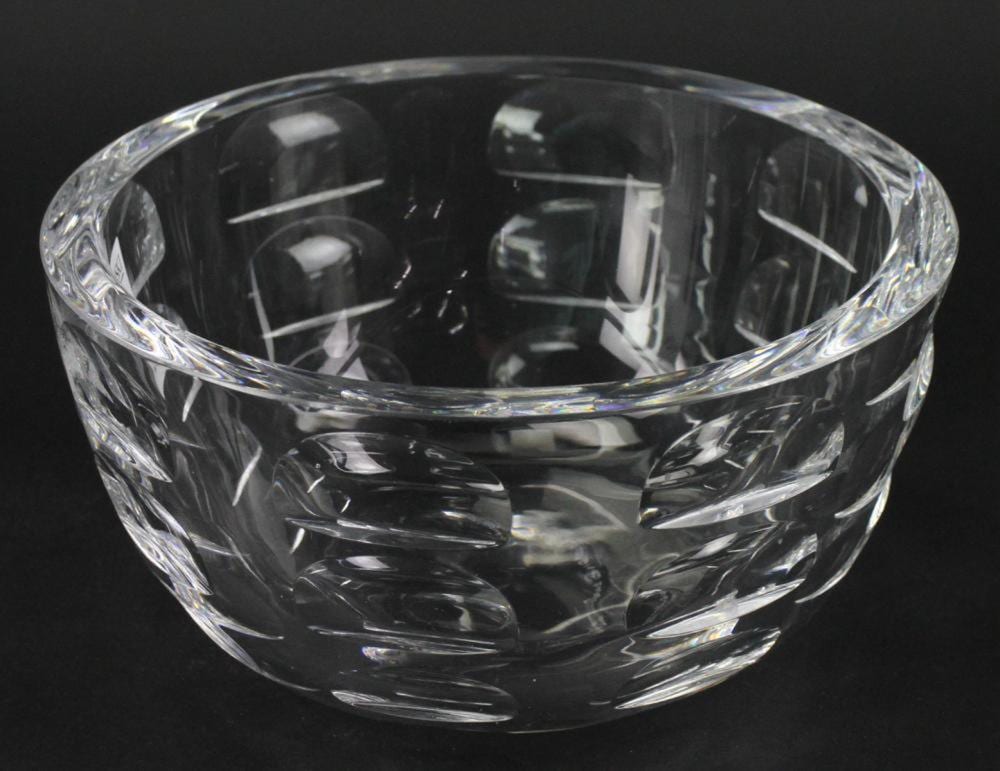 |
Orrefors Crystal Cut Glass Bowl | Kaminski Auctions | 2025-11-29 | 409 | USD 100 (buyer’s-premium treatment unknown) |
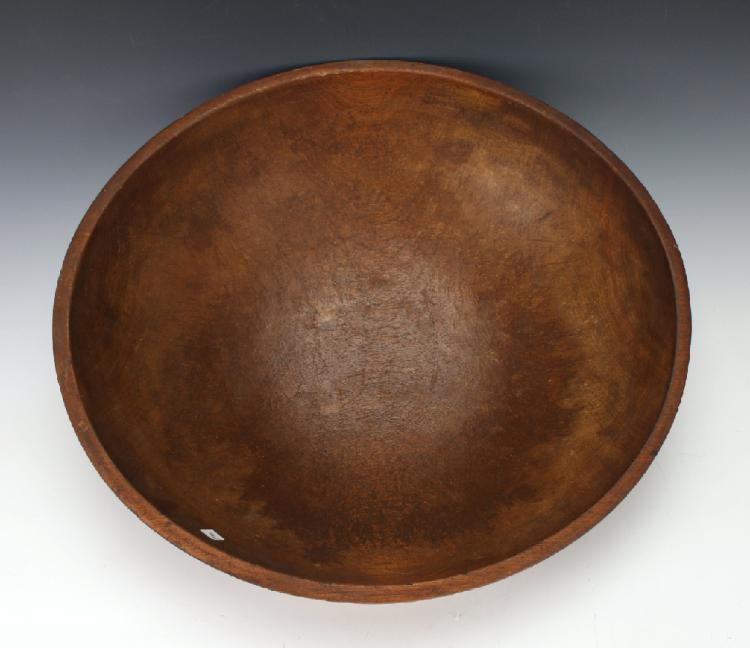 |
LARGE WOODEN DOUGH BOWL | Converse Auctions | 2017-12-01 | 359 | USD 120 (buyer’s-premium treatment unknown) |
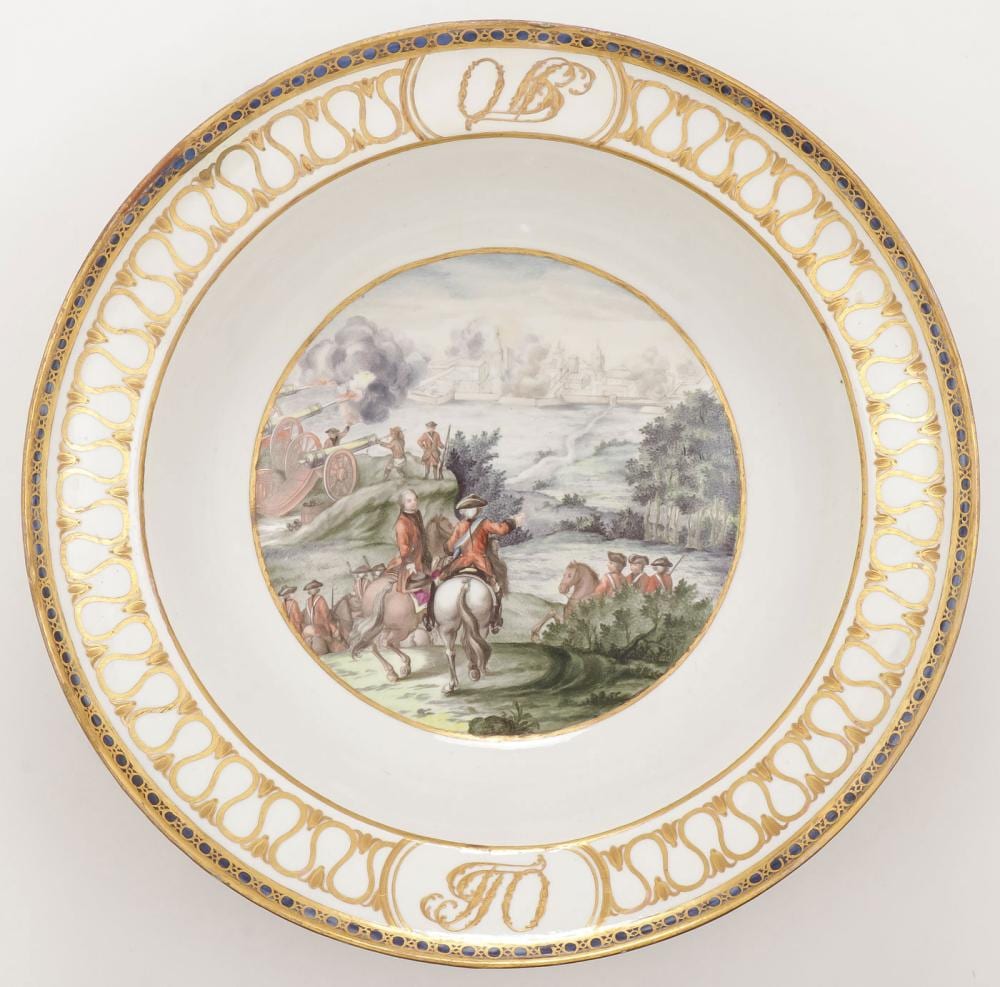 |
RUSSIAN IMPERIAL PORCELAIN BOWL | Jackson's International | 2024-11-19 | 13 | USD 19,000 (buyer’s-premium treatment unknown) |
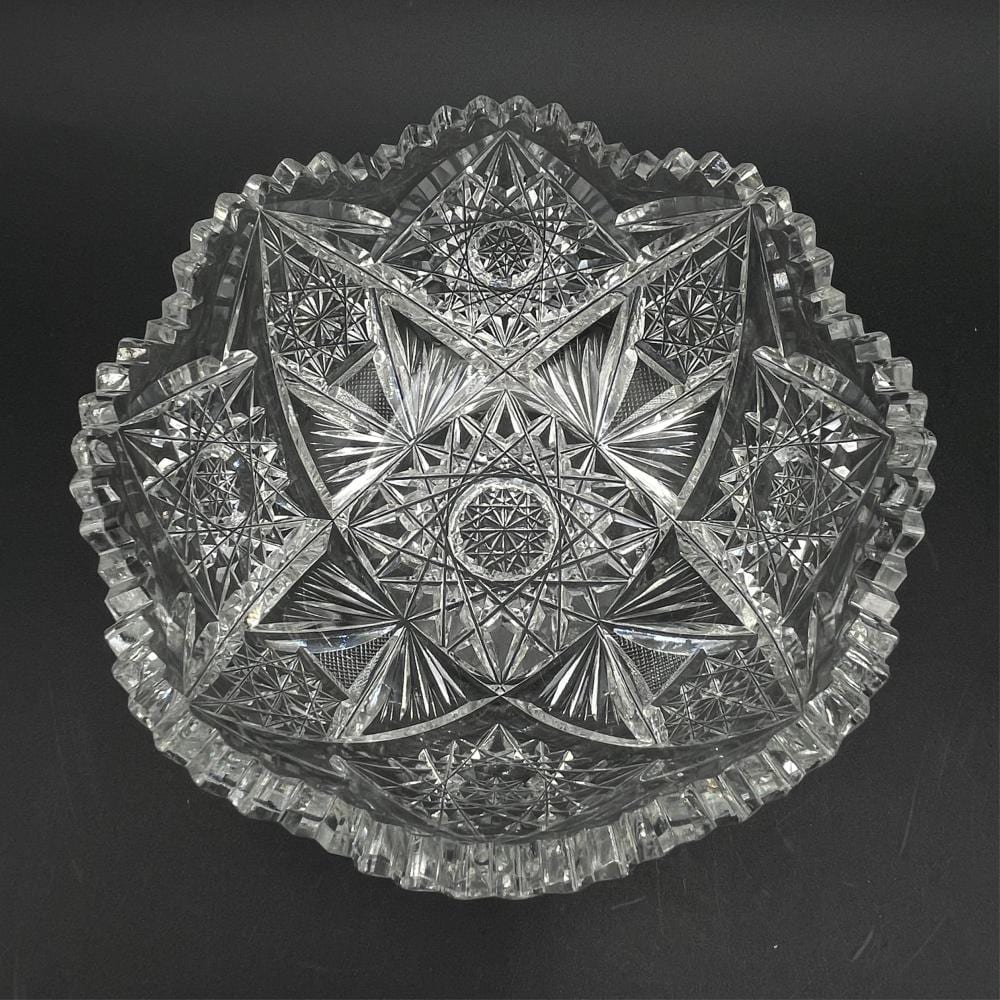 |
American Brilliant Period Cut Glass Bowl 7 in. (17.8 cm.) | Asselmeier May Auctions | 2026-01-04 | 242 | USD 25 (buyer’s-premium treatment unknown) |
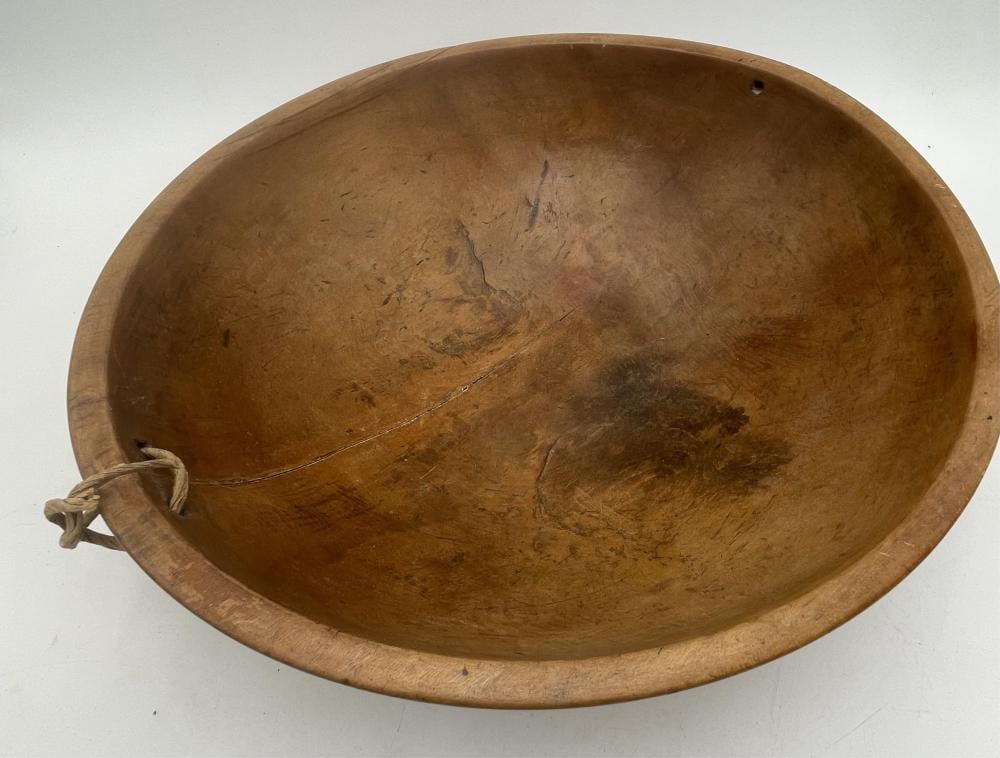 |
Round Wooden Dough Bowl, 15" | Asselmeier May Auctions | 2026-06-07 | 96 | USD 90 (buyer’s-premium treatment unknown) |
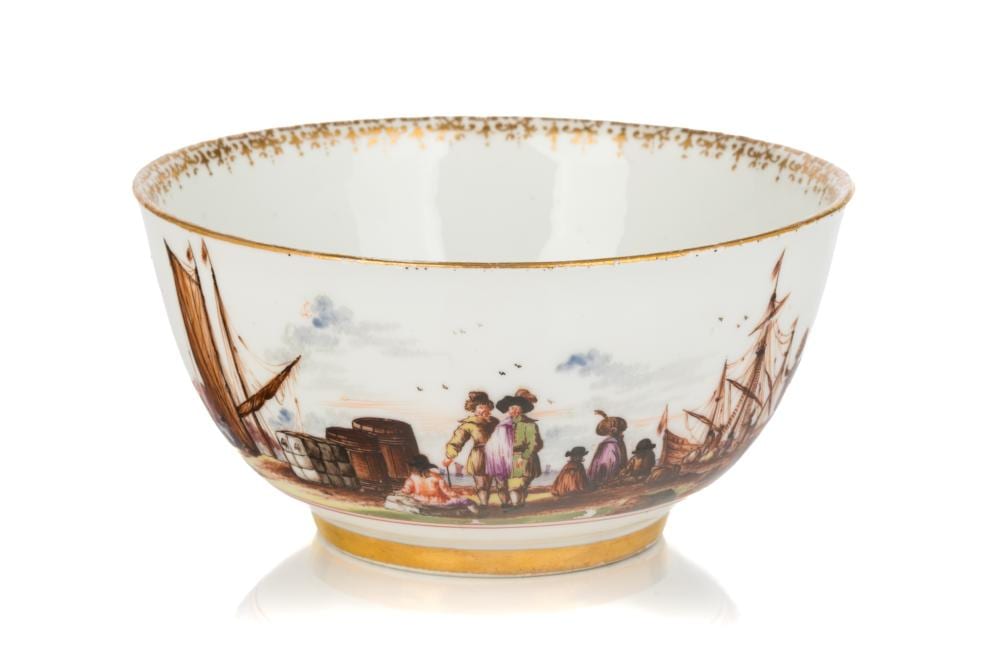 |
18TH C MEISSEN PORCELAIN BOWL | A. H. Wilkens Auctions & Appraisals | 2025-11-12 | 2043 | CAD 2,400 (buyer’s-premium treatment unknown) |
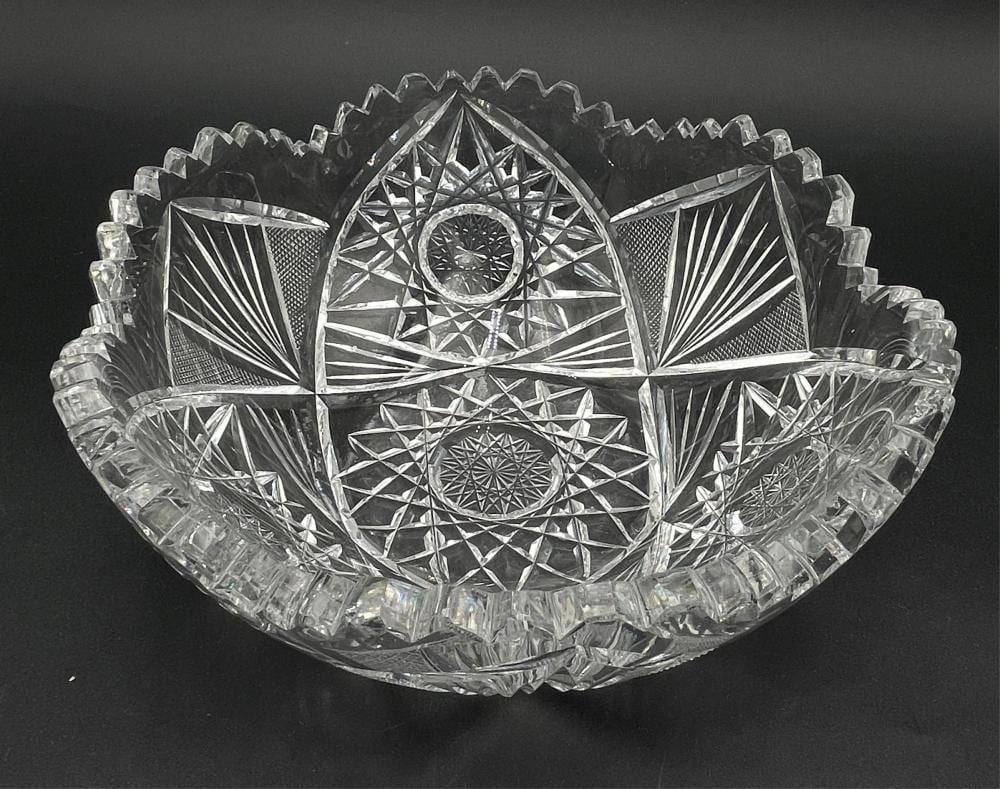 |
American Brilliant Period Cut Glass Bowl, 8 in. (20.3 cm.) | Asselmeier May Auctions | 2026-01-04 | 235 | USD 30 (buyer’s-premium treatment unknown) |
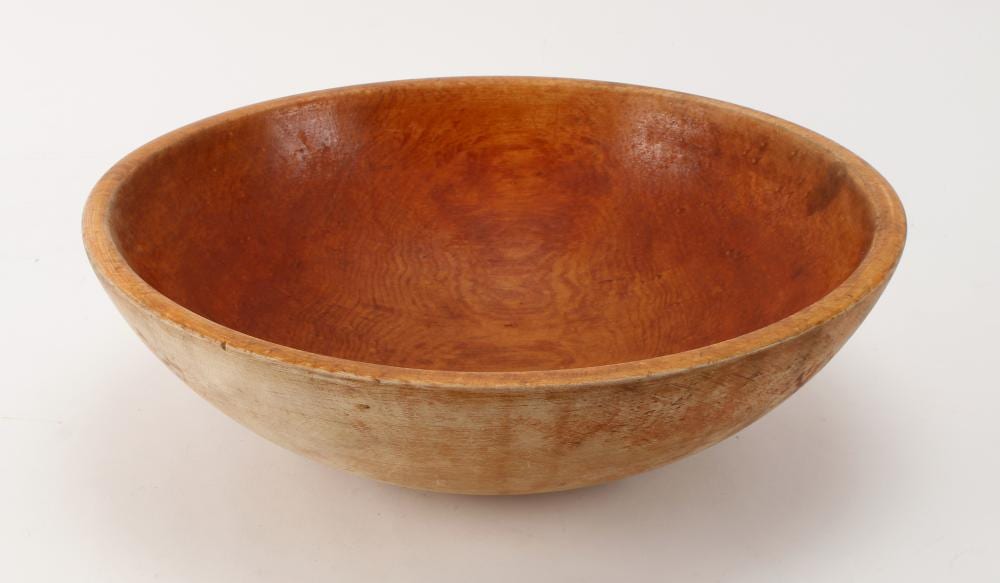 |
LARGE 19TH C WOODEN DOUGH BOWL | Converse Auctions | 2018-09-07 | 307 | USD 80 (buyer’s-premium treatment unknown) |
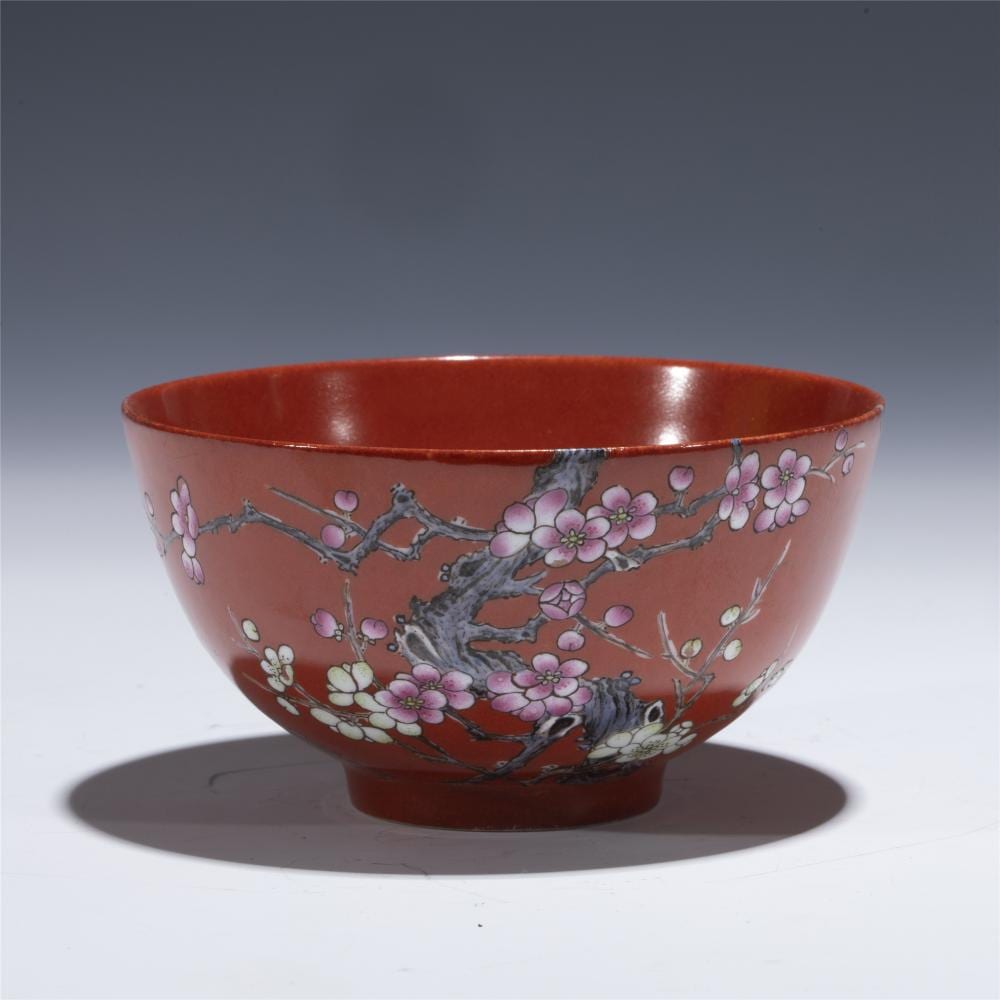 |
QING QIANLONG FAMILLE ROSE PORCELAIN BOWL | Eden Fine Antiques Galleries LLC | 2026-03-12 | 233 | USD 1,000 (buyer’s-premium treatment unknown) |
How these auction records were verified
Each row retains its exact source URL, lot identity, retrieval time, access result, and immutable record hash. Inspect the public comparable provenance record.
Disclosure: prices are shown as reported by auction houses and are provided for appraisal context. Learn more in our editorial policy.
Scenario check: what happens with one strong set and two weak signals
A typical estate find looks like this: the seller calls a bowl “vintage,” with a generic floral pattern and bright glaze. The base looks handmade, but there are two glaze chips and a repaired crack. The maker mark is faded and partly obscured.
The practical outcome is straightforward. This piece should usually rank in a mid-tier range, because the set is useful but not fully verifiable yet. If you can add one clear provenance card and better close-up photos of the repaired area, the confidence band often narrows enough to justify a full appraisal path.
That is what this guide is designed for: not just identifying value, but deciding what kind of next step gives the owner useful certainty.
How value shifts by common bowl categories
Category-specific buyers think differently:
- Tea and serving bowls: buyers look for set coherence, consistent glaze family, and intact edges.
- Decorative bowls: pattern clarity and originality matter more than utility wear.
- Mixing bowls: utility cues are strong, but resale demand can be highly local.
- Rare specialty bowls: limited runs and maker association can widen upside.
If the category signal is unclear, that is a flag for a deeper inspection rather than a rushed number.
Five mistakes that inflate your estimate
Avoid these because they cost the most accuracy:
- Treating one mark as proof: especially if lighting was poor.
- Ignoring repair history: a polished, modern fix can hide structural weakness.
- Using one sale as the target: this works against you when a lot had unusual competition.
- Assuming age is enough: buyers pay for demand, quality, and clarity too.
- Skipping provenance checks: documented ownership often raises confidence even with minor wear.
Each mistake usually reduces your estimate precision by forcing the same piece into an artificial single-number model.
From guide to action: what to do before you list or sell
Before you market the piece, do a short photo set, note maker and repairs, and define whether you are aiming for a quick sale or a documented valuation. The same bowl can get different outcomes under those two goals.
If your objective is a sale and your condition is stable, the next practical action is a cleaner offer setup and a quick free-screener pass. If you need documented certainty for estate, insurance, or donation context, a signed review path is usually the safer route.
Free instant estimate
Not sure if your item is worth appraising? Let us take a look.
Upload a photo, tell us what you know, and get a free first read. If a full appraisal makes sense, we will say so.
Free. No card needed. Takes about two minutes.
References
Search variations covered in this guide
- How much are old pottery bowls worth?
- How to tell antique bowl maker marks from modern reproductions
- What does a chip or repair do to antique bowl value?
- How age affects value of antique porcelain bowls
- Best way to estimate antique silver bowls before selling
- Does glaze crazing increase or reduce antique bowl value?
- Antique mixing bowls: how to price and verify provenance
- What to check before listing an antique decorative bowl