
An Antique Circa Late 19th Century French Marble Table Clock Victorian Era: appraisal and value basics
An Antique Circa Late 19th Century French Marble Table Clock Victorian Era research should start with identification, condition, provenance, and recent comparable sales. Use this guide to compare the signals that matter before paying for a formal appraisal or deciding whether to sell.
“French marble clock” is a catch-all term collectors use for late 19th-century mantel (or table) clocks built around a brass mechanical movement and housed in a stone case—most commonly marble, slate, or onyx—often finished with gilded bronze mounts. These clocks were made in huge numbers for export and remain popular because they look expensive, display well, and are often still serviceable.
If you have a Victorian-era example (roughly 1870–1900), your clock’s value depends less on the word “Victorian” and more on movement maker, case quality, completeness (pendulum, key, mounts), and condition (especially chips and repaired cracks in stone). This guide walks you through what to check, how to photograph it for authentication, and how real auction comps map to a realistic price range.
Signed appraisal from photos
Get a price-ready appraisal for your item
One clear photo of the front is all we need to start. Optional, but helpful: back or base, maker’s mark or label close-up, size, and anything you know (maker, where it came from). Delivered within 24 hours of receiving your photos.
Secure Stripe checkout · $59 for one item · No appointment
Appraise this French marble clockFree photo check
Not sure if your clock is worth appraising? Let us take a look.
Upload a photo, tell us what you know, and get a free photo check. If a full appraisal makes sense, we will say so.
Free. No card needed. Takes about two minutes.
What counts as a “French marble table clock”?
Most late-1800s French marble mantel clocks share a similar architecture:
- Stone case: black slate, white/green veined marble, onyx/alabaster, or rouge marble (a deep red tone).
- Brass movement: a spring-driven time-and-strike (often 8-day), usually with a visible countwheel on the backplate.
- Dial + bezel: enamel or enamel-style dial, typically Roman numerals, behind a hinged bezel with glass.
- Ornament: ormolu mounts, spelter figures, or a three-piece garniture set (clock plus matching urns/candlesticks).
Collectors call them “Victorian” because they were widely used in Victorian interiors and overlapped with the late Victorian era. But attribution and value hinge on the movement stamp and the quality of the case and mounts, not the label.
Fastest way to identify and date your clock
If you can only do a quick check, focus on four photos: (1) dial straight-on, (2) the full case, (3) the movement back plate (with any stamp), and (4) the escapement area if there is a visible escapement window.

- Movement maker stamp: usually on the back plate. Common names include Samuel Marti, A.D. Mougin, Japy Frères, Vincenti, and others.
- Escapement clue (Brocot): many French clocks use an adjustable escapement style associated with Achille Brocot. Some cases have a visible escapement window near 12 o’clock.
- Two winding arbors: typical for time + strike. If you have three, you may have a more complex movement (e.g., chime) which can change value.
- Case construction + mounts: crisp, well-fitted bronze mounts and clean stone work usually signal a better-quality example.
Makers and marks: what to look for
A blank dial is normal. French export clocks often left the dial unsigned, even when the movement is clearly stamped. Where to look:
- Back plate stamp: the most important. Photograph it with raking light so the letters show.
- Medal stamps: many French makers used “Médaille d’Argent” or similar award marks with dates (useful for approximate dating).
- Case labels: retailer labels (paper or brass) can be helpful but are not definitive.
Common movement-maker names you may encounter in late 19th-century French mantel clocks include Samuel Marti and A.D. Mougin (both widely exported), as well as Japy Frères, Vincenti, and other French workshops. Even within the same maker, values vary greatly by case quality, mounts, and condition.
Condition and originality checklist (what affects value most)
Because stone cases don’t “wear in” the way wood does, buyers focus hard on damage. The most common deductions come from chips, cracked corners, and repaired breaks that are visible from the front.
- Stone damage: chips at edges, hairline cracks, glued repairs, or replaced panels.
- Missing or replaced mounts: mismatched ormolu pieces, missing feet, or replaced finials.
- Dial condition: enamel hairlines are common; heavy repainting usually reduces collector appeal.
- Completeness: key, pendulum, and original bezel/glass present. Replacement parts aren’t fatal, but value drops.
- Movement function: “runs but does not strike” is a meaningful service cost; buyers discount accordingly.
If you plan to sell, a short video showing it running and striking can materially improve buyer confidence (and thus price).
Appraisal value range (US$)
For a typical late 19th-century French marble mantel/table clock in good, complete, honest condition, a reasonable starting range is often US00–,200. A “headline” range is not a guarantee—prices swing widely based on design, mounts, and whether it sells locally or at a specialist auction.
As a quick framework:
- Entry tier (US50–00): chips/repairs, missing mounts, uncertain running condition, or common forms.
- Typical collector tier (US00–,200): complete 8-day time-and-strike, attractive stone, light wear, minor enamel hairlines.
- Premium tier (US,200+): exceptional rouge marble/onyx, crisp ormolu, documented maker, three-piece garniture, or figural bronzes.
Insurance vs resale: replacement cost from a dealer may be higher than fair market value at auction. If you need documentation for insurance or estate purposes, an appraisal should specify the purpose and market definition.
Recent auction comps (public results)
Comparable sales help anchor expectations. Here are several public auction results from a broad “antique clocks” dataset that include French marble examples. Use these as context rather than a one-to-one match—small differences in mounts, movement, and damage can move value significantly.
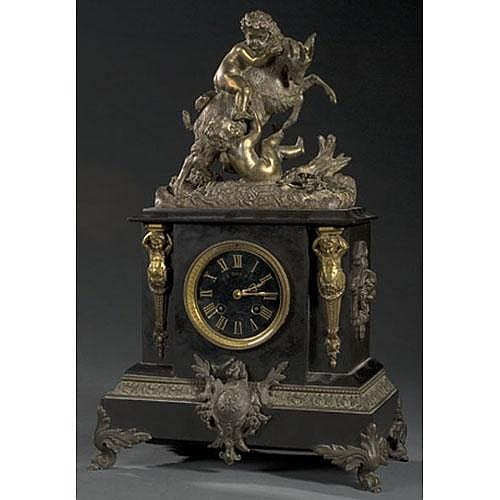
- Austin Auction Gallery (March 28, 2025), Lot 1077: “FRENCH ORMOLU-MOUNTED ROUGE MARBLE FIGURAL MANTEL CLOCK” — 75 (USD).
- Akiba Galleries (August 13, 2024), Lot 10: “19th Century French Rouge Marble And Gilt Bronze Clock Set” — 50 (USD).
- Setdart Auction House (April 25, 2023), Lot 95: “Table clock. France, late 19th century. Marble.” — €2,000 (EUR).
- Antique Arena Inc (April 30, 2022), Lot 190: “ANTIQUE FRENCH BRONZE MARBLE CLOCK CANDLEHOLDERS” — 25 (USD).


Why comps differ so much: a three-piece set or heavy figural bronze work can lift price, while chips, replaced mounts, or “not running” condition suppress it. European sale venues can also produce different pricing than local US estate auctions.
How to sell (and how to avoid common mistakes)
These clocks are heavy and fragile. Most sellers get the best outcome by reducing buyer risk:
- Photograph the back plate stamp: it does more for buyer confidence than a flowery description.
- Disclose repairs: especially glued cracks in marble; undisclosed repairs cause returns and disputes.
- Avoid over-polishing: aggressive metal polish can remove gilt and make mounts look “wrong.”
- Plan transport: if shipping, remove the pendulum and secure the movement; professional packing is often worth it.
Consignment can make sense for garniture sets and figural clocks, where a specialty buyer base can pay more than general marketplaces.
About the valuation method
Appraisers typically triangulate (1) attribution (movement maker + period), (2) originality/completeness (movement, dial, mounts, pendulum), (3) condition (stone + enamel + bronze), and (4) market comps (recent realized sales, adjusted for venue and condition). For resale, fair market value is the most useful benchmark; for insurance, replacement cost from a dealer may be relevant.
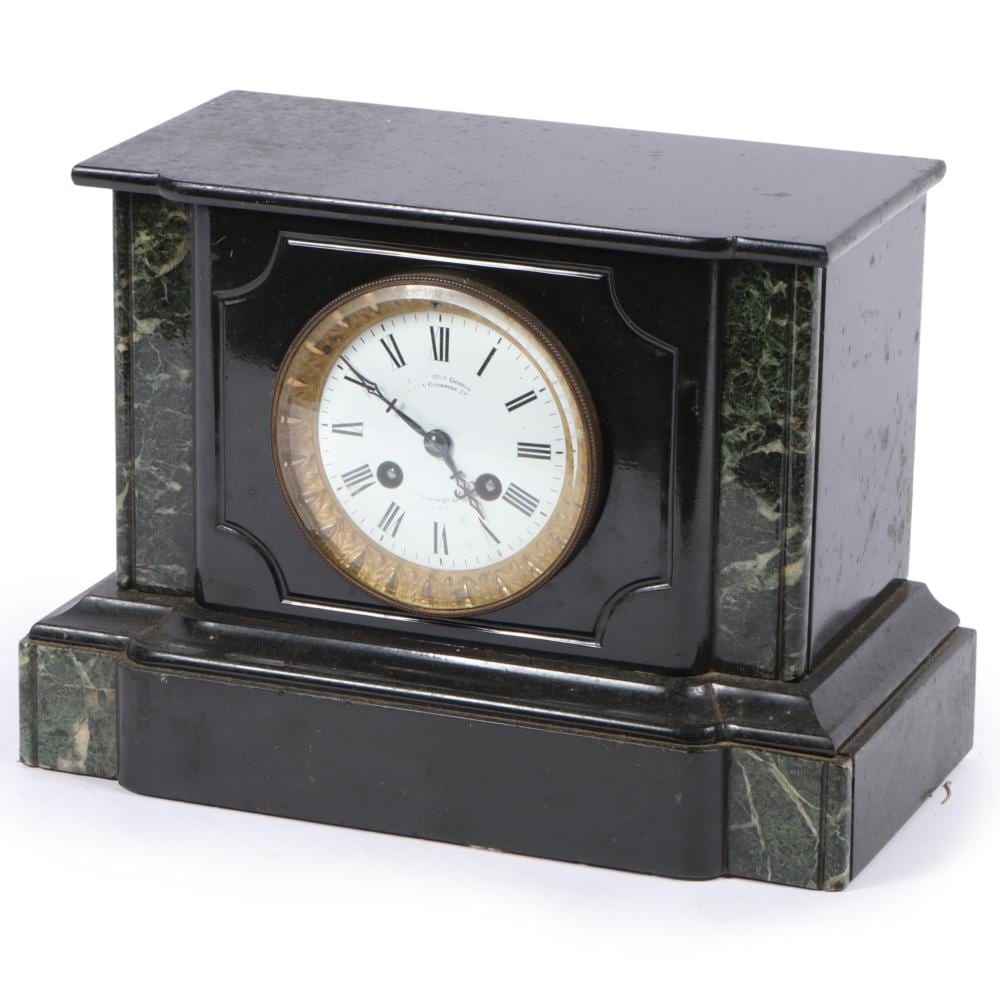
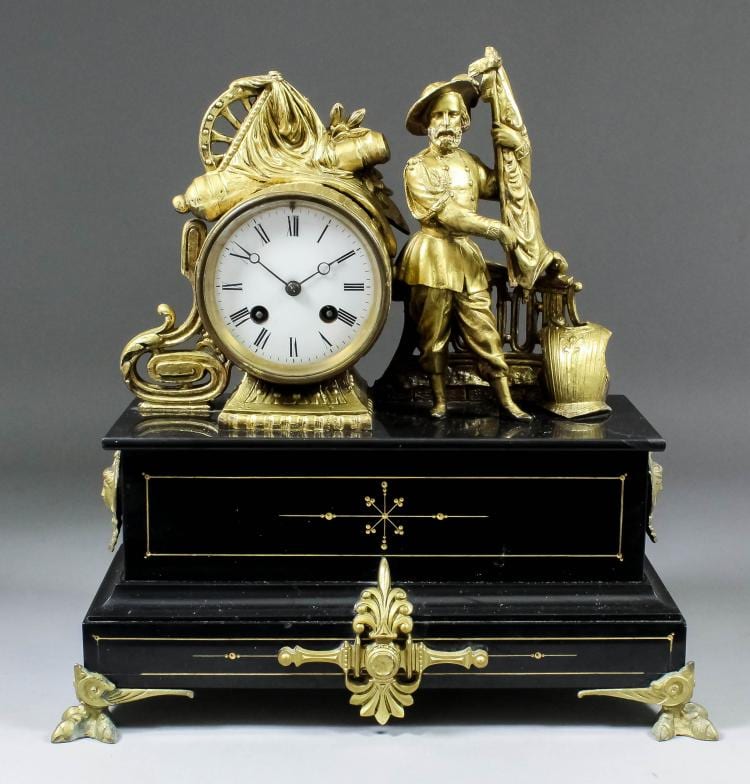
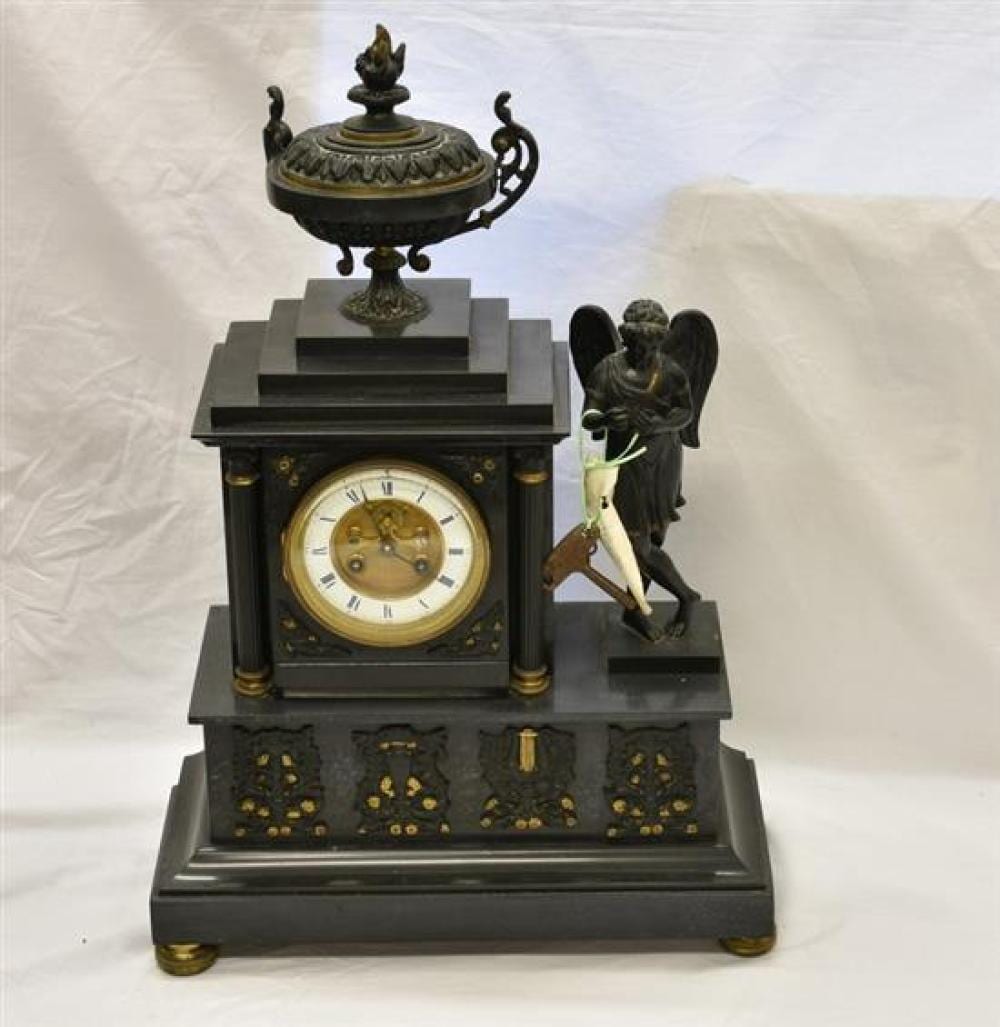
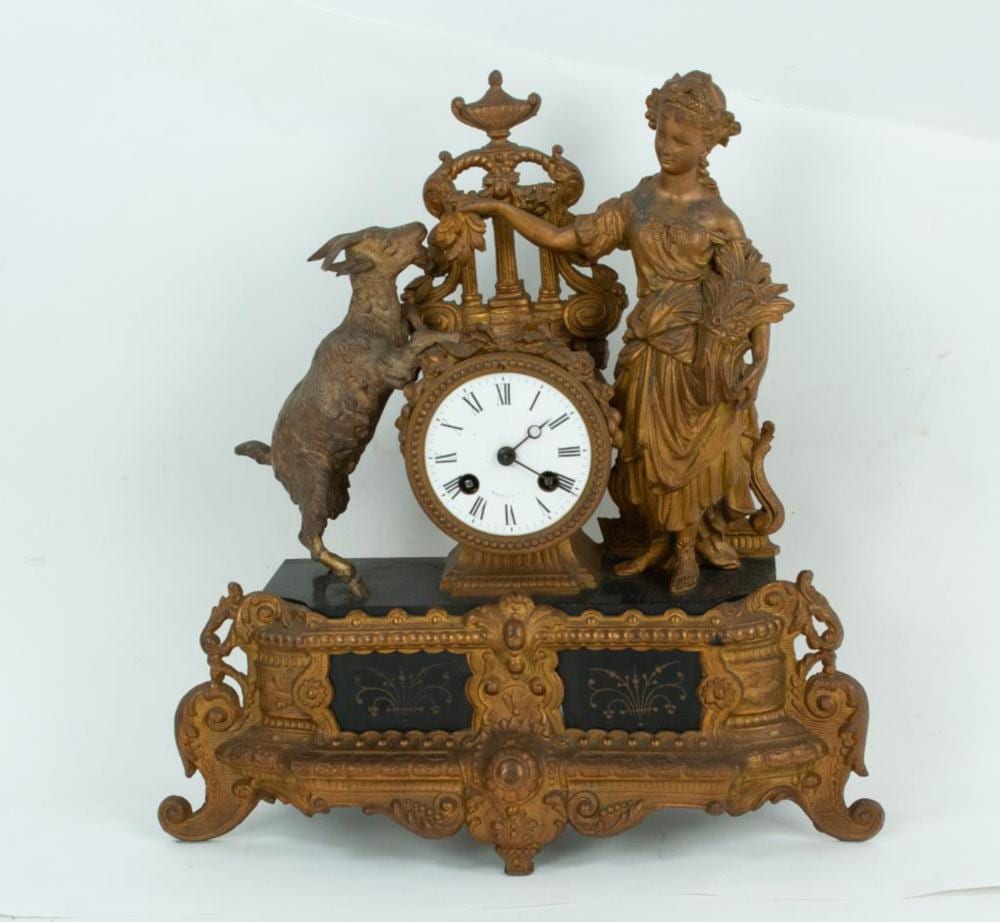
What similar items actually sold for
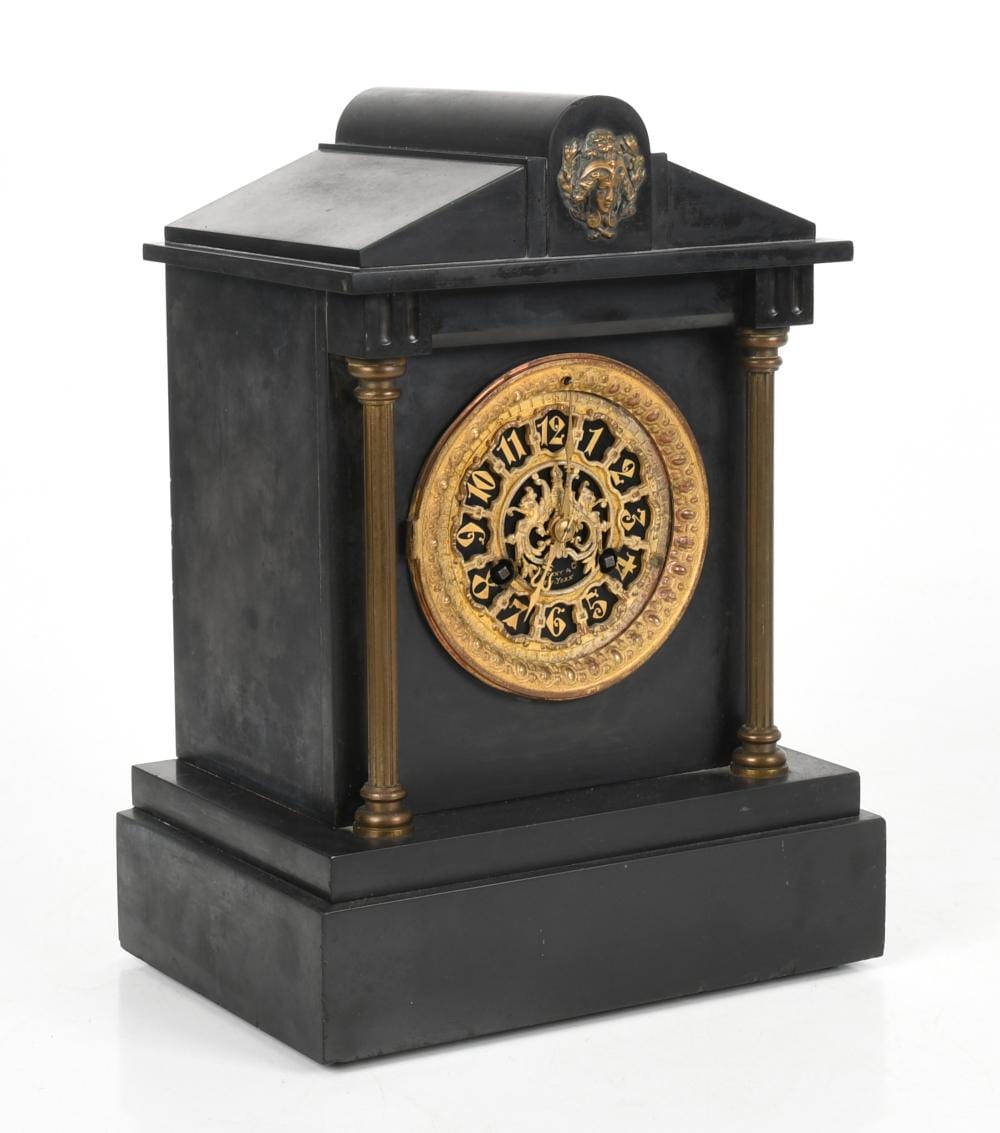
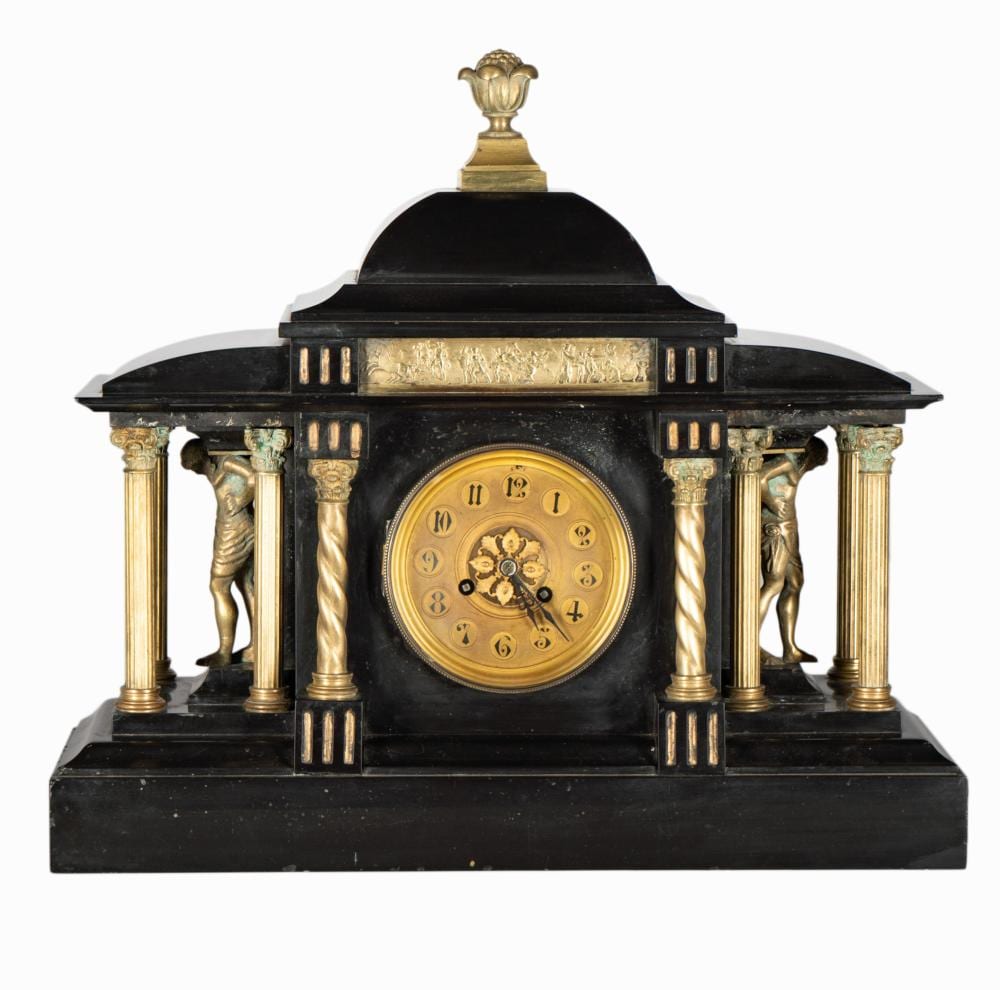
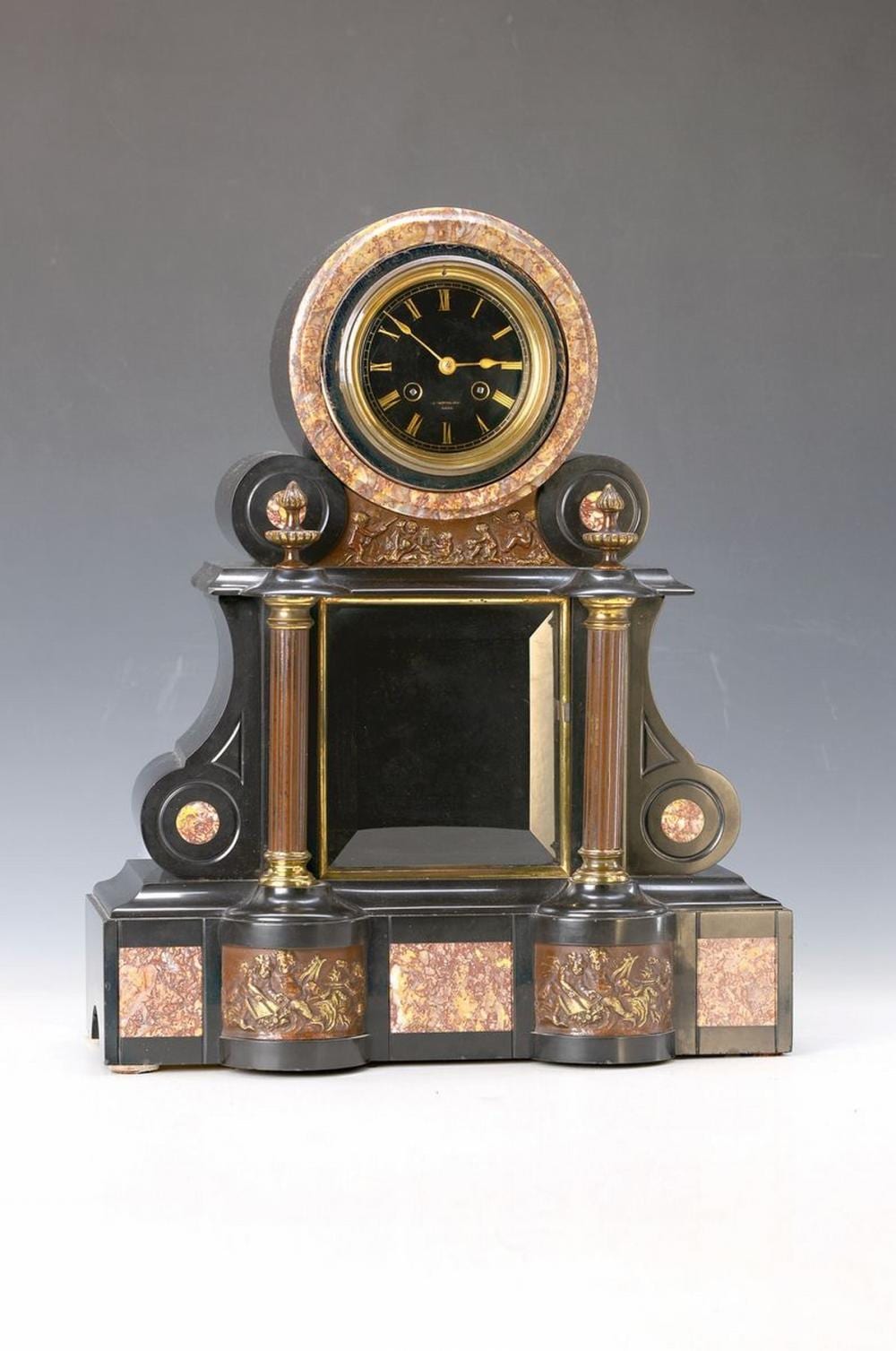
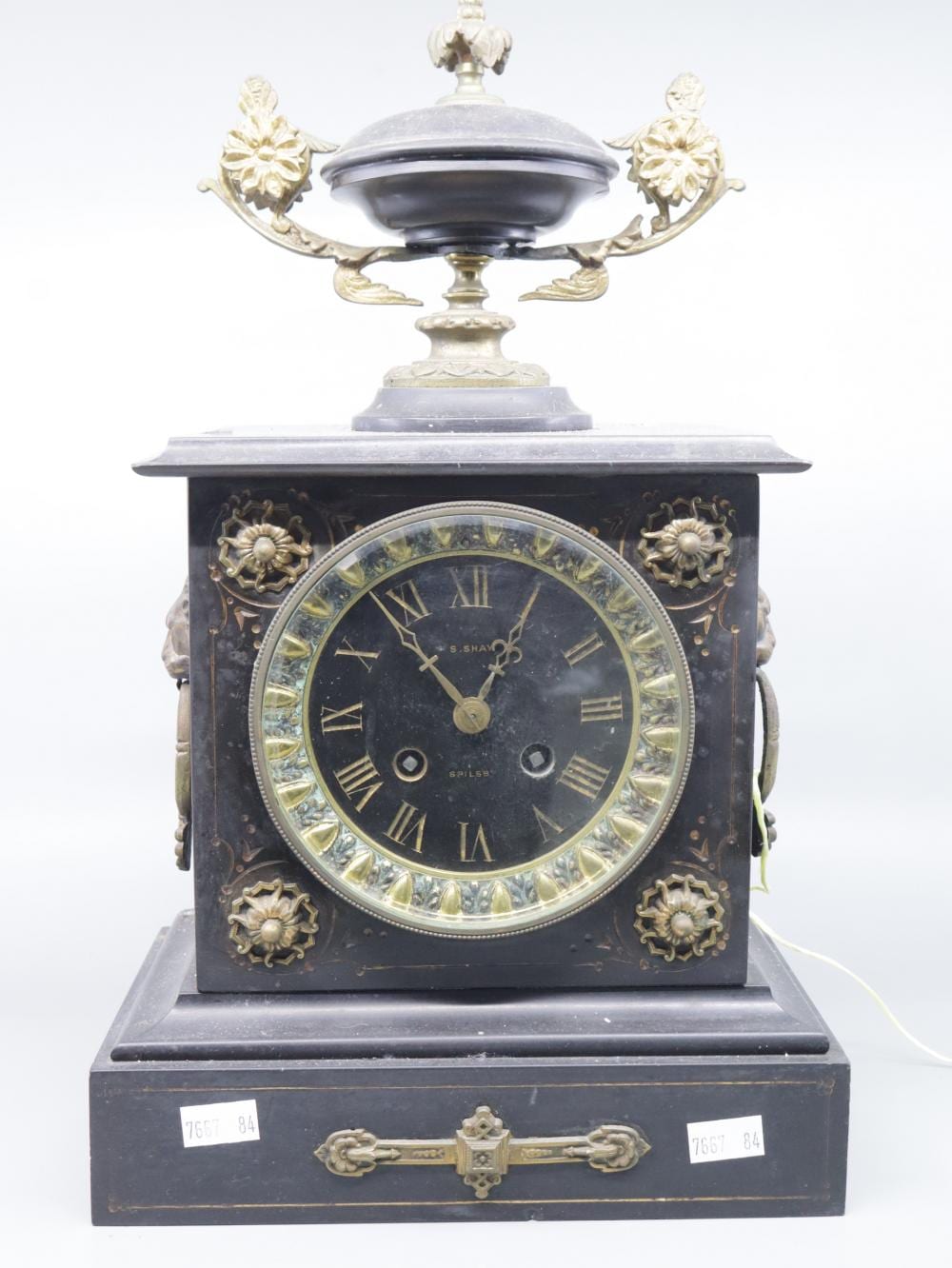
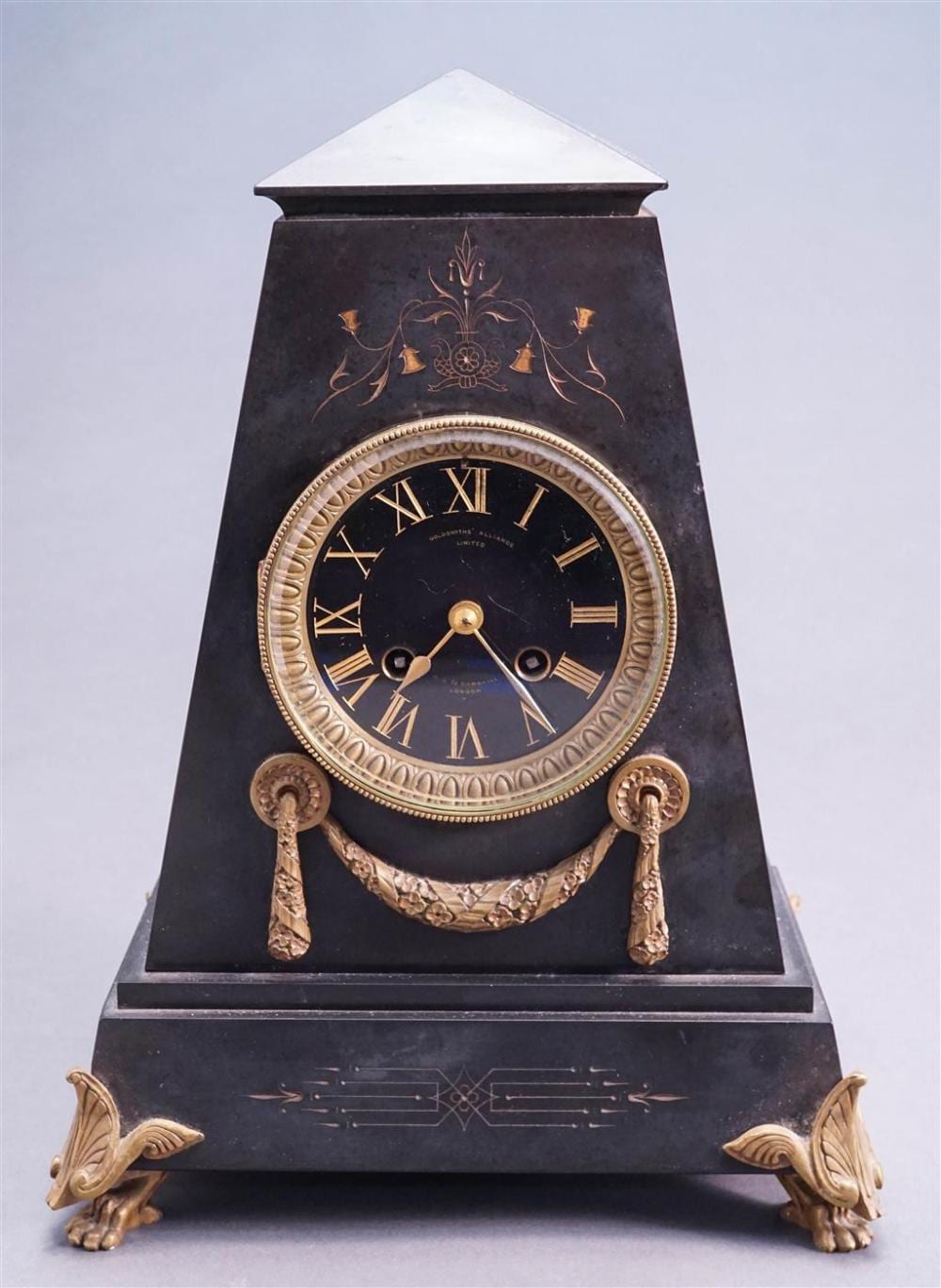
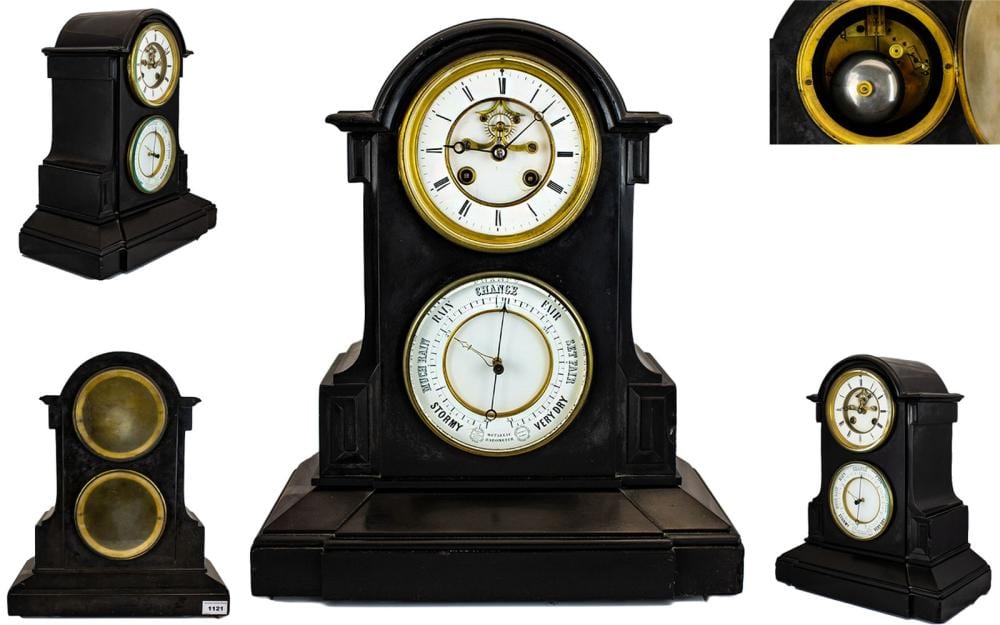
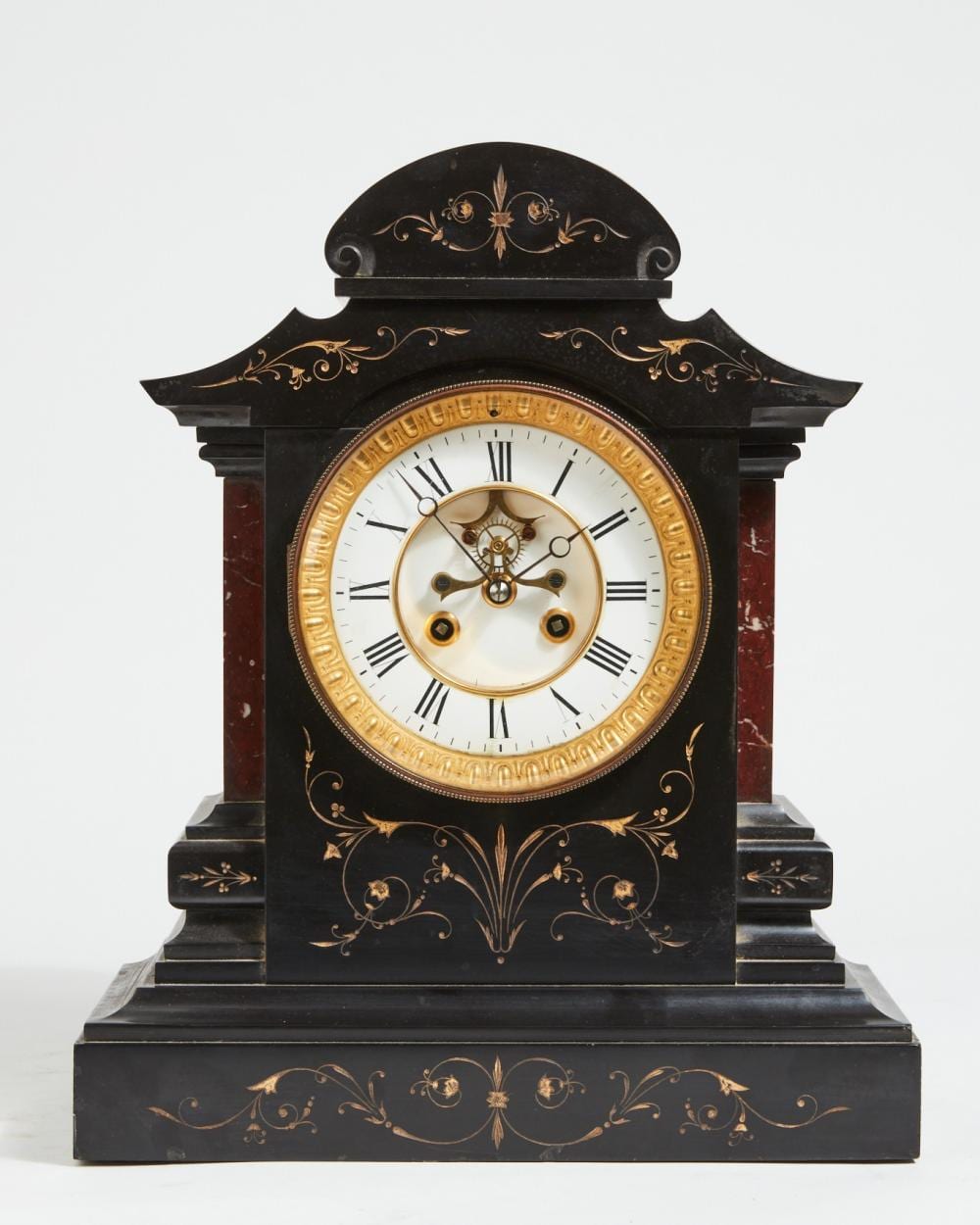
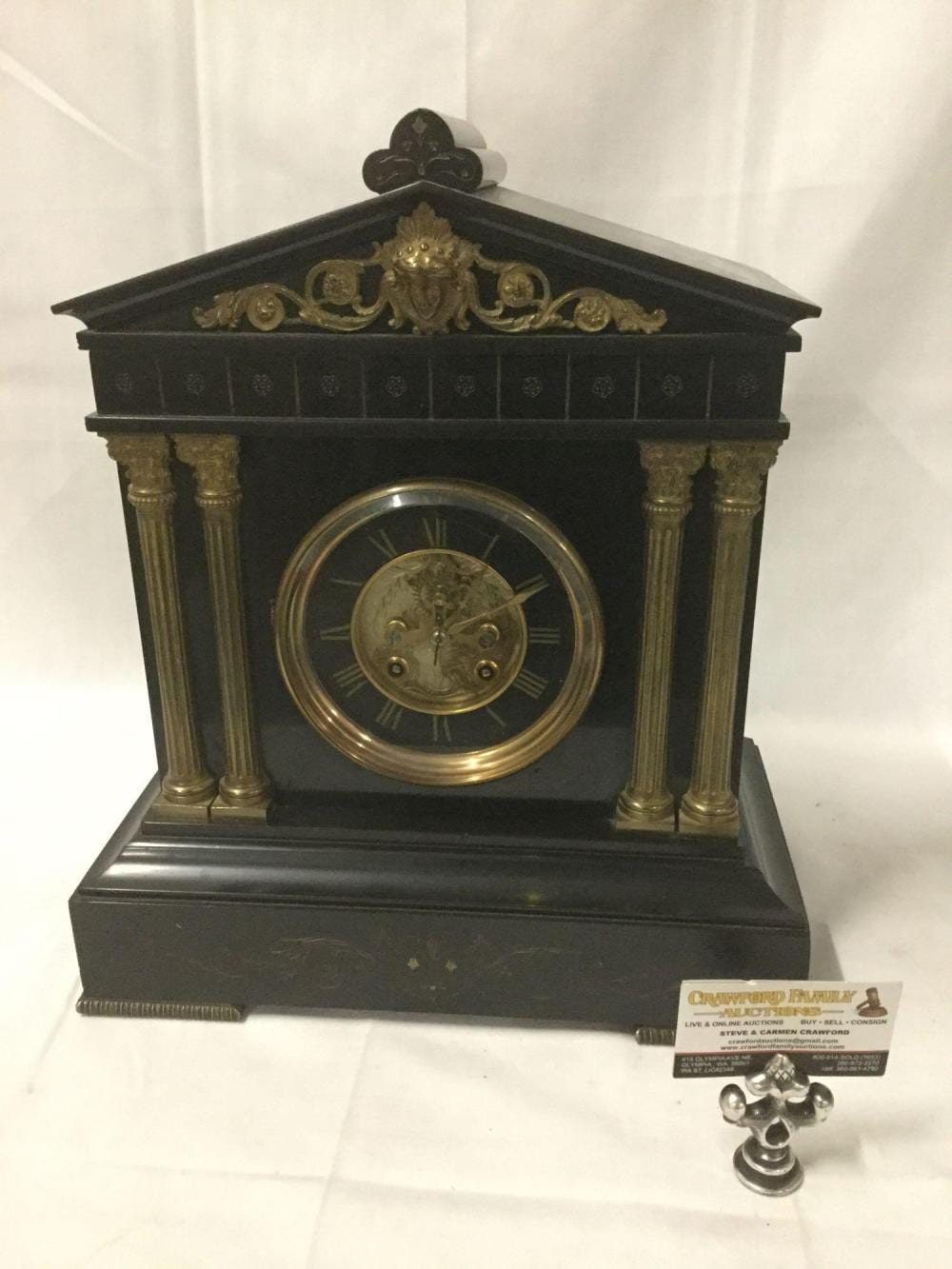
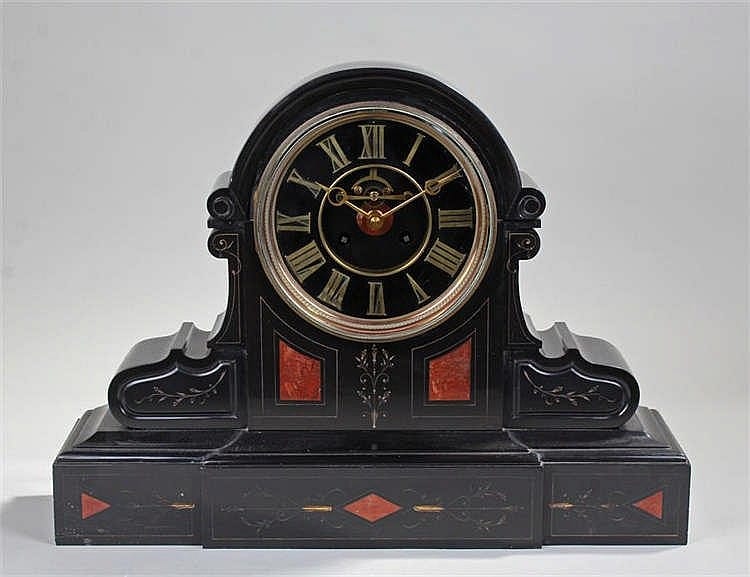
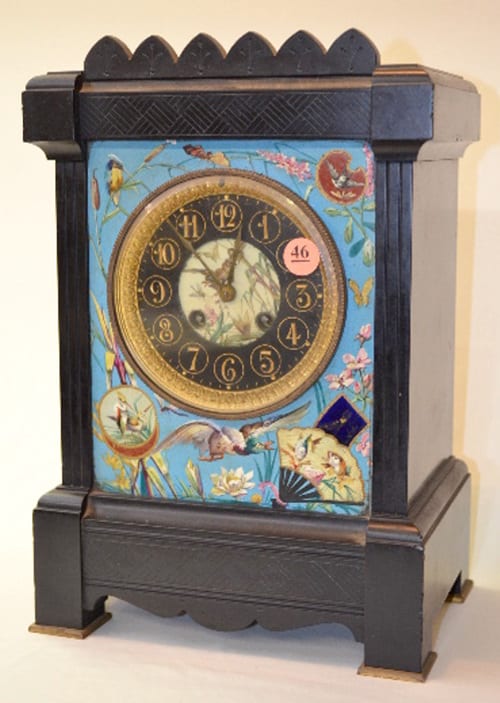
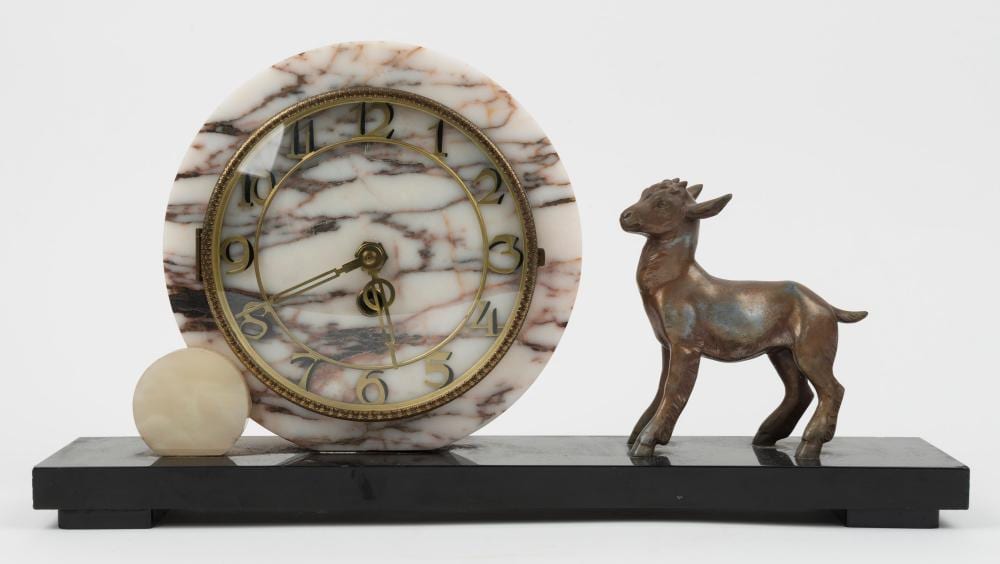
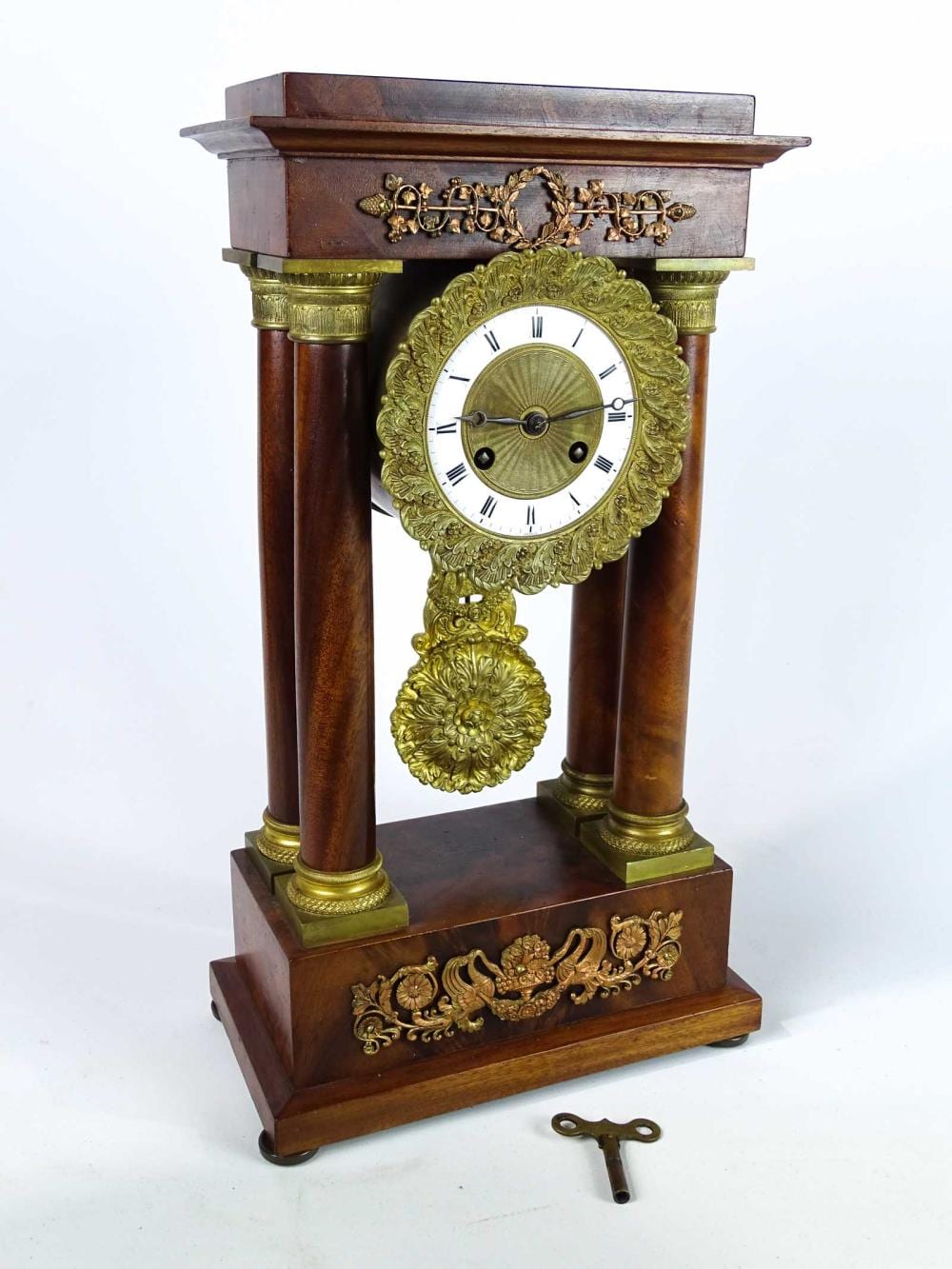
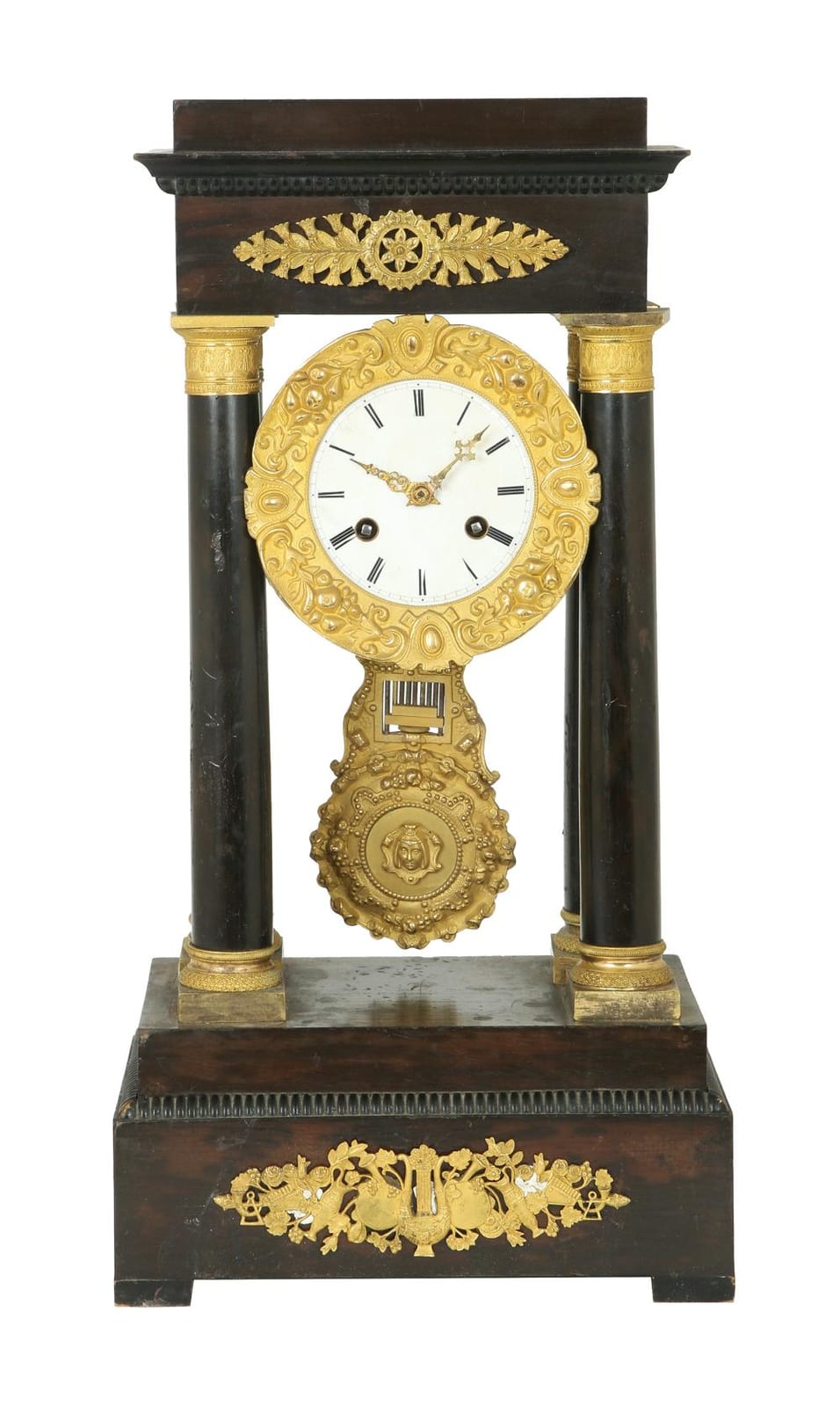
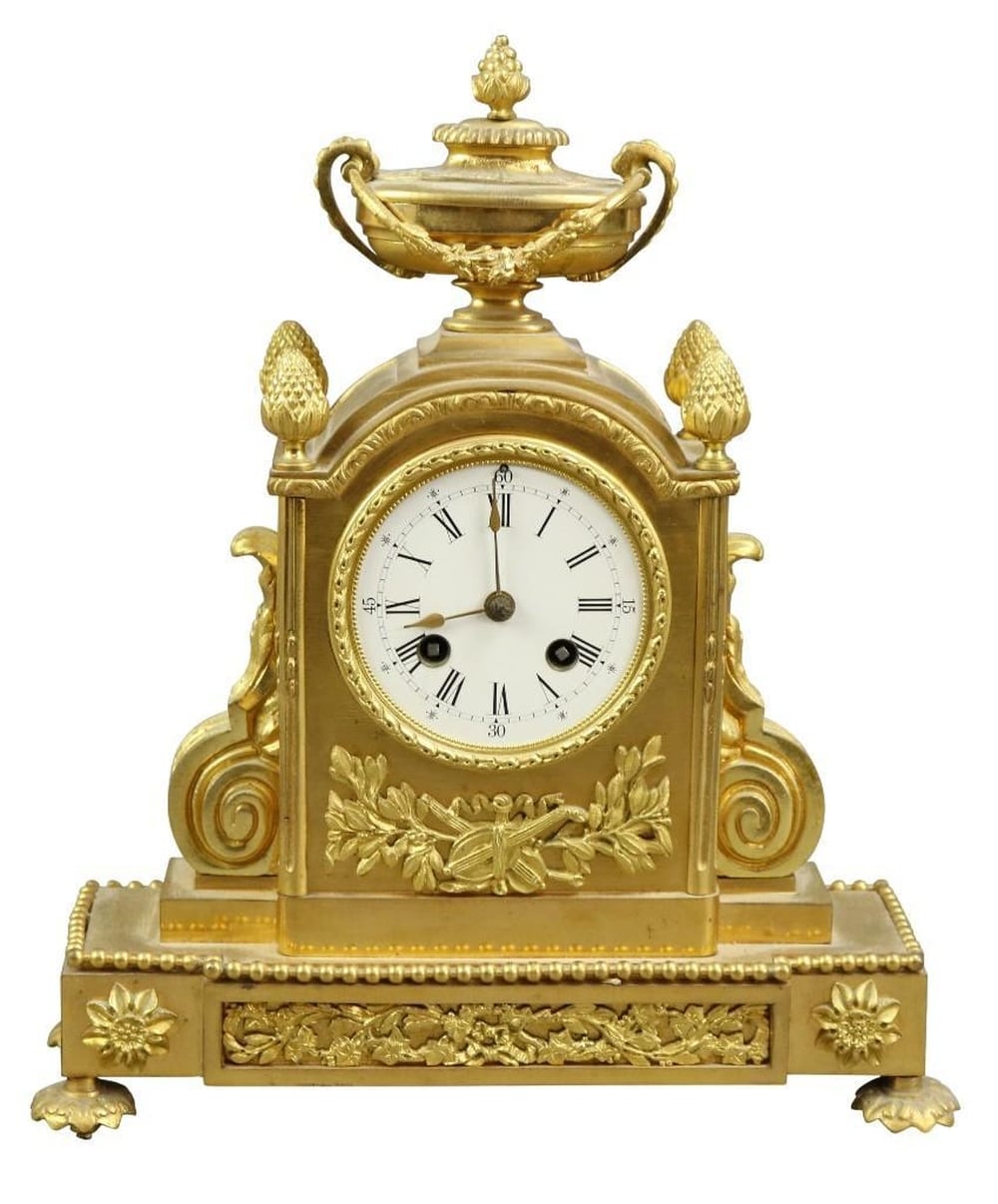
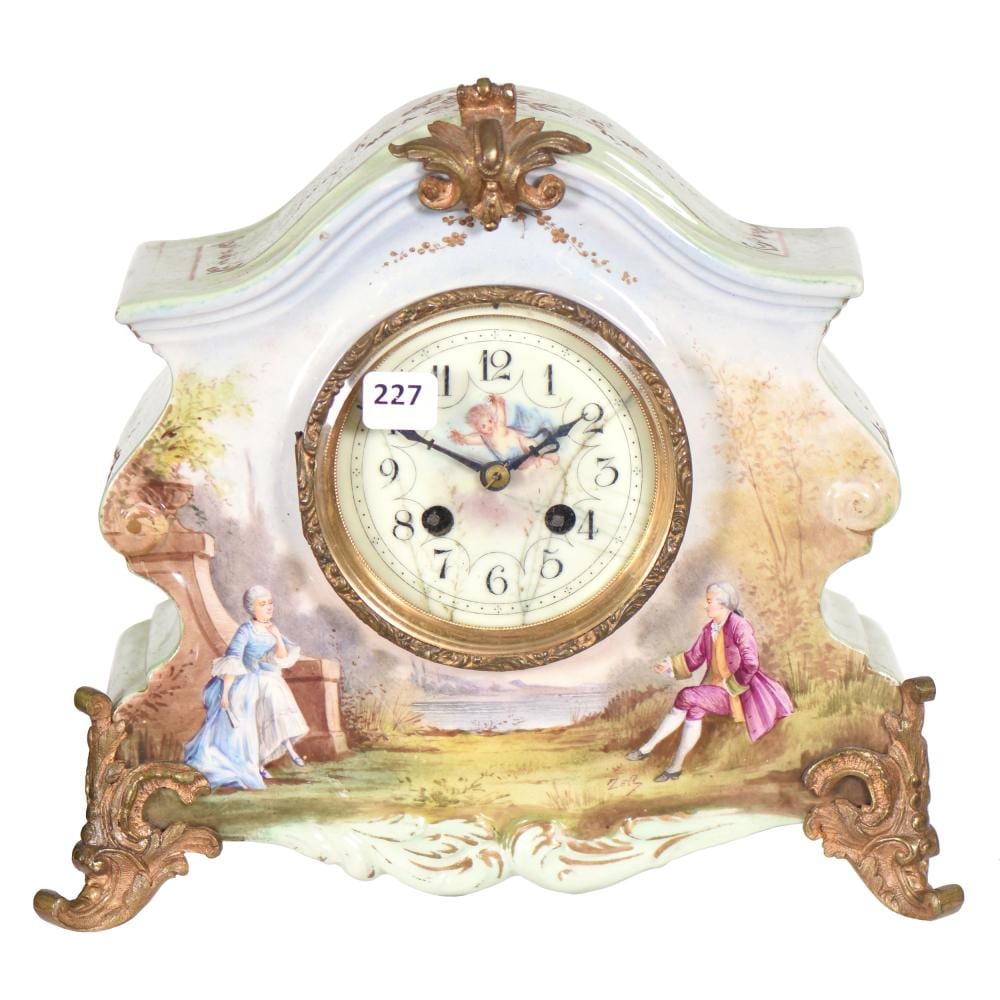
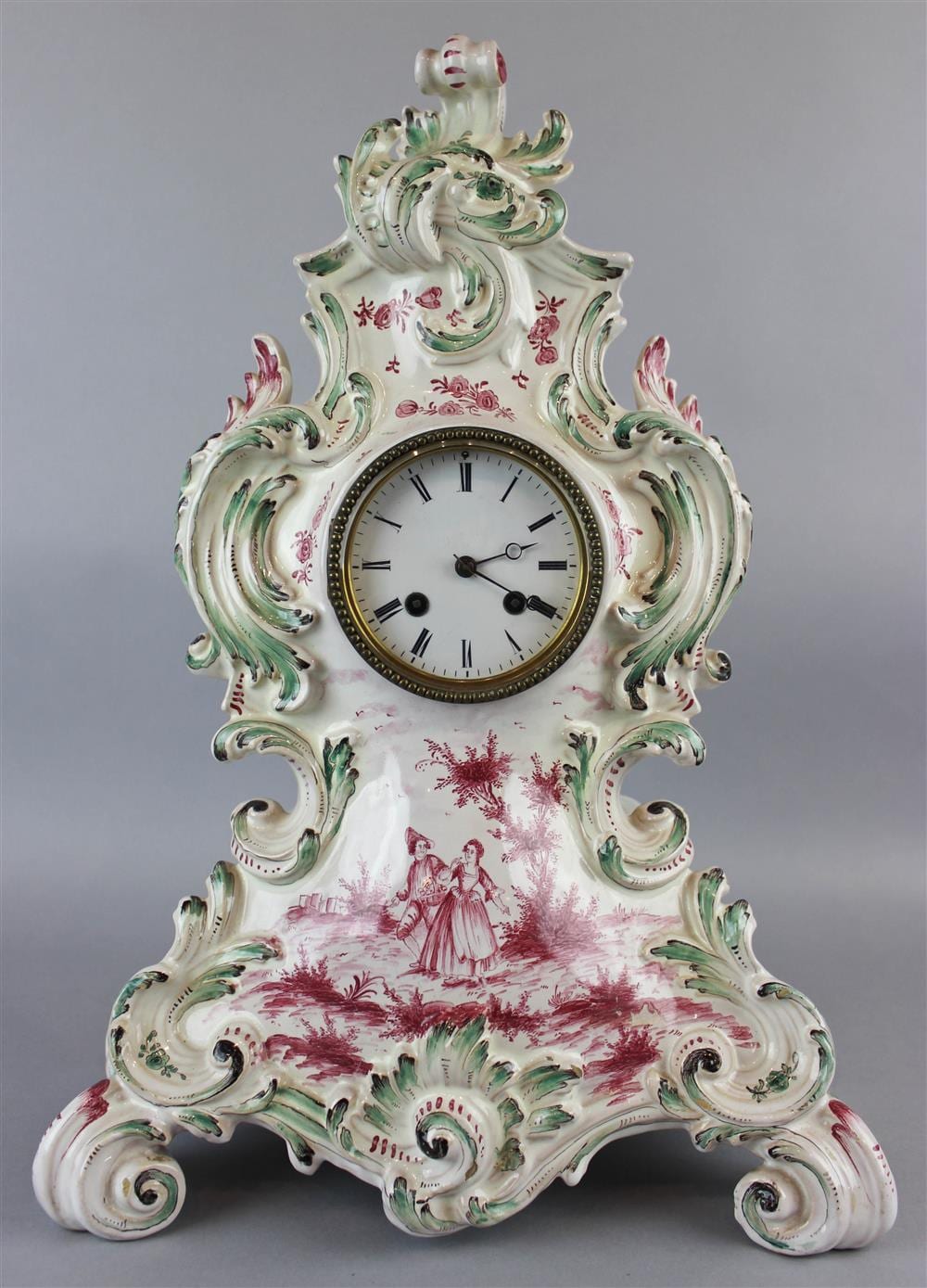
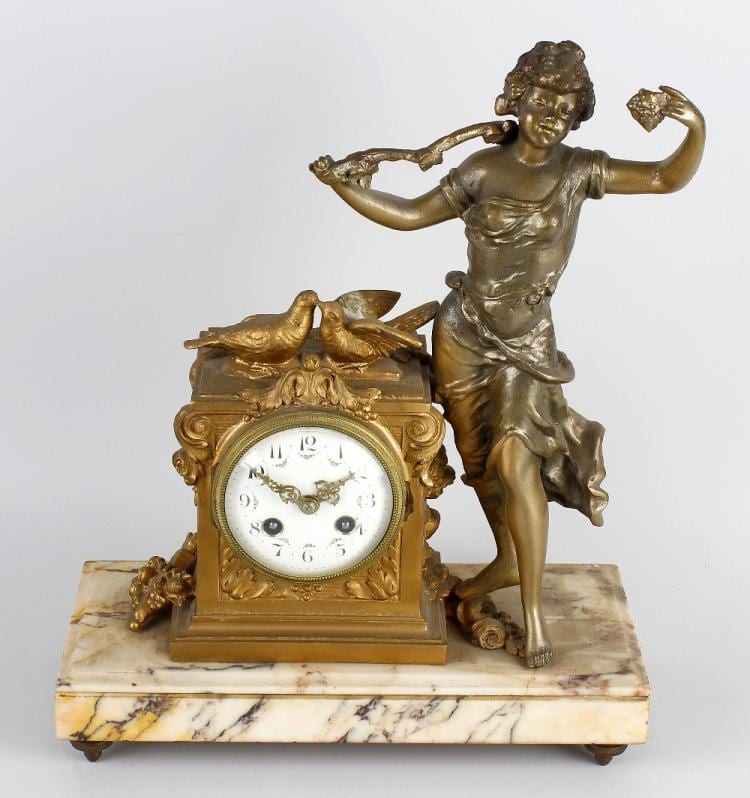
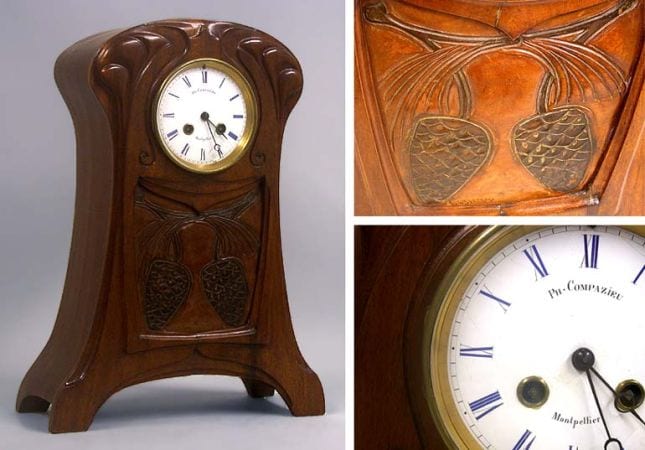
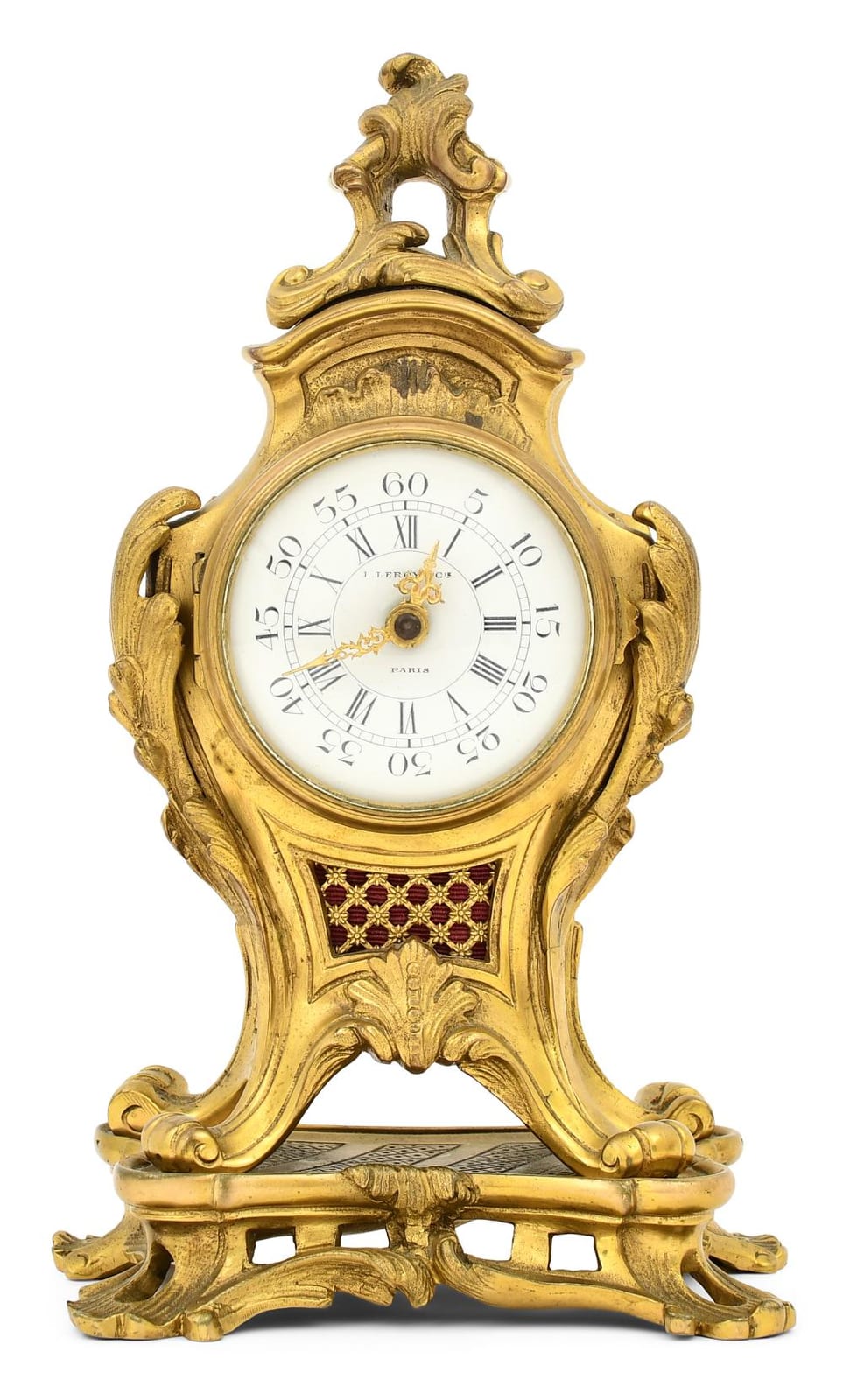
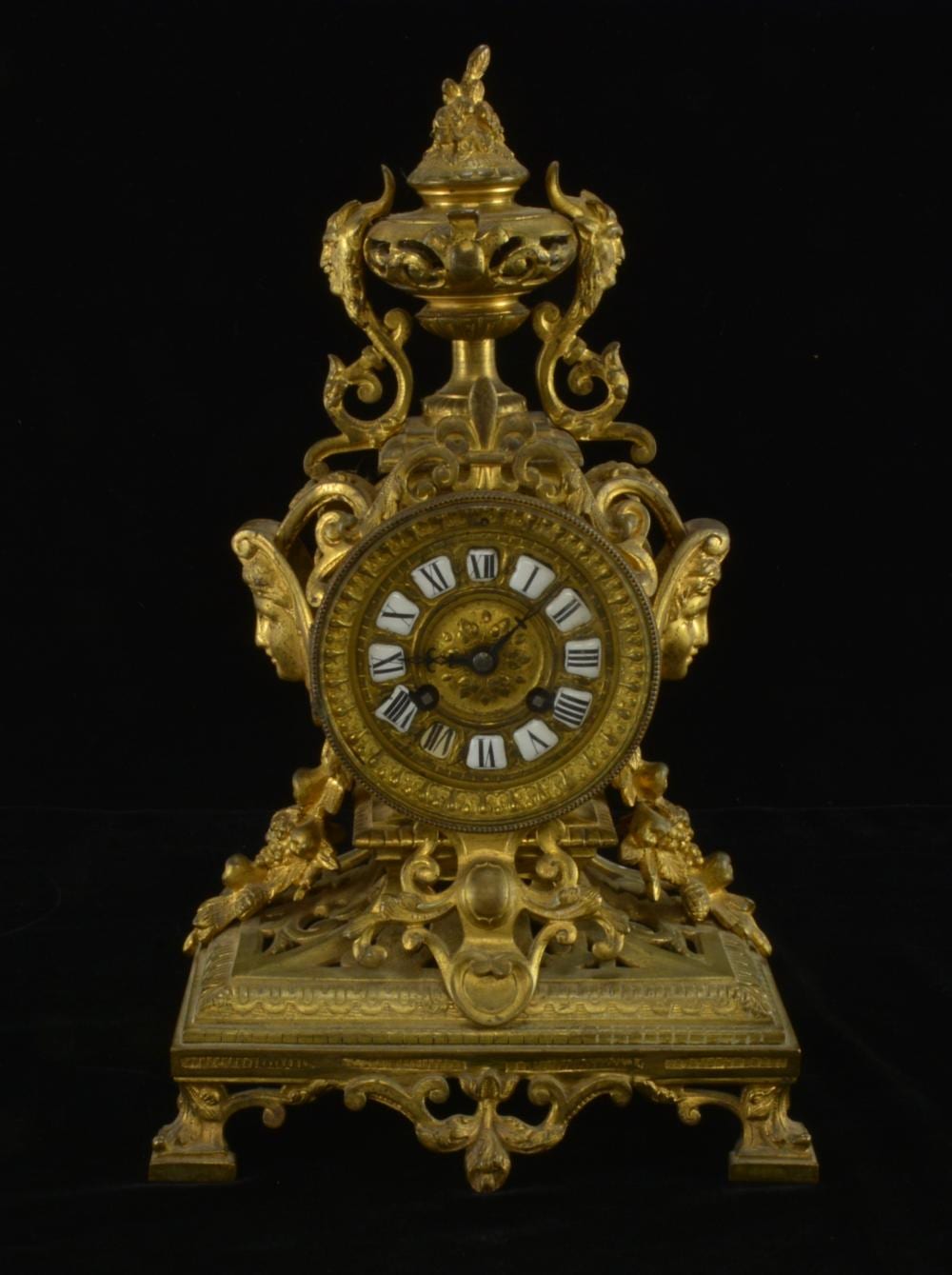
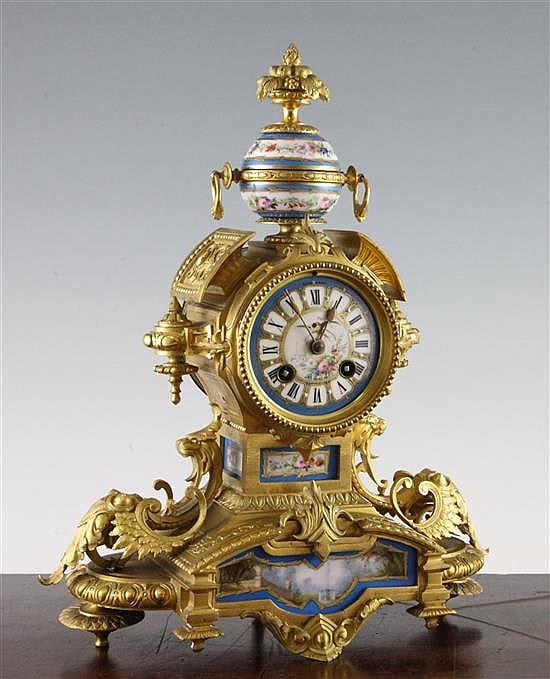
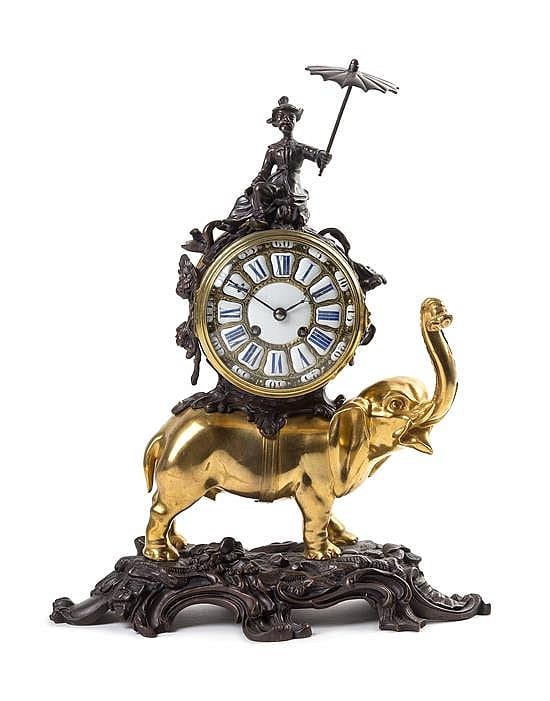
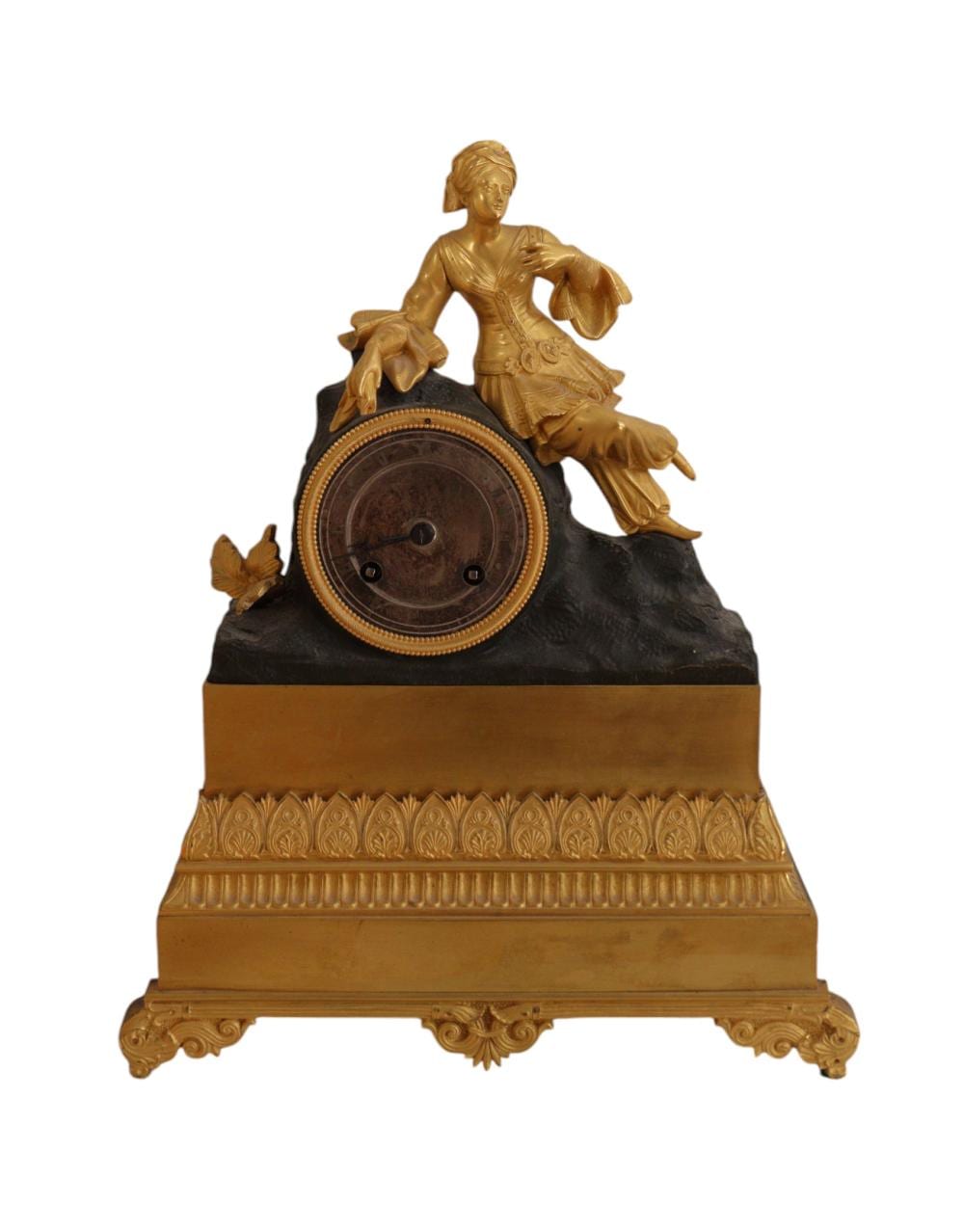
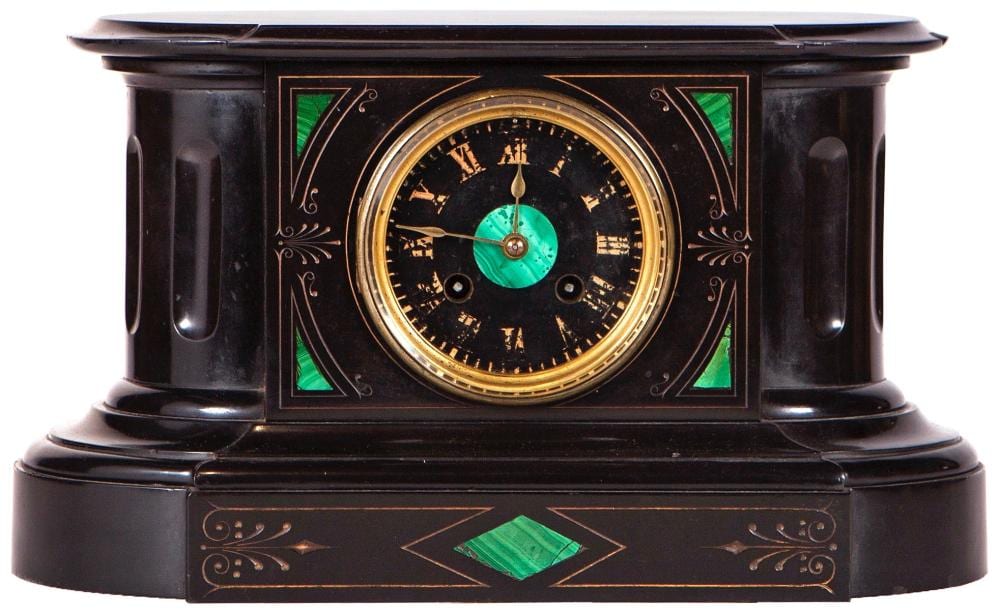
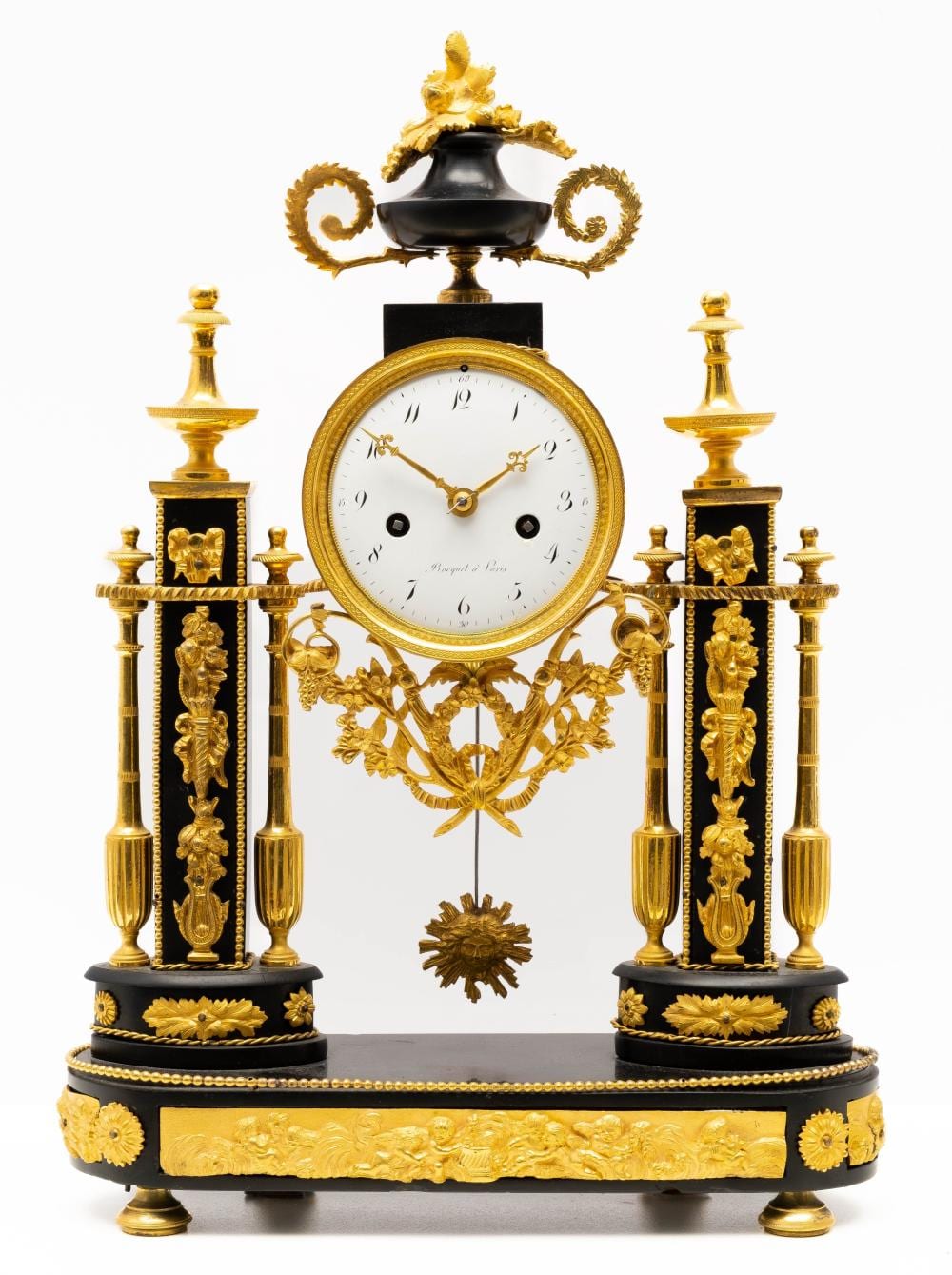
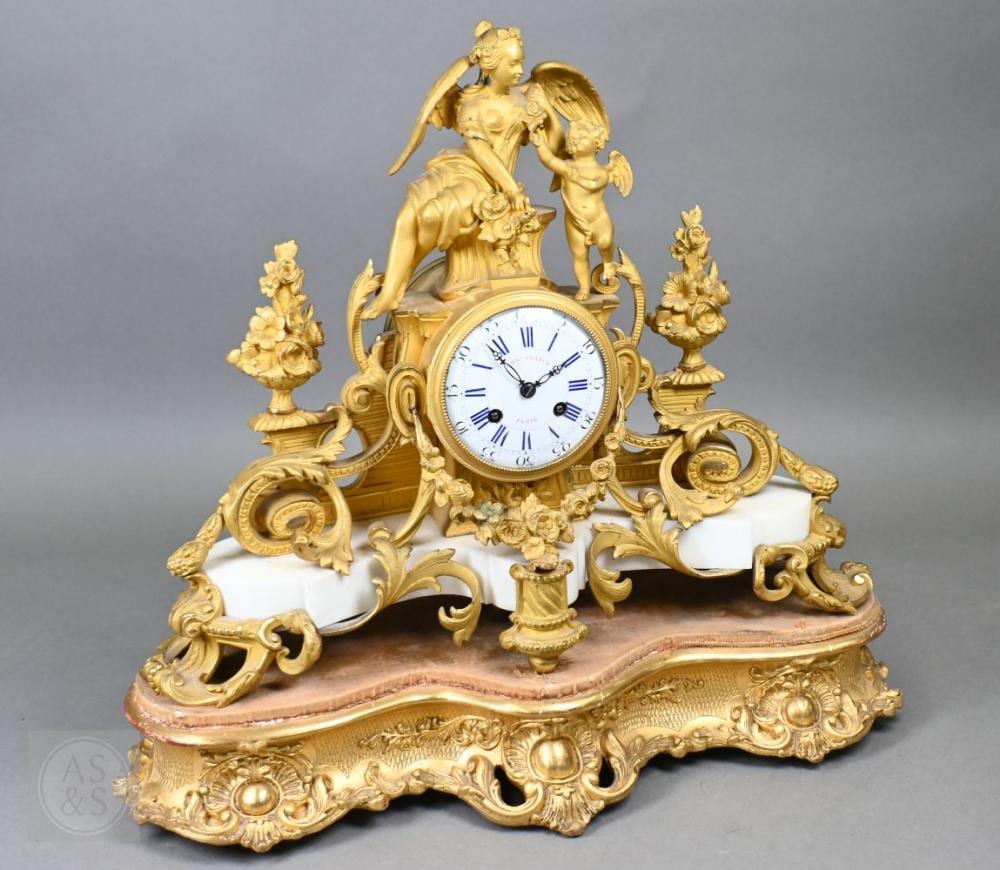
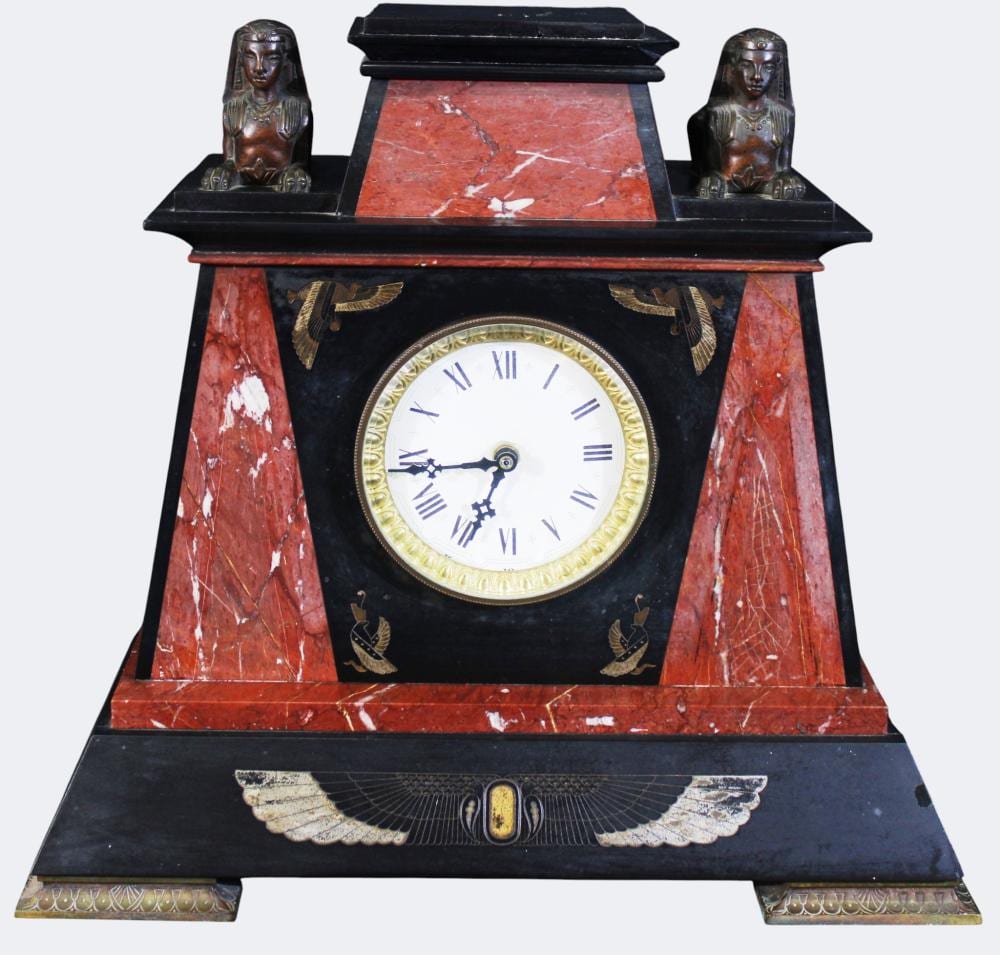
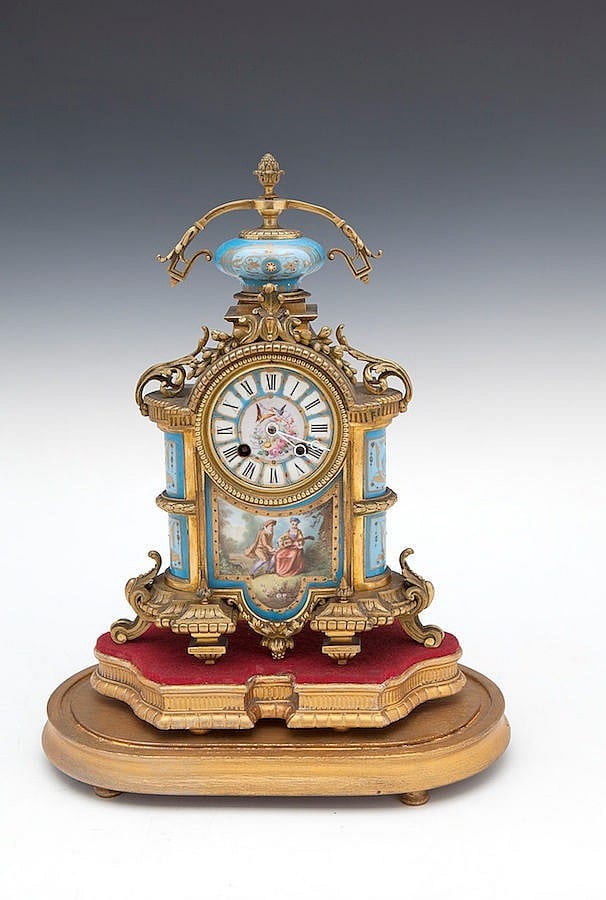
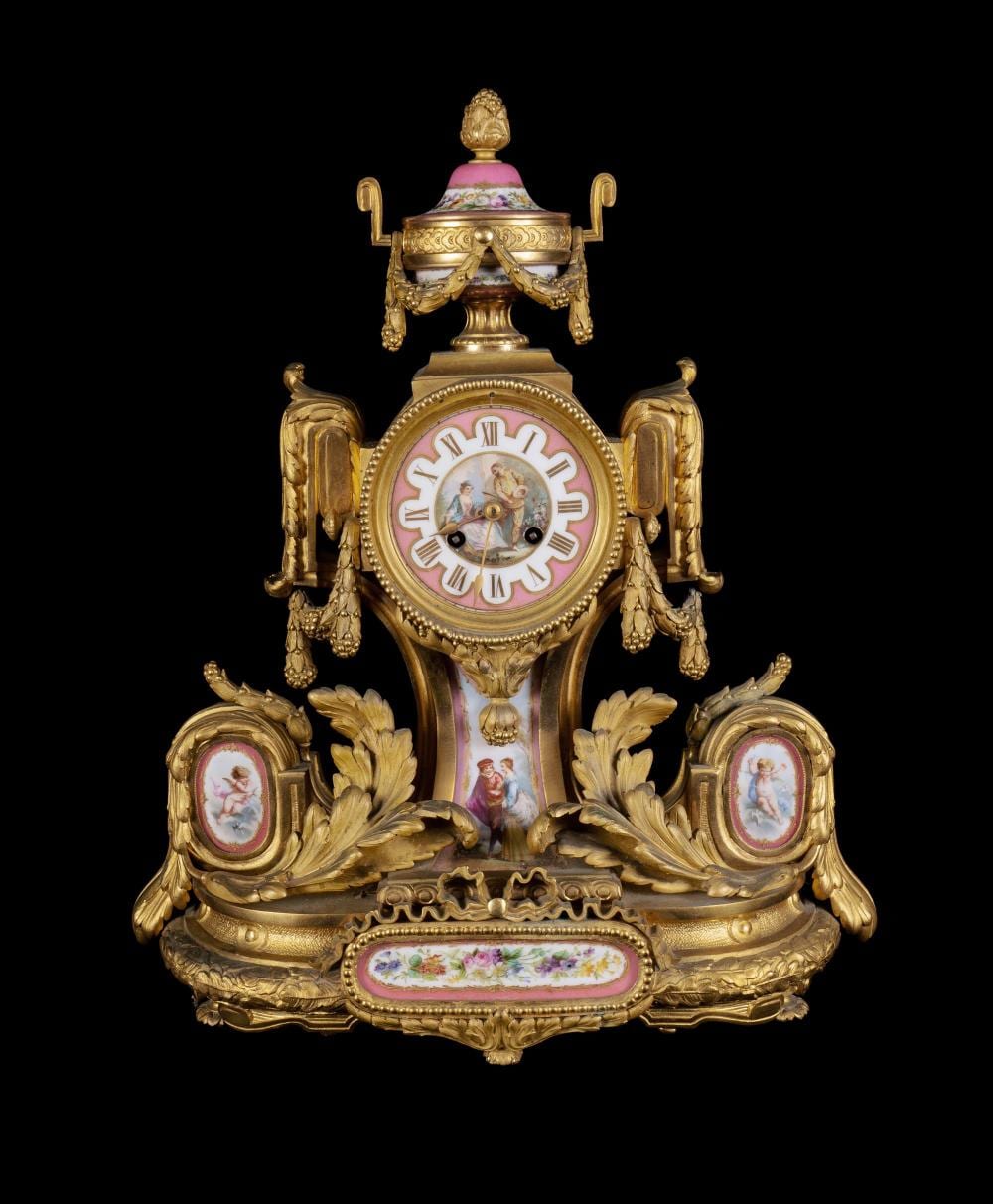
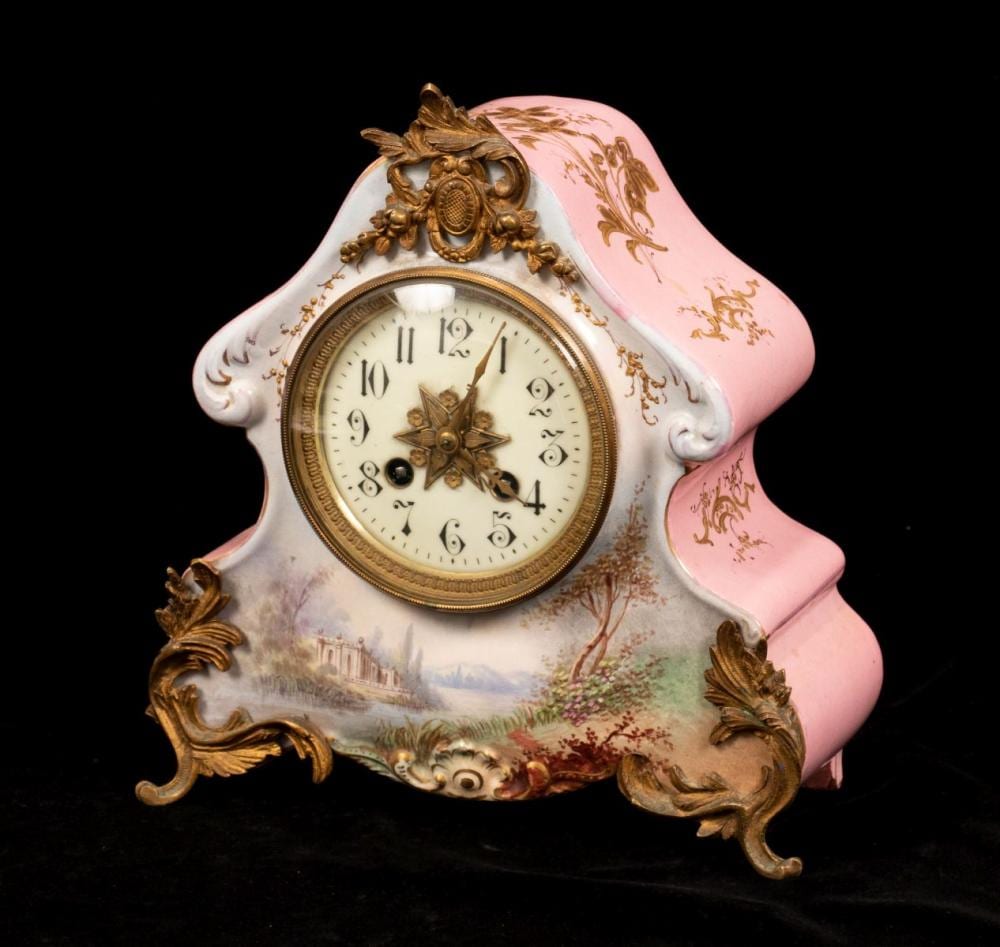
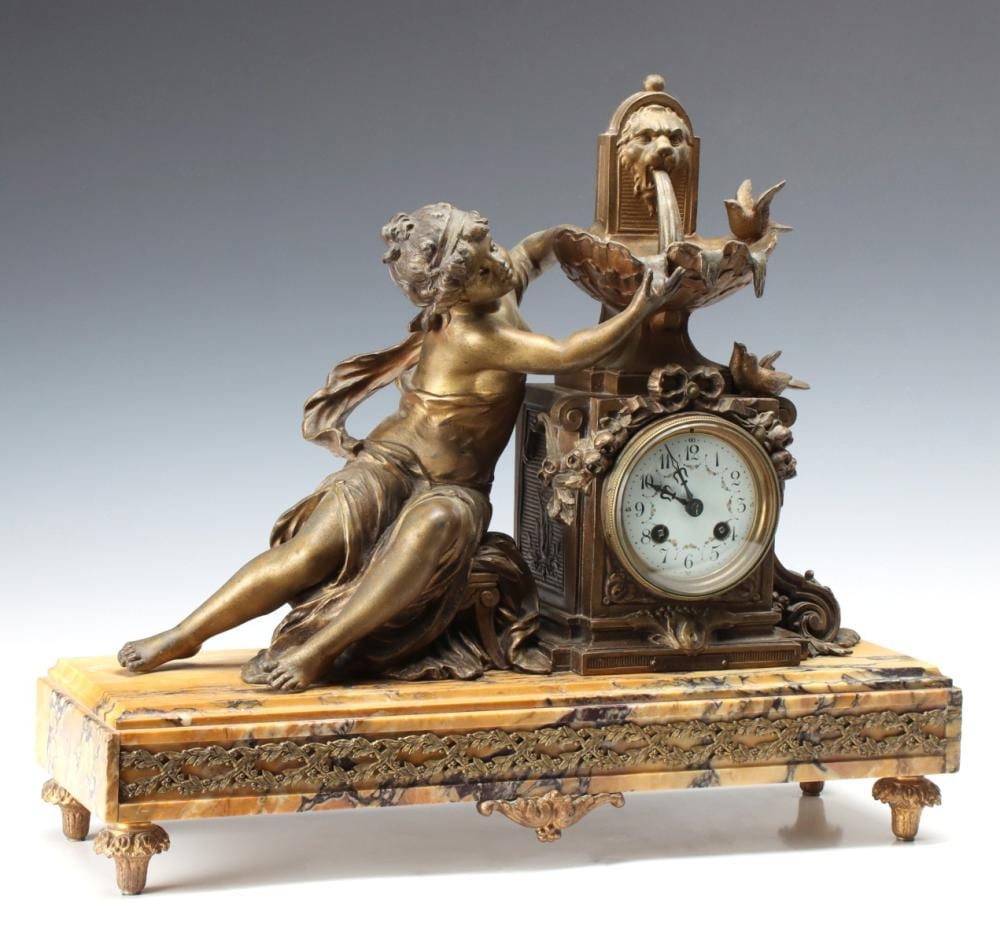
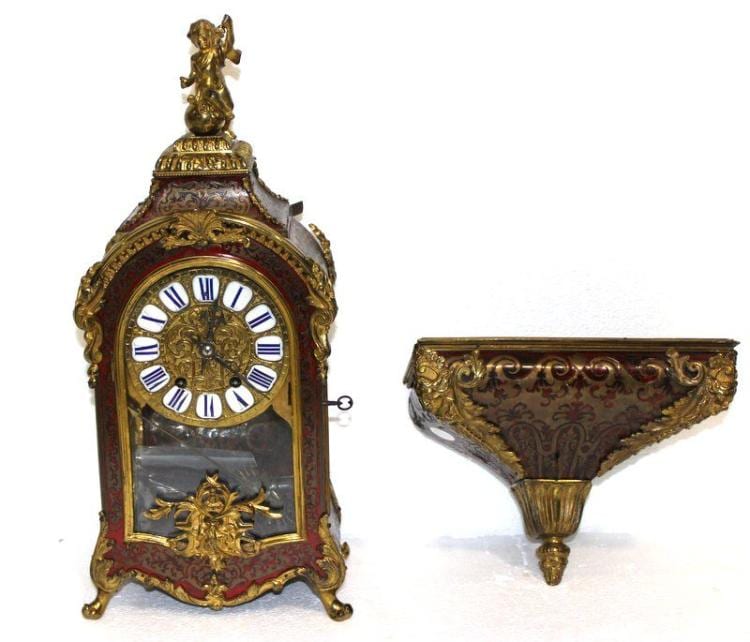
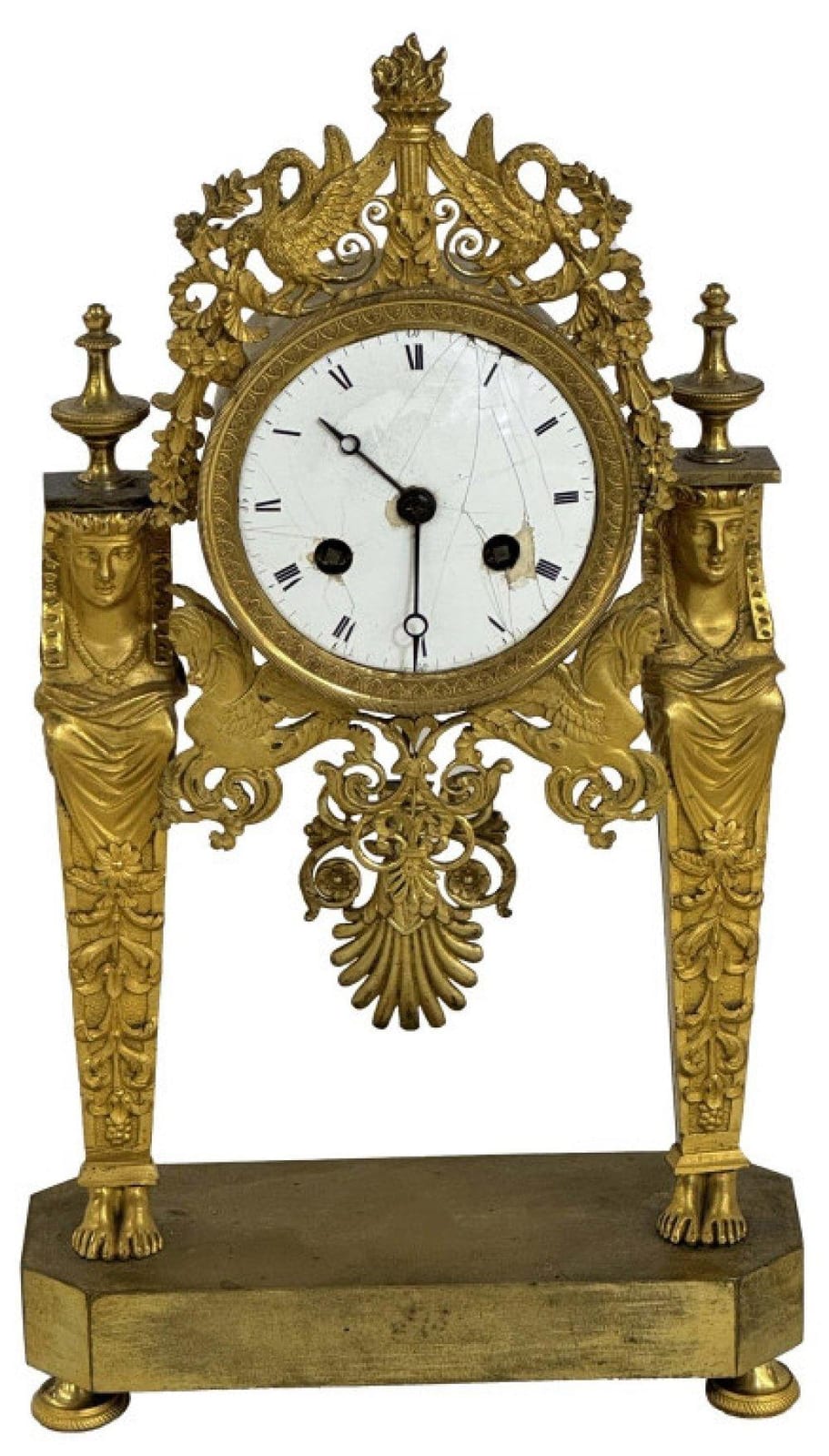
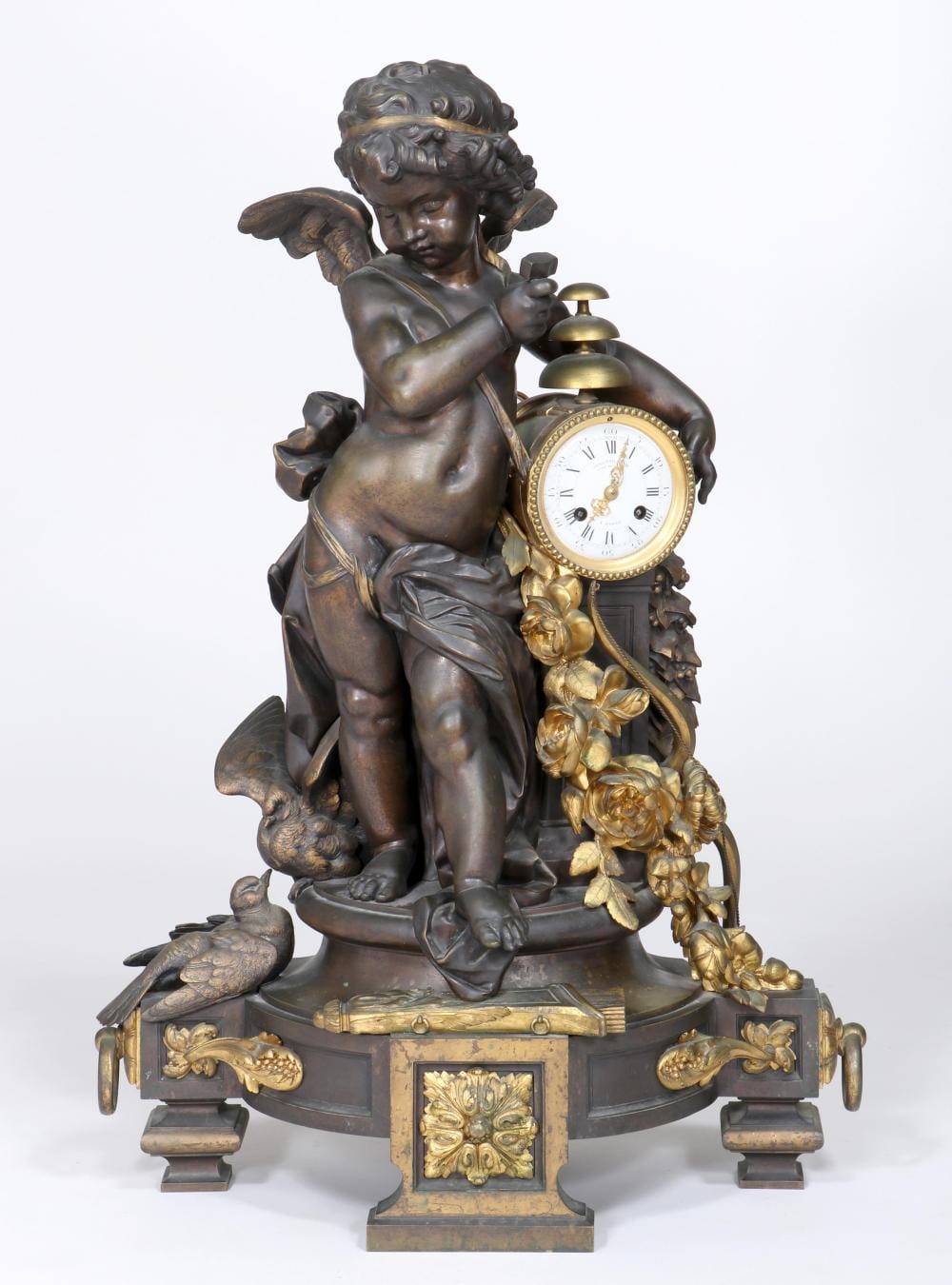
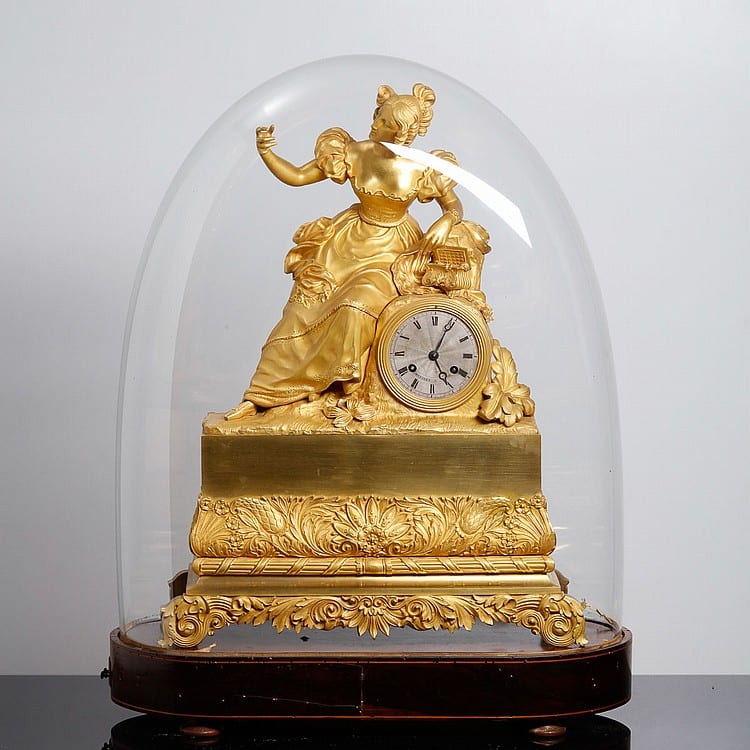
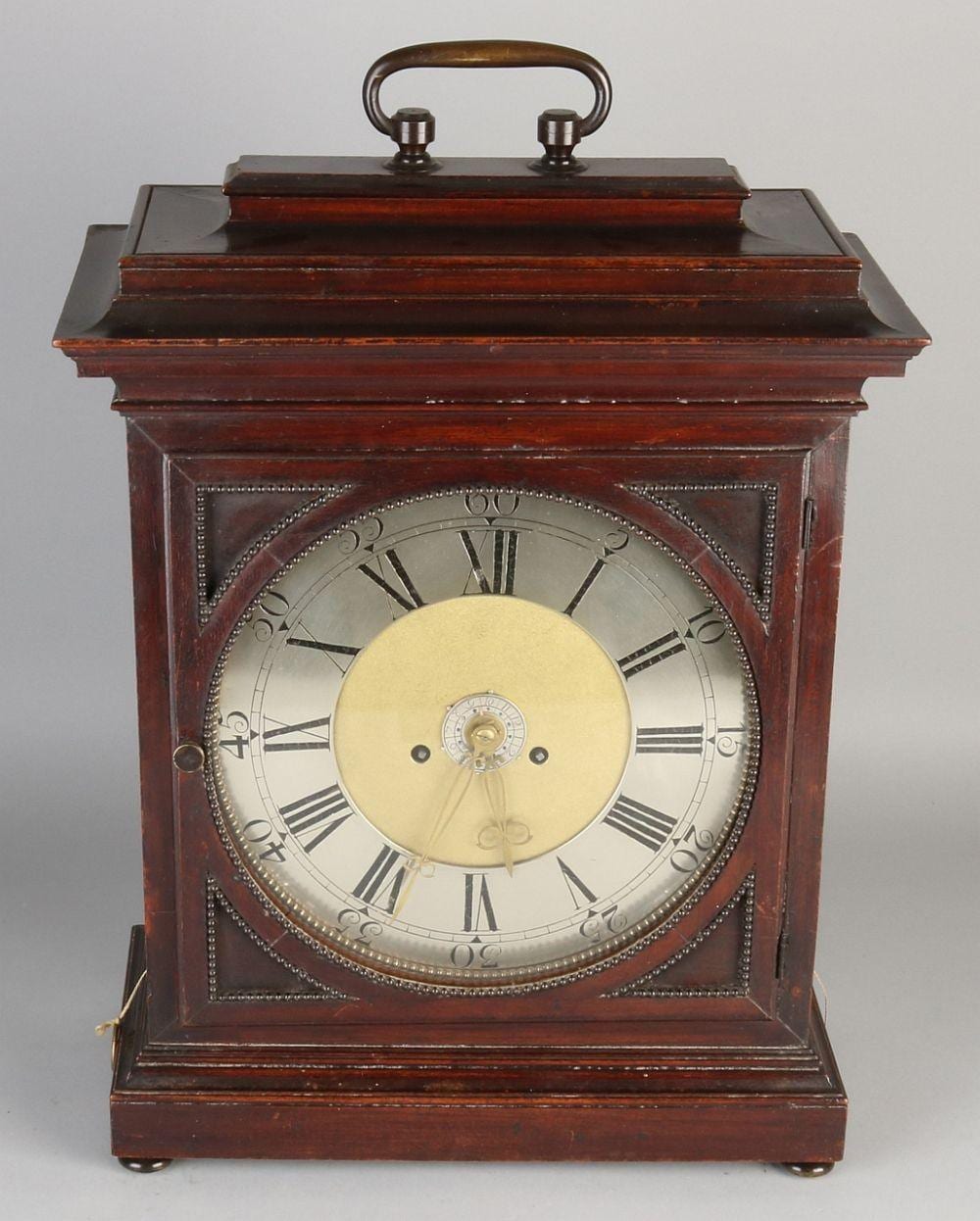
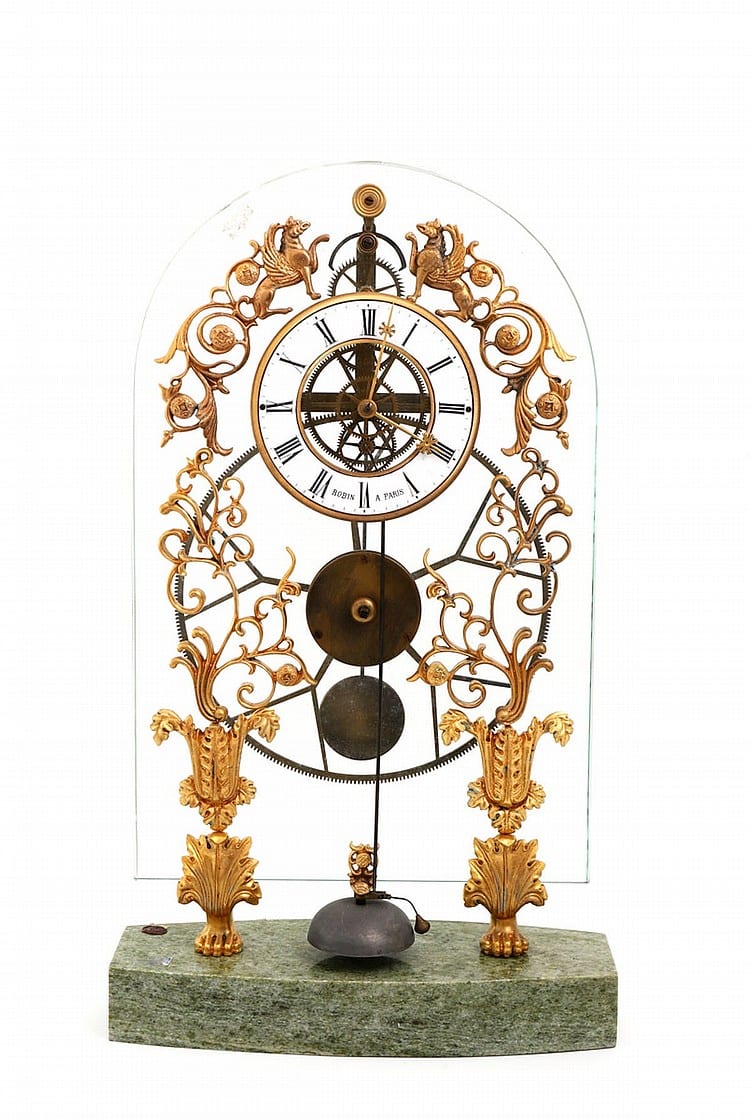
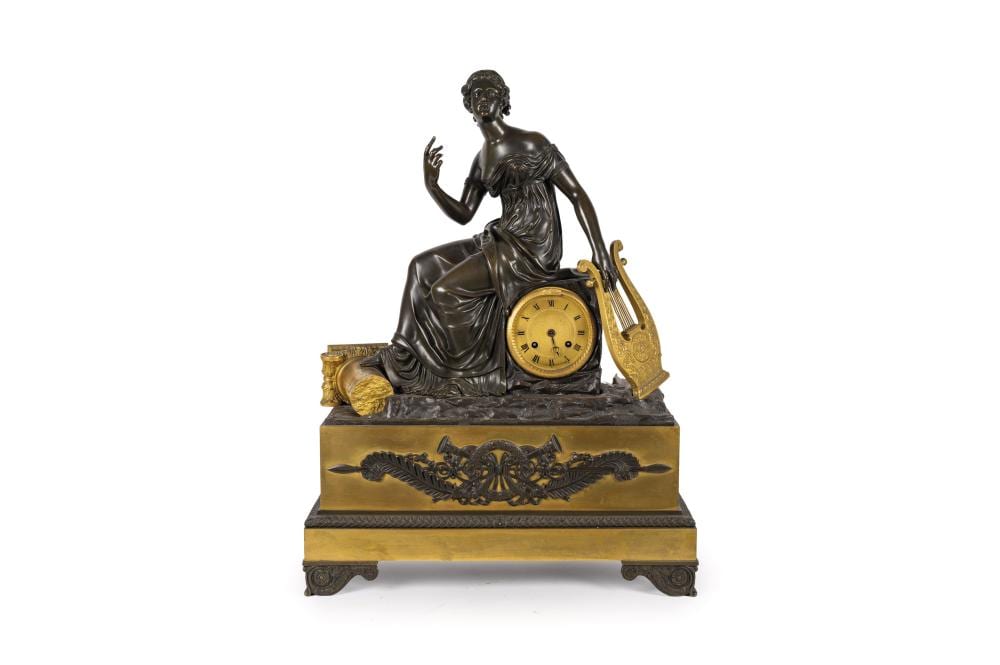
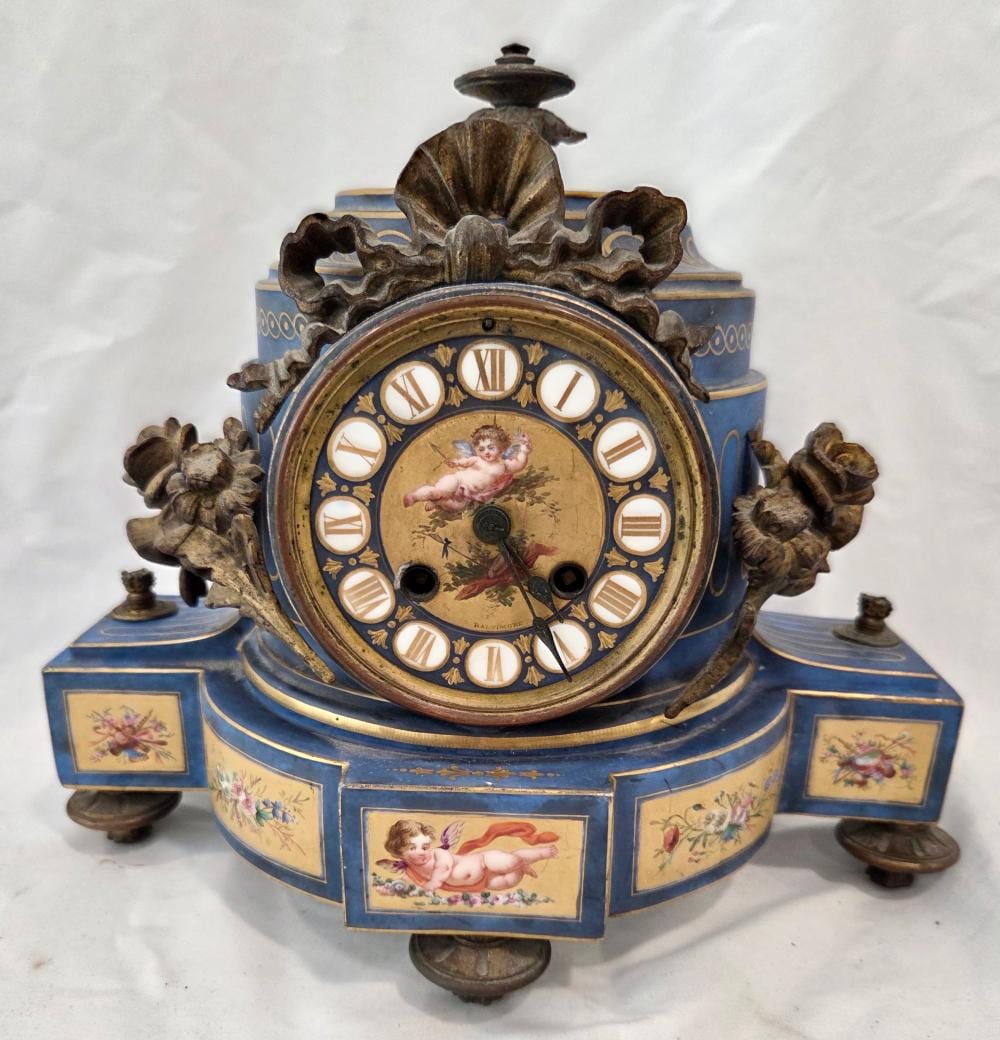
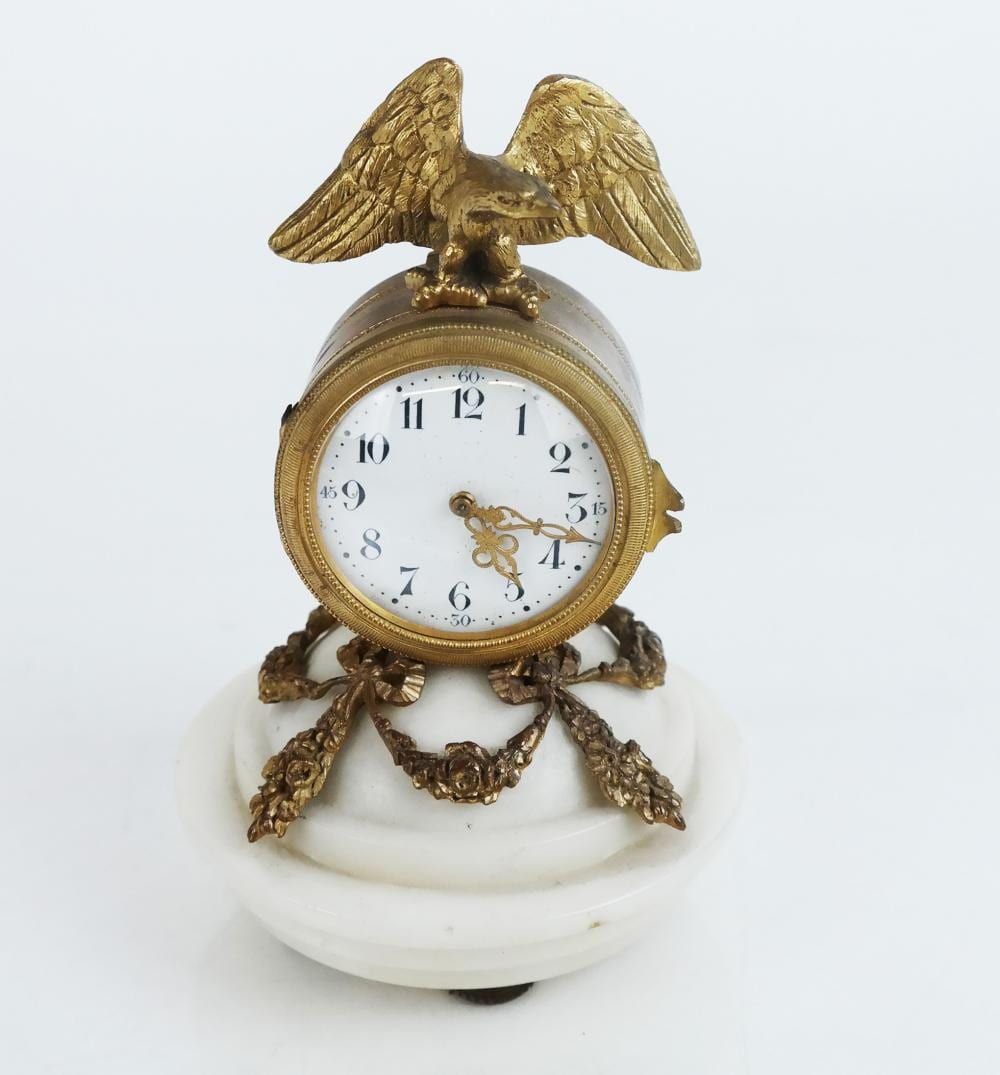
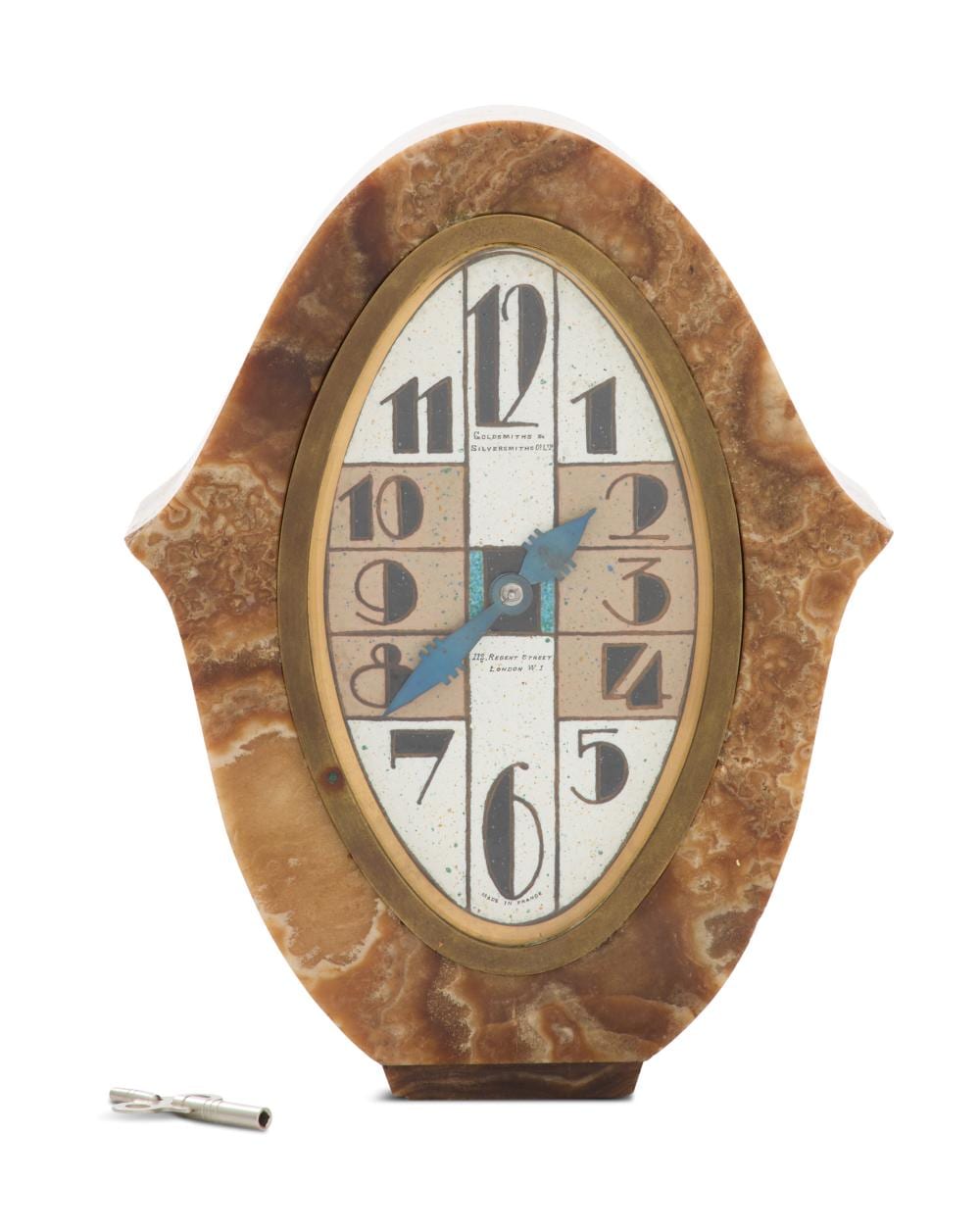
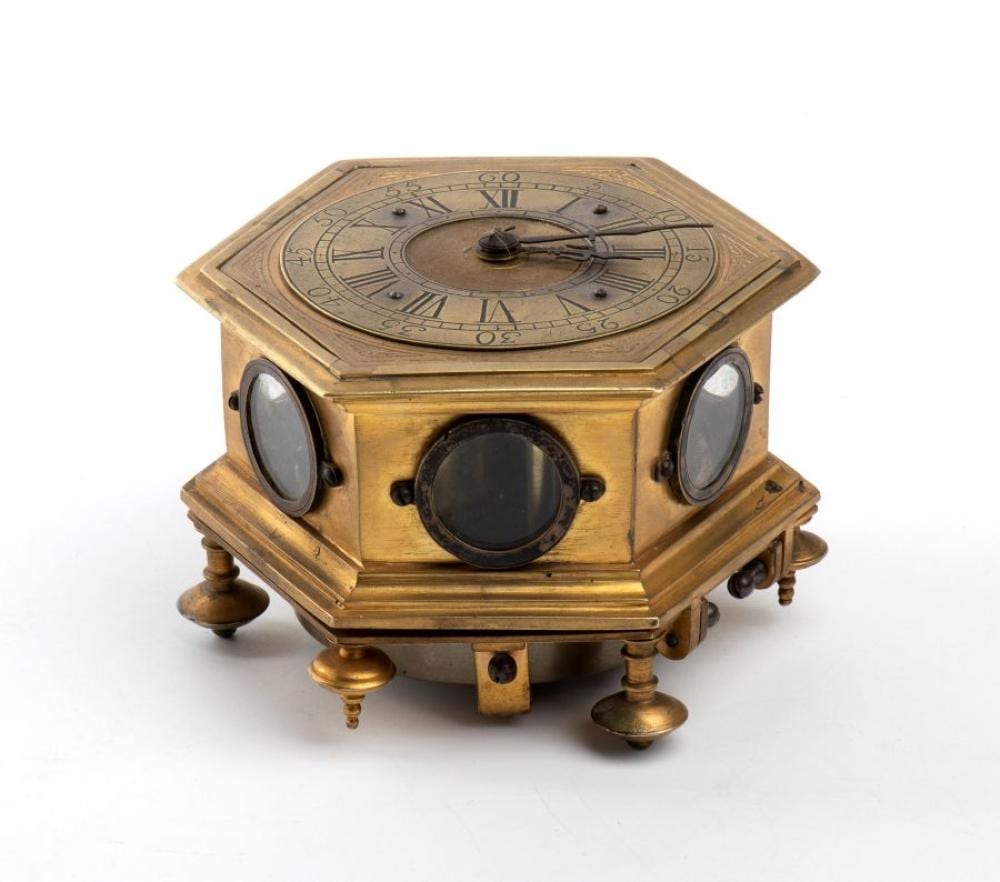
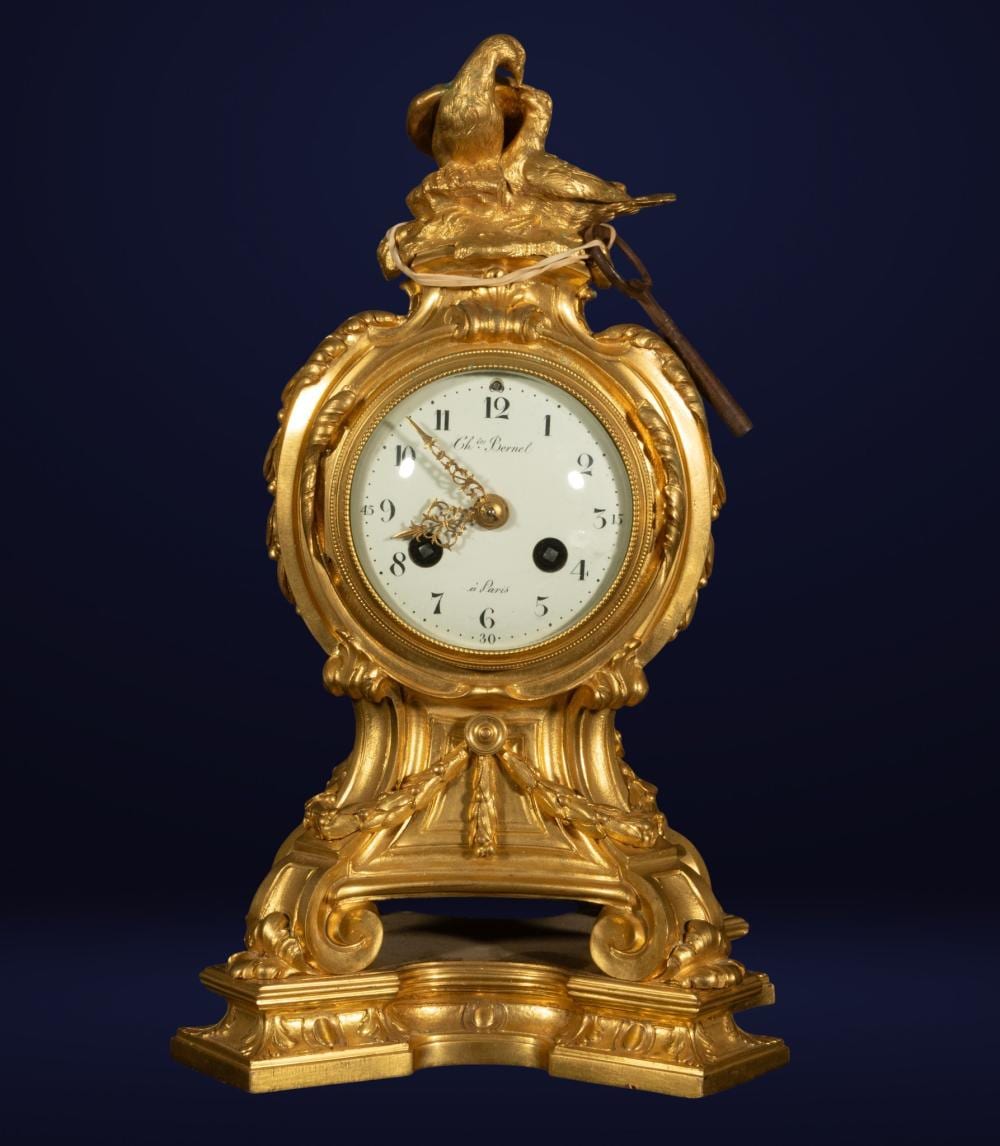
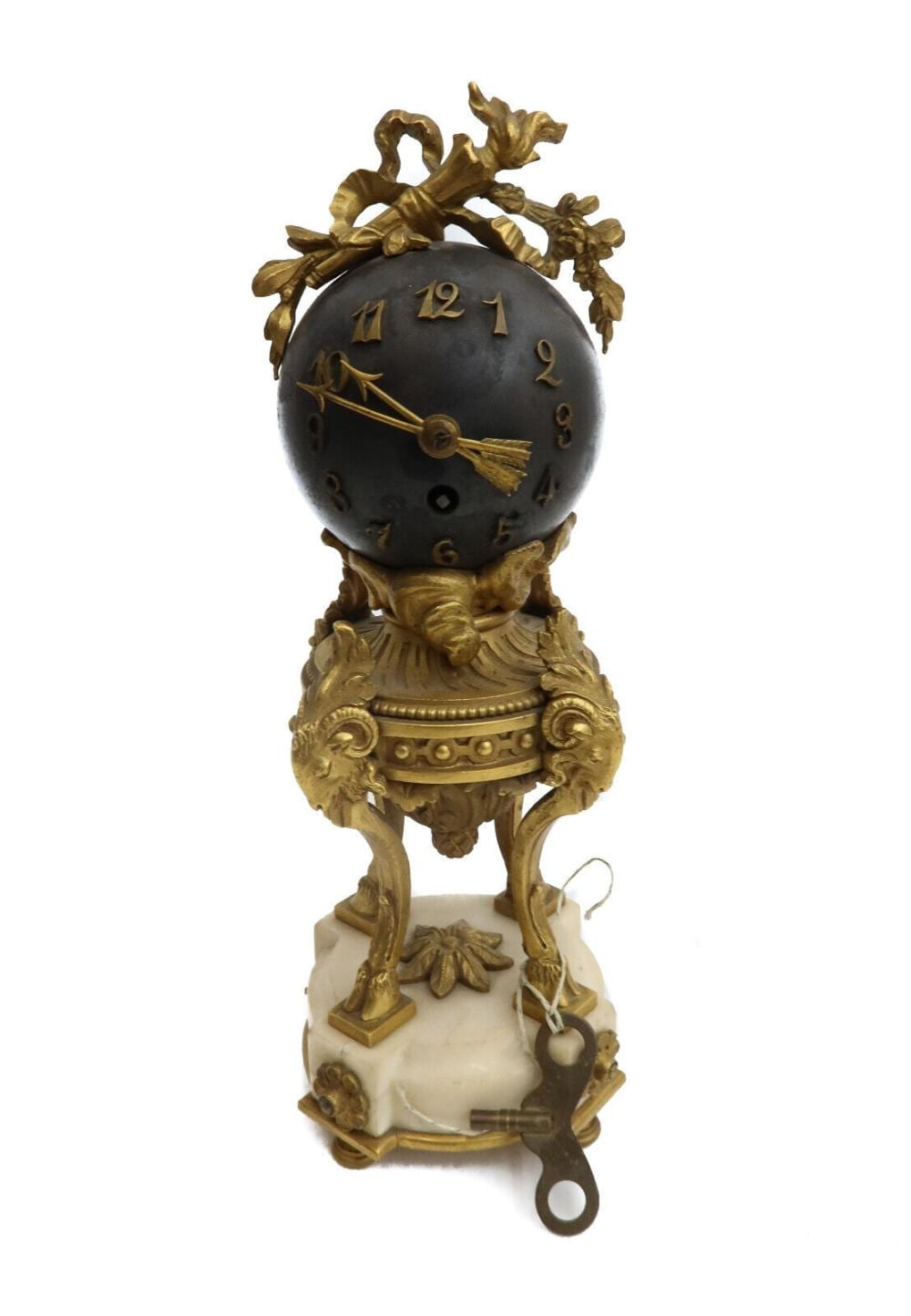
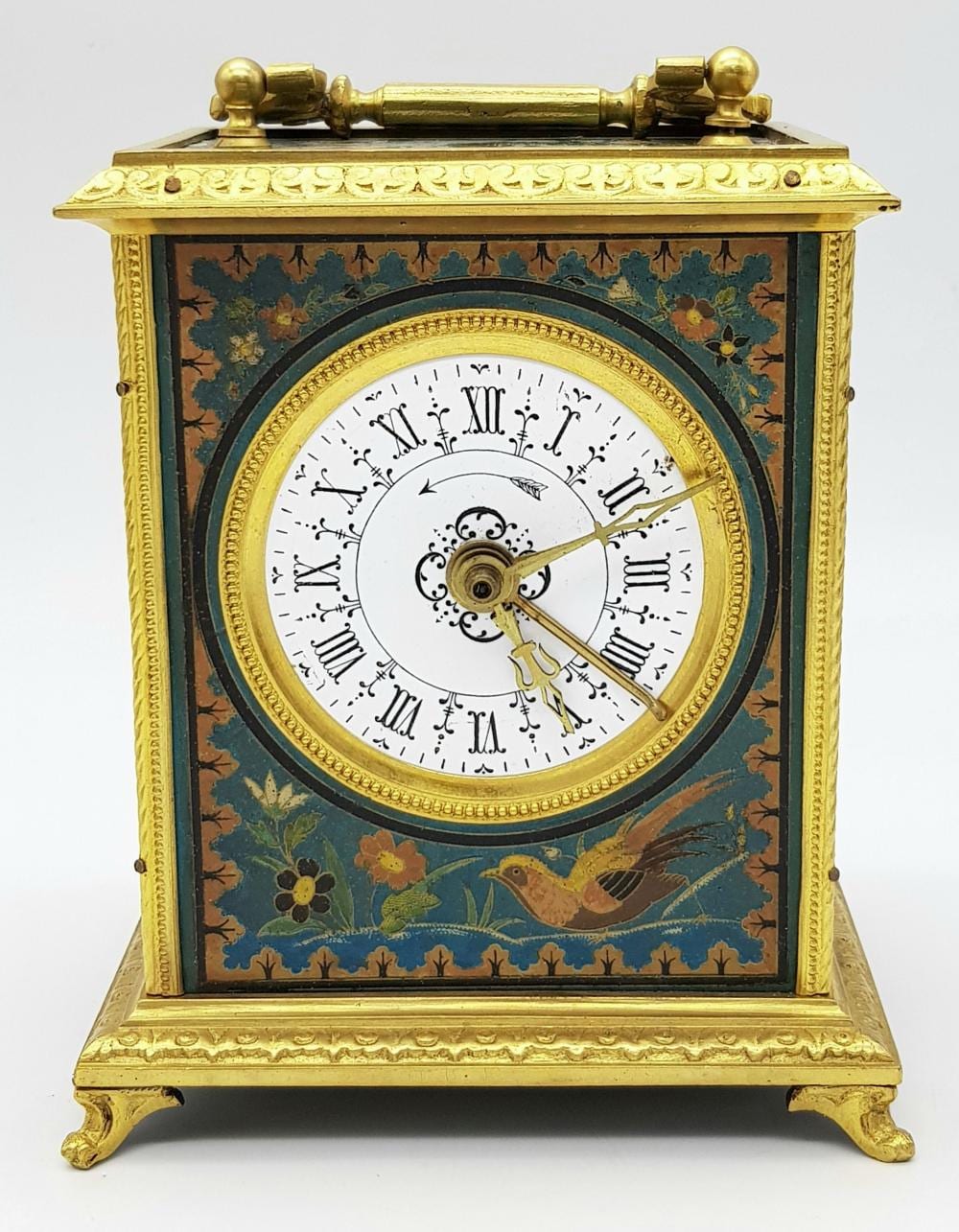
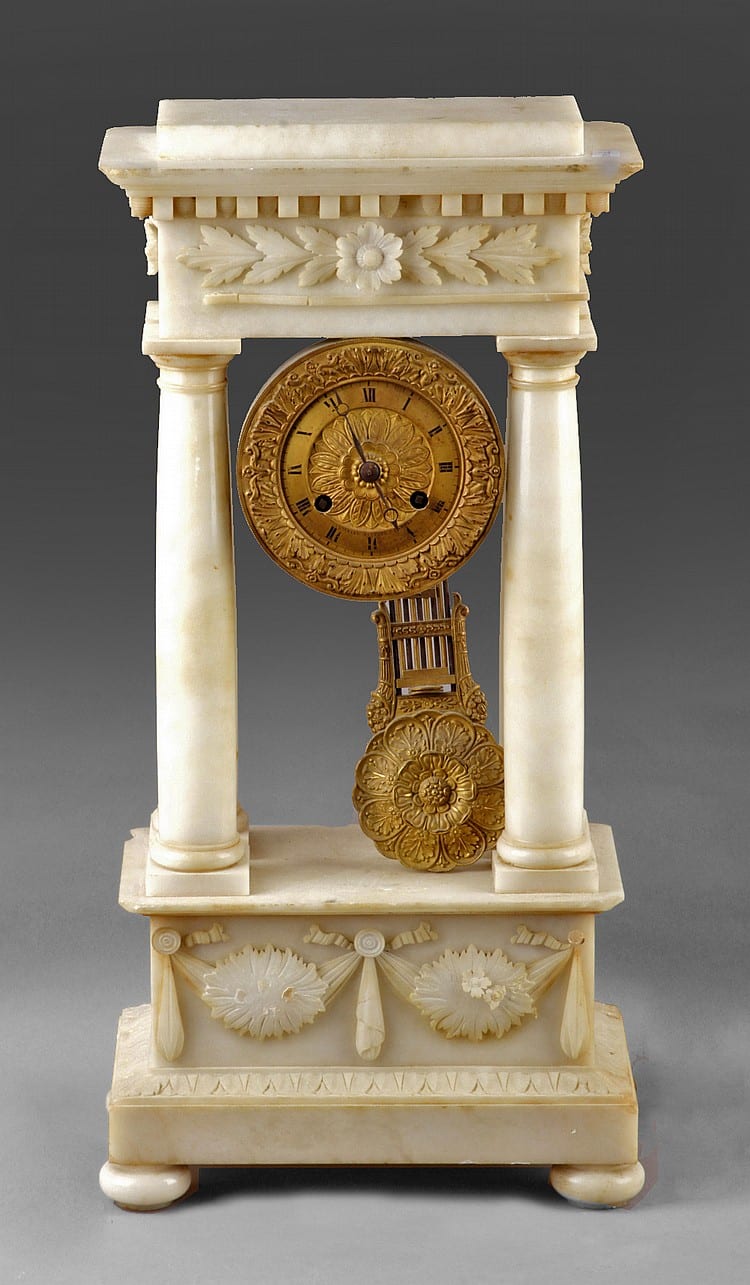
Real auction sales of items like your French marble clock. Open a sale to see the original listing.
Shown USD range: USD 5-USD 6,000. Median of these 53 USD examples: USD 225.
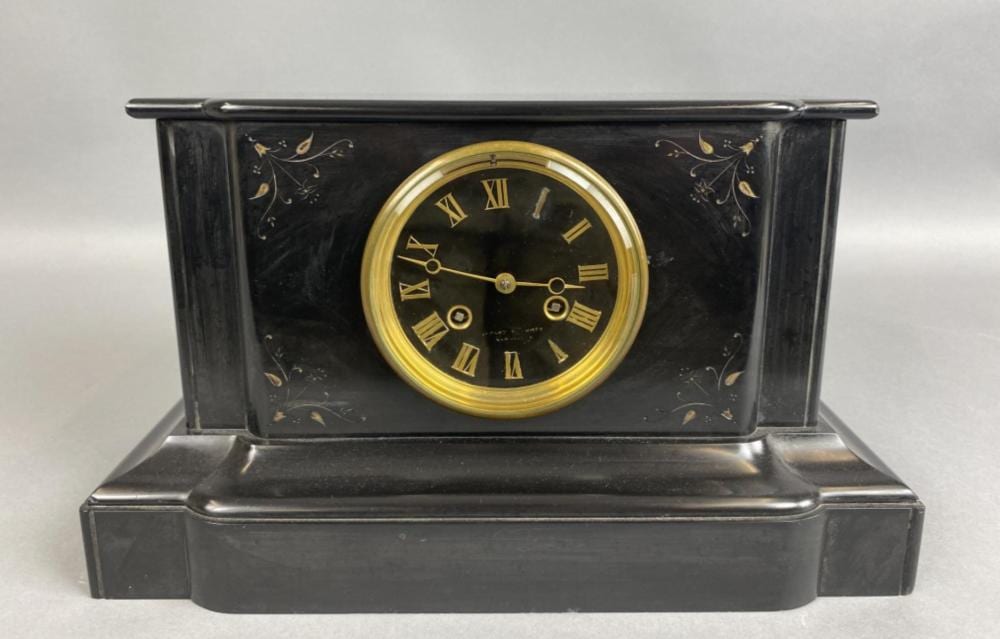
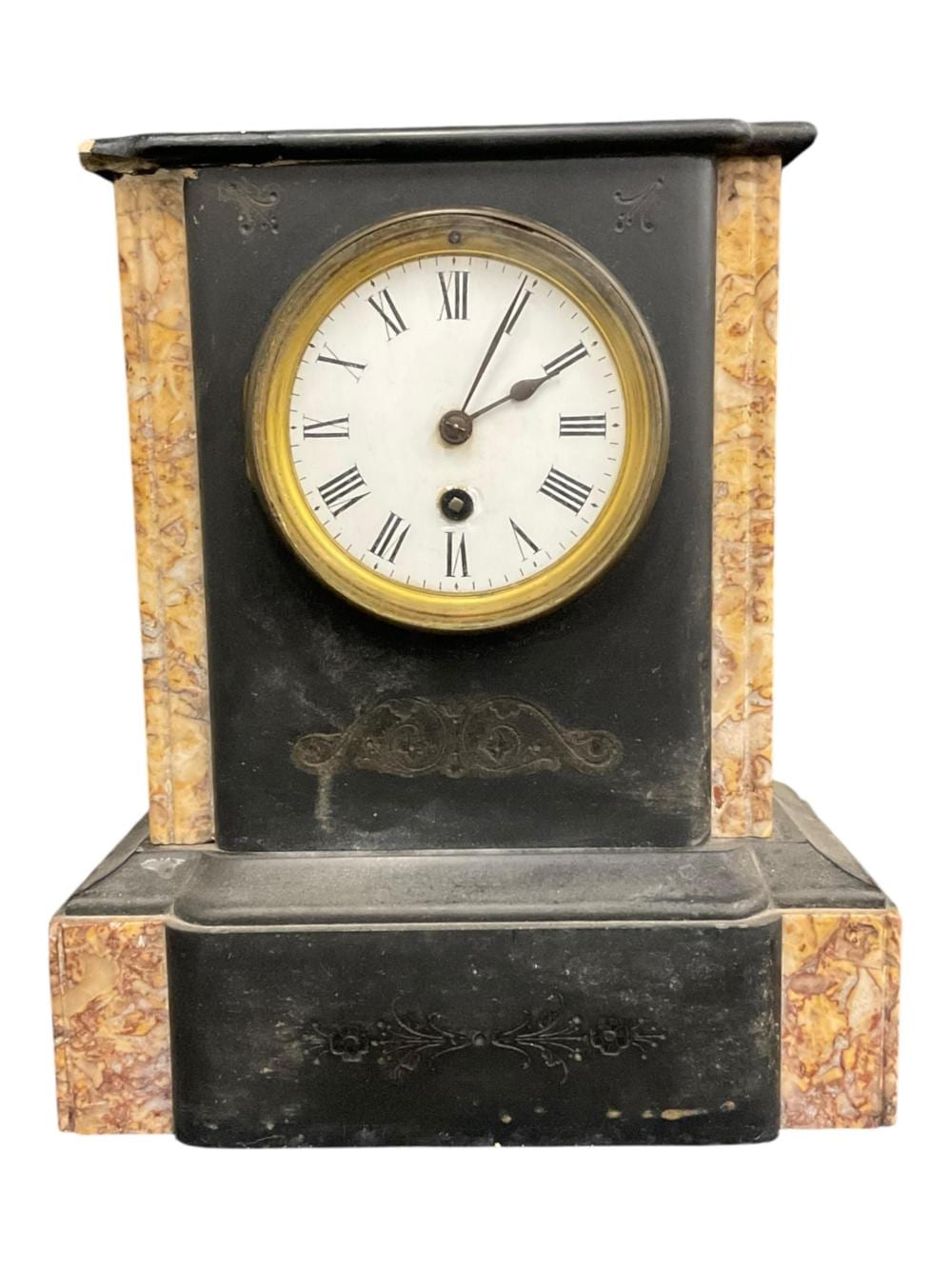
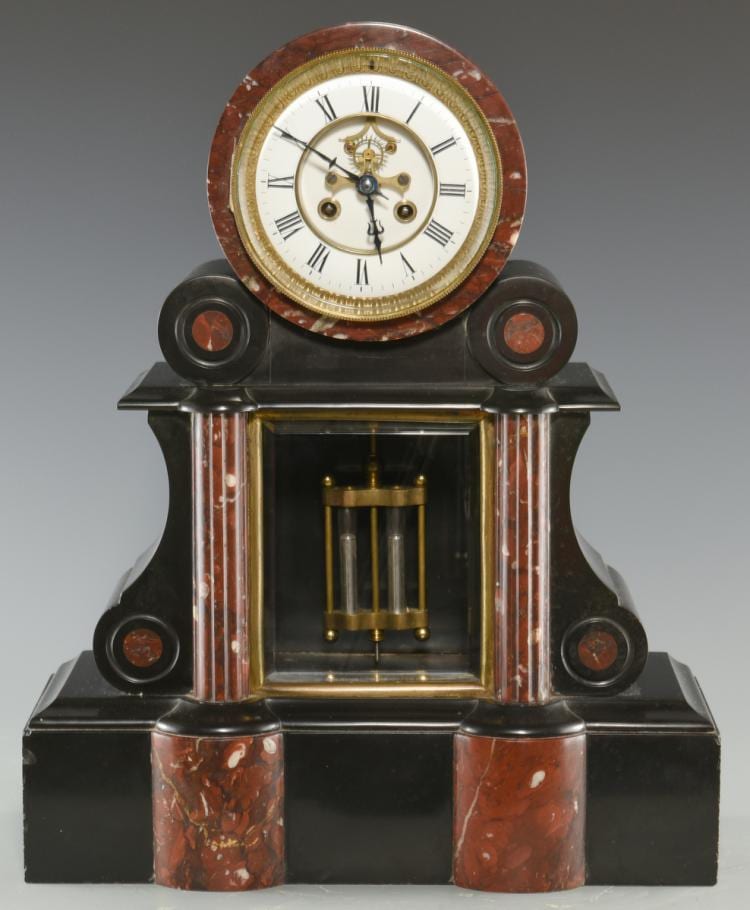
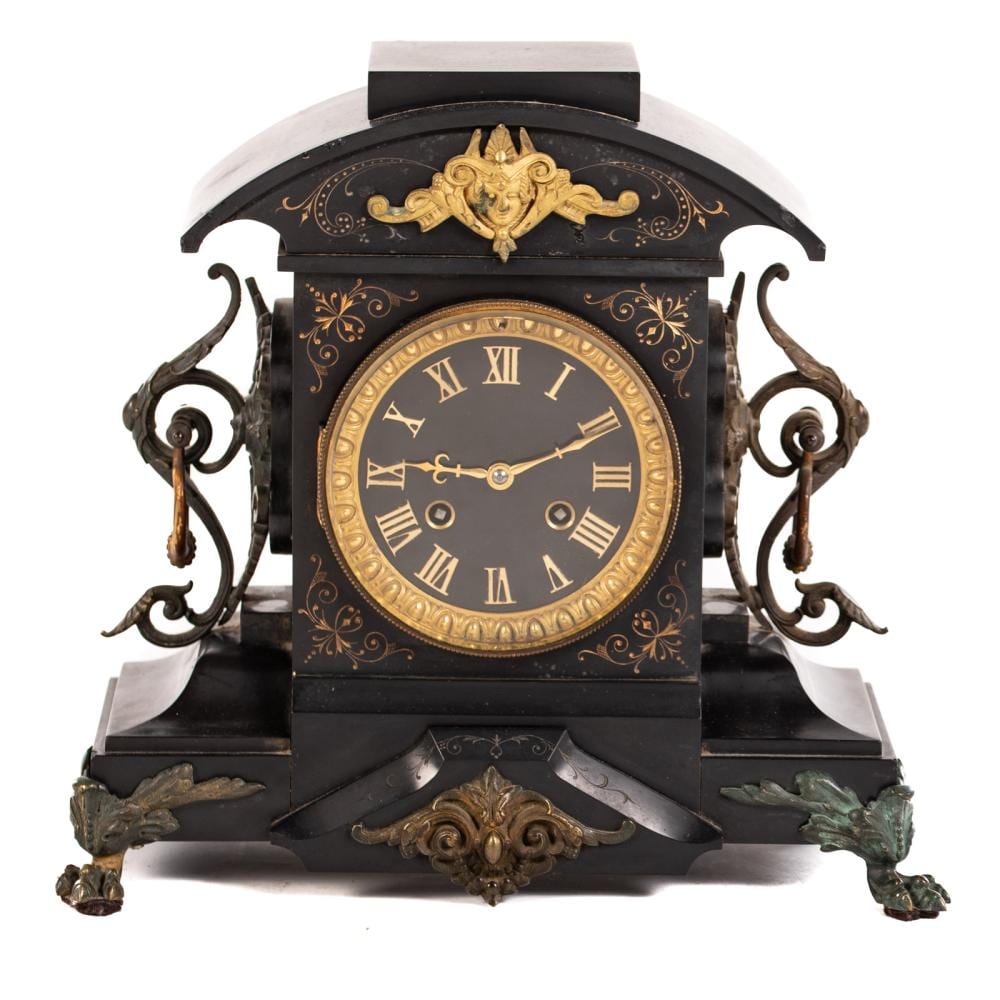
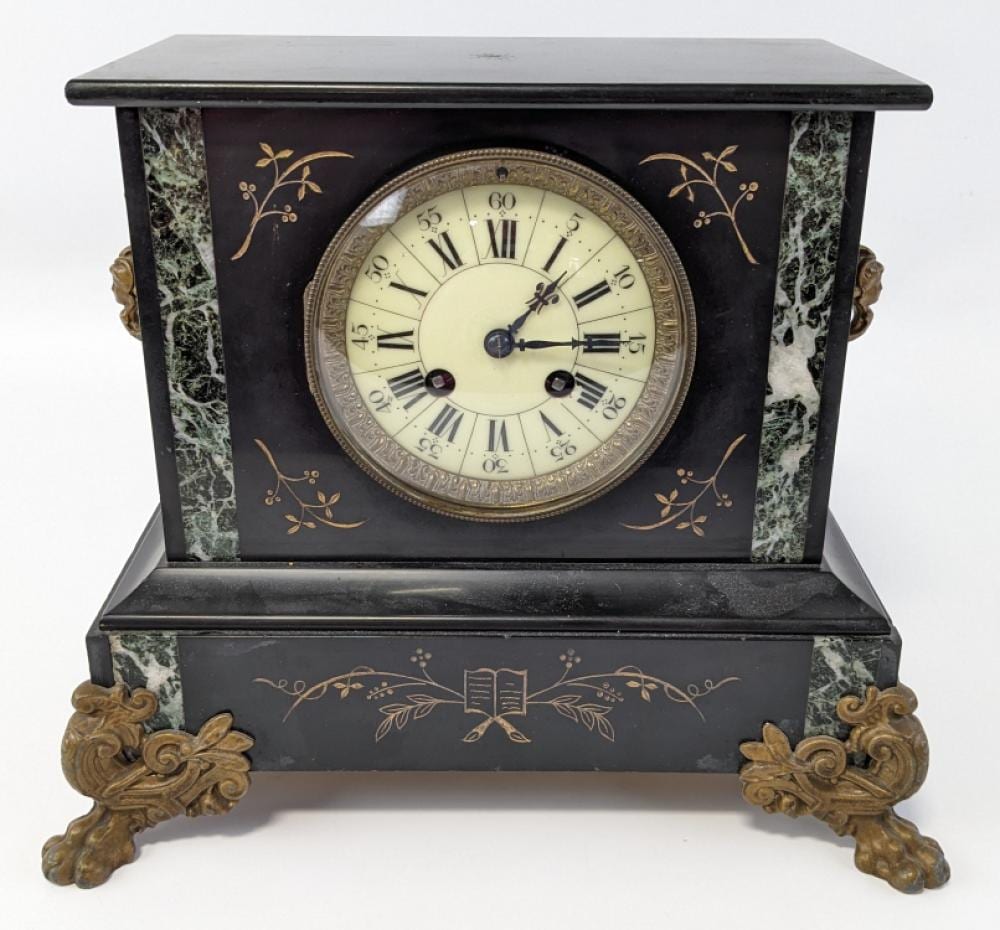
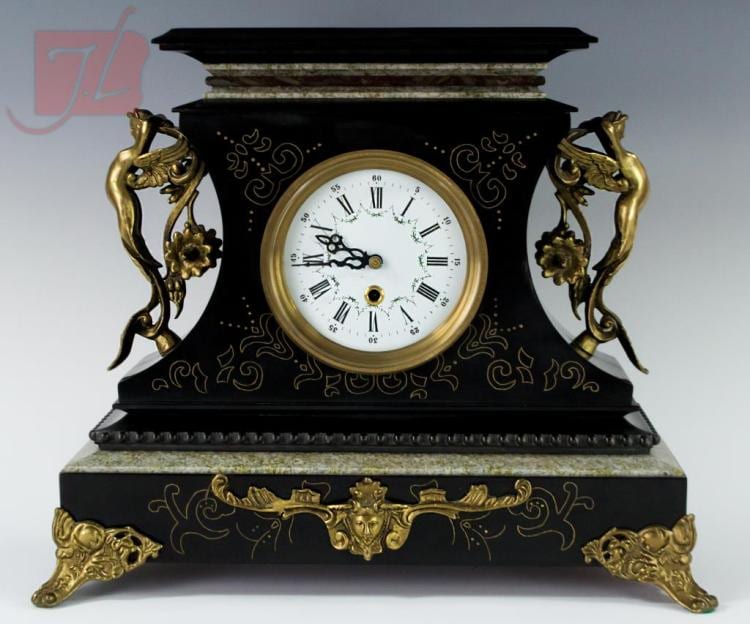
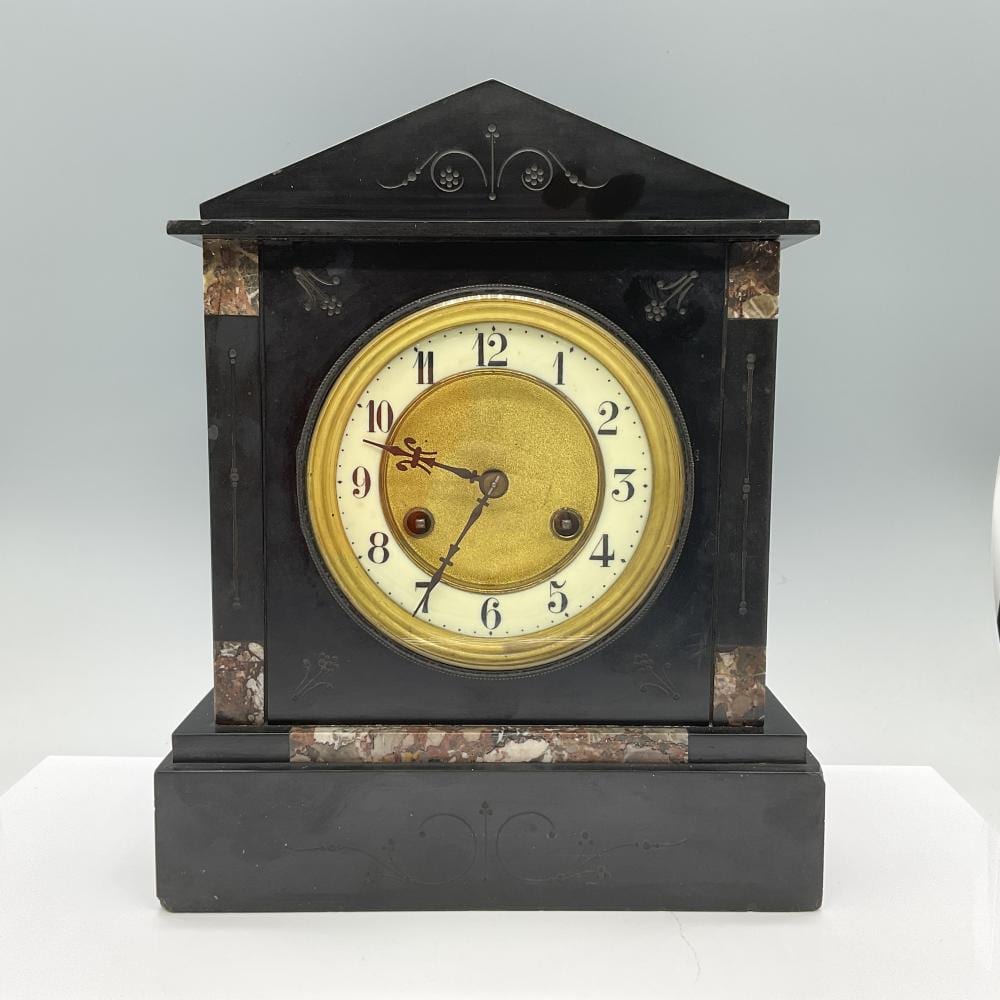
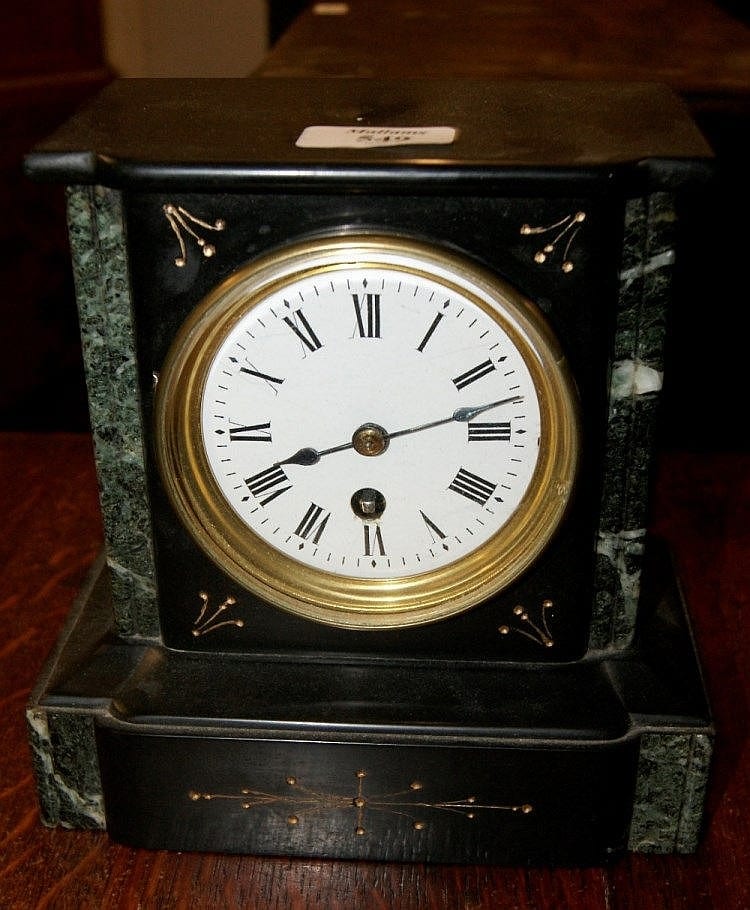
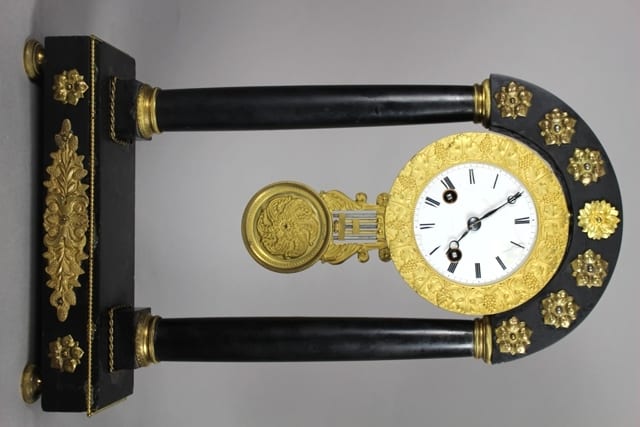
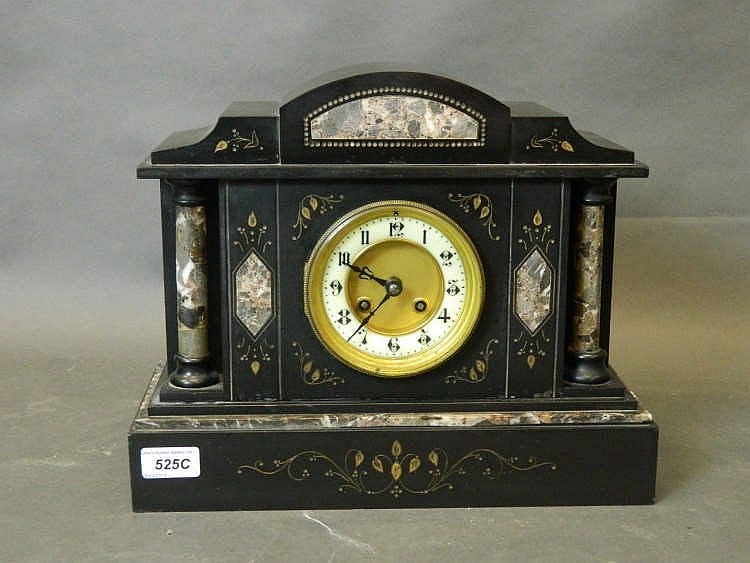
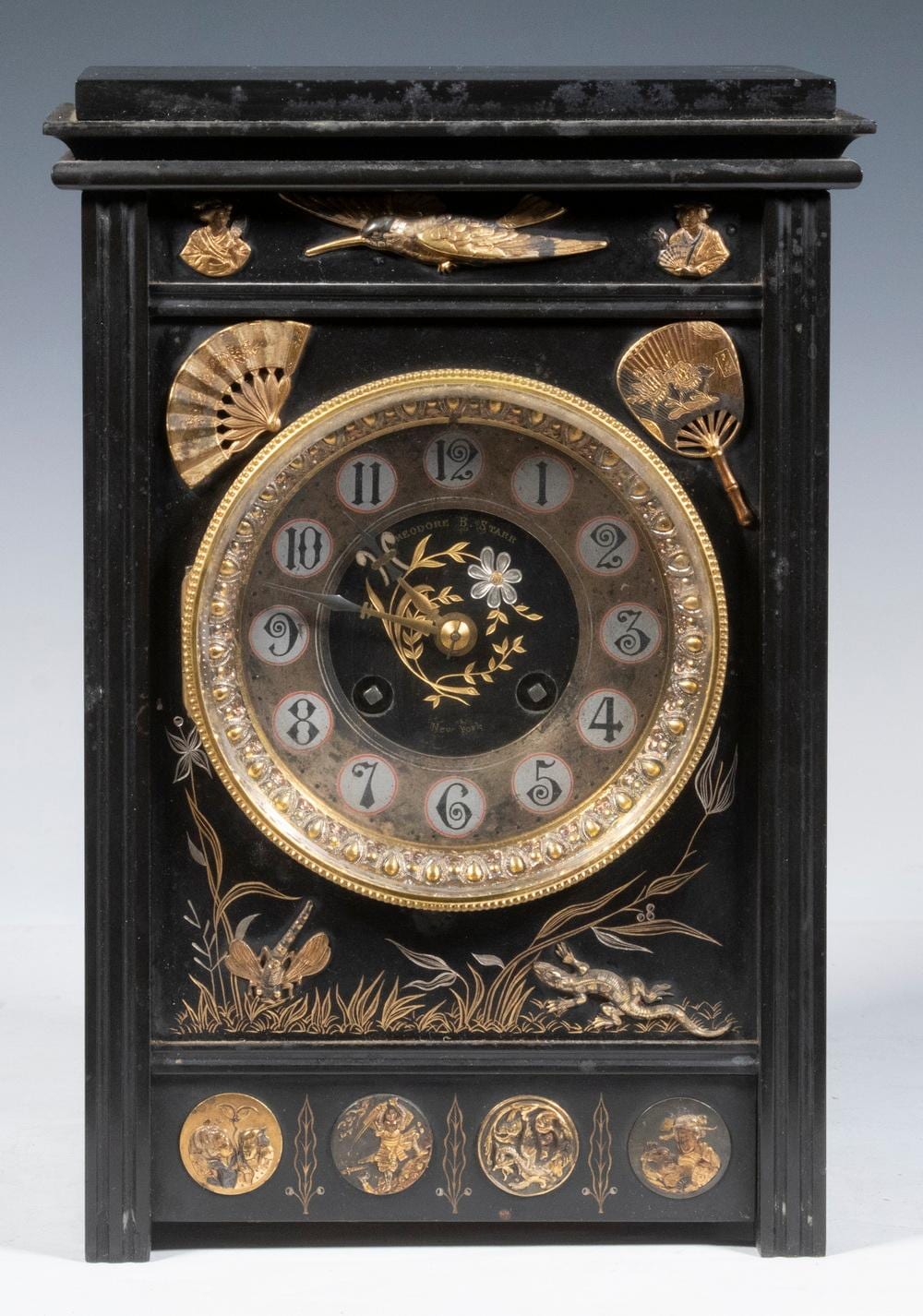
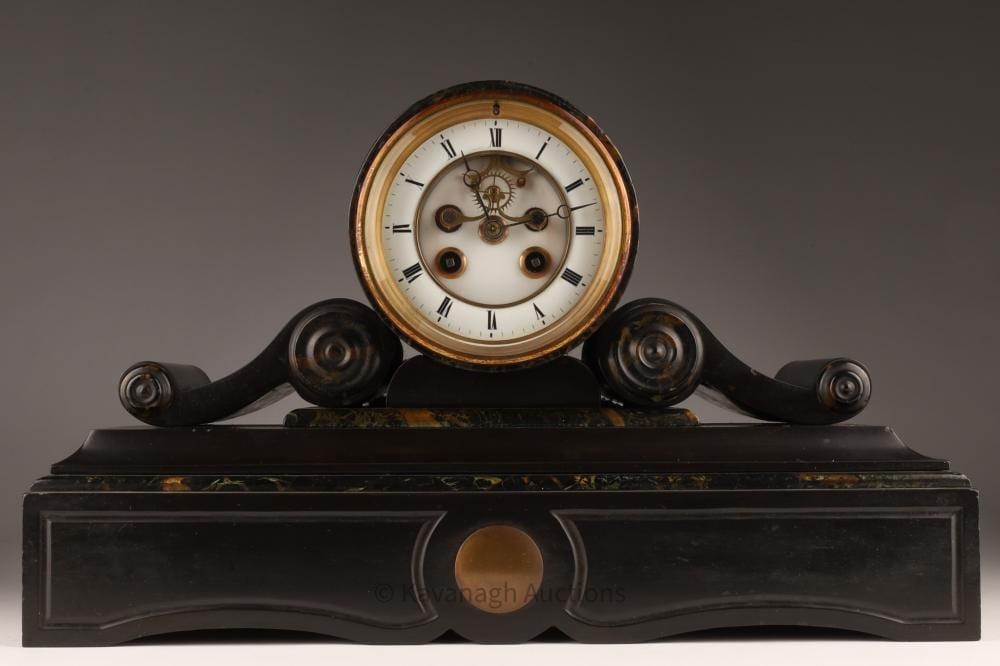
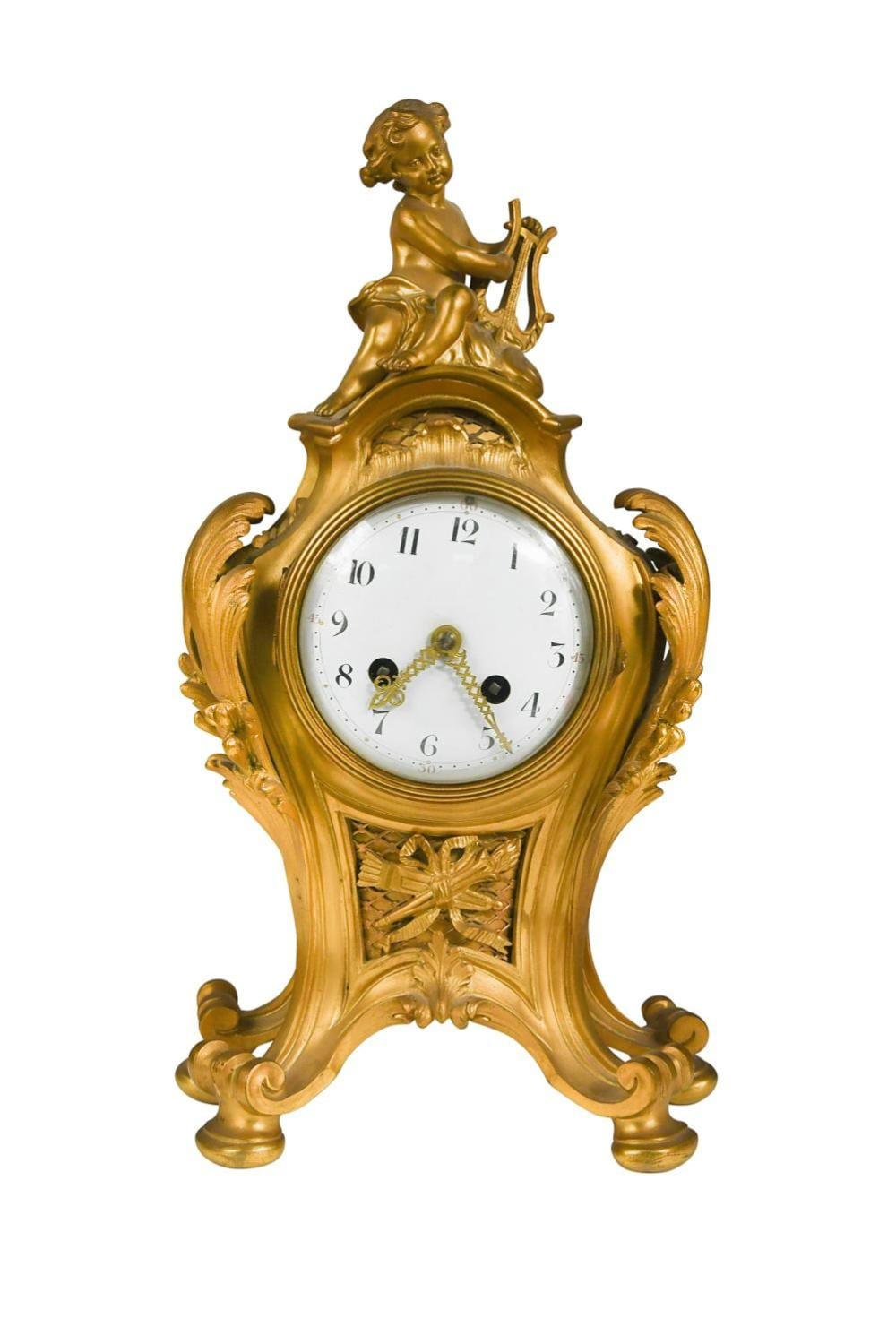
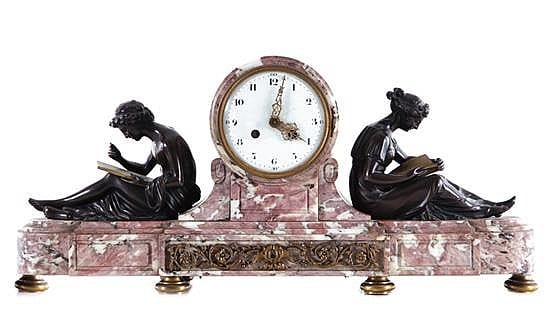
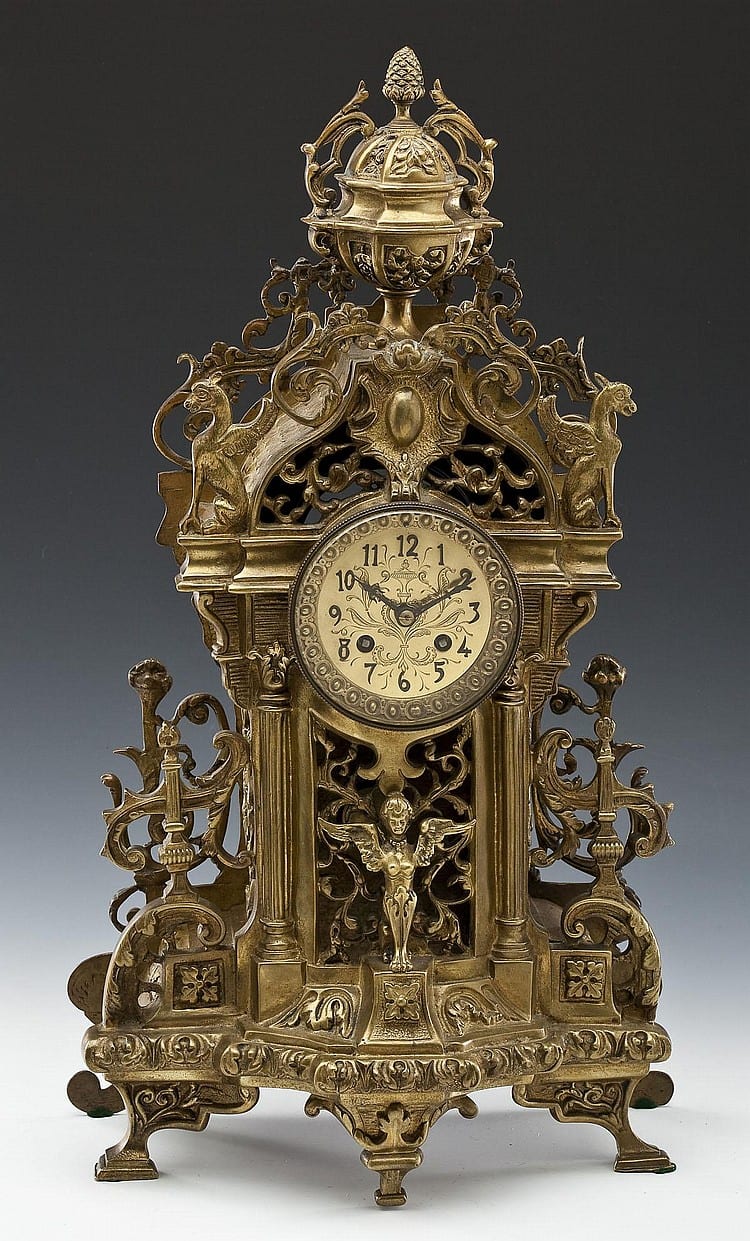
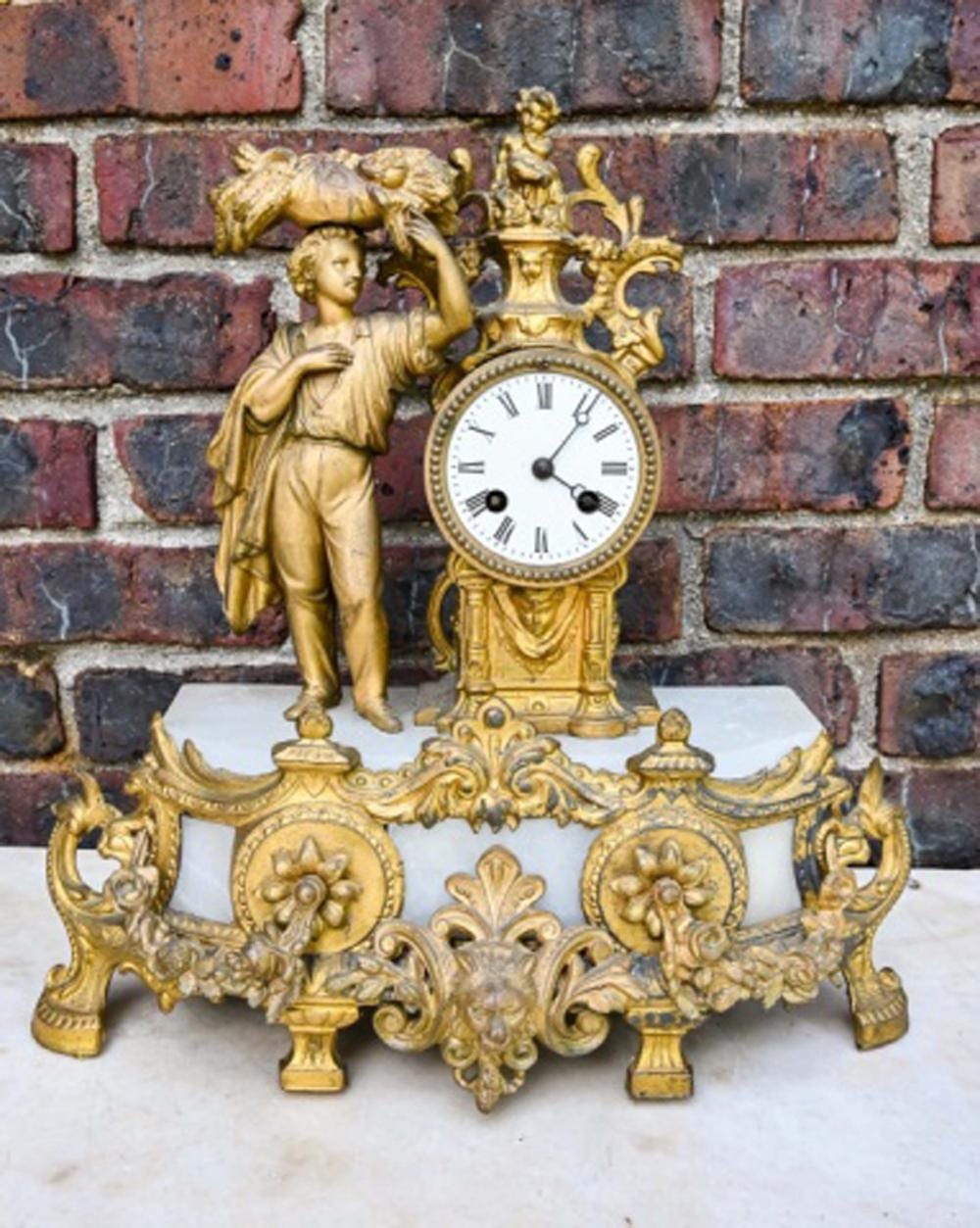
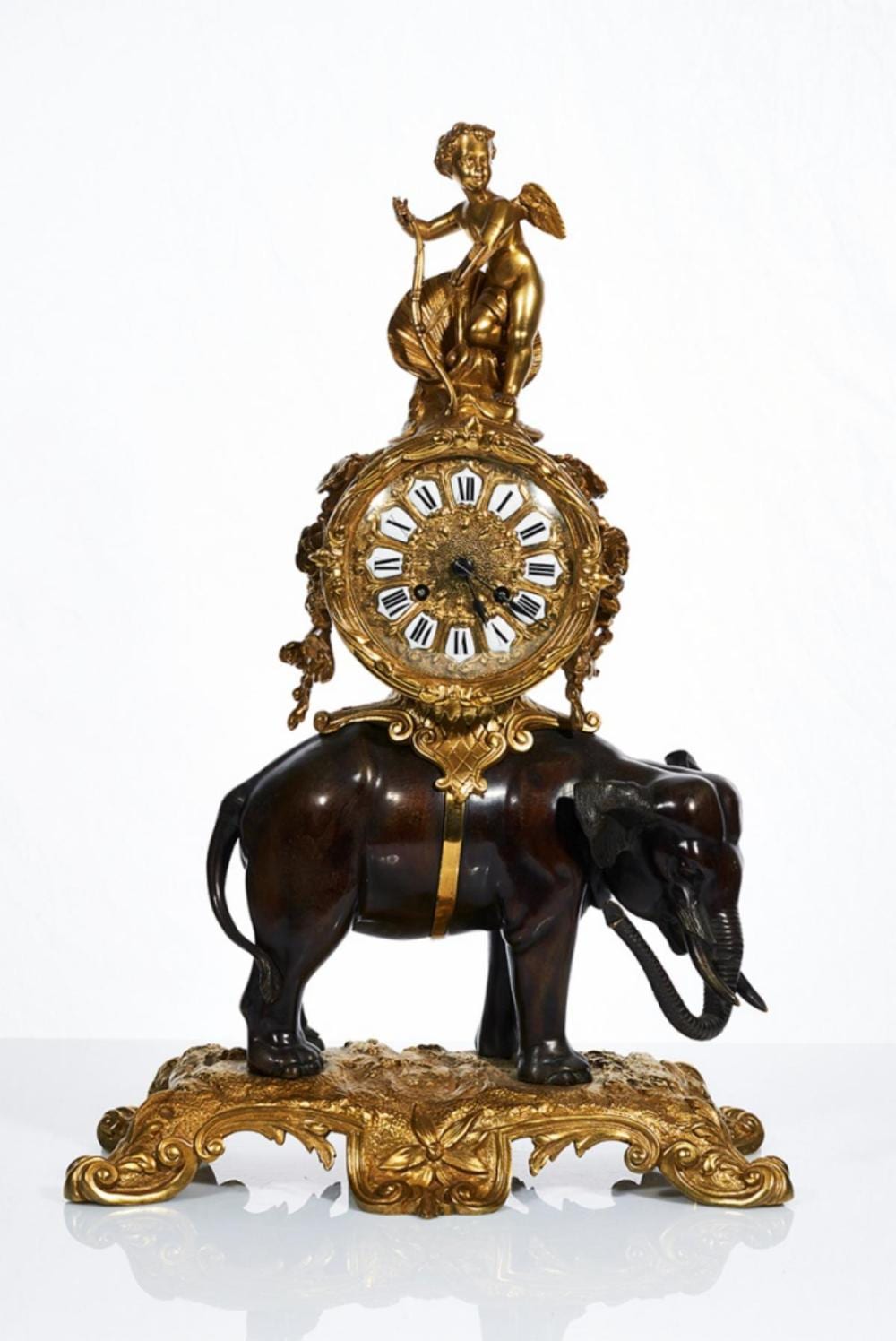
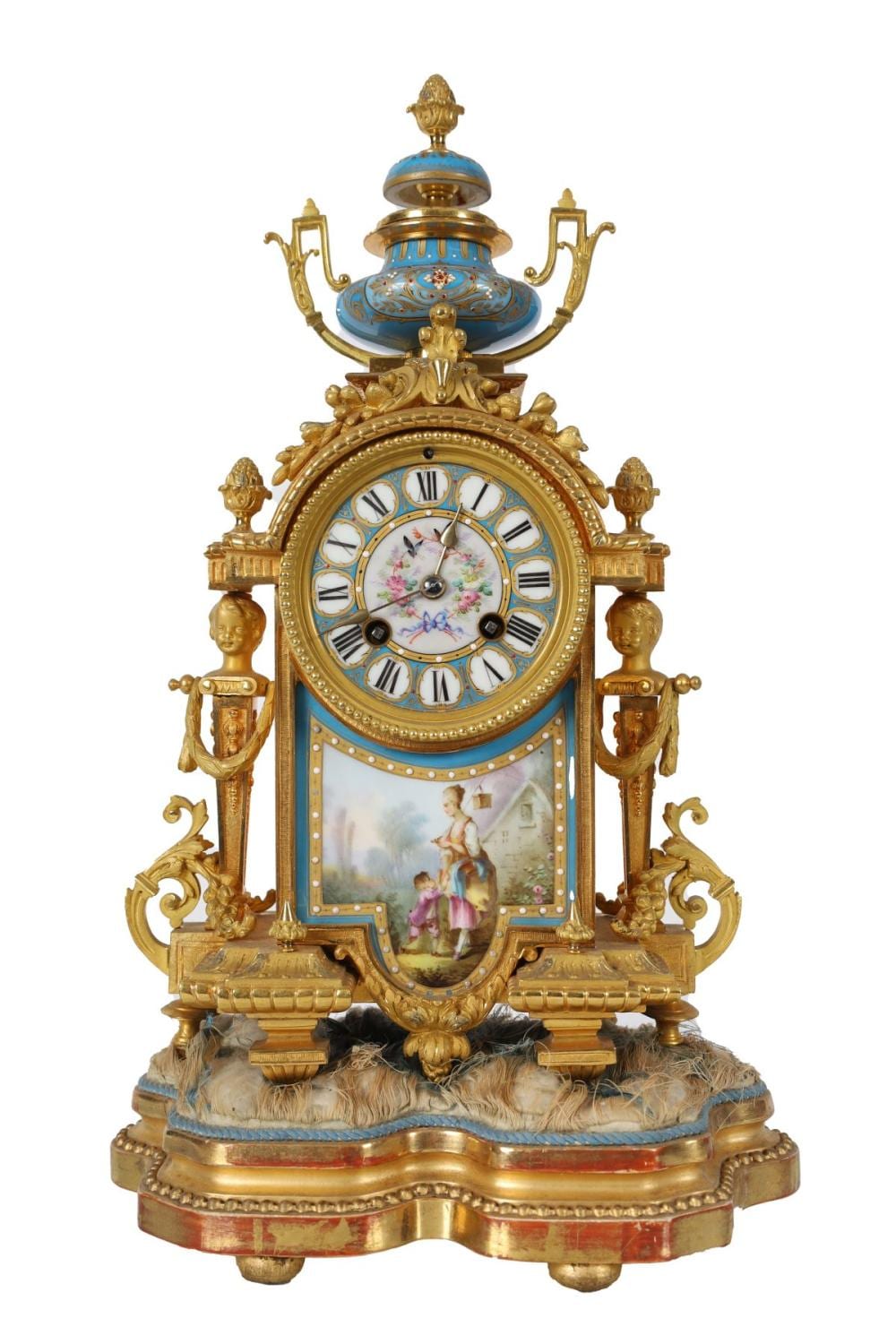
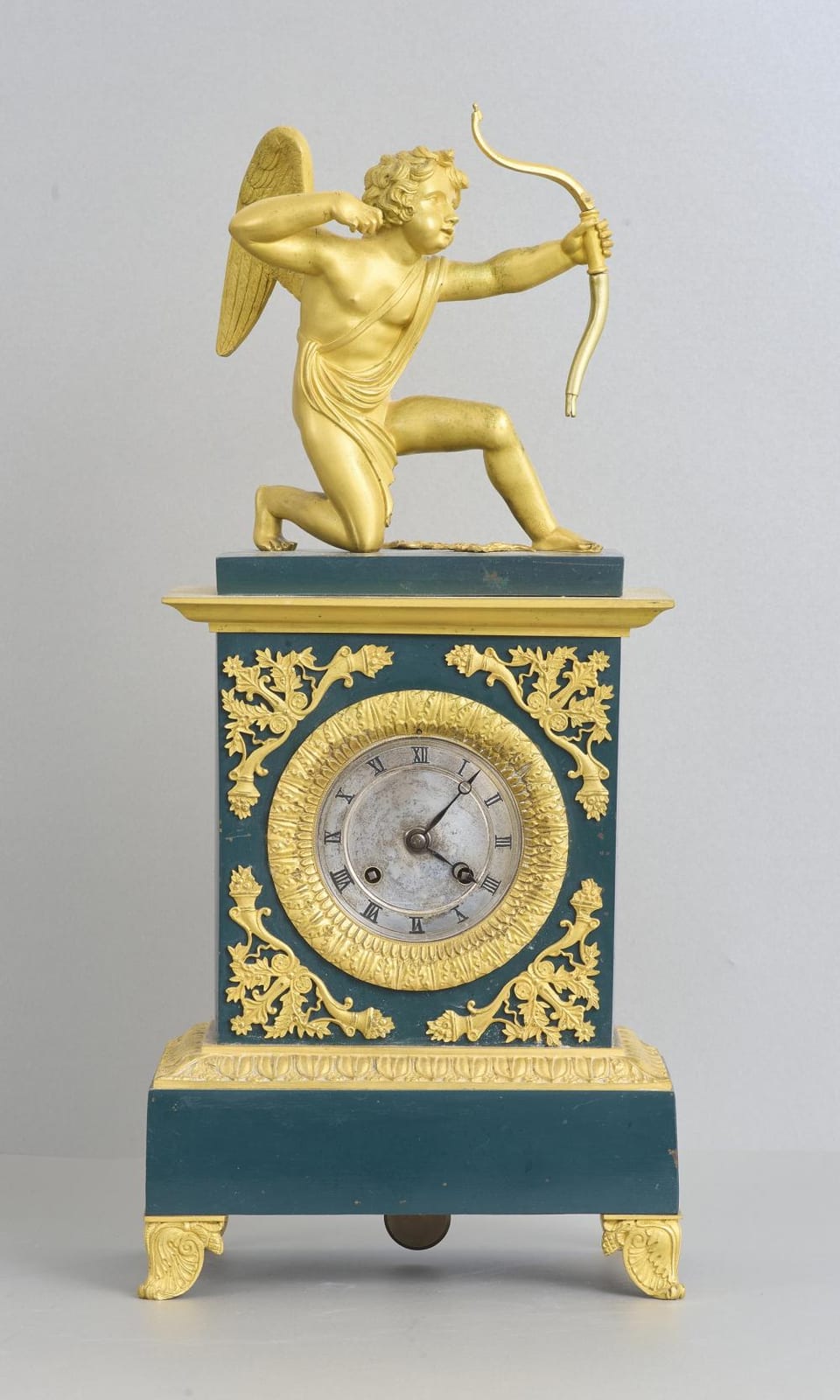
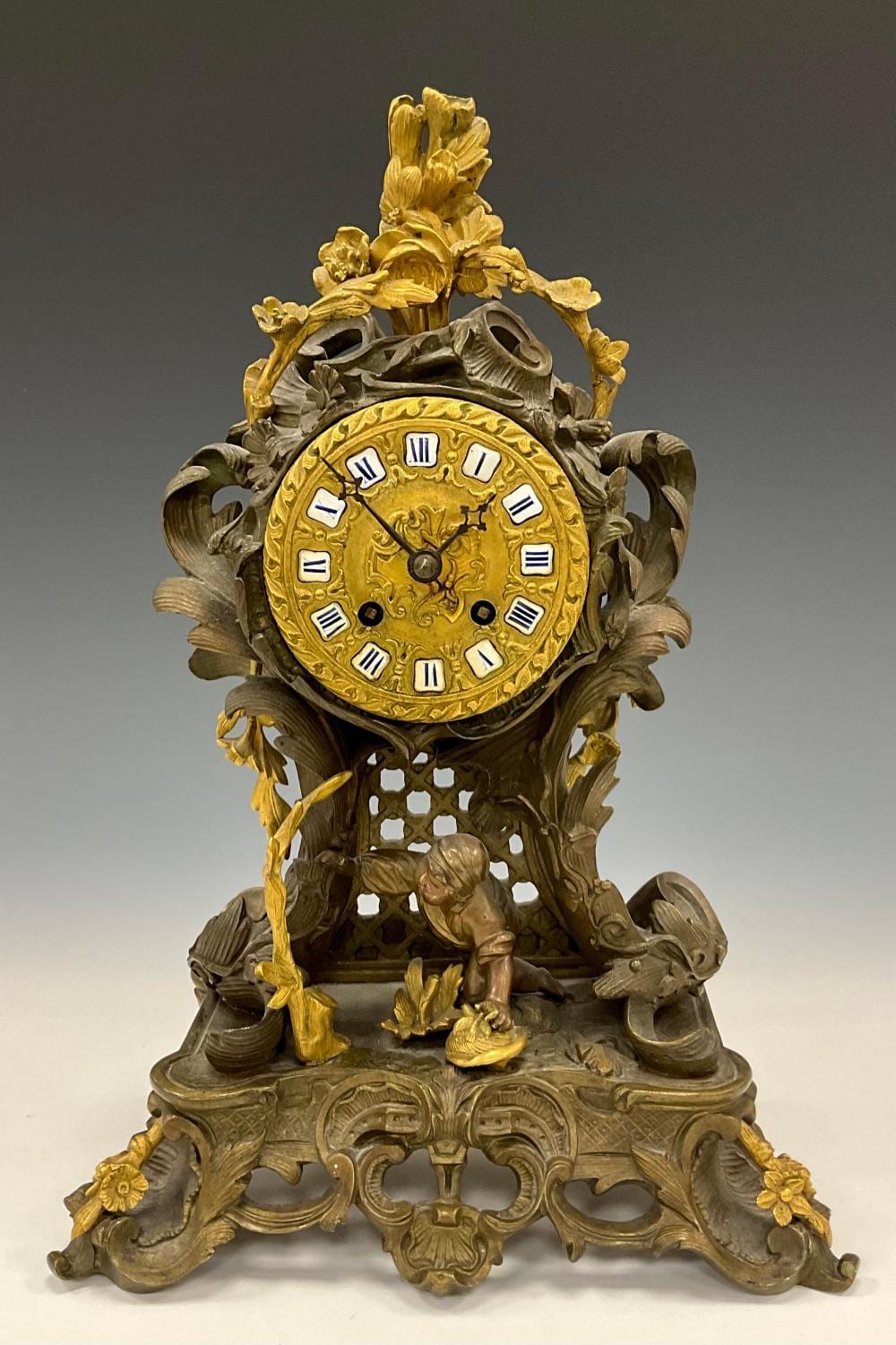
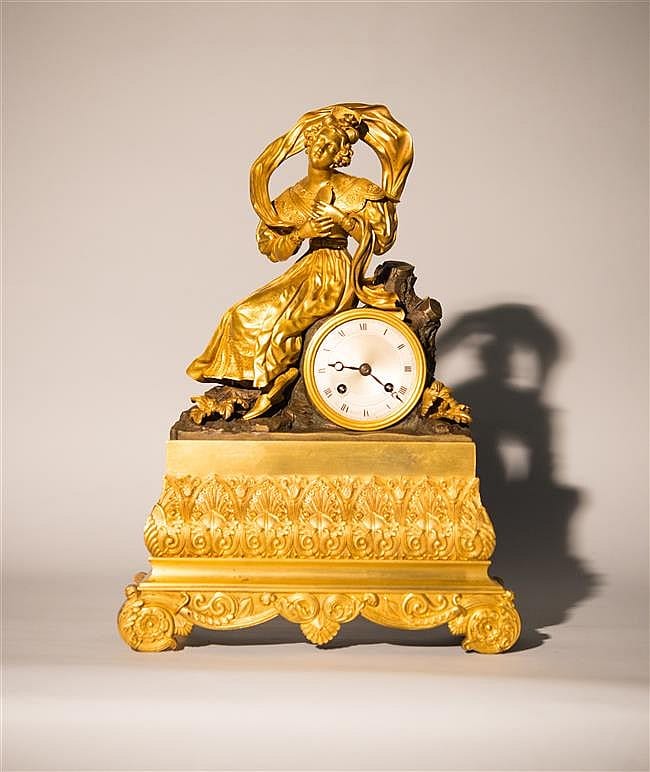
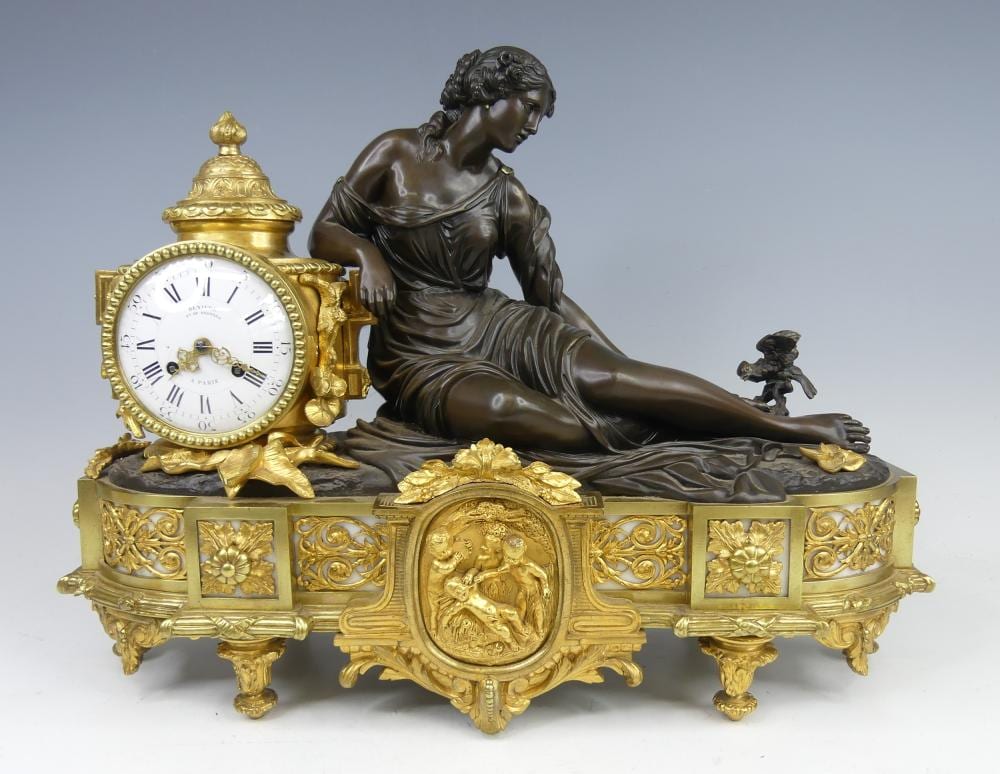
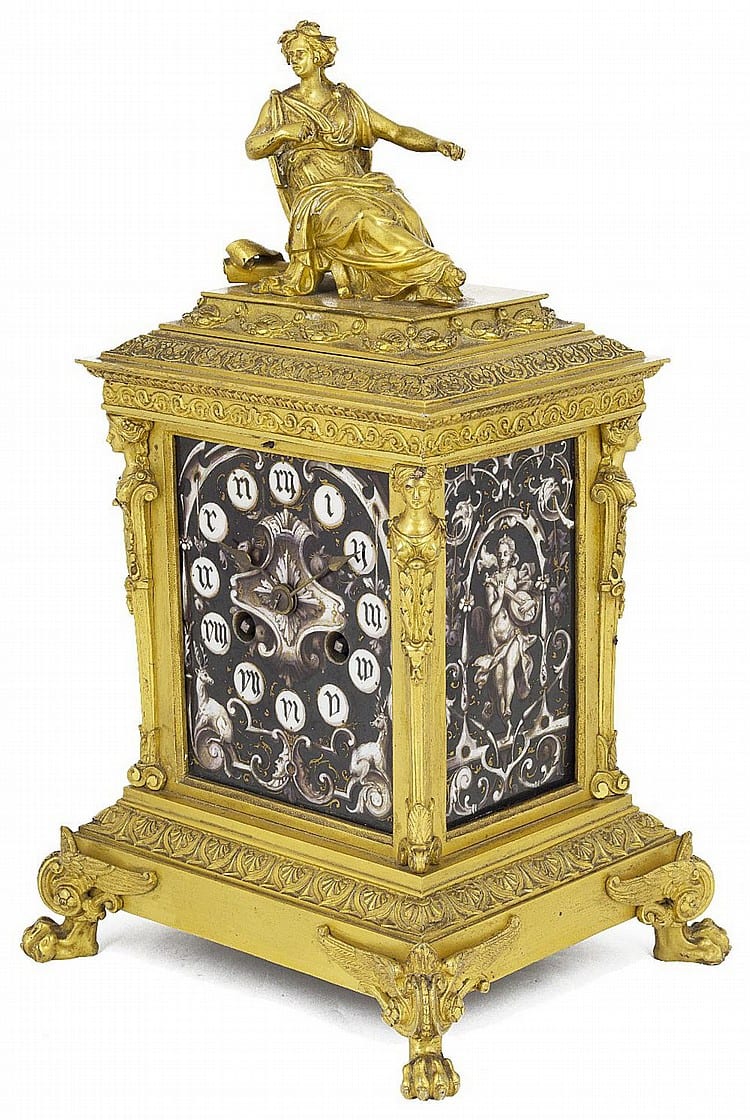
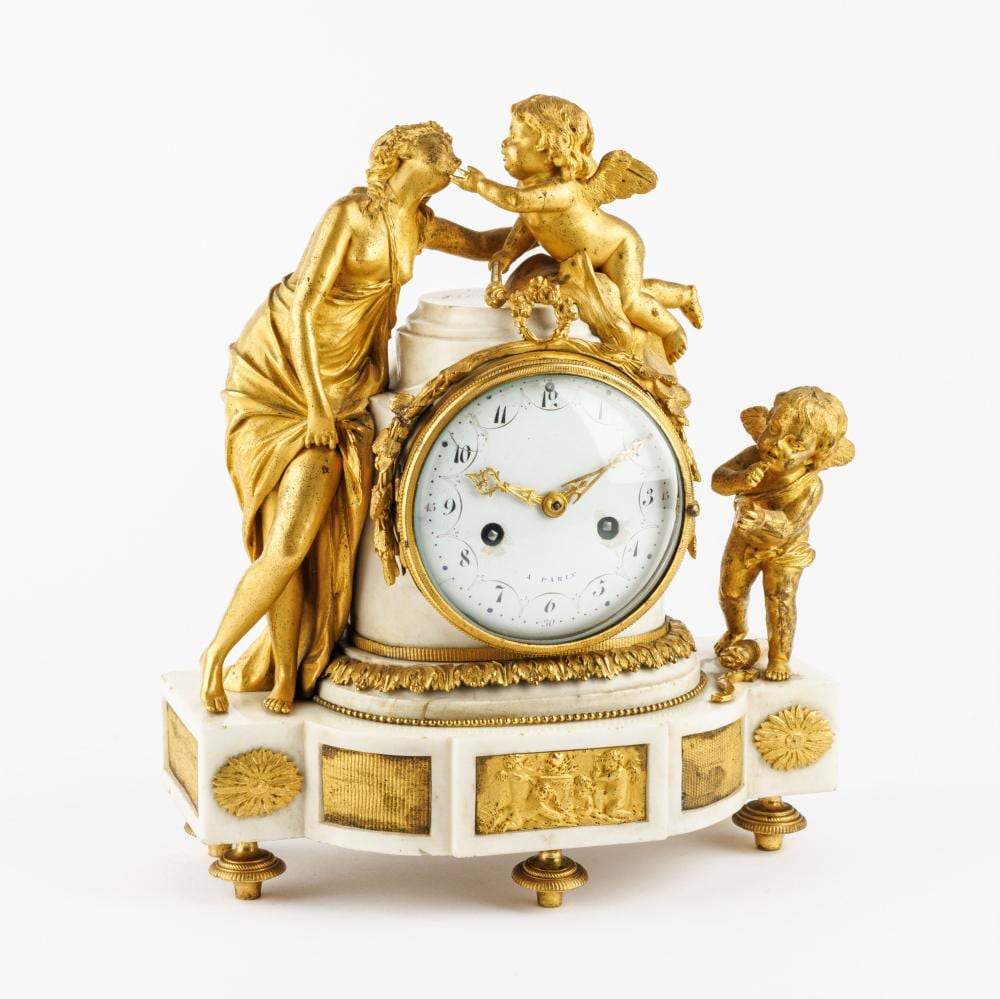
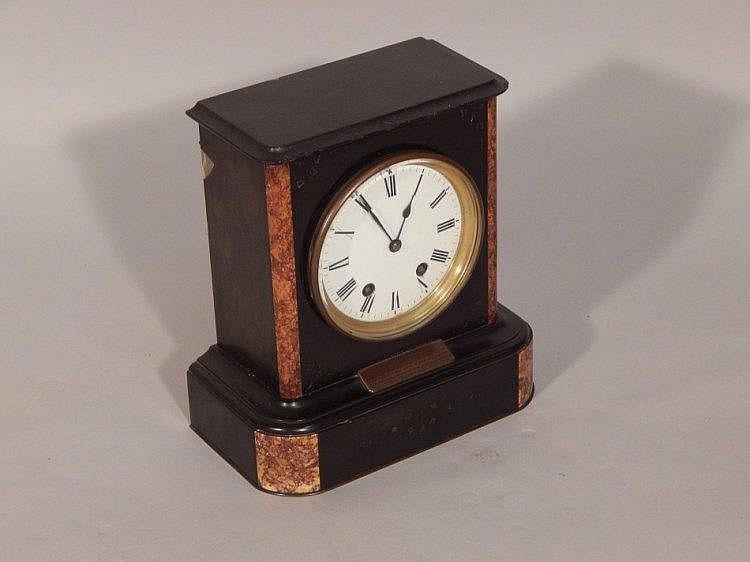
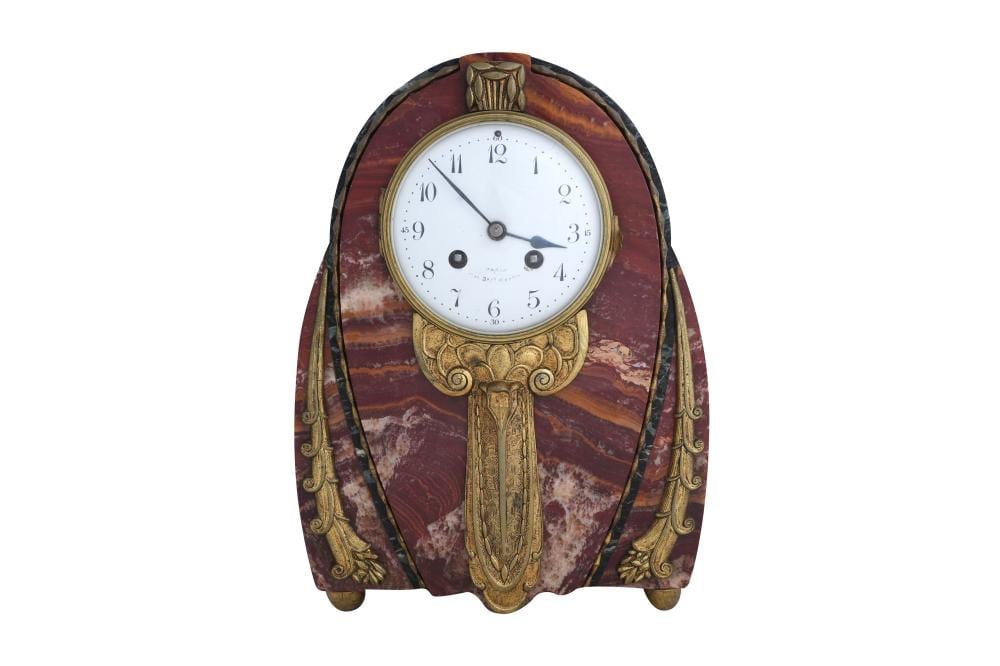
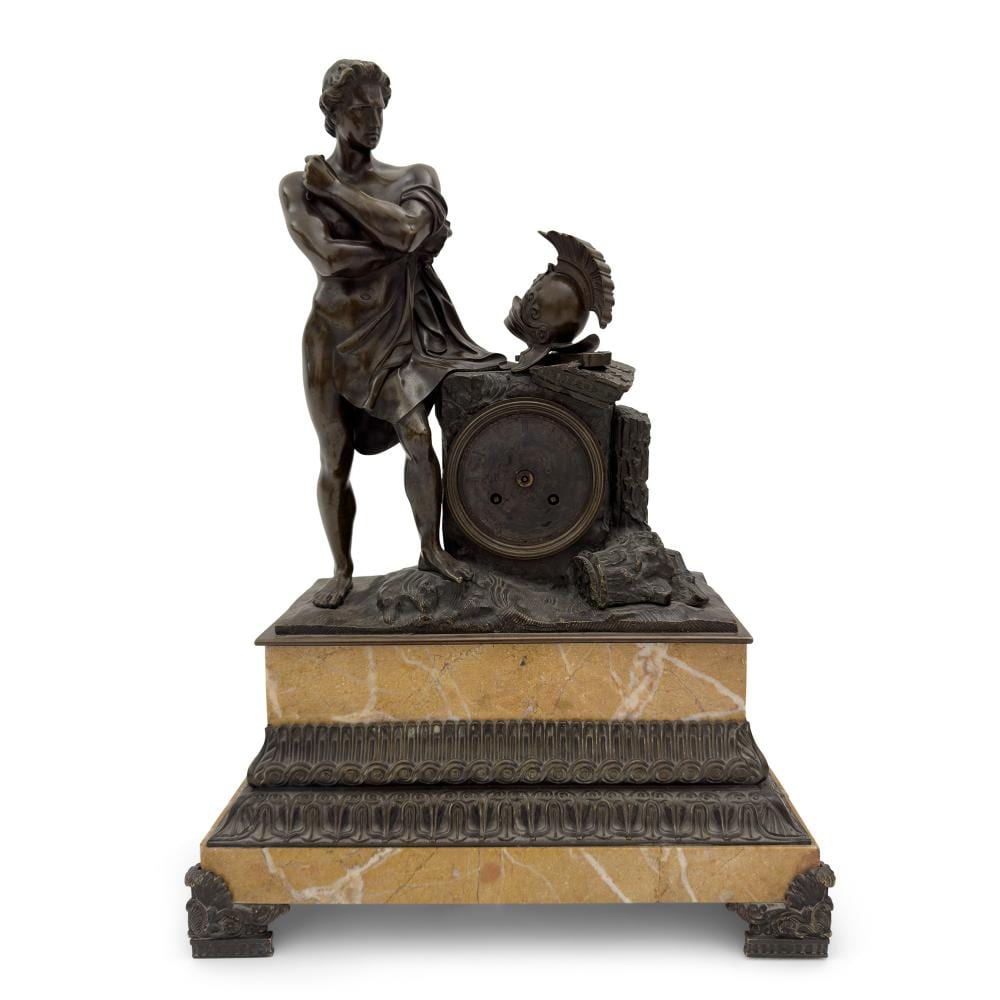
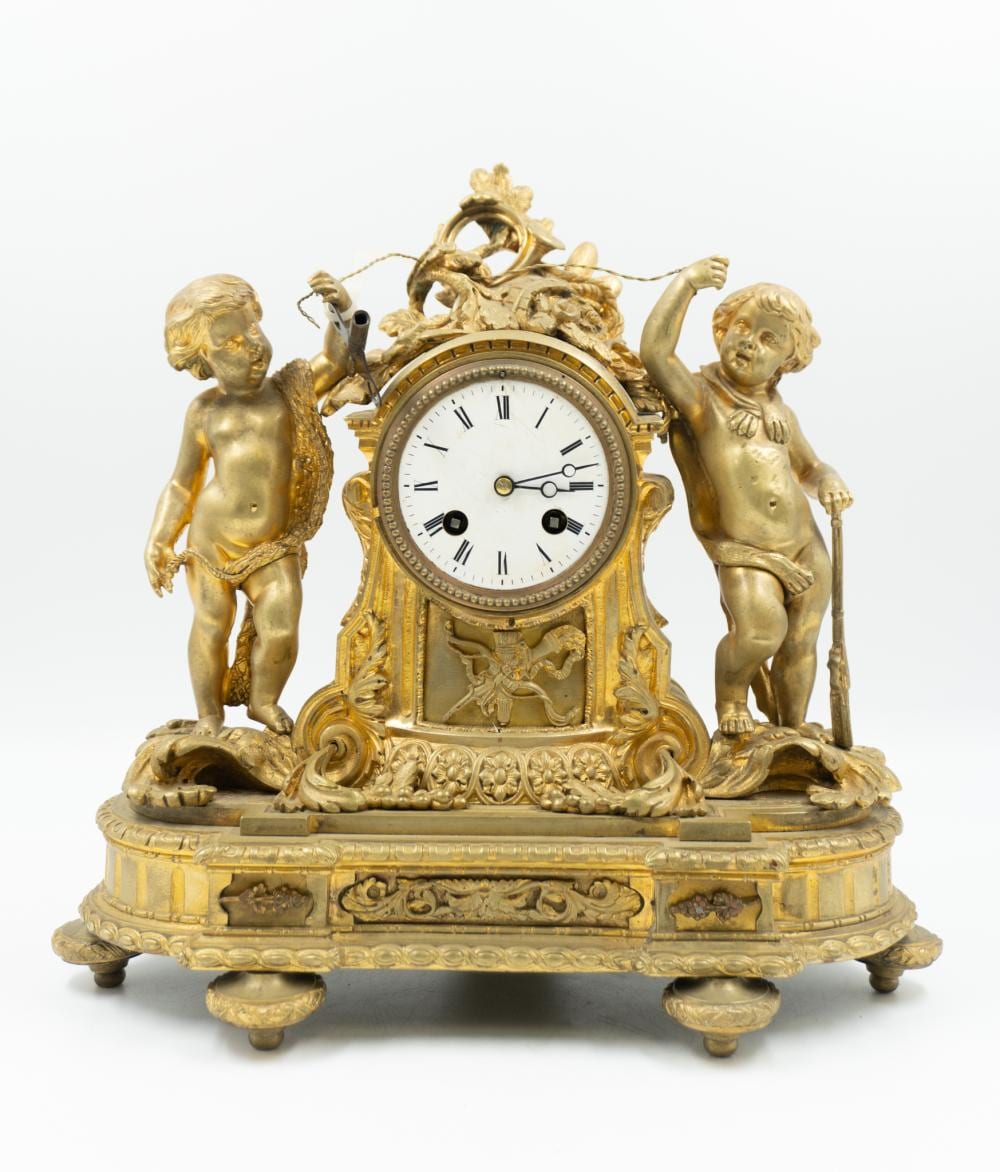
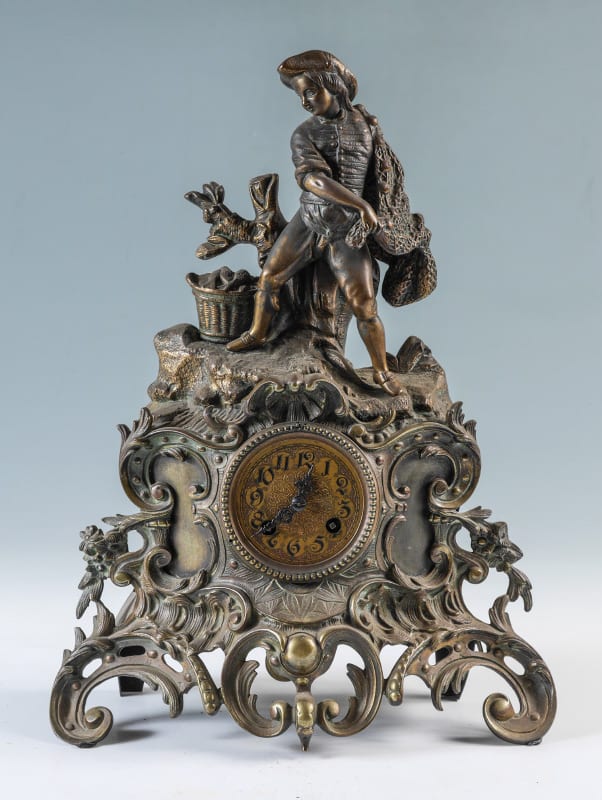
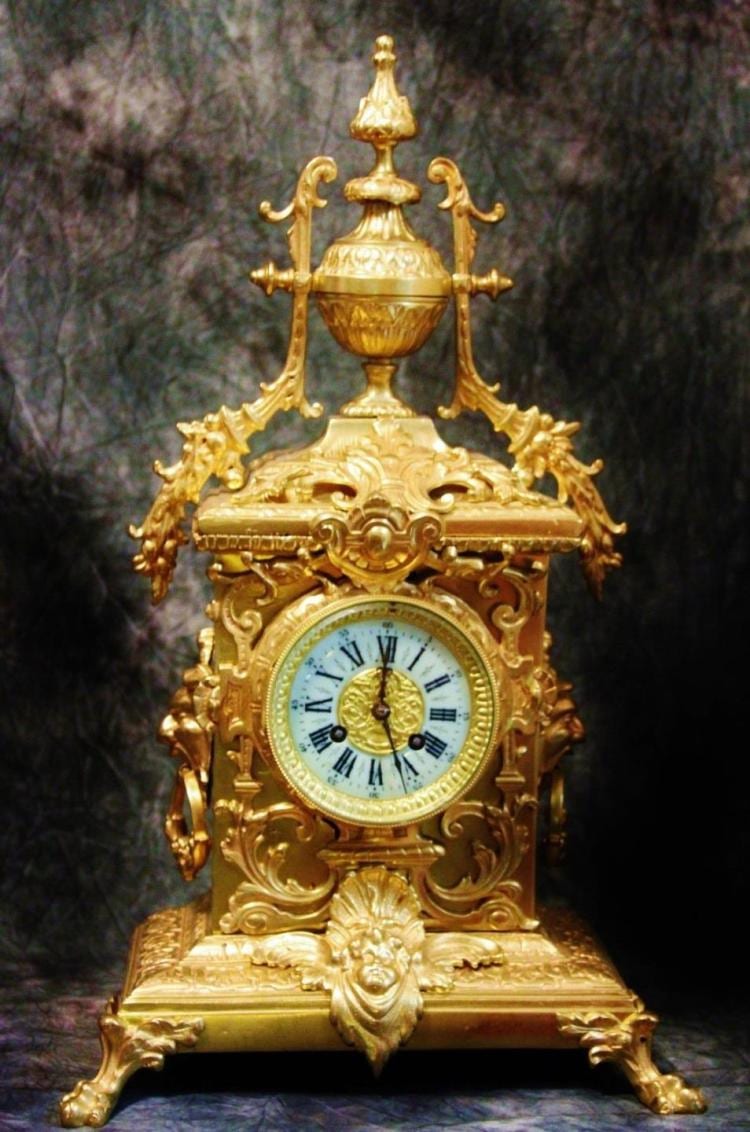
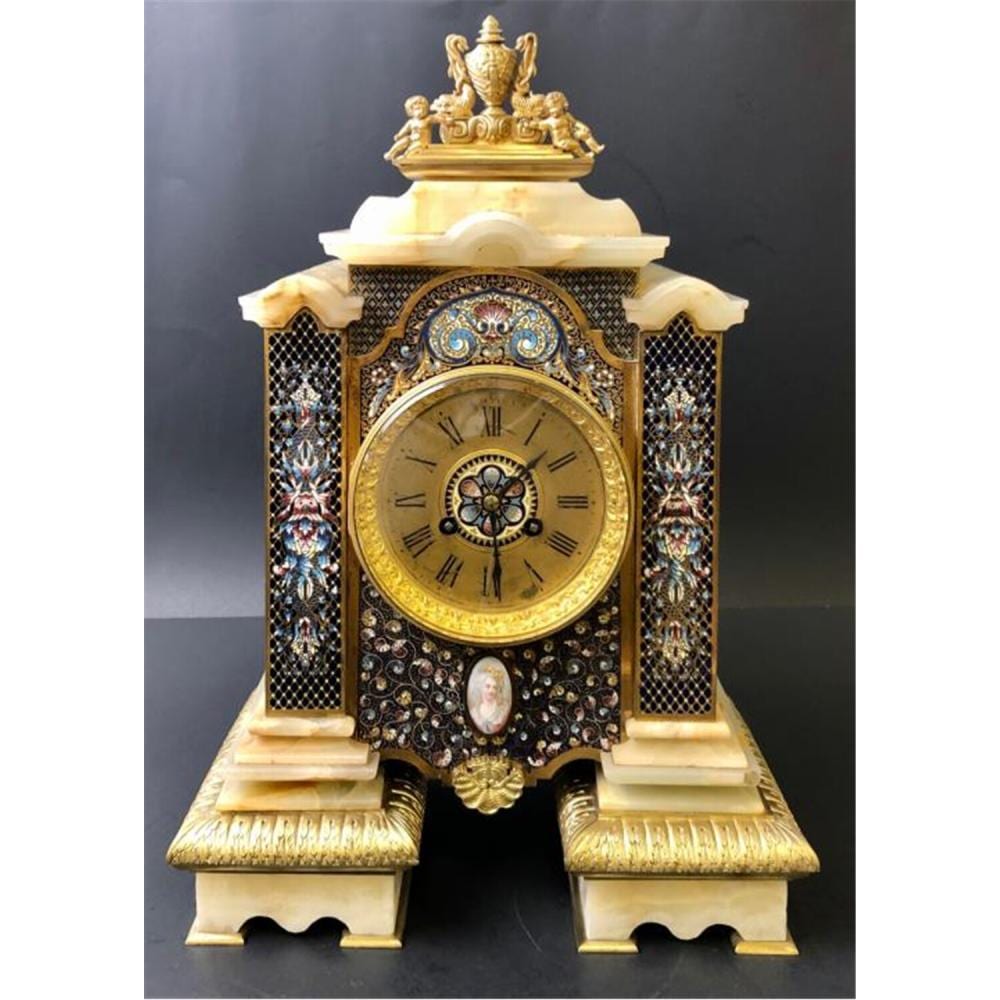
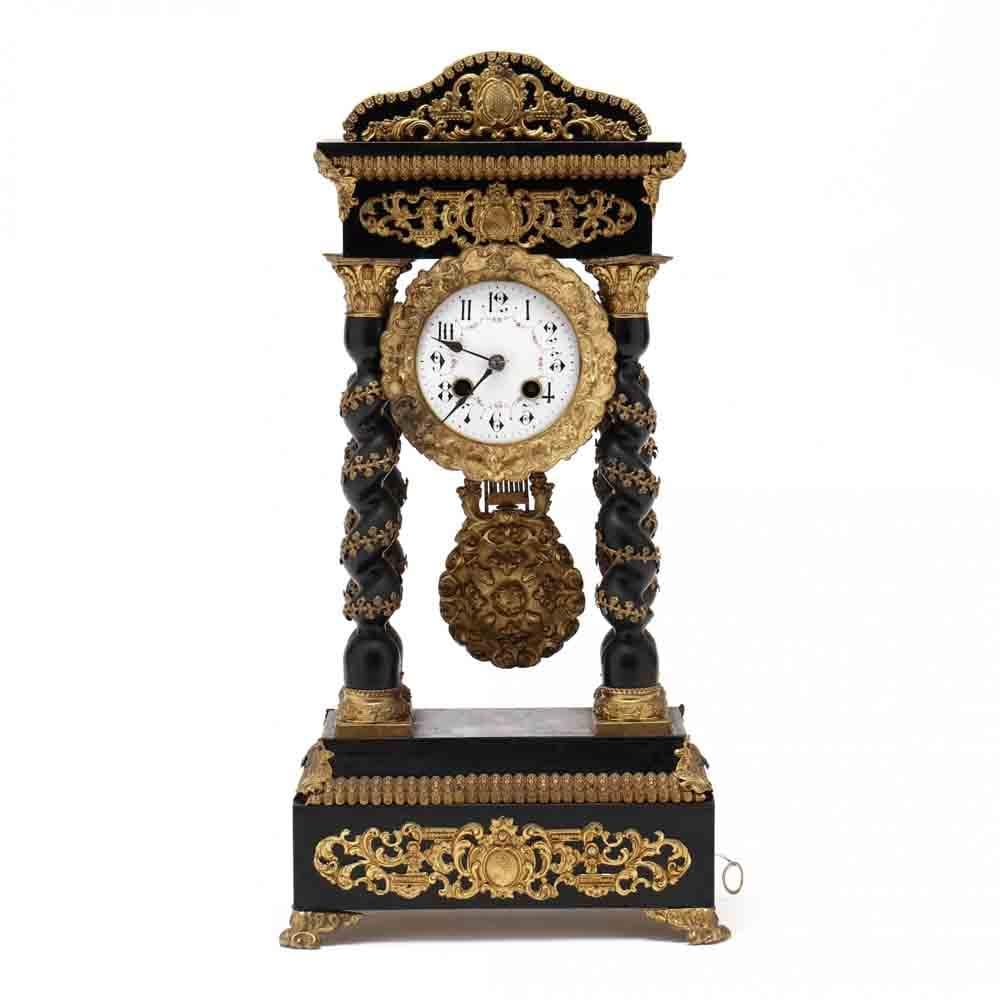
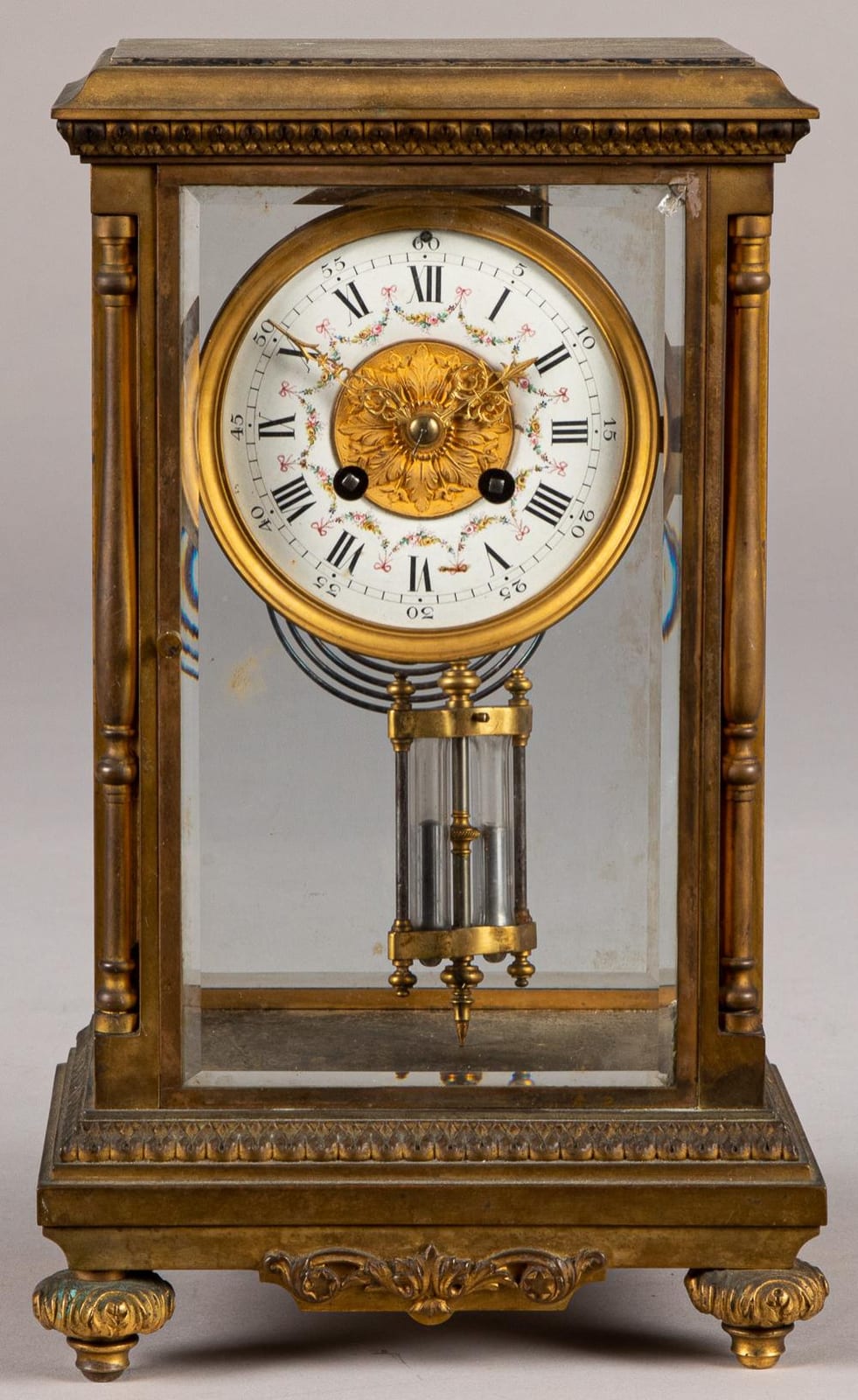
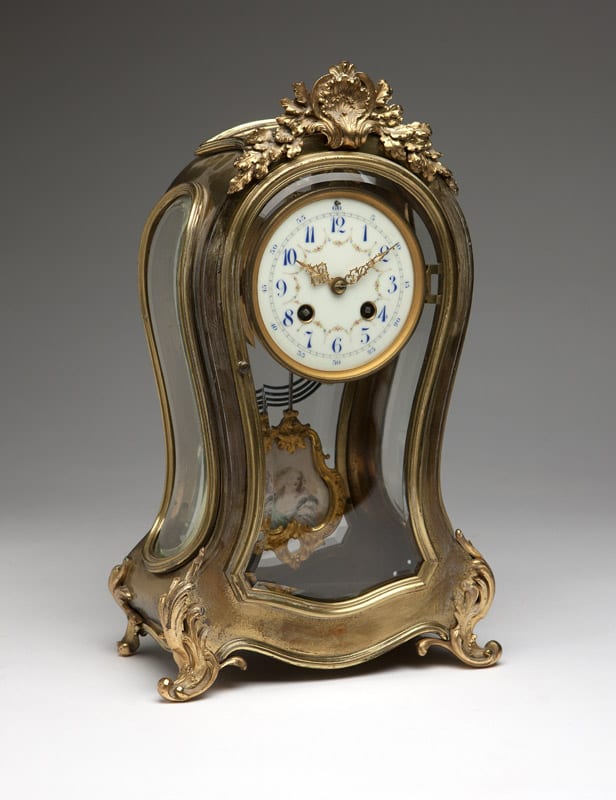
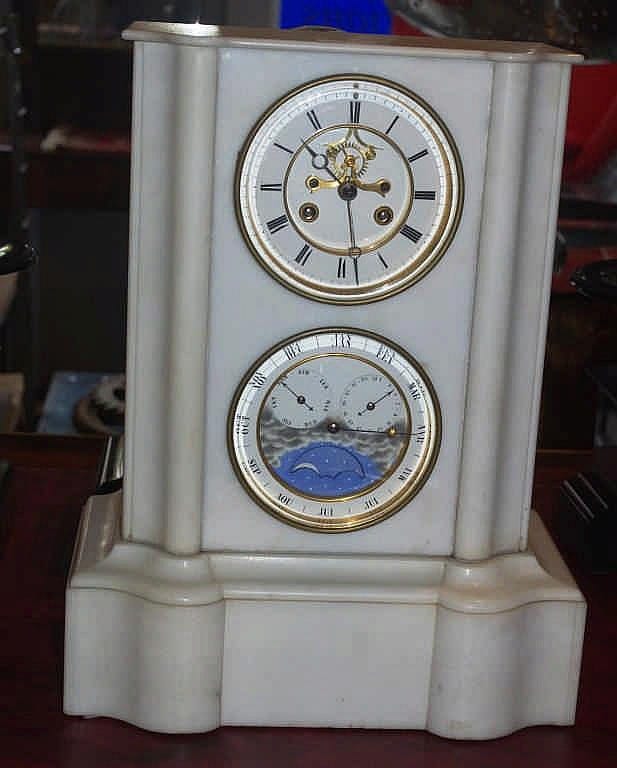
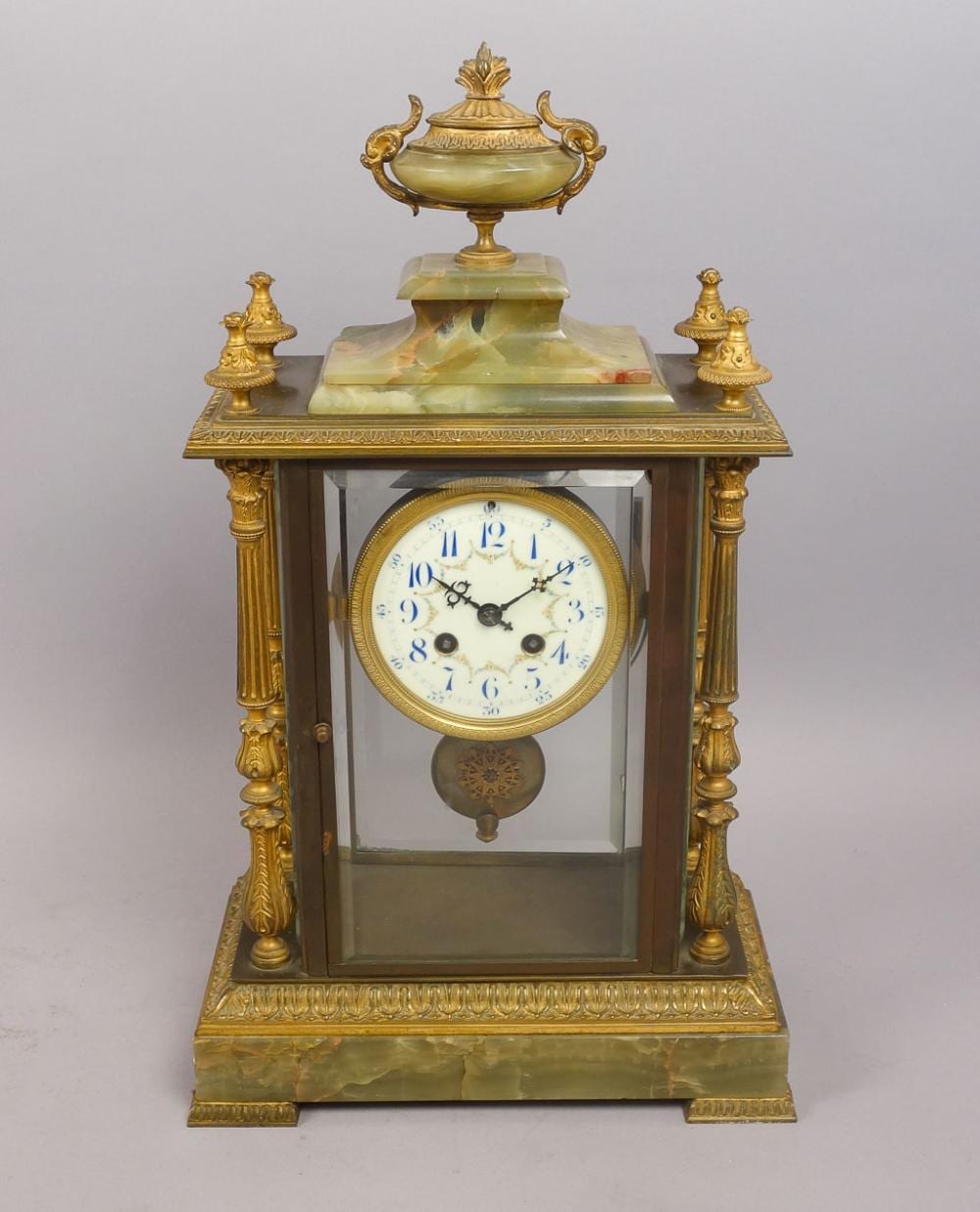
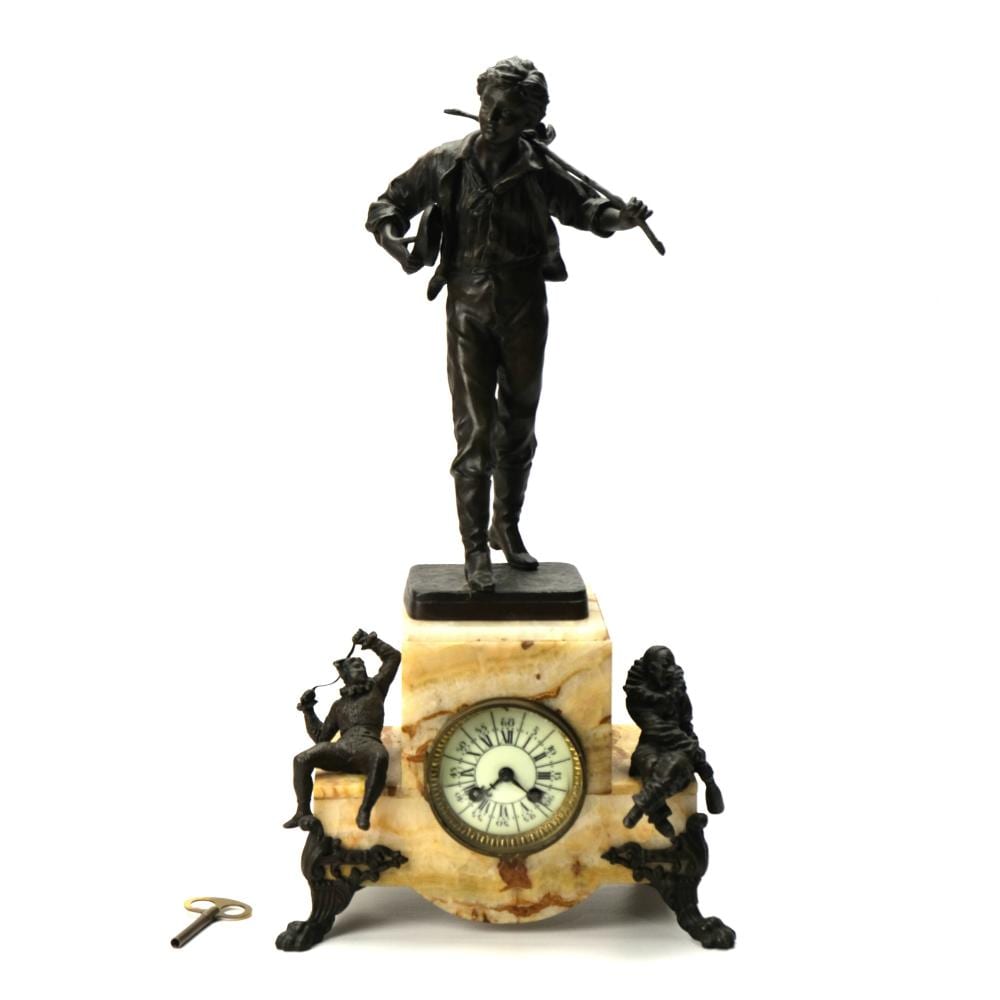
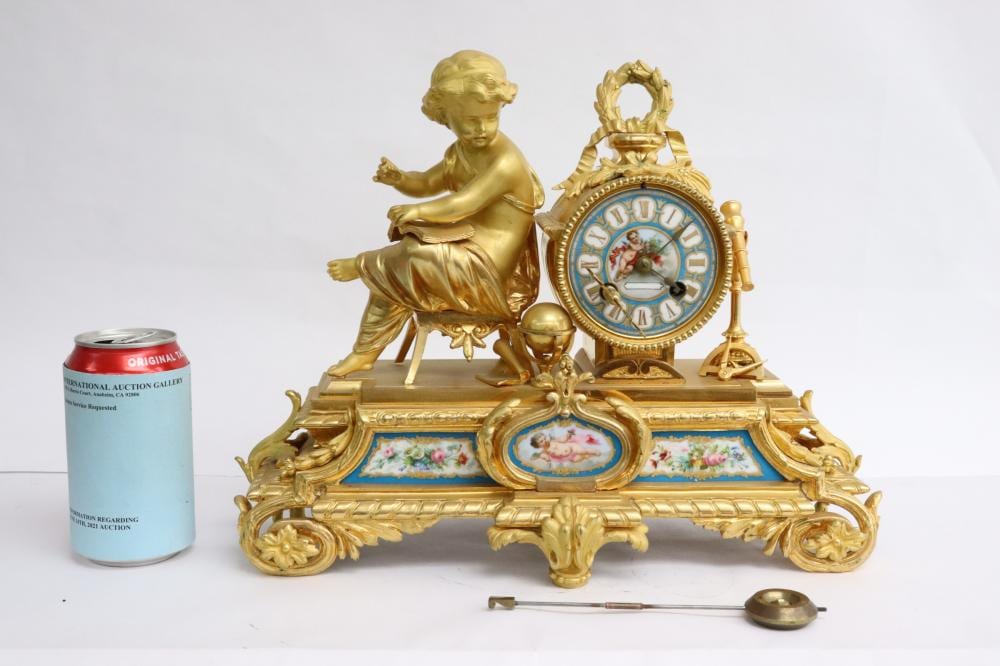
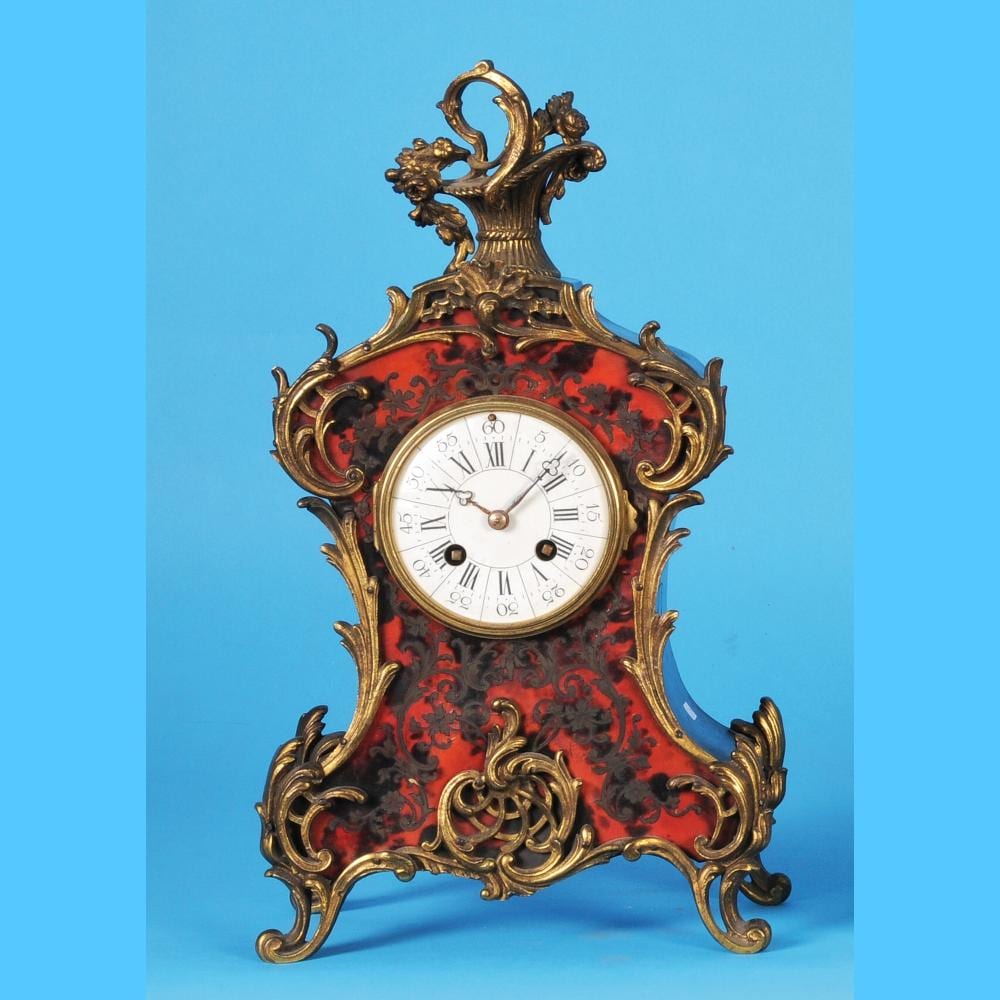
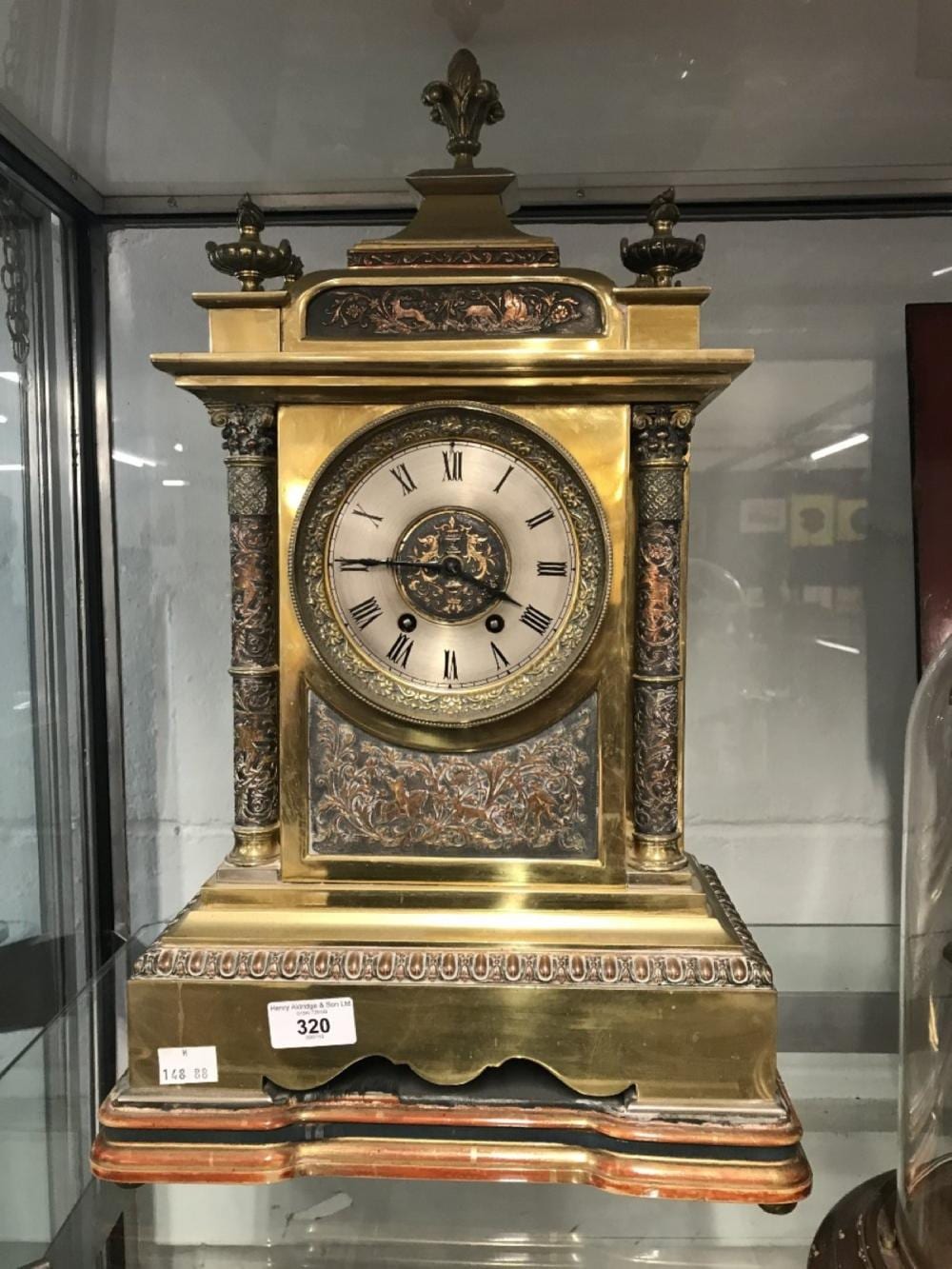
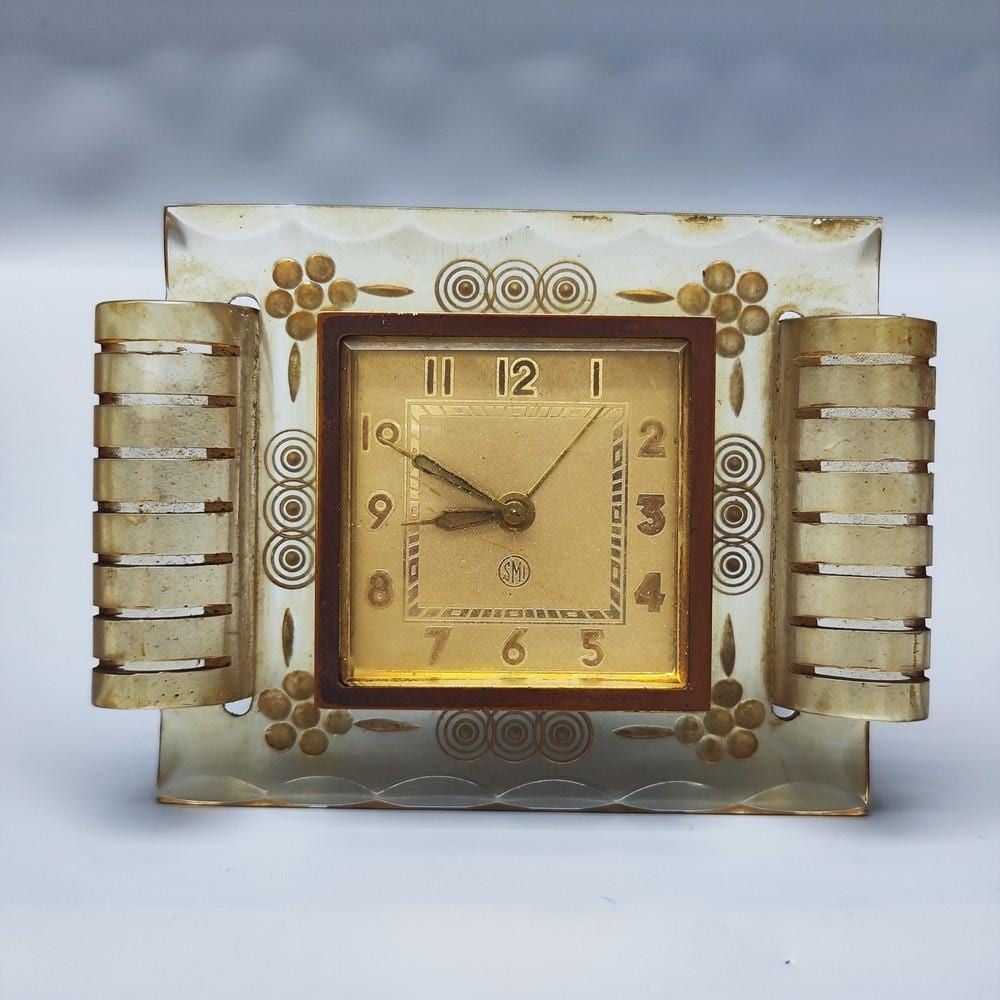
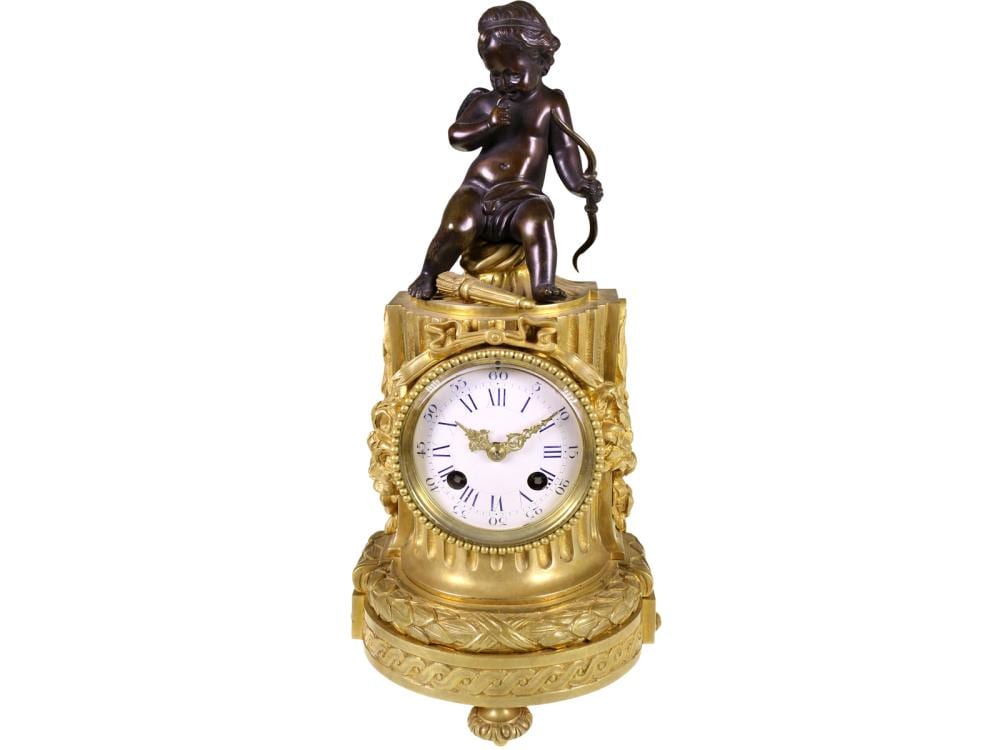
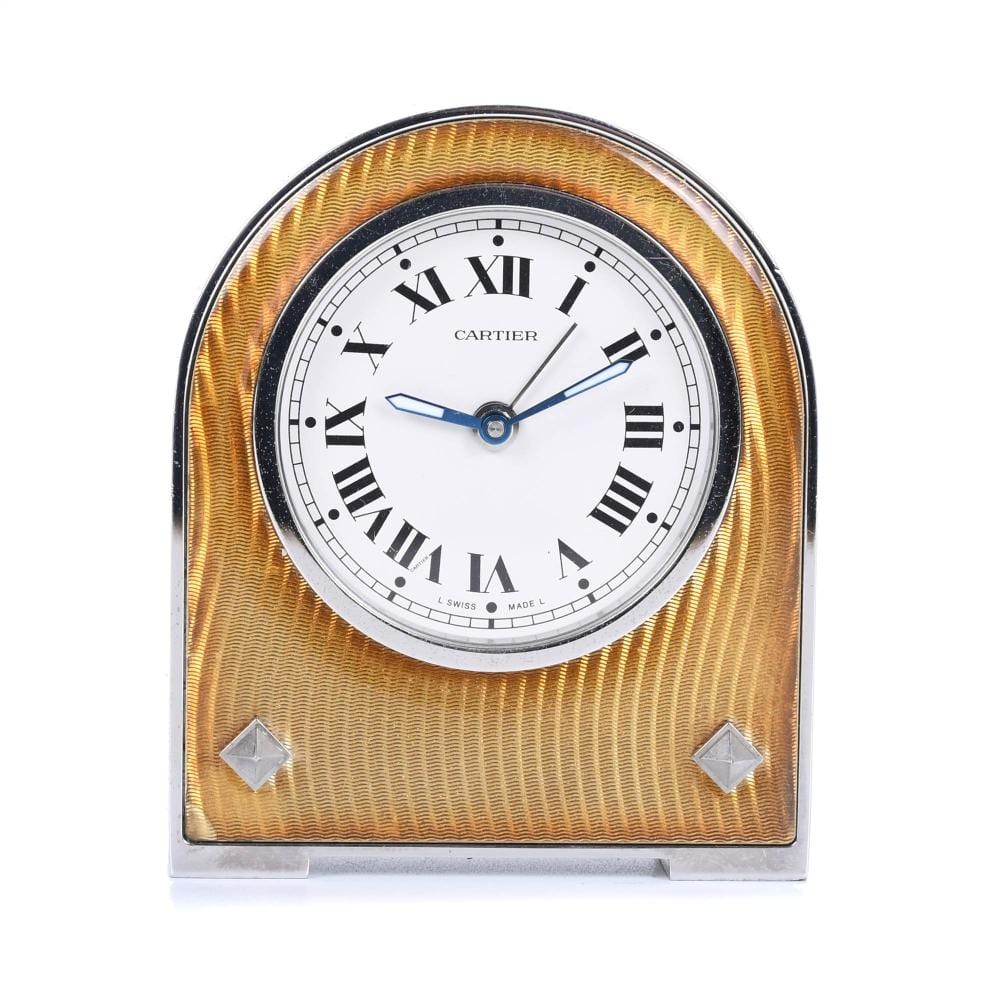
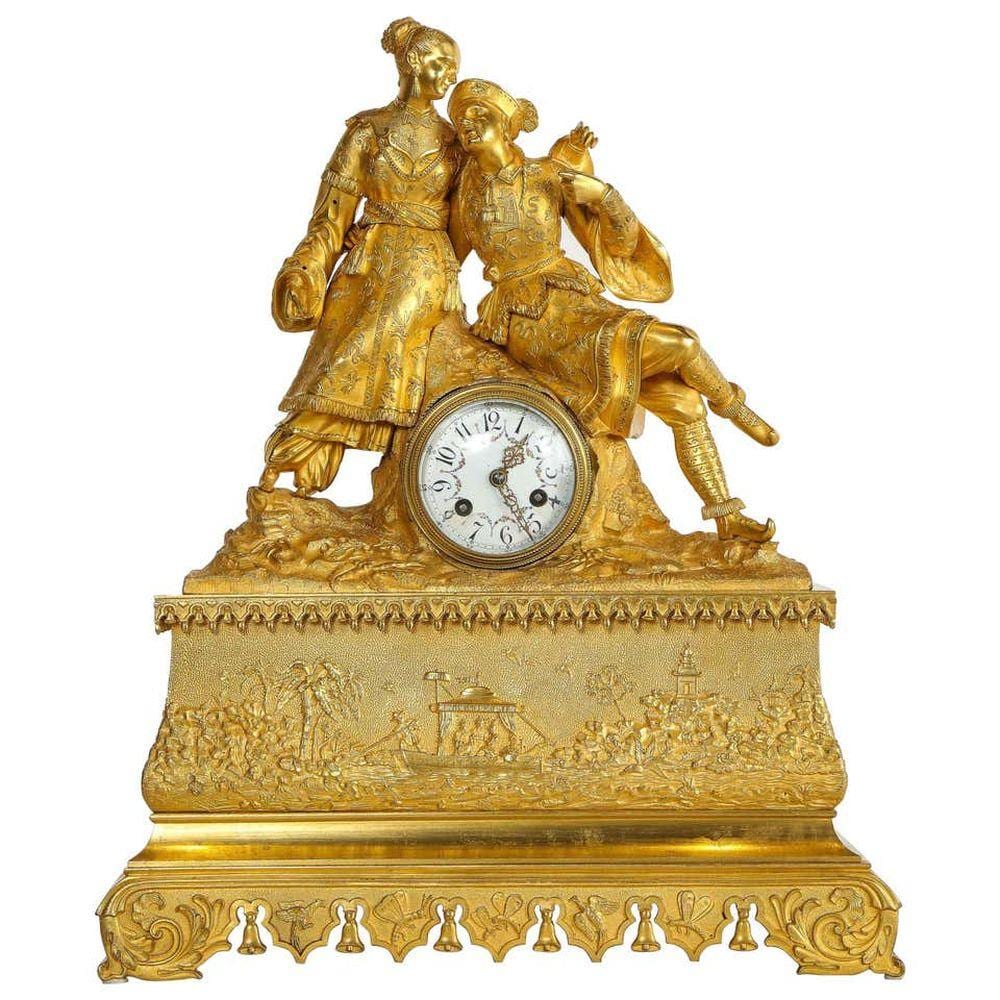
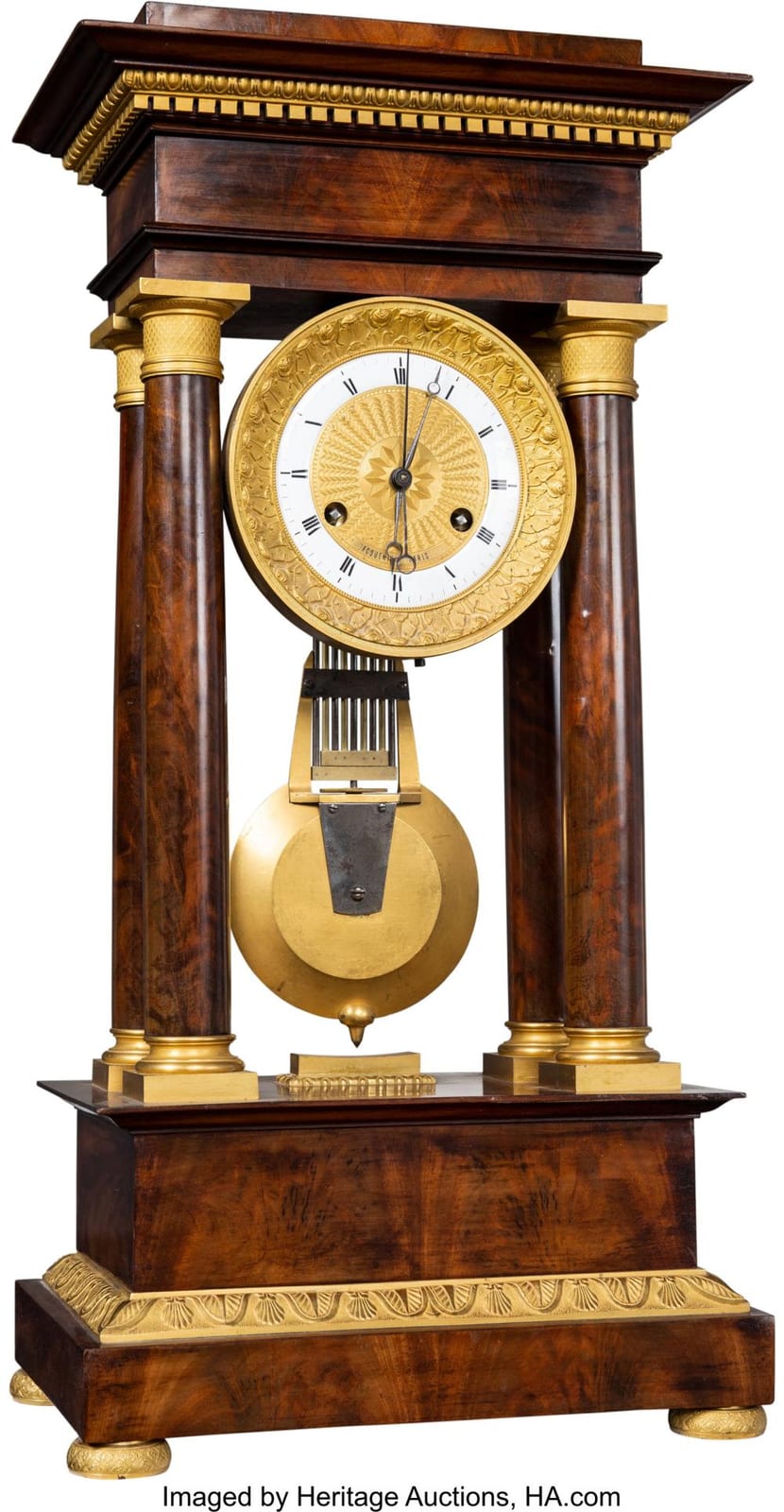
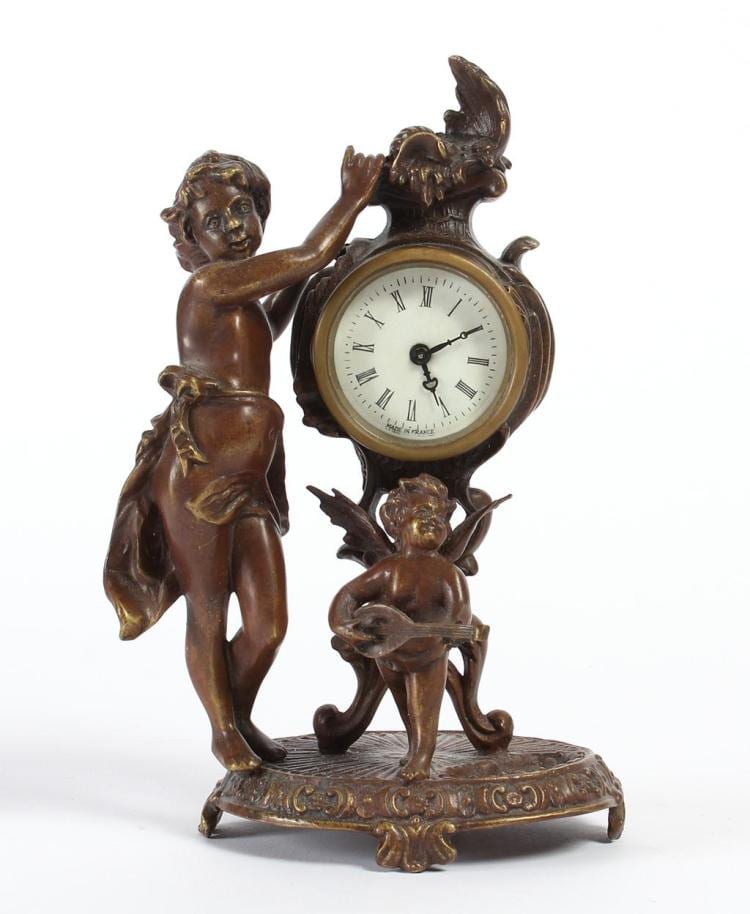
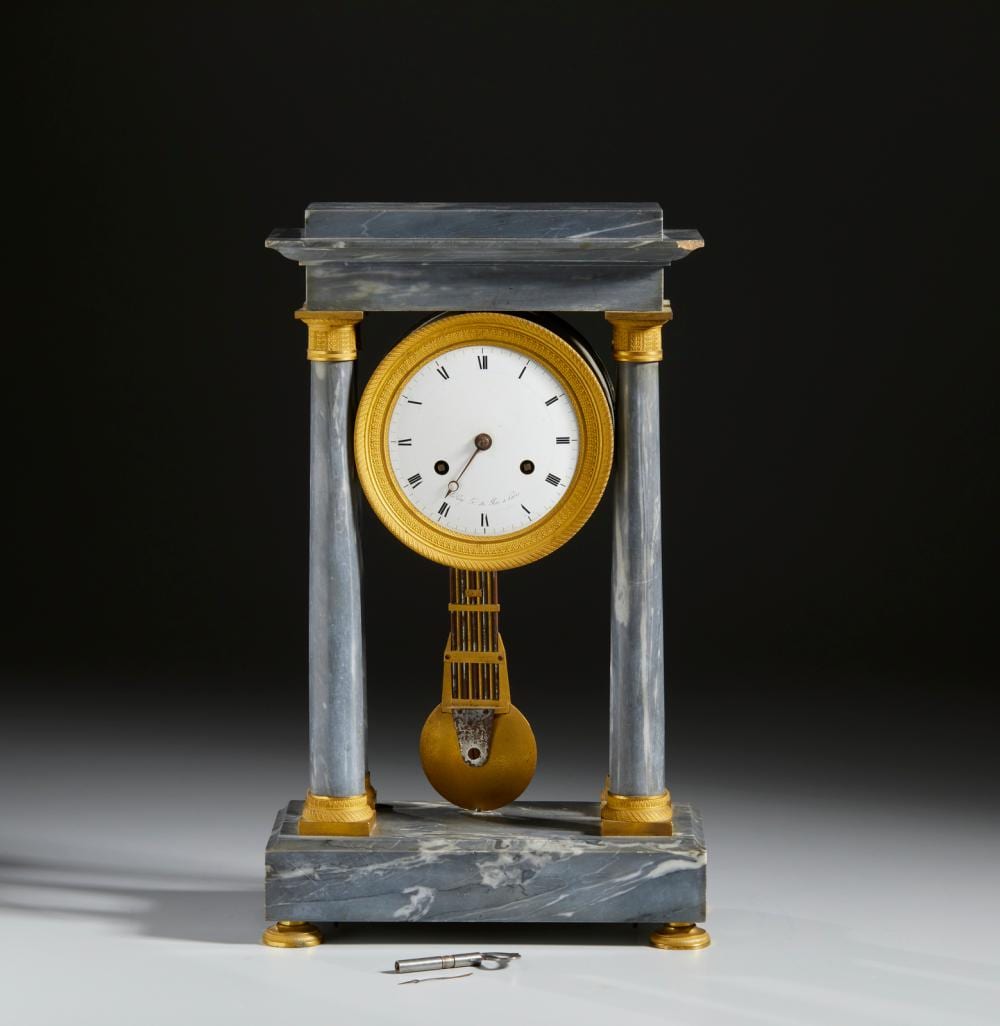
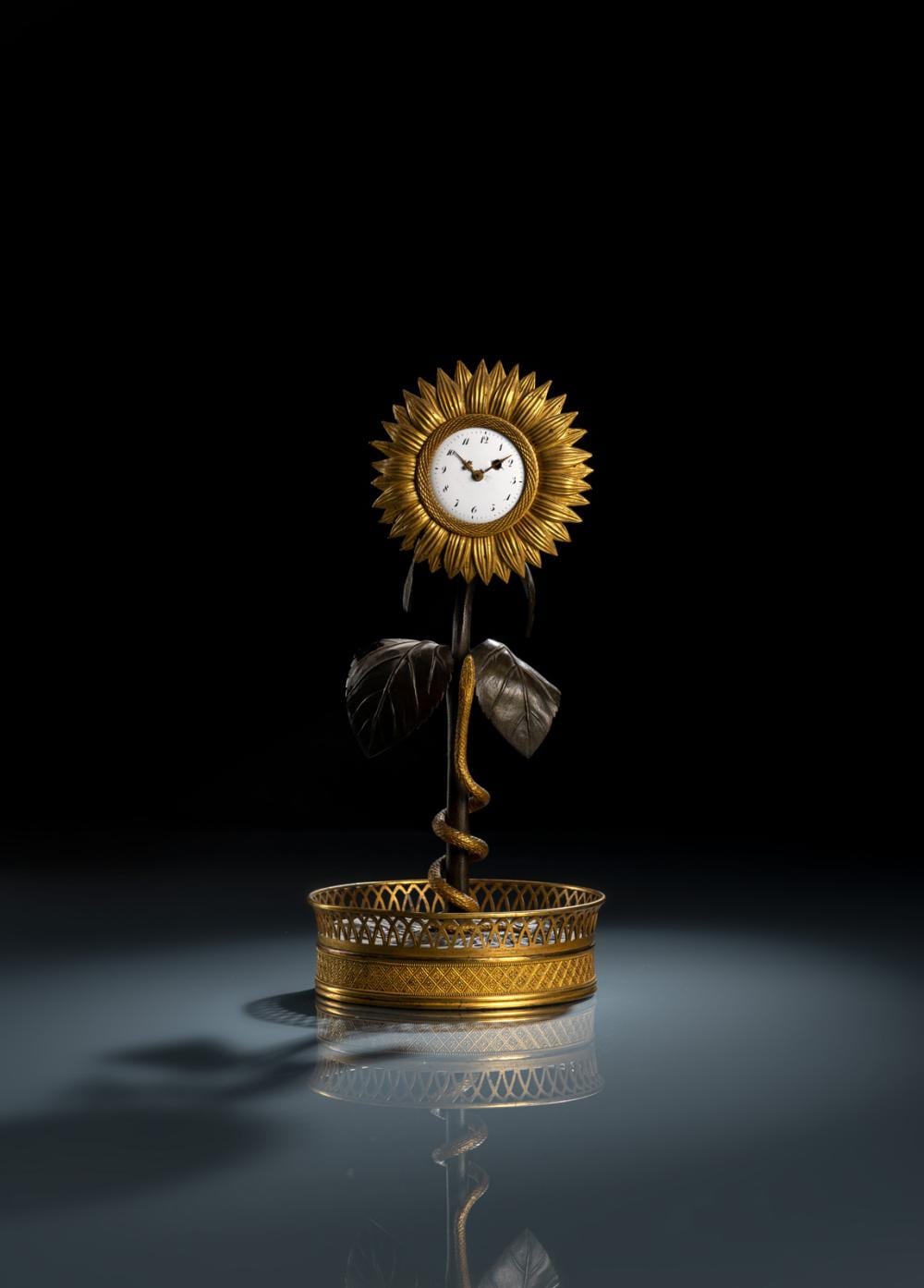
How these auction records were verified
These sales are market context, not an object estimate.
Each row retains its exact source URL, lot identity, retrieval time, access result, and immutable record hash. Live source access was blocked; the exact record matched Appraisily's immutable pipeline provenance. Inspect the public comparable provenance record.
Search variations collectors ask
- How much is a French marble mantel clock worth?
- How to identify a Brocot escapement clock
- Where is the maker mark on an A.D. Mougin clock movement?
- Samuel Marti French clock value guide
- How to date a late 19th century French marble clock
- Is an unmarked French marble clock dial normal?
- How to tell if a marble mantel clock is real marble or slate
- What to do if my antique French mantel clock won’t strike
- Best way to sell a heavy marble mantel clock safely
Each question is answered in the identification and valuation sections above.