
A Circa 1912 Indian Two Speed Regular Model Drive Motorcycle: appraisal and value basics
A Circa 1912 Indian Two Speed Regular Model Drive Motorcycle research should start with identification, condition, provenance, and recent comparable sales. Use this guide to compare the signals that matter before paying for a formal appraisal or deciding whether to sell.
Early Indian motorcycles are among the most collected American machines of the pre-WWI era. But the phrase “circa 1912 Indian Two-Speed Regular model Drive” can mean different things depending on how a seller is describing the bike (and how much has been restored or modified over the last 110+ years).
This guide helps you evaluate a circa 1912 Indian two-speed V-twin in a way that’s useful for insurance, estate planning, consignment, or a private sale. We’ll cover identification clues, the biggest value drivers, and real auction results pulled from Appraisily’s auctions dataset.
Working value range (typical market): A complete, correctly configured 1912-era Indian two-speed V-twin that starts, runs, and presents well often lands around $38,000–$45,000 in fair-market terms. That range widens quickly with originality, documentation, and restoration quality.
Free instant estimate
Not sure if your item is worth appraising? Let us take a look.
Upload a photo, tell us what you know, and get a free first read. If a full appraisal makes sense, we will say so.
Free. No card needed. Takes about two minutes.
What “two-speed regular model drive” typically means
Indian’s pre-1916 big twins are often described by horsepower (7hp), displacement (around 61 cubic inches / ~1,000cc), and the type of transmission. In casual listings, “two-speed” can refer to a period-correct two-speed arrangement in the rear hub or an early gearbox setup depending on the exact model year and configuration.
When you’re valuing the bike, the practical question isn’t just “is it an Indian?” but: is it complete and correct for its stated year and variant. The farther a motorcycle drifts from period specification (or the more reproduction parts are used), the more it behaves like a rider-quality vintage machine rather than a top-tier collectible.
Fast identification checklist (photos to take)
Before you compare prices, capture a repeatable photo set:
- Full left/right profile, straight-on front and rear.
- Engine number close-up (and any stamped or tagged numbers on the frame/fork).
- Drivetrain close-ups: rear hub/gear, sprockets, chain line, clutch components.
- Controls: throttle, advance/retard, levers, pedals, and any linkages.
- Ignition/fuel system: magneto, coil, carburetor, fuel tank fittings.
- Wheels, rims, spokes, brakes, and tire type.
- Any documentation: old titles, import papers, restoration invoices, period photos.
Tip: in many early machines, the engine number is the anchor. If you can document a matching-number engine (and a consistent paper trail), your value confidence jumps.
Valuation drivers (what moves the price most)

For a circa 1912 Indian two-speed V-twin, these factors dominate:
- Completeness: missing correct-era parts can be expensive or slow to source.
- Correctness: period-appropriate carb/ignition/controls matter more than shiny paint.
- Engine health: a running, oil-tight engine is a major premium; seized or unknown engines pull values down.
- Restoration quality: a respectful restoration beats over-restoration or mismatched finishes.
- Documentation: provenance and titled status can be decisive for buyers.
- Safety vs. originality: sympathetic upgrades may help rider value but can reduce collector premiums.
Common authenticity red flags (quick triage)
Many early Indians have been restored more than once, and parts interchange across decades of vintage motorcycle collecting. That’s normal. The goal is to spot issues that materially change value or marketability.
- Inconsistent story vs. components: year claimed doesn’t match the major visible assemblies.
- Fresh “matching number” stamps: uneven depth, wrong font, or obvious re-stamping marks.
- Modern fasteners everywhere: not automatically disqualifying, but signals deeper non-originality.
- Over-restoration: chrome/plating choices and colors that don’t align with period practice.
- Missing drivetrain details: incomplete hub/gear components on a bike advertised as “two-speed.”
- No paperwork at all: for higher-dollar bikes, lack of documentation usually narrows the buyer pool.
If you see several of these at once, treat the motorcycle as a rider-grade example until proven otherwise.
Note: We couldn’t find enough auction records that directly match 1912 Indian Two-Speed Motorcycle Appraisal Guide to publish a defensible price table. If you are valuing a specific item, include its maker, model, material, photos, and condition so the search can be narrowed.
What similar items actually sold for
To help ground this guide in real market activity, here are recent example auction comps from Appraisily’s internal database. These matched sales are market context only, not an object estimate or identification, and they do not guarantee a price for your specific a circa 1912 indian two speed regular model.
Shown USD range: USD 400-USD 750. Median of these 3 USD examples: USD 500.
| Comparable | What sold | Auction house | Date | Lot | Source-reported amount |
|---|---|---|---|---|---|
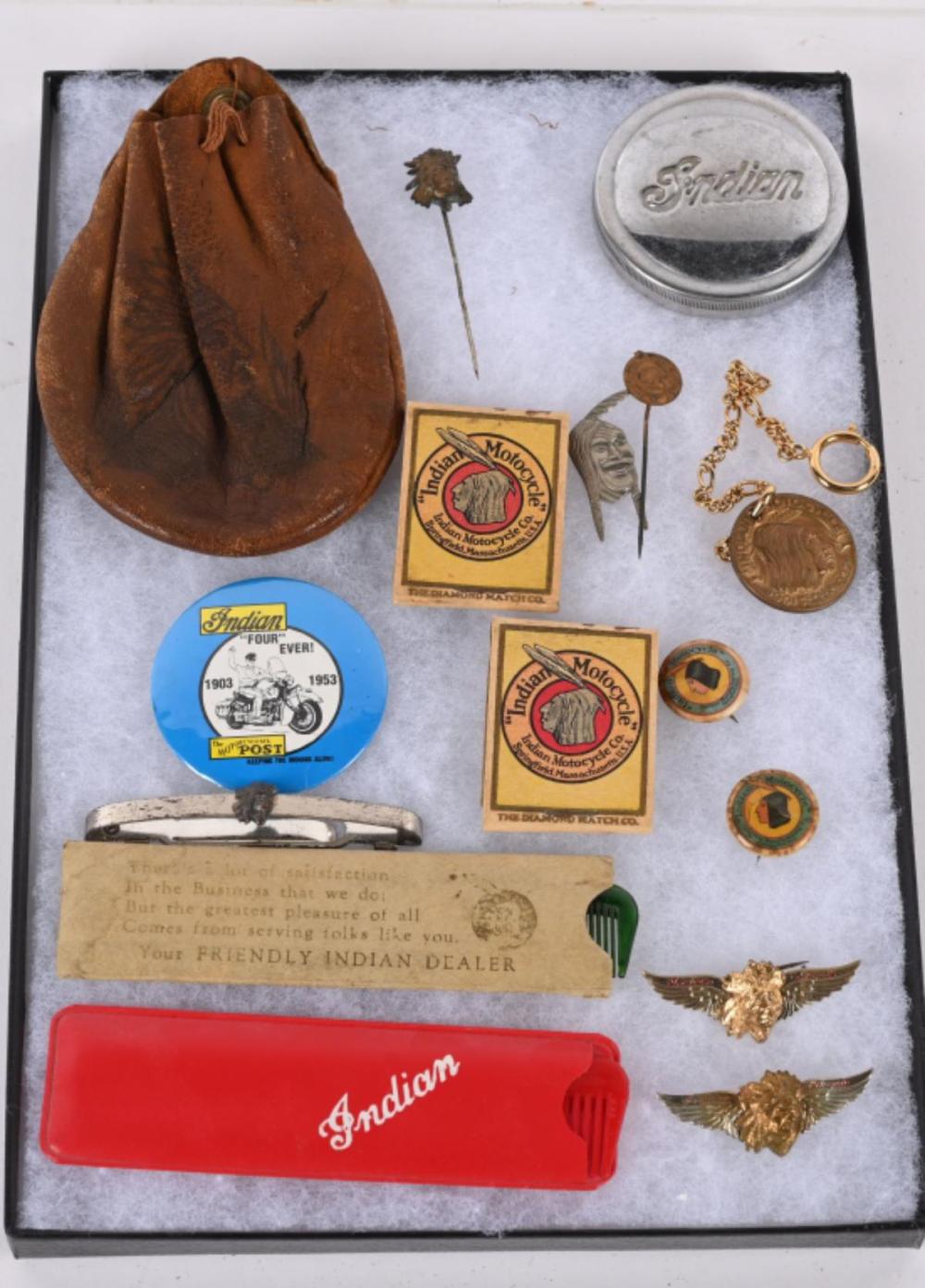 |
VINTAGE INDIAN MOTORCYCLE MEMORABILIASource blocked; provenance matched | Milestone Auctions | 2022-07-16 | 112 | USD 400 (buyer’s-premium treatment unknown) |
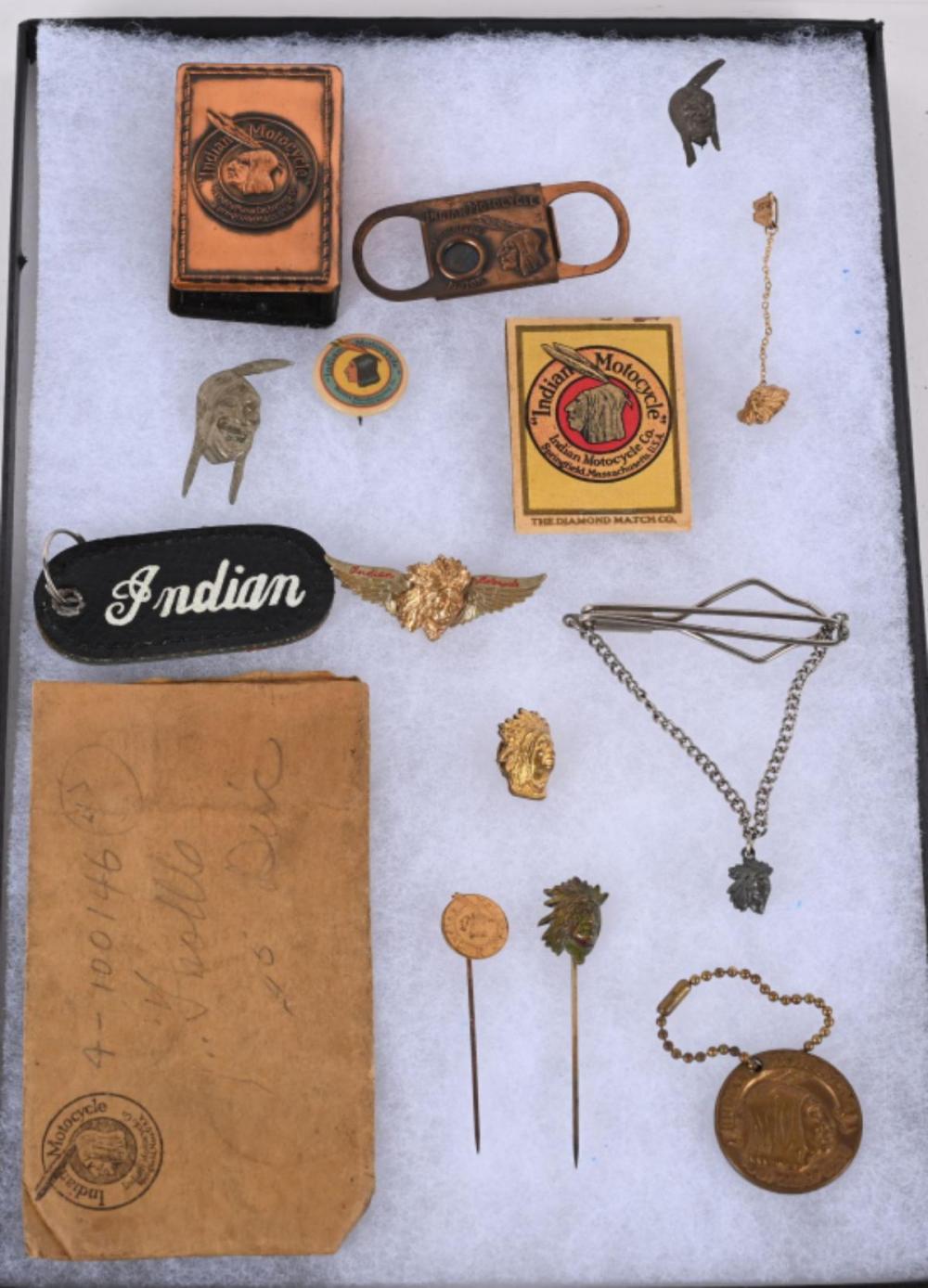 |
VINTAGE INDIAN MOTORCYCLE MEMORABILIASource blocked; provenance matched | Milestone Auctions | 2022-07-16 | 111 | USD 750 (buyer’s-premium treatment unknown) |
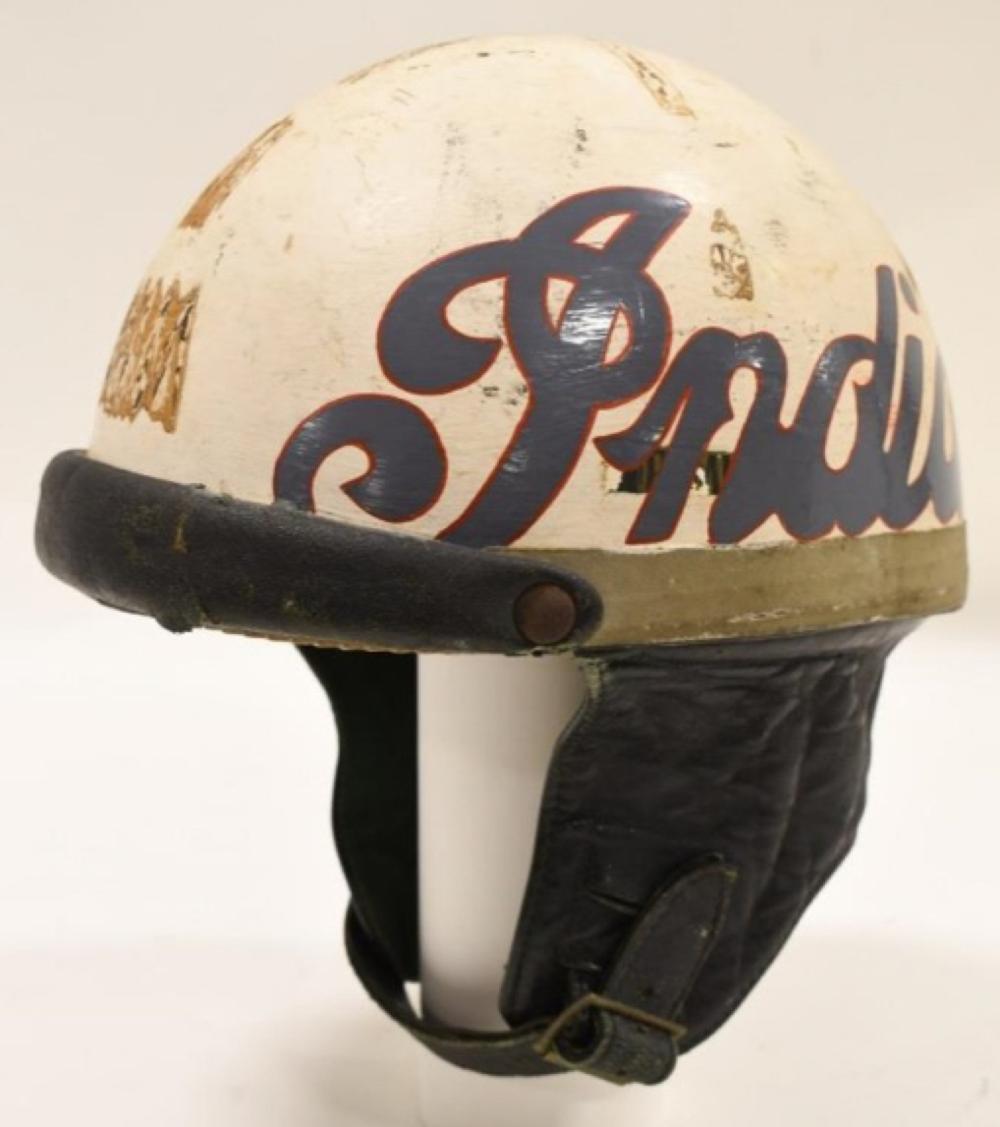 |
Vintage Motorcycle Racing Crash Helmet w/ IndianSource blocked; provenance matched | Kraft Auction Service | 2021-05-23 | 256 | USD 500 (buyer’s-premium treatment unknown) |
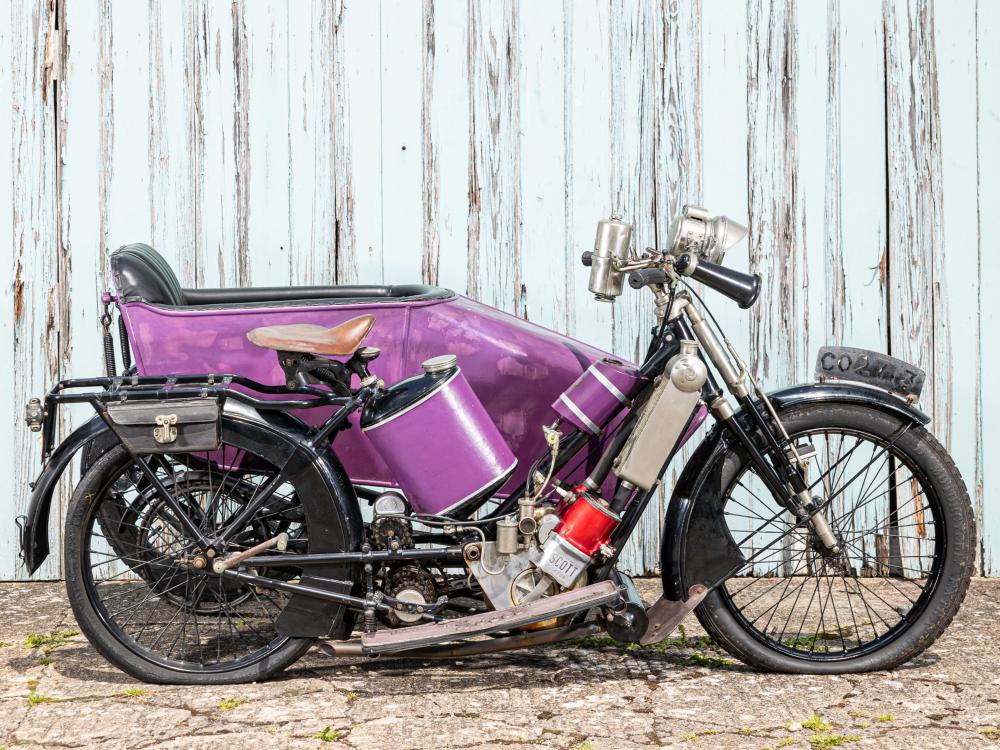 |
c.1915 Scott 3¾hp 532cc Two-speed Motorcycle Combination Frame no. 823 (see text) Engine no. 4129 | Bonhams | 2024-10-13 | 296 | GBP 7,500 (buyer’s-premium treatment unknown) |
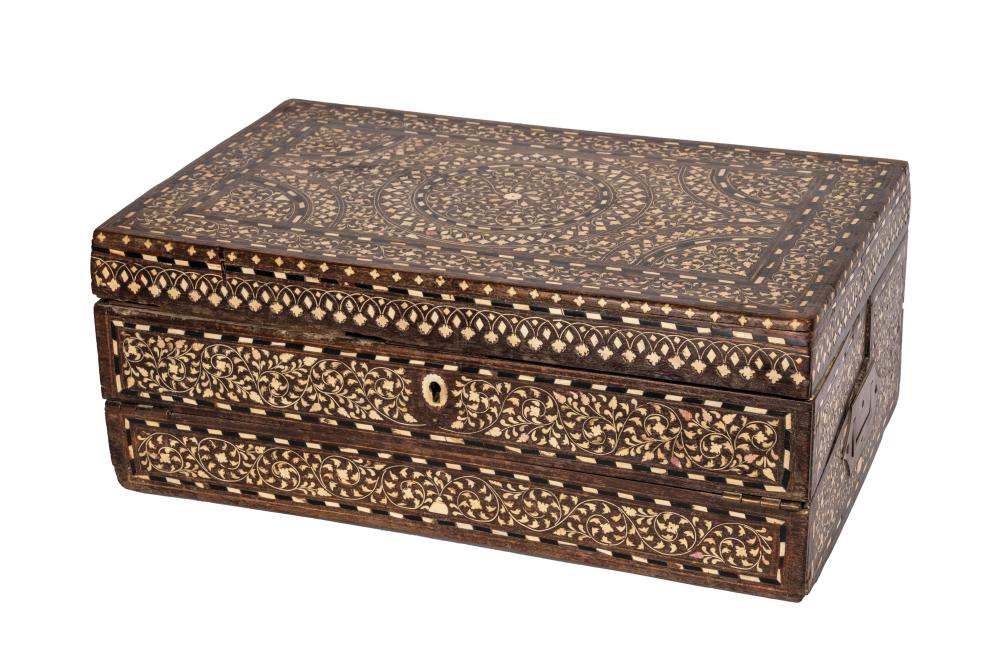 |
Something indian portable desk Circa 1800Source blocked; provenance matched | Duran Arte y Subastas | 2024-06-27 | 1543 | EUR 300 (buyer’s-premium treatment unknown) |
How these auction records were verified
Each row retains its exact source URL, lot identity, retrieval time, access result, and immutable record hash. Live source access was blocked; the exact record matched Appraisily's immutable pipeline provenance. Inspect the public comparable provenance record.
Disclosure: prices are shown as reported by auction houses and are provided for appraisal context. Learn more in our editorial policy.
How to sell (and which value you need)
Different selling paths imply different “values.” Decide the goal first:
- Insurance/replacement value: often higher than auction hammer; focuses on replacing with a comparable example.
- Fair market value: typical willing buyer/willing seller; common for estate planning and equitable distribution.
- Quick sale / liquidation: discounted for speed and uncertainty (especially if non-running).
For a rare early motorcycle, specialist auctions and high-end consignors can outperform general estate auctions because they attract the right bidder pool and provide documentation-friendly cataloging.
How to prepare for an appraisal (what experts will ask)
- What is the engine number? Is there any matching documentation?
- Does it start, idle, and move under its own power? When was it last running?
- What is original vs. reproduction vs. later replacement?
- Any known frame repairs, cracks, brazing, or non-factory modifications?
- Restoration receipts (especially engine rebuilds, paintwork, plating).
- High-resolution photos in consistent light (outdoors shade is best).
FAQ
Is a non-running 1912 Indian still valuable?
Yes. Even as a project, a complete early Indian V-twin can command strong money. The discount depends on how much uncertainty exists: “stored but turns over” is very different from “seized, missing parts, no history.”
Does restoration always increase the price?
Not always. A high-quality, accurate restoration can raise value, but over-restoration or incorrect parts can reduce collector interest. Documentation of what was done (and by whom) matters.
Why do auction comps vary so much?
Condition, provenance, originality, and the venue’s bidder pool can swing results dramatically. Use comps to bracket the market, then adjust based on the specific bike in front of you.
Continue your valuation journey
Choose the next best step after reading this guide
Our directories connect thousands of readers with the right appraiser every month.
Antique specialists
Browse the Antique Appraiser Directory
Search vetted experts by specialty and response time.
How We Research Valuation Data
Our appraisal guides are based on auction results, dealer pricing data, and professional appraiser insights. We may earn a commission when you use our free professional appraisal service. Learn about our editorial standards.
Modern & fine art
Browse the Art Appraisers Directory
Connect with specialists who offer remote consultations worldwide.
References
- Appraisily auctions dataset snapshots: cylinders, saws, and vintage-motorcycles (lot metadata + photos).
- Indian Motorcycle early model context referenced from auction catalog descriptions and period collecting norms.
Search variations people use
- How much is a 1912 Indian two-speed motorcycle worth?
- 1912 Indian Model D 7hp Twin value and price range
- How to identify an early Indian two-speed rear hub
- Best photos to get a vintage Indian motorcycle appraisal
- What parts affect value on a pre-war Indian V-twin?
- Is a non-running 1912 Indian motorcycle valuable?
- Where to sell a 1910s Indian motorcycle (auction vs private)
- How to check engine numbers on early Indian motorcycles