
An antique rug appraisal is part identification, part condition report, and part market research. The goal isn't just “what would someone pay?”—it's what would someone pay for this exact rug, in this condition, in this market.
If you're selling, inheriting, insuring, or donating a rug, you'll get better results when you document the evidence first: measurements, construction (hand-knotted vs tufted), materials, dyes, and any repairs. This guide shows you what to collect and how to interpret value drivers—plus three real auction comps you can use as sanity checks.
Fast checklist: what to photograph for an antique rug appraisal
Before you request an appraisal, take these shots (good light, no filters):
- Full front view (straight-on, include borders and corners).
- Full back view (this is where construction tells show up).
- One corner folded over to show pile + back in one frame.
- Fringe and selvedge (ends and both long sides).
- Close-ups of wear (traffic lanes, low pile, bald spots, dry rot).
- Any repairs (reweaves, binding, patches) from front and back.
- Label / tag if present (often indicates retailer, not age/origin).
- Measurements: length x width (inches/feet), plus pile height if possible.
Tip: write down the provenance you actually know (where it was purchased, when, and any receipts). Even partial provenance can help an appraiser narrow likely regions and workshops.
Free photo check
Not sure if your item is worth appraising? Let us take a look.
Upload a photo, tell us what you know, and get a free photo check. If a full appraisal makes sense, we will say so.
Free. No card needed. Takes about two minutes.
What makes an antique rug valuable? The seven drivers
Rug values vary widely because “antique” describes everything from a modest room-size rug to a museum-grade carpet. Appraisers typically weigh:
- Age (and whether it's verifiably older, not just “older style”).
- Size (room-size and oversize examples can command premiums, but shipping/handling costs matter).
- Design and workshop quality (clarity of drawing, balanced borders, tasteful palette, rarity of motif).
- Condition (wear, moth damage, rot, stains, repairs, and whether ends/sides are original).
- Materials (wool vs silk; cotton or wool foundations; quality of fiber and spin).
- Dyes (natural dyes and attractive abrash often help; harsh chemical dyes can hurt).
- Provenance (known purchase history, documented collection, published examples, or labels from respected dealers).

Authentication basics: hand-knotted vs tufted vs machine-made
The fastest way to avoid bad comps is to identify construction correctly. A rug can be “old-looking” but still be relatively modern if it's tufted or machine-made. Here's what appraisers look for:
- Hand-knotted: individual knots are usually visible on the back, with weft lines between rows.
- Hand-tufted: pile is punched through a backing and secured with latex; the back often looks like cloth + glue.
- Machine-made: very uniform back pattern, sometimes with a secondary backing or latex coating.


Materials & dyes: evidence that supports (or limits) value
Materials affect both durability and desirability. Most antique rugs are wool pile on a cotton foundation, but higher-end pieces may use silk highlights or all-silk construction. Dyes matter too: natural dyes can age beautifully and create abrash—gentle variations that collectors like.


Condition issues that change an appraisal (and what to disclose)
Condition is where many valuations swing the most. Two similar-looking rugs can be separated by thousands if one has heavy moth damage or extensive reweaving.
- Low pile / foundation showing (especially in the center “traffic lanes”).
- Moth damage or dry rot (holes, brittle fibers, weak areas that tear when handled).
- Edge loss and replaced binding/overcasting.
- Reweaves (good repairs can be fine; hidden repairs become a trust issue in resale).
- Stains/odor (pet staining or water damage can permanently limit the buyer pool).


What similar items actually sold for
To help ground this guide in real market activity, here are recent example auction comps from Appraisily’s internal database. These matched sales are market context only, not an object estimate or identification, and they do not guarantee a price for your specific persian rug.
Shown USD range: USD 120-USD 2,300. Median of these 9 USD examples: USD 450.
| Comparable | What sold | Auction house | Date | Lot | Source-reported amount |
|---|---|---|---|---|---|
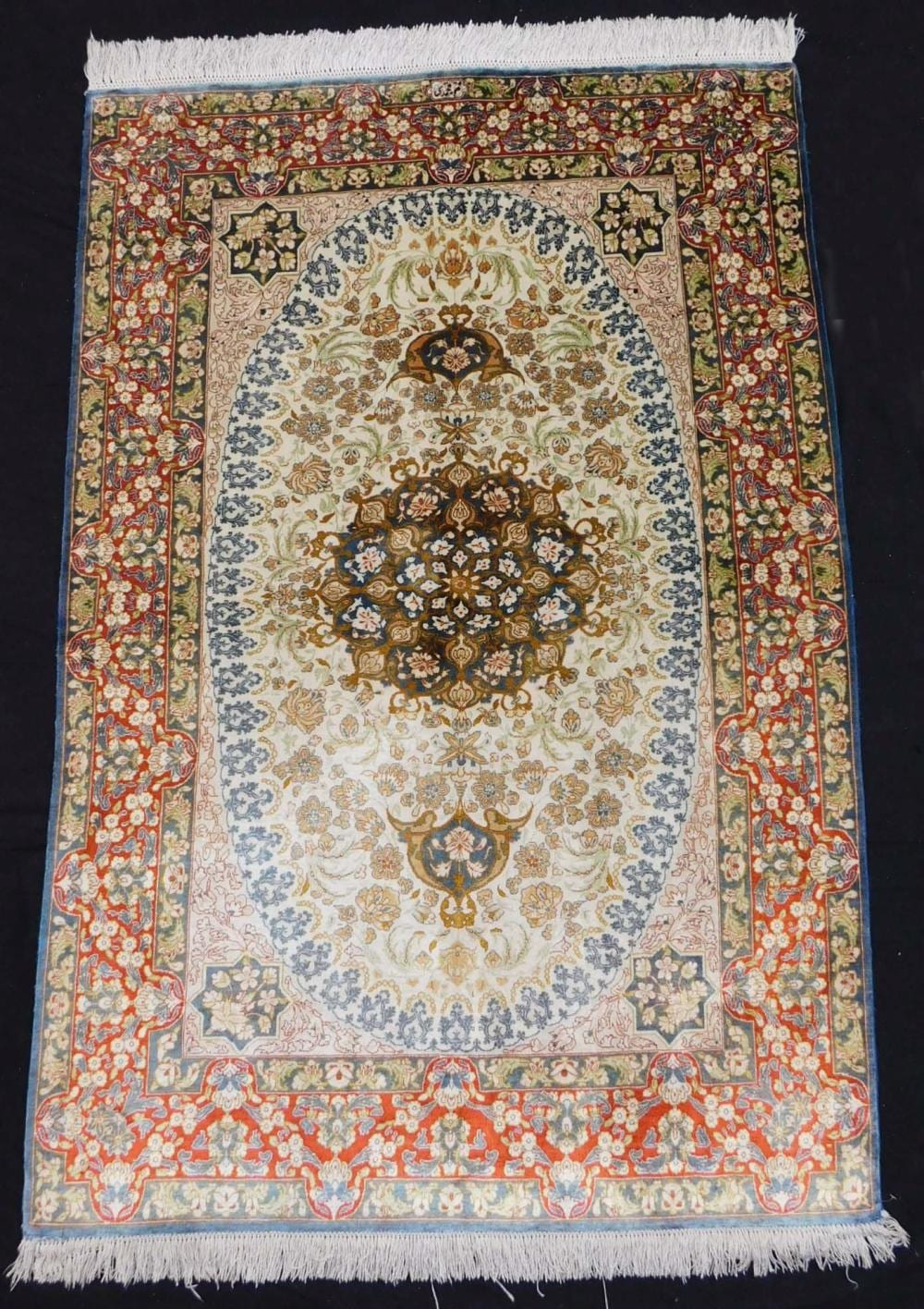 |
Qum silk rug Signed. Persian carpet. Iran. Extremely fine weave. | Auktionshaus Oberursel | 2021-01-23 | 488 | EUR 500 |
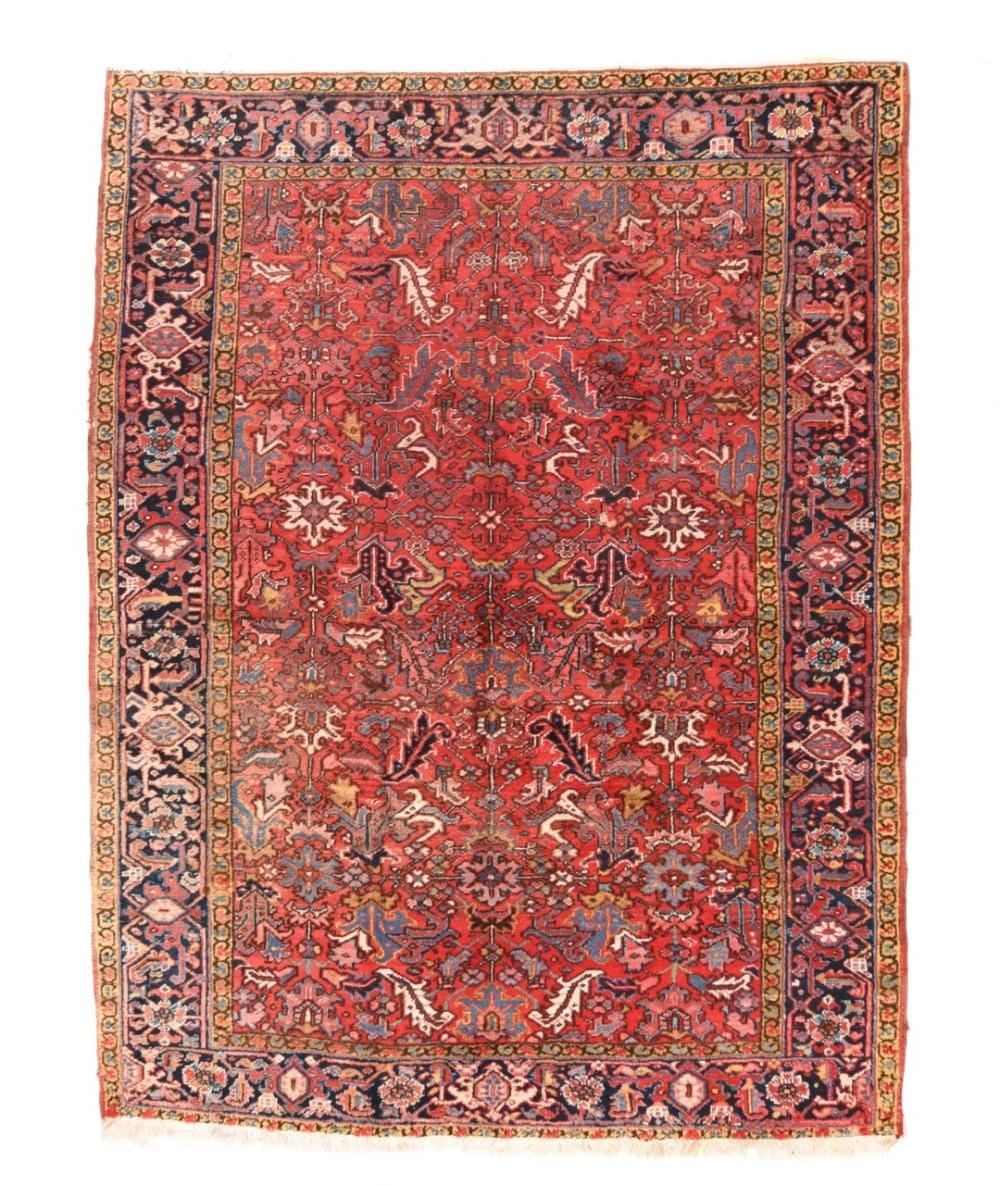 |
Fine Antique Persian Heriz Rug - 6'6'' X 8'7'' | 1stBid | 2020-08-02 | 1191 | USD 2,300 |
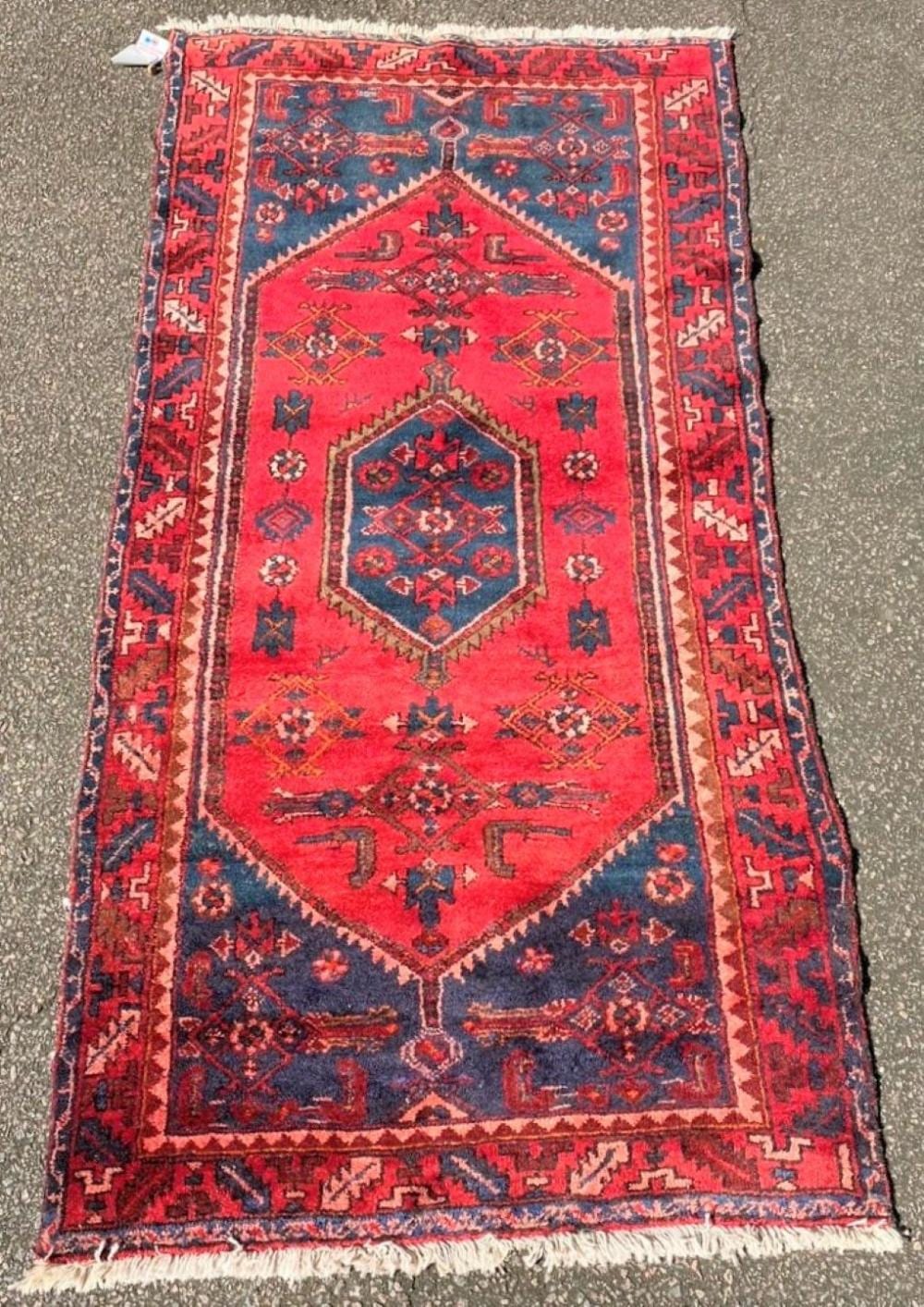 |
VINTAGE PERSIAN HAMADAN HAND KNOTTED RUG - 3.2 x 6.5 | The Rug Life Auctions | 2024-02-06 | 155 | USD 220 |
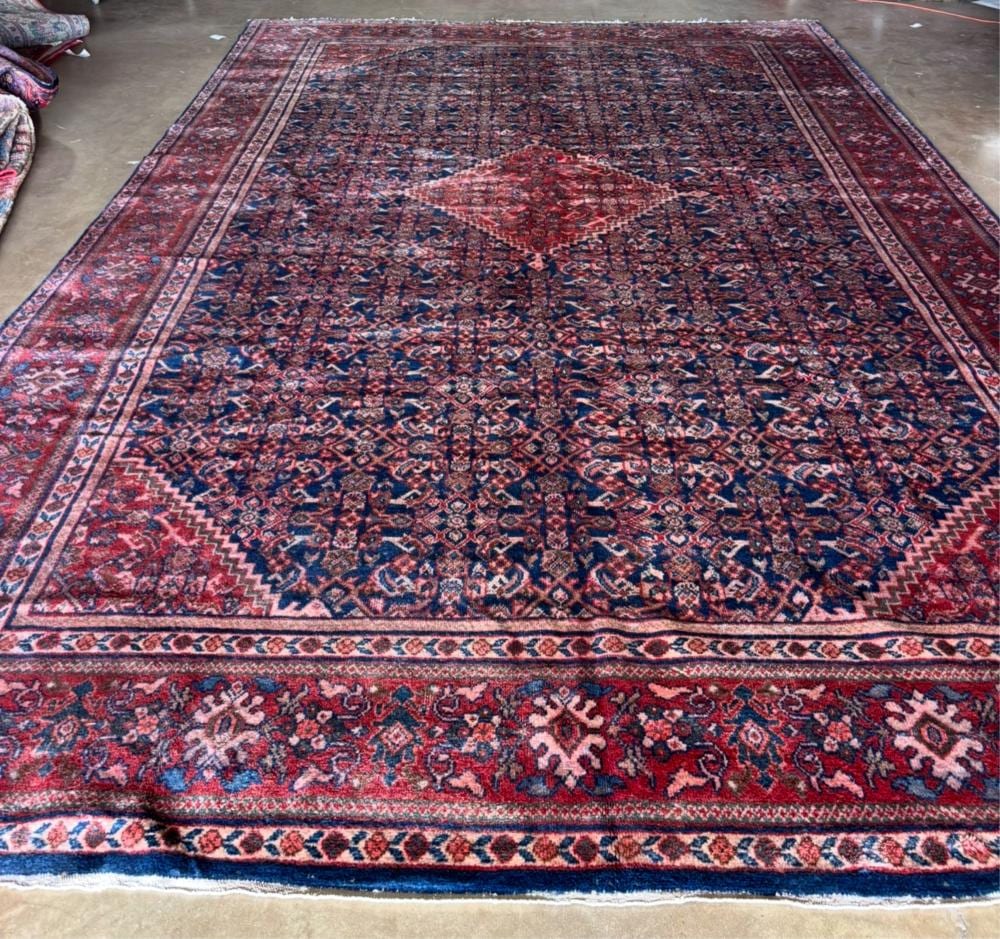 |
ANTIQUE PERSIAN RUG | Lewis & Maese Antiques & Auctions | 2025-08-24 | 427 | USD 500 |
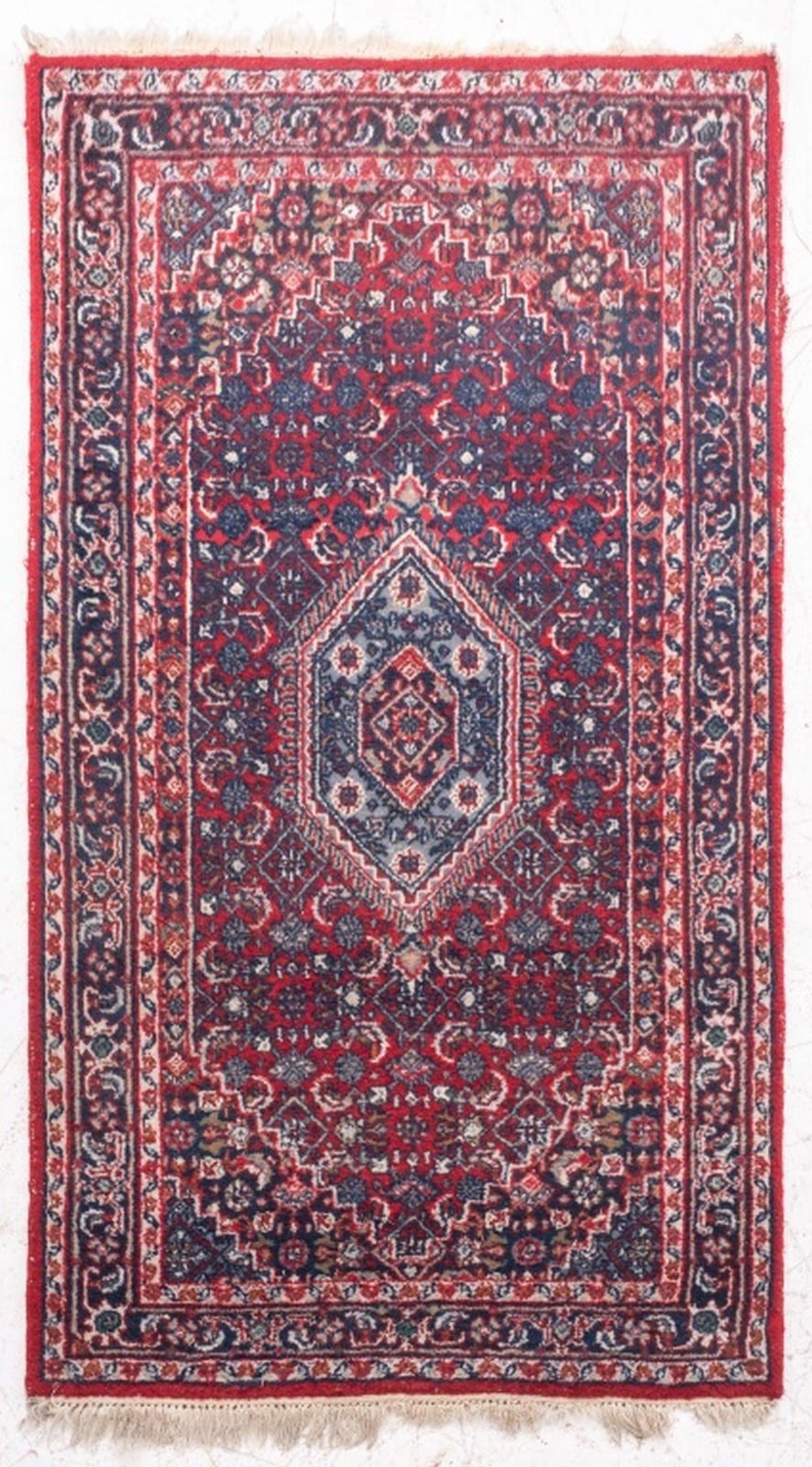 |
Persian Rug, 5' 8" x 3' 1" | Auctions at Showplace | 2024-03-12 | 499 | USD 175 |
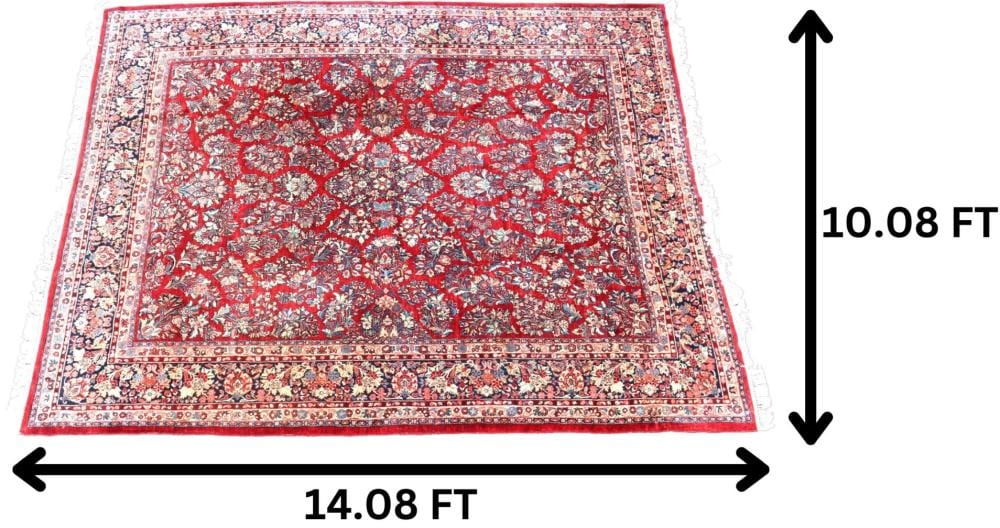 |
Superior Quality Persian Oriental Sarouk Rug with Appraisal | Sarasota Estate Auction | 2025-06-08 | 1512 | USD 450 |
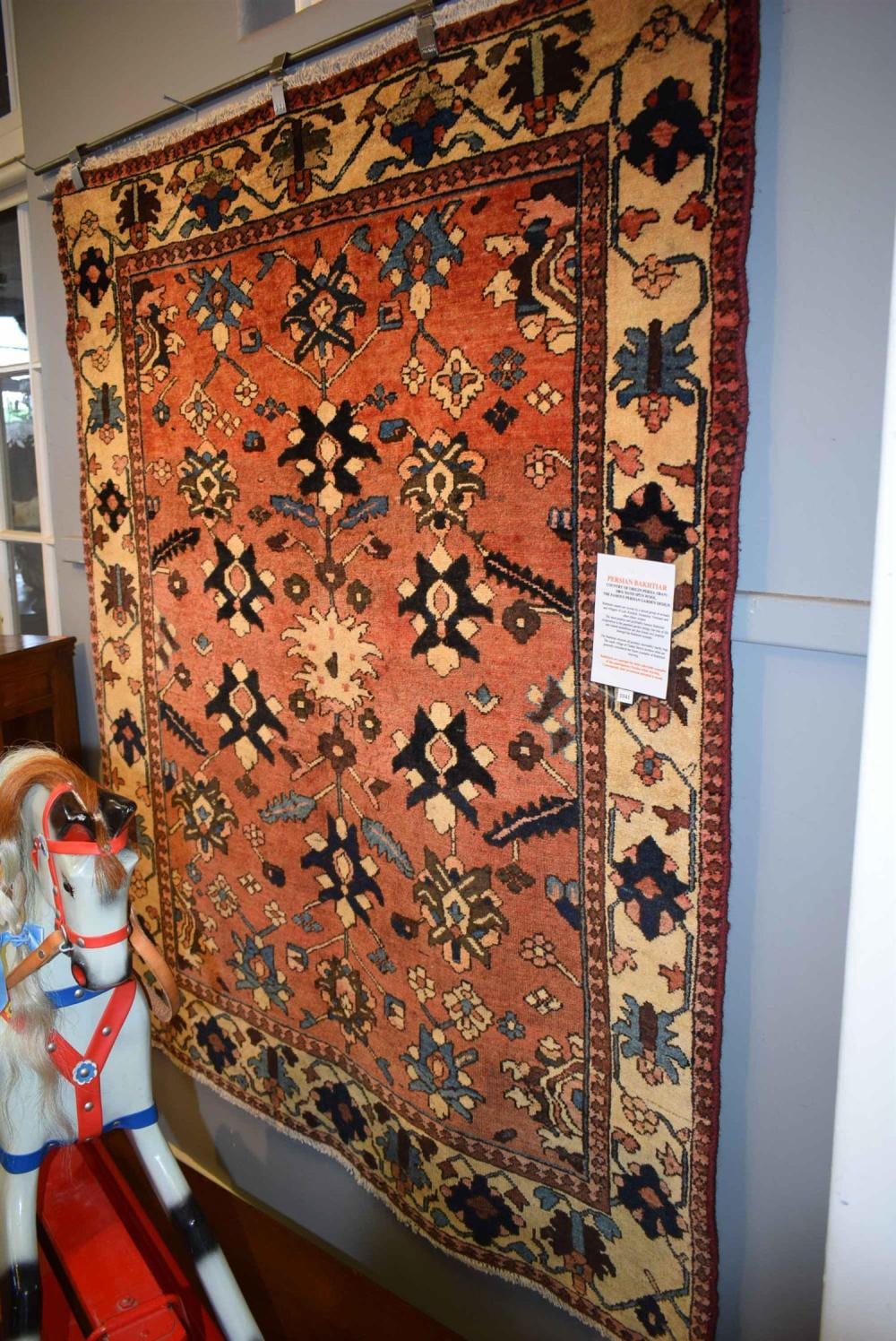 |
A PERSIAN COLLECTABLE BAKHTIARI NOMADIC RUG, CIRCA 1940S, ORGIN IRAN, WOOLLEN SEMI VINTAGE PILE, 100% NATURAL DYES IN SOFT MELLOW RE... | Leonard Joel | 2018-06-14 | 1041 | AUD 340 |
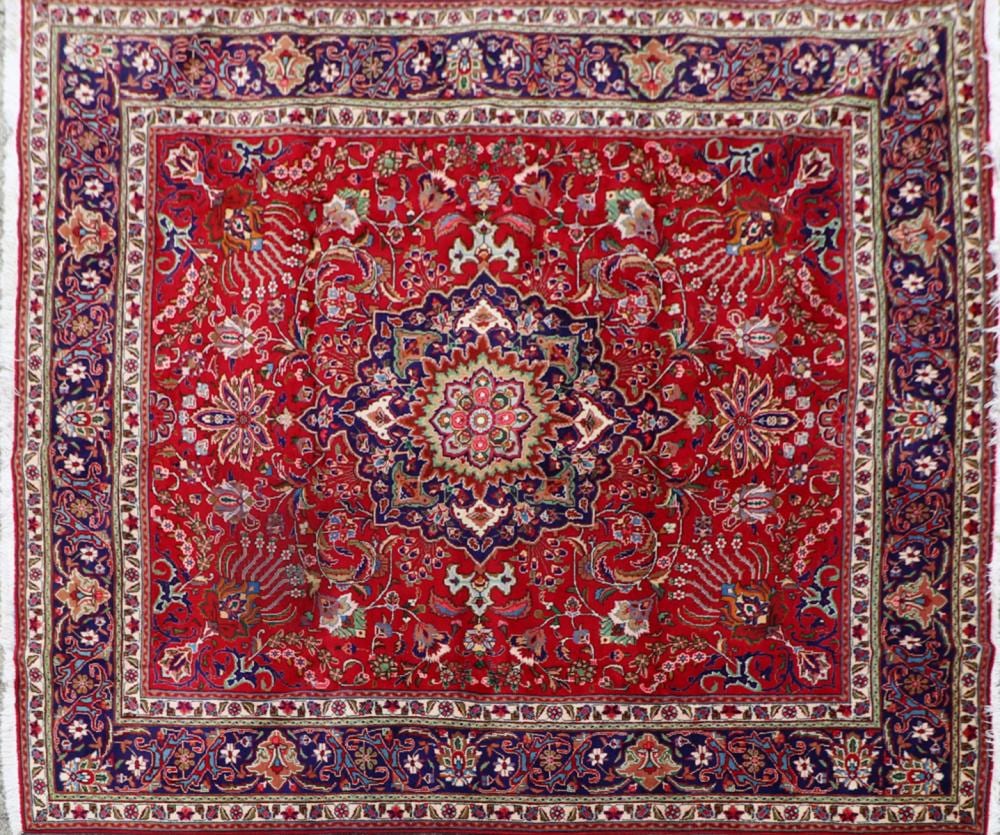 |
Semi Antique Persian Mashad Rug | Kaminski Auctions | 2020-07-26 | 584 | USD 550 |
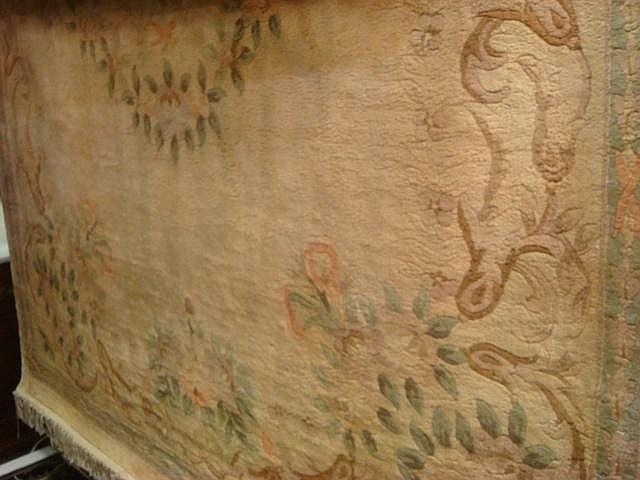 |
Wool and Silk Handloomed Persian Rug: | Phoebus Auction Gallery | 2013-06-30 | 244 | USD 120 |
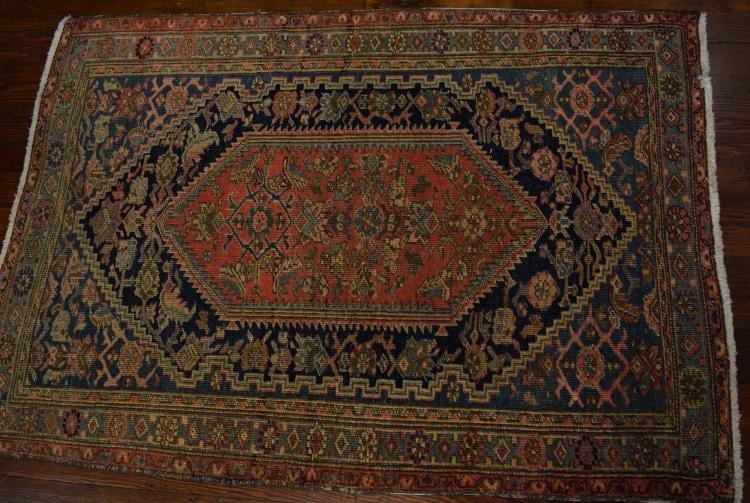 |
ANTIQUE PERSIAN BIDJAR STYLE ORIENTAL AREA RUG: | White's Auctions | 2018-03-25 | 229 | USD 225 |
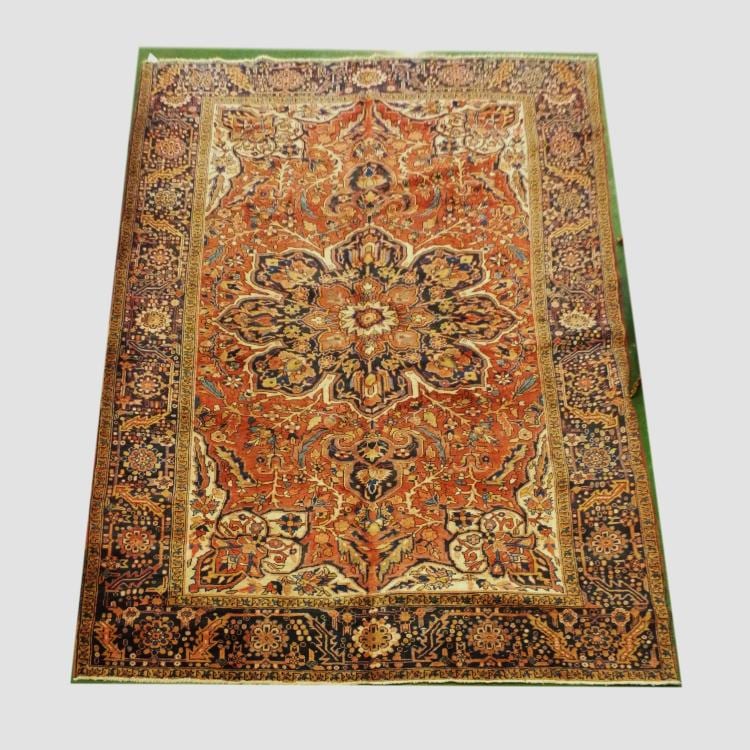 |
Handmade Wool Heriz Persian Rug 8'2x11'5 | The Chattanooga Auction House | 2018-03-24 | 332 | USD 700 |
How these auction records were verified
Each row is tied to its lot identity, retrieval time, access result, and immutable record hash. Live source access was blocked; the exact record matched Appraisily's immutable pipeline provenance. Inspect the public comparable provenance record.
Choose the right appraisal type: insurance, fair market value, or liquidation
Not all appraisals answer the same question. Before you pay for a report, tell the appraiser your goal:
- Insurance replacement value: what it costs to replace with a comparable rug from a retail source.
- Fair market value: what a willing buyer would pay a willing seller (common for estates and donations).
- Liquidation / quick sale: realistic net proceeds if you need to sell promptly (often lower).
A defensible report states the value definition, effective date, and what market the appraiser used (retail, auction, dealer trade).
FAQ: antique rug appraisal
How do I know if my rug is actually antique?
Age claims need evidence. Construction, wear patterns, and dye/palette help, but appraisers typically treat “antique” as 100+ years unless provenance supports otherwise.
Do rug labels prove origin?
Usually they identify a retailer or importer. They can help with era, but they're not proof of region or workshop on their own.
Does cleaning increase value?
Cleaning can improve presentation, but aggressive washing or color run can destroy value. For high-end rugs, consult a textile professional before treatment.
Can a repaired rug still be valuable?
Yes, especially for rare designs. The question is whether repairs are disclosed, structurally sound, and visually consistent.
Search variations collectors ask
Readers often Google:
- how to get an antique rug appraisal online
- oriental rug appraisal cost for insurance
- how to tell if a rug is hand knotted from the back
- Persian rug value by size and condition
- what photos do I need for a rug appraisal
- how much does reweaving a rug affect value
- is a Khotan rug valuable compared to Persian rugs
- how to spot moth damage in wool rugs
- antique rug appraisal for estate or donation
Each question is answered in the guide above.
Key takeaways
- Start with evidence: measurements, full back photos, edges, and close-ups of wear/repairs.
- Construction (hand-knotted vs tufted vs machine-made) determines which comps are valid.
- Condition and repair disclosure often move value more than “style” or “pattern” alone.
- Use auction comps as anchors, then adjust for size, quality, and condition—not just age claims.
References & data sources
- IRS Publication 561 (fair market value guidance for donations): https://www.irs.gov/publications/p561
- Auction datasets cited in-text: Hotel des ventes de Lausanne (Lot 163, 2023-09-27), Austria Auction Company (Lot 153, 2024-09-21), Wannenes Art Auctions (Lot 66, 2021-11-22).
- General appraisal standards (USPAP overview): https://appraisalfoundation.org/uspap