

An Original Painting by Kees Bruin 1954: appraisal and value basics
An Original Painting by Kees Bruin 1954 research should start with identification, condition, provenance, and recent comparable sales. Use this guide to compare the signals that matter before paying for a formal appraisal or deciding whether to sell.
Kees Bruin (1954) Painting Value Guide
An original painting by Kees Bruin appeals to collectors who value contemporary realism rooted in Old Master craft. The “1954” often seen alongside his name refers to his birth year, not the date of a painting. For appraisers and collectors, understanding his biography, stylistic hallmarks, materials, and market context is key to confidently identifying and valuing an authentic work.
Who Is Kees Bruin (b. 1954)?
Kees Bruin (born 1954) is a Dutch-born, New Zealand–based painter associated with photorealism and magic realism. His work blends meticulous observation with symbolic and occasionally metaphysical subject matter—think water surfaces, reflective glass, shells, fish, stones, and precisely described figures and objects staged in luminous, carefully controlled light.
Bruin’s practice is anchored in drawing and disciplined oil technique. While resolutely contemporary in source imagery (often photo-derived), his surfaces and glazing reveal an admiration for traditional craft. He is best known for large, highly finished oils on canvas or linen and for exacting graphite or charcoal drawings. Works appear periodically through New Zealand galleries and regional auction houses, with international interest from collectors of realist and photo-based painting.
Key point for cataloging: when you see “Kees Bruin (1954–)” in listings, 1954 is his birth year. Many secondary-market records adopt this format, which can be misread as the year of execution.
Visual Traits, Materials, and Techniques
Recognizing a Bruin begins with surface and structure. Common features include:
- Photographic clarity with controlled edges. Expect sharp focus overall or deliberate zones of soft focus echoing camera depth of field.
- Smooth, layered paint handling. Brushwork is typically minimized. Impasto, if present, is restrained; most passages feel level and glassy.
- Glazed luminosity. Transparent layers are used to build depth, particularly in water, skin, or glass.
- Calibrated light and shadow. Highlights are crisp and reflective; darks are deep but legible, with little muddiness.
- Meticulous drawing. Even in complex arrangements—stones under water, fish, shells—the underlying draftsmanship is exact.
- Symbolic and allegorical motifs. Still lifes and figurative works sometimes carry metaphoric content—balance, transience, reflection, the uncanny.
Materials and supports:
- Oil on linen or canvas is most common for major works. Linen supports and solid stretcher construction are frequent in higher-end pieces.
- Primed, smooth grounds to facilitate fine detail.
- Graphite or charcoal drawings on heavyweight paper appear as independent works or preparatory studies.
- Varnish is often present, enhancing clarity and contrast; high-gloss finishes are not unusual.
Scale varies, but Bruin’s signature oils are frequently medium to large format. Smaller oils, studies, and works on paper exist and should be appraised with different comparables than the large, emblematic canvases.
Signatures, Inscriptions, and Provenance
As with many living artists, signature practices can vary. When assessing a putative Kees Bruin:
- Signature placement: commonly along the lower margin on the front, but some works may be signed, dated, and titled on the reverse. The presence of both front and reverse inscriptions is possible.
- Signature form: usually the full name “Kees Bruin,” sometimes accompanied by a date. Compare letterforms carefully across verified examples.
- Titles: often descriptive and may note a specific motif (e.g., a reference to water, glass, or a figure). Titles on labels should match the artwork and inscriptions.
- Labels and stamps: gallery labels on the verso (stretchers, backing boards) can be significant. Catalog numbers or inventory stickers help anchor timeline and provenance.
- Editions: limited-edition prints (e.g., giclée or other digital prints) may exist for popular images. These are typically signed and numbered in pencil on the margin or verso and should not be confused with original oils.
Distinguishing originals from prints:
- Under magnification, original oil paint displays brush direction, micro-texture, and layering; inkjet prints show a dot pattern and uniform surface.
- Side-lighting will reveal subtle topography and edge ridges on oil paintings; prints lie comparatively flat unless textured papers are used.
- Look for edition numerals (e.g., 12/100) on prints. Originals generally bear a date, signature, and sometimes a title but no edition fraction.
Provenance patterns:
- Private collection history in New Zealand is common.
- Gallery invoices, exhibition checklists, and correspondence with the artist or galleries strengthen attribution.
- Auction catalog entries can provide useful dating and size benchmarks, but confirm details against the physical work.
Authentication and Attribution Workflow
A methodical approach reduces attribution risk and supports a defensible appraisal.
- Confirm the identity line
- Record as: Kees Bruin (b. 1954), New Zealand–based; photorealist/magic realist painter. Note that “1954” refers to birth year.
- Document the work
- High-resolution images of front, reverse, and details: signature, edges, labels, stretcher bars, and any inscriptions.
- Record measurements (sight and framed), medium, support, and varnish presence. Note framing type and condition.
- Compare stylistic hallmarks
- Assess subject matter and handling against known characteristics: polished surfaces, glazing, optical realism, reflective motifs, precise drawing.
- Outliers can occur, especially in early or experimental phases—flag for deeper review rather than dismissing outright.
- Examine materials and technique
- Magnification: look for layered paint, glazes, and surface sheen typical of oil. Identify modern prints by dot patterns.
- Raking and UV light: detect overpaint, repairs, or varnish inconsistencies; check for pentimenti (less common in photorealist work but not impossible).
- Analyze signatures and inscriptions
- Compare letter shapes and pen pressure. Check date formats used by the artist on verified works.
- Corroborate titles and dates with labels, invoices, or exhibition literature where available.
- Establish provenance
- Compile a chain of ownership. Prior gallery representation or direct acquisition from the artist adds weight.
- Seek supporting paperwork: invoices, emails, consignment notes, or past auction lot descriptions.
- Seek expert input when necessary
- When attribution remains uncertain, consult a specialist with familiarity in New Zealand photorealism or reach out to the artist’s studio or representatives for non-binding guidance.
Concise practical checklist:
- Verify “1954” is birth year, not painting date.
- Photograph front, back, signature, and labels.
- Measure and record medium/support; test for print vs oil.
- Compare style and motifs with documented Bruin works.
- Assess condition under raking and UV light.
- Note inscriptions: title, date, signature placement.
- Compile provenance and cross-check titles/dates.
- Identify whether the work is an original or an edition.
- Select appropriate comparables by medium, size, and period.
- If uncertain, obtain a specialist opinion before valuing.
Market Patterns and Value Drivers
Kees Bruin’s market is shaped by the broader interest in photorealism, the appeal of allegorical subject matter, and collector demand for highly finished contemporary figurative and still-life painting. The following factors typically influence value:
- Medium and scale: Large, complex oils on linen command higher prices than small oils or works on paper. Drawings hold their own market but should be compared within the drawing category.
- Signature subjects: Works featuring canonical motifs—water surfaces, reflective glass, marine life, carefully staged allegories—attract stronger interest than minor studies.
- Period and execution: Mature works demonstrating full technical command generally outpace early student-period or transitional pieces.
- Condition: Photorealist surfaces are unforgiving. Abrasions, cleaning scratches, discolored varnish, or retouching in critical passages can markedly affect value and liquidity.
- Provenance and exhibition history: Works with documented gallery sales, exhibitions, or direct acquisition from the artist often carry a premium and are easier to appraise.
- Edition vs original: Limited-edition prints, even if hand-signed, should not be valued as original oils; their market segment is distinct.
Where to find comparables:
- Regional auction archives in New Zealand and comparable Commonwealth markets for photorealist paintings.
- Gallery catalogues and past exhibition checklists for scale, subject, and title matching.
- Private dealer records when accessible. Use multiple points of reference to guard against outlier results.
Care considerations that affect long-term value:
- Varnish and cleaning: Glossy varnish can yellow or show micro-scratches. Cleaning should be entrusted to a conservator familiar with modern oils and synthetic varnishes.
- Light and environment: Avoid direct sunlight; maintain stable humidity and temperature to prevent canvas movement and frame stress.
- Framing: Use archival backing, spacers, and UV-filter glazing for works on paper. For oils, ensure the frame supports the stretcher without pressure on paint edges.
- Handling: Photorealist surfaces chip easily on corners and edges; always handle with clean, padded supports and avoid contact with the painted face.
Note: We couldn’t find enough auction records that directly match Kees Bruin (1954) Painting Value Guide to publish a defensible price table. If you are valuing a specific item, include its maker, model, material, photos, and condition so the search can be narrowed.
What similar items actually sold for
To help ground this guide in real market activity, here are recent example auction comps from Appraisily’s internal database. These matched sales are market context only, not an object estimate or identification, and they do not guarantee a price for your specific an original painting by kees bruin 1954.
Shown USD range: USD 450-USD 11,000. Median of these 5 USD examples: USD 600.
| Comparable | What sold | Auction house | Date | Lot | Source-reported amount |
|---|---|---|---|---|---|
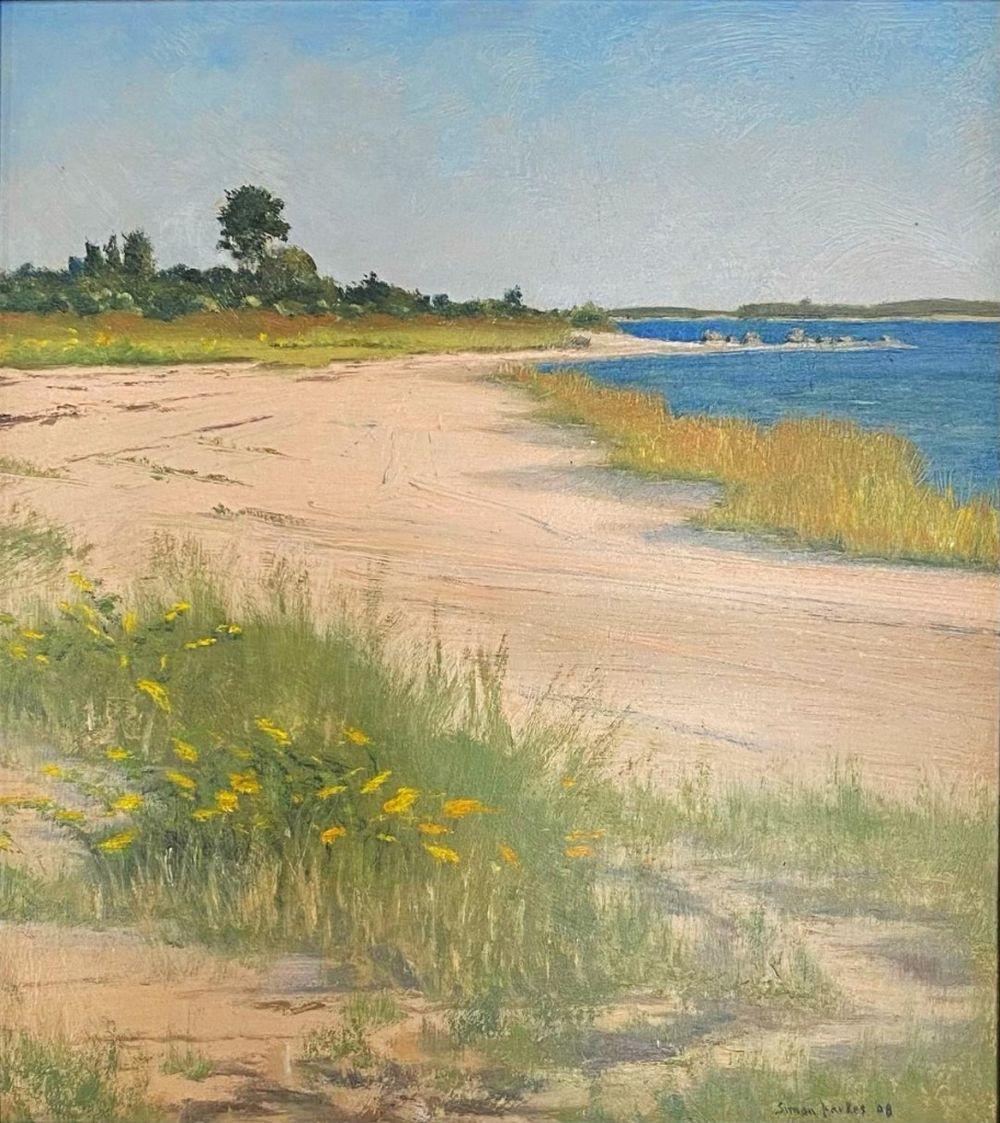 |
Simon Parkes (American, 1954-) NY Oil Painting | Myers Fine Art | 2023-04-30 | 300 | USD 2,750 (buyer’s-premium treatment unknown) |
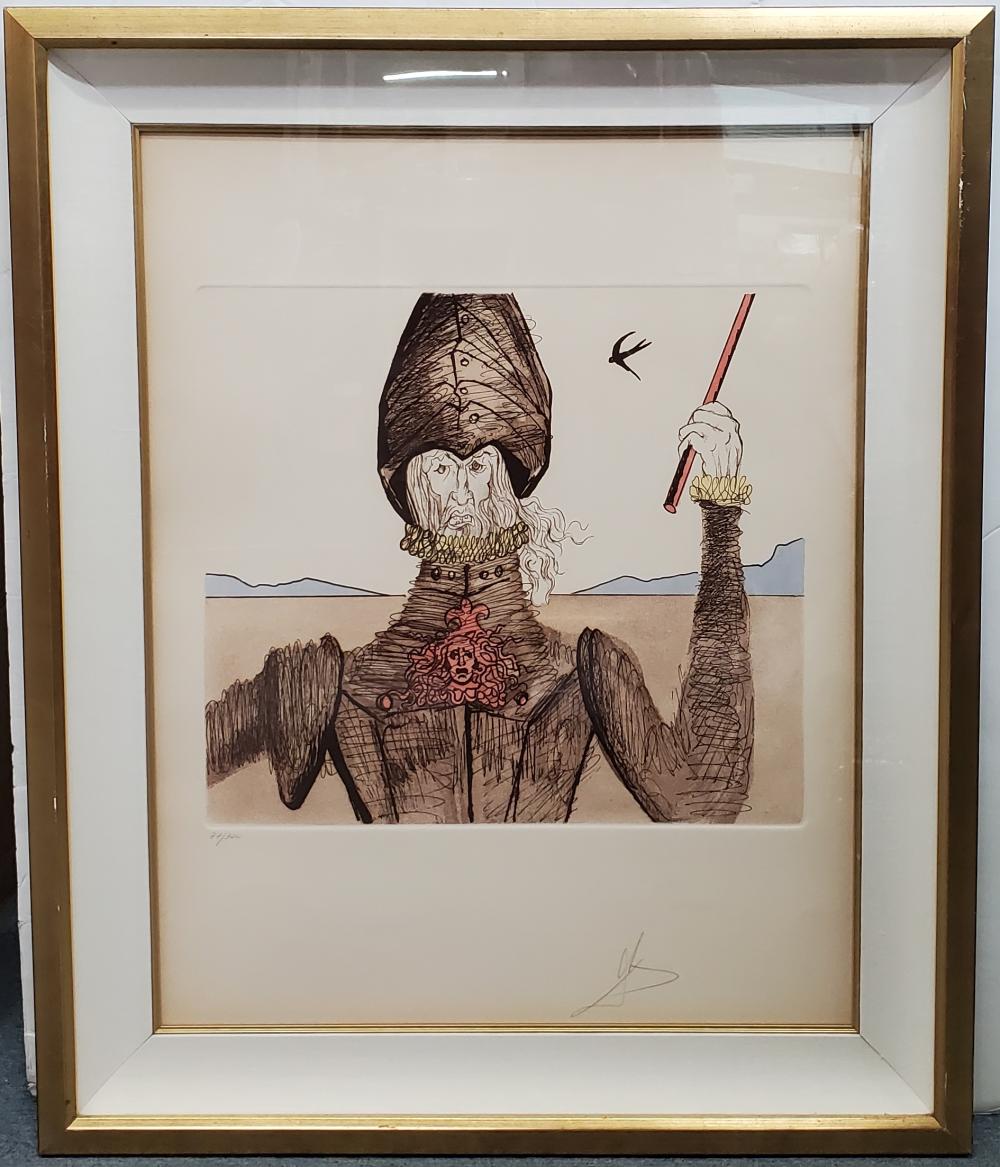 |
Large Salvador Dali Signed ed300 Don Quixote 1980 Color Etching Surrealist Print 15.5x17.25in | Hess Fine Art | 2025-09-16 | 9767 | USD 600 (buyer’s-premium treatment unknown) |
 |
Ernest Robertson "McKinley - Wilderness Showdown" Monumental Oil Painting | Alaska Premier Auctions & Appraisals | 2026-06-28 | 41 | USD 11,000 (buyer’s-premium treatment unknown) |
 |
19th C. Indian Mughal Painting on Fabric - Tiger Hunt | Artemis Gallery | 2021-02-04 | 4A | USD 450 (buyer’s-premium treatment unknown) |
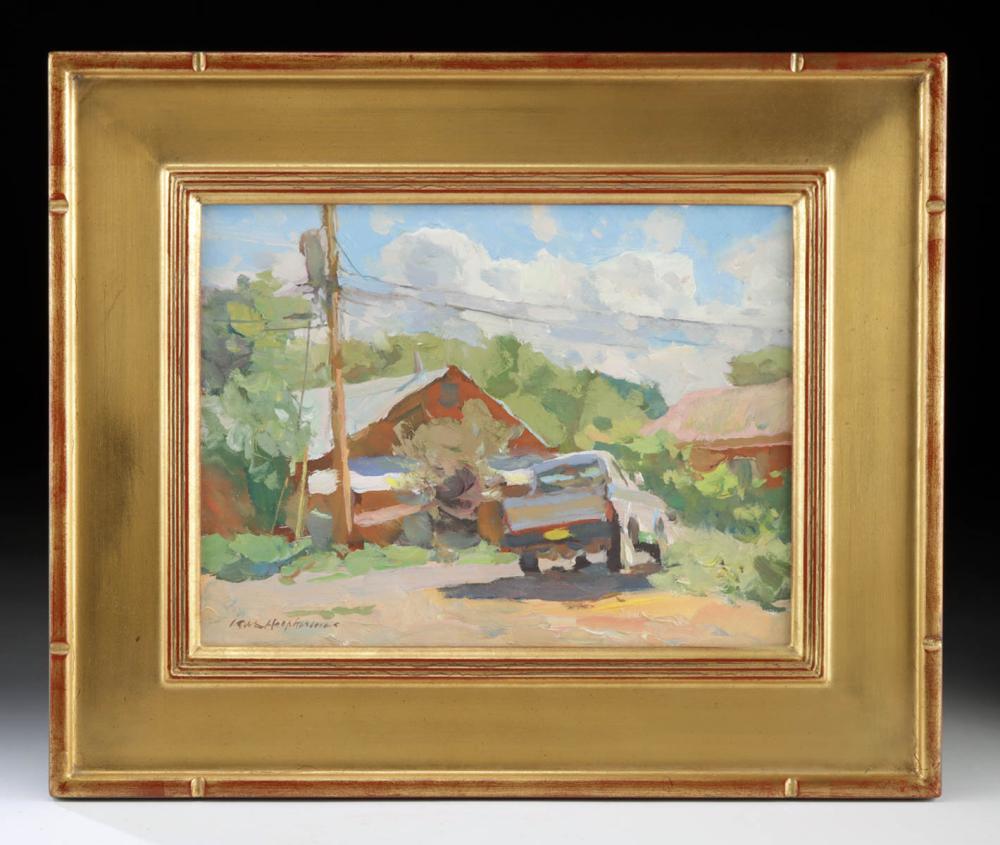 |
Kevin Macpherson Painting - "Lazy Afternoon" | Artemis Fine Arts | 2025-07-10 | 184 | USD 500 (buyer’s-premium treatment unknown) |
How these auction records were verified
Each row retains its exact source URL, lot identity, retrieval time, access result, and immutable record hash. Inspect the public comparable provenance record.
Disclosure: prices are shown as reported by auction houses and are provided for appraisal context. Learn more in our editorial policy.
Free instant estimate
Not sure if your painting is worth appraising? Let us take a look.
Upload a photo, tell us what you know, and get a free first read. If a full appraisal makes sense, we will say so.
Free. No card needed. Takes about two minutes.
FAQ
Q: What does “1954” mean on a listing for Kees Bruin? A: It refers to the artist’s birth year. It is not the date your painting was made. Always look for a separate execution date in the signature, on the reverse, or in documentation.
Q: How can I tell if my work is an original oil or a print? A: Under magnification, original oils show layered paint and micro-texture; prints reveal a uniform dot pattern. Side-lighting can expose paint relief in oils. Prints may be numbered (e.g., 12/100) and signed in pencil on the margin.
Q: My painting is unsigned. Can it still be by Kees Bruin? A: Possibly. Some works may carry inscriptions only on the reverse, or labels may have been removed. In such cases, lean on stylistic analysis, materials examination, and provenance. Seek a specialist opinion before assigning authorship.
Q: Will conservation work reduce value? A: Professional, well-documented conservation that stabilizes a work and improves legibility is generally acceptable. However, overcleaning, large areas of overpaint, or visible abrasion in key passages can depress value and should be disclosed in any appraisal.
Q: What subjects are most sought-after? A: Highly resolved, emblematic oils showcasing Bruin’s reflective surfaces, water optics, and allegorical arrangements tend to attract the strongest demand compared with minor studies or atypical motifs.
By aligning the visual evidence, materials analysis, provenance, and market comparables, appraisers can present a confident, defensible opinion on an original painting by Kees Bruin (b. 1954).