Value of an Antique: appraisal and value basics
Value of an Antique research should start with identification, condition, provenance, and item-specific market evidence. Use this guide to compare the signals that matter before paying for a formal appraisal or deciding whether to sell.
Uncovering the true value of an antique item can feel like detective work. Whether you’ve inherited a family heirloom, discovered something intriguing at an estate sale, or are simply curious about your collection’s worth, understanding how to properly value antiques is both an art and a science. This comprehensive guide will walk you through the essential factors that determine an antique’s value and provide you with the tools to assess your treasures accurately.
Understanding What Makes an Antique Valuable
Key Factors That Determine Antique Value
The value of an antique is rarely determined by a single factor. Instead, it’s the combination of several key elements that create its market worth. Understanding these components will help you develop a more accurate assessment of your items.
Age and Originality
While age alone doesn’t confirm value, it’s a fundamental starting point. Generally, items over 100 years old are considered true antiques, while those between 40-100 years are typically classified as vintage. Attribution review is critical—a genuine antique will always be worth more than a reproduction, no matter how well-crafted the copy may be.
Rarity and Scarcity
The principle of supply and demand heavily influences antique values. Items produced in limited quantities or with few surviving examples typically command higher prices. This includes:
- Limited production runs
- Items from specific time periods with few survivors
- Pieces with unique features or variations
- Objects that were expensive or exclusive when originally produced
Condition
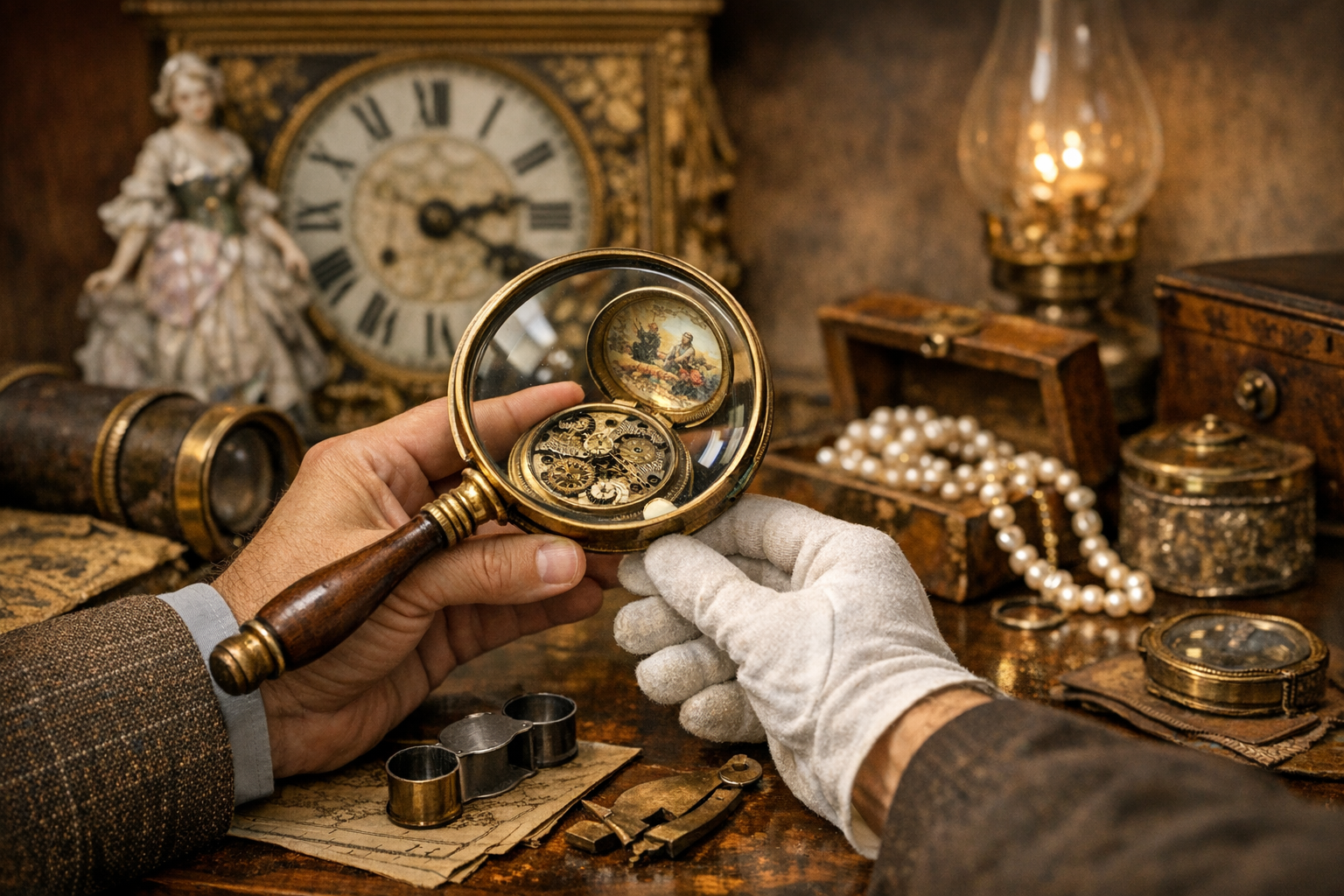
The condition of an antique can dramatically impact its value—often by a category-dependent amount or more between excellent and poor condition examples of the same item. Collectors generally prefer items that maintain their original condition with minimal restoration.
Condition Assessment Checklist
Use this checklist to evaluate the condition of your antique
- Original finish intact (no refinishing)
- No major repairs or restoration
- All original parts present
- No significant damage (chips, cracks, tears)
- Original markings or labels present
- Signs of appropriate age-related wear
Provenance and Historical Significance
An item’s history and ownership chain (provenance) can substantially increase its value. Antiques with documented history showing:
- Previous notable owners (celebrities, historical figures)
- Connection to significant historical events
- Verifiable origin from important makers or workshops
- Inclusion in museum exhibitions or important collections
These pieces often command premium prices well beyond similar items without such documentation.
Aesthetic Appeal and Craftsmanship
Beyond objective factors, the subjective elements of design quality, craftsmanship, and aesthetic appeal significantly influence value. Items that exemplify excellent design principles, show exceptional craftsmanship, or represent the height of a particular style period are generally more desirable to collectors.
Professional Methods for Valuing Antiques
Research-Based Valuation Techniques
Professional appraisers use a combination of techniques to arrive at accurate valuations. You can apply many of these same methods to your own research.
Market Evidence Analysis
One of the most reliable methods for determining an antique’s current market value is analyzing recent sales of comparable items. This approach provides real-world evidence of what buyers are willing to pay.
Sources for finding market evidence include:
- Auction Records: Major auction houses like Sotheby’s, Christie’s, and Heritage Auctions maintain searchable databases of past sales.
- Online Marketplaces: eBay’s completed listings, 1stDibs, and specialized collector sites provide insights into current market prices.
- Price Guides: Both print and online price guides compile sale data for specific categories of antiques.
When analyzing market evidence, focus on items that most closely match yours in terms of:
- Exact maker, model, or pattern
- Similar condition
- Equivalent age
- Comparable size, color, and specific features
- Recent sales (within the past 1-2 years)
Expert Appraisals
Professional appraisers bring specialized knowledge and experience that can be invaluable, especially for rare or high-value items. According to Veranda, some larger auction houses—like Heritage Auction—offer complimentary auction assessments where specialists review items and provide value estimates.
Different types of appraisals serve different purposes:
Types of Professional Appraisals
Common appraisal services and their typical costs
Reference Resources and Price Guides
Specialized reference books, price guides, and online databases can help establish value ranges for specific categories of antiques. The Free Antique Price Guide offers values for a wide range of vintage collectibles, while the Boston Public Library’s guide to researching antiques provides additional resources.
Digital Identification and Valuation Tools
Technology has made antique identification and valuation more accessible. According to information from a related search, apps like Antique ID allow users to photograph items for identification and preliminary value estimates. While not as accurate as professional appraisals, these tools can provide helpful starting points.
Market Trends Affecting Antique Values
Understanding Current Market Dynamics
Categories Gaining Value
Certain categories of antiques have shown strong growth in recent years:
- Mid-century modern furniture and decorative items
- Vintage watches from prestigious makers
- Early technology (vintage computers, cameras, audio equipment)
- Folk art and outsider art
- Asian antiques, particularly Chinese imperial items
- Rare coins and certain categories of stamps
Categories Declining in Value
As noted in a Medium article, many traditional antiques have experienced declining values:
- Large traditional furniture (dining sets, china cabinets)
- Porcelain figurines and collector plates
- Silver-plated tableware
- Mass-produced collectibles marketed as “limited editions”
- Crystal stemware and formal dinnerware
Impact of Generational Shifts
The collecting preferences of younger generations differ significantly from previous ones, affecting values:
Evolution of Antique Market Preferences
- 1980s-1990s
Traditional Antiques Boom
Traditional 18th and 19th century furniture, decorative items, and formal tableware commanded premium prices.
- 2000s-2010s
Mid-Century Modern Renaissance
Interest shifted to sleeker, more functional designs from the 1950s-1970s, with traditional brown furniture declining.
- 2015-Present
Experience Over Ownership
Younger collectors prioritize unique experiences and smaller, more personal collectibles over formal antiques.
Economic Factors
The broader economic environment significantly impacts antique values:
- During economic downturns, mid-range antiques often decline in value
- High-end, investment-quality pieces typically maintain value better during recessions
- Inflation has historically made tangible assets like quality antiques attractive
- Regional economic variations create different valuation patterns across markets
Step-by-Step Guide to Valuing Your Antiques
Practical Valuation Process
Step 1: Identify Your Item
Before you can determine value, you need to precisely identify what you have:
- Look for maker’s marks: Check for signatures, stamps, labels, or hallmarks
- Document measurements: Record dimensions accurately
- Note distinguishing features: Materials, design elements, patterns, etc.
- Research production history: When and where was it made?
- Verify production quality: Compare with known documented examples
Step 2: Assess Condition
Document your item’s condition objectively, noting:
- Overall condition relative to age
- Any damage, repairs, or restoration
- Missing parts or replacements
- Signs of wear appropriate to age
- Original finish versus refinishing
- Functionality (if applicable)
Step 3: Research Market Evidence
As Old Crow’s Antiques advises, finding the market for your piece is essential. Research sale prices of similar items:
- Search auction archives (LiveAuctioneers, Invaluable, Heritage)
- Check completed sales on eBay and other online marketplaces
- Consult price guides for your specific category
- Visit antique shops to see asking prices for similar items
- Join collector forums for your item type
Step 4: Document Provenance
Gather any documentation that helps establish your item’s history:
- Original receipts or bills of sale
- Letters of originality
- Exhibition history
- Previous appraisals
- Photographs showing the item in historical contexts
- Family records or stories (if inherited)
Step 5: Consider Professional Appraisal
For valuable items, a professional appraisal is often worth the investment. According to Martha Stewart, rare antiques can bring thousands or even millions of dollars, making expert verification crucial.
Online appraisal services like ValueMyStuff offer affordable options starting around a value that must be established from current, topic-matched sales with experts formerly of major auction houses providing assessments within 24-48 hours.
Step 6: Determine Purpose of Valuation
Different situations require different types of valuations:
- Insurance value (replacement cost)
- Fair market value (typical buyer/seller transaction)
- Auction value (expected at auction)
- Wholesale value (dealer purchase price)
- Liquidation value (quick sale scenario)
The purpose will significantly impact the final value estimate.
Where to Sell Antiques for Maximum Value
Optimizing Your Selling Strategy
The “best” place to sell depends on your item’s value, category, and your personal priorities:
High-Value or Rare Items
For significant pieces, traditional auction houses often achieve the best results:
- Major Auction Houses (Christie’s, Sotheby’s): Best for museum-quality items valued at a value that must be established from current, topic-matched sales
- Regional Auction Houses: Good for items in the a market-dependent range
- Specialized Auction Houses: Focus on specific categories (coins, jewelry, etc.)
Mid-Range Items
For items valued between a value that must be established from current, topic-matched sales:
- Online Specialty Marketplaces: 1stDibs, Ruby Lane, EBTH
- eBay Auctions: Particularly good for collectibles with active buyer communities
- Consignment Shops: Local antique consignment stores (typically take a condition-specific range)
- Antique Shows: Direct selling to collectors at established shows
Lower-Value Items
For more common items under a value that must be established from current, topic-matched sales:
- Local Estate Sales: Efficient way to sell multiple items
- Flea Markets: Direct selling to bargain hunters
- Facebook Marketplace/Craigslist: Local sales without shipping concerns
- Yard/Garage Sales: Quick liquidation but typically lowest returns
When selecting a selling venue, consider these factors:
- Commission rates: From a category-dependent amount (direct sale) to a category-dependent amount (high-end consignment)
- Audience reach: Local versus national/international
- Attribution review services: Some platforms offer expert verification
- Timeframe: Immediate sale versus waiting for the right buyer
- Convenience: Handling shipping, photography, and communications
Common Mistakes to Avoid When Valuing Antiques
Valuation Pitfalls and How to Avoid Them
Mistake #1: Relying Solely on Price Guides
Price guides provide useful starting points but have limitations:
- They quickly become outdated in changing markets
- They often show “retail” prices, not what sellers actually receive
- They may not account for condition variations
- They can’t capture regional market differences
Solution: Use price guides as one reference point among many, and always check recent actual sales.
Mistake #2: Confusing Asking Prices with Realized Prices
What sellers ask for is often very different from what they ultimately receive.
Solution: Focus on completed/sold listings rather than current asking prices to determine actual market value.
Mistake #3: Overvaluing Family History
While provenance matters, personal family connections typically don’t increase market value unless connected to historical figures.
Solution: Separate emotional value from market value when making financial decisions.
Mistake #4: Failing to Consider Condition Properly
Minor condition issues can dramatically impact value, especially for high-end items.
Solution: Be brutally honest about condition and understand its impact in your specific collecting category.
Mistake #5: Making Assumptions About Age or Originality
Many items that appear old are actually reproductions or later copies.
Solution: Verify age and originality through research and, when necessary, expert opinion.
Resources for Further Research
Valuable Antique Valuation Resources
Trusted sources for expanding your knowledge and researching specific items
The Free Antique Price Guide
Comprehensive resource with prices and descriptions for signs, tins, vintage toys, oil and gas items, and a wide range of vintage collectibles.
ValueMyStuff Online Appraisals
Get expert appraisals from former Sotheby's and Christie's specialists within 24-48 hours, starting from a market-dependent fee per item.
Boston Public Library Antique Research Guide
Excellent library guide to researching antiques, including sections on price guides, provenance, and care of collectibles.
Veranda's Expert Appraiser Advice
Insights from professional appraisers at leading auction houses on determining antique values and finding the right experts.
Old Crow's Antiques Valuation Guide
Practical advice on identifying valuable antiques and finding the right markets for selling them at fair prices.
Martha Stewart's Guide to Selling Antiques
Expert guidance on valuing and selling antique and vintage collectibles, with insights into what makes certain items particularly valuable.
Frequently Asked Questions About Antique Valuation
Common Questions About Antique Values
How do I find out what my antiques are worth?
- Identify the item precisely (maker, age, model)
- Assess its condition thoroughly
- Research recent sold prices
- Consider any provenance or historical significance
- Consult reference books or online databases specific to your item category
Is there an app to identify and value antiques?
- Antique ID: Uses image recognition to identify items and provide value estimates
- WorthPoint: Offers a vast database of sold antiques and their prices
- JustCollecting: Focuses on collectibles with pricing information
- Google Lens: Can identify objects and find similar items online
How do I find the value of an old item?
- Check for maker’s marks, signatures, or labels
- Research the item’s history and manufacturer
- Search for comparable items that have recently sold
- Join collector forums or groups specific to your item type
- Consult price guides for the specific category
What antiques are most valuable right now?
- Fine art from recognized artists
- High-quality mid-century modern furniture (Eames, Knoll, Herman Miller)
- Rare watches from prestigious makers (Patek Philippe, Rolex)
- Chinese imperial porcelain and jade
- Rare first-edition books and manuscripts
- Certain vintage cars and motorcycles
- Early American folk art
- Fine jewelry, particularly from notable designers
What's the difference between an appraisal and an auction estimate?
Auction Estimate:
- Informal range indicating what an item might sell for at auction
- Typically provided free by auction houses
- Represents the expected hammer price before buyer’s premiums
- Often a broader range than a formal appraisal
- Specifically focused on the auction market
How does condition affect an antique's value?
Condition can impact an antique's value by a condition-specific range, depending on the category. Key condition factors include:
- Original vs. Restored: Original condition typically commands a premium
- Completeness: Missing parts significantly reduce value
- Functionality: Working condition matters for mechanical items
- Damage: Chips, cracks, tears, and repairs lower value
- Patina: Appropriate age-related wear can be desirable
Should I clean or restore my antique before valuation?
- Improper cleaning can permanently damage items
- Original patina and finish are often desirable
- Professional restoration should be evaluated by experts first
- Some buyers prefer to handle restoration themselves
- Cleaning can remove valuable evidence of age and originality
How often should I get my valuable antiques reappraised?
- Every 3-5 years for insurance purposes
- After significant market changes in your collecting category
- Before selling or donating
- After any restoration or repair work
- Following major auction records being set for similar items
Conclusion: Becoming a Savvy Antique Valuator
Determining the true value of antiques combines research, experience, and an understanding of market dynamics. While professional appraisers bring expertise that can’t be fully replicated, collectors can develop strong valuation skills by:
- Building category knowledge: Focus on specific areas of interest
- Developing condition assessment skills: Learn what matters in your collecting areas
- Tracking market trends: Monitor prices in your categories over time
- Creating a reference library: Collect price guides and reference books
- Networking with experts: Join collector groups and attend shows
Remember that antique valuation is part art and part science. Values fluctuate with changing tastes, economic conditions, and collector interests. What’s out of fashion today may become tomorrow’s must-have collectible.
By applying the techniques in this guide consistently, you’ll develop increasing confidence in your ability to determine what your antiques are truly worth in today’s market.
Note: We couldn’t find enough auction records that directly match Value of an Antique: Maker Marks, Materials, Condition, History and Market Context to publish a defensible price table. If you are valuing a specific item, include its maker, model, material, photos, and condition so the search can be narrowed.
What similar items actually sold for
To help ground this guide in real market activity, here are recent example auction comps from Appraisily’s internal database. These matched sales are market context only, not an object estimate or identification, and they do not guarantee a price for your specific value of an antique.
Shown USD range: USD 250-USD 700. Median of these 5 USD examples: USD 300.
| Comparable | What sold | Auction house | Date | Lot | Source-reported amount |
|---|---|---|---|---|---|
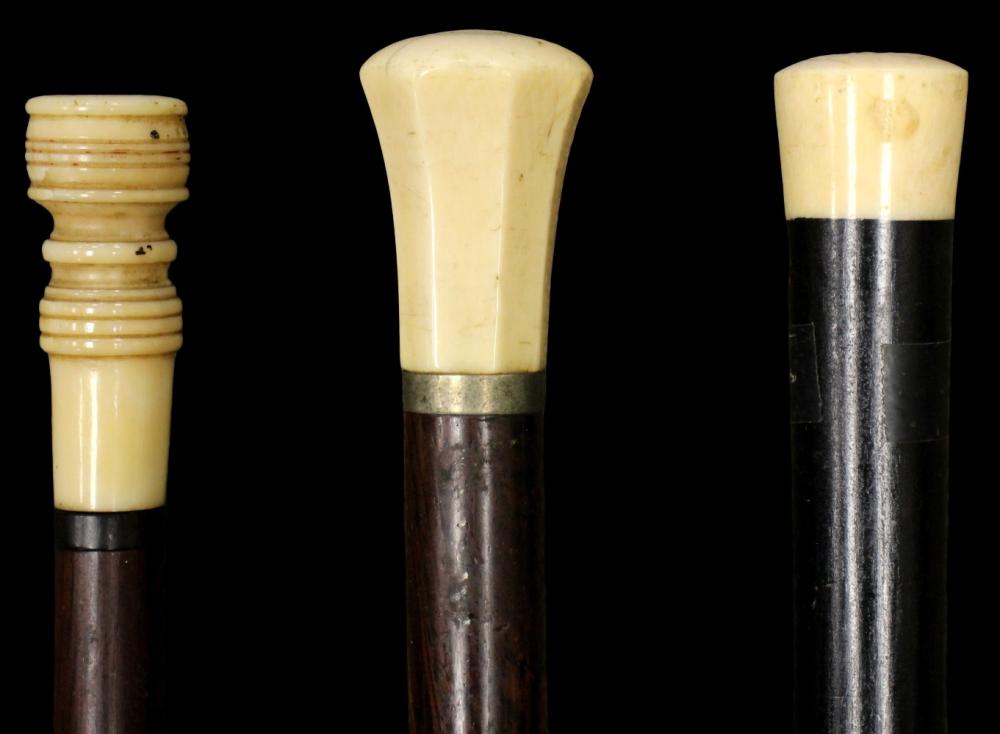 |
Lot of Three Various Antique Walking Canes Sticks | Sofe Design Auctions | 2026-03-14 | 9508 | USD 250 (buyer’s-premium treatment unknown) |
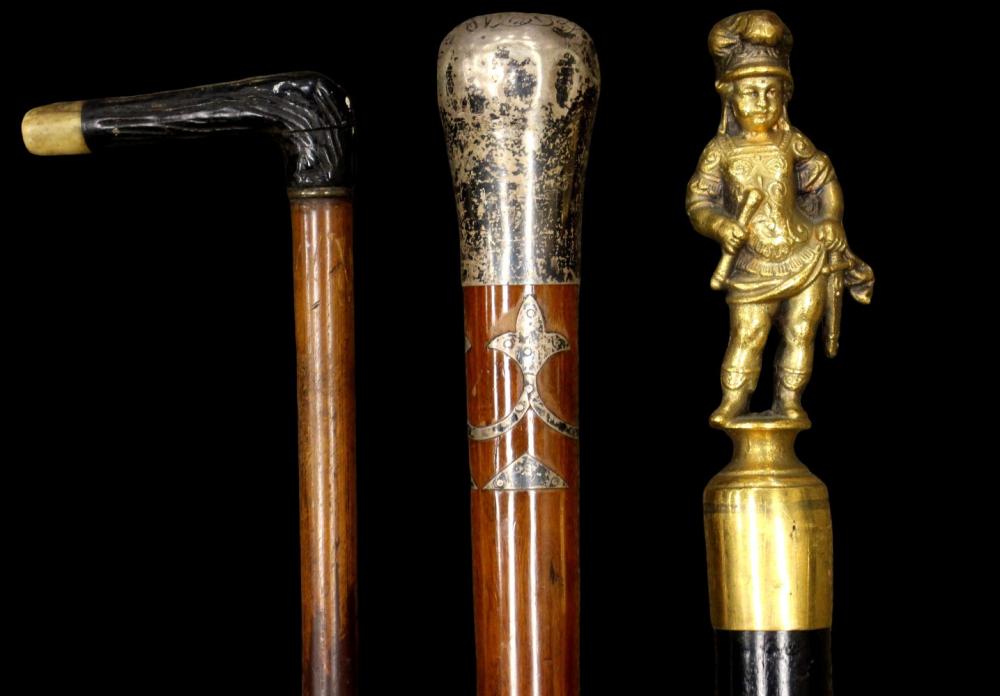 |
Lot of 3 Various Antique Carved Walking Canes Sticks | Sofe Design Auctions | 2026-03-14 | 9513 | USD 700 (buyer’s-premium treatment unknown) |
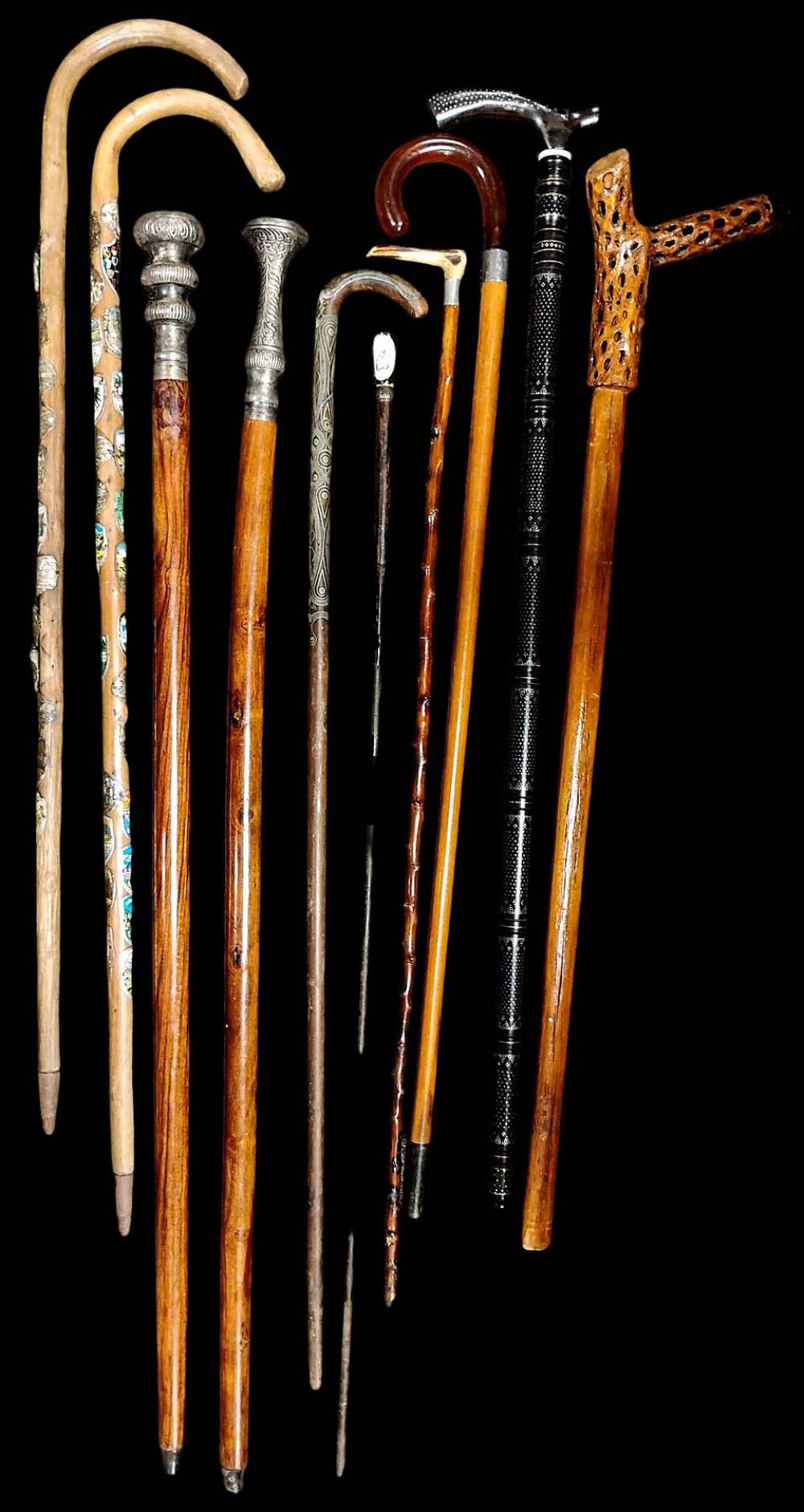 |
Collector Lot of 10 Various Antique Walking Cane Canes Sticks. | Sofe Design Auctions | 2025-09-20 | 8106 | USD 250 (buyer’s-premium treatment unknown) |
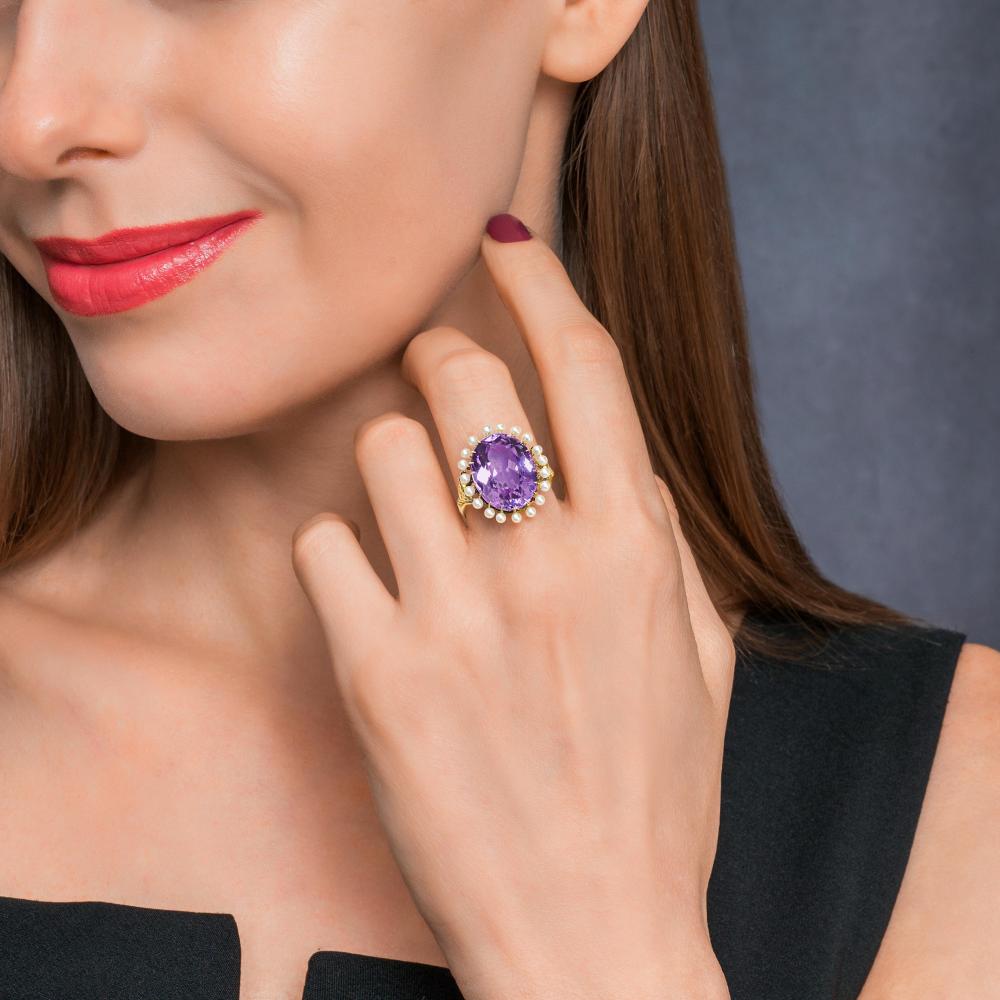 |
Antique Amethyst and Pearl Ring | FORTUNA® | 2024-08-13 | 2098 | USD 650 (buyer’s-premium treatment unknown) |
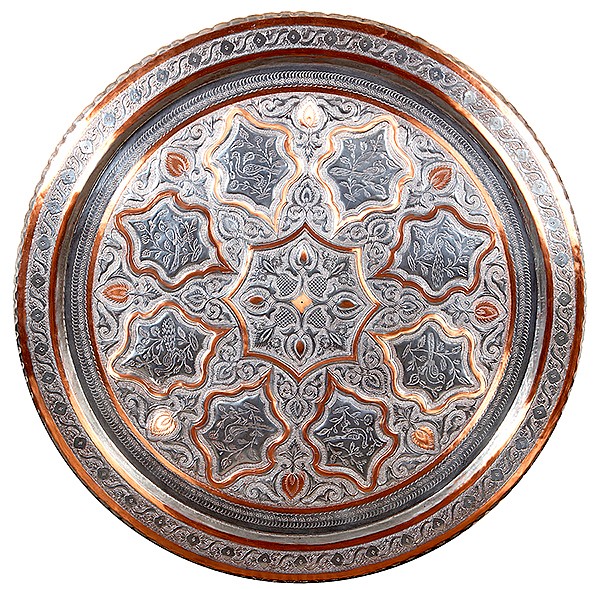 |
Antique Persian Silver and Copper Charger | Goldberg Coins & Collectibles | 2013-04-06 | 467 | USD 300 (buyer’s-premium treatment unknown) |
How these auction records were verified
Each row retains its exact source URL, lot identity, retrieval time, access result, and immutable record hash. Inspect the public comparable provenance record.
Disclosure: prices are shown as reported by auction houses and are provided for appraisal context. Learn more in our editorial policy.
Free instant estimate
Not sure if your item is worth appraising? Let us take a look.
Upload a photo, tell us what you know, and get a free first read. If a full appraisal makes sense, we will say so.
Free. No card needed. Takes about two minutes.
Choose your next step
Use the path that matches the decision you need to make about the item.
Not sure it is worth appraising?
Start with a lower-friction screen to understand the likely category, evidence, and next step.
Upload photos for a free first lookWant proof before paying?
See how a signed report documents photos, comparable evidence, condition notes, and value conclusions.
View signed report sampleNeed a signed report?
Use this for insurance, estate, donation, resale, or documented value decisions.
Need documentation now? Start signed appraisalNeed local or specialist help?
Compare directory options when the work needs in-person review or a specialist near you.
Find local specialistsSee what the report looks like
Sample reports show how photos, comparable evidence, condition notes, and a value conclusion are documented.
Get antiques appraised
Upload photos of the antique, maker marks, materials, dimensions, condition, provenance notes, and the value purpose.
- Expert report with photos and market context
- Fast turnaround
- Fixed, upfront pricing
No obligation. Secure upload.
Continue your valuation journey
Find the right local specialist
Compare antique and art appraisers by location and specialty in one directory.
Antique & art specialists
Browse the Antique & Art Appraisers Directory
Choose a local specialist when the assignment needs in-person inspection or a specific credential.
Machine-readable summaries
Use these machine-friendly references for AI and crawler discovery of Appraisily content.
Ready for pricing guidance?
Start a secure online appraisal
Upload images and details. Certified specialists respond within 24 hours.
Upload photos for a free first look View signed report sample