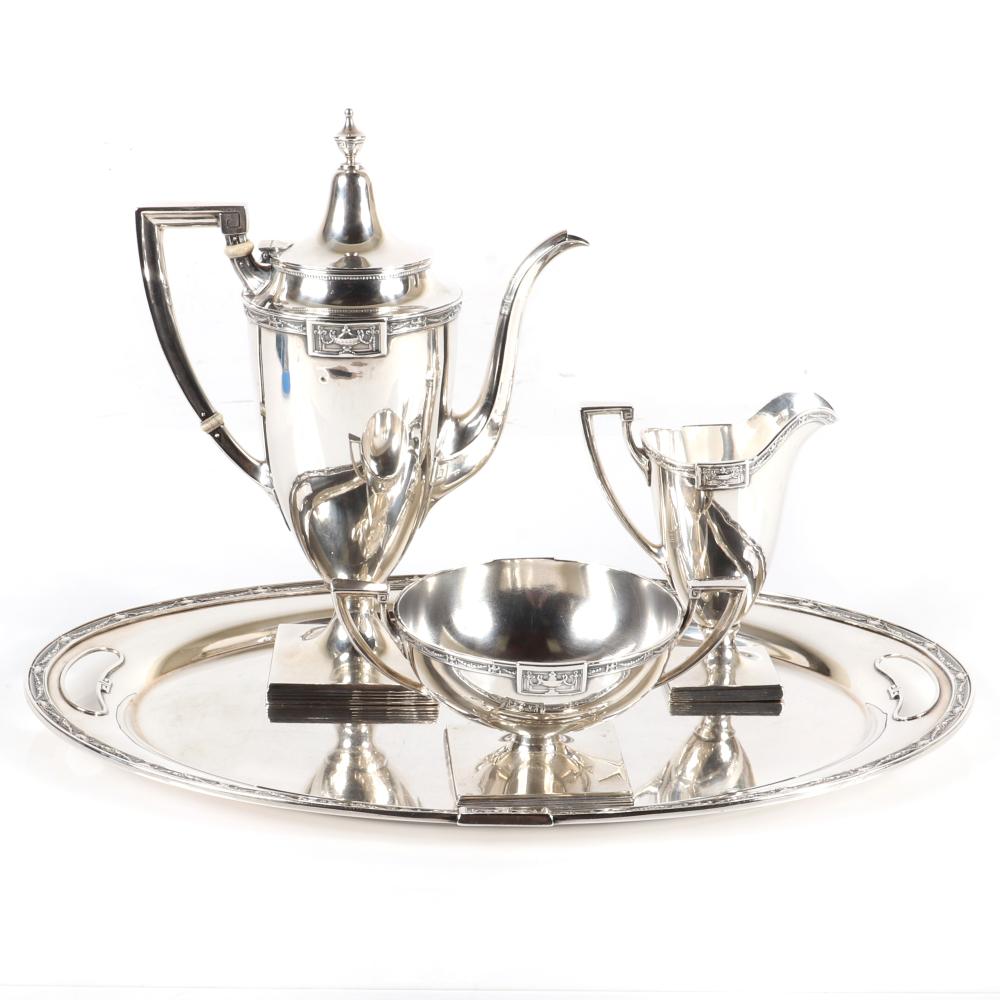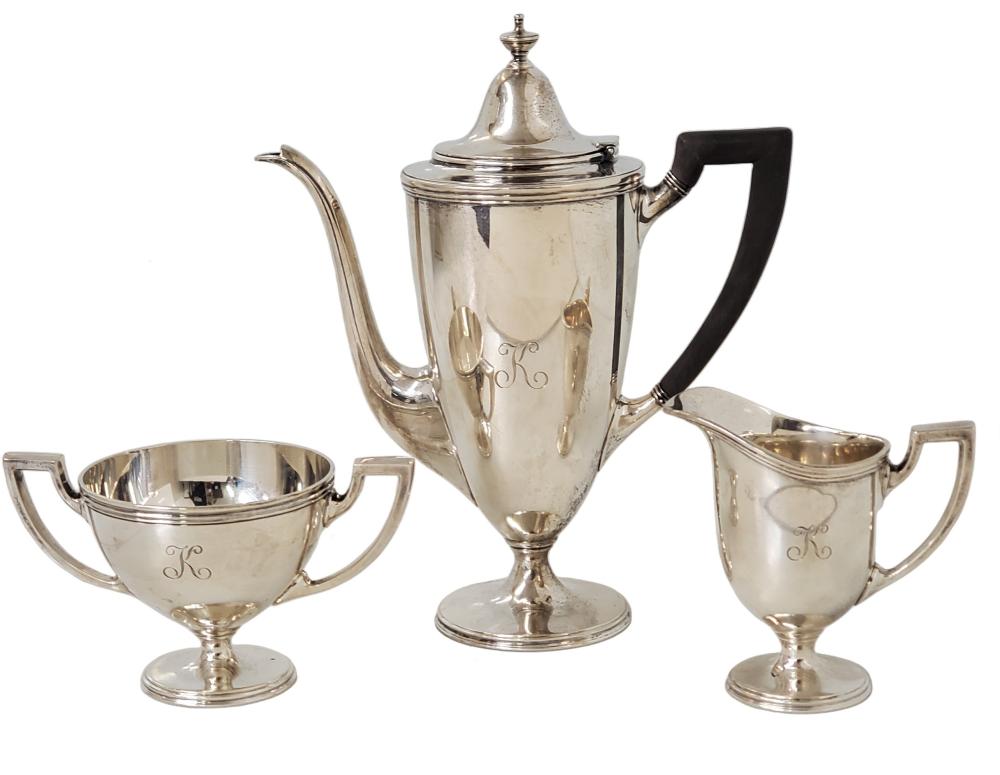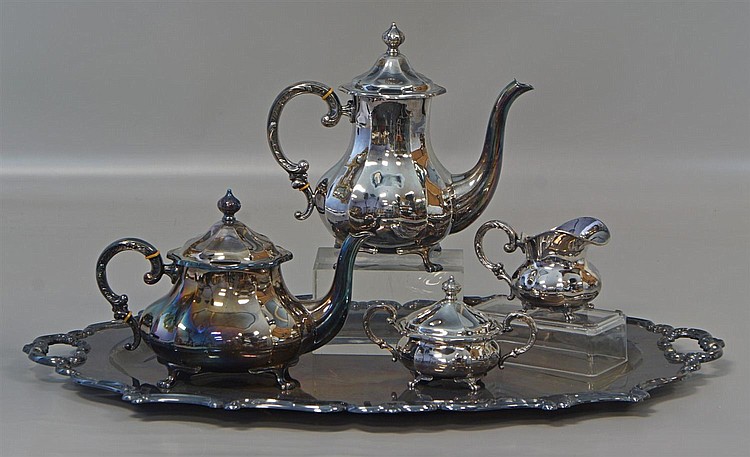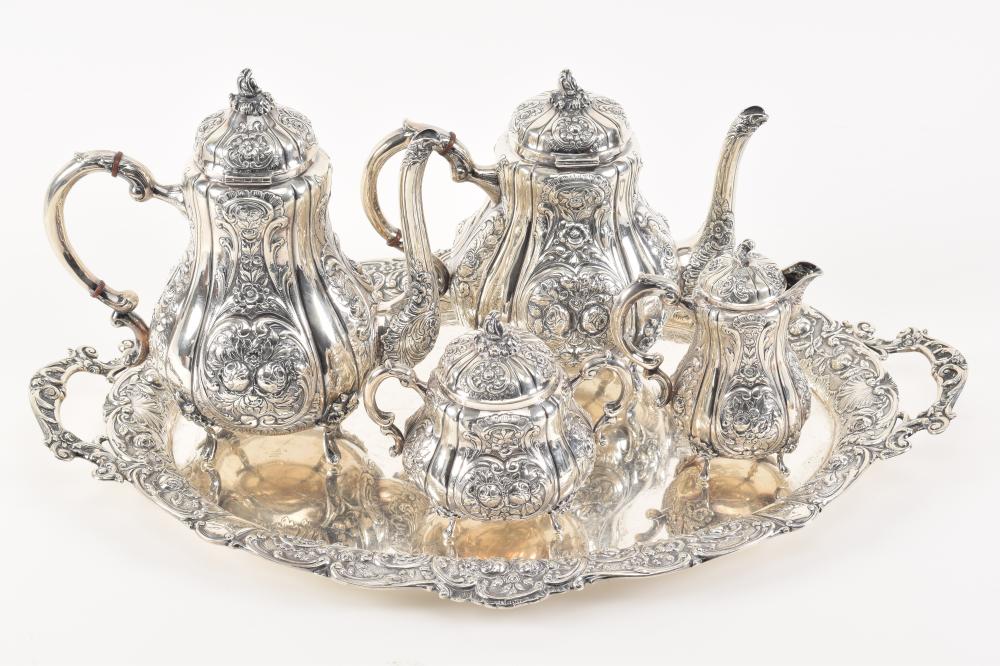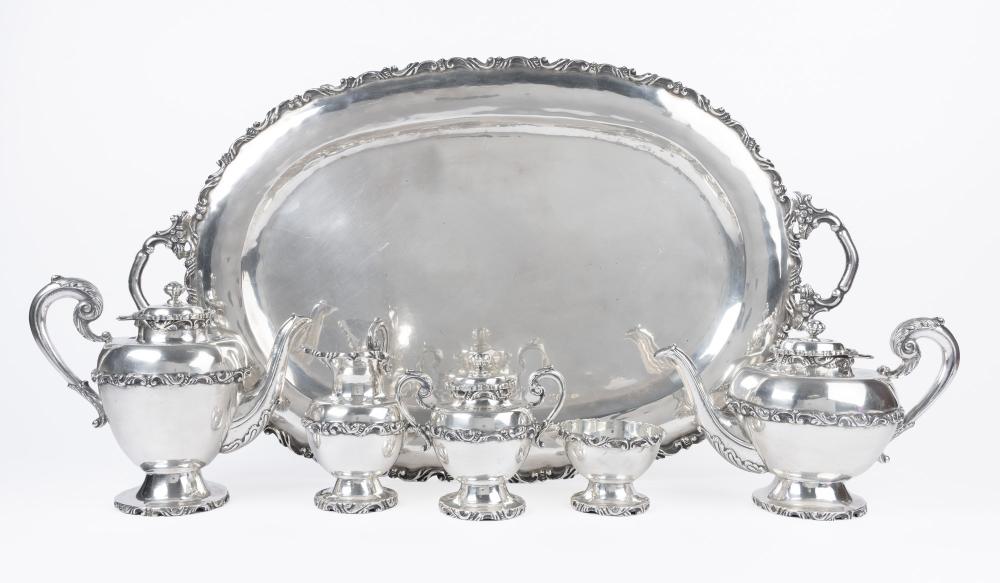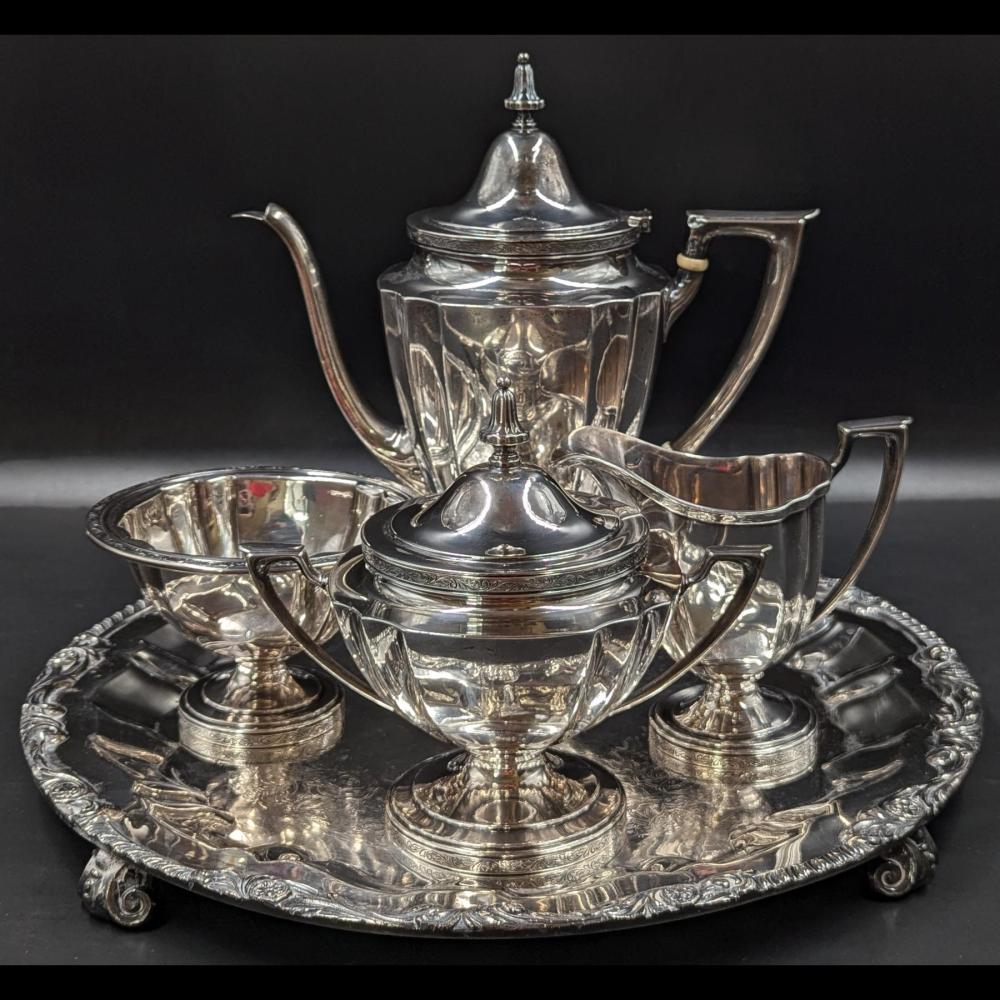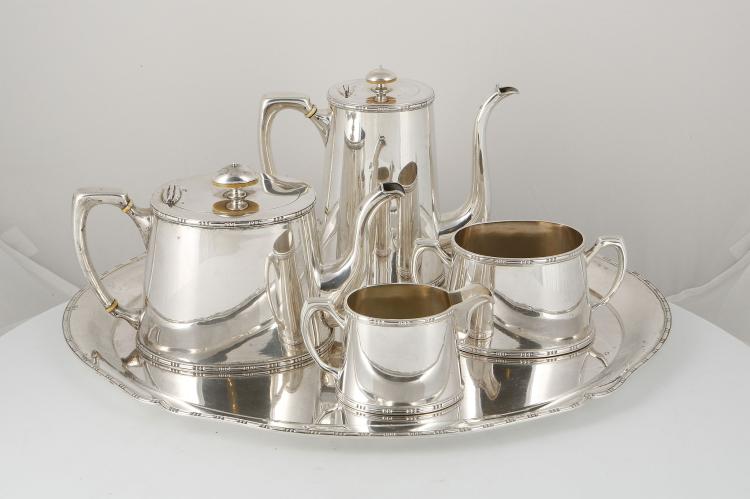
A silver tea set can look complete, old, and even expensive at first glance. The practical question is not whether it is old; it is whether buyers care about what they can verify.
The right way to judge it is not guesswork: move through a checklist in one pass. You should check photos, marks, weight, and provenance evidence before you assume a final value range.
That is why this guide uses a field-first process. The same structure helps someone shopping estate items, a seller protecting a sentimental service, and an owner preparing for insurance or gifting decisions.
Shoot first, value later: a photo audit that saves you from bad assumptions
Before any number, get a usable visual set. Buyers and appraisers do not infer quality from one blurry close-up and one overview. They infer reliability from repeatable photos.
- Place the set on a matte white sheet with daylight from the side.
- Shoot full set views: top, side, and close-in on joints.
- Shoot each piece bottom after cleaning dust only.
- Shoot tray marks at normal angle and then with a 45-degree tilt.
- Photograph cracks, wear lines, and repairs in natural light.
If you do this well, the article itself becomes testable evidence. If you do not, the first thing everyone says is, "I need better photos," and the estimate becomes a delay.
Decode marks before you trust the story
The mark is your first concrete signal. For tea services, this usually includes a sterling indicator, assay symbol, maker name, and date or import mark. The mark matters, but it is not enough on its own.
What to collect first
Look for 925 or equivalent sterling indicators, maker initials, and any proof of assay office. Then match those strings against known marks databases and period catalogs.
- Clear maker marks increase confidence, but only if the set matches the reported era and construction style.
- Unclear or weak marks do not kill value, but they shift burden to material, design quality, and sale context.
- Mixed marks (import, assay, and repair hallmarks) are normal; the pattern still needs a coherent provenance path.
- Missing or erased marks require stronger condition and rarity evidence.
A reader mistake we see often is over-indexing on brand alone. The practical signal is consistency: does the mark pattern match the piece weight, pattern language, and construction quality?
Count pieces, weigh the set, and test completeness assumptions
In practical terms, completeness is a pricing lever. A complete tea set with tray and matched serving pieces usually sustains market confidence better than a partial group.
Use a kitchen scale as a consistency check, not a definitive value rule. We use gross weight only as a proxy. A lighter one-for-one replacement can still out-price a heavier set if marks and condition are stronger.
- Inventory each component: pot, coffee pot, sugar, cream, tray, and matching garnish pieces.
- Record whether the tray has original edges, feet, and underside marks.
- Note if any piece is reproduction-level polished or missing from the pattern family.
- Check unit-to-unit variation: wide weight variance in a matched set usually means mixed origins.
Evidence from internal comps shows realistic variation. A c.1880 Austrian four-piece service with provenance and tray marked around 2,340 g can be on one end of a broad range, while an 8-piece Camusso sterling set sold much higher due to piece count and consistency. That is why the checklist must treat weight and completeness together.
Prove condition and provenance before you call it rare
Condition is where buyers convert uncertainty into a discount. That is why condition is the second hard gate after marks and inventory. Dents, clipping, and replacement rims are usually visible before price. So are refinishing cues.
Condition audit checklist
- Look for sharp dents around rim, lid locks, and handles.
- Measure patina consistency versus expected age and handling pattern.
- Record repairs: solder lines, re-fitted handles, mismatched joints.
- Map glaze-like dulling, heavy finger marks, and aggressive wear as risk points.
Provenance helps when it is specific and documentable. Family transfer is useful, especially if it includes dates, photos, and acquisition context. But it does not replace mark verification.
A set linked to a clear chain (for example documented estate descent) and strong marks can hold value much better than a similar object with no paper trail.
Free instant estimate
Not sure if your item is worth appraising? Let us take a look.
Upload a photo, tell us what you know, and get a free first read. If a full appraisal makes sense, we will say so.
Free. No card needed. Takes about two minutes.
How to use this checklist on your next object
Read the list in one pass first, then circle to market context. If marks and provenance are unresolved, use an upload for faster triage and avoid paying for a full process before you have a direction.
Do this before listing, before gifting, and before telling yourself a sentimental set is “probably valuable.” The only honest answer comes from evidence you can share: photos, marks, weight, and condition history.
- Document marks and defects first.
- Estimate set completeness and weight band next.
- Only then compare with auction context.
- Move to paid review only if the free-first read confirms a clear path.
Quick FAQ
Can a missing tray be “repaired” in value?
Yes, but rarely to full set parity. A missing tray usually lowers desirability first, especially when photos show mixed marks or replacement components.
What matters more: maker marks or provenance?
Maker marks and provenance help each other. The practical answer is: clearer marks increase baseline confidence, and provenance increases transaction confidence. Neither replaces condition.
Can I rely only on one lot or one photo?
No. Use at least two evidence tracks: mark chain and condition chain. Better yet, pair those with a few auction examples from the same format and era.
Search variations readers also ask
- What marks should be on a real antique silver tea set?
- How do I check whether my silver tea set is sterling?
- How much does a used silver tea set with tray usually sell for?
- How can I prove provenance for a silver tea set?
- Why does one silver tea set sell for hundreds and another for thousands?
- What dents and wear reduce value the most?
- How many pieces count as a complete antique tea set?
- Can partial tea sets still be good appraisal candidates?
Related references
- Uncovering the Worth: How to determine your antique silver tea set value
- Antique Tea Sets Value Guide with realistic ranges
- Antique silver teapot identification and markings
- Appraisily value guide for old silver tea sets
- Silver and flatware guides directory
- Editorial policy and market sourcing standards
Choose your next step
Use the path that matches the decision you need to make about the item.
Not sure it is worth appraising?
Start with a lower-friction screen to understand the likely category, evidence, and next step.
Upload photos for a free first lookWant proof before paying?
See how a signed report documents photos, comparable evidence, condition notes, and value conclusions.
View signed report sampleNeed a signed report?
Use this for insurance, estate, donation, resale, or documented value decisions.
Need documentation now? Start signed appraisalNeed local or specialist help?
Compare directory options when the work needs in-person review or a specialist near you.
Find local specialistsSee what the report looks like
Sample reports show how photos, comparable evidence, condition notes, and a value conclusion are documented.
Still deciding?
Free instant estimate Upload photos for a free first look View signed report sample